

 Not in Hall of Fame News
Yes, we know that this is taking a while! As many of…
 Not in Hall of Fame News
Yes, we know that this is taking a while! As many of…
 Not in Hall of Fame News
2002 SEMI-FINAL RESULTS: Thank you for your participation in the Pro Football…
 Not in Hall of Fame News
Yes, we know that this is taking a while! As many of…
 Not in Hall of Fame News
We are diligently working away at Notinhalloffame on revising our Football lists…
 Not in Hall of Fame News
We are diligently working away at Notinhalloffame on revising our Football lists…
 From the Desk of the Chairman
October baseball often turns individual pitching performances into lasting postseason memories. Strikeout…
 From the Desk of the Chairman
For decades, the sports debate ran on gut feeling. Barstool arguments, call-in…
 From the Desk of the Chairman
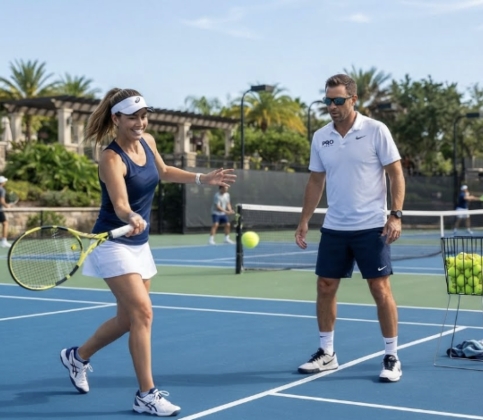
Introduction to Private Adult Tennis Camps in Prague Adult club players increasingly…
 From the Desk of the Chairman
Unlike in the case of pre-match betting, where you have to pick…
 From the Desk of the Chairman
Kupu178 builds trust with people by using top-end end-to-end encryption. It checks…
 From the Desk of the Chairman
Sports fans thrive on calculating strategy, reading momentum, and maximizing every tactical…
100 Active Potential Football Hall of Famers
-
 #39 Overall, Nick Bosa, San Francisco 49ers, #12 Defensive End: Defensive Linemen/Linebackers: Pass Rushers2025 Pre-Season Rank #42, 2024 Pre-Season Rank #52, 2023: Pre-Season Rank #83. Peak Period: 2019-23 The explosive Nick Bosa is one of a…
 -
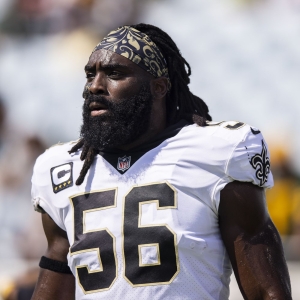 #48 Overall, DeMario Davis, New York Jets, Linebacker, #4 Defensive Lineman/Linebacker: Interior Lineman2025 Pre-Season Rank #47, 2024 Pre-Season Rank #47, 2023 Pre-Season Rank #61, 2022, Pre-Season Rank #137. Peak Period: 2019-23 Davis, a veteran player,…
 -
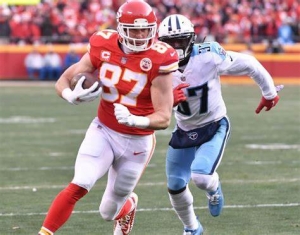 #5 Overall, Travis Kelce: Kansas City Chiefs, #1 Tight End2025 Pre-Season Rank #4, 2024 Pre-Season Rank #5, 2023 Pre-Season Rank #7, 2022 Pre-Season Rank #12, 2021 Pre-Season Rank: #20, 2020 Pre-Season Rank…in Tight Ends
 -
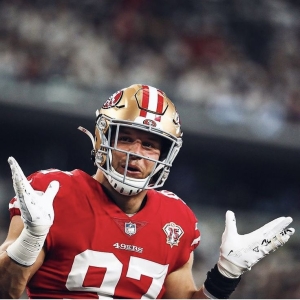
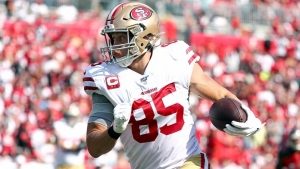 #26 Overall, George Kittle, San Francisco 49ers, #2 Tight End2025 Pre-Season Rank #34, 2024 Pre-Season Rank #42, 2023 Pre-Season Rank #59, 2022 Pre-Season Rank #74, 2021 Pre-Season Rank #86, 2020 Pre-Season Rank…in Tight Ends
Visit the Fictitious Halls of Fame!
You May Also Like...
EDITOR’S CHOICE
 DDT's Pop Flies
When the veterans committee (VC), officially convening as the Contemporary Baseball Era…

 Live Music Head
Project/Objectan interview with André Cholmondeleyby Live Music HeadOriginally published at timessquare.com on…

LATEST RANKINGS
MOST POPULAR RANKINGS

Committee Chairman
377. Doug Furnas & Philip LaFon
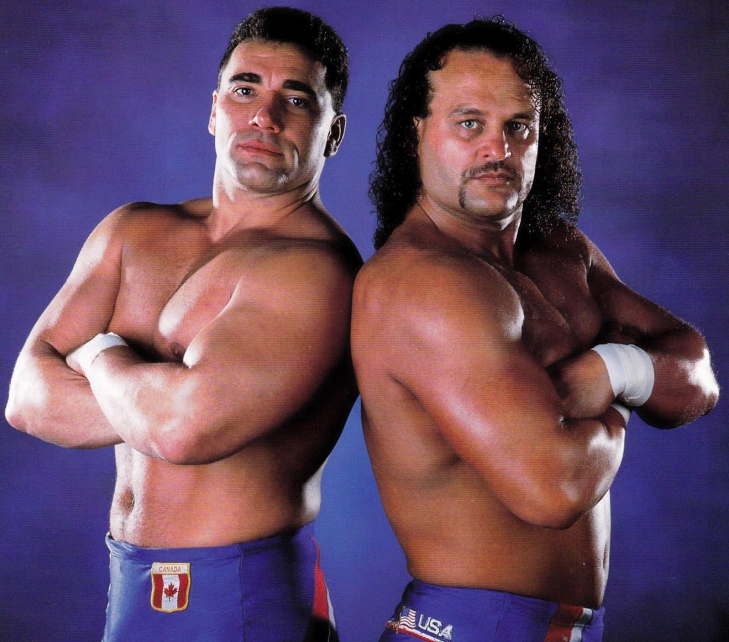
Doug Furnas was a power lifter from Oklahoma and in Japan, he would form a tag team with Philip Lafon from Montreal. Wrestling-wise they became a well-oiled machine and would win the All-Japan Tag Team Titles five times before showing off their tandem skills in the United States.
Furnas and Lafon signed with the WWE in 1996, and while their start was strong, the duo was ignored and slid rapidly down the card. That being true, their overall talent is undeniable and deserves celebration on some level.
381. Hakushi
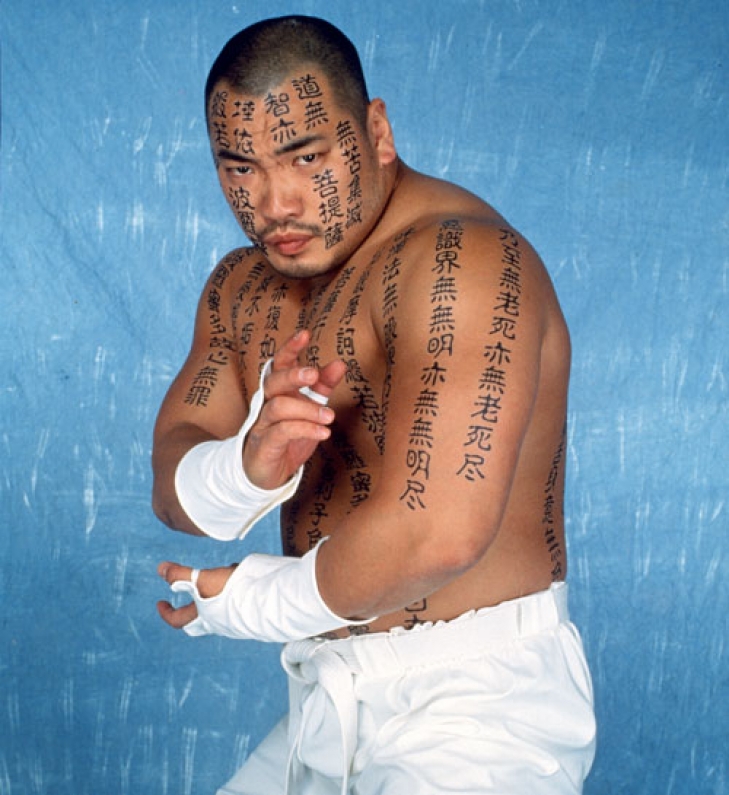
Trained by Gran Hamada, Jinsei Shinzaki debuted in the early 90s and his natural intense look and high-flying moveset quickly made him a coveted addition to any roster. Taking on the persona of Hakushi, Shinzaki entered the WWF in 1995 with fake full body tattoos and an all-white monk-like outfit and feuded with Bret Hart.
A face turn quickly saw him slide down the card, but he returned to Japan a much bigger star, and did well on the Japanese independent scene.
372. Cavernario Galindo
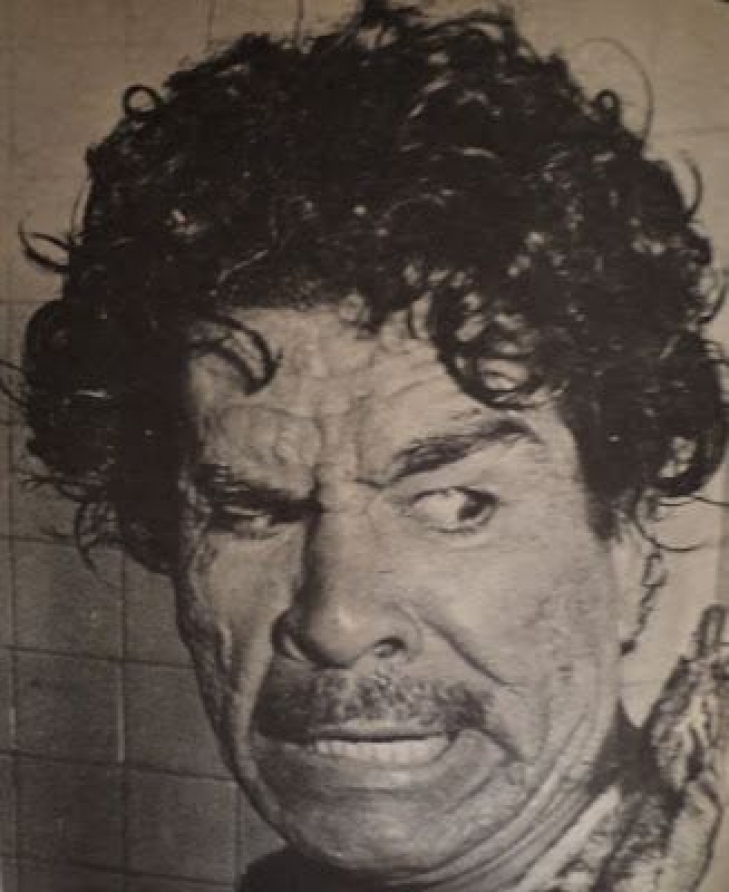
If you were to go by titles, there would not be much of a Hall of Fame case for Cavernario Galindo, as he only captured one major title (Mexican National Light Heavyweight), but when you were a gimmick like Galindo you didn’t need them.
Galindo was not a handsome man, as he had a face full of scars and a mean looking demeanor. Adopting a brawling style, promoter extraordinaire, Salvador Lutteroth, gave him a caveman gimmick, and the style allowed Galindo to wrestle for decades. Galindo embraced the nature of a troglodyte, biting, scratching and terrorizing fans, who thought that he might eat them for dinner
Galindo’s feud with Gory Guerrero became legendary, and he was always a draw. He never was a name in the United States, but he didn’t have to be.
Future Hall of Famers Who Could Win Their First Stanley Cup in 2021/22
Eric Lindros, Pat LaFontaine, Pavel Bure, Marcel Dionne, and the recently retired Henrik ‘The King’ Lundqvist all feature on a particularly unenvious list despite their glistening NHL careers: the list of legends who never hoisted the Stanley Cup. It’s the ultimate achievement in the league but, sometimes, even the greatest talents can’t quite get there.
This season, several players who look to be cementing a place as a future Hall of Famer are vying for their first Stanley Cup triumph. For some, this might just be their last, last chance, but each of those featured here is on a team that could go deep in the playoffs in 2021/22.
Dallas Stars veterans
We’re starting off with the 2020 Stanley Cup Finals runners-up, the Dallas Stars, as they boast three highly likely Hall of Famers who’re edging closer to the ends of their careers but haven’t won Lord Stanley just yet. All of Ryan Suter (36 years old), Joe Pavelski (37 years old), and captain Jamie Benn (32 years old) crave the Cup. Coming into this 2021/22 campaign, the Stars look to have a strong roster.
They did miss out on the playoffs last season, with injuries and perhaps a Finals hangover playing their part, but the talent at the American Airlines Center is enviable. So, it comes as a surprise that the NHL betting has them out dark horses at +2200, but that’s almost certainly due to last season’s finish. This season, Benn, Suter, and Pavelski should be part of a competitive team that can challenge for the Cup.
Joe Thornton
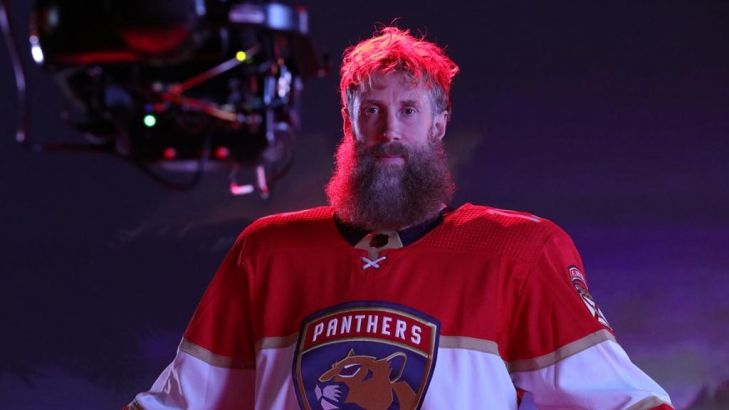
There isn’t a skater more desperate for the Stanley Cup than the active points leader Joe Thornton. He’s 1,680 games and 1,529 points into his career, has played for two legitimate contenders, and is now 42 years old. Now, he finds himself taking the near-minimum salary to play for a Florida Panthers side that’s suddenly realized the talent available to them.
It’s been well-documented that the main thing that’s held back the Panthers has been the front office, but now the Sunrise hockey club looks to have turned a corner. Florida still has to complete a trial by fire in the Atlantic Division just to get to the postseason, but if they do, the team headlined by Sergei Bobrovsky, Aaron Ekblad, Aleksander Barkov, Jonathan Huberdeau, Sam Bennett, Sam Reinhart, and Anthony Duclair might just be able to bring ‘Jumbo’ the silverware that he craves – and are at +2000 to do so.
Jason Spezza
Drafted second overall by the Ottawa Senators in 2001, Jason Spezza has strung together a solid career worthy of the selection. Now 38 years old, the Ontario native has scored 1,034 points in 1,293 games, 441 of which were goals. He’s certainly paid his dues on weaker teams, as demonstrated by his -77 plus-minus, but now that he’s entering his third season with the Toronto Maple Leafs, Spezza could finally win the Cup.
The Buds have been rated as top contenders for the Stanley Cup since they lured in John Tavares – way back in 2018. In the playoffs, however, it’s been one first-round exit after another, tallying a five-season streak of getting to the postseason and then bowing out immediately. Star scorer Auston Matthews says that this will change in 2021/22, and given the strength of the skating corps, it’s tough to argue with him or their +1100 odds.
While there are other future Hall of Famers still in need of a Stanley Cup – such as Carey Price to name a prime example – those above look the best set and the most deserving of winning it this season.
