

 Not in Hall of Fame News
Yes, we know that this is taking a while! As many of…
 Not in Hall of Fame News
Yes, we know that this is taking a while! As many of…
 Not in Hall of Fame News
2002 SEMI-FINAL RESULTS: Thank you for your participation in the Pro Football…
 Not in Hall of Fame News
Yes, we know that this is taking a while! As many of…
 Not in Hall of Fame News
We are diligently working away at Notinhalloffame on revising our Football lists…
 Not in Hall of Fame News
We are diligently working away at Notinhalloffame on revising our Football lists…
 From the Desk of the Chairman
For decades, the sports debate ran on gut feeling. Barstool arguments, call-in…
 From the Desk of the Chairman
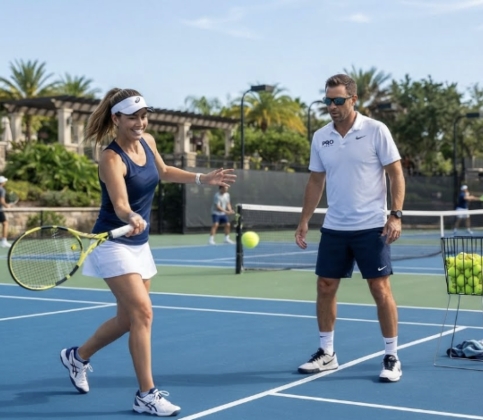
Introduction to Private Adult Tennis Camps in Prague Adult club players increasingly…
 From the Desk of the Chairman
Unlike in the case of pre-match betting, where you have to pick…
 From the Desk of the Chairman
Kupu178 builds trust with people by using top-end end-to-end encryption. It checks…
 From the Desk of the Chairman
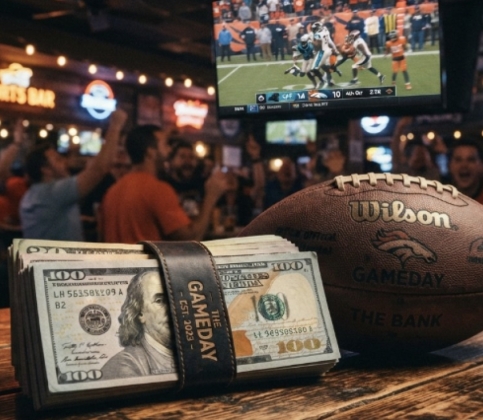
Sports fans thrive on calculating strategy, reading momentum, and maximizing every tactical…
 From the Desk of the Chairman
The 2026 NFL season is two weeks old and the division races…
100 Active Potential Football Hall of Famers
-
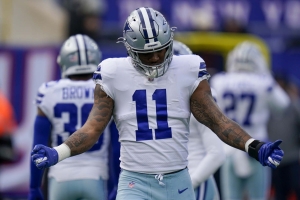 #29 Overall, Micah Parsons, Green Bay Packers, Linebacker, #10 Defensive Lineman/Linebacker: Pass Rusher2025 Pre-Season Rank #54, 2024 Pre-Season Rank #79, 2023: Pre-Season Rank #102. Peak Period: 2021-25 Here is what we wrote about Micah Parsons…
 -
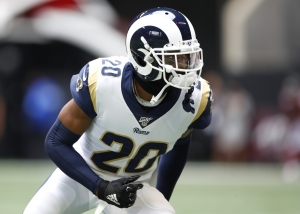 #23 Overall, Jalen Ramsey, Pittsburgh Steelers, #1 Cornerback2025 Pre-Season Rank #20, 2024 Pre-Season Rank #20, 2023 Pre-Season Rank #23, 2022 Pre-Season Rank #35, 2021 Pre-Season Rank #54, 2020 Pre-Season Rank…in Cornerbacks
 -
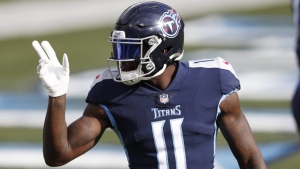 #50 Overall, A.J. Brown, New England Patriots, #9 Wide Receiver2025 Pre-Season Rank #49, 2024 Pre-Season Rank #76, #2023 Pre-Season Rank #106, 2022 Pre-Season Rank #142, 2021 Pre-Season Rank #141. Peak Period: 2020-24…
 -
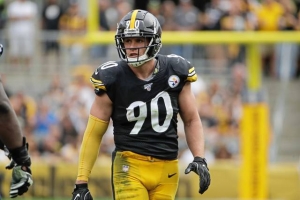 #10 Overall, T.J. Watt, Pittsburgh Steelers, #4 Defensive Lineman/Linebacker Pass Rusher2025 Pre-Season Rank #7, 2024 Pre-Season Rank #11: 2023 Pre-Season Rank #15, 2022 Pre-Season Rank #24, 2021 Pre-Season Rank #68, 2020 Pre-Season Rank…
Visit the Fictitious Halls of Fame!

You May Also Like...
EDITOR’S CHOICE
 DDT's Pop Flies
When the veterans committee (VC), officially convening as the Contemporary Baseball Era…


 Live Music Head
Project/Objectan interview with André Cholmondeleyby Live Music HeadOriginally published at timessquare.com on…

LATEST RANKINGS

MOST POPULAR RANKINGS



Committee Chairman
9. Earl Thomas
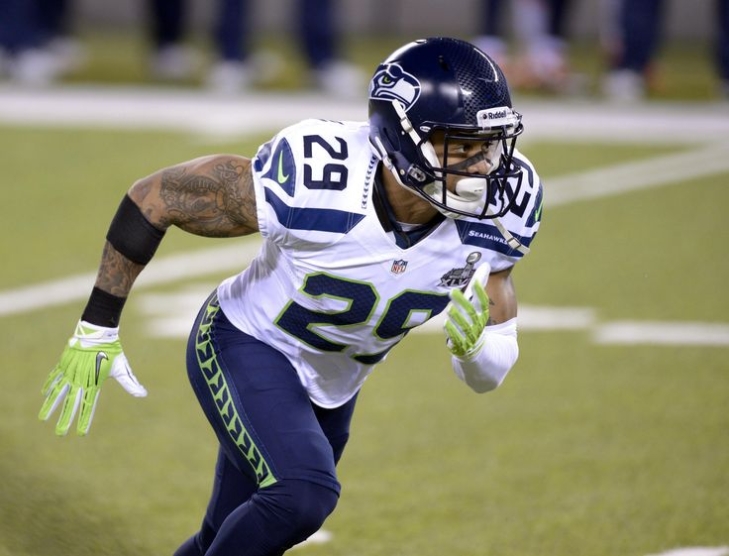
Earl Thomas was a superstar at Texas, where he received All-American honors. He was selected as the 14th pick of the 2010 NFL Draft and became an immediate starter at Free Safety. In his sophomore season of 2011, he began a five-year streak of Pro Bowls and a three-year run of First Team All-Pro selections in 2012. Thomas was an essential member of the Legion of Boom, a group of Defensive Backs that helped the Seattle defense hold Denver to only eight points in their Super Bowl XLVIII Championship win.
Despite Richard Sherman receiving more attention, Thomas was equally as good and earned his sixth Pro Bowl in 2017. However, Thomas left the Seahawks for Baltimore as a Free Agent in 2019. After one Pro Bowl year, an altercation in practice with a teammate (Chuck Clark) proved to be too much for the Ravens, as his toxic nature wore out its welcome not only in Baltimore but in the rest of the NFL. Domestic violence issues surrounding him further tarnished his reputation.
Earl Thomas may not have ended his career on his own terms, but he was one of the best Safeties of the 2010s. Few former players made an All-Decade Team, but Thomas certainly earned that honor.
Delanie Walker
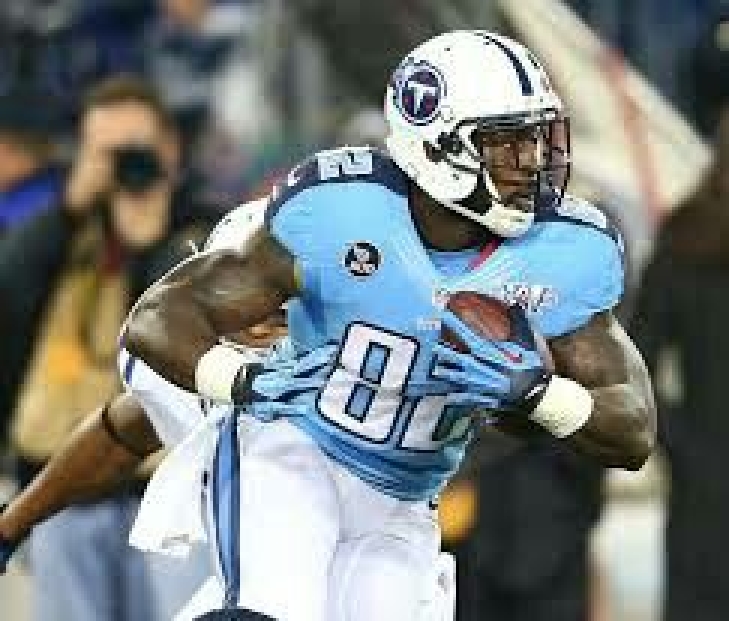
Delanie Walker was one of the best offensive players in Central Missouri State history, and he became one of the rare players from the school to be drafted, when San Francisco chose him in the Sixth Round in 2006.
The Niners used him at Fullback, Tight End and as a Gunner, and he his versatility gave him the “Swiss Army Knife” nickname. While he showcased value for San Francisco, he settled in a Tight End role with the Tennessee Titans, the team he signed with in 2013. Walker adopted to being a full-time TE well, going to three straight Pro Bowls from 2015 to 2017, including a 1,088 Yard year in 2015.
Ankle problems derailed Walker early in 2018 and he only played one more year, although sparingly. He left the game with 5,888 Receiving Yards and 36 Touchdowns from the air.
231. Clay Matthews III
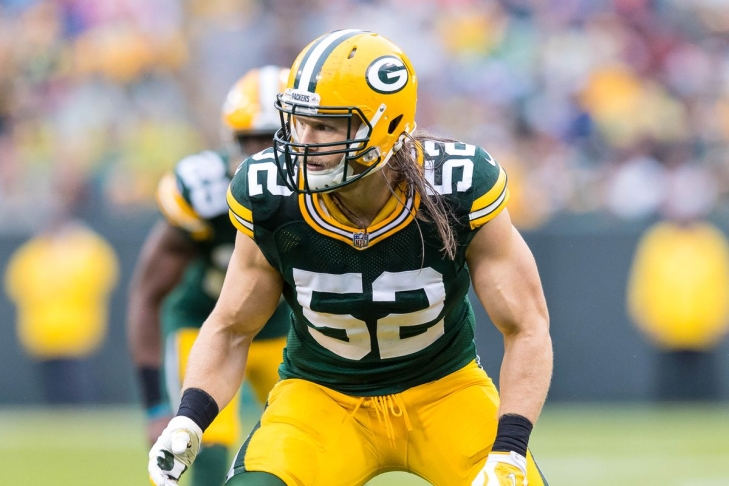
From the legendary Matthews family, Clay Matthews III became a perfect fit for Lambeau Field.
Matthews was a star linebacker from the moment he began, earning a Pro Bowl selection in his rookie year and making five more since. Matthews has excelled at pass rushing, and whenever you watch a game that featured Green Bay, it is likely that Matthews was all over the screen.
A First Team All-Pro in 2010, Matthews III was the runner-up for the Defensive Player of the Year, with the PFWA naming him as their DPOY.
Matthews played a large part in Green Bay’s success in the 2010s, leading them to a Super Bowl in the aforementioned 2010 campaign. He finished his career with a final year with the Rams and had 91.5 Sacks with 130 Tackles for Loss over his career.
Our All-Time Top 50 Chicago Bulls have been updated to reflect the 2021/22 Season
Yes, we know that this is taking a while!
As many of you know, we here at Notinhalloffame.com are slowly generating the 50 of each major North American sports team. That being said, we have existing Top 50 lists out and we always consistently look to update them when we can and based on necessity. As such, we are very happy to present our post 2021/22 revision of our top Chicago Bulls.
As for all of our top 50 players in basketball we look at the following:
1. Advanced Statistics.
2. Traditional statistics and how they finished in the National Basketball Association.
3. Playoff accomplishments.
4. Their overall impact on the team and other intangibles not reflected in a stat sheet.
Last year, Chicago made a return to the post-season with one new etrant to the Top 50, and one new elevation.
As always, we present our top five, which was not affected by the last season:
2. Scottie Pippen
4. Chet Walker
5. Horace Grant
You can find the entire list here.
Two-time All-Star, Zach Lavine, moved to #21 from #32.
DeMar DeRozan, who had a career year last season, debuts at #38.
We welcome your input and comments and as always, we thank you for your support.
