

 Not in Hall of Fame News
Yes, we know that this is taking a while! As many of…
 Not in Hall of Fame News
Yes, we know that this is taking a while! As many of…
 Not in Hall of Fame News
2002 SEMI-FINAL RESULTS: Thank you for your participation in the Pro Football…
 Not in Hall of Fame News
Yes, we know that this is taking a while! As many of…
 Not in Hall of Fame News
We are diligently working away at Notinhalloffame on revising our Football lists…
 Not in Hall of Fame News
We are diligently working away at Notinhalloffame on revising our Football lists…
 From the Desk of the Chairman
Sports fans thrive on calculating strategy, reading momentum, and maximizing every tactical…
 From the Desk of the Chairman
The 2026 NFL season is two weeks old and the division races…
 From the Desk of the Chairman
Sports communities are often built around things that have nothing to do…
 From the Desk of the Chairman
Every hall of fame eventually faces the same problem. The selection process…
 From the Desk of the Chairman
Pete Rose died in 2024. On May 13, 2025, Commissioner Rob Manfred…
 From the Desk of the Chairman
For NFL fans, game day offers much more than three hours of…






100 Active Potential Football Hall of Famers
-
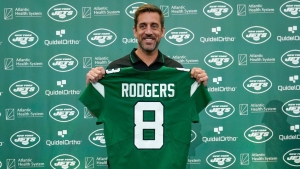 #2 Overall, Aaron Rodgers: Pittsburgh Steelers, #1 Quarterback2025 Pre Season Ranke #1, 2024 Pre-Season Rank #1, 2023 Pre-Season Rank #1, 2022 Pre-Season Rank #2, 2021 Pre-Season Rank #2, 2020 Pre-Season…in Quarterbacks
 -
 #28 Overall, Harrison Smith, Minnesota Vikings, Strong Safety, #2 Safety2025 Pre-Season Rank #38, 2024 Pre-Season Rank #50, 2023 Pre-Season Rank #72, 2022 Pre-Season Rank #79, 2021 Pre-Season Rank #90, 2020 Pre-Season Rank…in Safeties
 -
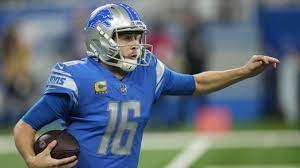 #45 Overall, Jared Goff, Detroit Lions, #8 Quarterback2025 Pre-Season Rank #46, pSeason 2024 Pre-Season Rank #89, 2023 Pre-Season Rank #100, 2022 Pre-Season Rank #112. 2021 Pre-Season Rank #106, 2020 Pre-Season…in Quarterbacks
 -
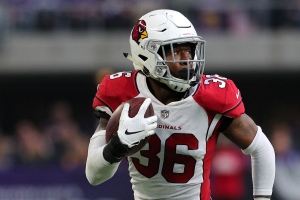 #24 Overall, Budda Baker, Arizona Cardinals, Free Safety, #1 Safety2025 Pre-Season Rank #28, 2024 Pre-Season Rank #43, 2023 Pre-Season Rank #78, 2022 Pre-Season Rank #86, 2021 Pre-Season Rank #113, 2020 Pre-Season Rank…in Safeties
Visit the Fictitious Halls of Fame!


You May Also Like...
EDITOR’S CHOICE

 DDT's Pop Flies
When the veterans committee (VC), officially convening as the Contemporary Baseball Era…



 Live Music Head
Project/Objectan interview with André Cholmondeleyby Live Music HeadOriginally published at timessquare.com on…

LATEST RANKINGS





MOST POPULAR RANKINGS
















Committee Chairman
30. T.G. Sheppard
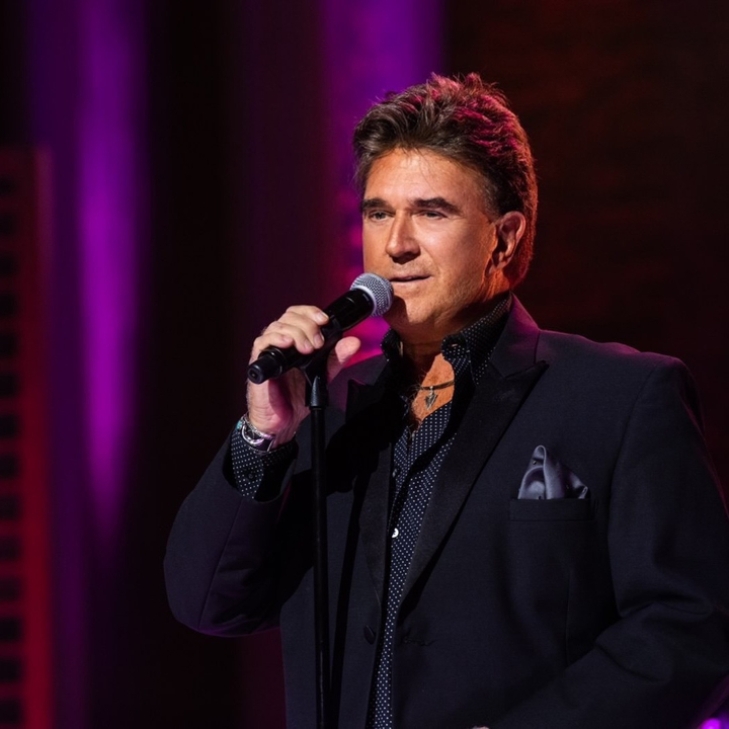
When William Browder was born in Humboldt, Tennessee in 1944, he and his parents probably never expected him to turn into a very successful country singer going by the name of T. G. Sheppard. At the age of 15, William dropped out of high school and ran away from home to join the music industry in Memphis. He signed with a record label in the mid-1960’s, but none of those singles became hits so that was over fast. He worked lots of behind-the-scenes jobs in the industry around this time. While working as an executive at RCA Records, he signed a new recording contract with a small label named Melodyland. He did not want to jeopardize his job at RCA while signing with a competing label, so he made the decision to choose a stage name for himself. He ended up deciding on T. G. Sheppard. It was at this small label where his career as a country music hitmaker began. Getting a number one with his very first song was a good sign, and he ended up continuing to get hit songs for a full 15 years. His radio dominance came to an end when the “Class Of ‘89” came in a started the next generation of country singers. His chances of getting inducted anytime soon are very slim, but T. G. has a great catalog of songs. It would be nice to see him in the Hall, but probably not happening right now.
16. Freddy Fender
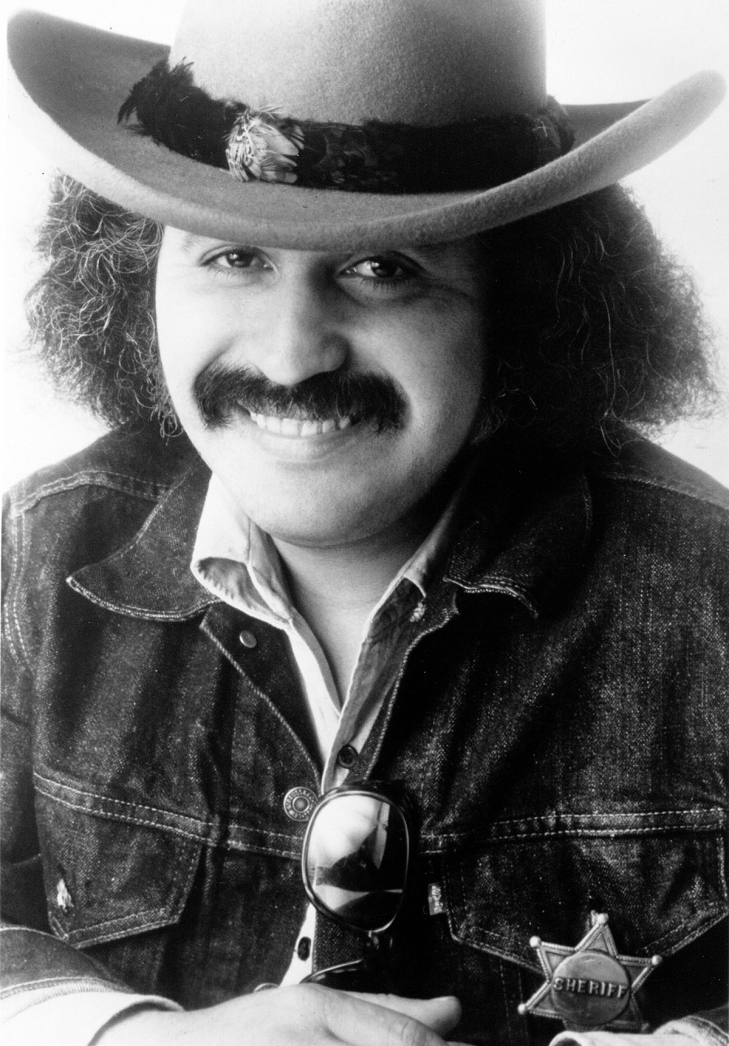
Born Baldemar Garza Huerta in Texas in 1937 to migrant labourers, he began playing music early in his childhood. He made his debut radio performance at the age of 10. By 1957, he became known as El Bebop Kid and focused on rockabilly music playing Spanish versions of Elvis Presley and Hank Williams songs (and becoming popular in his area). In 1958, he legally changed his name to Freddy Fender, thinking it would “sell better to Gringos”. While in Baton Rouge, Freddy was arrested for marijuana and spent almost three years in prison. Then Louisiana governor (and Country Music Hall Of Famer) Jimmie Davis pardoned him on the condition he stay away from music while on probation. After parole ended it took a while to get his career started again. In 1974, while working as a mechanic, he signed a recording contract with a small local label. The label head convinced him to go in a more country direction with touches of his Hispanic heritage. Against all odds, the first single he released turned into a number one country and pop hit. He then had a string of hits, sold millions, won awards and then his radio career faded a few years later. Later in his career he joined different bands and got two Grammy awards. Although he passed away in 2006, he was quoted in 2004 as saying he wanted to be the first Mexican-American singer inducted into the Country Music Hall Of Fame. That goal is still attainable. Will it happen for him one day?
20. Charlie Rich
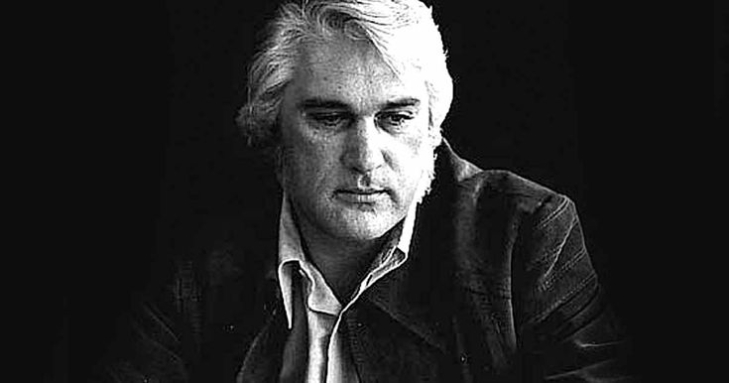
He may have been born to cotton farmers, but Charlie Rich certainly had musical influences around him. His parents performed gospel music at their church, and a black sharecropper man taught him to play blues piano. This would explain his eclectic musical styles he would perform throughout his entire career. In 1956, he and his wife moved to Memphis where he would write songs and perform R&B and jazz in the clubs. From 1958 until the late 1960's, he signed with four different record labels in a row trying and failing to find hits. Each label wanted him to try out a different style like soul, traditional country and rock & roll. In 1967, Epic Records took a chance on him, even though he had a trail of unsuccessful songs up to that point. His new producer got him to try the “Nashville Sound”, a style popular at the time for smooth strings and orchestras. This was finally the key to get him hits, and he certainly made up for lost time. His album sold millions, he got multiple hits, he got the nickname “Silver Fox” and he won ACM, CMA and Grammy awards. He had a stretch of popular songs for a couple years, then caused an incident at the 1975 CMA awards that turned some people off. That quickly slowed down his success, though he would still get a few more hits into the 1980’s. But by 1981, he decided to retire and just live off of what he had made up to that point. He passed away in 1995, but his legacy should be enough to someday welcome him to the Hall Of Fame.
19. Jeannie Seely
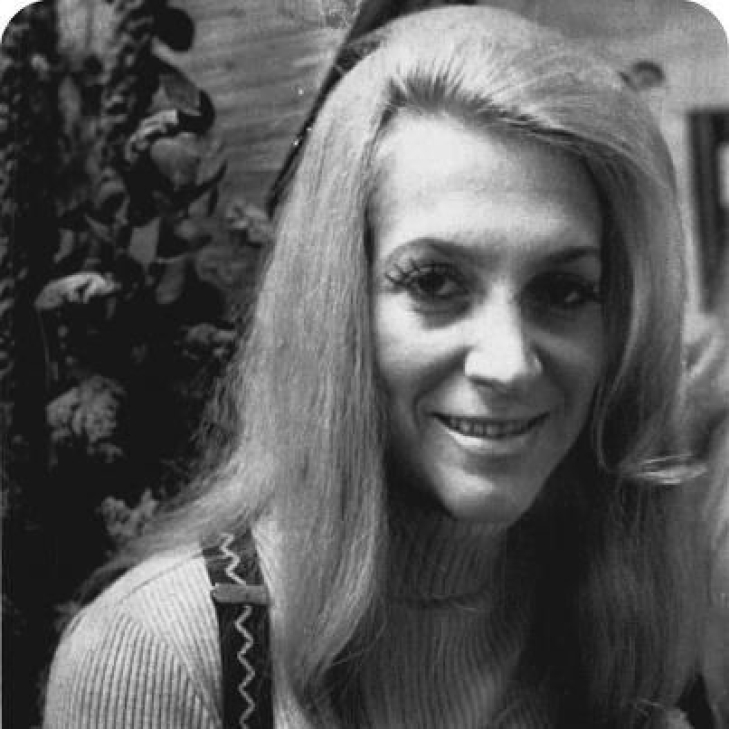
Jeannie was born the youngest of four children in 1940 in Pennsylvania. Although her parents were not connected to the industry, she got inspiration for her future career from the two of them. Her father played banjo at local square dances and her mother sang around the house with the four kids. As a teenager, she began singing on local radio and television stations. Around the age of 21, Jeannie got tired of Pennsylvanian winters and moved to California. Getting secretary positions at record labels allowed her a foot in the door. She began writing songs. Her first song was picked up by R&B singer Irma Thomas, who turned it into a pop hit. Some more of her songs were recorded by Country Music Hall Of Fame inductees Connie Smith, Willie Nelson and Dottie West. Dottie then convinced her to move to Nashville. After some exposure on Porter Wagoner’s show, Jeannie was offered a recording contract. In 1966, she released what would be a huge hit and her eventual signature song “Don’t Touch Me”. The success of this song got her a Grammy award and an offer to be a member of the Grand Ole Opry. No other songs she recorded would match that success, but she continued getting hits into the 1970’s. But the other impressive part of her country music resume is that she has continued to this day performing at the Grand Ole Opry, eventually appearing on more episodes than any other performer in the show’s history (over 5000 appearances). Maybe someday she will also add Country Music Hall Of Fame member to that wonderful resume.
