

 Not in Hall of Fame News
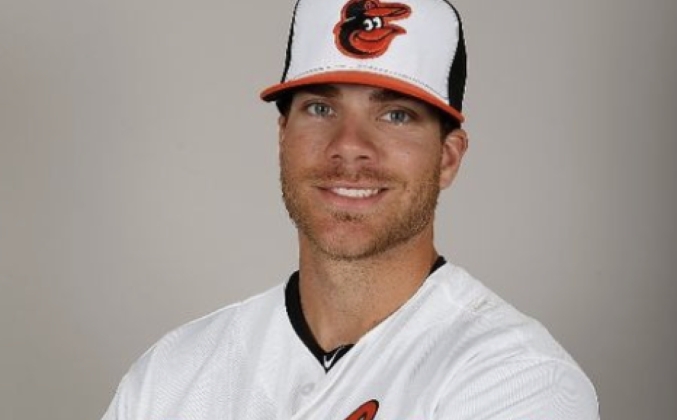
Regular visitors of Notinhalloffame.com know that we are slowly working on the…
 Not in Hall of Fame News
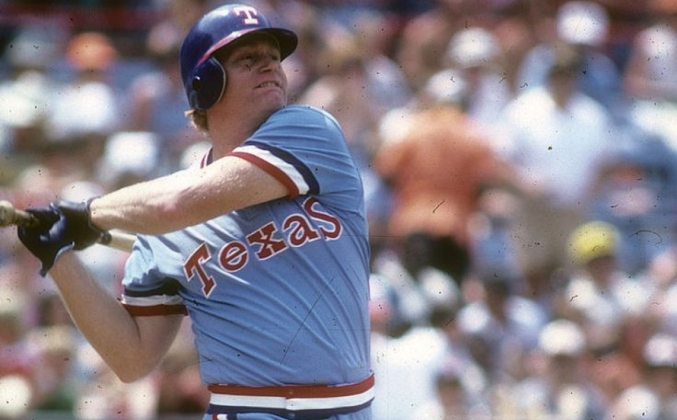
Last January, the Baseball Hall of Fame announced the Class of 2026,…
 Not in Hall of Fame News
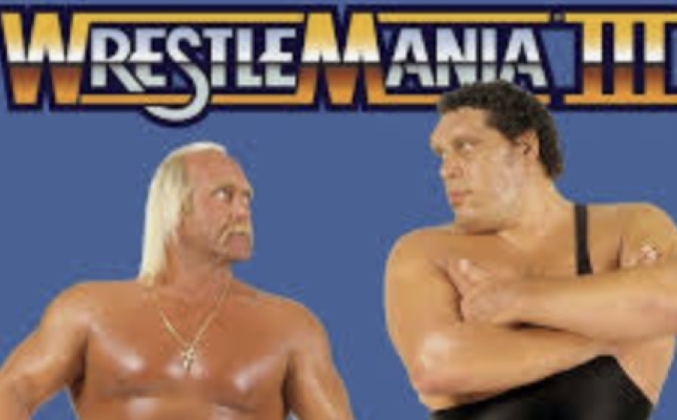
The WWE Hall of Fame announced that the Hulk Hogan vs Andre…
 Not in Hall of Fame News
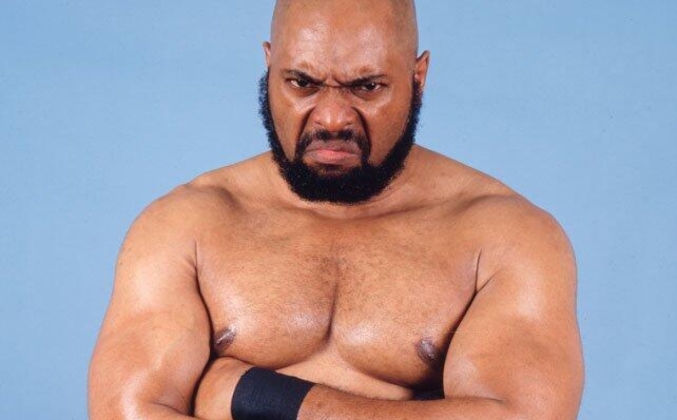
It was announced that Bad News Brown will be inducted into the…
 Not in Hall of Fame News
Yes, we know that this is taking a while! As many of…
 Not in Hall of Fame News
1993 PRELIMINARY RESULTS: Thank you to all who participated in the Pro…
 From the Desk of the Chairman
Sports and regular physical activity are widely celebrated for building strength, improving…
 The Buck Stops Here
The wait is over! Join the NotInHallOfFame.com crew—Kirk Buchner, Evan Nolan, and…
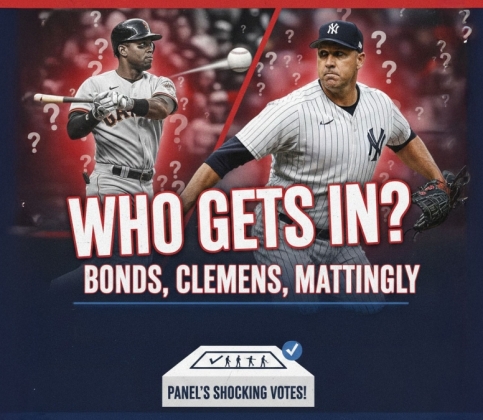 The Buck Stops Here
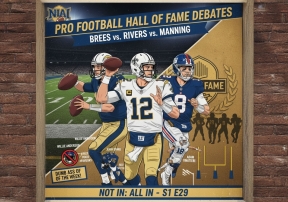
Join Kirk Buchner and Evan Nolan from NotInHallOfFame.com for a special roundtable…
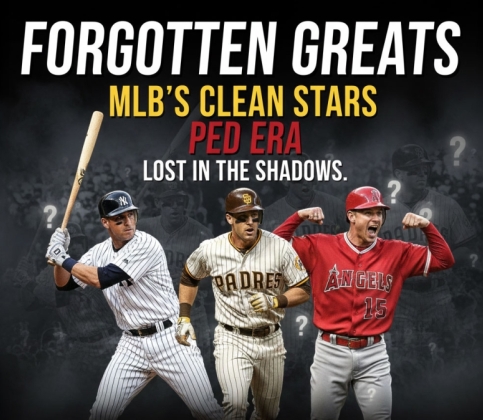 The Buck Stops Here
Kirk Buchner (NotInHallOfFame.com) and Robert Dobek dive into the dark shadow the…
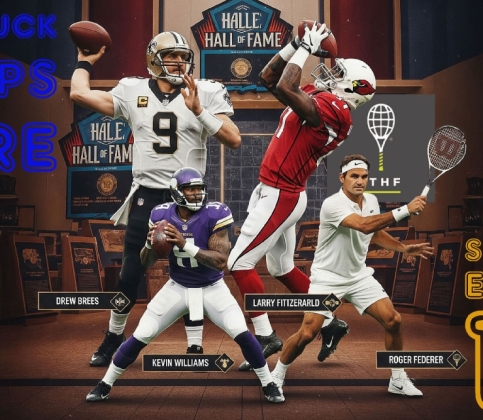 The Buck Stops Here
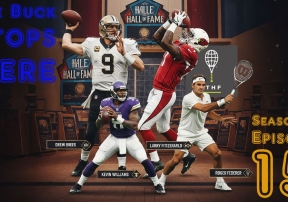
Kirk Buchner and Evan Nolan return for Season 6, Episode 15 of…
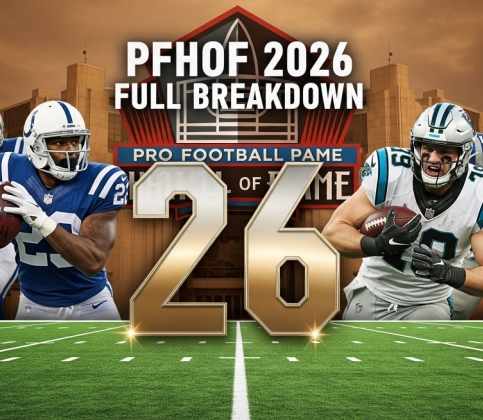 The Buck Stops Here
Kirk Buchner and Paul Lawrence sit down to break down the newly…
100 Active Potential Football Hall of Famers
-
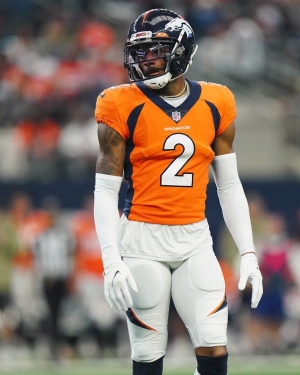 #77 Overall, Patrick Surtain II, Denver Broncos, #6 Cornerback2024: Pre-Season Rank: #134. Peak Period 2021-24* Doesn’t it feel like Patrick Surtain II knows what the Wide Receiver’s route is before he does?…in Cornerbacks
 -
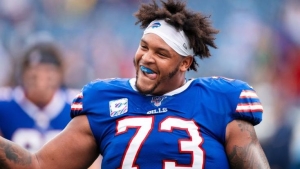 #72 Overall, Dion Dawkins, Buffalo Bills, Left Tackle, #11 Offensive Lineman2024 Pre-Season Rank #107. Peak Period: 2020-24 Dion Dawkins is currently on a four-year streak of Pro Bowls, during which time he has…
 -
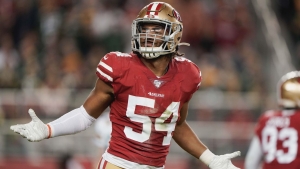 #22 Overall, Fred Warner, San Francisco 49ers Linebacker, #2 Defensive Lineman/Linebacker: Interior Lineman2024 Pre-Season Rank #49, 2023 Pre-Season Rank #79, 2022 Pre-Season Rank #118, 2021 Pre-Season Rank #142. Peak Period: 2020-24 When you face the…
 -
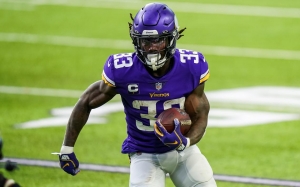 #87 Overall, Dalvin Cook: Free Agent, #8 Running Back2024 Pre-Season Rank #85, 2023 Pre-Season Rank #68, 2022 Pre-Season Rank #77, 2021 Pre-Season Rank #117. Peak Period: 2018-22 As good as Dalvin…
Visit the Fictitious Halls of Fame!
You May Also Like...
EDITOR’S CHOICE
 DDT's Pop Flies
When the veterans committee (VC), officially convening as the Contemporary Baseball Era…

 Live Music Head
Project/Objectan interview with André Cholmondeleyby Live Music HeadOriginally published at timessquare.com on…
LATEST RANKINGS

MOST POPULAR RANKINGS

Site Admin
304. Pere Ubu
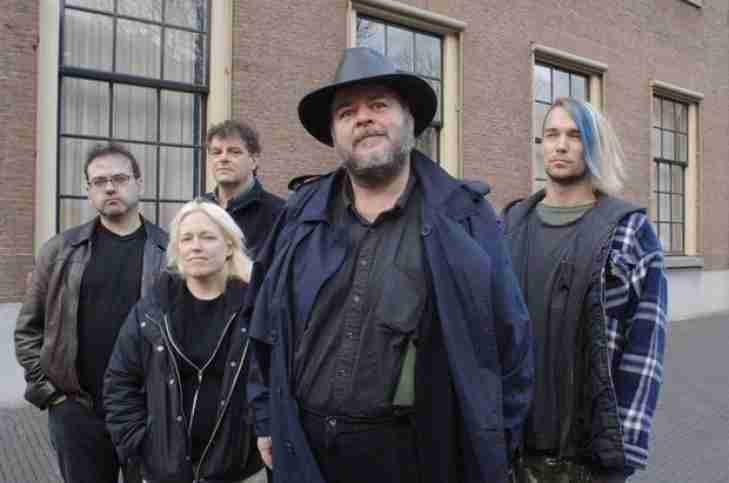
Not every Rock band dreamed of hitting it big, and many musicians did so only for their craft. Pere Ubu couldn’t possibly have dreamt of the commercial aspect of Rock and Roll, and if they ever got close to it, the band would have likely done everything they could have to stop it. Everything about Pere Ubu appeared to be “Anti-Rock and Roll” and did everything they could to disassociate themselves from it. They were (and still are) a very influential Experimental Rock band, but despite hailing from Cleveland, the only way they will get in the Hall would be to buy a ticket.
376. Luther Vandross
As one of the most successful R&B singers of the 80’s and 90’s, Luther Vandross dominated the charts and sold out arenas across the United States. Vandross was as creative as he was smooth, and he took more ownership of his music than a lot of R&B stars did at that time. As popular and innovative as Vandross was, the bulk of his music was veering towards Adult Contemporary sounds and though he was revered in multiple circles there are few interpretations of Luther Vandross that screamed out Rock and Roll.
Freddie King
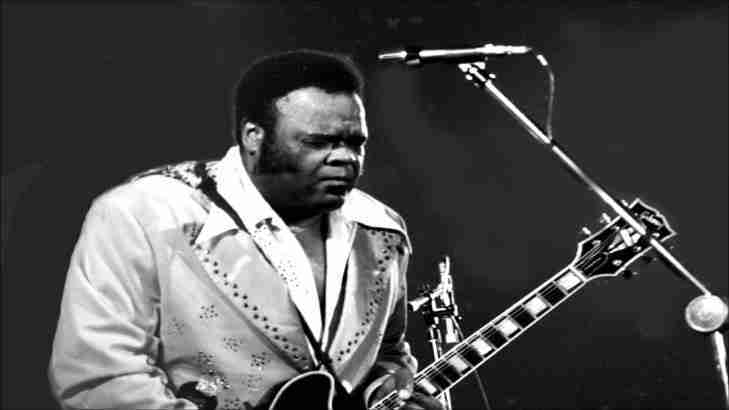
Like other successful Blues artists on this list, Freddie King came from the heart of the Texas and brought the Lone Star sound across the country. King hit is apex in the early 60’s where his catchy down home Blues was more accessible than some of his peers. Similar to other Electric Blues stars, King was a huge influence on those that followed him. Where King may have suffered was with his voice as he seemed far more comfortable with his soulful instrumentals than he did behind the microphone, but when you could play like Freddie King, you didn’t need to sing that much.
277. Screamin’ Jay Hawkins
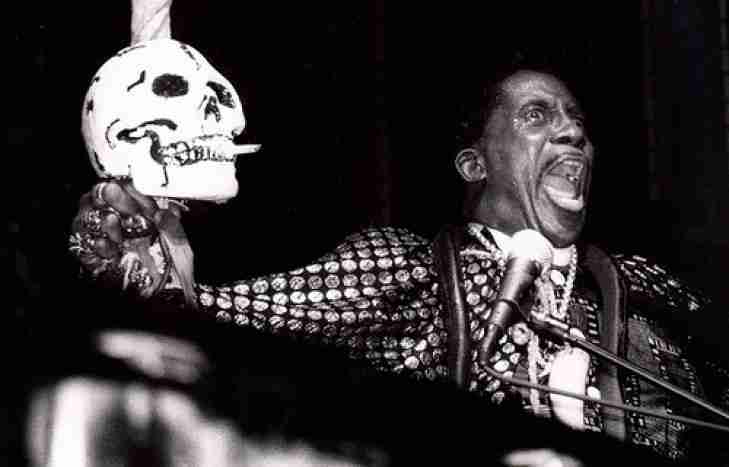
Without a doubt, the most eccentric Rock star of the Golden Age, Screamin’ Jay Hawkins was a true original. With an ominous baritone voice, stage props such as coffins and skulls, Hawkins became an underground Rock star who terrified mainstream America. Screamin’ Jay had no real hits (barring I Put a Spell on You) of note, but his main contribution to the world of Rock and Roll was the use of theatrics. Musically, Hawkins is hardly the most copied artist on this list, but in terms of image he might be.