

 Not in Hall of Fame News
Regular visitors of Notinhalloffame.com know that we are slowly working on the…
 Not in Hall of Fame News
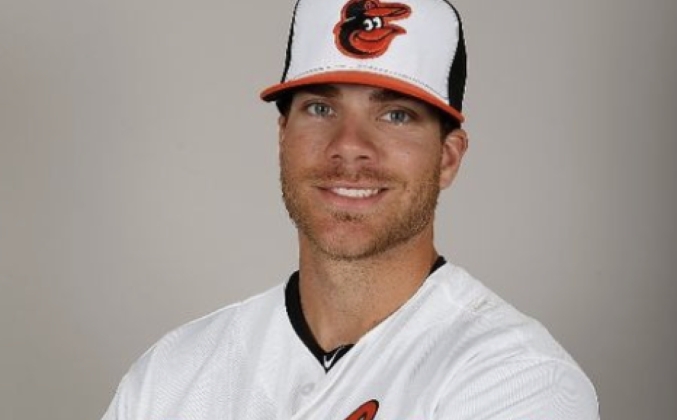
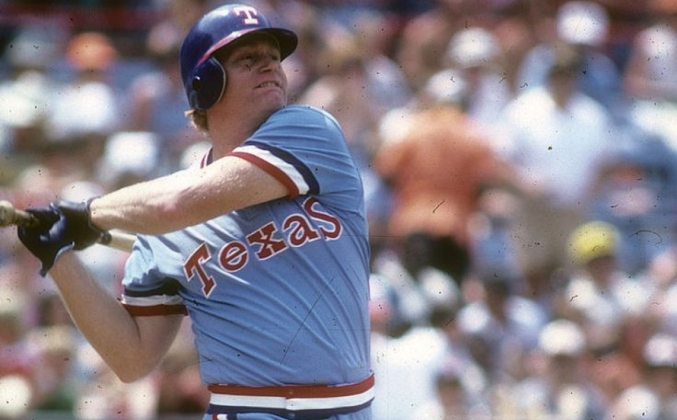
Last January, the Baseball Hall of Fame announced the Class of 2026,…
 Not in Hall of Fame News
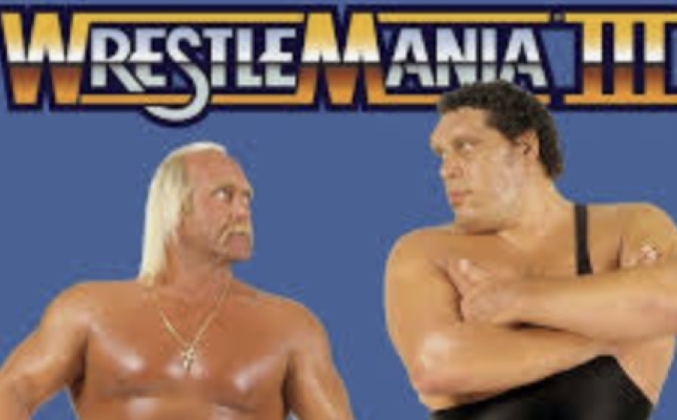
The WWE Hall of Fame announced that the Hulk Hogan vs Andre…
 Not in Hall of Fame News
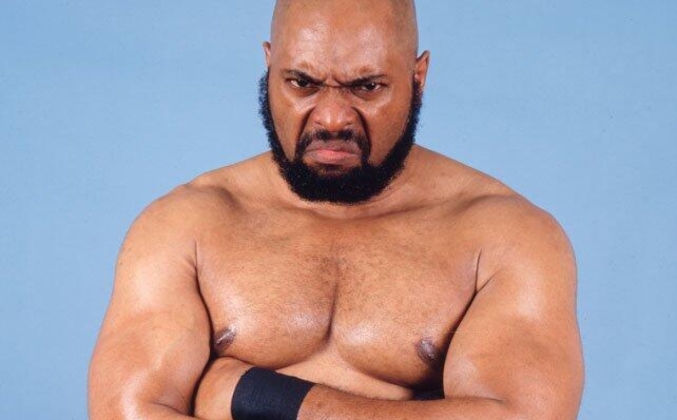
It was announced that Bad News Brown will be inducted into the…
 Not in Hall of Fame News
Yes, we know that this is taking a while! As many of…
 Not in Hall of Fame News
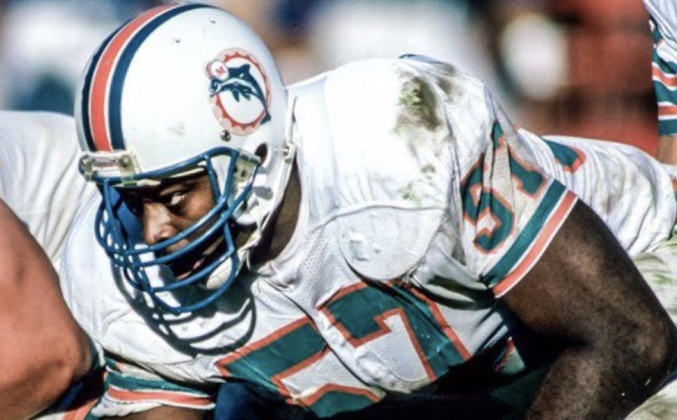
1993 PRELIMINARY RESULTS: Thank you to all who participated in the Pro…
 From the Desk of the Chairman
Sports and regular physical activity are widely celebrated for building strength, improving…
 The Buck Stops Here
The wait is over! Join the NotInHallOfFame.com crew—Kirk Buchner, Evan Nolan, and…
 The Buck Stops Here
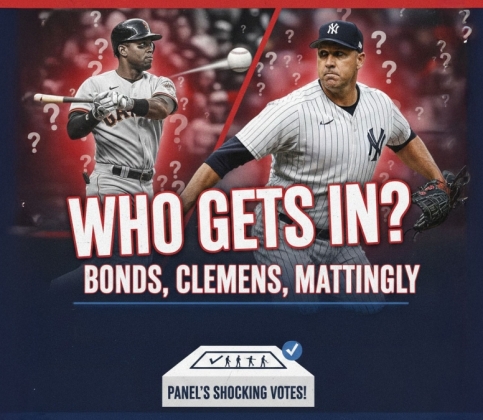
Join Kirk Buchner and Evan Nolan from NotInHallOfFame.com for a special roundtable…
 The Buck Stops Here
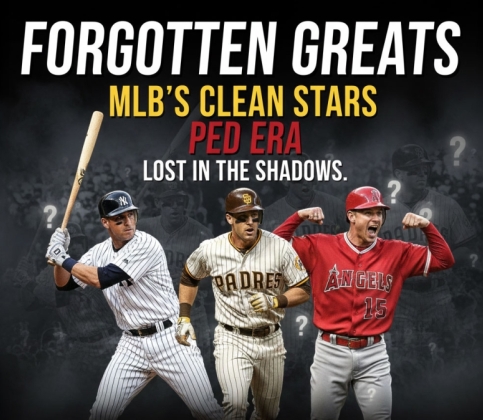
Kirk Buchner (NotInHallOfFame.com) and Robert Dobek dive into the dark shadow the…
 The Buck Stops Here
Kirk Buchner and Evan Nolan return for Season 6, Episode 15 of…
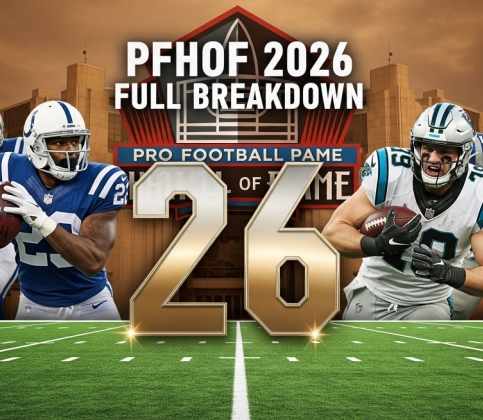 The Buck Stops Here
Kirk Buchner and Paul Lawrence sit down to break down the newly…

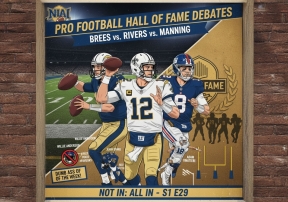
100 Active Potential Football Hall of Famers
-
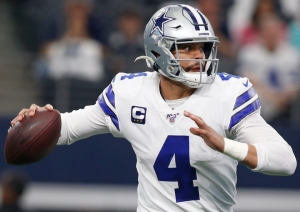 #40 Overall, Dak Prescott, Dallas Cowboys, #8 Quarterback2024 Pre-Season Rank #32, 2023 Pre-Season Rank #44, 2022 Pre-Season Rank #55, 2021 Pre-Season Rank #63, 2020 Pre-Season Rank #80. Peak Period: 2016-17/2021-23…in Quarterbacks
 -
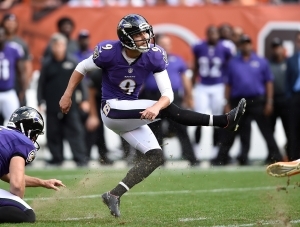 #29 Overall, Justin Tucker: Free Agent, Place Kicker, #1 Kickers & Special Teams2024 Pre-Season Rank #26, 2023 Pre-Season Rank #22, 2022 Pre-Season Rank #28, 2021 Pre-Season Rank #42, 2020 Pre-Season Rank Rank #50. From 2016…
 -
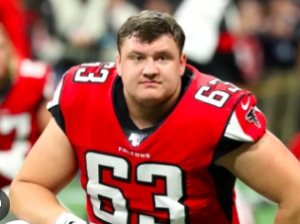 #100 Overall, Chris Lindstrom, Atlanta Falcons, Right Guard, #15 Offensive Lineman2024 2023 Pre-Season Rank #149. Peak Period: 2020-24 Chris Lindstrom has slowly turned into one of the best Guards in football and is…
 -
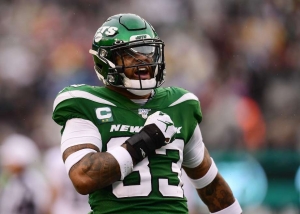 #94 Overall, Jamal Adams, Las Vegas Raiders, Strong Safety, #5 Safety2024 Pre-Season Rank #95, 2023 Pre-Season Rank #90, 2022 Pre-Season Rank #86, 2021 Pre-Season Rank #94, 2020 Pre-Season Rank #116. Peak Period: 2018-22…in Safeties
Visit the Fictitious Halls of Fame!
You May Also Like...
EDITOR’S CHOICE
 DDT's Pop Flies
When the veterans committee (VC), officially convening as the Contemporary Baseball Era…



 Live Music Head
Project/Objectan interview with André Cholmondeleyby Live Music HeadOriginally published at timessquare.com on…

LATEST RANKINGS


MOST POPULAR RANKINGS


Site Admin
98. Dan Quisenberry
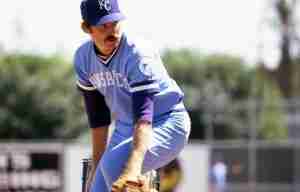
Generally, the mold of the Relief Pitcher is a blazing fastball and a powerful delivery. Dan Quisenberry did not fit that mold… or any other one, for that matter.
The “Quiz” was a control pitcher who rarely struck anyone out. He used a submarine delivery, which features his primary weapon: the sinking fastball. Quisenberry looked to get batters out with weak grounders, and it often worked. He claimed he found “a delivery in his flaw” and for years he kept batters off balance with his style. For a six-year period, there was no closer that was more effective than Dan Quisenberry, and he was a constant threat to win the Cy Young Award.
Strangely, Dan Quisenberry did not make it past the first ballot for the Hall of Fame. Considering he has similar numbers and came from the same era as Bruce Sutter (who just got in), the low vote tally is even more puzzling. After 1986, his numbers sharply dropped, and this could be the principal reason he has been omitted as he went from All-Star to liability in a very quick time frame. Still, when you are the best at your position for multiple years, like Dan Quisenberry, you deserve better than a “one and done” for HOF enshrinement.
Should Dan Quisenberry be in the Hall of Fame?
23. Ken Boyer
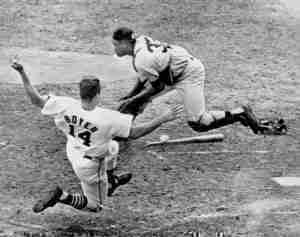
The position of third base holds the fewest Hall of Famers in Baseball. There, however, have been many great ballplayers at the “Hot Corner,” and some even won the MVP award. Ken Boyer was one such man, as he won that coveted trophy in 1964.
Boyer was not a one-season wonder. Prior to his MVP year, Boyer had been building up to that season, establishing himself as one of the top third basemen in the league. He was winning Gold Gloves and was hitting 20 or more home runs while keeping a batting average that rarely left the .300 range. Despite a quiet demeanor, Boyer was a clubhouse leader who did his talking on the field and led by example. Boyer led his Cardinals to the World Series, where his clutch hitting helped them win the Fall Classic.
Ken Boyer was not the same player after his stellar ’64 campaign. Every aspect of his game declined sharply, and he only had two more seasons as a regular. This rapid descent prevented him from padding career stats, which may have gained him enshrinement. His jersey was justifiably retired by the St. Louis Cardinals, though this appears to be as far as the honoring of Ken Boyer will go
Should Ken Boyer be in the Hall of Fame?
60. Roy Face
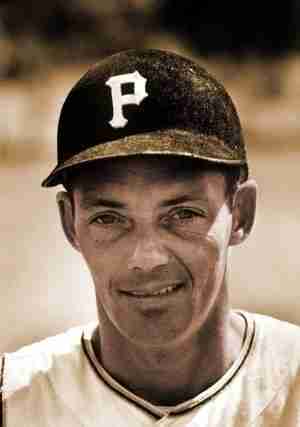
Hoyt Wilhelm generally receives credit for being the game’s first great reliever. History may eventually show that Wilhelm was not the only prototype for relievers, as Roy Face deserves to be included in that discussion as well.
Roy Face was the first pitcher to ever record twenty saves in a season. He would lead the senior circuit in that category three times. Roy Face still holds the record for the highest winning percentage in a season with a whopping .947 (18 wins to 1 loss). Face used his forkball to get Pirate teams out of jam after jam and racked up multiple wins and saves all in a relieving role.
The role of the closer is still being sorted out in Baseball’s Hall of Fame, but if a strong case was successfully made for Hoyt Wilhelm, should Roy Face have been this far behind him in consideration?
Should Roy Face be in the Hall of Fame?
27. Don Mattingly
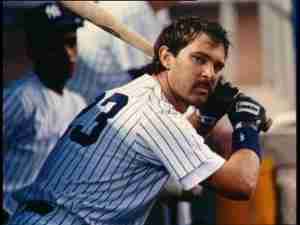
One of the most popular Yankees of all time was Don Mattingly. This was a very impressive reality considering that the year before he turned pro, the Bronx Bombers lost to the Dodgers in the World Series, and the year after he retired, they won the championship. During Mattingly’s entire tenure, the Yankees never went to the Fall Classic, the largest stretch of postseason futility in franchise history.
The failure of the Yanks to win the World Series was through no fault of Don Mattingly. He was easily amongst the best in the game in the last half of the ’80s, winning an MVP, multiple Gold Gloves, and churning out hits.
Once the 90’s hit, Mattingly’s production steadily declined (though his popularity in the Bronx remained high) due to constant back issues. He finally made it to the postseason in 1995, and though he performed admirably, the Yankees failed to make the World Series. He abruptly retired at the age of 34 after New York signed Tino Martinez, though he could still have contributed to a Major League Baseball team. Had he continued to play, he would not have been an All-Star anymore, but his career numbers may have been padded enough to make him a more serious contender for the Hall. As it is now, the bulk of career stats were generated from six of his years, and it appears that the Hall is looking down upon him. Regardless of whether “Donnie Baseball” is honored in Cooperstown, he will always be honored in the Big Apple.