

 Not in Hall of Fame News
Yes, we know that this is taking a while! As many of…
 Not in Hall of Fame News
1993 Pro Football Hall of Fame Revisited Project Class. Here we are! …
 Not in Hall of Fame News
Afrika Bambaataa, the legendary DJ, producer, and widely recognized "Godfather" of hip-hop…
 Not in Hall of Fame News
Would you like to know what we love the most about the…
 Not in Hall of Fame News
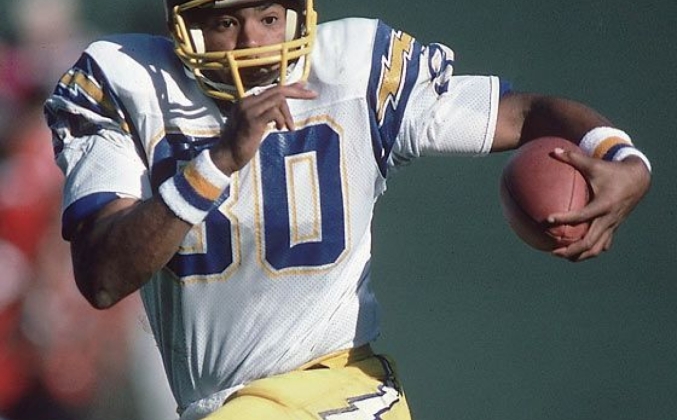
1993 SEMI-FINAL RESULTS: Thank you for your participation in the Pro Football…
 Not in Hall of Fame News
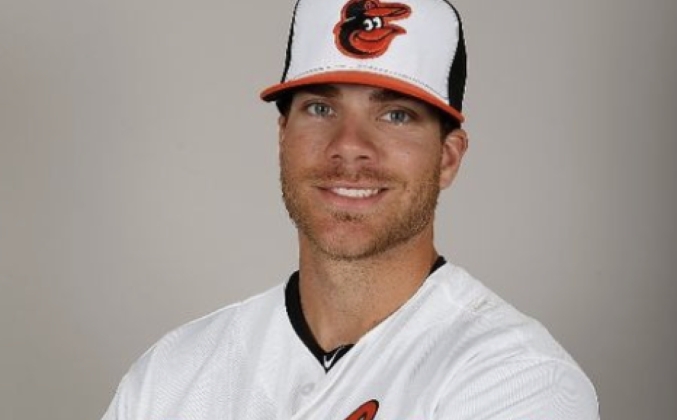
Regular visitors of Notinhalloffame.com know that we are slowly working on the…
 The Buck Stops Here
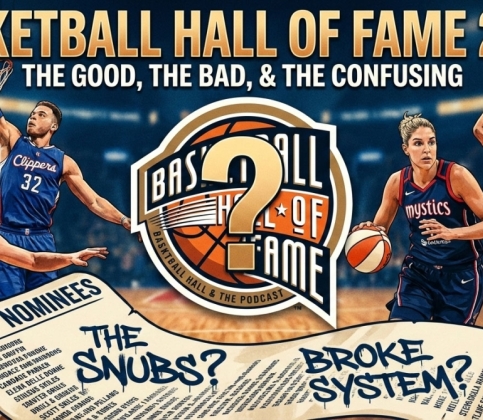
Kirk Buchner and Chris Mouradian dive into the massive list of over…
 The Buck Stops Here
Welcome to Season 6, Episode 16 of The Hall of Fame Show…
 The Buck Stops Here
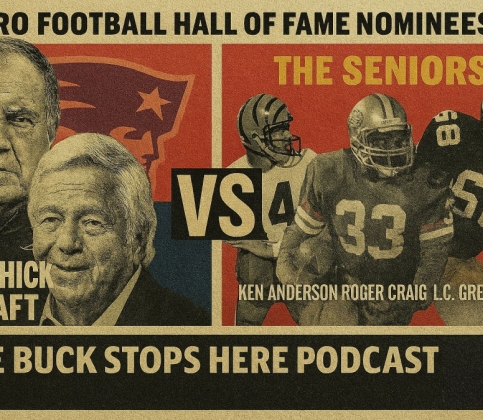
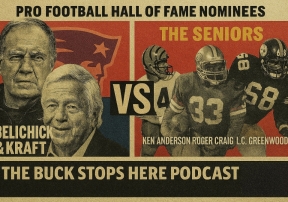
Bill Belichick & Robert Kraft vs. The Seniors: Analyzing the ProFootball Hall of Fame Class Nominees
The Pro Football Hall of Fame voting process is more complicated than…
 From the Desk of the Chairman
Recreational cannabis laws have changed how adults can buy cannabis in many…
 From the Desk of the Chairman
Synthetic turf has become an increasingly familiar surface in the sports world.…
 From the Desk of the Chairman
Athletic performance is shaped by discipline, training, and resilience, but motivation often…

 The Buck Stops Here
Bill Belichick & Robert Kraft vs. The Seniors: Analyzing the ProFootball Hall of Fame Class Nominees
The Pro Football Hall of Fame voting process is more…
100 Active Potential Football Hall of Famers
-
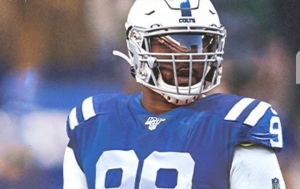 #61 Overall, DeForest Buckner, Indianapolis Colts, Defensive Tackle, #13 Defensive Lineman: Defensive Linemen/Linebackers: Pass Rushers2024 Pre-Season Rank #58, 2023 Pre-Season Rank #74, 2022 Pre-Season Rank #76, 2021 Pre-Season Rank #93, 2020 Pre-Season Rank #128. Peak Period: 2018-22…
 -
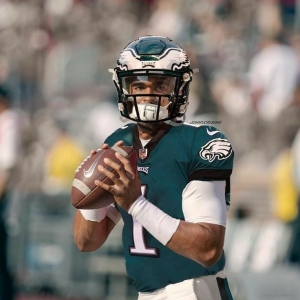 #33 Overall, Jalen Hurts, Philadelphia Eagles, #7 Quarterback2024 Pre-Season Rank #53, 2023 Pre-Season Rank #121. Peak Period: 2020-23* And now he is a champion. Jalen Hurts and the tush push…in Quarterbacks
 -
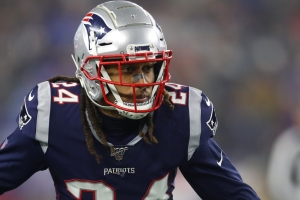 #32 Overall, Stephon Gilmore, Free Agent, #2 Cornerback2024 Pre-Season Rank #34, 2023 Pre-Season Rank #41, 2022 Pre-Season Rank #55, 2021 Pre-Season Rank #55, 2020 Pre-Season Rank #54. Peak Period 2016-20…in Cornerbacks
 -
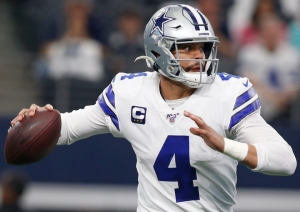 #40 Overall, Dak Prescott, Dallas Cowboys, #8 Quarterback2024 Pre-Season Rank #32, 2023 Pre-Season Rank #44, 2022 Pre-Season Rank #55, 2021 Pre-Season Rank #63, 2020 Pre-Season Rank #80. Peak Period: 2016-17/2021-23…in Quarterbacks
Visit the Fictitious Halls of Fame!

You May Also Like...
EDITOR’S CHOICE
 DDT's Pop Flies
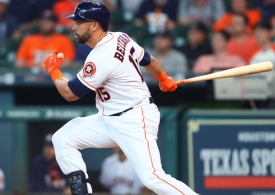
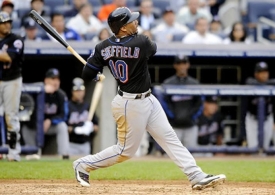
When the veterans committee (VC), officially convening as the Contemporary Baseball Era…



 Live Music Head
Project/Objectan interview with André Cholmondeleyby Live Music HeadOriginally published at timessquare.com on…
LATEST RANKINGS


MOST POPULAR RANKINGS

Site Admin
11. Sam Crawford
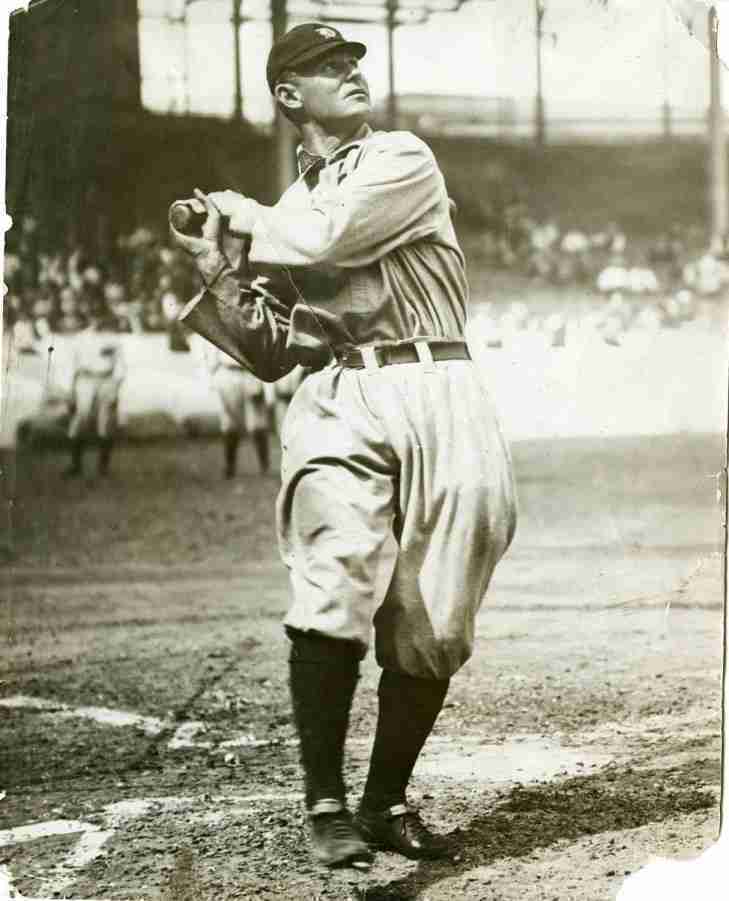
The Deadball Era was a landscape of dust, grit, and massive outfields, and no one navigated that terrain with more explosive speed than "Wahoo" Sam Crawford. While his legendary teammate Ty Cobb utilized a serrated edge of psychological warfare and placement, Crawford relied on a heavy barrel and a sprinter’s kick. He arrived in Detroit in 1903 as an established star and proceeded to turn the triple into an art form.
Crawford led the American League in triples five separate times as a Tiger, utilizing the cavernous gaps of the era to outrun the defense. His style was a unique blend of raw power and elite speed; he remains the only player in history to lead both the National and American Leagues in home runs, yet he is best remembered for his 309 career triples, a statistical mountain that modern players can barely glimpse. He was a model of specialized efficiency, driving in runs at a rate that saw him pace the league in RBIs on three occasions.
The middle era of his career was defined by a complex, high-stakes partnership with Ty Cobb. Together, they formed the most feared offensive engine in baseball, propelling Detroit to three consecutive American League pennants from 1907 to 1909. While the duo famously faltered in the postseason and their personal relationship devolved into a legendary adversarial feud, their on-field chemistry was undeniable. Crawford provided the steady-state muscle that allowed the Detroit offense to dismantle opposing rotations, maintaining a .309 batting average during his fifteen years in the Motor City.
With the Tigers, Crawford compiled 2,466 hits and 1,264 RBIs while setting the all-time record for career triples.
The baseball world provided the final punctuation on his legacy in 1957 with his induction into the Hall of Fame. In 2000, the Tigers ensured his name would never be forgotten by honoring him in right field alongside the greatest legends to ever wear the Old English D.
3. Charlie Gehringer
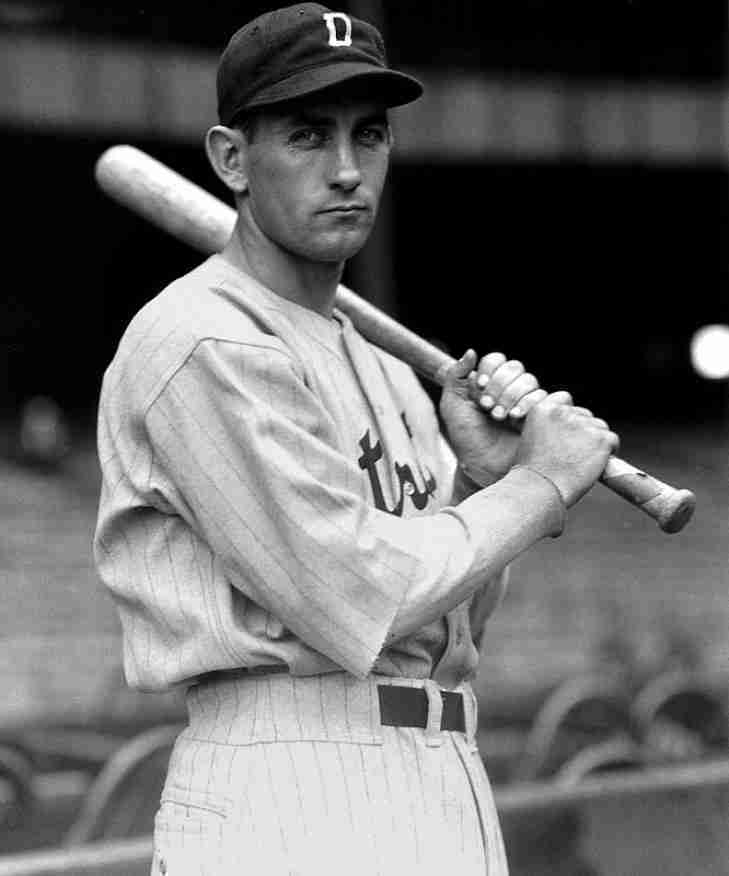
Scouted by Ty Cobb himself, Charlie Gehringer arrived in Detroit in the mid-1920s and matured instantly into the most consistent infielder of his generation. He possessed a specialized, level swing that produced line drives with an almost automated frequency, authoring a career that featured seven seasons with over 200 hits. His craftsmanship was defined by a quiet dominance, leading the Junior Circuit in hits on two occasions and navigating the era’s physical demands with a professional resilience that kept him atop the leaderboards for years.
The true breakthrough for the franchise arrived in 1935, when Gehringer’s steady production served as the tactical heartbeat for the club's inaugural World Series championship. He was a model of specialized offensive value, maintaining a career slash line of .320/.404/.480 that stands as a pillar of modern efficiency. His individual peak came in 1937, a summer when he captured the American League Batting Title with a .371 average and was named the league's Most Valuable Player. This honor was the culmination of a half-decade of elite play, having finished in the top ten of the MVP voting for four consecutive years prior to winning the trophy.
His presence was defined by a technical brilliance on the dirt that mirrored his perfection at the plate. Gehringer was a master of the "uncomplicated" play, a technician who patrolled second base with a specialized grace that made difficult chances look routine. He served as the high-leverage anchor of a legendary infield, proving that his game was built on a rare combination of range and mental composure. Whether he was lacing a double into the gap or turning a critical double play to escape a jam, he competed with a focused intensity that earned him the nickname "The Mechanical Man”, because his peers believed you could simply wind him up on Opening Day and watch him produce for six months.
The chapter on his playing days closed in 1942, leaving behind a statistical legacy that includes 2,839 hits, 142 home runs, and a .320 batting average, as well as a reputation as perhaps the greatest all-around second baseman in the history of the sport. He departed as an undisputed titan of the Detroit organization, having bridged the gap between the era of Cobb and the age of Kaline with a quiet, unbreakable excellence.
The organization provided the final punctuation on his legacy in 1983, decades after his 1949 induction into the National Baseball Hall of Fame. The Tigers retired his number 2, ensuring that the legacy of the soft-spoken superstar would remain a permanent fixture of Detroit lore.
Patricia
Perez Prado & His Orchestra
Patricia
2. Al Kaline
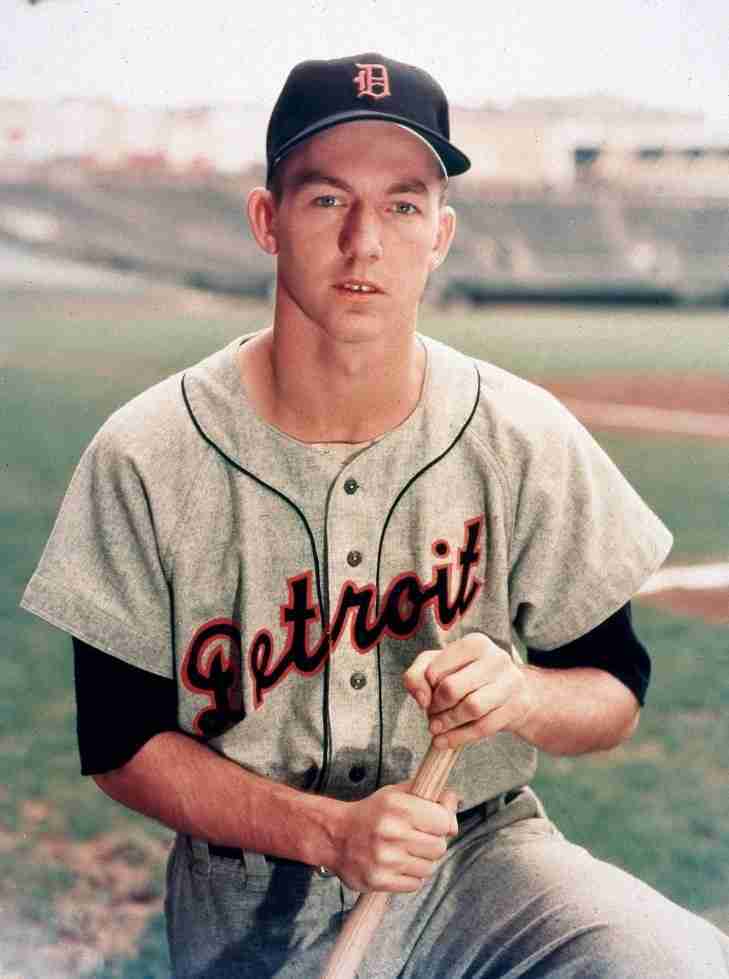
Al Kaline’s path to Detroit was a masterstroke of scouting, signed as a "bonus baby" out of high school in 1953 and maturing instantly into a phenom. He reached a historic threshold in 1955 when, at just 20 years old, he became the youngest player ever to capture a batting title with a .340 average, surpassing the mark previously held by Cobb himself. He was a model of specialized consistency, proving that he could maintain an elite offensive output while navigating the physical demands of the outfield. Throughout his stay, he emerged as a fixture on the leaderboards, finishing in the top three of the MVP race three separate times and serving as the tactical anchor of the Detroit lineup.
The most impressive aspect of his tenure was his defensive brilliance, which made right field at Tiger Stadium his personal domain. Kaline was a master of the "cradle" catch and possessed a specialized, high-velocity arm that froze baserunners for two decades. His craftsmanship was officially recognized with ten Gold Glove Awards, as he patrolled the grass with a sophisticated range that earned him the respect of every hitter in the American League. He wasn't just a defensive specialist, though; he was a high-frequency power threat, concluding his stay with 399 home runs and becoming a cornerstone member of the 3,000-hit club.
His presence was defined by a professional resilience and a high-leverage mental toughness that culminated in the magical 1968 campaign. After years of waiting for a championship opportunity, Kaline provided the veteran poise required to secure a World Series title, batting .379 against the Cardinals in the Fall Classic. Whether he was lacing a clutch double into the gap or serving as the "face of the franchise" in the broadcast booth and front office for decades after his retirement, he competed with a focused intensity that made him a local immortal. He proved that a player could become a franchise pillar by mastering every facet of the game while remaining a "Tiger for Life."
The chapter on his playing days concluded in 1974, leaving behind a statistical legacy that included 18 All-Star selections and a level of popularity that has never been eclipsed in Michigan. He departed as an undisputed titan of the modern era, having established himself as the most respected figure to ever wear the Detroit uniform.
With the Tigers, Kaline compiled 3,007 hits, 399 home runs, and 1,582 RBIs while securing ten Gold Glove Awards.
The organization provided the ultimate punctuation on his legacy in 1980, the same year he became a first-ballot National Baseball Hall of Famer. The Tigers retired his number 6, ensuring that the legacy of "Mr. Tiger" would remain a permanent fixture of the franchise’s history.