

 Not in Hall of Fame News
1993 Pro Football Hall of Fame Revisited Project Class. Here we are! …
 Not in Hall of Fame News
Afrika Bambaataa, the legendary DJ, producer, and widely recognized "Godfather" of hip-hop…
 Not in Hall of Fame News
Would you like to know what we love the most about the…
 Not in Hall of Fame News
1993 SEMI-FINAL RESULTS: Thank you for your participation in the Pro Football…
 Not in Hall of Fame News
Regular visitors of Notinhalloffame.com know that we are slowly working on the…
 Not in Hall of Fame News
Last January, the Baseball Hall of Fame announced the Class of 2026,…
 The Buck Stops Here
Kirk Buchner and Chris Mouradian dive into the massive list of over…
 The Buck Stops Here
Welcome to Season 6, Episode 16 of The Hall of Fame Show…
 The Buck Stops Here
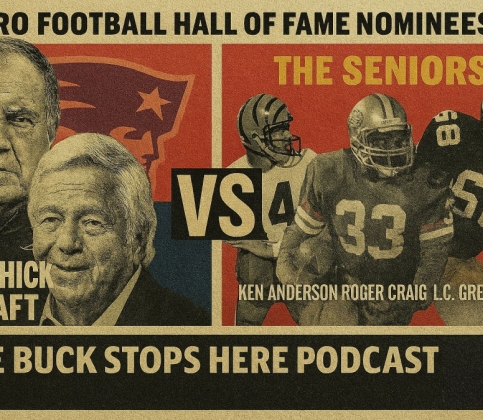
Bill Belichick & Robert Kraft vs. The Seniors: Analyzing the ProFootball Hall of Fame Class Nominees
The Pro Football Hall of Fame voting process is more complicated than…
 From the Desk of the Chairman
Recreational cannabis laws have changed how adults can buy cannabis in many…
 From the Desk of the Chairman
Synthetic turf has become an increasingly familiar surface in the sports world.…
 From the Desk of the Chairman
Athletic performance is shaped by discipline, training, and resilience, but motivation often…


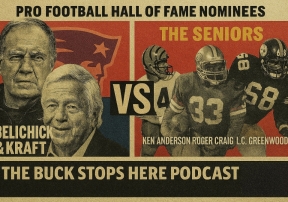 The Buck Stops Here
Bill Belichick & Robert Kraft vs. The Seniors: Analyzing the ProFootball Hall of Fame Class Nominees
The Pro Football Hall of Fame voting process is more…
100 Active Potential Football Hall of Famers
-
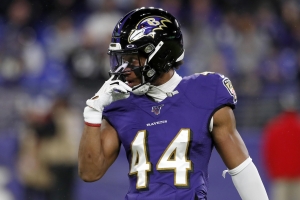 #82 Overall, Marlon Humphrey, Baltimore Ravens, #7 Cornerback2024 Pre-Season #106, 2023 Pre-Season Rank #112, 2022 Pre-Season Rank #149, 2021 Pre-Season Rank #146. Peak Period: 2019-20 & 22-24 Marlon Humphrey went…in Cornerbacks
 -
 #92 Overall, Adam Thielen, Carolina Panthers, #15 Wide Receiver2024 Pre-Season Rank #100, 2023 Pre-Season Rank #113, 2022 Pre-Season Rank #116, 2021 Pre-Season Rank #124, 2020 Pre-Season Rank #137. Peak Period: 2016-18/2020-21 If…
 -
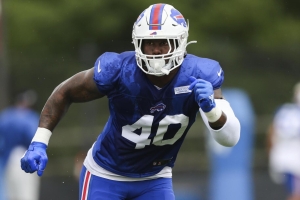 #6 Overall, Von Miller, Washington Commanders, #1 Defensive Lineman/Linebackers: Pass Rushers2024 Pre-Season Rank #7, 2023 Pre-Season Rank #4, 2022 Pre-Season Rank #7, 2021 Pre-Season Rank #8, 2020 Pre-Season Rank #10. Peak Period: 2011-12/2014-16.As…
 -
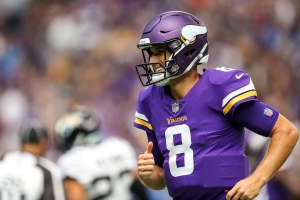 #79 Overall, Kirk Cousins, Atlanta Falcons, #12 Quarterback2024 Pre-Season Rank #78, 2023 Pre-Season Rank #61, 2022 Pre-Season Rank #87, 2021 Pre-Season Rank #121. Peak Period: 2016-20 The run of Kirk…in Quarterbacks
Visit the Fictitious Halls of Fame!

You May Also Like...
EDITOR’S CHOICE
 DDT's Pop Flies
When the veterans committee (VC), officially convening as the Contemporary Baseball Era…


 Live Music Head
Project/Objectan interview with André Cholmondeleyby Live Music HeadOriginally published at timessquare.com on…

LATEST RANKINGS


MOST POPULAR RANKINGS

Site Admin
20. Wally Berger
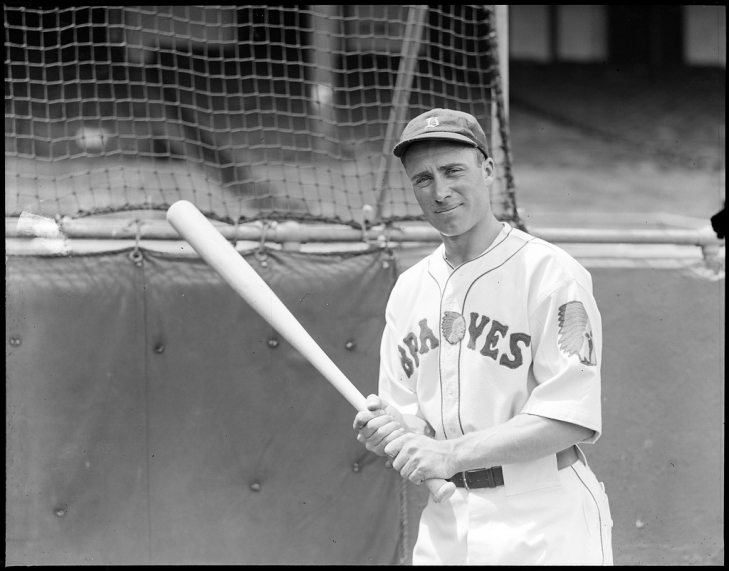
Wally Berger was one of 18 starters in the 1934 All-Star Game, and the other 17 are in the Hall of Fame. We aren’t necessarily saying that Berger is a Hall of Fame snub, but we will state that the Outfielder was a very good player who, at one time, was spoken of in the same breath as some elite talent.
As a rookie in 1930, Berger set the tone for what he would do as a Brave with 172 Hits, 38 Home Runs, 119 RBI, and a .310 Batting Average. He would slip in his second and third years in terms of power, but he still collected many hits and batted over .300. The All-Star Game began in 1933, and Berger played in the first four. His power game came back, and he hit 25 or more in each of those seasons, peaking with a National League leading 34 Home Runs and 130 RBIs in 1935. He was traded early in the 1937 season to the New York Giants.
Berger did not have the fortune of playing on many good Boston Braves teams and may not be remembered as the good a player as he was. After he was traded, he was never the same player because of shoulder injuries, but what he accomplished in Boston should be remembered in the Braves organization. He had 199 Home Runs with a .304 Batting Average for the team.
The Buck Stops Here -- The Pro Football Hall of Fame -- Part 5 of 8
The Buck Stops Here -- The Hockey Hall of Fame 2019 Picks

14. John Clarkson
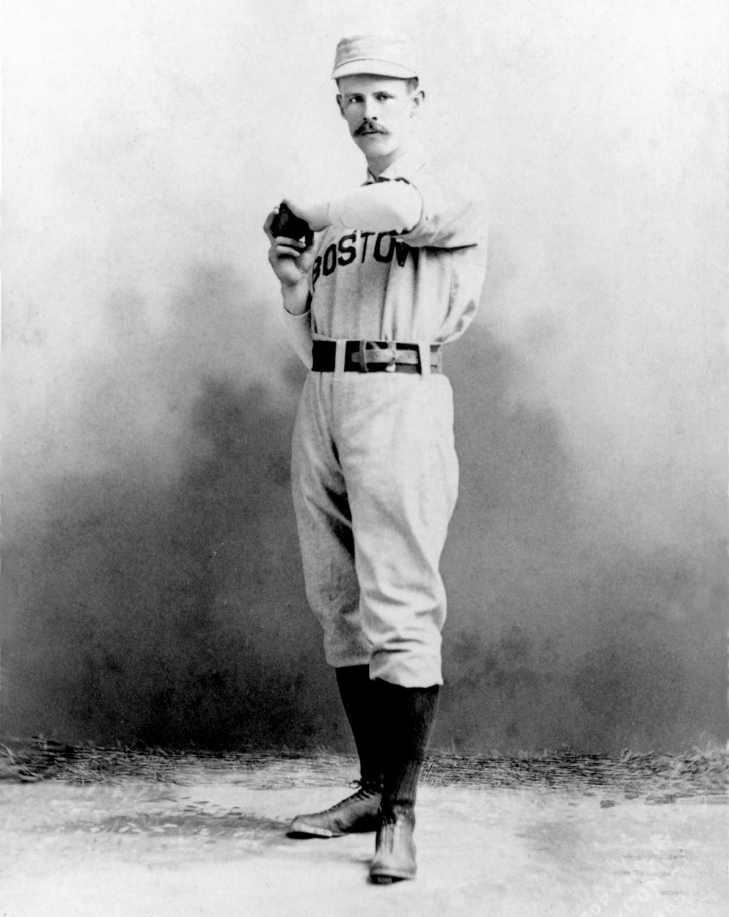
Prior to his arrival in Boston, John Clarkson was considered one of the best Pitchers in the National League. With the Chicago White Stockings (which would later be named the Chicago Cubs), he finished first in Wins twice (1885 & 1887) and was considered an elite Pitcher. The Boston Beaneaters sure thought so, and they purchased him from Chicago for $10,000, which was a fortune in 1888! This proved to be a decent choice, and Clarkson had a good 1888 with a 33 Win season (2nd overall), but exploded the following season with what has to be considered one of the greatest seasons in franchise history.
In 1889, John Clarkson finished first in Wins (49), Earned Run Average (2.73), Games Pitched (73), Innings Pitched (620), Strikeouts (284), WHIP (1.277) and bWAR for Pitchers (16.7). That 16.7 is the fifth-highest EVER by Pitchers in any season. Clarkson would have won an award for a Pitcher had there been one in existence back then. He would have two more good seasons for Boston before he was surprisingly released midway through the 1892 season.
His overall resume with the Beaneaters included a 149-82 record and a 2.82 ERA.
Clarkson would be inducted into the Baseball Hall of Fame in 1963 by the Veterans Committee.