


Site Admin
31. Lance Parrish
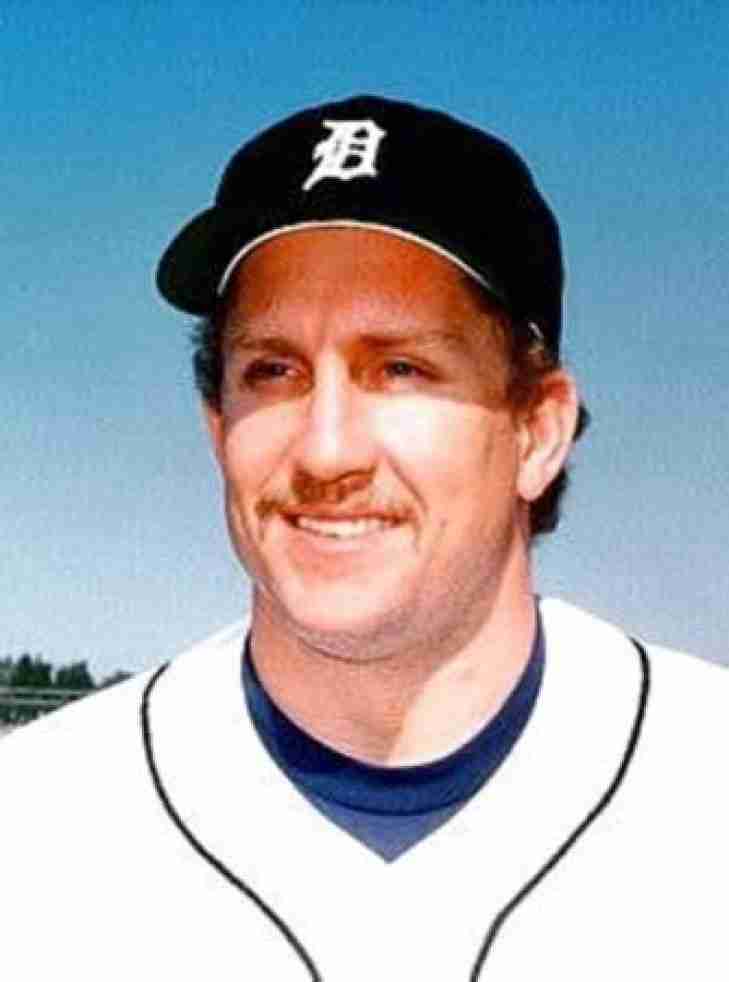
A physical marvel behind the plate, Lance Parrish was a catcher whose sheer strength and defensive prowess earned him the moniker "Big Wheel." During an era when the position was defined by grit and durability, Parrish provided a specialized combination of elite power and a cannon-like arm that anchored the Tigers' defense for a decade.
Parrish during the 1980 campaign. After establishing himself as the everyday starter, he secured his place as a premier offensive threat by hitting 24 home runs and earning his first All-Star selection.
Between 1982 and 1984, Parrish reached a career peak for all-around value, winning three consecutive Gold Gloves and three Silver Sluggers. He was a statistical force during the historic 1984 championship season, belting 33 home runs and driving in 98 runs as the centerpiece of a world-title offense. Despite the heavy physical toll of squatting for over 130 games a year, he remained a model of resilience, eventually recording 212 home runs in a Tigers uniform. He possessed a focused intensity that allowed him to thrive under the bright lights of the postseason, famously hitting a home run in the final game of the 1984 World Series to help secure the crown.
Parrish earned six All-Star nods and five Silver Slugger awards as a Tiger, but he departed in 1986 as a free agent to Philadelphia.
22. Bill Donovan
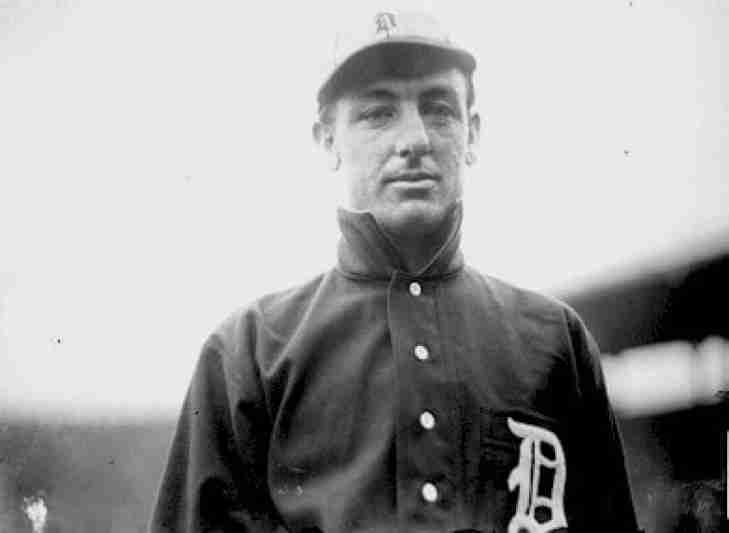
Bill Donovan didn’t just change teams when he arrived in Detroit in 1903; he changed the trajectory of the franchise. Having "jumped" from the National League’s Brooklyn Superbas to the upstart Tigers, he brought a specialized, high-velocity heater that earned him the nickname "Wild Bill." His early years in the Motor City were defined by a high-frequency workload, as he routinely threw over 250 innings while battling the control issues that came with his raw power. He wasn't a finished product yet, but he was a model of physical resilience, providing a steady presence in the rotation as the Tigers built a contender around Ty Cobb.
Everything clicked into a historic gear during the 1907 campaign. That summer, Donovan moved past his "wild" reputation and reached a career high-water mark for efficiency. He finished the season with a 25-4 record, setting a franchise-record .862 winning percentage that remains untouched over a century later. He wasn't just a volume thrower; he was a model of high-leverage dominance, maintaining a 2.19 ERA and leading the American League to its first pennant of the era. This season signaled his transition from a talented arm to a true franchise pillar.
The middle of his tenure saw him serve as the engine for two more pennant-winning rotations in 1908 and 1909. During this stretch, Donovan was a specialized big-game performer. He reached a new level of reliability, winning 18 games in 1908 and proving his 25-win breakout was no fluke. He possessed a focused intensity that allowed him to thrive as a "horse" in the rotation, and his craftsmanship extended to the batter's box. As an above-average hitter for a pitcher, he finished his Detroit run with 230 hits and a .207 average, often providing the specialized offense needed to keep a rally alive.
The final chapters of his Detroit story reached a natural crescendo as the heavy workloads of the Deadball Era began to catch up with him. While his efficiency dipped in the early 1910s, he maintained a veteran-like poise, mentoring the younger arms before moving on to a career in managing. He left the organization with 140 wins and a legacy as the most electric pitcher of the team's first golden age.
21. Hooks Dauss
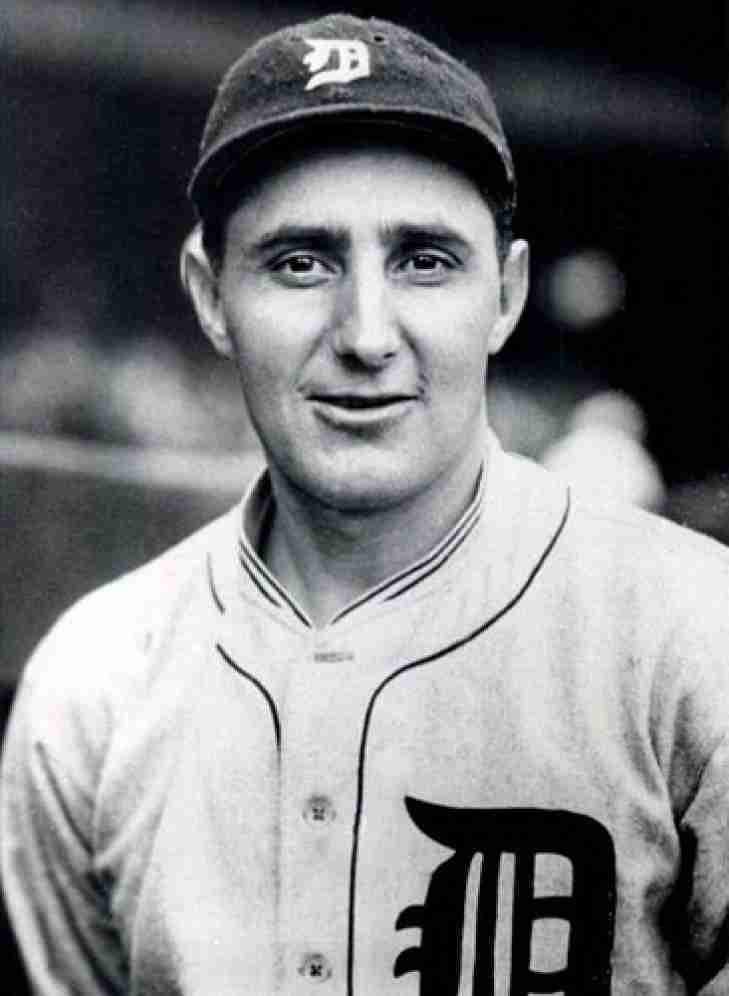
The story of "Hooks" Dauss is one of quiet, unwavering longevity in a city that usually preferred its stars loud and aggressive. Arriving in Detroit just as the first great Tigers dynasty was beginning to pivot, Dauss didn't rely on the raw velocity of his predecessors. Instead, he possessed a specialized curveball so devastating that it earned him a nickname that followed him for fifteen seasons. While he spent much of his prime pitching behind the shadow of Ty Cobb’s offensive fireworks, Dauss became the steady rock of the Detroit rotation.
Dauss began to establish his foothold in 1913, his first full year in the big leagues. At just 24 years old, he reached a high-water mark for efficiency, winning 13 games with a 2.48 ERA and proving he could maintain his composure against the best of the American League. He wasn't a tactical experiment; he was a model of specialized movement, using that patented curve to navigate a Deadball Era where hitters lived on contact. By 1915, he hit a new gear, recording the first of his three 20-win seasons and establishing himself as the primary outlier in the Tigers' staff.
The middle of his tenure was defined by a relentless presence on the mound. Between 1913 and 1923, Dauss was a model of physical resilience, exceeding 200 innings in ten different seasons. He reached a career peak in 1919 and again in 1923, crossing the 20-win plateau both times and proving that his poise could survive the transition into the high-scoring "Live Ball" era. He possessed a focused intensity that allowed him to adapt as the game around him changed, finishing in the league’s top ten in wins on five separate occasions. He showed the organization that a pitcher could become a franchise pillar by simply being the most reliable man in the clubhouse.
The final chapters of his Detroit story reached a historic crescendo in the mid-1920s. While his physical stuff began to show the natural wear of a decade-plus workload, Dauss continued to pile up the wins required to rewrite the record books. He eventually surpassed George Mullin for the most victories in Tigers history, a statistical footprint that has remained untouched for nearly a century.
With the Tigers, Dauss compiled a franchise-record 223 wins, 1,201 strikeouts, and a 3.30 ERA across fifteen seasons.
19. Jim Bunning
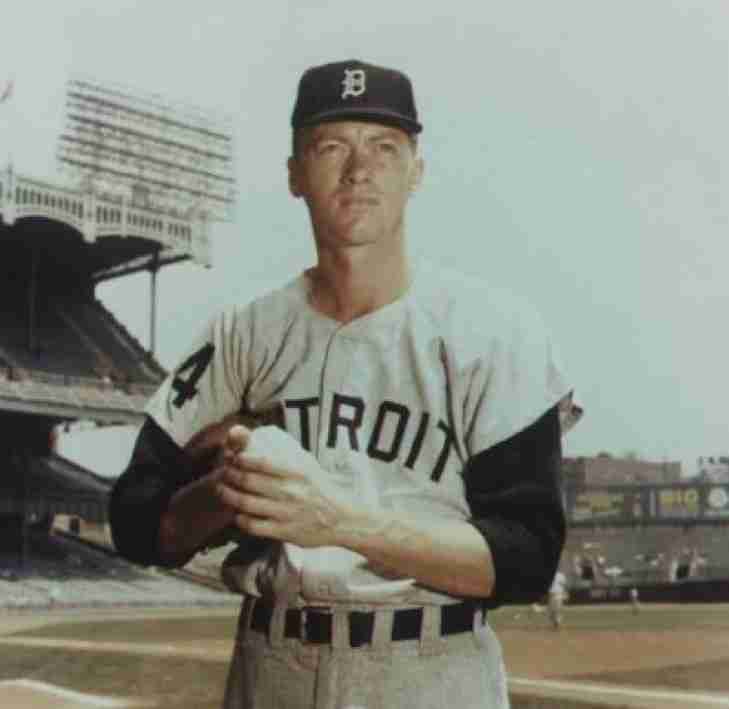
The trajectory of Jim Bunning in Detroit is a study of a specialized technician who arrived as a project and left as an elite hurler. While he is often associated with the perfect game he later threw in Philadelphia, Bunning’s professional foundation was built in the Motor City. For nine seasons, he served as the high-frequency engine of the Tigers' rotation, a sidearm-throwing right-hander whose deceptive delivery and focused intensity made him one of the most difficult matchups in the American League during the late 1950s.
Bunning’s ascent in Detroit began in earnest in 1957, a season that served as his arrival. After a few inconsistent years of seasoning, he reached a definitive level of efficiency by leading the American League with 20 wins and a 2.60 FIP. He possessed a specialized, cross-fire delivery that hid the ball until the last possible second, a style that allowed him to strike out 182 batters and earn the first of five All-Star selections with the club. He proved that a pitcher could become a franchise pillar by mastering the tactical demands of the "inner half," a steady-state approach that kept him at the top of the league's leaderboards for years.
The hallmark of his time in Detroit was a relentless run of high-frequency strikeout totals. In 1959 and 1960, he led the American League in strikeouts both seasons. During this window, he was a model of specialized durability, routinely throwing over 250 innings and maintaining a professional poise even as the Tigers struggled to find a consistent supporting cast. He famously threw a no-hitter against the Red Sox in 1958, signaling his transition into the upper echelon of the game's starters. He wasn't just a "solid contributor"; he was the arm the Tigers relied on to stop every losing streak, eventually amassing 118 wins in a Detroit uniform.
Despite the high-leverage workload, he finished his tenure with 1,406 strikeouts and a winning record in seven of his nine seasons with the club. However, the organization decided to pivot toward youth, trading Bunning to the Phillies following the 1963 season in a move that remains one of the most lopsided in franchise history. He departed as a five-time All-Star and a no-hit hero, a man who arrived as an unheralded prospect and left as a statistical titan of the mound.
The story in Detroit reached its final punctuation in 1996 when Bunning was inducted into the Baseball Hall of Fame. While he chose to wear a Phillies cap on his plaque, his legacy remains deeply rooted in the Motor City as one of the most dominant right-handers in club history.
