


Site Admin
36. Stan Spence
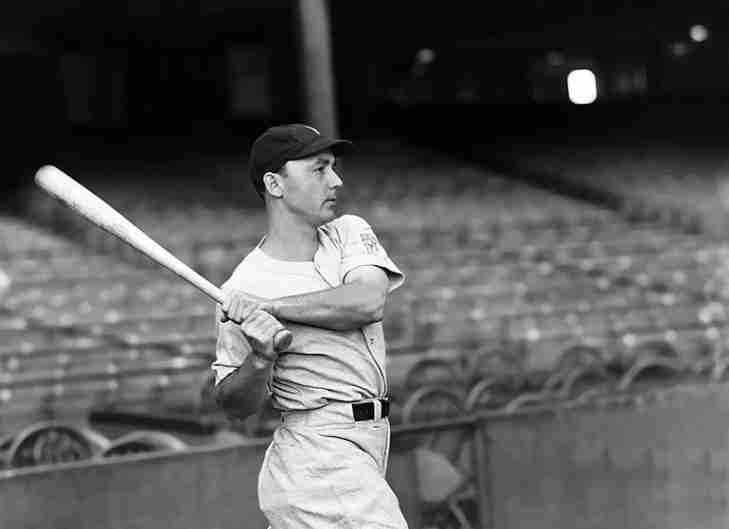
Stan Spence’s Washington tenure began with a December 1941 trade that brought him from the Boston Red Sox, along with pitcher Jack Wilson, in exchange for Ken Chase and Johnny Welaj. Blocked by stars like Ted Williams and Dom DiMaggio in Boston, Spence was viewed as an afterthought in the deal but immediately proved to be a foundational acquisition for the Senators.
Between 1942 and 1944, Spence was a key player, earning All-Star honors each season. He peaked in 1942 and 1944, finishing eighth in AL MVP voting. During this time, he excelled in contact hitting, batting over .300, and proved his value in center field was vital for the organization. Spence was away serving in the U.S. military in 1945, but returned to the Senators in 1946, regaining his form as a steady-handed contributor and earning his fourth All-Star selection in 1947. Throughout his time with the club, he accumulated 852 hits, maintaining a career batting average of .296.
Spence was traded to the Boston Red Sox after the 1947 season.
27. Eddie Yost
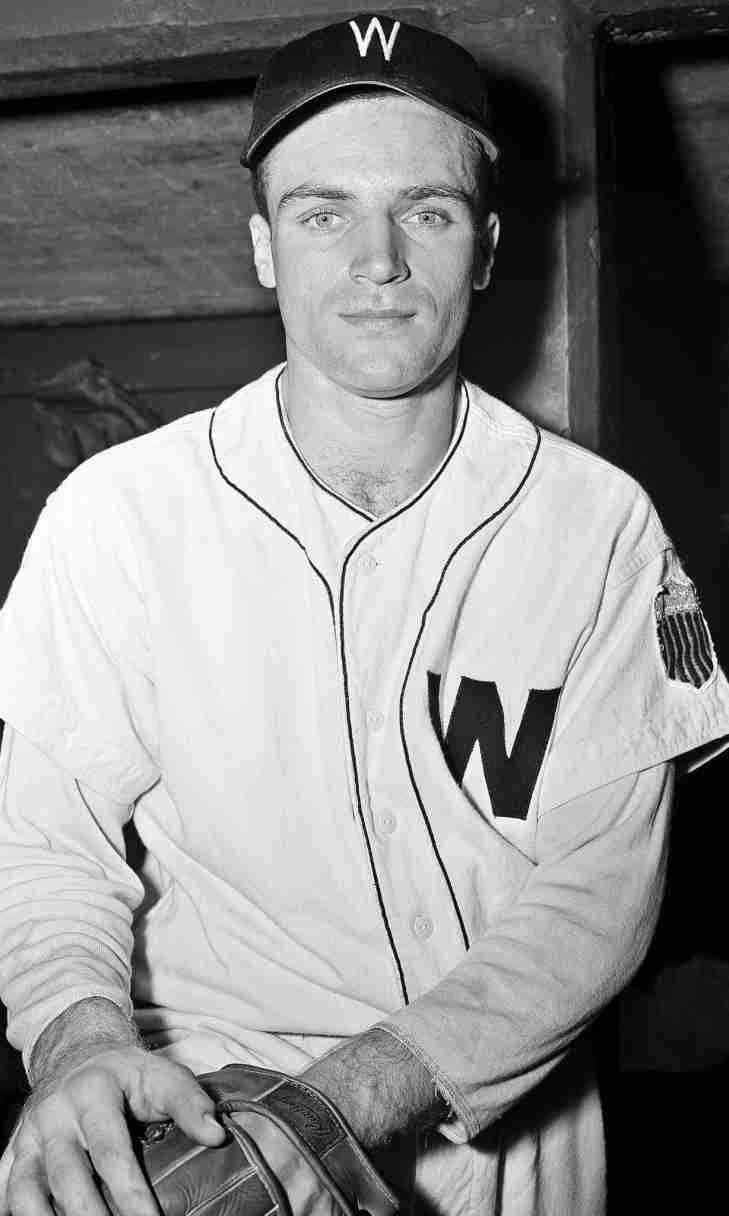
Eddie Yost first appeared in a Washington uniform in 1944 as a seventeen-year-old, a right-handed-hitting third baseman whose patient approach at the plate earned him the enduring title of "The Walking Man." While he lacked the high-voltage power of some of his contemporaries, he operated as one of the most disciplined hitters in the history of the sport.
Yost reached peak plate discipline during his Washington residency, leading the American League in walks four times (1950, 1952, 1953, 1956). He demonstrated complete strike zone control, surpassing 100 walks in eight seasons. Though he didn't win an OBP title until his Detroit tenure, he posted an OBP over .400 six times in D.C. During the 1950s, he was as reliable as it came, recording over 1,500 hits in a Senators uniform and serving as a steady-handed anchor at the hot corner.
Yost was traded to the Detroit Tigers after the 1958 season. Yost compiled 1,521 hits, 1,614 walks, 121 home runs, and a .394 on-base percentage in Washington.
34. Torii Hunter

Torii Hunter arrived in the Twin Cities in the late 1990s, a charismatic and high-energy center fielder who would eventually become the face of a new era of Minnesota baseball. While he was a dual-threat player with significant "pop" in his bat, he was best known as a defensive dynamo whose acrobatic catches in the outfield gaps defined the "Soul Patrol" of the early 2000s.
He proudly earned seven consecutive Gold Glove Awards with the Minnesota Twins from 2001 to 2007, showcasing his mastery in center field. One of his most memorable moments happened during the 2002 All-Star Game, where he made a breathtaking catch by robbing Barry Bonds of a home run—a play so incredible that Bonds humorously lifted Hunter over his shoulder in mid-air. As a dependable and exceptional player, he made the spectacular look effortless and earned the nickname "Spider-Man" for his remarkable ability to scale the outfield walls.
Hunter's skills extended beyond defense, reaching an offensive peak as a key run-producer for the Twins. A two-time All-Star (2002, 2007), he was central to the lineup that won four American League Central titles in his initial tenure. He hit 20+ home runs in seven seasons with Minnesota, ending his career with 214 homers and 128 stolen bases for the team.
Hunter left the Twins for the Los Angeles Angels via free agency after the 2007 season, but returned in 2015 for one final season. The following year, he was chosen for the organization’s Hall of Fame.
26. Ossie Bluege
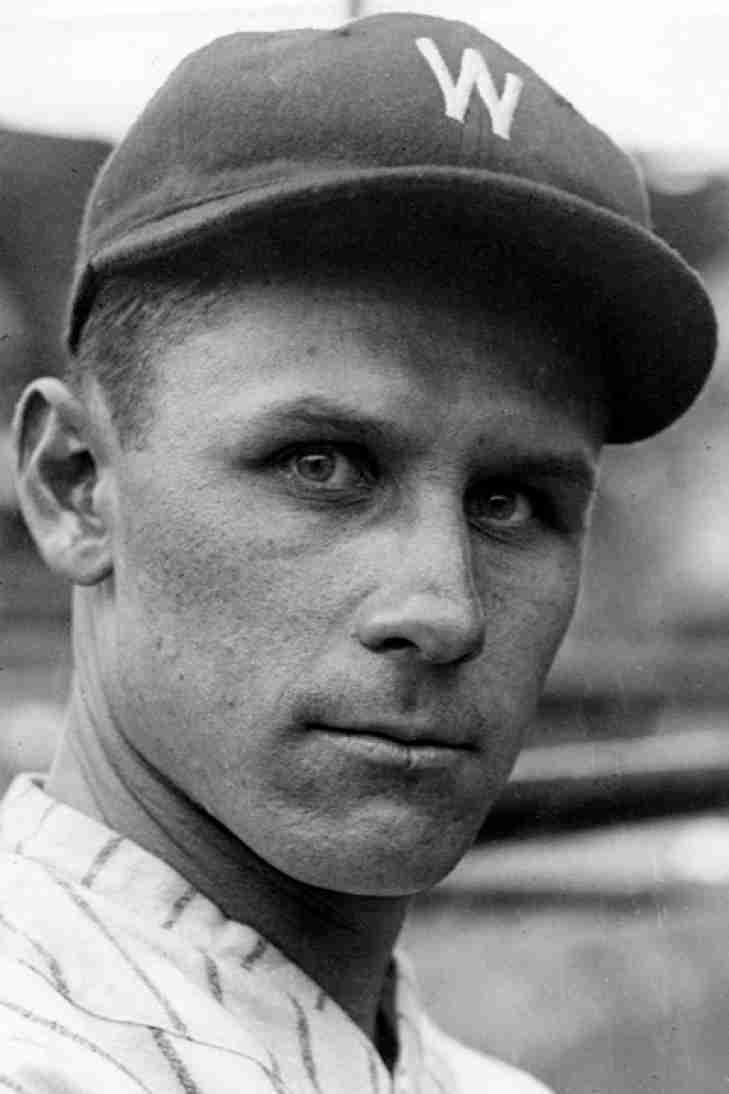
Ossie Bluege first stepped onto the Griffith Stadium diamond in 1922, a defensive wizard who would spend his entire eighteen-season playing career in the nation's capital. While he was never considered an elite offensive force, he provided steady, consistent play that resulted in 1,751 hits over nearly two decades. He was the premier defensive third baseman of his era, establishing a residency at the "hot corner" so dominant that he likely would have captured numerous Gold Gloves had the honor existed during his tenure.
Bluege was a key part of the 1924 World Series-winning team, offering strong defense and quiet leadership to secure the city’s only baseball title. He achieved durability, playing over 100 games in 13 seasons. Though valued for his defensive runs saved, he was also a consistent hitter, batting .272, showing his lineup presence was due to more than just his glove.
Bluege played with the team until 1939 before managing the Senators for five seasons, reaching a peak in 1945 with a second-place finish and an 87-67 record. His legacy also includes discovering and signing Harmon Killebrew as a scout and executive.
