


Site Admin
1. Babe Ruth
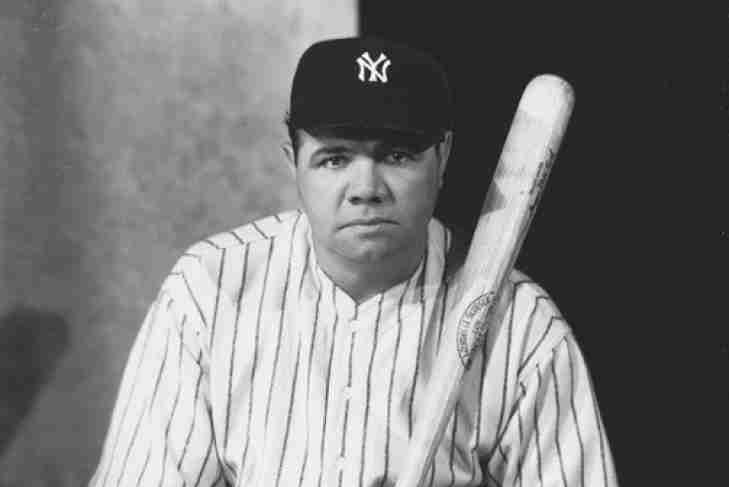
The trade of Babe Ruth by the Boston Red Sox to the New York Yankees was not just the worst blunder in Red Sox history; it was the most infamous blunder in the history of professional sports. While he had already established himself as a premier left-handed pitcher and a budding power threat in New England, his transition to the Bronx triggered a cultural explosion that fundamentally altered the DNA of the game.
Ruth’s assault on the record books left the baseball world in a state of shock. In his first season as a Yankee, Ruth demonstrated a mastery of the long ball by hitting 54 home runs, more than any other team in the American League that year. He quickly proved to be a professional mainstay who could carry the entire sport on his broad shoulders, ushering in the "Live Ball Era" and ending the low-scoring, grinding style of the Deadball days.
When people spoke of Yankee Stadium as "The House That Ruth Built," they weren't just using a catchy phrase. His specialized popularity was the high-caliber engine that fueled the construction of the sport's first three-deck cathedral in 1923. He christened the park in the most fitting way possible, hitting a three-run home run on Opening Day and leading the club to its first-ever World Series title later that fall. This run of dominance turned him into the first true team-sports megastar, a high-stakes performer who thrived under the brightest lights of the Big Apple.
During the 1920s, Ruth orchestrated a decade of production that remains statistically unmatched. He showcased a total mastery of the plate by leading the American League in home runs in ten of his fifteen seasons with the club, highlighted by his iconic 60-homer campaign in 1927. While his power was his calling card, he also demonstrated a specialized ability to hit for average, winning the 1924 Batting Title with a .378 mark. He was the center of "Murderers' Row," providing a high-quality offensive engine for a team that many still consider the greatest ever assembled.
Sabermetrically speaking, Ruth was a human outlier who broke every model of player evaluation. He led the American League in bWAR eleven times while wearing pinstripes, and his specialized ability to reach base saw him lead the circuit in On-Base Percentage ten times. On five separate occasions, he posted an OBP north of .500, a feat of high-frequency discipline that is often overshadowed by his tape-measure home runs. He remained a professional mainstay at the plate, recording 14 seasons with an OPS over 1.000, a sick fact that still makes jaws drop.
His time in the Bronx featured a remarkable versatility that is sometimes lost in the shadow of his 714 career home runs. While he transitioned into a full-time outfielder to maximize his bat, he showed the organization a specialized skill on the mound when called upon, famously pitching a complete-game victory at age 38 in his final season with the club. His stats in New York include 659 home runs, 1,978 RBIs, and a career .349 batting average, numbers that look like they were generated by a glitch in a video game rather than a mortal man.
The postseason was where the "Bambino" cemented his status as a high-stakes legend. He led the Yankees to seven pennants and four World Series titles, serving as the high-caliber anchor of a dynasty that would last for decades. Whether he was allegedly "calling his shot" in Chicago or hitting three home runs in a single World Series game, he possessed a specialized knack for the theatrical.
Everything about Ruth was oversized, from his personality to his statistical impact on the franchise. He was the high-quality foundation upon which the Yankees' winning tradition was built, transforming a secondary New York team into the most successful organization in history. By the time he took his final walk toward the exit in 1934, he had hit more home runs than some entire franchises had managed in their history. He was a once-in-a-century phenomenon who didn't just play the game; he reinvented it in his own image.
The longevity of his legacy was finalized in 1936 when he was inducted as one of the "First Five" members of the Baseball Hall of Fame. The Yankees further honored his commitment by retiring his iconic number 3 in 1948,
There will never be another like Babe Ruth.
50. Corey Koskie
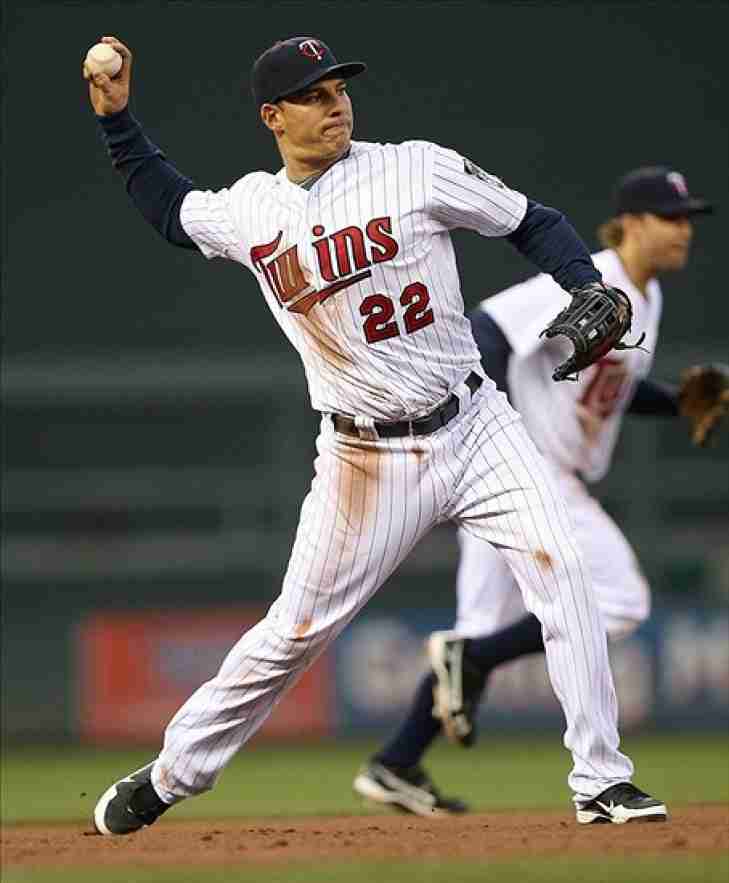
Corey Koskie first broke into the Minnesota lineup in 1998, a versatile and athletic third baseman from Manitoba who quickly established himself as a consistent presence at the hot corner.
His Minnesota tenure was marked by offensive reliability from 2000 to 2003. During this period, Koskie had four consecutive seasons with at least 130 hits, displaying command of the strike zone with a .280/.374/463 slash line. He was a key contributor, especially in 2001 with 26 homers, 103 RBI, and 100 runs scored.
Koskie was a versatile player for the Twins, blending power, speed, and solid defense. He hit 25 home runs in 2001 and 2004, stole bases four times, and consistently anchored third base with soft hands and a strong arm, helping Minnesota win three straight AL Central titles from 2002 to 2004.
After the 2024 season, Koskie signed with the Toronto Blue Jays as a free agent, and years later, he was inducted into the Canadian Baseball Hall of Fame. With Minnesota, Koskie compiled 782 hits, 101 home runs, and a .374 on-base percentage.
49. Roy Smalley
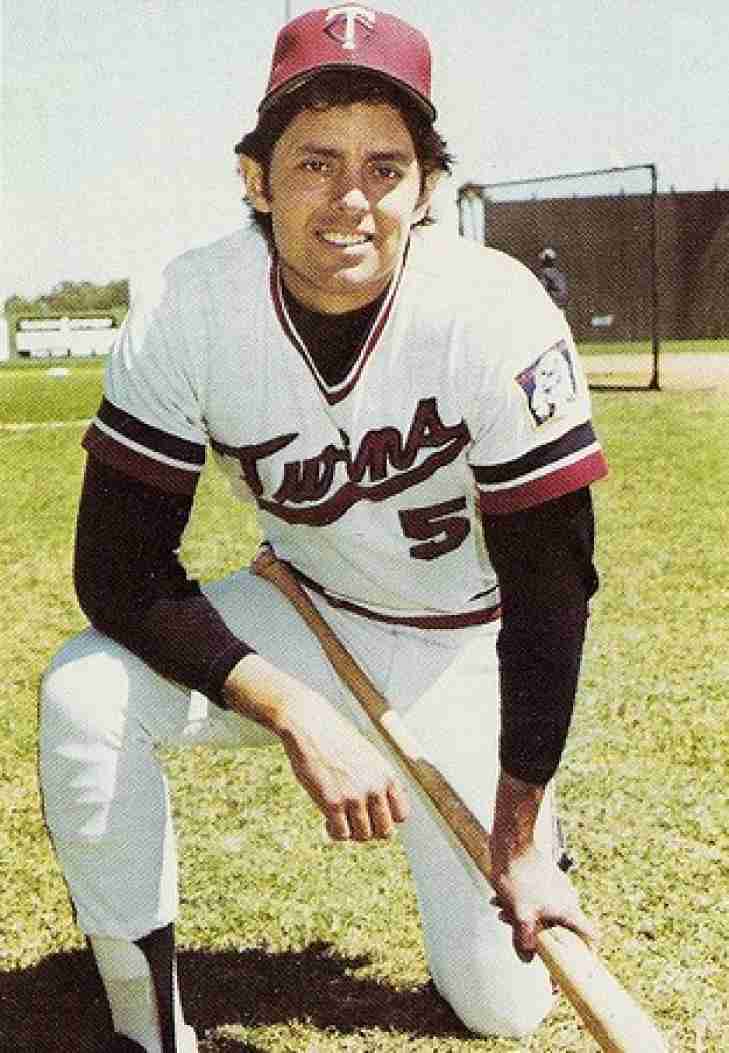
Roy Smalley joined Minnesota in June 1976 as the star signing from a major trade that sent future Hall of Famer Bert Blyleven to the Texas Rangers. The switch-hitting shortstop quickly assumed the starting position, offering a unique combination of power and patience at a role traditionally dominated by pure defenders.
During the 1979 season, he had a standout campaign, earning his first All-Star selection and becoming the top offensive shortstop in the American League. Smalley achieved career highs with 168 hits, 24 home runs, 95 RBIs, and 100 runs scored. He demonstrated excellent strike zone control, leading the league in games played and plate appearances, and finishing eleventh in AL MVP voting.
Smalley was a key player who held the shortstop role in Minnesota for six seasons, showcasing durability by logging extensive games before a 1982 trade to the Yankees. His return to the Twins in 1985 via a trade from the White Sox marked a vital second chapter, during which he served as a versatile infielder and designated hitter, providing veteran stability to a young team.
Smalley retired after the 1987 season and would overall contribute 1,046 hits, 110 home runs, while batting .262.
48. Tom Zachary
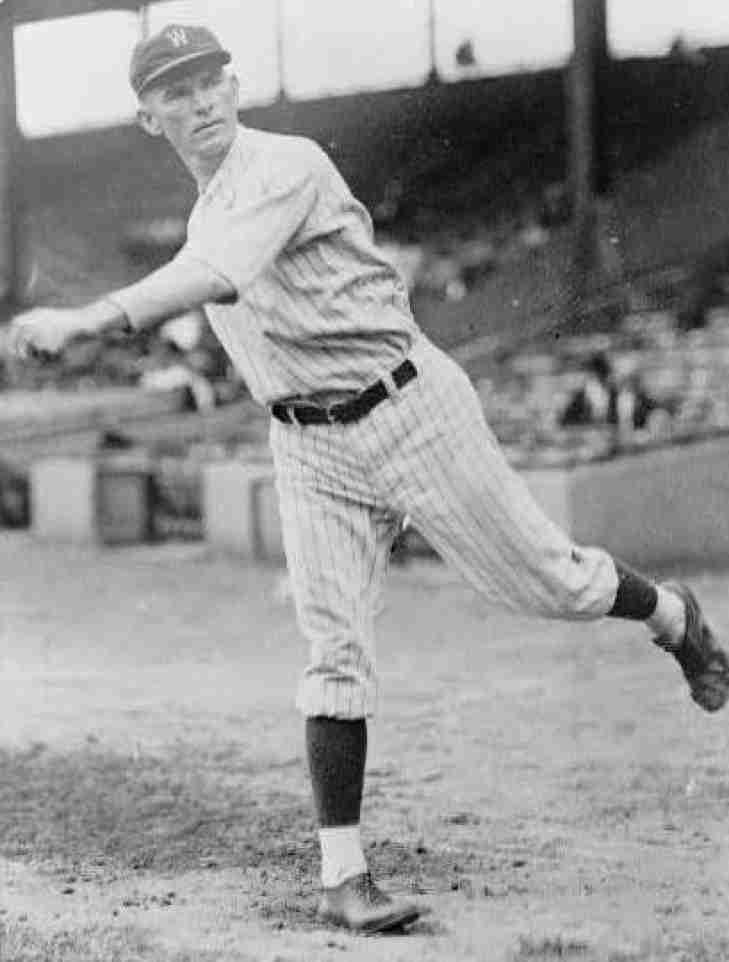
Tom Zachary joined the Washington organization in 1919 after a brief wartime debut with the Philadelphia Athletics under an assumed name to keep his amateur status. The left-handed control artist bypassed the minor leagues and joined the Senators directly. Over two stints, he became a key part of the rotation, facing top hitters with pinpoint accuracy and calm poise that outsmarted opponents.
During the early 1920s, he served as a workhorse for the rotation, posting four 15-win seasons (1920, 1921, 1922, 1924) and frequently crossing 200 innings. His control-first style peaked in the 1924 pennant race, going 15-9 and finishing second in AL ERA (2.76), behind teammate Walter Johnson, showcasing his run prevention.
Zachary cemented his place in franchise history with a stellar performance in the 1924 World Series against the New York Giants. He had a perfect 2-0 record in two Fall Classic starts, allowing just three earned runs over 17 innings. His postseason heroics helped Washington win its first World Series. Although his overall D.C. record was 96-104, often affected by poor run support, his 3.78 ERA as a Senator shows a decade of effectiveness.
