

Notinhalloffame List Update: 276-300 on Football Revised
The problem with running a Hall of Fame-related website is that many of the big ones we cover all have announcements within months of each other. The backbone of what we do is list-related, resulting in a long push to revise what we already have, specifically now with our Football and Basketball Lists.
At present, we have a minor update as we have completed the next twenty-five of the 2024 Football List, which you can comment on and vote on:
The new 276 to 300:
276. Keith Millard
277. Derrick Johnson
278. Stanley Morgan
279. Leon Gray
280. David Akers
281. Buster Ramsey
282. Beattie Feathers
283. Russ Francis
284. Carson Palmer
285. Keith Brooking
286. Dennis Smith
287. Frank Cope
288. Charles Mann
289. Ed “Too Tall” Jones
290. Rich Gannon
291. Seth Joyner
292. E.J. Holub
293. Mel Gray
294. Bart Oates
295. Fred Arbanas
296. Michael Vick
297. Bill Stanfill
298. George Svendsen
299. Hanford Dixon
300. Mike Quick
*Denotes First Year of Eligibility.
Rankings are impacted annually based on your comments and votes.
Thank you all for your patience. We will soon unveil more changes to the football and basketball lists.
313. Hanford Dixon
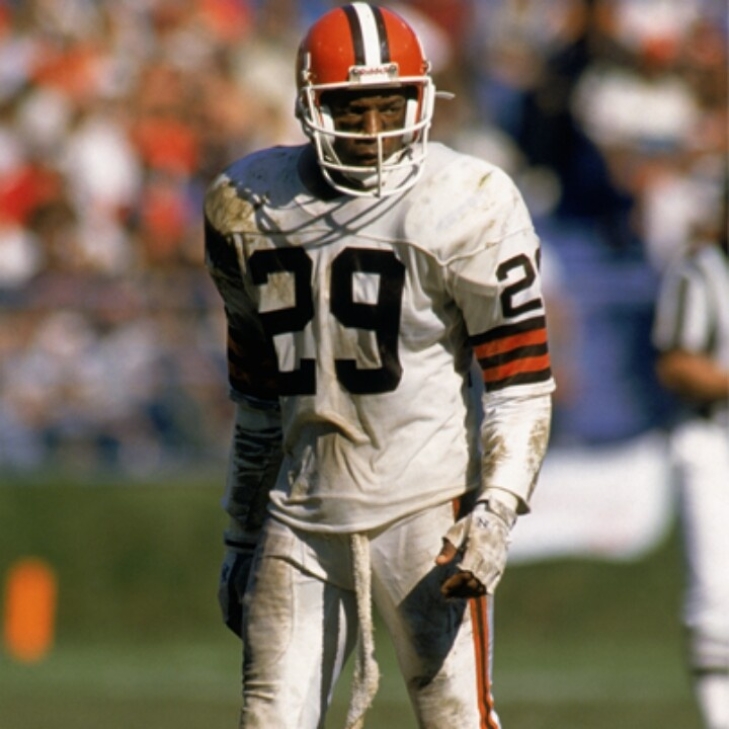
Hanford Dixon played all nine of his NFL years with the Cleveland Browns, and in the second half of the 1980s, he was one of the best shutdown Cornerbacks in football.
From Southern Miss, Dixon was the 22nd Overall Pick in 1981, and the Cornerback won the starting job on the right side. The Browns were not a good team in the first half of the 1980s but improved in the latter half, and Dixon became one of the best cover men in the game.
In 1986, Dixon had a two-year run of First Team All-Pro selections, elevating Cleveland to one of the elite Defensive Back Units in football. Dixon, who was also a Pro Bowl selection in 1988, helped Cleveland make the playoffs four years in a row (1986-89) and was one of the most underappreciated defensive players of the 1980s.
21. Hanford Dixon
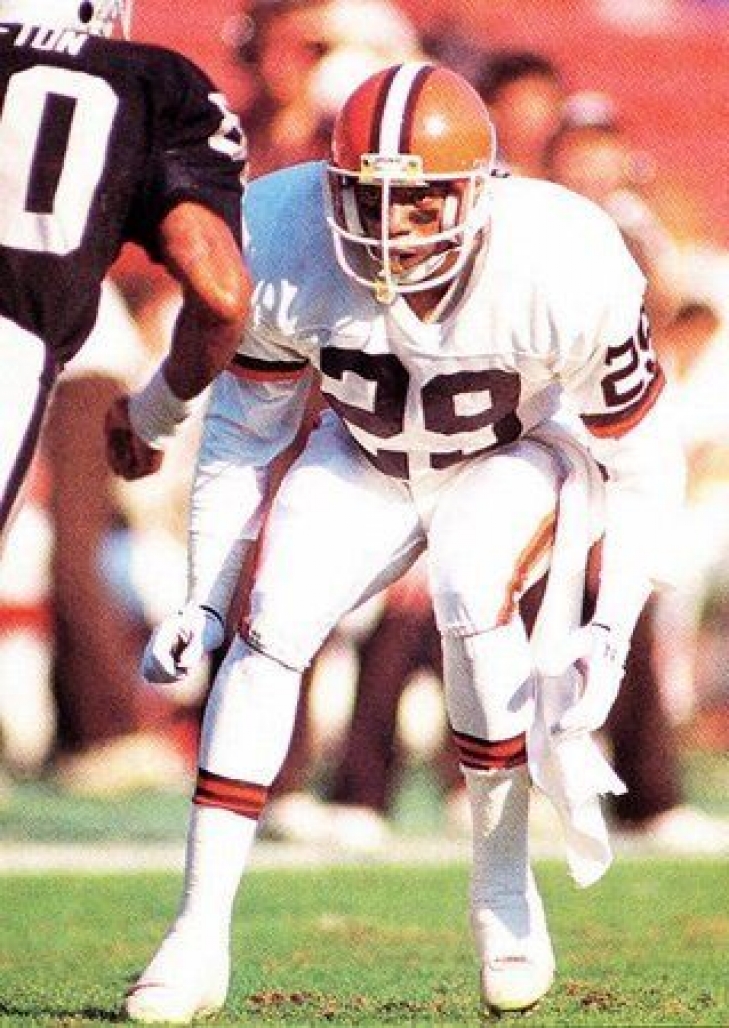
With the 22nd overall pick in the first round of the 1981 NFL Draft, the Browns selected Hanford Dixon out of Southern Mississippi who was heralded as a fierce, physical cornerback with exceptional closing speed. Over nine seasons in the orange and brown, Dixon locked down the right side of the secondary, starting 128 of his 131 regular-season games and creating a cultural movement that defined the franchise for generations.
Dixon quickly established himself as a starter, bringing an aggressive, press-man style to the boundary. Alongside Frank Minnifield, Dixon formed what many analysts consider the premier cornerback duo of the late 1980s. At 5 feet 11 inches and 186 pounds, Dixon operated with a lethal blend of trail-technique recovery, violent jam-at-the-line aggression, and elite closing speed. In an era when receivers were granted far more leeway, Dixon bullied split ends at the line of scrimmage, throwing off the timing of route trees and forcing opposing quarterbacks to look elsewhere.
His peak came during the 'Bernie Kosar era,’ when he earned three straight Pro Bowl selections from 1986 to 1988 and received First-Team All-Pro honors in 1986 and 1987. In 1986, he led a defense that finished 12-4 and made the playoffs, intercepting five passes and dominating his side of the field so thoroughly that opposing offensive coordinators often avoided throwing to his area. During the strike-shortened 1987 season, he recorded three interceptions in 12 games, followed by four interceptions in 1988.
With both Dixon and Minnifield possessing elite cover skills, defensive coordinator Marty Schottenheimer was free to leave both cornerbacks on single-coverage islands. This allowed the Browns to stack the box against the run and dial up creative blitzes with linebackers Clay Matthews and Chip Banks, serving as a cornerstone for Cleveland's run to three AFC Championship Game appearances. Quarterbacks who dared to test Dixon during this three-year window were met with tightly contested throwing lanes and punishing hits along the sideline.
Beyond his coverage skills, Dixon earned an enduring spot in team lore as the founding father of the "Dawg Pound." During training camp, Dixon began barking at defensive linemen to get them fired up, a ritual that quickly spread to the bleachers at Municipal Stadium and gave rise to one of the most famous fan sections in professional sports.
Retiring after the 1989 season, Dixon spent his entire professional career in Cleveland. Overall, he played in 131 regular-season games and nine postseason contests, recording 26 interceptions and two fumble recoveries. The franchise Dixon by inducting him into the Cleveland Browns Legends in 2003.
