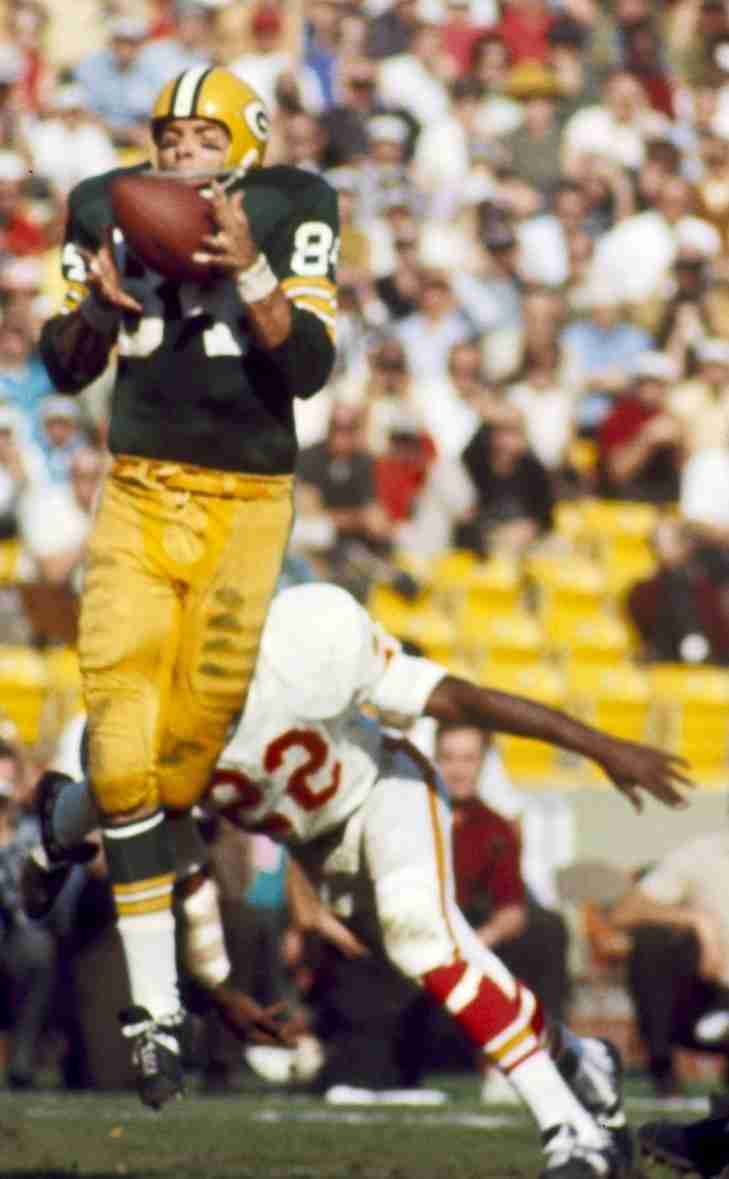
292. Bill Lee
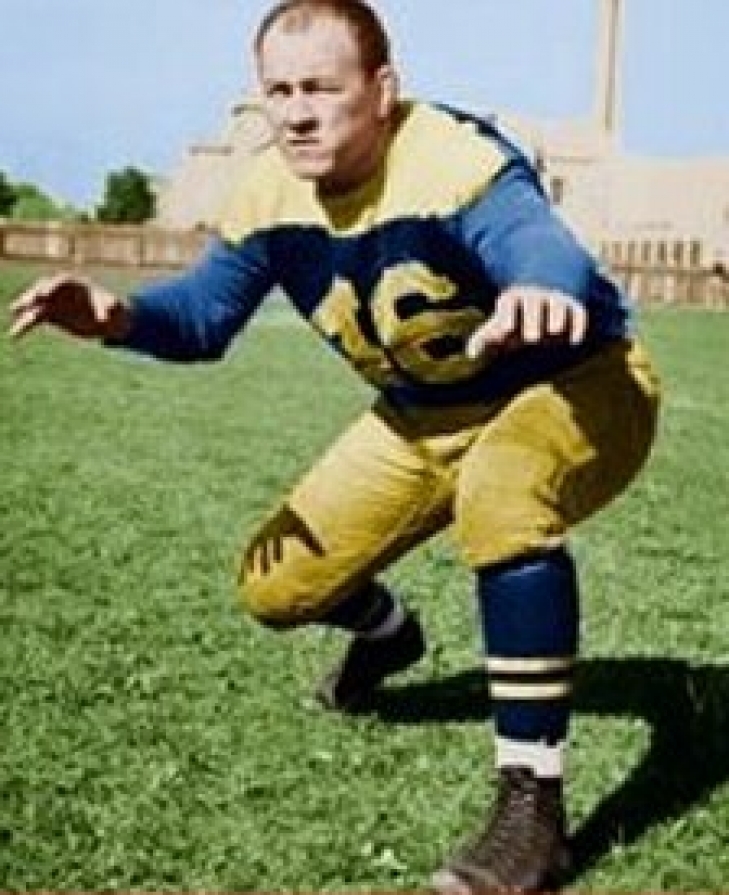
199. Bill Forester
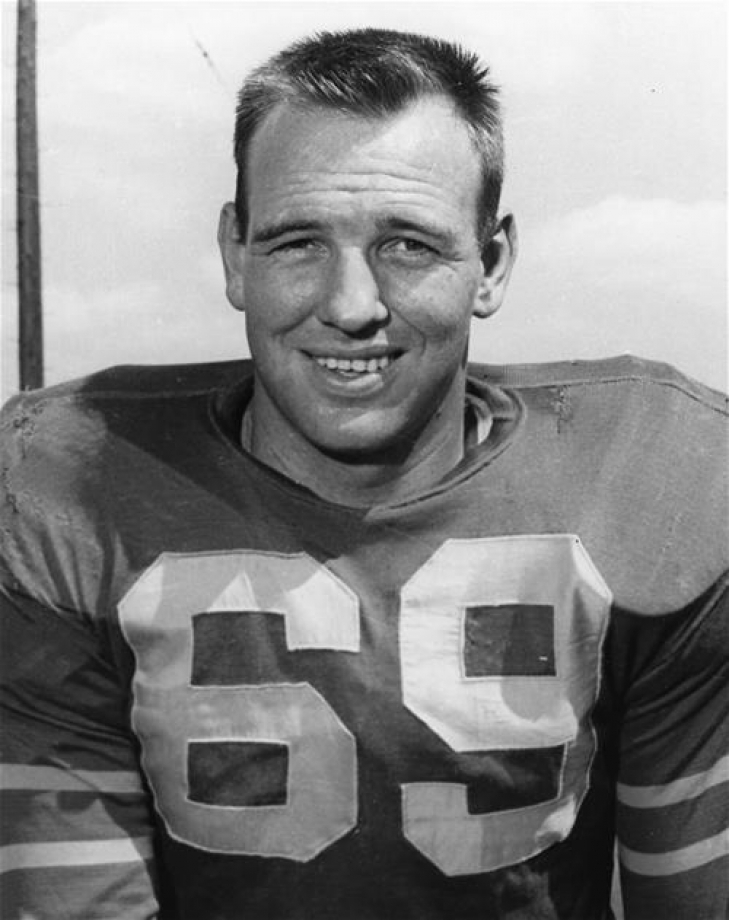
Used as both a Linebacker and a Guard, Bill Forester arguably was at his best on the defensive side of the gridiron. A 3rd Round Pick from SMU in 1953, Forester played his entire career with the Green Bay Packers, where he went from the outhouse to the penthouse. Green Bay was in a down period in the '50s but slowly worked its way toward respectability, and Forester was a big part of that. He really came into his own in 1959, when he earned his first of four straight Pro Bowls, with the last three earning him First Team All-Pro honors. By this time, Forester was mostly used at Linebacker gobbling up rushers and acting as a veteran presence. He would help the Pack win the NFL Championship in 1961 and 1962.
247. Charles "Buckets" Goldenberg
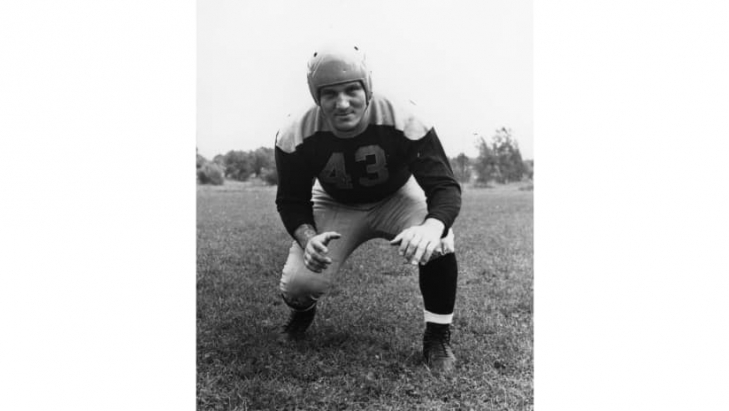
Born in Russia and immigrating to Wisconsin at age four, Charles "Buckets" Goldenberg played college football in his home state and remained in the “Badger State” as a professional, signing with the Green Bay Packers in 1933. The Packers were the only team he played for, and he stayed with them until 1945. Goldenberg excelled at both sides of the ball and was named to the Pro Bowl in 1939, but more importantly, he helped the Packers win three NFL Championships (1936, 1939 & 1944). He would be chosen for the 1930’s All-Decade Team.
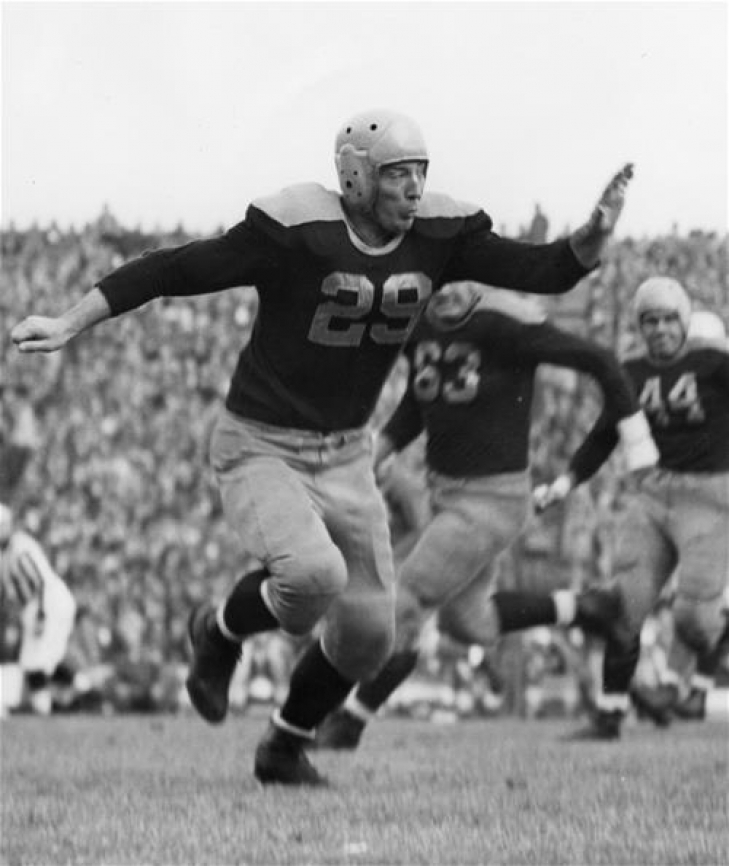
183. Charley Brock
The Green Bay Packers will induct Charles Woodson and Al Harris to their HOF
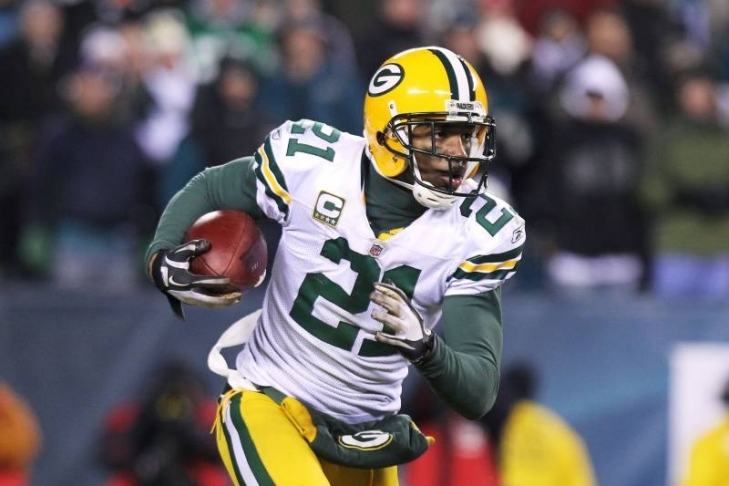
Regular visitors of Notinhalloffame.com know that we are slowly working on the top 50 of every major team in the NHL, NBA, NFL and MLB. Once that is done, we intend to look at how each team honor their past players and executive. As such, it is major news to us that the Green Bay Packers Hall of Fame will be inducting former players, Al Harris and Charles Woodson.
After spending five seasons with the Philadelphia Eagles, Al Harris would arrive in a trade to Green Bay before the 2003 Season. Playing at Cornerback, Harris would secure two Pro Bowl Selections (2007 & 2008) and was regarded as one of the better man-to-man coverage specialists in the league. Statistically speaking, Harris had 14 Sacks, running two of them back for Touchdowns.
Charles Woodson was the Heisman Trophy winner in 1997 and he was drafted fourth overall by the Oakland Raiders. Like Harris, Woodson played at Cornerback and he would join Green Bay in 2006 as a Free Agent. Woodson played seven seasons with the Packers, and he would be named to the Pro Bowl in four straight seasons (2008-11). In 2009 and 2011, he would lead the NFL in Interceptions and was a First Team All-Pro, with the first of those seeing Woodson win the Defensive Player of the Year Award. Woodson would overall record 38 Interceptions and 11.5 Sacks in Green Bay, while helping them win Super Bowl XLV. He would rejoin Oakland in 2013.
The official induction ceremony will happen on April 18, 2020.
We here at Notinhalloffame.com would like to congratulate both Al Harris and Charles Woodson for earning this honor.
243. Russ Letlow
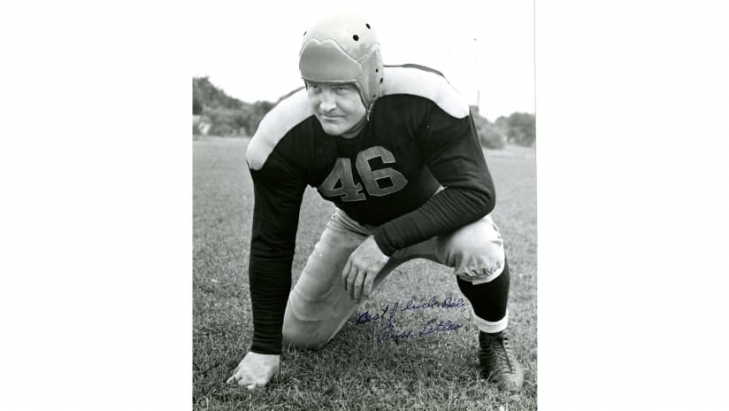
In 1936, the first NFL Draft took place, and with the 7th Overall Pick, the Green Bay Packers selected Russ Letlow out of the University of San Francisco. Historically speaking, this gave him the honor of being the first choice of the most storied team in the National Football League. Letlow would be a two-time Pro Bowler and a two-time NFL Champion with the Packers, the only team he ever played for professionally. Multiple publications would name Letlow an All-Pro every year from 1937 to 1940, and he was chosen for the 1930's All-Decade Team.
205. Buford "Baby" Ray
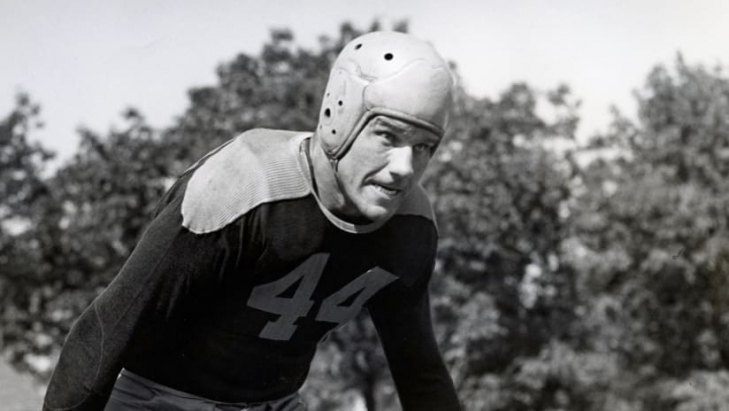
Buford "Baby" Ray played college ball at Vanderbilt, and while no NFL team drafted him in 1938, he signed with the Green Bay Packers. He played his entire career in Wisconsin, spanning 11 seasons. Ray played primarily at Left Tackle, where he helped the team win the 1938 and 1944 NFL Championships. He would be named by UPI as an All-Pro four times (one First Team and three Second Team) and would be a Pro Bowl Selection in 1939.
Ray was named to the NFL 1940s All-Decade Team.
270. Fuzzy Thurston
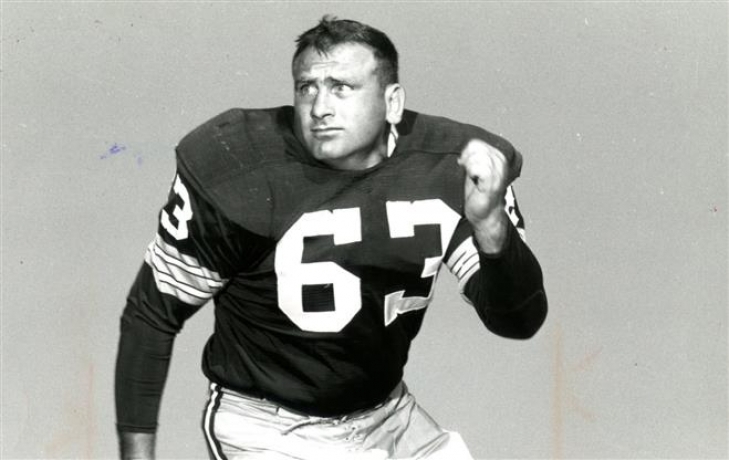
Fuzzy Thurston may never have made a Pro Bowl, but we have no problem ranking him high on this list.
Thurston was not just the beneficiary of playing for a great dynasty in the Green Bay Packers during the late 50s and 60s; he was also a vital cog in their machine and part of their legendary "Packers Sweep" along with Hall of Famer Jerry Kramer. Joining the Packers after spending a year in Baltimore, Thurston became a fixture on the left side of the O-Line and would become one of only four players to win six Championships (1958, 1961, 1962, 1965, 1966 & 1967). Thurston is a member of the Green Bay Packers Hall of Fame, and while, as mentioned, he was never a Pro Bowler, he was a First Team All-Pro in 1961.
170. Boyd Dowler
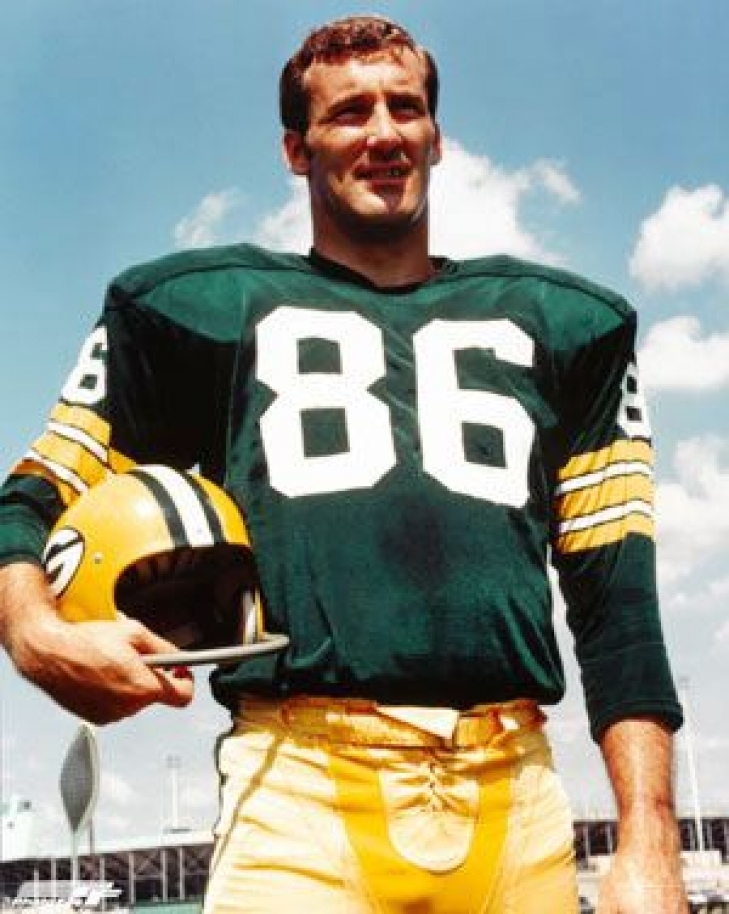
Boyd Dowler came from the mountains to Wisconsin's cheese country, and as a member of the Green Bay Packers, he won five NFL Championships and the first two Super Bowls. Dowler wasted no time becoming a high-end weapon for Bart Starr and Vince Lombardi, and United Press named him the Rookie of the Year in 1959. He would have at least 500 Receiving Yards for nine seasons and was a Pro Bowl Selection twice (1965 & 1967). Dowler played all but his last season with the Packers and was a fixture in their five 1960’s championship teams and their first two Super Bowl wins, scoring a TD in Super Bowl II.
Boyd Dowler would be named to the NFL 1960's All-Decade Team and would have 40 TDs with 7,270 Yards.
122. Gale Gillingham
Are there enough Green Bay Packers in the Pro Football Hall of Fame?
No, there should be more...
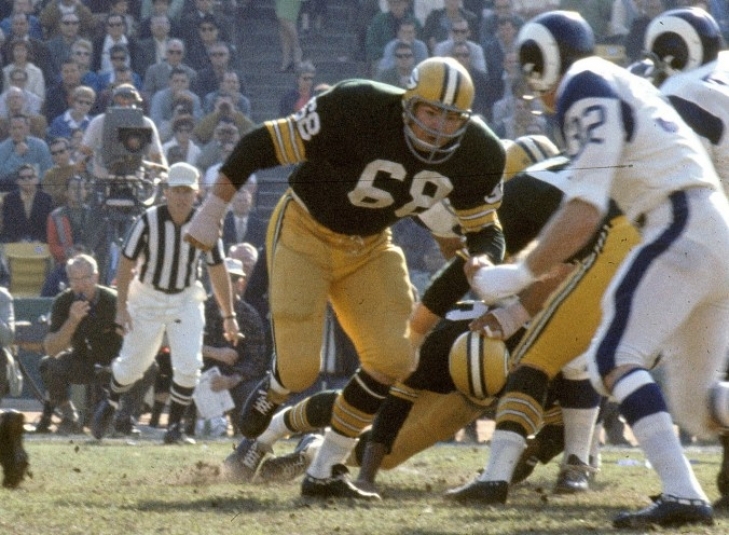
Gale Gillingham was drafted from the University of Minnesota to the already loaded Packers team in 1966. A member of the Super Bowl I winning team, he would play a more significant role in the Super Bowl II winning team as he was now the starting Left Guard. That would be the end of his championships (though what a way to have your first two years!), but not the end of his memory-making moments in the NFL. In the next six seasons, Gillingham would be a Pro Bowl Selection in five of those years, with two of them being named a First Team All-Pro. He would be inducted into the Green Bay Packers Hall of Fame in 1982.
136. Tobin Rote
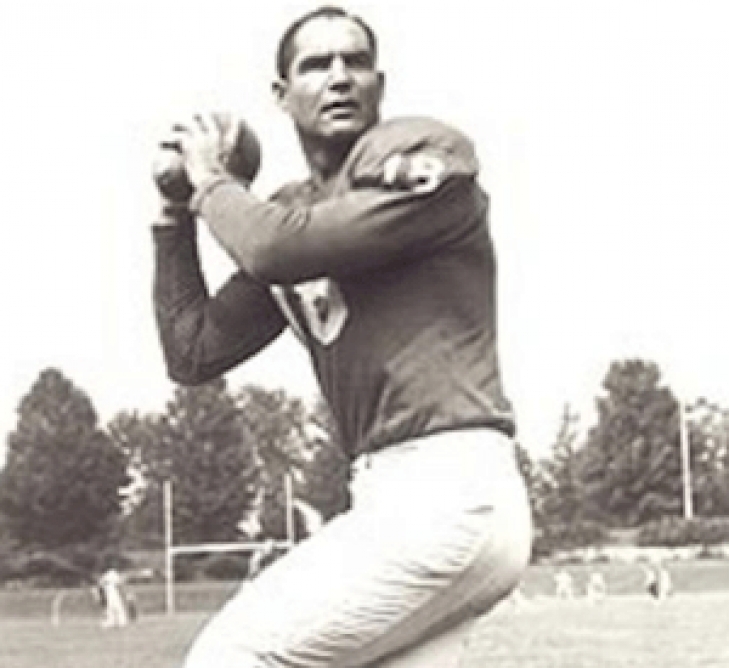
From Rice University, Tobin Rote was drafted by the Green Bay Packers, but in '50 the Pack was not very good, and wouldn't be for years. Green Bay's ineptitude wasn't Rote's fault; he proved to be an excellent QB, but he didn't have many teammates at his level. He was also a solid rusher, especially early in his career. For those who dismissed Rote in 1956, on what was still a mediocre Packers team, he led the NFL in Passing Yards and Completions and threw a then-record 29 Touchdown Passes. Despite that great season, the Packers traded him to Detroit, where he began the season sharing Quarterback duties with Bobby Layne, but he was clearly the main pivot on a team that would win the 1957 NFL Championship.
Sadly, Rote and the Lions had a disastrous 1959 season, and when he was released, he went north to play for the Toronto Argonauts of the Canadian Football League, where he did well, but American football called again, and he joined the San Diego Chargers. At age 35, he had the best season of his life, leading the AFL in Passer Rating (86.7) and taking his new team to a championship while winning the AP MVP. He would play another year in San Diego and a final one in Denver in 1966.
It can't be dismissed that Rote's decision to play in Canada hurt his overall chances, but this is one of the most underrated Quarterbacks not only of his day but of all-time.
21. Verne Lewellen
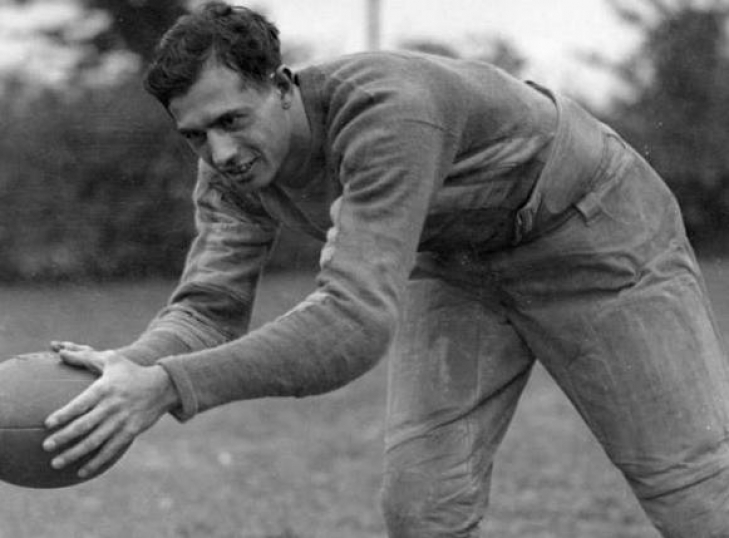
One of the early stars of the Green Bay Packers, Verne Lewellen, was an all-purpose Back who did it all for Green Bay. The product of Nebraska (the state and the University) was named to four straight First Team All-Pro squads (1926 to 1929) and was a large part of their three consecutive NFL Championships (1929 to 1931).
While no video of Lewellen's play survives, legendary figures like Art Rooney and George Halas extolled his virtues, and while stats were not well kept, it is believed he would have done well in box scores. We do know that he scored 37 rushing touchdowns and 12 receiving touchdowns, an incredible number for his day, and held the overall TD record until it was shattered by Don Hutson.
Lewellen later served as the Packers General Manager from 1954 to 1958, and may forever be a historical snub of Canton.
73. Cecil Isbell
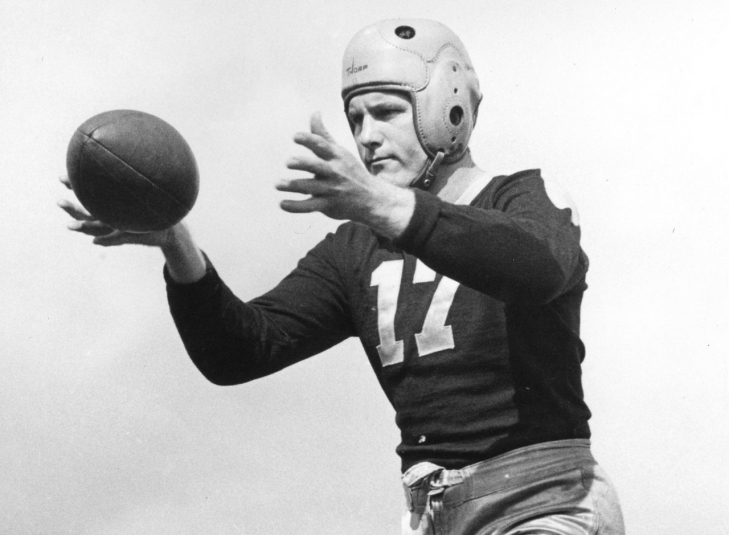
Usually, when you speak of a five-year career in any sport, you can't be talking about a great player. Few people have had a five-year run like Cecil Isbell.
Isbell was the 7th Overall Draft Pick by Green Bay in 1938, and as a rookie, he joined Arnie Herber in the Packers’ backfield. Isbell was rushing more in the first two years, and back in those days, Tailbacks were often passing and rushing with similar frequency. He later helped the Packers win the 1939 NFL Championship.
Isbell took on more of a passing role, and in 1941 and 1942, he led the NFL in Passing Yards and Passing Touchdowns, with 1942 marking the first time a passer threw for 2,000 Yards. He would set the then-broken record with 23 straight games with a Touchdown Pass. Isbell was also one of the first players who could throw deep, and he was exceptionally fast for his era. It is also important to recognize his defensive ability, as he also recorded nine Interceptions.
He retired after 1942, not due to injury but because he began a coaching career.
4. Lavvie Dilweg
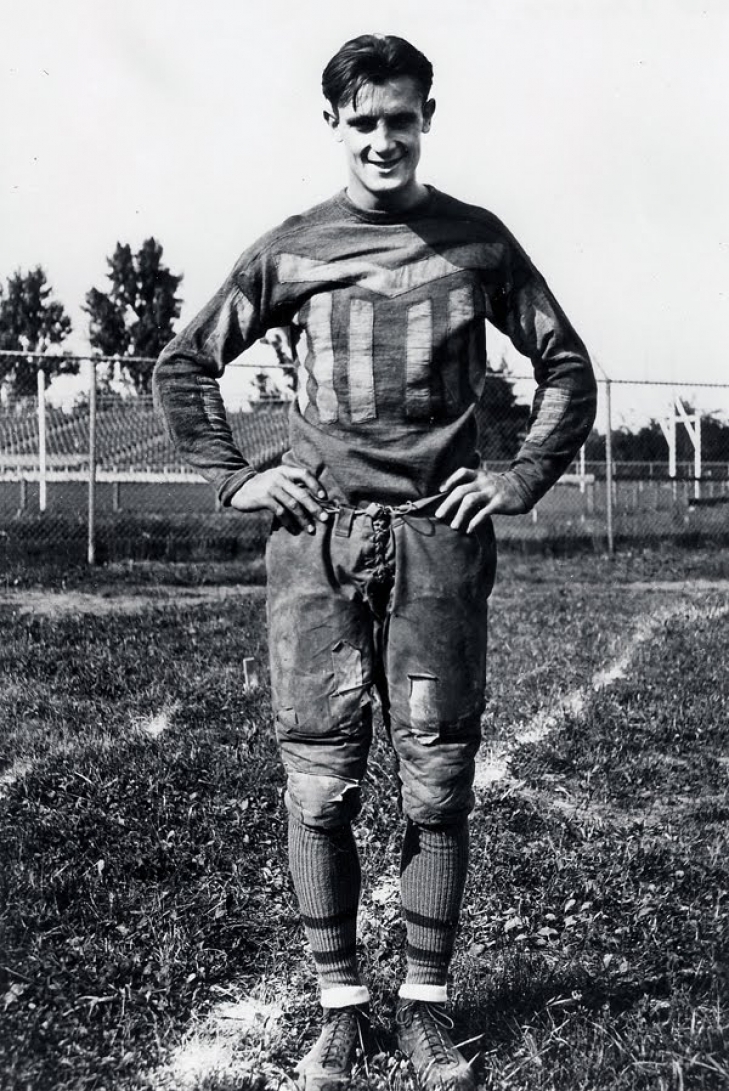
Lavvie Dilweg was a celebrated athlete who played for Marquette before signing with the Milwaukee Badgers in 1926. Unfortunately, the team folded that year. However, Dilweg continued his career when he joined the Green Bay Packers in 1927 and played for them until 1934. Dilweg was considered to be one of the most versatile players of his time, and his peers regarded him as one of the top tacklers and blockers. Although statistics were not well-kept in those days, it is believed he had 27 Interceptions and was a constant presence behind his opponent’s line of scrimmage; Dilweg was also a decent offensive player, using his quickness to evade tacklers. He helped his team win three consecutive NFL Championships (1929, 1930 & 1931).
Dilweg was named to the 1920s All-Decade Team and was a First-Team All-Pro for five consecutive years (1927 to 1931). Despite these accolades, he was never nominated for the Pro Football Hall of Fame, which many consider a curious omission. While some Green Bay fans champion other players for the Hall of Fame, Lavvie Dilweg is the biggest snub in that organization. However, the fact that he was named a Finalist by the Centennial Slate Class offers a little hope for the future, though not much.
269. Josh Sitton
RIP: Bart Starr
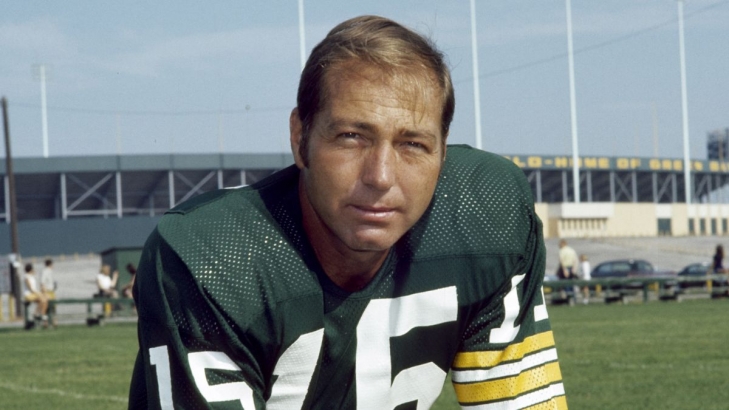
It is a very sad day for Pro Football and the Green Bay Packers as it was announced that Hall of Fame Quarterback, Bart Starr, died at the age of 85.
The 17thRound Pick for Green Bay in 1956 from Alabama, Starr was a backup to Tobin Rote and Babe Parilli until new Head Coach, Vince Lombardi made him the starting QB in 1959. The Lombardi/Starr combination would win five NFL Championships and the first two Super Bowls. Starr spent his entire career with Green Bay where he was a four-time Pro Bowl Selection, one-time First Team All-Pro and four-time leader in Pass Completion Percentage. He would throw for 24,718 Yards and 152 Touchdowns.
After his playing career, Starr would become a coach and was at the helm for Green Bay from 1975 to 1983.
He would enter the Pro Football Hall of Fame in 1977, his first year of eligibility.
We here at Notinhalloffame.com would like to extend our condolences to the friends, family, and fans of Bart Starr at this time.
The Green Bay Packers announce the Finalists for their Fan HOF
You have to hand it to the Green Bay Packers who know how important their fans are. So much so, that they have a Hall of Fame dedicated to them.
The Nominees are out for the 21stClass have been announced and should you wish to vote you can do so here. Voting is up until January 31.
The Finalists are:
Chuck Bromley, Middleton, ID
Soctt Cagle, Suamico, WI
Ron Colbo, De Pere, WI
Li Hu, Oshkosh, WI
Amy Nelson, Mayville, WI
Paul Pagnozzi, Hawthrorne, NJ
Brent Perzentka, Madison, WI
Steve Sexsmith, Appleto, WI
Dennis Wiley, Houston, TX
Charlie Younkie, Green Bay, WI
The winner will be announced in February.
Donald Driver and Mark Lee to enter the Green Bay Packers HOF
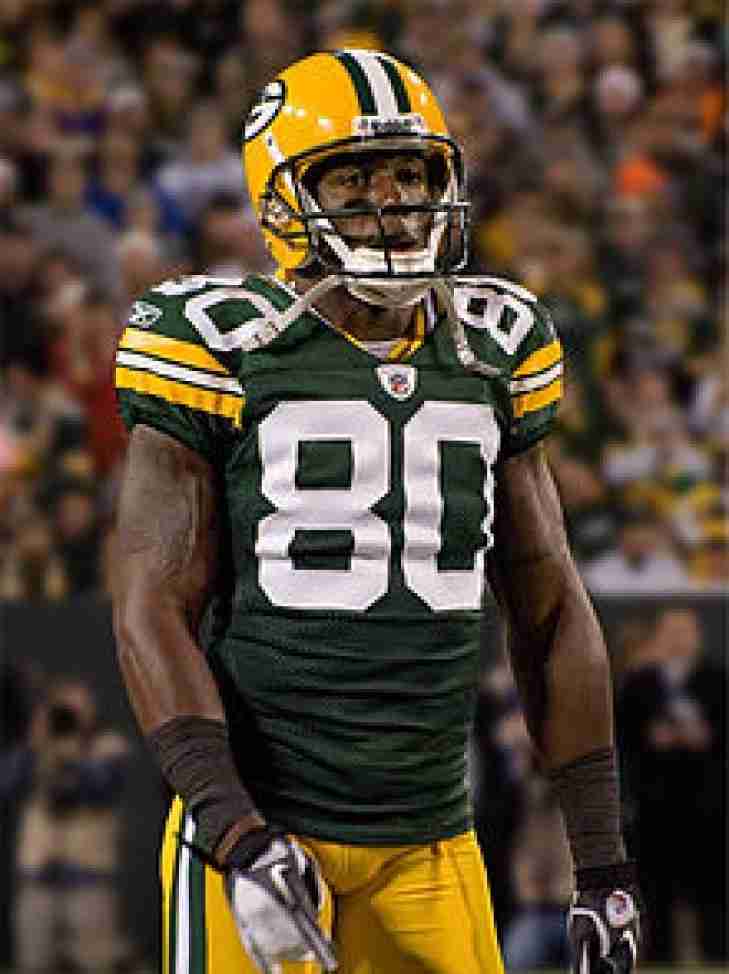
As such, it is news to us that the Green Bay Packers have announced that they will be inducting Donald Driver and Mark Lee to their organization’s Hall of Fame on July 27th, 2017.
Drafted seventh overall in 1999, Wide Receiver Donald Driver would play 205 Games over his fourteen year tenure at Lambeau. He would catch 743 passes for 10,137 Yards, both of which are franchise records. Driver would tally 62 Touchdowns and went to four Pro Bowls (2002, 2006, 2007 & 2010), and was a part of their Super Bowl win in 2010.
Driver will be joined by Cornerback, Mark Lee, who was with the Packers from 1980 to 1990. Lee recorded 31 Interceptions, placing him eighth overall in that metric. He played 157 Games for Green Bay starting in 139 of them.
The Green Bay Packers were the first team to build their own Hall of Fame and is a must visit for not just Packers fans but for NFL fans.
We here at Notinhalloffame.com would like to congratulate both Donald Driver and Mark Lee for achieving this very prestigious honor.
Greg Jennings Retires
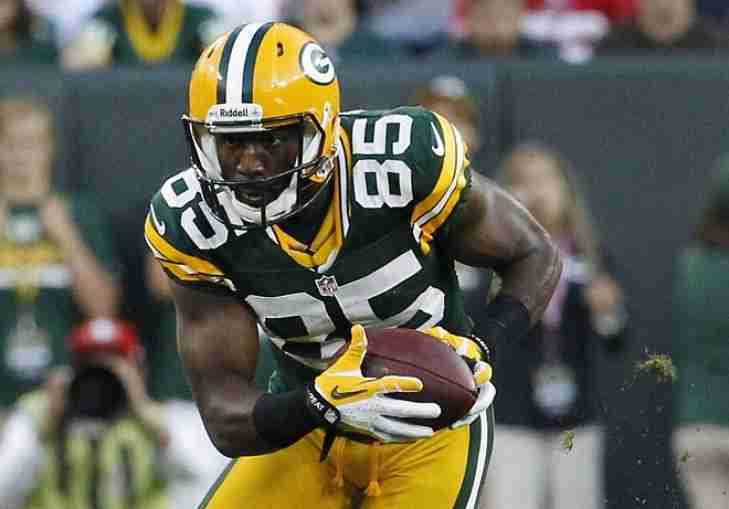
At the age of 32, Wide Receiver, Greg Jennings has announced his retirement from the game of Football, last playing with the Miami Dolphins.
A second round pick out of Western Michigan, Jennings would become a starter quickly and in 2008 would enjoy his first of his three straight seasons where he would exceed over 1,000 Yards Receiving. That third 1,000 Yard season would become the most memorable one as he would net his first of two Pro Bowls and would win the Super Bowl.
In 2013, Jennings would join the Minnesota Vikings, where he would play for two seasons before finishing off his career with Miami.
Overall, Greg Jennings caught 571 passes for 8,291 Yards and 64 Touchdowns. He will eligible for the Pro Football Hall of Fame in 2021.
We here at Notinhalloffame.com would like to congratulate Greg Jennings on a wonderful career in Professional Football.
49. Carroll Dale