

18. Aaron Broten
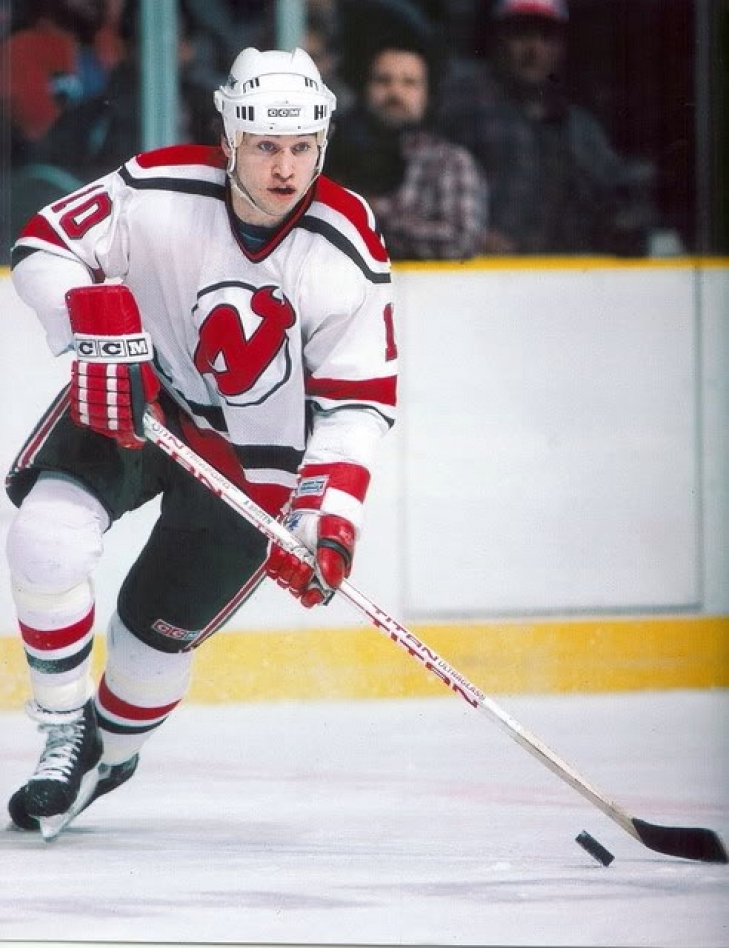
Aaron Broten, the brother of Neal and Paul Broten, was a first-round pick in 1980 by the Colorado Rockies.
17. Wilf Paiement
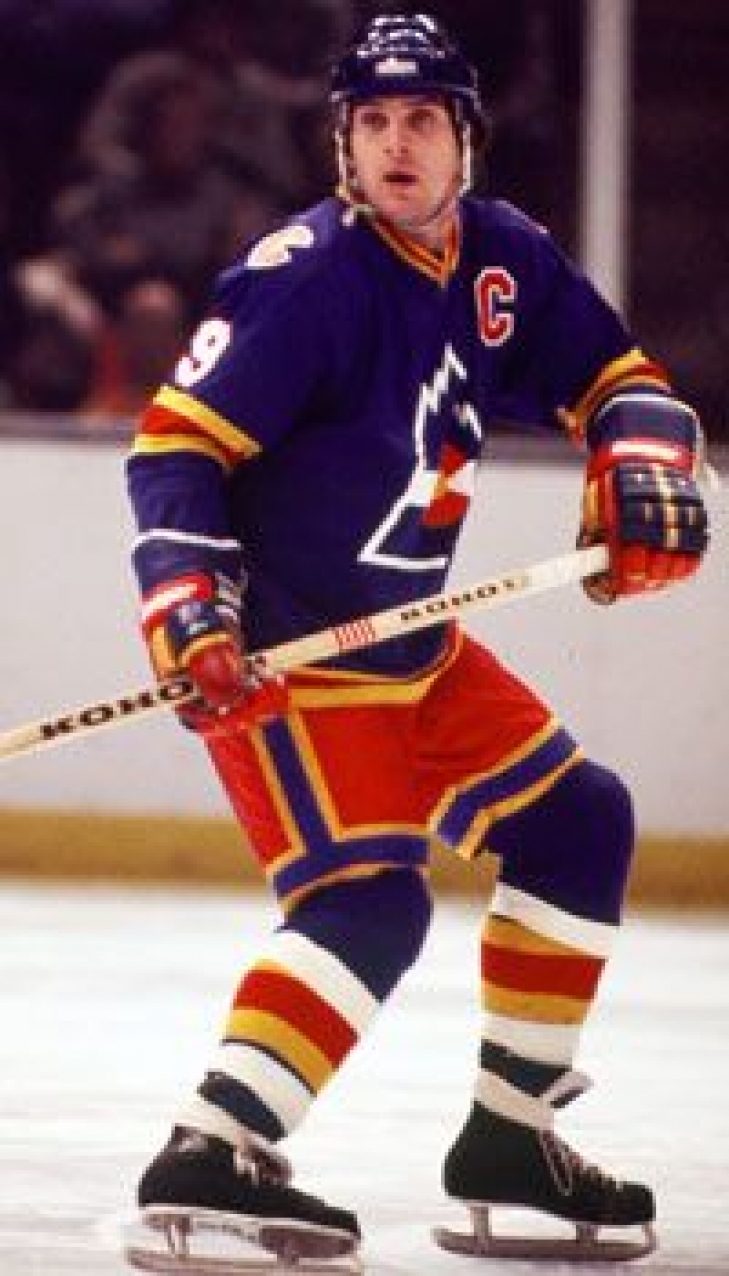
We finally have an entry where we get to look at a player before the franchise relocated to New Jersey. Actually, we have a player before they got to Colorado. Let’s do one better. The player in question, Wilf Paiement, was the first man drafted by the team.
12. Andy Greene
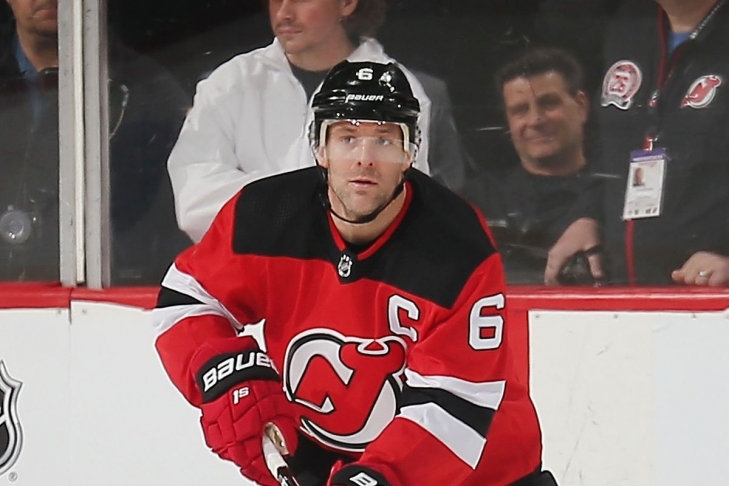
From Trenton, Michigan, a National Hockey League team never drafted Andy Greene, and he needed to prove himself with the Miami Redhawks in the MAC. Greene performed well enough for the New Jersey Devils to sign him in 2006.
16. Jamie Langenbrunner
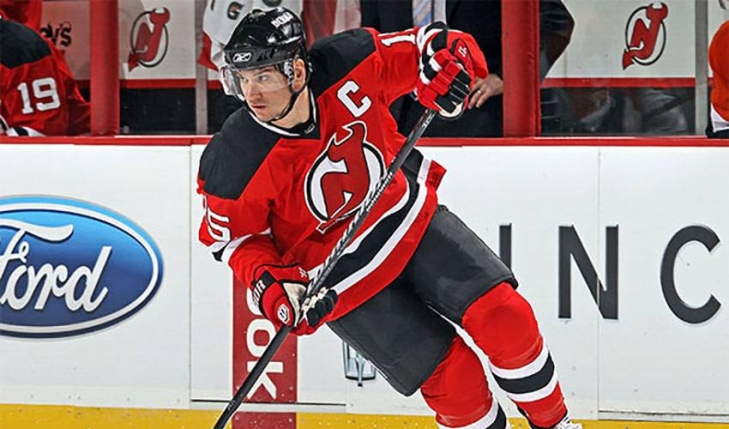
In his eighth season in the National Hockey League, Right Wing Jamie Langenbrunner was traded from his first team, the Dallas Stars, to the New Jersey Devils. The Minnesotan won a Stanley Cup with Dallas in 1999, and the on-ice leader was set to the same with the Devils.
13. Travis Zajac
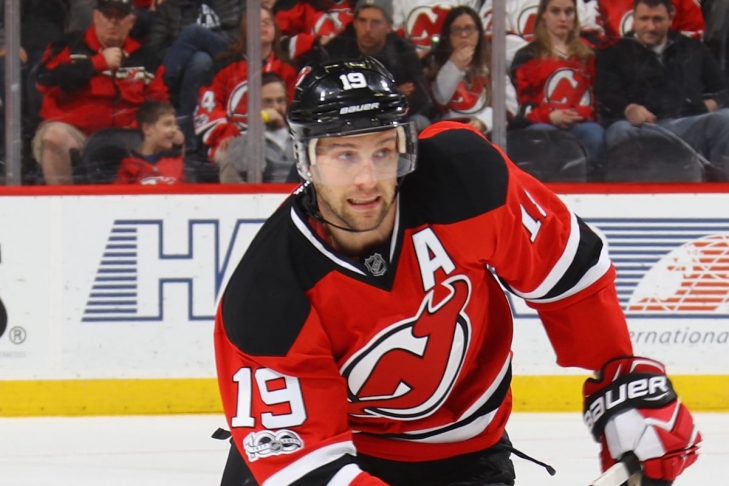
Travis Zajac was taken in the First Round in the 2006 Draft (20th Overall), and the native of Winnipeg cracked the New Jersey Devils roster immediately, with a 42 Point Season and a tenth-place finish in Calder voting.
11. Bobby Holik
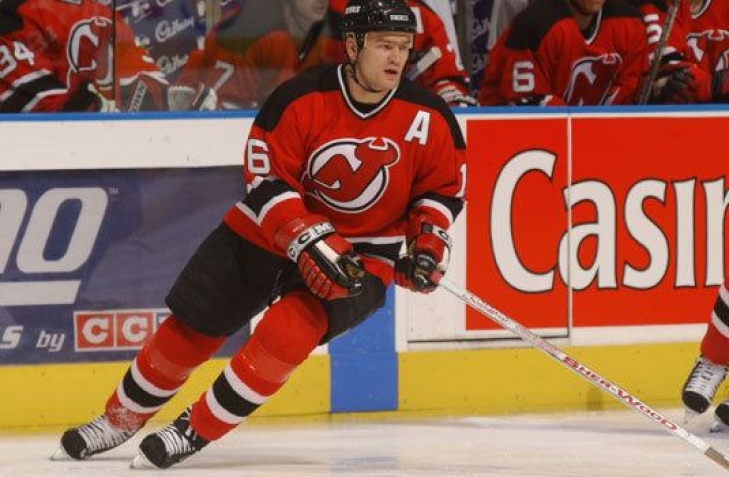
Bobby Holik played for the Hartford Whalers for the first two seasons of his NHL career, but a trade to the New Jersey Devils in the Summer of 1992 would place him on the team where he would have the most productive period of his life.
10. Bruce Driver
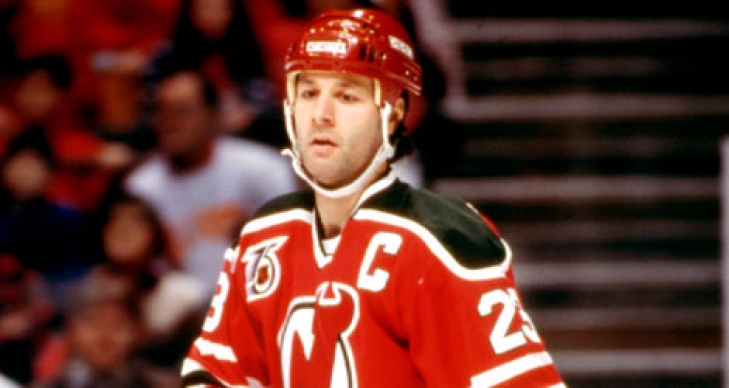
Bruce Driver was a Sixth Round Pick by New Jersey when the team was still located in Colorado.
9. Kirk Muller

The New Jersey Devils had the number two choice in the 1984 Draft, and since they were not going to get Mario Lemieux (who went number one) they went with Kirk Muller, who was a damned good player in his own right.
7. Brian Rafalski
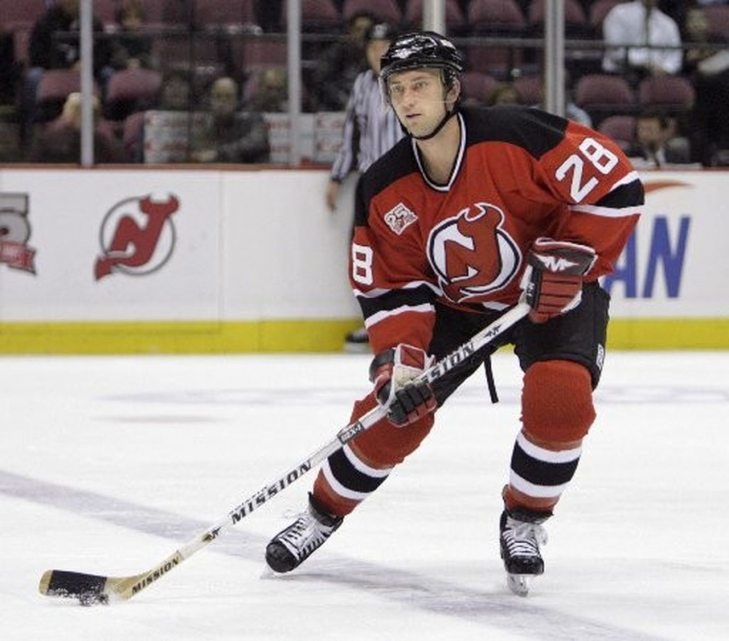
Another member of multiple New Jersey Devils Stanley Cup championships, Brian Rafalski, was either a late bloomer or incredibly overlooked.
8. Zach Parise
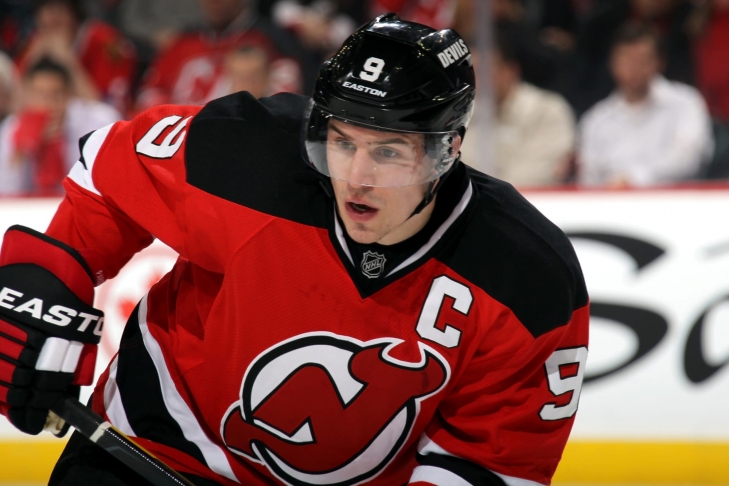
Zach Parise was taken with the 17th Overall Pick in 2003, and the American Left Wing would debut for the New Jersey Devils two years later.
5. Ken Daneyko
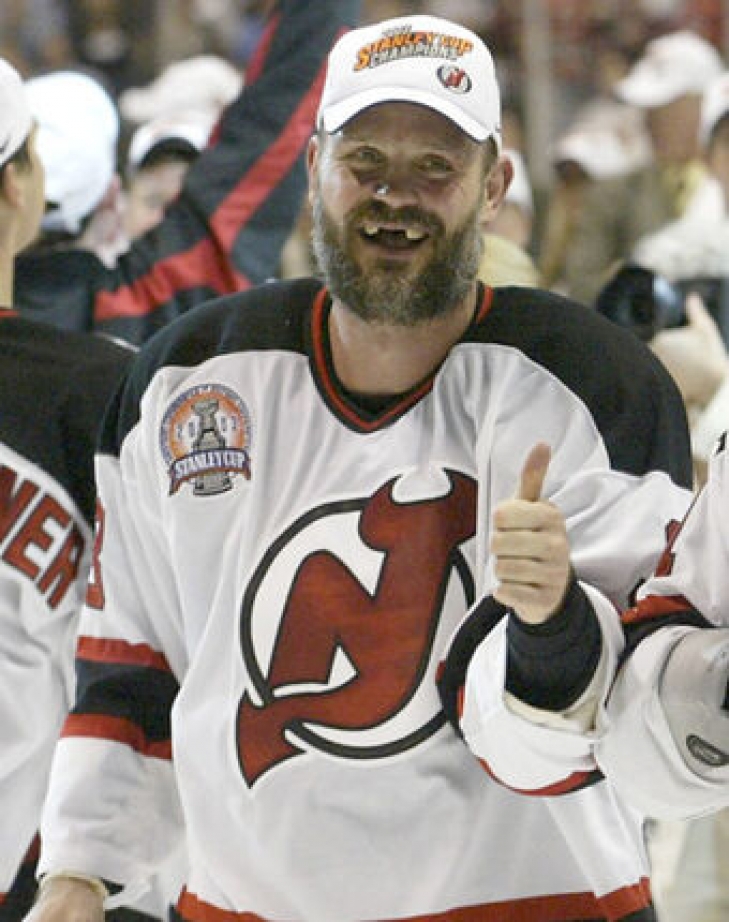
This is one where you don't judge by the number of times a hockey player appeared on a stat sheet.
6. John MacLean

John MacLean was taken Sixth Overall in the 1983 Draft, and the Right Wing played 23 Games that year for the Devils.
3. Scott Niedermayer
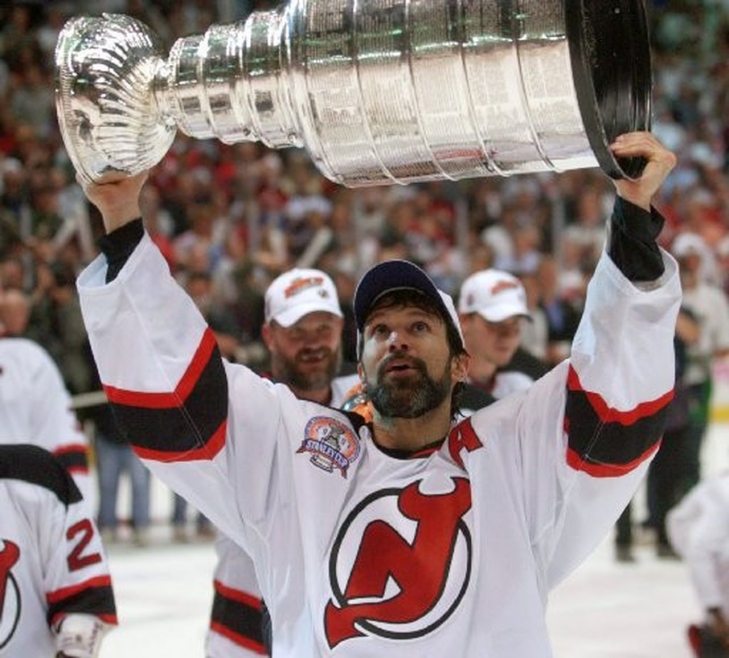
We just spoke of the importance of Scott Stevens to the Devils' defense and overall success of the team. Consider Scott Niedermayer at a similar level in both.
Niedermayer was drafted Third Overall in 1991, the same season in which Stevens was allocated to New Jersey as compensation for the signing of Brendan Shanahan. Niedermayer played four Games in the year he was drafted but became a full-time member of the roster the following year, quickly becoming regarded as one of the best two-way blueliners in the game.
After helping New Jersey win the Stanley Cup in 1995, he would have his first top-ten Norris season in 1997-98, where he scored 57 Points, his highest as a Devil, and secured a Second Team All-Star Selection. Niedermayer won another Cup with the Devils in 2000, and in 2003, he anchored the Devils in another title, where he led all skaters in the post-season in Assists (16) and Points (18).
Niedermayer would not win another Cup with New Jersey, but in his final year with the Devils (2003-04), he won the Norris Trophy and was ninth in Hart Trophy voting. He was also named a First Team All-Star, the first and only time he did so as a Devil. Niedermayer left New Jersey afterward for Anaheim, where he joined his brother, Rob.
After joining Anaheim, Niedermayer won his fourth Stanley Cup in 2007. The Devils retired his number 27 in 2011, and the Hockey Hall of Fame inducted him in 2013, his first year of eligibility. With the Devils, Niedermayer scored 476 Points with a healthy Plus/Minus of +172.
4. Patrik Elias
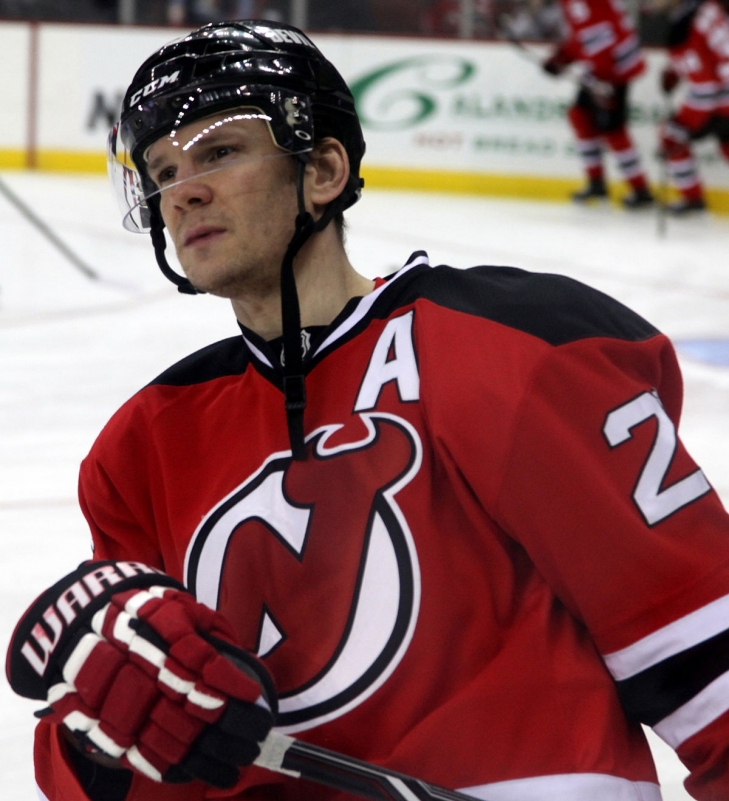
Patrik Elias played 20 years in the National Hockey League, all of which were in a New Jersey Devils uniform.
2. Scott Stevens
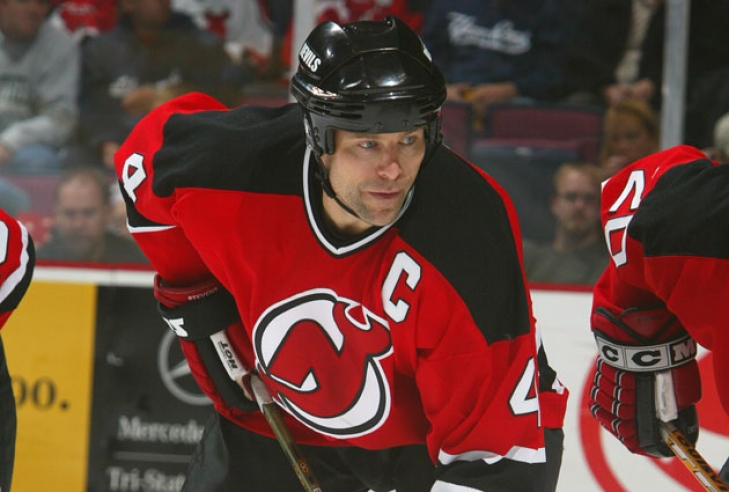
While Martin Brodeur was ranked at #1, we can argue that the Devils' run as a Stanley Cup contender truly began with the signing of Scott Stevens.
1. Martin Brodeur
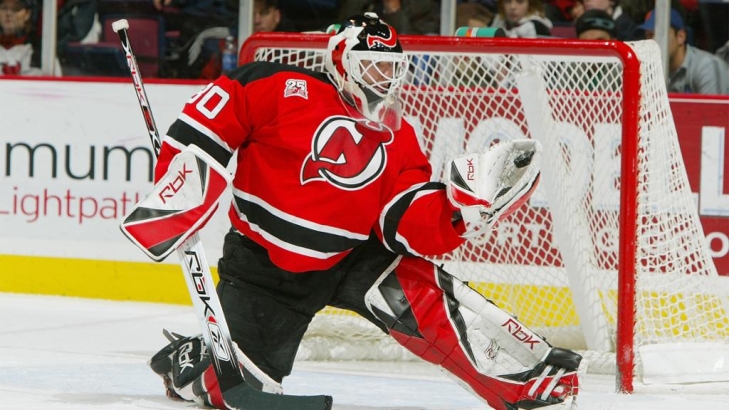
We love it when the decision is this easy.
245. Bobby Holik
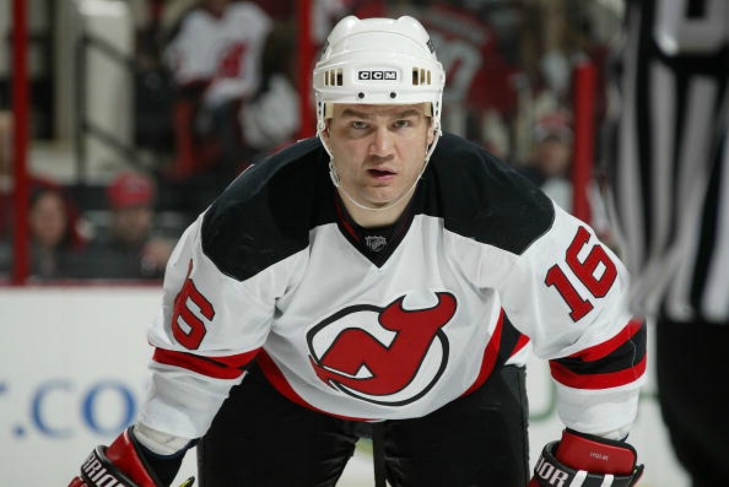
275. John MacLean
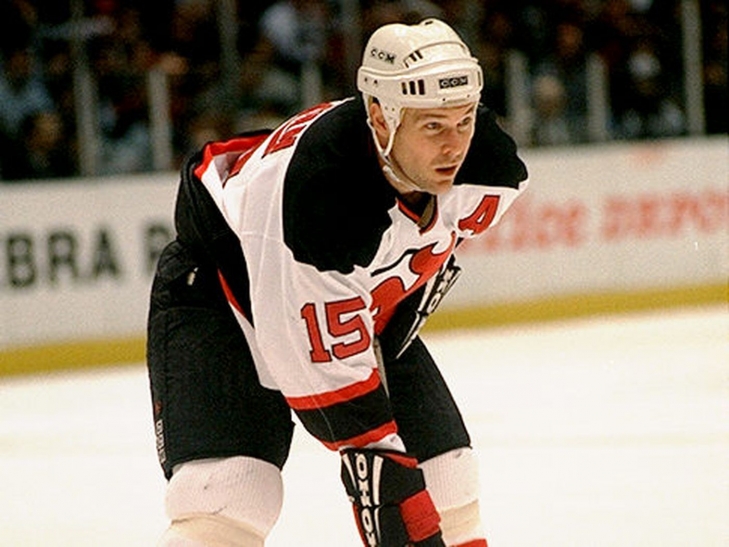
John MacLean’s long career would see him finish six games shy of 1,200, an incredible feat considering that he would miss an entire season in his prime (the 1991-92 campaign) due to a knee injury.
124. Claude Lemieux
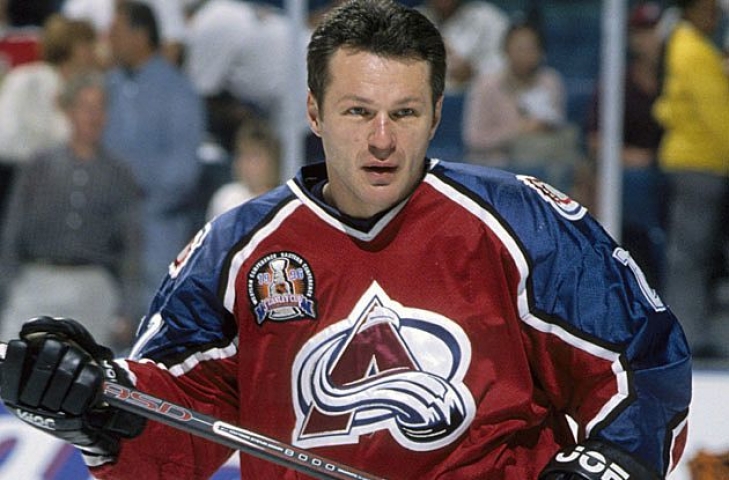
Claude Lemieux was known for being a playoff superstar, which he was! He is currently fourth all-time in Playoff Games, and he scored 158 Points in those postseason contests. Lemieux is one of only ten players to have captured the Stanley Cup with three different teams (Montreal, New Jersey, and Colorado). He is a former Conn Smythe Trophy winner, and he was the leading goal scorer in the playoffs twice. Clearly, Lemieux saved his best for when it counted, but in his 1,215 career games, he scored 786 Points, which is also pretty good.
272. Brian Gionta
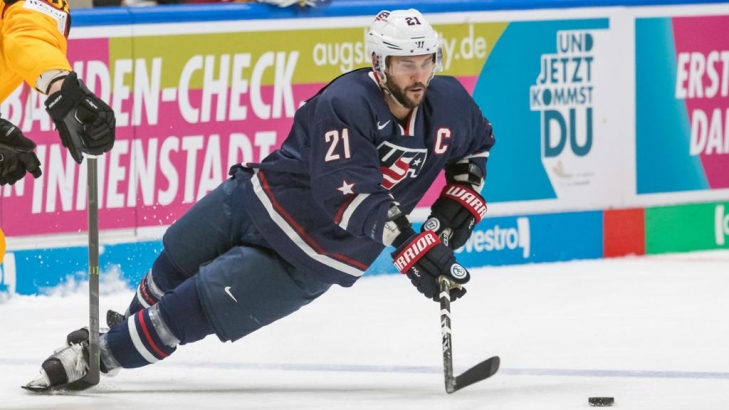
Brian Gionta was a good two-way player over his sixteen seasons in the National Hockey League, and everywhere he went, he was lauded for his leadership. This includes his pre-NHL days where he was the captain of his Boston College team that would win the NCAA Championship.
