

258. Ken Gray
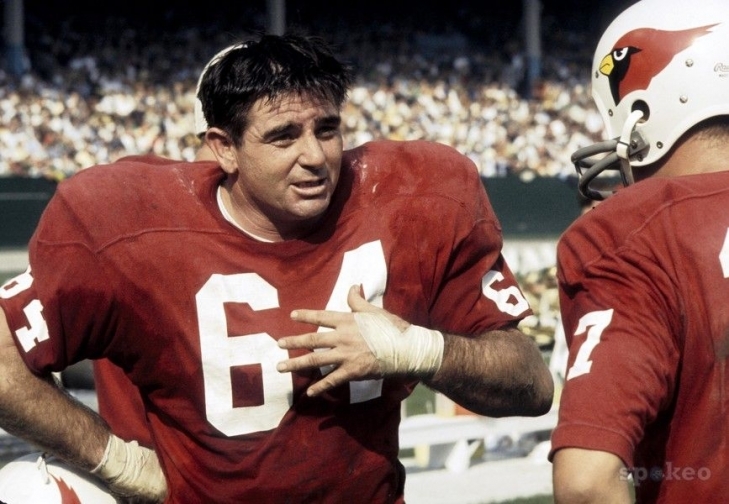
311. Jerry Norton
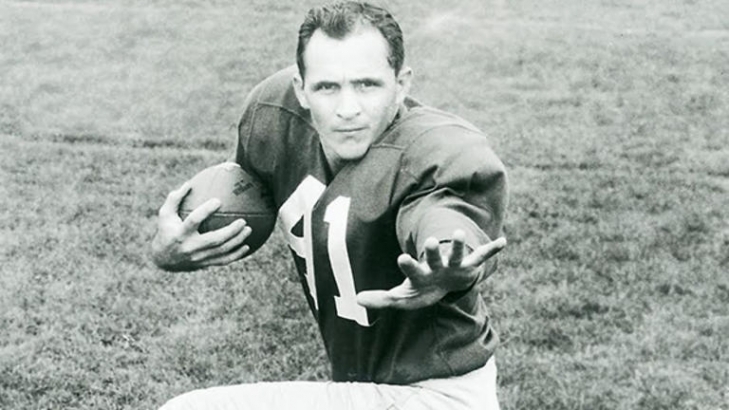
Jerry Norton began his professional football career in 1954 with the Philadelphia Eagles, where he started as a Safety, then performed as a Half Back, then back to Safety again. Norton was also an excellent Punter, and in 1957 he would lead the league in Punts and Punting Yards. He would be traded to the Chicago Cardinals (which would become the St. Louis Cardinals) before 1959 and was affixed at Safety and Punter, and he would continue on a five-year streak of Pro Bowls that he began in Philadelphia. Norton would again lead the NFL in Punts and Punting Yards in 1960, which was the same season he led the league in Interceptions (10). He would accumulate 35 picks in total.
167. John David Crow
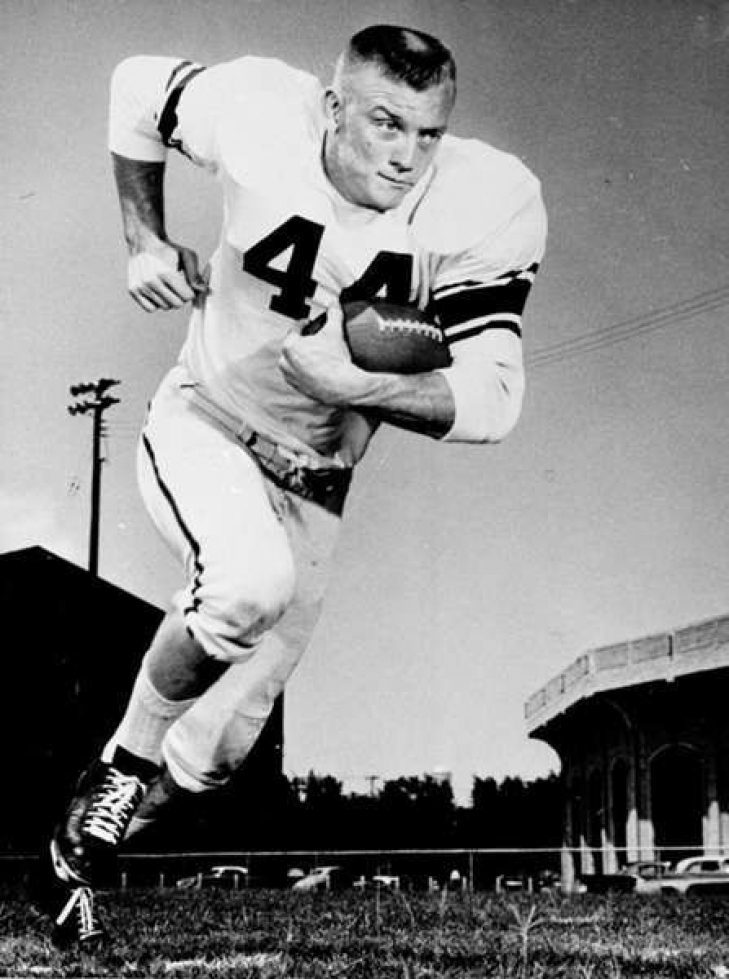
132. Pat Fischer
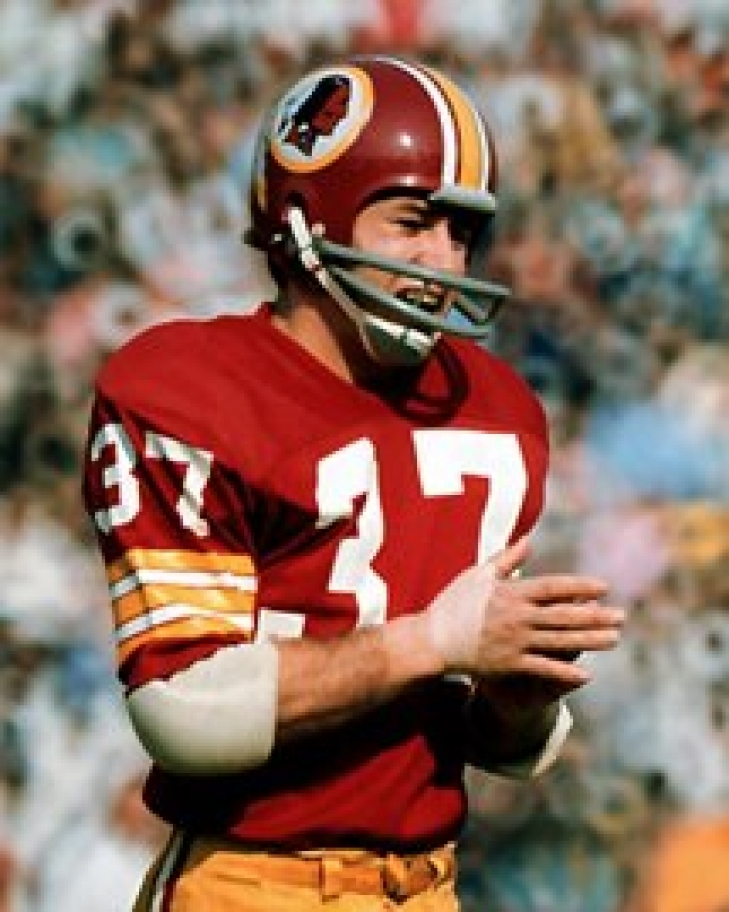
Pat Fischer was not a tall man, standing at only 5' 9", which was likely why the multi-talented star at Nebraska fell to the 17th Round. It was the St. Louis Cardinals who chose him, and after initially using him as a Returner, he would force his way to become a starting Cornerback and would be named to the Pro Bowl in 1964 and 1965. The certified ballhawk would later sign with the Washington Redskins and brought a veteran presence to their secondary and was a large part of their appearance in their Super Bowl VII appearance. Fischer would play until 1977 and would accumulate 56 Interceptions.
44. Ed Konetchy
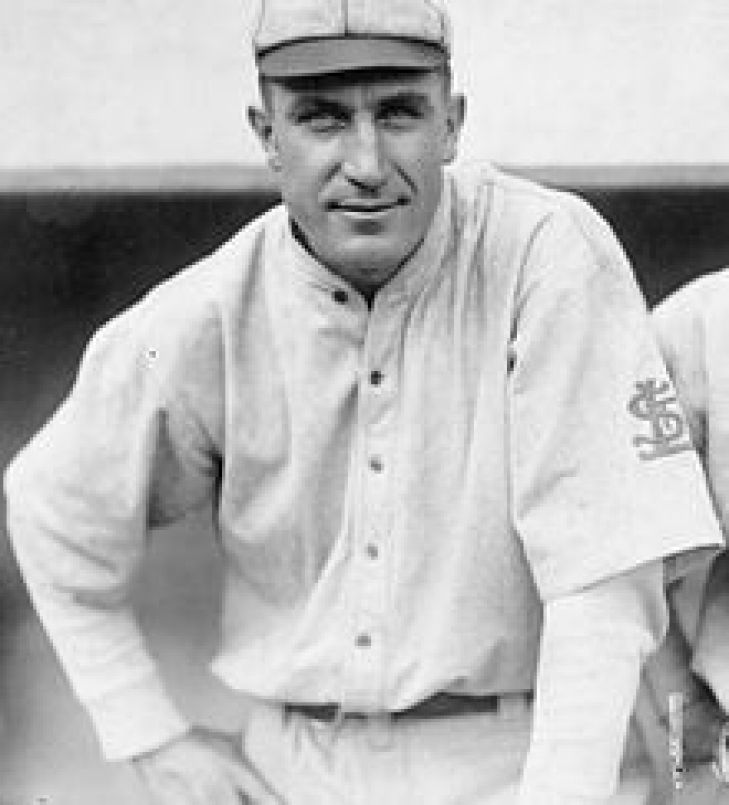
Ed Konetchy was with the St Louis Cardinals for the first seven years of his professional career before he jumped to Pittsburgh of the Federal League.
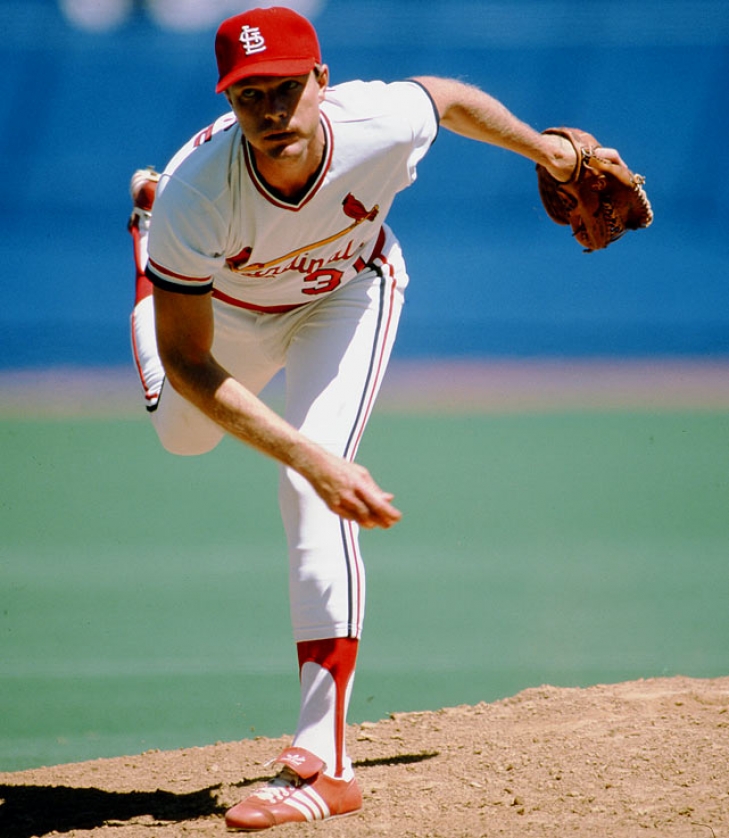
39. Bob Forsch
42. Pepper Martin
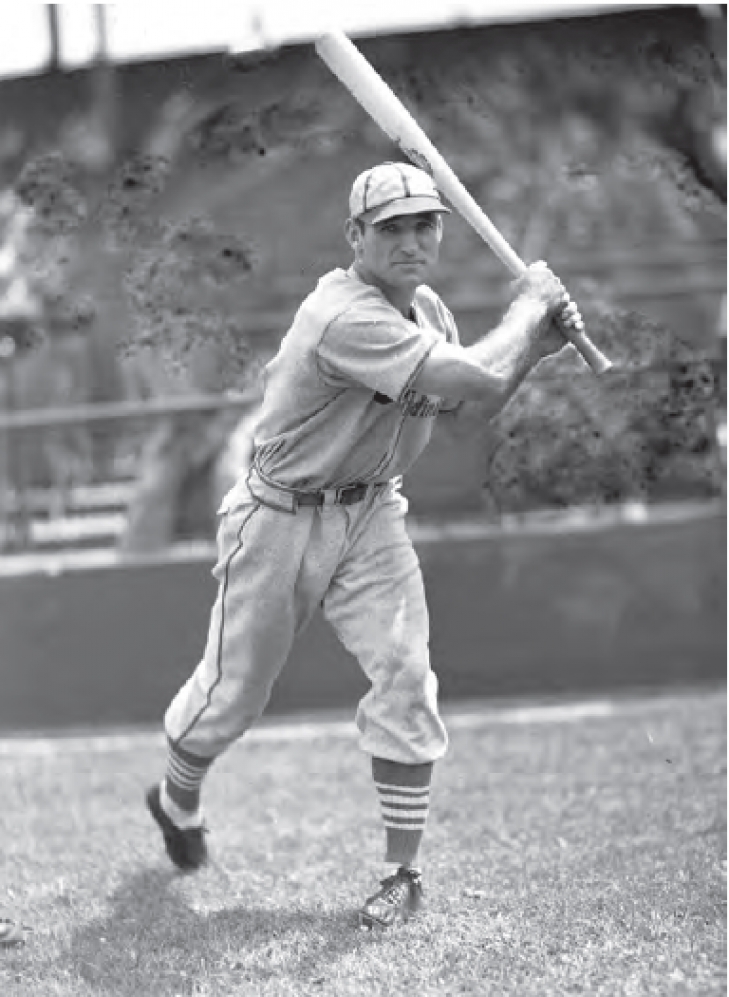
A very popular player with fans and teammates alike, Pepper Martin was the engine that drove the famed “Gashouse Gang” of the 1930’s.
50. Ripper Collins
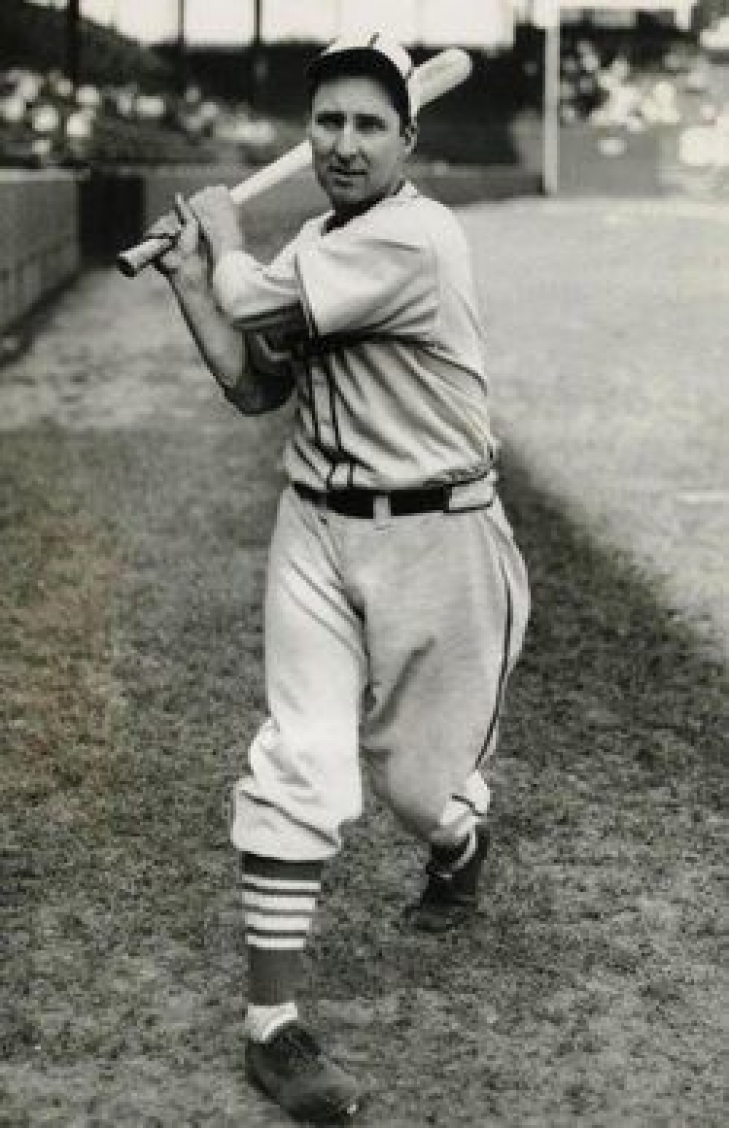
30. Bill White
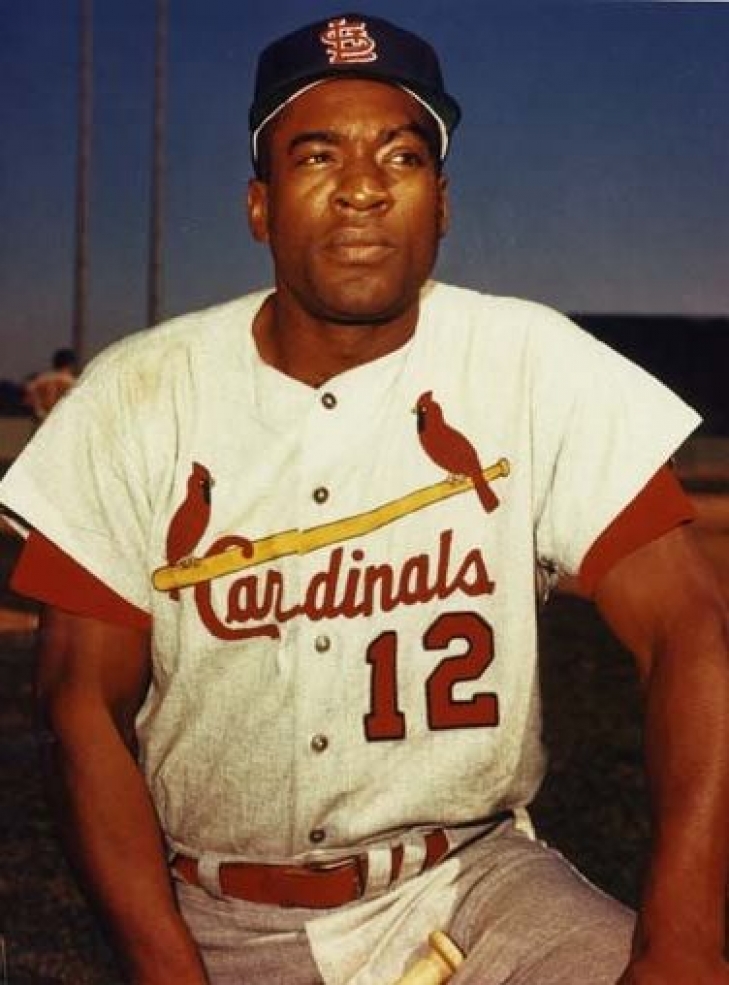
Bill White had a rocky road to get to the St. Louis Cardinals, especially considering he really wasn’t looking to become a ballplayer in the first place.
47. Chick Hafey
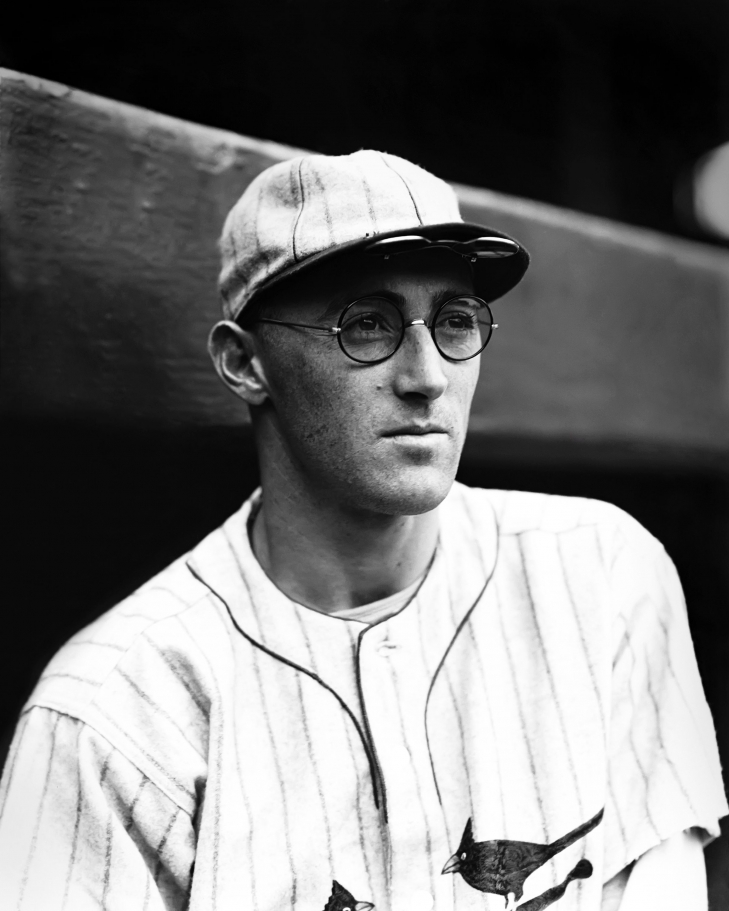
Paying for the St. Louis Cardinals for the first eight of his thirteen year Major League career, Chick Hafey was known for hitting a very Batting Average. Hafey never batted lower than .329 in a five year stretch for the Cardinals (1927 to 1931) and in that final season his .349 was good enough to secure him the National League Batting Title. Hafey did not just hit for average as he was a 25 Home Run hitter three times and in 1927 he would lead the NL in Slugging. He helped St. Louis win two World Series Championships.
46. Matt Holliday
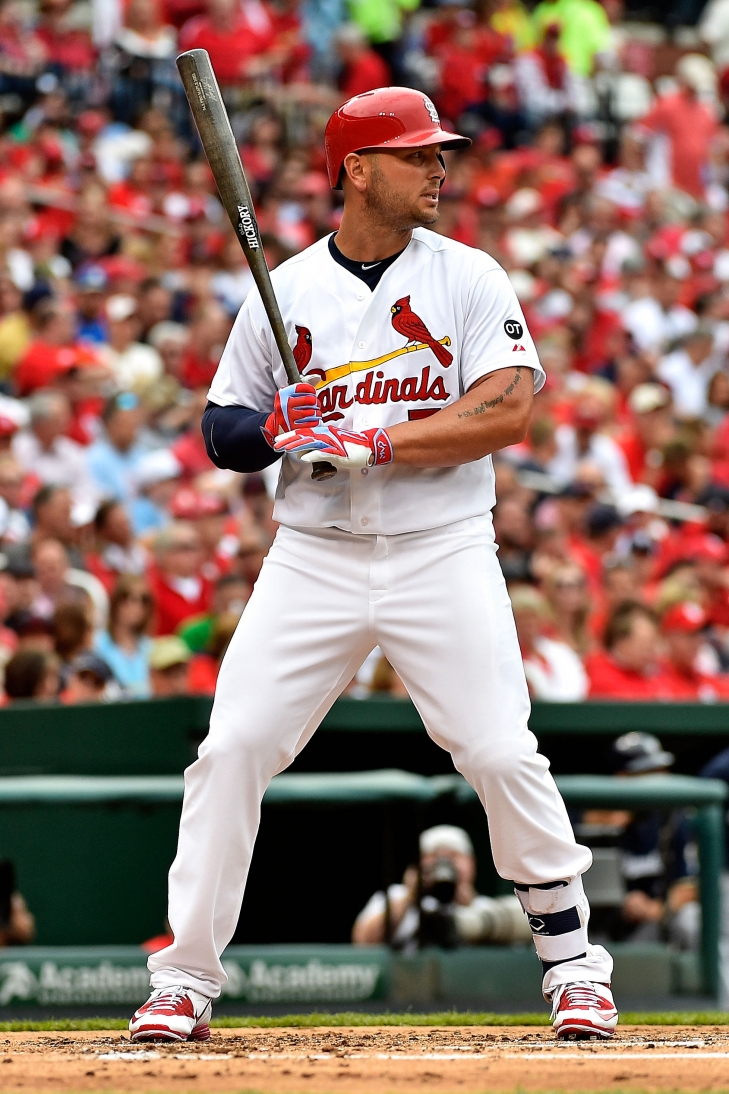
Matt Holliday’s best season in baseball may have taken place in Colorado where he was the runner-up for the MVP in 2006 but he was with the St. Louis Cardinals for a longer period of time and actually compiled better overall statistics.
35. Matt Carpenter
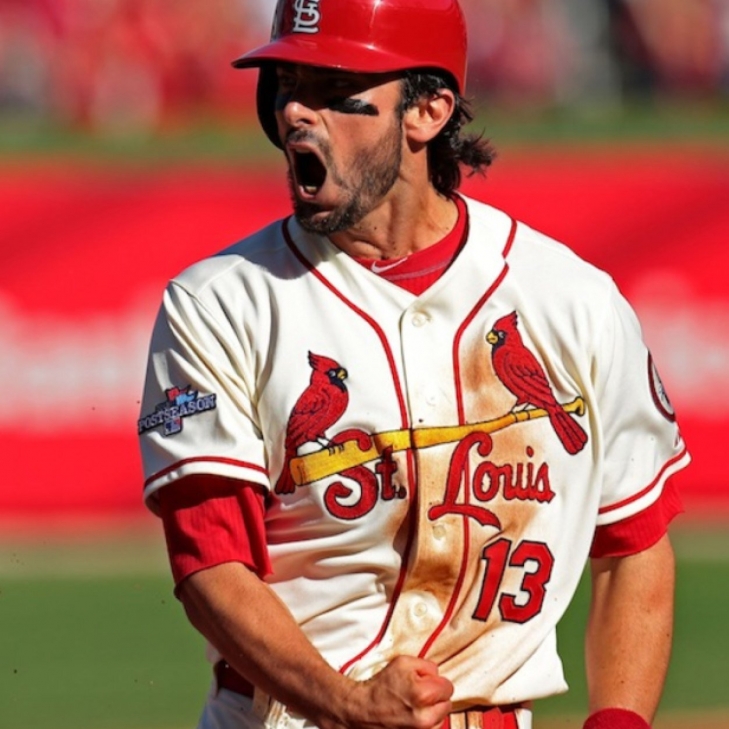
Matt Carpenter played the first 11 years of his career with the St. Louis Cardinaks, the team he had by far his greatest success.
36. Scott Rolen
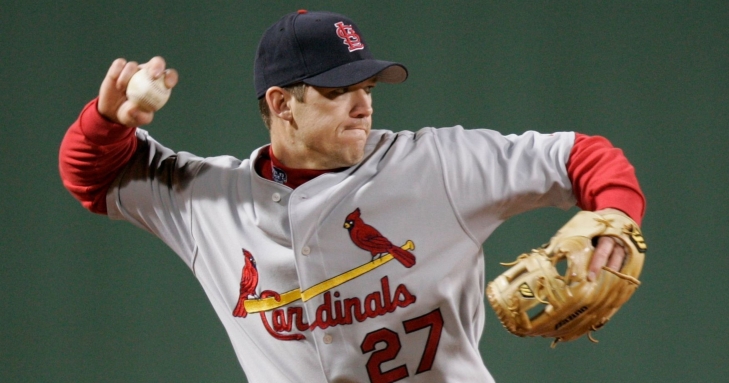
Arriving midway through the 2002 season after demanding a trade out of Philadelphia, Scott Rolen proved to be the same star he was in the NL East and he actually raised his game. Rolen was an All-Star in 2002 (though represented Philadelphia and he would be one in his first four full seasons as a Cardinal. Already respected for his defensive ability, Rolen would win three more Gold Gloves in St. Louis, his 2004 accolade also coupled with leading the National League in Defensive bWAR. That year was also his best in the majors with the bat as he had a career-high 34 Home Runs with a Slash Line of .314/.409/.598. He would finish fourth in MVP voting that year. Arguably his 2006 would be far more memorable as he would be a vital component of St. Louis World Series win.
27. Jesse Haines
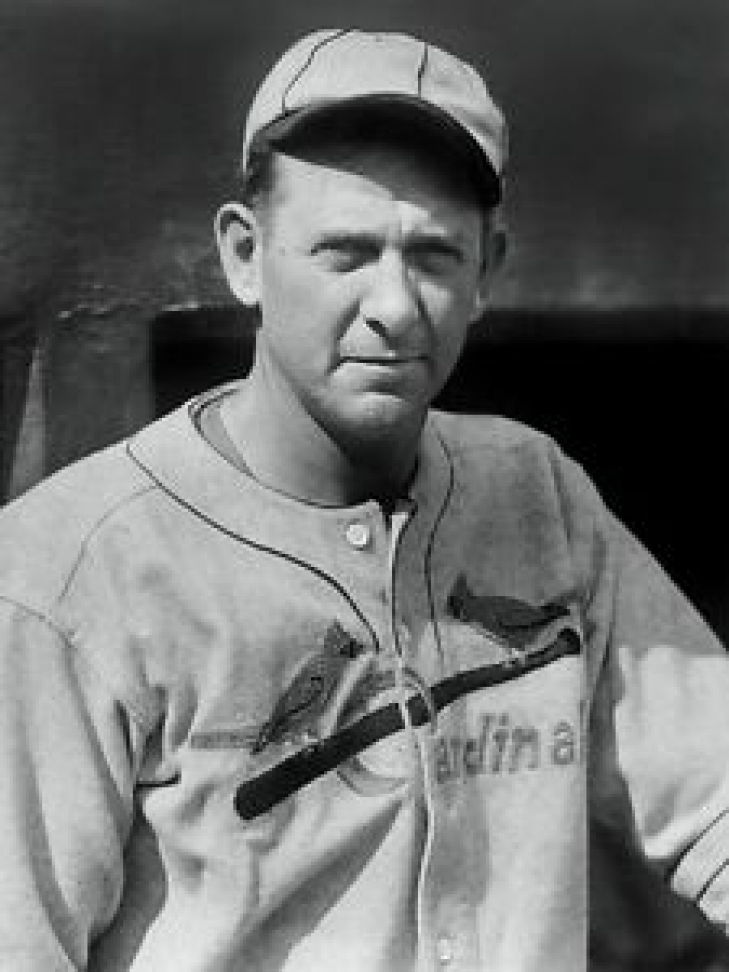
The rank here was a struggle for us.
Jesse Haines is a Baseball Hall of Famer (inducted in 1970 by the Veteran’s Committee) and he played all but one of his games for the Cardinals, so when we were doing this list we initially did not expect him to be so low. Haines recorded 210 Wins for St. Louis, which is second all-time, so how do we come up with a rank in the ’30s?
37. Bill Sherdel
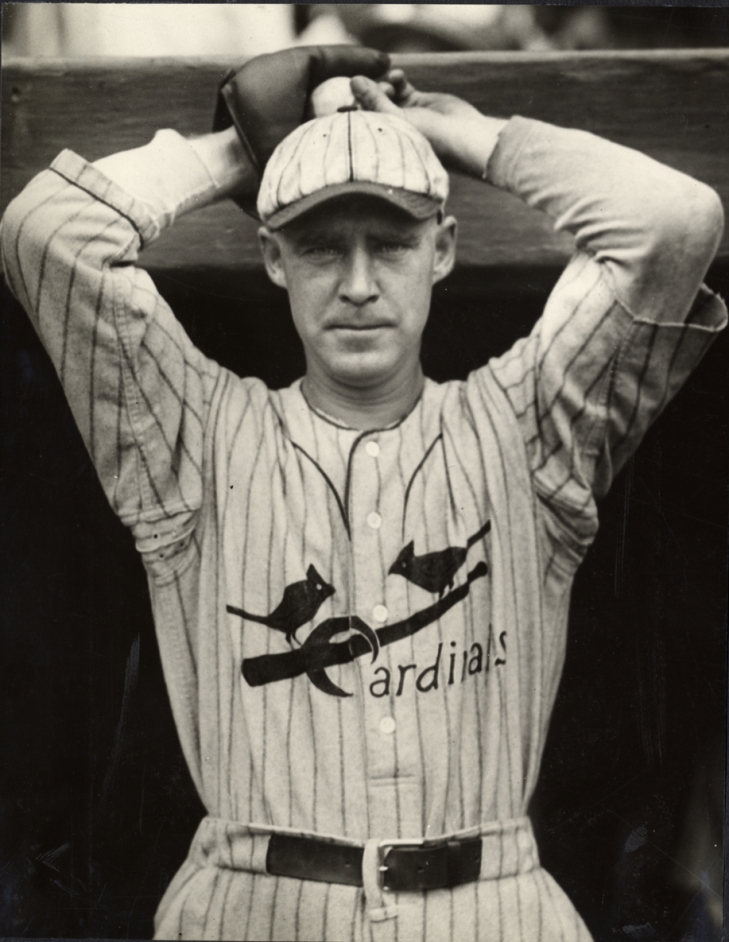
In terms of longevity, lefthanded Pitcher Bill Sherdel was one of the most tenured in franchise history as he spent fifteen seasons with the team. As such it is not a surprise that he is currently in the top five in Wins (153), Games Pitched (465) Innings Pitched (2,450.2) and Games Started (242). Despite the long duration, Sherdel was never considered a star but rather a good hand who could be used to start or finish, which wasn’t very common at the time, especially a player who played as long as Sherdel competed.
43. Whitey Kurowski
45. Mark McGwire
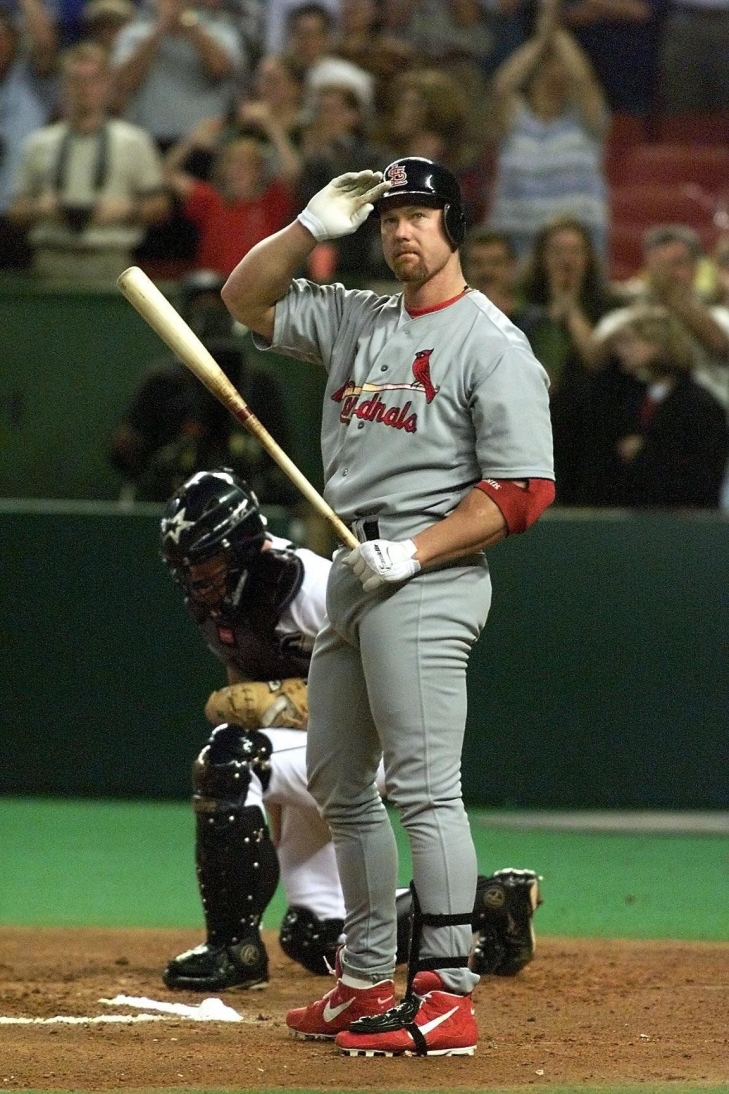
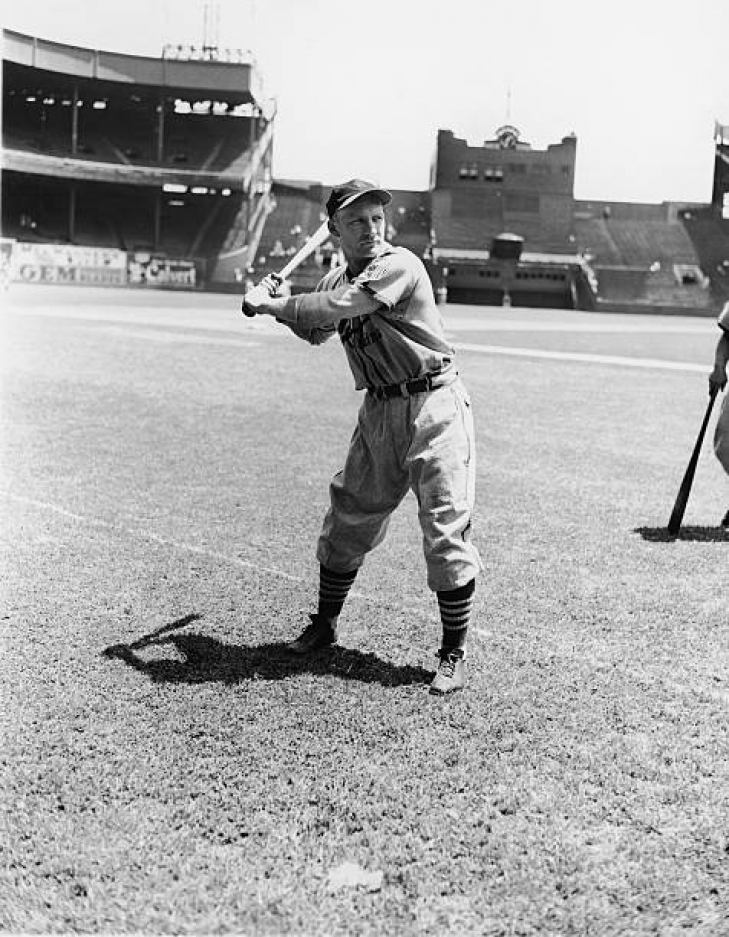
The accomplishments of Mark McGwire are not as distinguished as they used to be but make no mistake what an impact he had when he was smacking Home Runs at will and chasing the single season Home Run record when he was a St. Louis Cardinal. For the younger readers, please understand that everybody was paying attention and it was what got many people back into Baseball.
40. Joe Torre
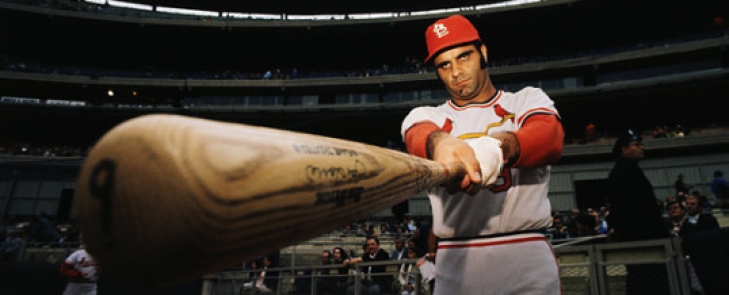
While Joe Torre would become far better known for his career as a Major League Manager, he was a pretty good baseball player in his own right.
38. Larry Jackson
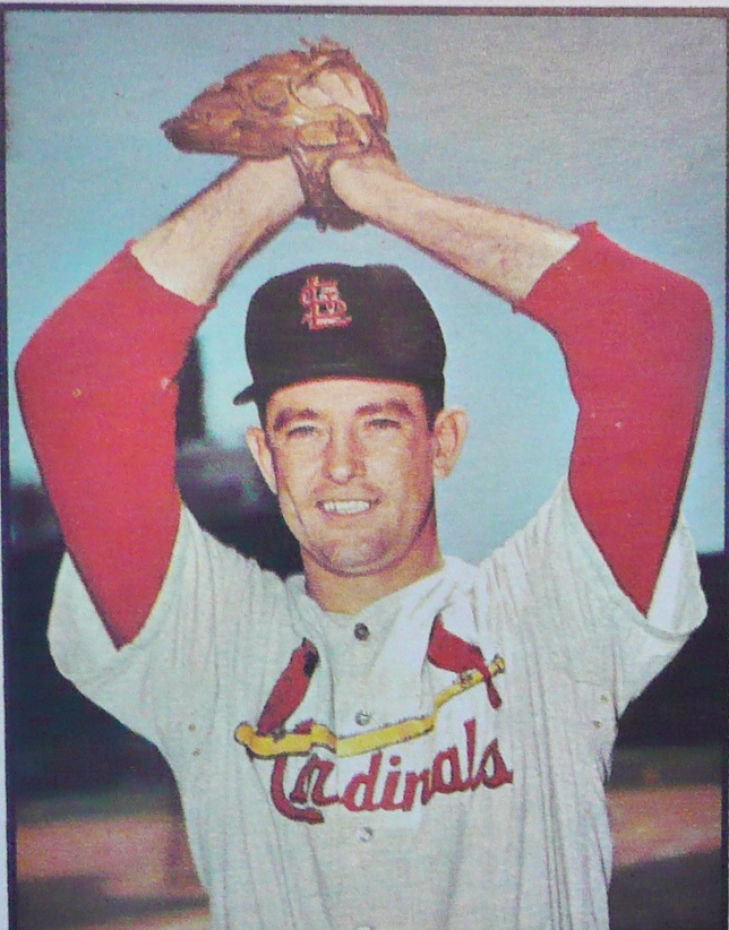
34. Theodore Breitenstein
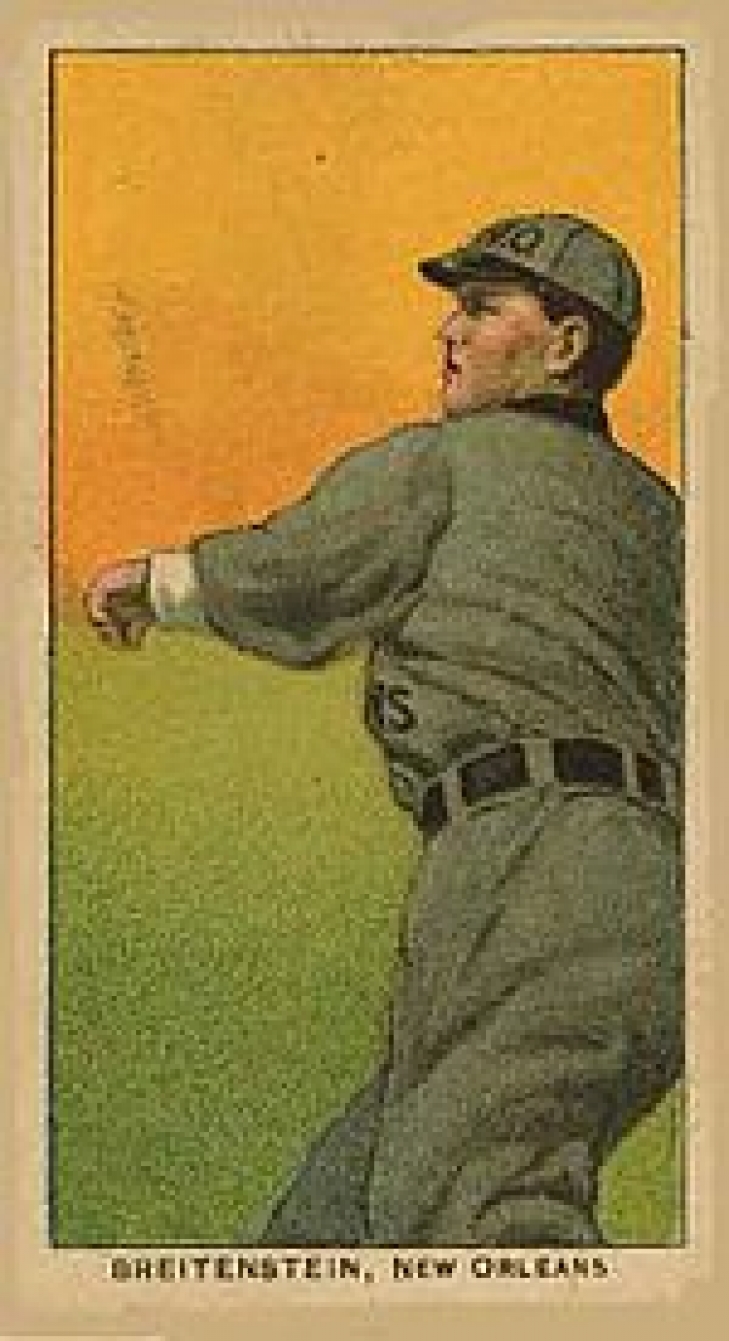
If you look predominantly at Wins and Losses than you have to wonder why someone with a record of 94 and 125 is so high on this list, but we are a lot smarter than we used to be in regards to those two stats then we used to be and even back in the 1890’s baseball fans knew that Theodore Breitenstein was a very good Pitcher.