

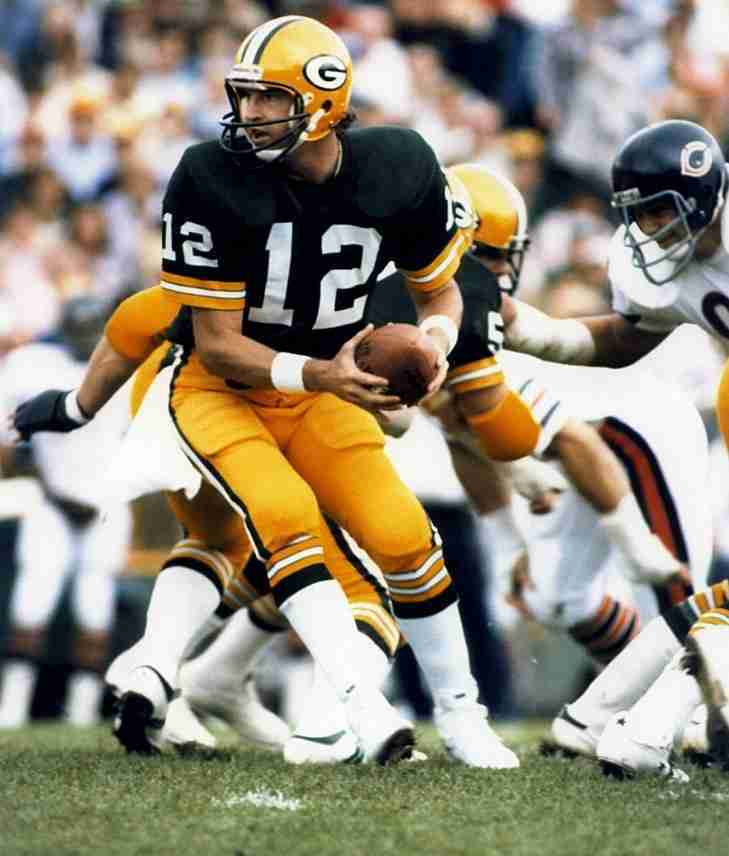
50. Lynn Dickey
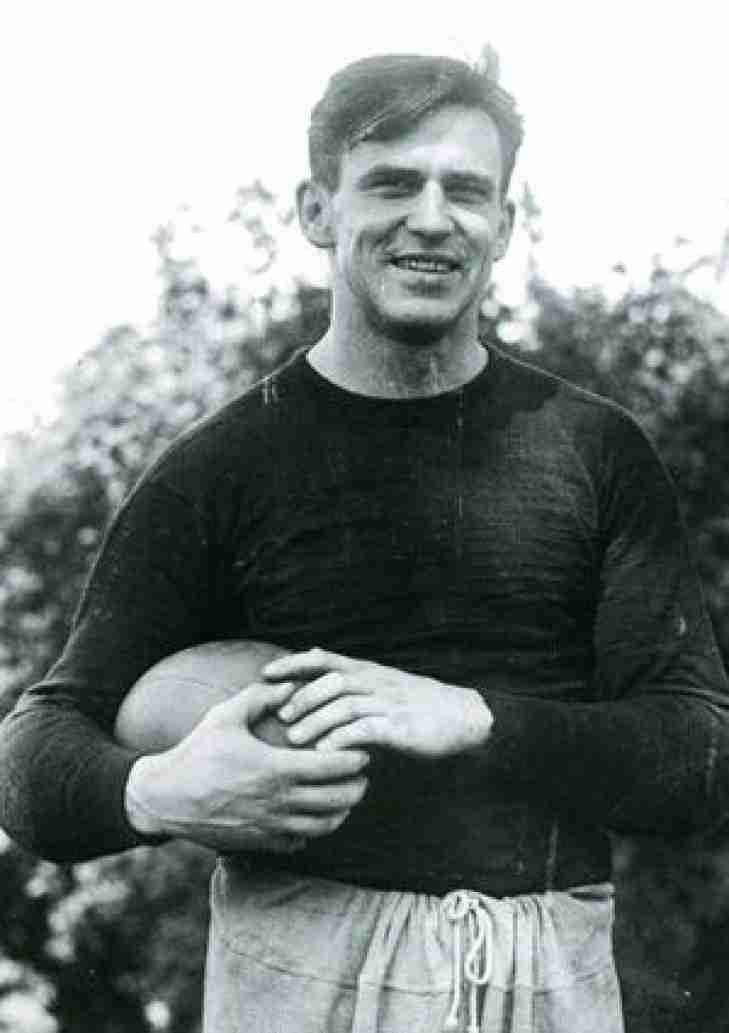
38. John "Blood" McNally
45. John Brockington
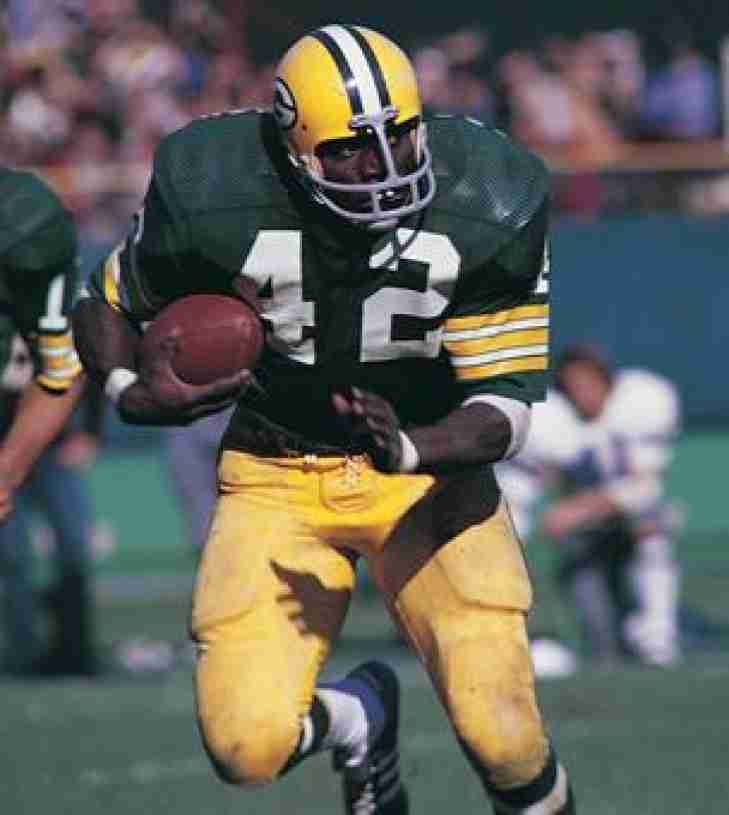
Brockington entered the Packers Hall of Fame in 1984.
39. Charles Woodson
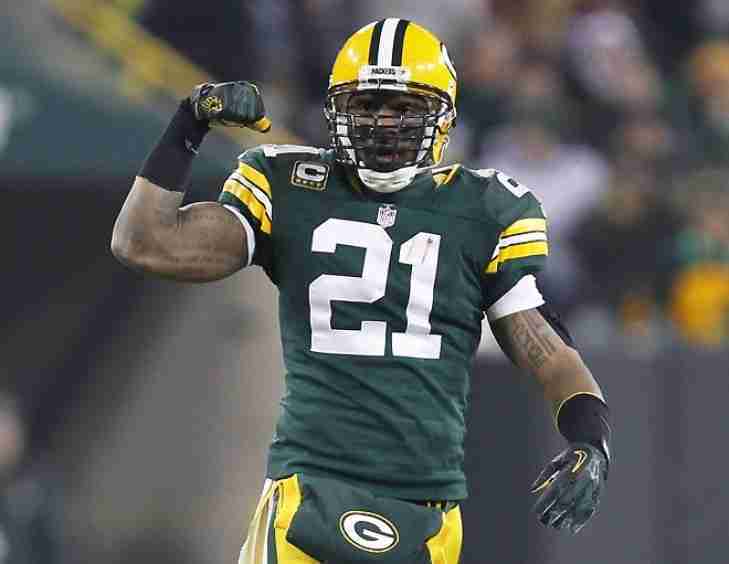
Woodson entered the Packers Hall of Fame and the Pro Football Hall of Fame in 2021
42. Fuzzy Thurston
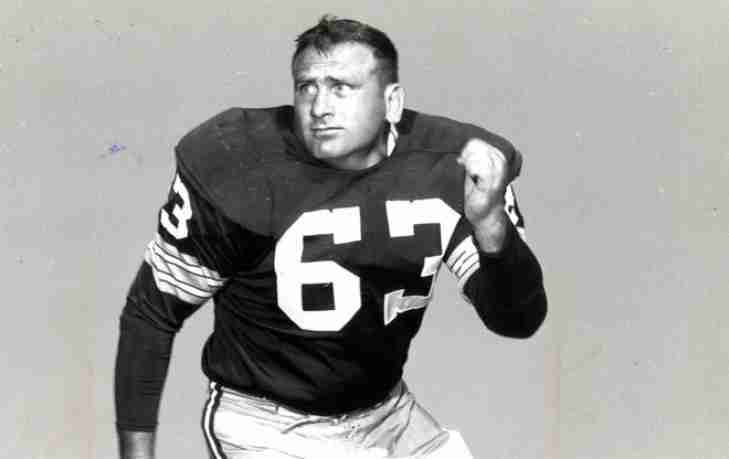
44. John Anderson
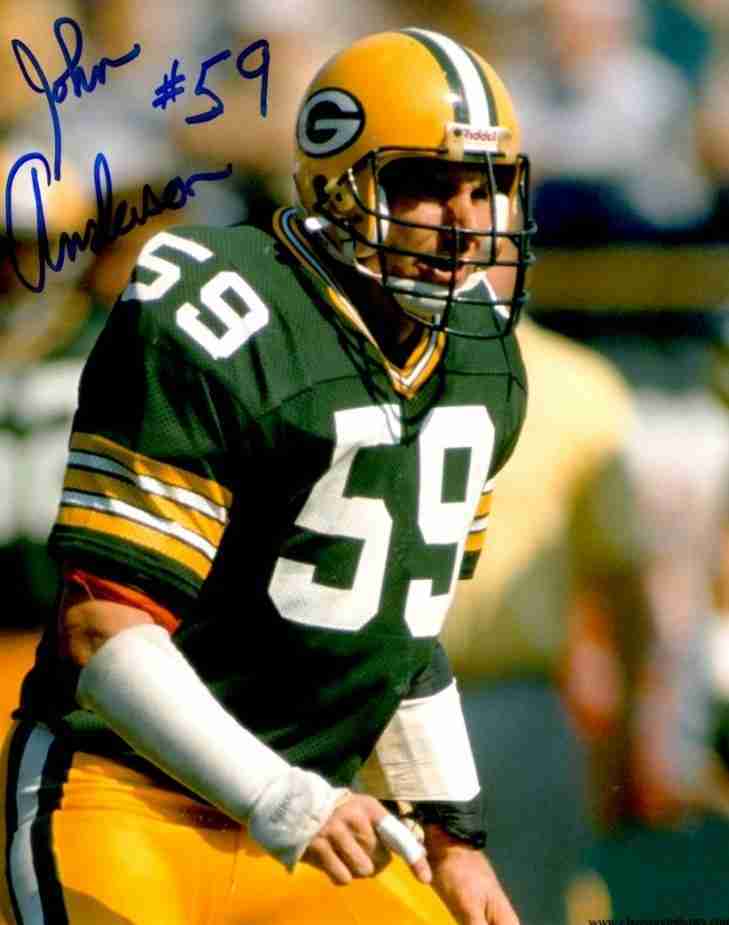
43. Frank Winters
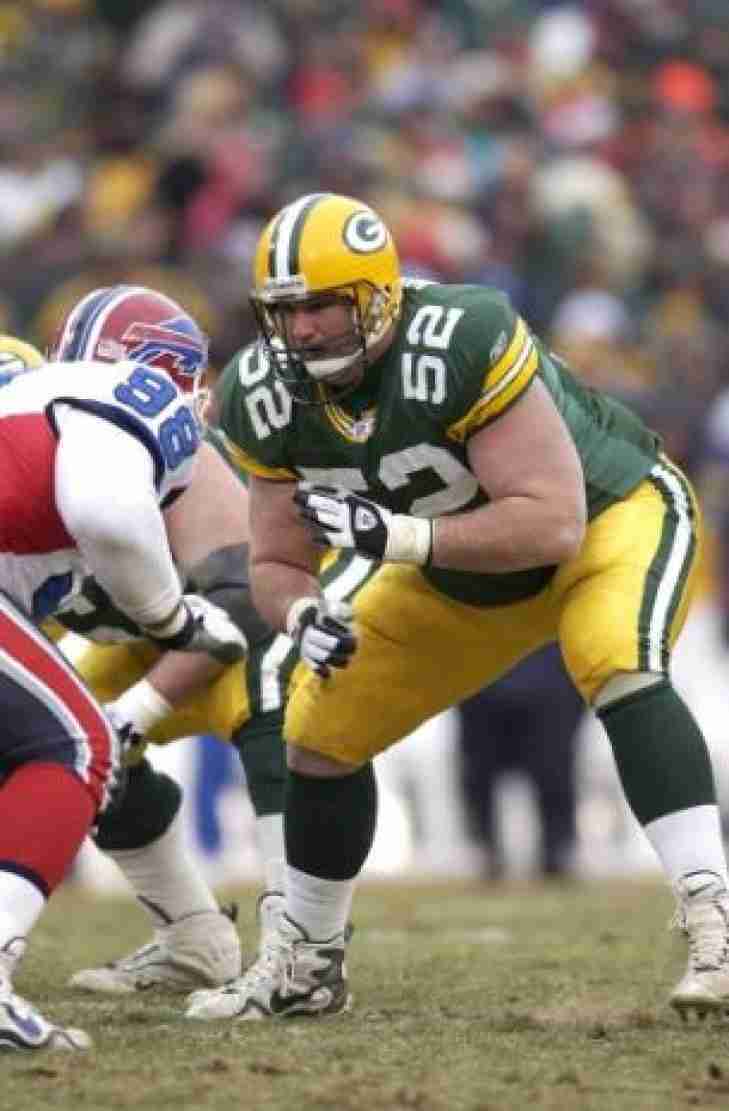
The Packers elected Winters to their Hall of Fame in 2008.
36. Max McGee
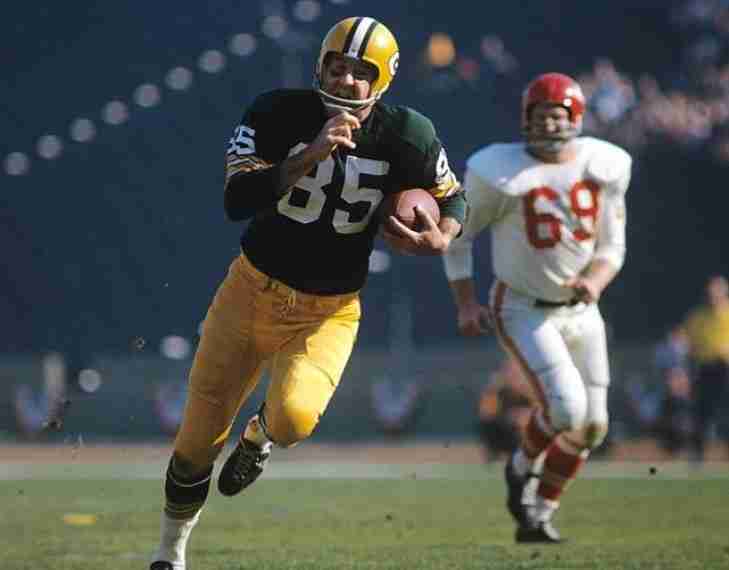
41. Josh Sitton

A Fourth Round Pick from Central Florida, Sitton was named the starting Right Guard in his second season (2009) until he switched to Left Guard in 2013. Sitton went to three Pro Bowls with Green Bay, one at Left and two at Right, and he was part of Green Bay's Super Bowl XLV Championship Team. Sitton was surprisingly released before the 2016 season, and he signed with the division rival, Chicago, where he went to two more Pro Bowls.
22. Mike Michalske
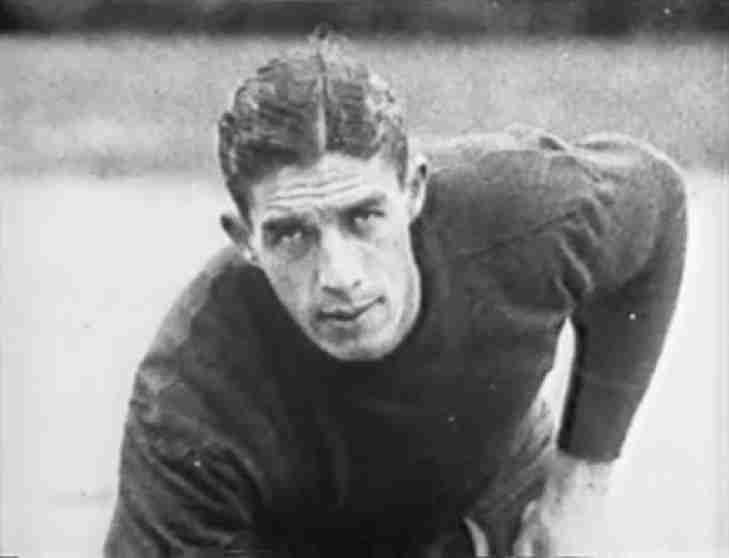
Before interior linemen were recognized as fundamental building blocks of championship offenses, August "Iron Mike" Michalske set the golden standard for guard play in professional football. Following a dominant three-year stint with the AFL and NFL iterations of the New York Yankees, Michalske arrived in Green Bay in 1929, giving Curly Lambeau an unusually fast 210-pound pulling guard whose quickness out of his stance redefined trench warfare.
Michalske made an immediate, transformative impact on the franchise, capturing consensus First-Team All-Pro honors in each of his first three seasons in Wisconsin (1929, 1930, 1931). Playing both ways on the line, his rare combination of lateral agility and durability allowed him to spearhead Lambeau’s sweep blocking schemes on offense while tearing through opposing backfields on defense. His arrival sparked the NFL's first true dynasty, powering Green Bay to three consecutive NFL Championships from 1929 through 1931—an unprecedented three-peat in league lore.
In an era when line play was brutal, and substitutions were sparse, Michalske earned his "Iron Mike" moniker by routinely playing 60 minutes without coming off the field. Despite his modest weight, he used low pad level and exceptional leverage to overpower bulkier defenders, famously serving as the lead blocker for backfield stars like Johnny "Blood" McNally and Clarke Hinkle. Offensively, he was the prototype for the modern pulling guard; on defense, his rapid penetration disrupted ground games before they reached the line of scrimmage.
He cemented those achievements with two landmark honors. In 1964, Michalske became the very first offensive guard selected for enshrinement into the Pro Football Hall of Fame as part of its second induction class. Six years later, the franchise cemented his place in Wisconsin gridiron lore by choosing him for the inaugural Green Bay Packers Hall of Fame class of 1970.
28. Cal Hubbard
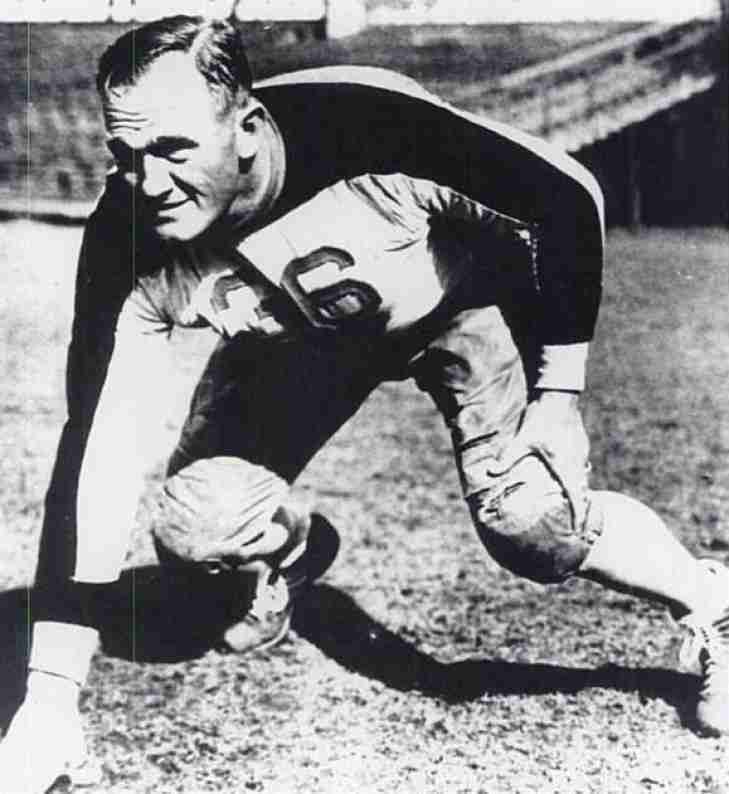
Standing 6-foot-2 and tipping the scales at over 250 pounds, Robert "Cal" Hubbard was a terrifying apparition on the gridiron during an era when most players resembled ordinary men. A multi-sport standout who played college ball at Centenary College and Geneva College, Hubbard entered the professional ranks with the New York Giants in 1927, immediately establishing himself as a ferocious, immovable object along the line of scrimmage.
The course of football history shifted permanently during a late-1928 road trip to Wisconsin. Playing against the Green Bay Packers at Bellevue Park, Hubbard fell completely under the spell of the small-town, blue-collar atmosphere and rabid fan base. As the legend goes, he grew so enamored with the environment that he flatly demanded a trade to Titletown, threatening to retire from professional football entirely if management refused. Packers founder and coach Curly Lambeau worked out the transaction, bringing Hubbard to Green Bay ahead of the 1929 campaign.
Hubbard's arrival transformed the Packers from a competitive contender into an absolute dynasty. Anchoring both offensive and defensive tackle positions with rare athleticism and brutal physical leverage, he spearheaded Green Bay's historic three-peat, capturing three consecutive NFL Championships in 1929, 1930, and 1931. Operating in an era of iron-man football, Hubbard's ability to clear massive running lanes while collapsing opposing backfields single-handedly dictated the physical terms of every game.
Honored as a three-time First-Team All-Pro during his tenure in green and gold, Hubbard earned universal respect from opponents and referees alike—though his fiery competitiveness occasionally tested umpires. Ironically, after hanging up his football cleats, Hubbard embarked on an extraordinary second career as a legendary Major League Baseball umpire, patrolling the diamond for 35 years and becoming the only person in sports history to achieve elite, Hall of Fame-level prominence in both professional football and Major League Baseball.
Hubbard's national validation for his gridiron dominance came when he was inducted into the Pro Football Hall of Fame in 1963, alongside legends like Red Grange and Jim Thorpe. The Packers also honored him in 1970 as an inaugural Hall of Fame member.
35. Chad Clifton
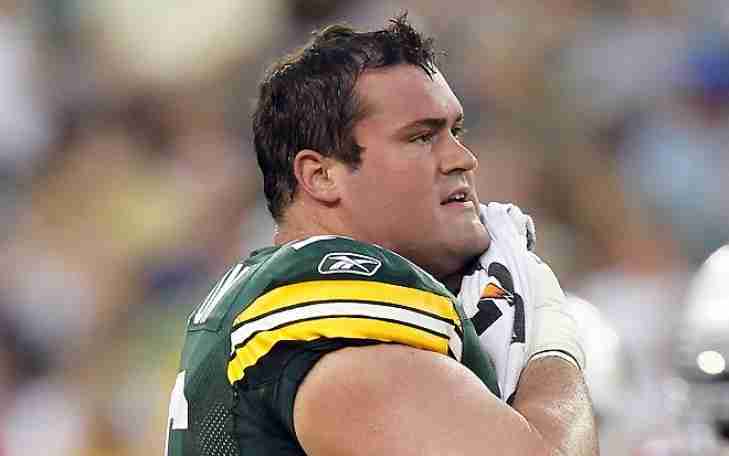
Green Bay inducted Clifton to their Hall of Fame in 2016.
37. Gale Gillingham
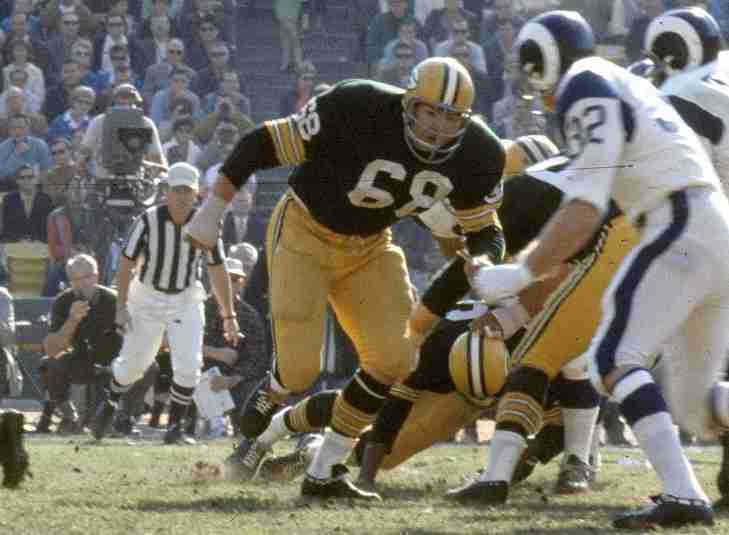
Green Bay elected Gillingham to their Hall of Fame in 1982.
25. Sterling Sharpe
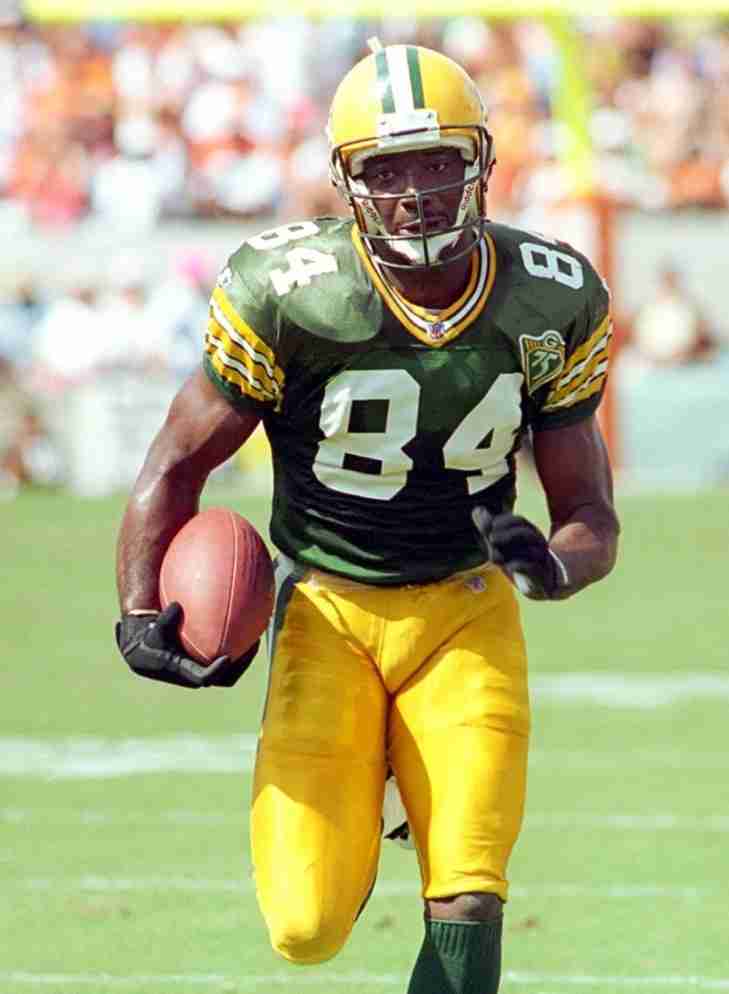
Arriving in Green Bay as the seventh overall selection in the 1988 NFL Draft, Sterling Sharpe hit the ground running out of South Carolina and spent the next seven years putting on an absolute clinic at receiver. Combining a running back's frame with soft hands and crisp route running, he bullied defensive backs across the middle and punished secondaries for attempting to tackle him in space.
Sharpe’s run in Titletown was defined by historically unprecedented high-volume production. He captured his first reception title in 1989 with 90 catches, but his dominance reached historic heights once paired with quarterback Brett Favre in 1992. That season, Sharpe achieved the rare wide receiver "Triple Crown" by leading the NFL in receptions (108), receiving yards (1,461), and receiving touchdowns (13). He broke his own single-season catch record the following year in 1993 with 112 receptions, becoming the first player in NFL history to record back-to-back 100-catch seasons.
When the stakes were highest, Sharpe was virtually uncovered. In Green Bay's 1993 Wild Card victory over Detroit—the franchise's first playoff win in over a decade—he hauled in three touchdown passes from Favre, including a legendary 40-yard strike in the final minute to secure the win. He followed that up in 1994 by setting a career-high with 18 receiving touchdowns, continuing to dominate despite facing constant double coverage and specialized defensive game plans designed solely to slow him down.
Tragically, Sharpe’s brilliant trajectory was cut short at the absolute apex of his powers. During the penultimate game of the 1994 regular season against Atlanta, he suffered a severe neck injury that required spinal fusion surgery, prematurely ending his career at just 29 years old. Despite playing only seven seasons, his enduring greatness left a permanent mark on the sport. After his induction into the Green Bay Packers Hall of Fame in 2002, the long-awaited ultimate honor arrived when Sharpe was selected by the Senior Committee and enshrined in the Pro Football Hall of Fame as part of the Class of 2025. Presented by his brother Shannon, the duo made history as the first pair of brothers enshrined in Canton.
Sharpe compiled 595 receptions, 8,134 receiving yards, 65 receiving touchdowns, and 72 rushing yards over his career.
24. Clarke Hinkle
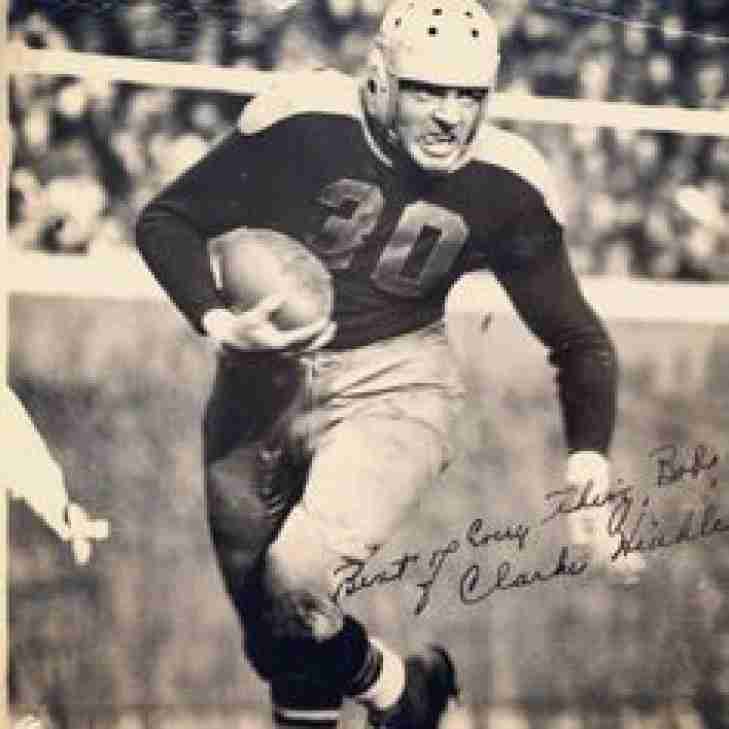
Signed out of Bucknell in 1932—four years before the inaugural NFL Draft was established—Clarke Hinkle arrived in Green Bay as a punishing, unstoppable force who redefined power running during the single-wing era. Standing 5-foot-11 and weighing 200 pounds, Hinkle possessed a rare blend of bruising physicality and track speed, making him the ultimate two-way centerpiece for Curly Lambeau’s powerhouse squads.
Hinkle's legendary career was marked by intense, high-stakes battles with Chicago Bears fullback Bronko Nagurski. While Nagurski was known for bulldozing through defenders, Hinkle was one of the rare players in football history who actively sought contact, famously engaging and leveling the Bears’ giant in several memorable crashes. On offense, Hinkle fought for tough yards inside the tackles and was a dangerous weapon out of the backfield. Defensively, he played at linebacker and safety, making powerful tackles and solidifying Green Bay's defensive line.
Hinkle’s abilities went well beyond just running and tackling. He was also Green Bay’s top placement kicker and punter, leading the NFL in field goals made in 1940 and 1941. His strength and stamina helped Green Bay win two NFL Championships (1936, 1939), with his 1936 championship highlighting his impact as he scored a touchdown in the Packers' 21–6 win over the Boston Redskins.
After retiring in 1941 to join the U.S. Coast Guard during World War II, Hinkle left the game as the NFL's all-time leading rusher with 3,860 yards, a remarkable achievement for 1930s football. A four-time First-Team AP All-Pro (1936, 1937, 1938, 1941) and three-time Pro Bowl participant, he was honored on both the NFL 1930s All-Decade Team and the NFL 75th Anniversary All-Time Team. His contributions were ultimately recognized with his induction into the Pro Football Hall of Fame in 1964, in its second class, and later into the Green Bay Packers Hall of Fame's second class in 1972.
Hinkle had 822 rushing attempts, 3,860 rushing yards, 35 rushing touchdowns, 49 receptions, 537 receiving yards, seven receiving touchdowns, 28 field goals made, 144 extra points made, and 12 interceptions.
29. Clay Matthews III
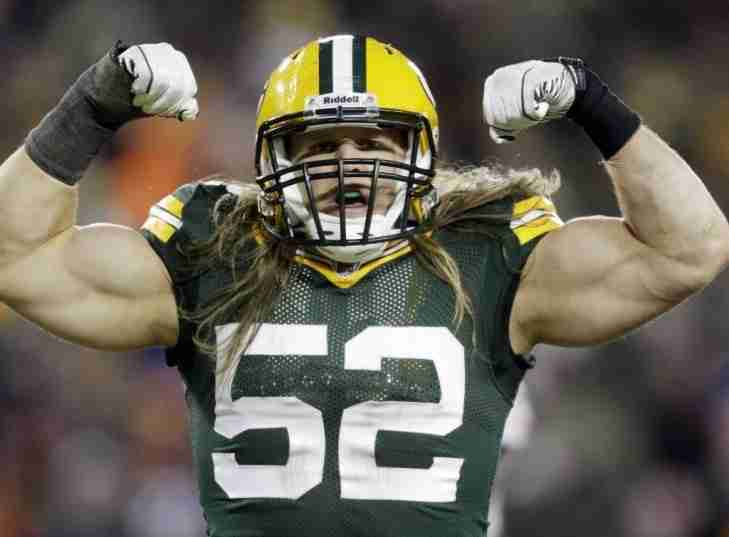
Carrying the mantle of one of pro football's most storied bloodlines, Clay Matthews III arrived in Green Bay as the 26th overall pick in the 2009 NFL Draft from USC. The Packers traded back into the first round to select the relentless pass rusher, and he instantly became a focal point of Dom Capers' 3-4 defense. With his signature long blond hair flowing from his helmet, Matthews blew past offensive tackles as a rookie, piling up 10.0 sacks and earning the first of his six Pro Bowl selections.
Matthews reached the peak of his dominant edge-rushing career during the remarkable 2010 season. He achieved a career-high 13.5 sacks, earned First-Team AP All-Pro recognition, finished as the runner-up for AP Defensive Player of the Year, and received the PFWA NFL Defensive Player of the Year award. His outstanding postseason performance that year was crucial to Green Bay's journey to Super Bowl XLV. In that Super Bowl against Pittsburgh, Matthews made a decisive impact early in the fourth quarter by delivering a powerful hit on running back Rashard Mendenhall, causing a vital fumble that helped secure the championship.
His versatility and team-first mindset were underscored midway through his tenure, when injuries hit Green Bay's defense. In 2014, head coach Mike McCarthy moved Matthews from his natural outside spot to inside linebacker to shore up the middle of the field—a tactical move that saved the Packers' defense and propelled them to the NFC Championship game. Whether lining up off the edge or dropping into the box, Matthews was a game-disrupter, breaking the Packers' all-time official sack record (83.5) before concluding his career with a final season with his hometown Los Angeles Rams in 2019. His decade-long impact in Wisconsin earned him induction into the Green Bay Packers Hall of Fame in 2024.
Over his career, Matthews amassed 83.5 sacks, 482 tackles (356 solo), 121 tackles for loss, 189 quarterback hits, 15 forced fumbles, five fumble recoveries, and six interceptions.
29. Boyd Dowler
32. Donald Driver
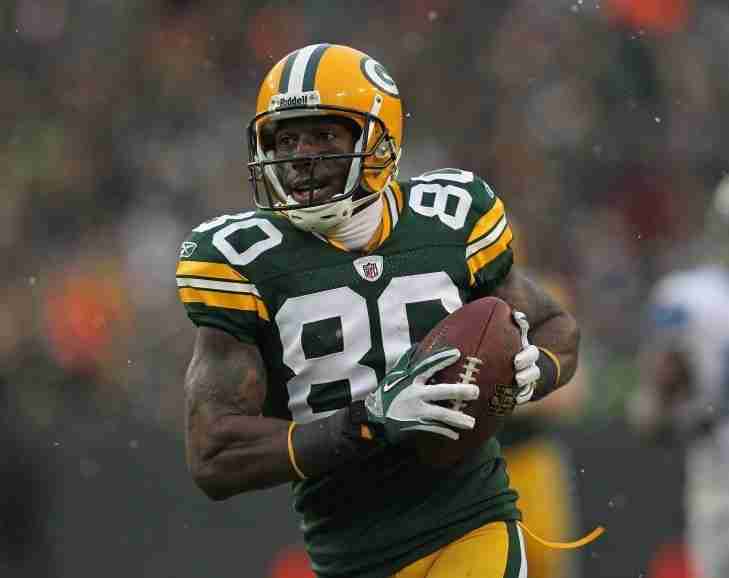
26. Bobby Dillon
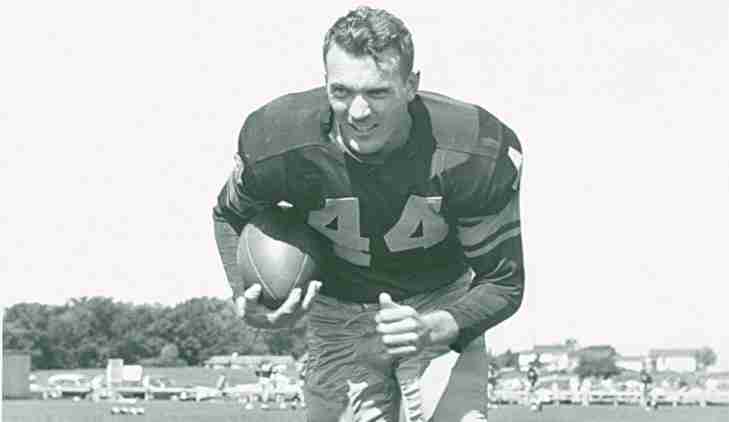
Selected in the third round (28th overall) of the 1952 NFL Draft out of the University of Texas, Bobby Dillon arrived in Green Bay with very little fanfare, but he immediately transformed into a defensive terror. What made his legendary playmaking ability truly astounding was a severe childhood accident that left him with a glass eye; playing his entire career with vision in only one eye, "The Hawk" neutralized passing attacks through sheer anticipation, razor-sharp instincts, and world-class closing speed.
Dillon wasted no time establishing his territory in the Packers' secondary, leading the team with four interceptions as a rookie. That debut performance kicked off an unprecedented seven-year run in which he finished as Green Bay's primary interception leader every season through 1958. He hit the nine-interception threshold on three separate occasions (1953, 1955, and 1957), highlighted by a Thanksgiving Day showcase against Detroit in 1953 where he intercepted four passes in a single game—a feat that remains tied for the NFL single-game record.
Dillon's dominance spanned 1954 to 1958, a five-year stretch in which he established himself as arguably the premier safety in professional football. He was named a First-Team AP All-Pro in four of those five seasons (1954, 1955, 1957, and 1958) while earning four consecutive Pro Bowl selections from 1955 through 1958. Opposing quarterbacks quickly learned that throwing anywhere near his side of the field was an invitation for a game-changing takeaway.
Intending to retire following the 1958 campaign, Dillon was persuaded by first-year head coach Vince Lombardi to return for one final run in 1959. Though injuries curtailed his final season, he helped instill the defensive standard that laid the foundation for Green Bay's 1960s dynasty. Over his eight years in Titletown, Dillon picked off 52 passes and returned them for 976 yards and five touchdowns—a franchise interception record that has stood untouched for nearly seven decades.
Dillon was enshrined in the Green Bay Packers Hall of Fame in 1974. Ultimate national recognition finally arrived in 2020 when he was posthumously elected to the Pro Football Hall of Fame as part of the NFL's Centennial Slate,
18. Arnie Herber
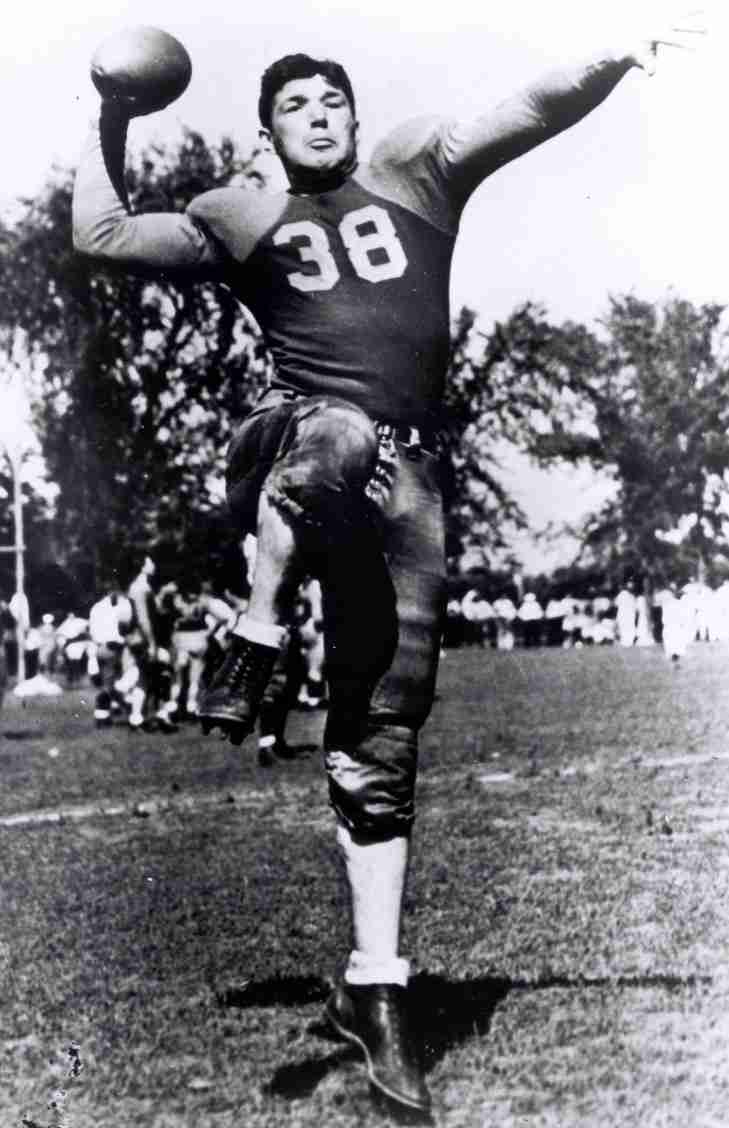
Growing up in Green Bay and working as a handyman in the Packers' clubhouse after a brief collegiate stint, Arnie Herber took one of the most improbable paths to gridiron immortality. Head coach Curly Lambeau handed the local 20-year-old a tryout in 1930, uncovering a natural long-distance passer whose cannon arm would revolutionize pro football's aerial attack.
Herber introduced a new style of play not seen before in the dead-ball era, gripping the football with all five fingers on the laces and launching long passes downfield. Lambeau frequently praised Herber's exceptional vertical accuracy, noting that his long throws over 40 yards were more effective than most quarterbacks’ 30-yard passes of that time. Once the NFL started tracking official stats in 1932, Herber immediately won the first passing title with 639 yards and nine touchdowns. He also led the league in passing again in 1934, cementing his status as the era's top aerial threat.
Herber's career—and the NFL's direction—took a sharp turn in 1935 with rookie split end Don Hutson's debut. The pair quickly created history as pro football's first legendary passing duo, debuting with an 83-yard touchdown on Hutson's first NFL reception against Chicago. Their partnership peaked in 1936 when Herber became the first in league history to surpass 1,000 passing yards, setting records with 1,239 yards and 11 touchdowns in a single season.
Herber’s deep ball powered Green Bay to four NFL Championships (1930, 1931, 1936, 1939). In the 1936 title game against the Boston Redskins, Herber threw two touchdown passes—including a 48-yard strike to Hutson—to secure a 21–6 victory and bring the championship back to Titletown.
Herber retired following the 1940 campaign as the NFL's co-all-time leader in touchdown passes, though he briefly returned during World War II to play two final seasons with the New York Giants. His foundational contributions as football's first true deep threat earned him induction into the Pro Football Hall of Fame in 1966, followed by his entry into the Green Bay Packers Hall of Fame in 1972.
With Green Bay, Herbert had 410 completions, 1,009 passing attempts, 6,749 passing yards, 66 passing touchdowns, 90 interceptions, and 201 rushing yards.
