


Site Admin
43. Chico Carrasquel
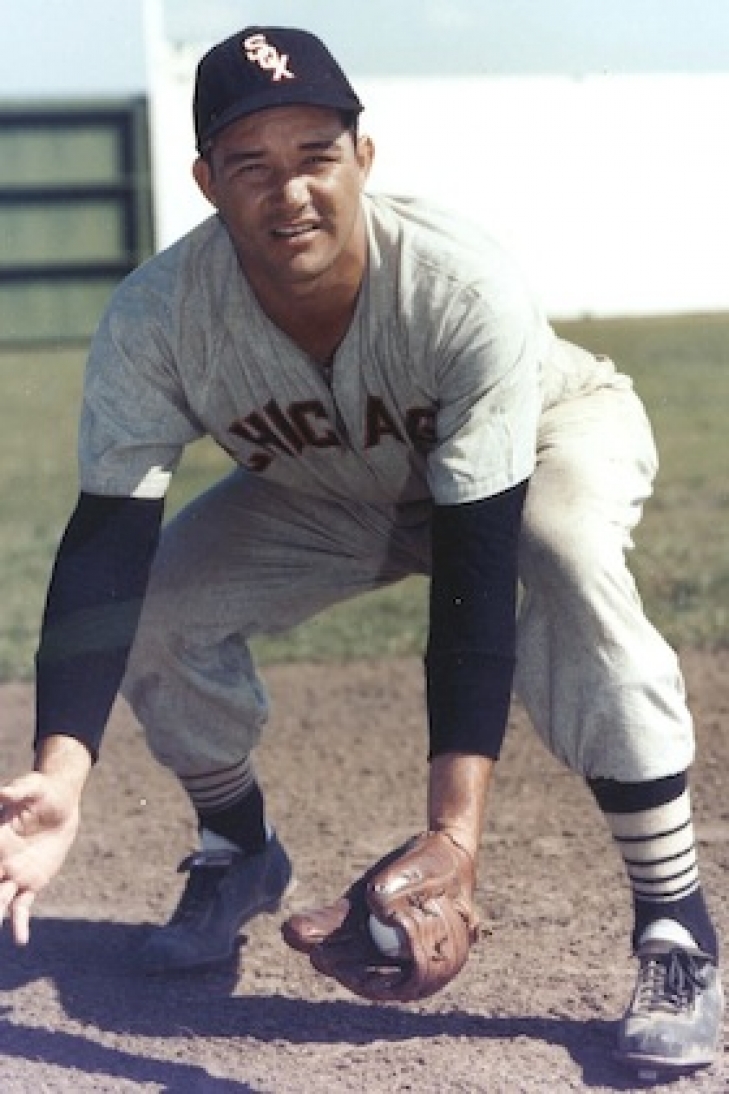
In 1950, Chico Carrasquel arrived in Chicag with a flair for the spectacular, possessing a "vacuum" of a glove and a lightning-fast release that turned certain hits into routine outs. His impact was felt immediately across the league; in 1951, he made history as the first Venezuelan player ever selected for the All-Star Game. He was a model of consistency from his first day on the dirt, providing a specialized level of run prevention that allowed the White Sox pitching staff to attack the strike zone with complete confidence.
The most impressive aspect of his tenure was the sustained defensive brilliance he displayed over six seasons. Carrasquel was a master of positioning and range, leading the American League in defensive bWAR in both 1951 and 1954. He remained a perennial fixture at the top of the leaderboards, finishing in the top four for defensive value in five of his six years with the club. While he wasn't known as a power threat, he remained a professional and reliable presence at the plate, maintaining a respectable .265 batting average and recording nearly a hit per game throughout his stay in the Windy City.
His time with the club was defined by a charismatic, smooth style of play that resonated with a growing international audience. Carrasquel was the defensive heartbeat of the "Go-Go" White Sox, earning four All-Star selections in a five-year span. Whether he was diving into the hole to take away a base hit or orchestrating a seamless double play, he competed with a grace that made him a local favorite and a national standout. He proved that a player could become a cornerstone of a franchise through defensive wizardry and a trailblazing spirit.
After the 1955 season, Carrasquel was traded to the Cleveland Indians, a move that famously cleared the path for his successor and protégé, Luis Aparicio. In 837 games with the White Sox, Carrasquel compiled 825 hits, 153 doubles, and maintained a .968 fielding percentage at shortstop.
40. Johnny Rigney
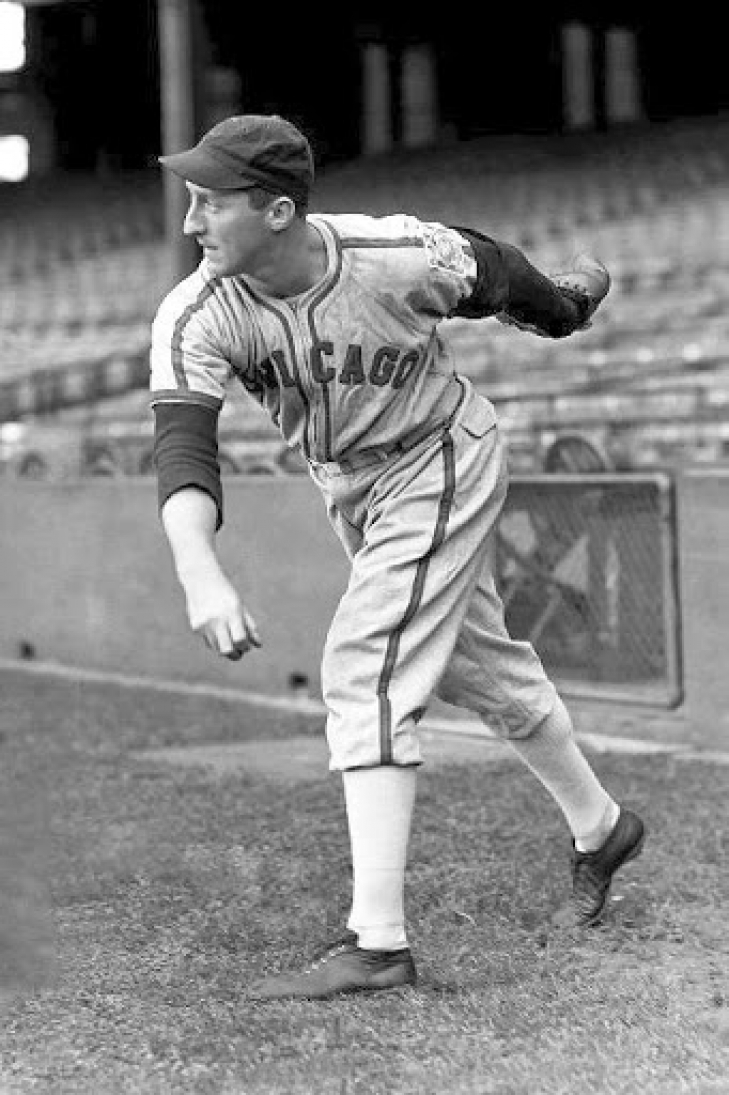
Johnny Rigney’s journey in Chicago began in 1937, but it was the 1939 campaign when he instantly matured into a cornerstone of the franchise. He arrived with a "live" arm and a clinical approach to hitters, evolving from a prospect into a statistical titan by the time he was 24. Between 1939 and 1941, Rigney was a model of consistency, winning at least 13 games in each of those three seasons while serving as the tactical heartbeat of a White Sox staff that relied on his ability to miss bats.
The absolute pinnacle of his career was marked by a rare, high-ceiling efficiency that made him a perennial threat in the American League. During that dominant three-year stretch, Rigney was a master of run suppression, consistently finishing in the top ten in WHIP and the top four in strikeouts. Most impressively, he maintained a sophisticated control of the strike zone, finishing sixth in strikeout-to-walk ratio in each of those campaigns. He wasn't just a thrower; he was a high-leverage technician who used his power to navigate the dangerous lineups of the late 1930s, accumulating 605 strikeouts during his stay and proving that his value was rooted in a rare balance of raw strength and professional poise.
His identity was synonymous with a quiet, career-long loyalty to the organization, but the momentum of his career reached a sudden crossroads in 1942. Like so many of his contemporaries, Rigney traded his White Sox pinstripes for a U.S. Military uniform, sacrificing four of his prime athletic years to the war effort. When he finally returned to the mound in 1946, the time away had taken its toll; the "lightning" that once defined his fastball had faded, and he managed only two more seasons before retiring in 1947. He concluded his journey with 63 wins, a total that remains a testament to what he achieved, and a poignant reminder of what might have been had history not intervened.
41. Alexei Ramirez
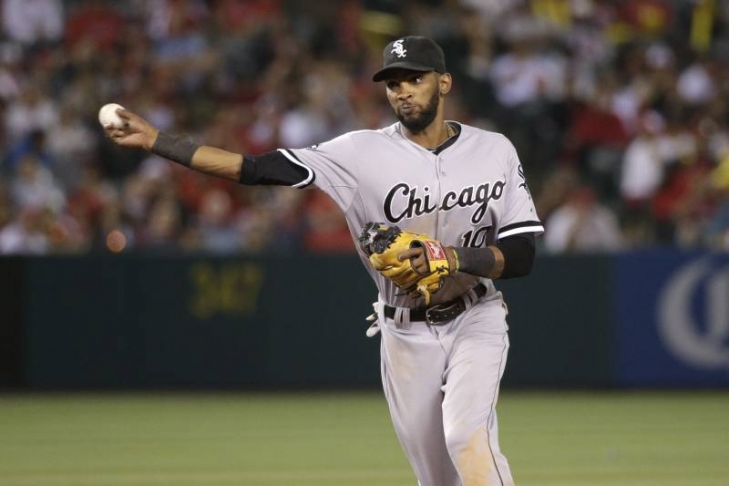
Alexei Ramirez surfaced in the Chicago lineup in 2008 and matured instantly into a premier threat at the plate. He emerged as a versatile standout, initially taking over at second base and providing an immediate spark for a division-winning squad. That summer, he showcased a rare blend of contact and power, batting .290 with 21 home runs—including a franchise-record four grand slams- on his way to a runner-up finish in the American League Rookie of the Year voting. He was a model of consistency from the jump, proving that his game could translate to the highest level of professional competition without hesitation.
The most impressive aspect of his tenure was the technical evolution he displayed after shifting to his natural position at shortstop. Ramirez was a master of range and agility, consistently shrinking the infield for opposing hitters and finishing in the top ten in defensive bWAR multiple times. His craftsmanship on the dirt was officially recognized in 2012 when he secured the Wilson Defensive Player of the Year Award for his position. He wasn't just a defensive specialist, though; he remained a high-frequency producer at the plate, never recording fewer than 145 hits in a single season during his stay and earning two Silver Slugger Awards along with an All-Star nod in 2014.
Ramirez was a fixture of the South Side infield for eight seasons, using a sophisticated approach to remain productive even as the league's pitching grew increasingly specialized. Whether he was turning a spectacular double play to save a game or lacing a line drive into the gap to spark a rally, he competed with a focused intensity that made him a local favorite.
As a member of the White Sox, Ramirez compiled 1,272 hits, 109 home runs, and 542 RBIs with a .273 batting average.
46. Alex Fernandez
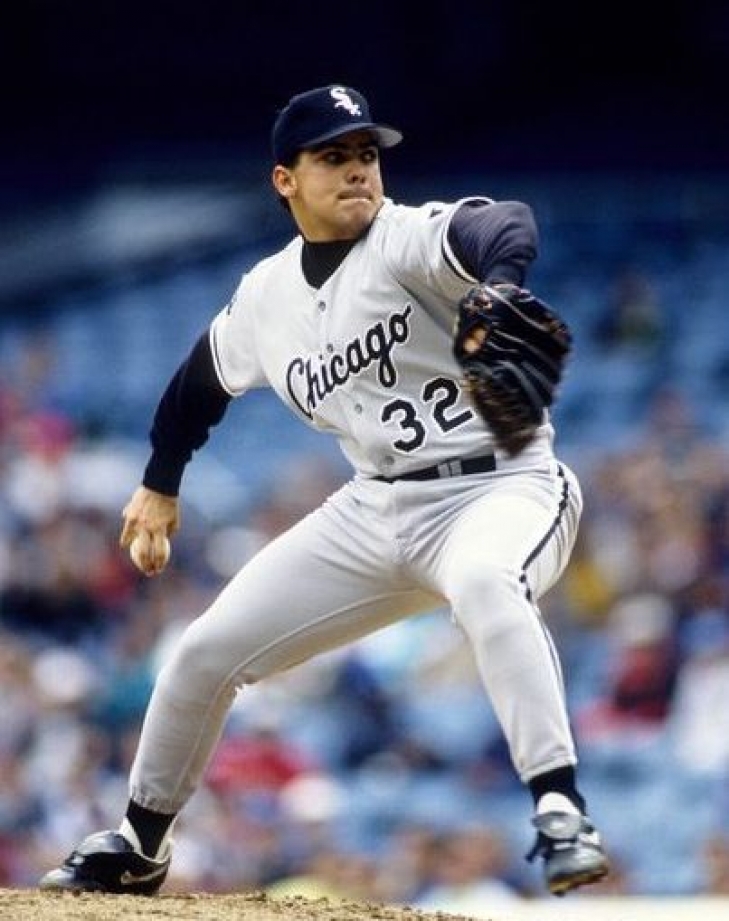
Alex Fernandez surfaced in Chicago during a whirlwind 1990 campaign, making his Major League debut just months after being selected fourth overall and sweeping the Golden Spikes and Dick Howser awards at the University of Miami. While his initial transition to the professional ranks required a brief period of adjustment, he matured into a cornerstone of the staff by 1993. That summer, he emerged as a premier force in the Junior Circuit, authored by an 18–9 record and a .313 ERA. He was a model of specialized control from the start, proving that his game was built on a sophisticated ability to outthink and out-execute the best hitters in the game.
The most impressive aspect of his tenure was the sustained excellence he maintained at the front of the Chicago rotation. Between 1993 and 1996, Fernandez established himself in the elite tier of American League hurlers, consistently finishing in the top ten in both WHIP and strikeout-to-walk ratio. He was a master of efficiency, possessing a workhorse mentality that allowed him to navigate the high-stakes environment of the mid-90s with professional poise. He reached a new ceiling in 1996, his final season with the club, when he eclipsed the 200-strikeout plateau for the first time and finished sixth in the Cy Young voting, showcasing a rare balance of power and precision.
His presence was defined by a quiet, steely resolve and a tactical brilliance that stabilized the Chicago staff during the 1993 division title run. Fernandez was a fixture of the South Side rotation for seven seasons, using a specialized repertoire to remain a high-leverage producer through some of the most offense-heavy years in the sport's history.
After the 1996 season, Fernandez returned to his home state to sign with the Florida Marlins, where he would eventually capture a World Series ring. With the White Sox, Fernandez compiled a 79-63 record with 951 strikeouts and a 3.70 ERA across 1,281.1 innings.