


Site Admin
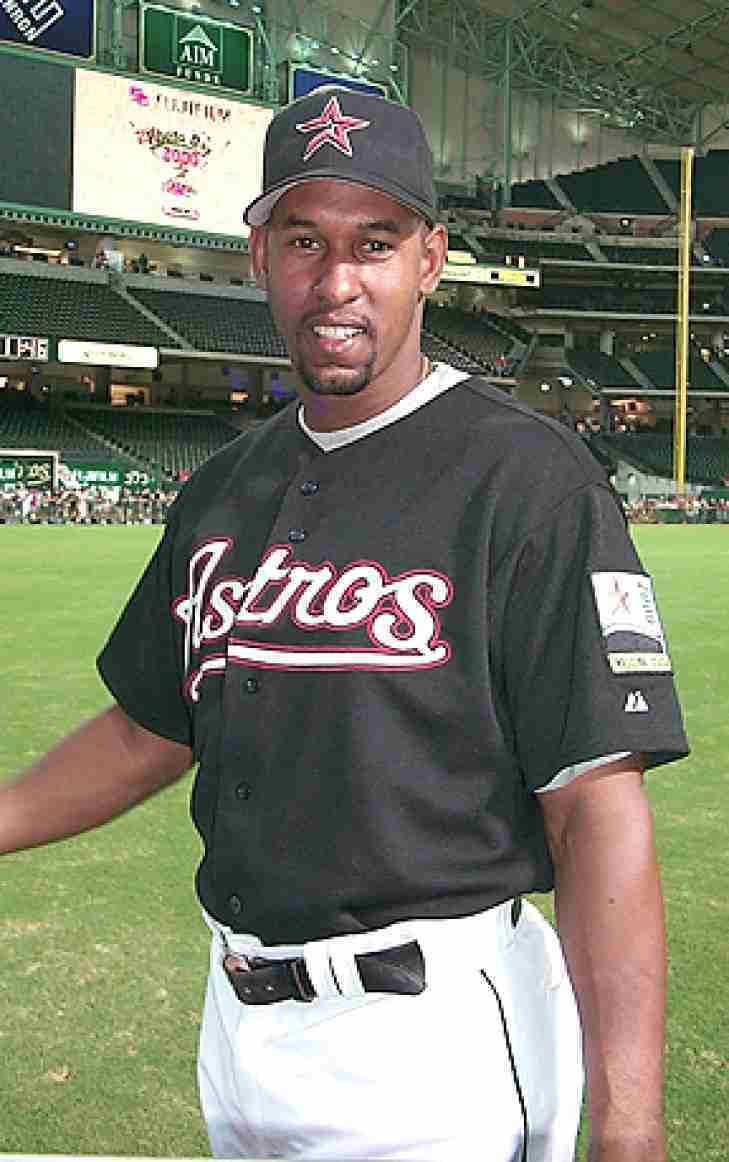
38. Richard Hidalgo
32. Turk Farrell
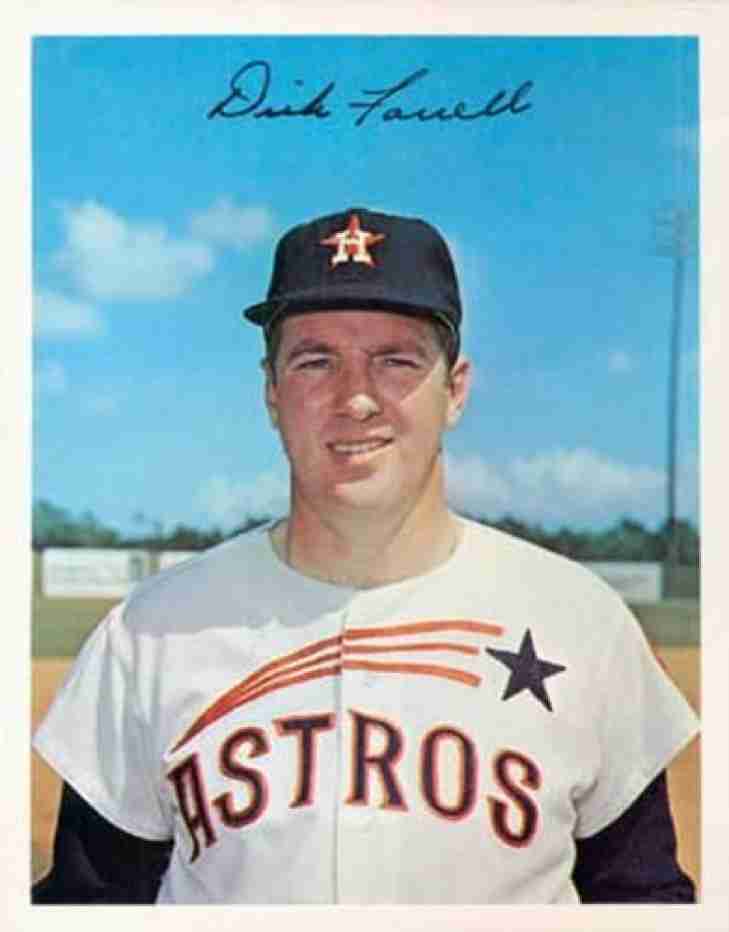
Turk Farrell joined the Houston organization in late 1961 as a foundational pick in the expansion draft, a high-velocity right-hander whom the club plucked from the Dodgers with the 40th overall selection. After years of serving as a "wild child" reliever for the Phillies and Dodgers, he was immediately transitioned into a starting role for the inaugural Colt .45s
Farrell logged over 240 innings in his debut season with the club. He surged into the spotlight in 1962, earning selections to both All-Star Games that year and finishing with a 3.02 ERA, ranking among the league's elite. This period of rapid growth served as the essential lead-in to his status as the "face" of the early Houston staff.
Through the 1962 through 1965 campaigns. During this stretch, he evolved into a perennial All-Star, representing Houston in the Midsummer Classic three times (1962, 1964, and 1965). He famously made history in April 1965 by starting the first-ever game in the newly opened Astrodome, surrendering a home run to Mickey Mantle that stood as the first indoor longball in major league history. He was Houston’s workhorse, recording three seasons with at least 198 innings pitched while wearing the Houston colors. Despite a losing record that reflected the struggles of an expansion roster, he possessed a focused intensity that saw him strike out 203 batters in 1962, a franchise record that stood until the arrival of the next generation of aces.
Farrell had a reputation for being a fierce competitor who refused to back down. Between 1962 and 1967, Farrell was a statistical standout for the Colt .45s and Astros, amassing 53 wins and over 1,000 innings of work. He reached a peak for veteran-like poise in 1963, winning a career-high 14 games despite pitching for a team that finished 33 games under .500.
In 1967, Farrell returned to the Philadelphia Phillies, leaving behind a 53-64 record, 716 strikeouts, and three All-Star selections.
29. Roger Clemens
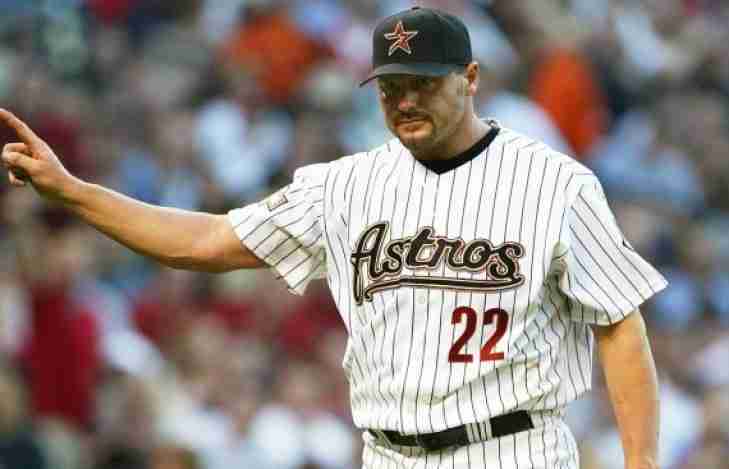
Roger Clemens joined the Houston organization in early 2004 as a high-profile free agent, a move that stunned the baseball world and brought the most decorated pitcher of his generation back to his adopted hometown. After a brief "retirement" following his tenure in New York, he signed a one-year deal to pitch alongside his close friend Andy Pettitte, instantly transforming the Astros from a contender into a World Series threat. For three seasons in a Houston uniform, he served as the veteran-like presence at the top of the rotation, proving that even in his forties, he could dictate the terms of a game through a high-velocity repertoire and a legendary competitive drive.
After arriving in Spring Training with the eyes of the city upon him, he demonstrated a specialized ability to defy the typical aging curve of a power pitcher. He surged out of the gate with a 9-0 start, showing the organization that he was still a foundational ace. during that 2004 campaign. That summer, he evolved into the premier starter in the National League, recording an 18-4 record and a 2.98 ERA. He showed the organization that he was a foundational winner, winning his record-breaking seventh Cy Young Award and becoming one of the few pitchers to secure the hardware in both leagues. He possessed a rare, durable quality that saw him strike out 218 batters over 214 innings and lead Houston to within one game of the World Series.
He followed this up in 2005 with perhaps his most impressive statistical outlier, leading the major leagues with a microscopic 1.87 ERA and a league-best 2.87 FIP, finishing third in the Cy Young voting at age 42. Following the 2006 season, he eventually returned to New York to finish his career.
With the Astros, Rocket compiled a 38-18 record, a 2.40 ERA, and 505 strikeouts in 539 innings of work.
35. Doug Rader
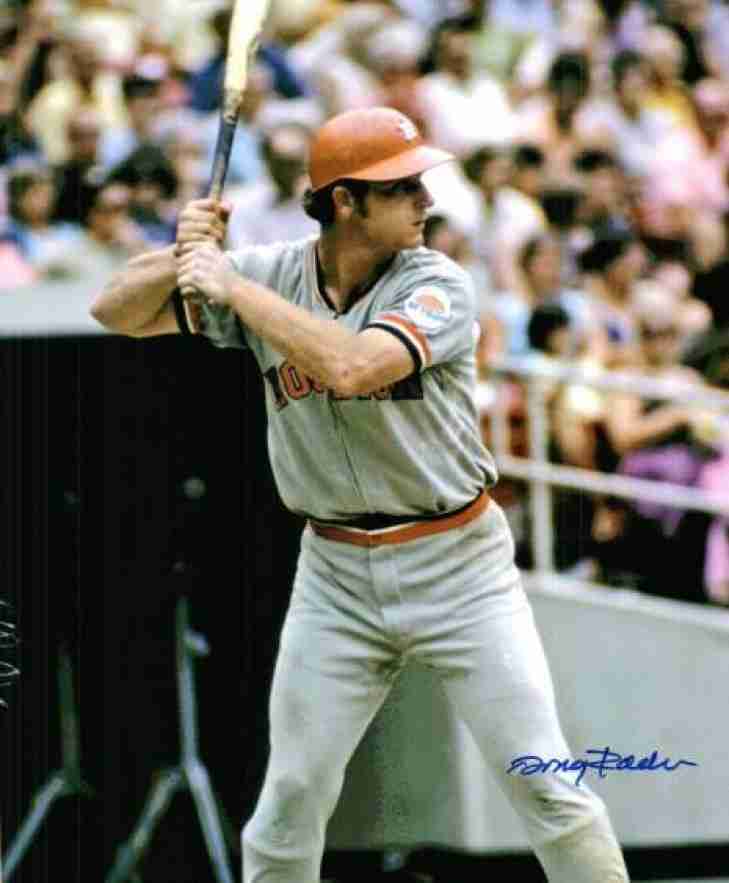
Doug Rader joined the Houston organization in 1965 as an amateur free agent out of Illinois Wesleyan, a fiery, red-headed infielder who would quickly become one of the most colorful characters in franchise history. He debuted in the summer of 1967 and spent the next year establishing himself as the definitive solution at third base.
After taking over the starting role in 1968, he evolved into the premier defensive third baseman in the National League. He demonstrated a focused intensity that saw him secure five consecutive Gold Glove Awards between 1970 and 1974, effectively turning the left side of the infield into a "no-fly zone" for opposing hitters. During the 1970 and 1972 campaigns. In 1970, he enjoyed a breakout summer with the bat, recording a career-high 25 home runs and driving in 87 runs to complement his first Gold Glove. He showed the organization that he was a foundational winner by following that up in 1972 with a 22-homer season and a career-best 90 RBIs, which ranked seventh in the National League. He possessed a rare, durable quality that enabled him to play at least 150 games over four different seasons.
Rader was traded to San Diego after the 1975 season, and as an Astro, he compiled a .250 batting average, 128 home runs, and five consecutive Gold Glove Awards.