


Site Admin
2. Ernie Banks
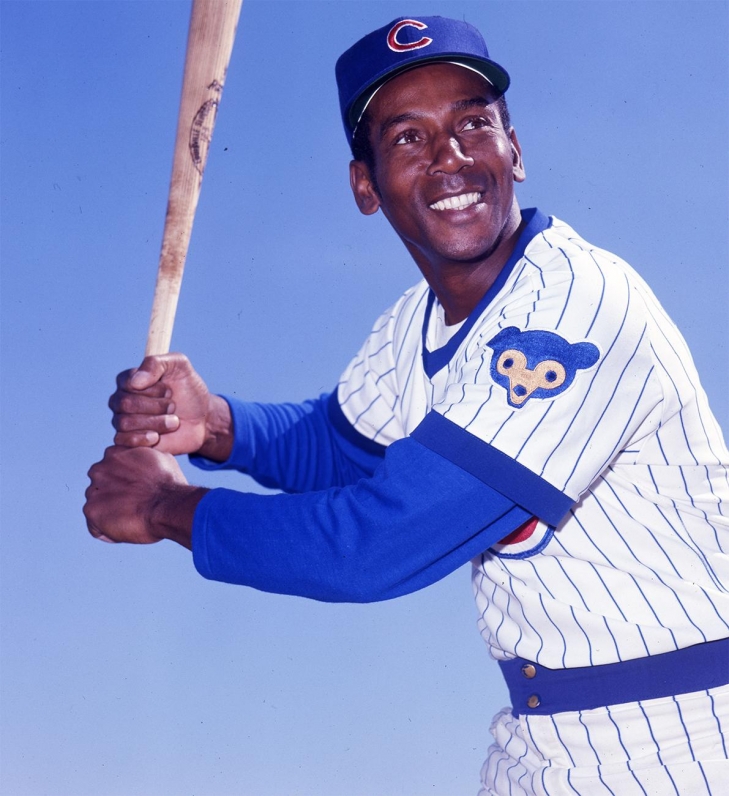
In the long, often heartbreaking history of the Chicago Cubs, there is one name that serves as a permanent northern star: Ernie Banks. He didn't just play for the Cubs; he became the personification of the "Friendly Confines." Arriving late in 1953 as the franchise's first Black player, Banks didn't just break a barrier, he built a monument. His story is one of pure, unadulterated joy, famously captured in his "Let’s play two!" mantra, even as the team around him struggled to find its footing.
His first act was a masterclass in power that redefined the shortstop position. By 1955, Banks had hit 44 home runs, signaling the arrival of the most potent middle-infield bat the National League had ever seen. The peak of this "Shortstop Era" arrived in 1958 and 1959, a back-to-back MVP tour de force where he launched 47 and 45 home runs, respectively. In those years, Banks wasn't just an All-Star; he was the most dangerous man in baseball, leading the league in RBIs twice and proving that a shortstop could carry an entire offense on his back.
As the 1960s began, the physical toll of the "six-hole" forced a move to first base, but the legend only grew. While he traded some of that historic power for veteran stability, he remained a metronome of production, churning out seven more seasons of 20-plus homers. When he finally hung up the cleats in 1971, he had amassed 512 home runs, all in a Cubs uniform, and 2,583 hits. He joined the elite 500-home run club not as a mercenary, but as a "Lifer" who never entertained the idea of playing anywhere else.
The final chapters of his story were written in bronze and retired jerseys. Elected to Cooperstown on his first ballot in 1977, Banks became the first Cub to have his number (14) hoisted onto the left-field foul pole. When the team finally inaugurated its own Hall of Fame in 2021, his inclusion was the easiest decision in the history of the front office. He arrived as a pioneer in a divided city and left as "Mr. Cub," the man who taught generations of fans that regardless of the score, it was always a beautiful day for a ballgame.
1. Cap Anson
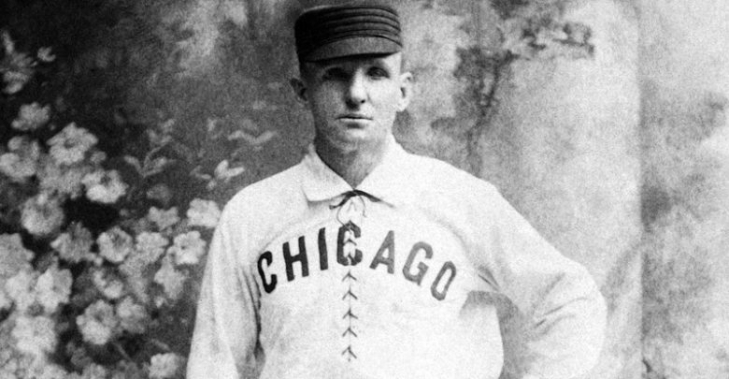
When Cap Anson joined the Chicago White Stockings in 1876, the National League was in its infancy. Over the next 22 years, Anson didn’t just play for Chicago; he was Chicago baseball. He arrived as a cornerstone and left as the most statistically dominant force the 19th century ever saw. His run was a relentless, two-decade march of production that defined the "Old Eight" era, including a staggering 15-year streak of batting over .300.
Anson was the game’s first true "accumulator" and its first "clutch" icon. He captured three batting titles and led the league in RBIs eight times—a total that keeps him 4th on the all-time list over a century after his retirement. But his impact went beyond the batter’s box. As a player-manager, he led Chicago to six National League pennants, essentially building the winning culture that would eventually become the Cubs' identity. He was the first player to reach 3,000 hits, and he did it while playing a defensively sound first base that anchored the best teams of the 1880s.
However, the story of Cap Anson’s run with the team is inseparable from a legacy of exclusion. While he was building a Hall of Fame resume on the field, he used his massive influence as the game’s biggest star to enforce a "color line" that would last for 60 years. His refusal to take the field against teams with Black players was not just a personal prejudice; it was a systemic weapon that reshaped the history of the sport.
By the time his Chicago tenure ended in 1897, Anson had amassed 3,012 hits and a .331 average, numbers that would make him the undisputed greatest of his age. When the "Old Timers" committee sent him to Cooperstown in 1939, they were honoring the statistical titan who built the Chicago dynasty. But in the modern audit, Anson remains a haunting figure: the man who showed us how high a player could climb, and how low a leader could stoop. He arrived as a pioneer and left as a monument, both to the game’s incredible growth and its most profound moral failures.
The Buck Stops Here -- Interview with Olympian Chris Huffins
50. Jan Hrdina
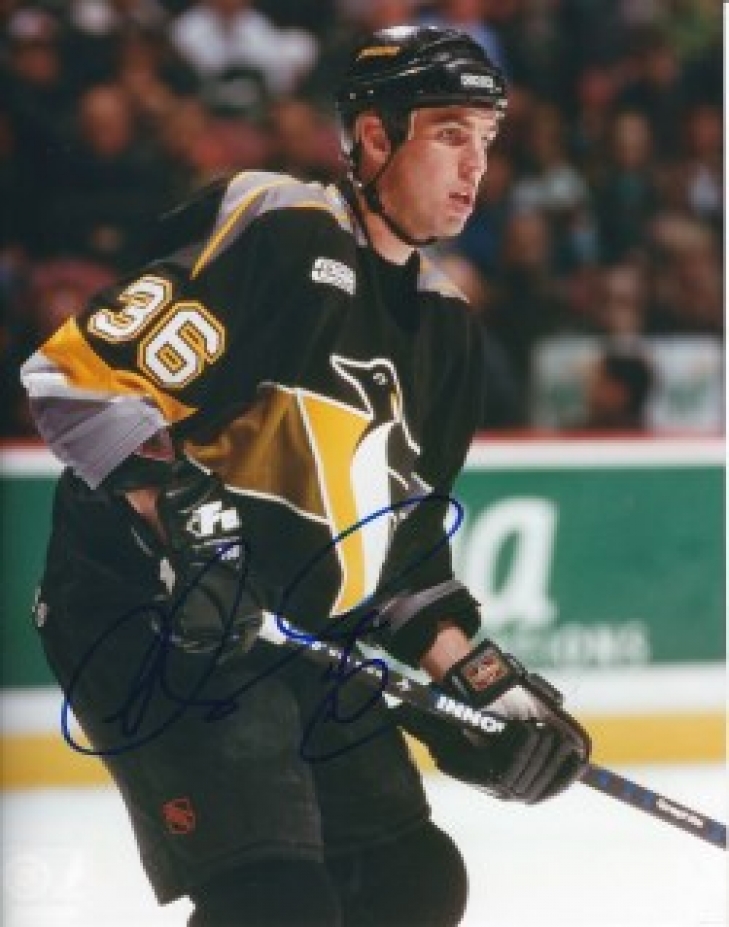
Jan Hrdina was chosen in the 5th Round in 1995 by the Pittsburgh Penguins. After playing in Junior for another year and the minors for two, he was ready to debut in the NHL in 1998.