


Site Admin
36. Fred Hutchinson
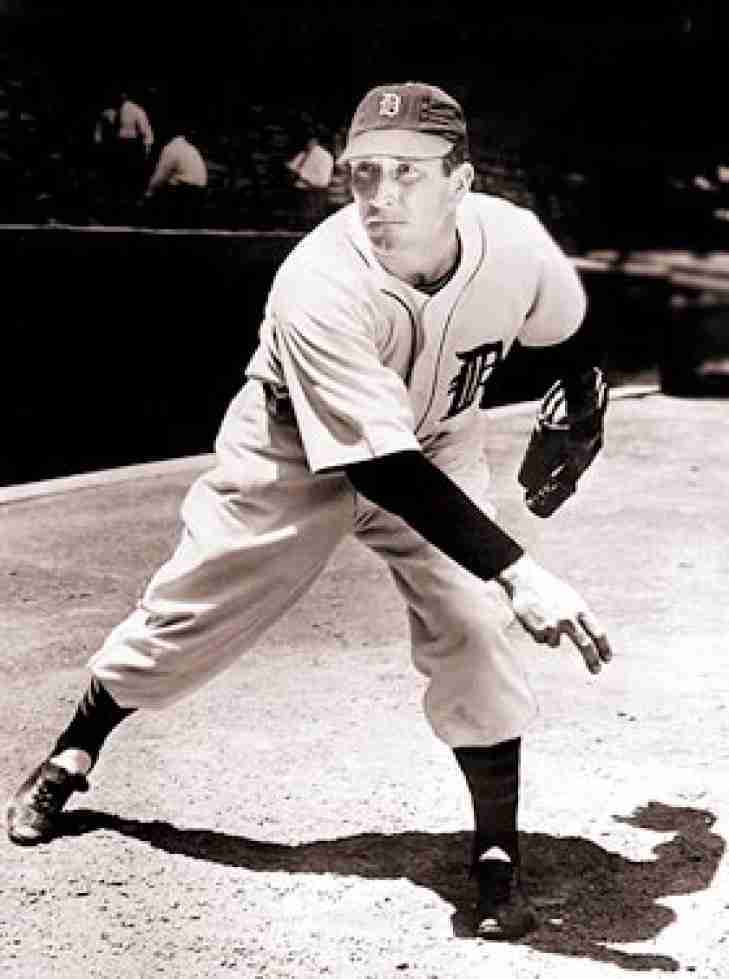
Fred Hutchinson arrived in Detroit with a reputation as a phenom, a 19-year-old right-hander from the Pacific Northwest who had already dominated the minor leagues. While his initial transition to the American League was a difficult stretch defined by inconsistent results, he quickly evolved into the Tigers’ most reliable tactician on the mound. For ten seasons in a Detroit uniform, he provided a specialized brand of control that was decades ahead of its time.
Hutchinson’s journey in a Tigers jersey reached a historic breakout following his return from World War II. After losing four prime years of his career to military service, he rejoined a defending World Series champion roster in 1946 and immediately secured a place in the rotation. He demonstrated a focused intensity that saw him win 14 games in his first year back, followed by a career-high 18 victories in 1947. He showed the organization that he was a foundational piece of the pitching staff, combining his surgical command with a rare athletic ability that made him one of the premier hitting pitchers in the game, frequently contributing with a .263 career average.
Hutchinson reached a peak of individual dominance during a stretch in which he led the American League in both strikeout-to-walk ratio and fewest walks per nine innings four separate times. He possessed a specialized skill set that the baseball world of the late forties barely understood, earning an All-Star selection in 1951 for his ability to out-think the league’s most dangerous hitters. Despite the physical toll of a decade on the mound, he remained a model of offensive prevention, recording three different seasons with at least 15 wins and consistently surpassing the 200-inning mark.
Everything culminated in a change in direction during the 1952 season, when the Tigers named him their player-manager. While his role on the diamond began to decrease as he shifted toward the dugout, he remained a statistical force for a decade, amassing 95 wins and 591 strikeouts in his Tigers career.
45. Earl Whitehill
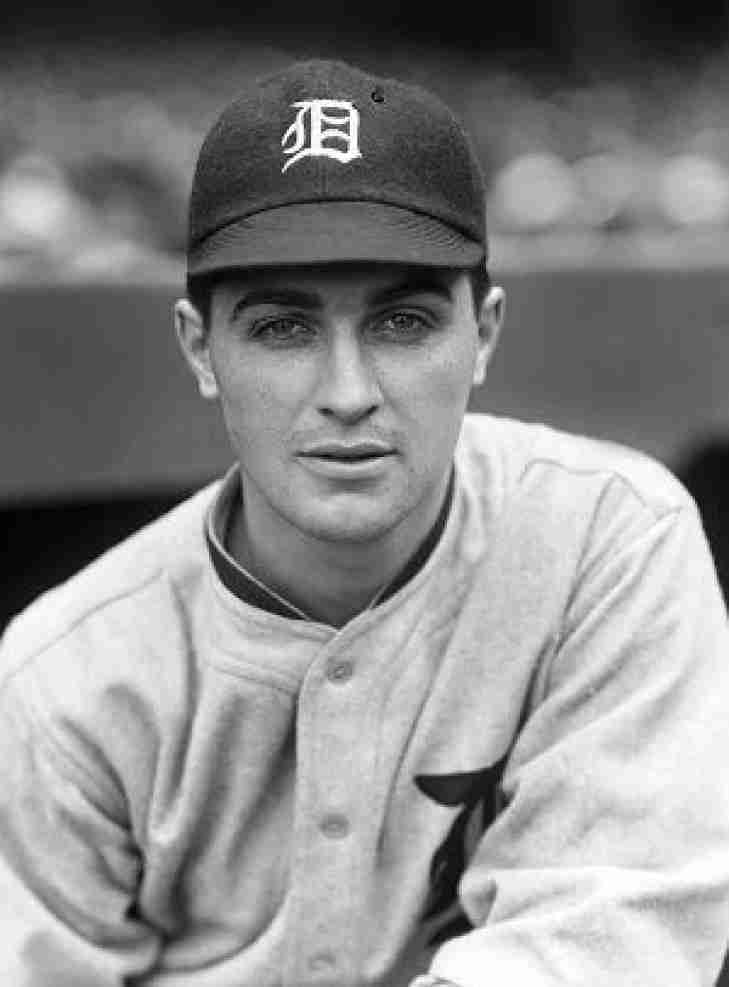
Earl Whitehill joined the Detroit staff in late 1923 after the club purchased his contract from Birmingham in the Southern Association, where he had been honing a devastating curveball. A high-velocity left-hander with a reputation that preceded him, his aggressive, uncompromising demeanor on the mound was just as potent as his arsenal. He quickly transitioned into the definitive workhorse of the Tigers' rotation during a high-scoring era that chewed up and spit out lesser arms.
During the mid-to-late 1920s, he demonstrated a focused intensity that made him a perennial fixture at the top of the American League leaderboard for innings pitched and games started. He reached a career peak for individual dominance in 1924, winning 17 games as a rookie to lead all American League newcomers, but it was his steady-state production over the next several years that solidified his place in the rotation. Recording five separate campaigns in the Motor City with at least 16 victories, Whitehill possessed a rare ability to navigate the hitter-friendly confines of the era,
Between 1923 and 1932, Whitehill was a statistical standout for the Tigers, amassing 133 wins and over 2,200 innings of work. The run in the Motor City ended in a 1932 trade to the Washington Senators, a move that saw him eventually secure a 22-win season and a World Series victory elsewhere.
30. Harvey Kuenn
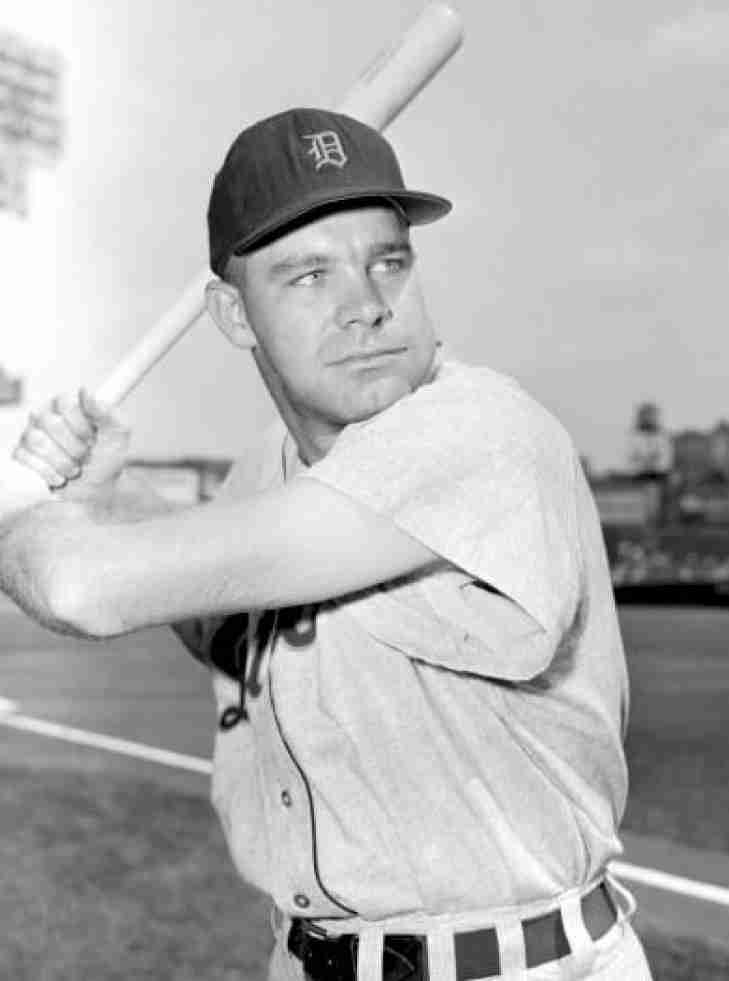
Harvey Kuenn emerged in Detroit as a natural hitting machine, a player whose bat was so advanced that he bypassed the minor leagues entirely. For eight seasons, he anchored the top of the Tigers' lineup with a specialized ability to spray line drives to all fields, becoming the most consistent contact hitter of the 1950s. While his defensive range in the outfield and at shortstop remained a liability, Kuenn provided the Motor City with a level of offensive consistency that made him a perennial fixture in the American League All-Star starting lineup.
He secured his place as a premier offensive threat by leading the American League with 209 hits, a high-frequency display of contact that earned him the Rookie of the Year award. This performance signaled a transition from a collegiate prospect to a frontline superstar who specialized in the art of the base hit. He showed the organization that he was a foundational piece of the roster, leading the league in hits for the first of four times during his Detroit tenure and providing the dependable, day-to-day production that made him the most feared leadoff man in the game.
Between 1953 and 1959, Kuenn was a statistical force who earned seven consecutive All-Star selections in a Tigers uniform. He reached a career peak during the 1959 season, when he captured the American League batting title with a .353 average and led the league in hits and doubles simultaneously. Despite his offensive dominance, his overall value was hindered by a lack of defensive polish, a factor that often overshadowed his brilliance at the plate. He remained a model of resilience, eventually recording 1,372 hits in just eight seasons with the club.
The shifting needs of the roster led to one of the most famous trades in baseball history following his batting title season. In 1960, the Tigers traded their reigning batting champion to the Cleveland Indians for Rocky Colavito, an exit that shocked the Detroit faithful.
44. Ed Killian
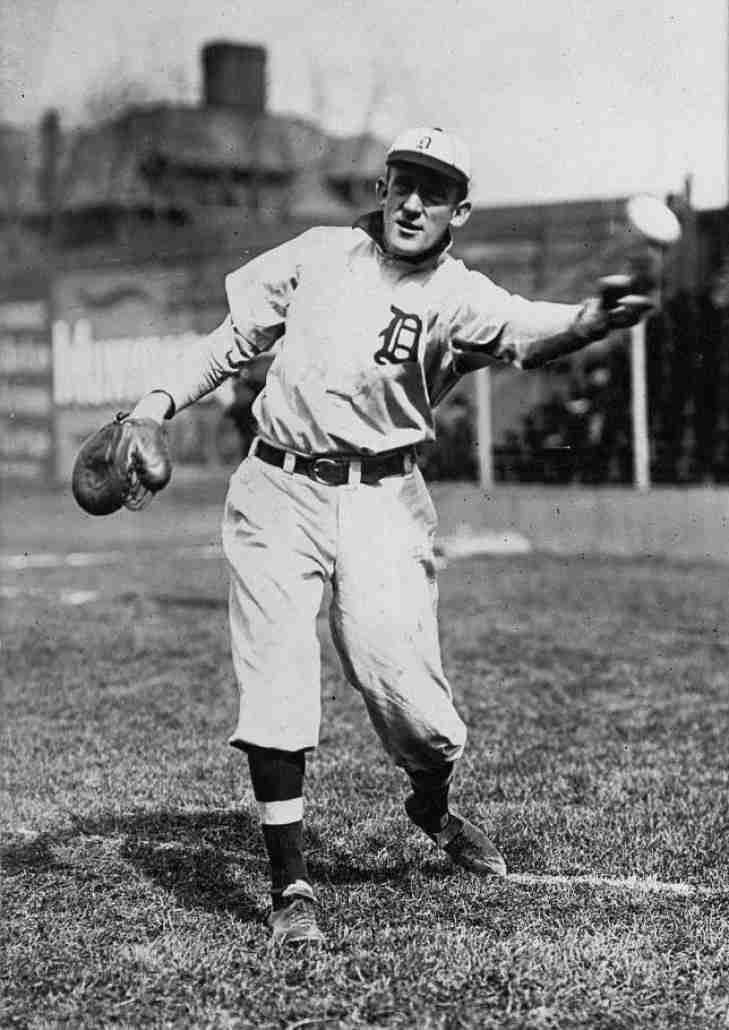
Ed Killian debuted in Detroit in 1904 as a high-velocity left-hander who had already shown flashes of brilliance with the Cleveland Naps. He quickly transitioned into the definitive anchor of the Tigers' rotation during the dead-ball era, providing a specialized brand of ground-ball induction that few hitters could solve.
In the 1905 campaign, he transitioned into the most dominant left-hander in the league, recording a career-high 23 wins and leading the American League with eight shutouts. He demonstrated a specialized ability to minimize damage, posting a 2.27 ERA across a staggering 313 innings of work. He showed the organization that he was a foundational ace, providing the steady-state production needed to stabilize a young roster beginning to find its championship pulse. This performance signaled his transition into a premier workhorse, earning a reputation as a pitcher who simply refused to yield a home run, famously going nearly 300 consecutive innings without allowing a ball to leave the yard.
The heart of his time in Michigan was characterized by elite efficiency and a relentless ability to pitch the Tigers into the World Series. Between 1907 and 1909, Killian was a statistical standout, serving as a primary engine for three consecutive American League pennant winners. He reached a peak for individual dominance in 1907, winning 25 games and maintaining a 1.78 ERA to help secure Detroit’s first-ever trip to the Fall Classic. He possessed a focused intensity on the mound, recording four separate seasons with at least 20 wins.
Killian’s career ended after the 1910 season, and he compiled 103 wins, a 2.38 ERA, with three consecutive American League pennants.