


Site Admin
7. Dustin Byfuglien

4. Ilya Kovalchuk

49. Curtis Granderson
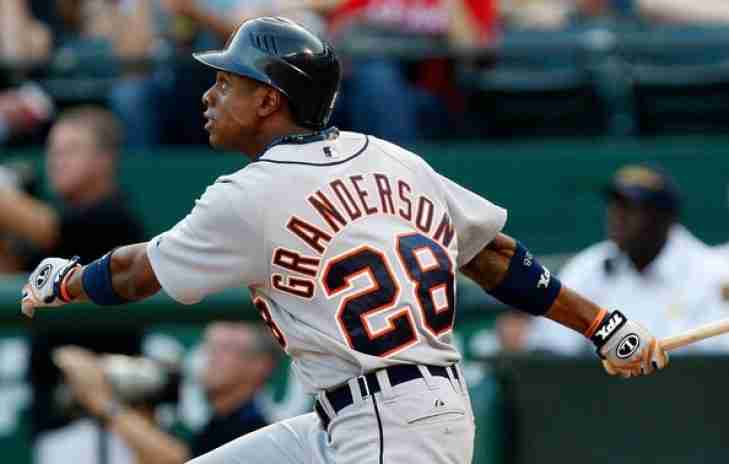
Curtis Granderson joined the Detroit Tigers as a third-round selection in the 2002 draft out of the University of Illinois Chicago, a high-velocity athlete who possessed a rare blend of speed and power. He made his debut in late 2004 and quickly transitioned into the definitive spark plug of the Tigers' mid-2000s resurgence. By 2006, he had officially seized the starting center field job, clouting 19 home runs and leading the American League with nine triples as a rookie.
In the 2007 campaign, he became the third player in Major League history to join the "20-20-20-20 Club." He demonstrated a specialized ability to spray the ball across the vast gaps of Comerica Park, recording 38 doubles, 23 triples, and 23 home runs while adding 26 stolen bases. He showed the organization that he was a foundational cornerstone, finishing 10th in the MVP voting.
Between 2006 and 2009, Granderson was a constant presence at the top of the order, averaging nearly 100 runs scored per season and maintaining a focused intensity that made him a perennial threat. He reached a peak for offensive versatility in 2007, recording a career-high .302 batting average and proving he was far more than just a speed specialist.
Following the 2009 season, the Tigers sent their franchise centerpiece to the New York Yankees in a deal that brought back Max Scherzer and Austin Jackson. With the Tigers, Granderson compiled 102 home runs, twice led the AL in triples, and achieved the rare 20-20-20-20 season in 2007.
48. Bobby Higginson
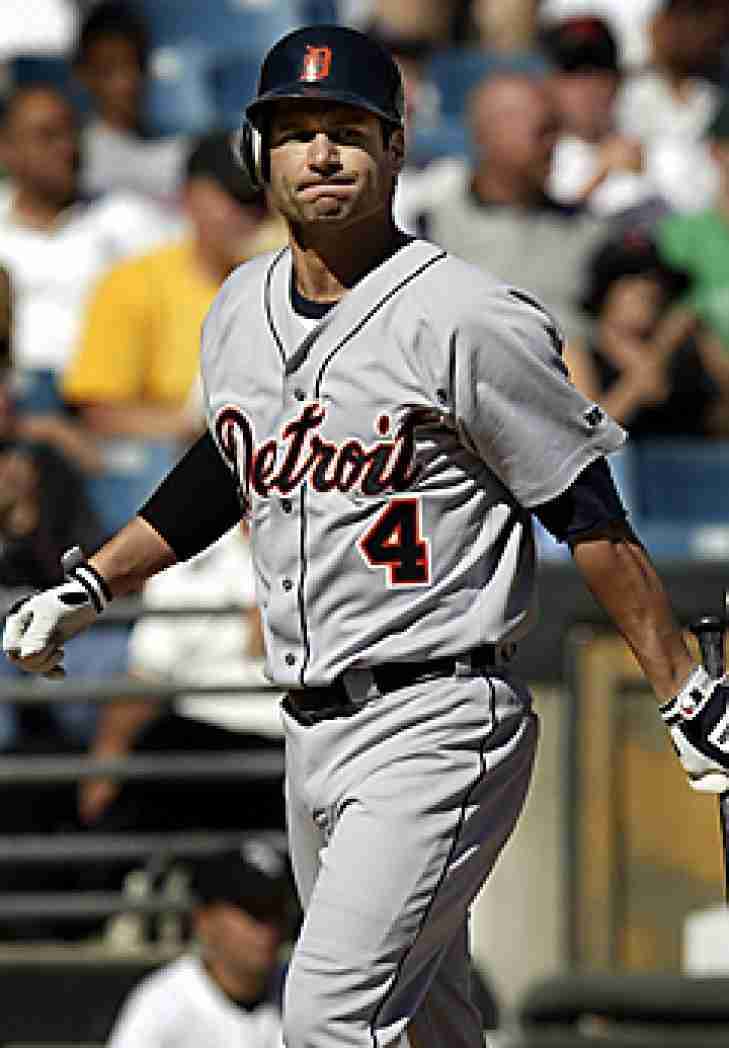
Bobby Higginson entered the Detroit system as an unheralded 12th-round pick in 1992 out of Temple University, a hard-nosed outfielder who defied the odds to become the face of the franchise during its most challenging decade. After a rapid three-year climb through the minors, he made his debut in 1995 and immediately established himself as a gritty left-handed bat with a cannon for an arm.
In 1997, he clouted 27 home runs and drove in 101 runs, following it up three years later with a career-high .300 batting average and 30 home runs. He showed the organization that he was a foundational leader, providing the steady-state production required to anchor a lineup in transition. Despite playing in a pitcher-friendly park and on rosters that struggled in the standings, he possessed a specialized ability to drive the ball into the gaps, twice earning the "Mr. Tiger" award as the team's most valuable player.
Between 1996 and 2003, Higginson was a statistical standout in right field, routinely leading the league in outfield assists and providing a specialized deterrent for baserunners. He possessed a high-velocity arm that became his calling card, famously recording 20 assists in 1996 and another 18 in 1997. Despite the lack of All-Star or Gold Glove hardware, he remained a model of durability and loyalty, eventually amassing 1,336 hits and 187 home runs.