

95. Gus Mortson
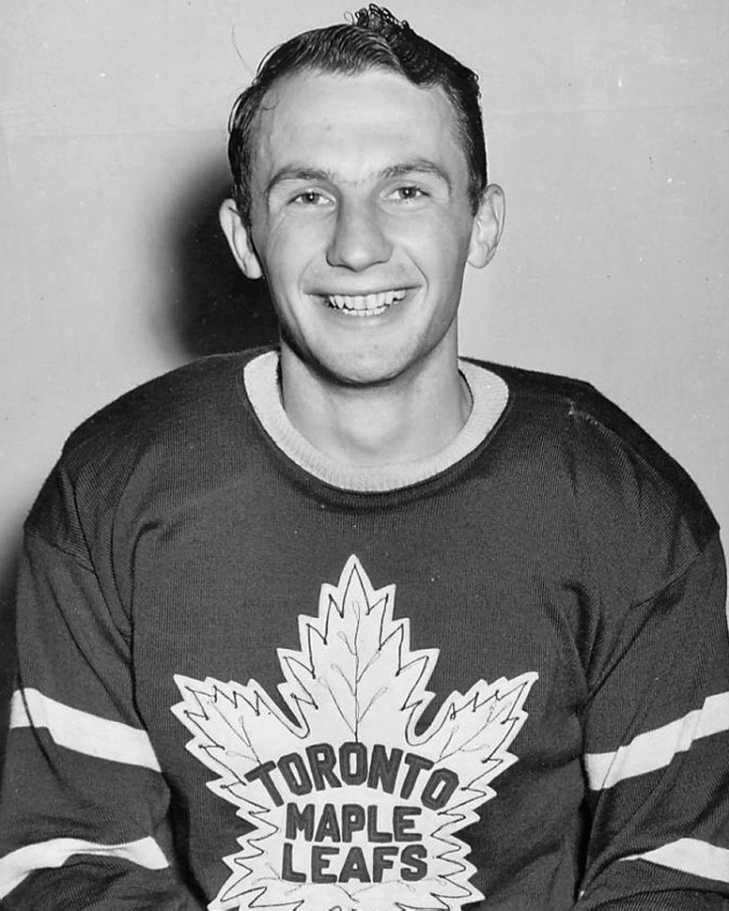
When you have a nickname of “Old Hardrock,” you get an idea of just what type of Defenseman Gus Mortson was. From Northern Ontario, he was paired with another youngster, Jim Thomson, and they would become the ”Gold Dust Twins”.
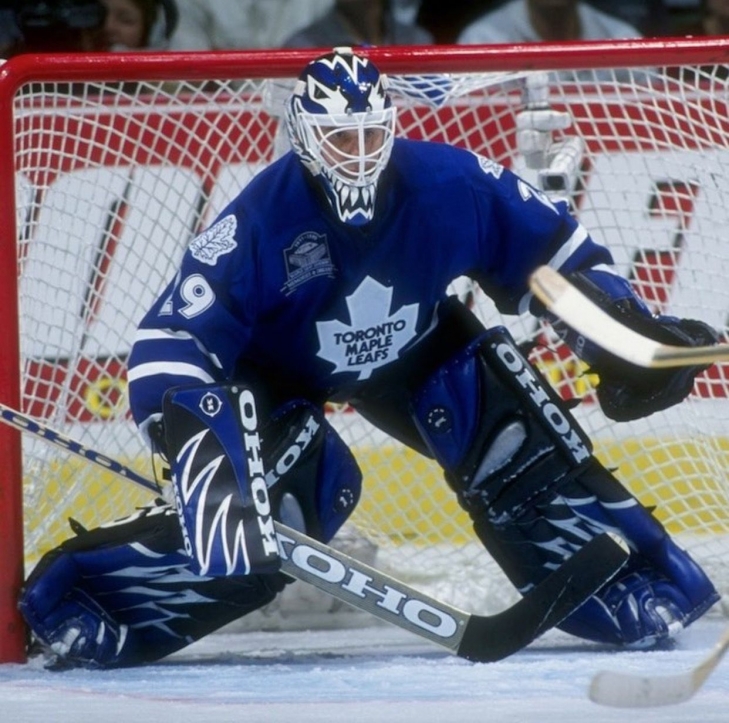
212. Felix Potvin
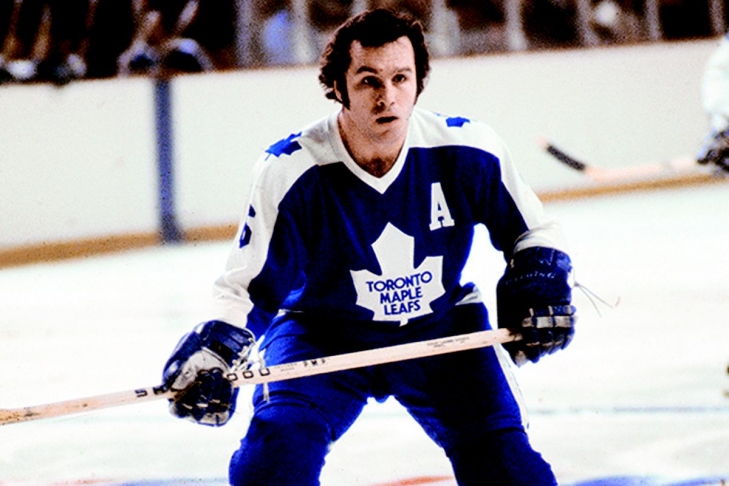
127. Ron Ellis
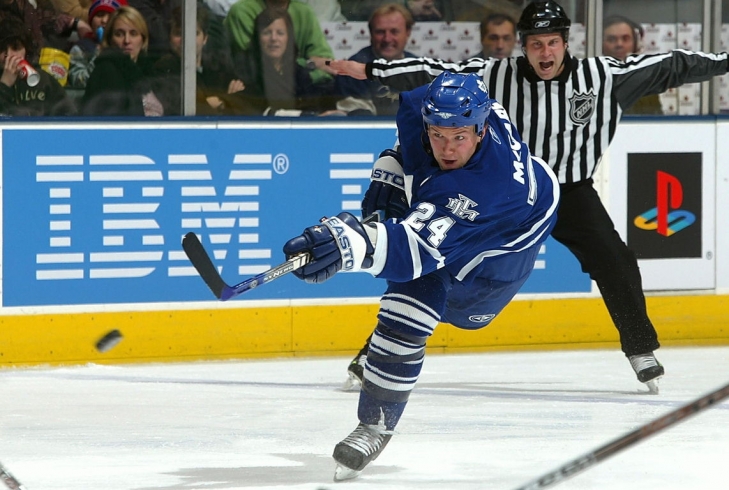
266. Bryan McCabe
55. Bob Baun
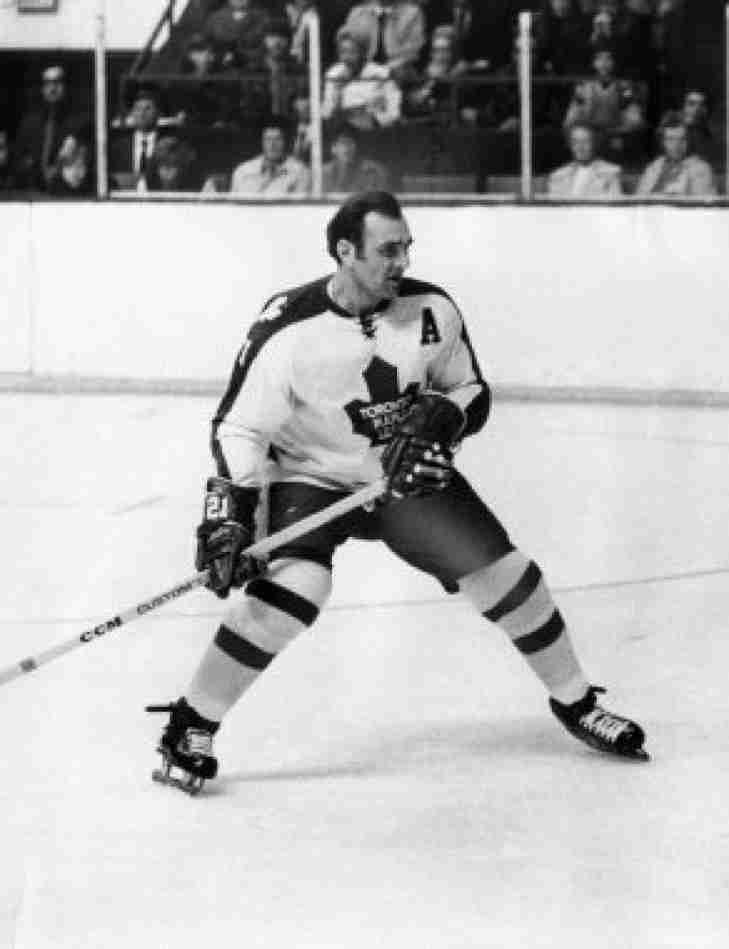
Bobby Baun reminds us a lot of Paul Henderson in that he is best known for one game. Baun fractured his ankle early in Game 3 of the 1964 Stanley Cup Championship but returned to the ice to score the game-winning goal against the Detroit Red Wings and would help Toronto win the Cup that year.
230. Tomas Kaberle
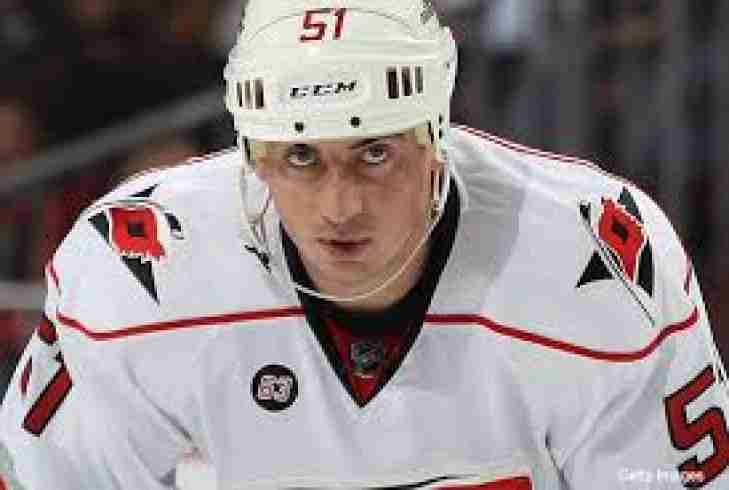
A four-time All-Star, Tomas Kaberle is the second all-time leading scorer among Toronto Maple Leaf Defensemen, which is no small feat considering we are talking about an Original Six Team.
67. Rick Vaive
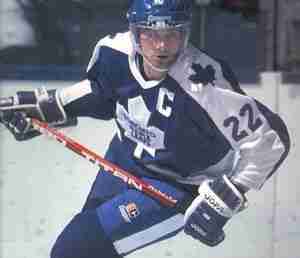
Regardless of the era, scoring 50 goals in three consecutive seasons is a remarkable achievement. Even though it was the wide-open early 1980s that saw Rick Vaive accomplish that feat, remember he did so for a brutal Harold Ballard organization that was at its worst during the Toronto Maple Leafs' tenure. Vaive had a killer slapshot and used that skill to net 441 career goals. Because Vaive played for so many bad teams, his career is often overlooked, but he was often the lone bright spot on many teams in the 1980s.
39. Paul Henderson
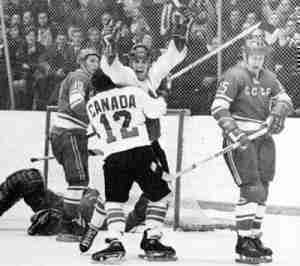
With 477 career NHL points (and 283 in the WHA), the professional statistics speak to a very good player, but not that of a Hall of Famer. This is very much the consensus of most hockey pundits and fans alike. However, we are all familiar with the intangible legacy of the 1972 Canada/Soviet Union Summit Series. Coming off his most productive NHL year with 38 goals, Henderson was an afterthought selection to Team Canada. Henderson responded with the best hockey of his career, leading the tournament with ten points. Of course, it was that final point, a goal with thirty-four seconds remaining, that he will be known forever for. That goal won the series and made him an icon in Canada. It is a moment that is played over and over again on Canadian television and will be replayed for generations to come. When critics say that Paul Henderson would not be in the Hall of Fame discussion if he hadn’t scored “the goal,” but what they have to remember is one thing: HE DID score that goal.
75. Eddie Shack
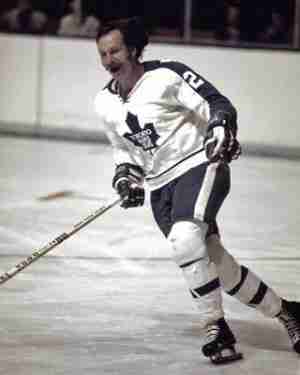
He may not be on this list for his career statistics, which, although good (465 career points over 17 years), do not indicate a Hall of Famer. However, Eddie Shack was one of the true characters of the game and, at times, the most popular. Shack could always be counted on to deliver a unique interview and perspective that was different from his contemporaries. Shack was even the subject of a novelty song (Clear the Track, Here Comes Eddie Shack) that went to number one on the Canadian charts. Shack was to many a “novelty” player himself, but anyone who can last as long as he did is certainly no gimmick.
22. Curtis Joseph
100. Sid Smith
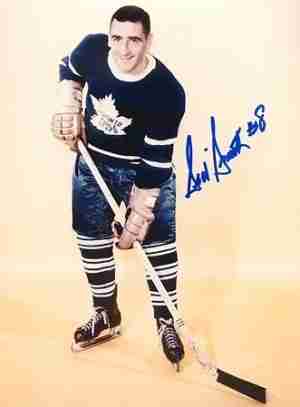
From the Original Six, Sid Smith was a consistent star for the Toronto Maple Leafs in the 50’s. Smith was a solid 20-goal scorer (a big deal for that era), but it always seemed that whenever Smith would put the puck in the net, it would be in pivotal situations. Although he was a clutch goal scorer, his gentlemanly play, which while respected, did not exactly make him stand out. Had he been able to do so, the multiple-time All-Star would have had a much better shot at induction.
12. Lorne Chabot
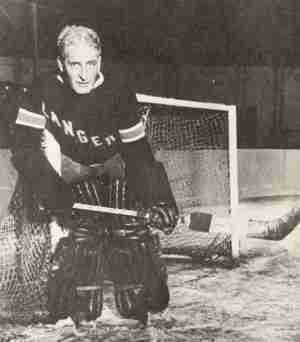
Although the bulk of the early era players are in the Hockey Hall of Fame, a case could be made for the talented Lorne Chabot. The Montreal native was successful everywhere he went, posting winning records and winning two Stanley Cups. Chabot’s career saw him achieve 200 Wins over eleven seasons, but as he played with six different teams, he was labeled a journeyman despite his successful performances.
64. Wendel Clark
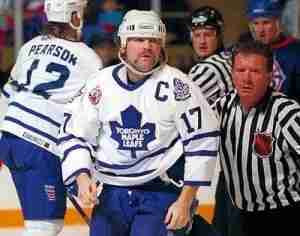
If the rabid fan base in Toronto had anything to say about it, the hard-hitting Wendel Clark would have skated into the Hockey Hall of Fame on the first ballot. Clark was the bright spot on dismal Leaf teams, and his gritty take-no-prisoners style of play made him one of the most popular (if not the most popular) Leafs of all time. He wasn’t the largest player on the ice, but he may have been one of the toughest of his era. In addition, Clark was able to produce decent offensive numbers, netting 30 goals in a season on four occasions. If the Hall put players in just on heart alone, Wendel Clark would be a lock, but as such, he probably doesn’t have the career stats to get in.
51. Vincent Damphousse
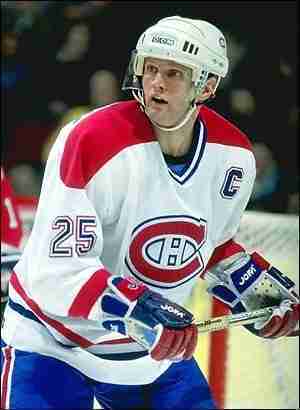
You have to think that if you were a kid growing up in Montreal, your hockey-related dreams might involve winning a Stanley Cup for your beloved Habs. If this was the case for Vincent Damphousse, then Mission Accomplished! Damphousse hoisted the Stanley Cup as a first-line centre for his hometown Montreal Canadians in 1986.
20. Carl Brewer
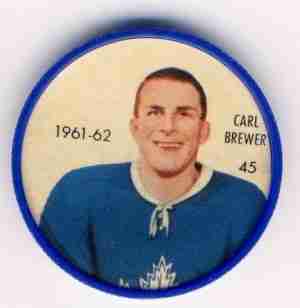
If ever there was a hockey player who marched to his own tune, it would have to be Carl Brewer. A brilliant stay-at-home defenseman, Brewer would literally do whatever it took to stop any attacker. He was also the victim of rash decision-making as his uncontrollable intensity often cost his team costly penalties. Brewer also left the game on multiple occasions (even during the peak of his career) due to off-ice disagreements with other players, coaches, or management. Had Brewer stayed in the NHL consistently, his hockey accomplishments would be unquestionably larger, but as such, he will go down in history far more for his off-ice activities than on.
240. Jim Thomson
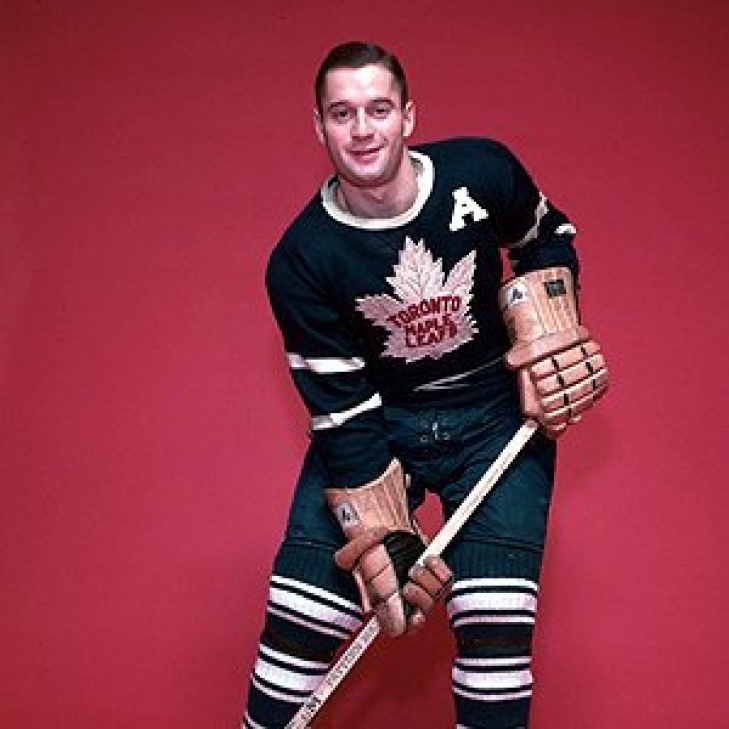
Jimmy Thomson was the flashier of the “Gold Dust Twins,” but along with his partner Gus Mortson, he provided the defensive backbone for the Toronto Maple Leafs for many years. Like Mortson, Thomson was a very rugged player, but he was a better passer than his defensive partner, and he would have five seasons of 20 or more Assists. He would anchor the Leafs to four Stanley Cups, and individually he was a two-time Second Team All Star and was a three-time leader in Defensive Point Shares.
