

33. Buddy Lewis
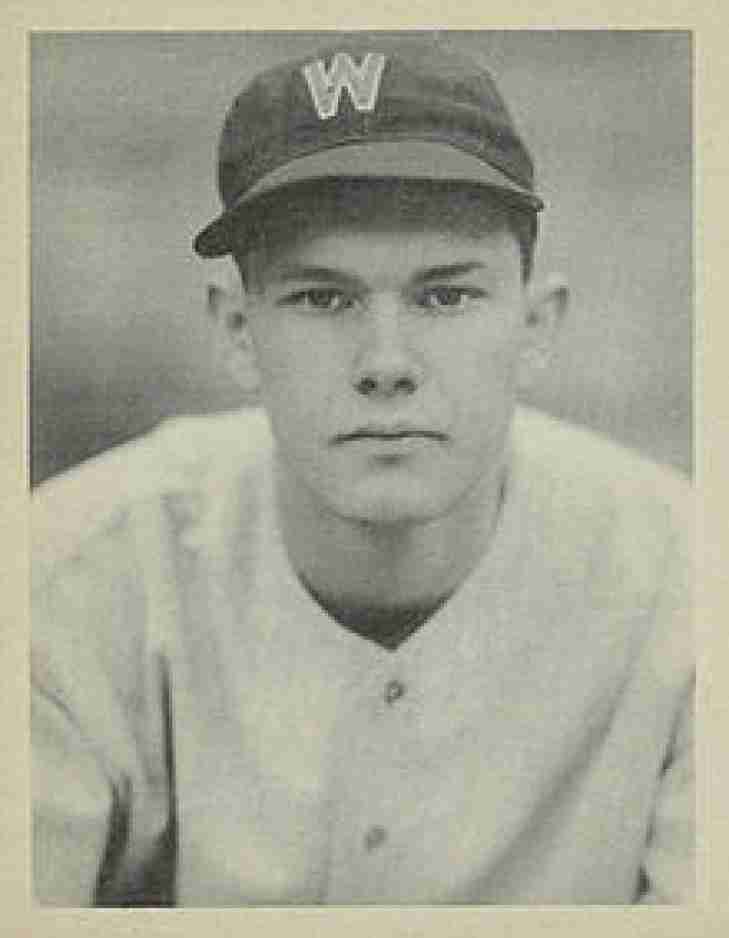
Buddy Lewis first took to the Griffith Stadium field in 1935 as a nineteen-year-old phenom, quickly cementing his reputation as a hitting powerhouse for the Senators. A versatile athlete, he played both the hot corner and the outfield, serving as the main driving force of Washington's offense in the late 1930s.
Lewis achieved six consecutive seasons with at least 160 hits at the start of his career, a remarkable streak that placed him second only to Ty Cobb for total hits by a player of that age. He was a consistent performer, participating in two All-Star Games (1938 and 1947), and consistently contributed at the top of the lineup, batting over .300 in four of his first six full seasons.
Similar to many athletes, Lewis experienced a three-year hiatus during what should have been his peak physical condition. As with numerous contemporaries, he discovered that this period away adversely affected his timing and agility. Upon his return to the Senators in 1945, he continued to contribute; however, he was no longer the statistical anomaly that had previously challenged Cobb's early-career records.
After a poor 1949 season, Lewis retired from baseball, leaving behind 1,563 hits with a .297 batting average.
36. Stan Spence
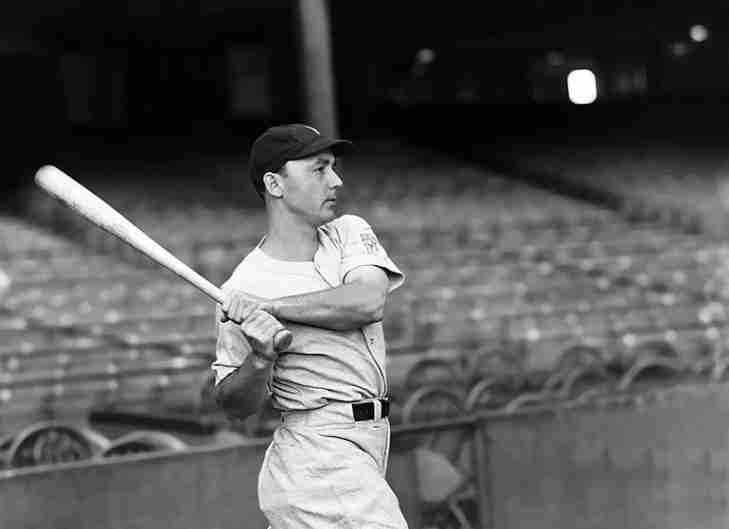
Stan Spence’s Washington tenure began with a December 1941 trade that brought him from the Boston Red Sox, along with pitcher Jack Wilson, in exchange for Ken Chase and Johnny Welaj. Blocked by stars like Ted Williams and Dom DiMaggio in Boston, Spence was viewed as an afterthought in the deal but immediately proved to be a foundational acquisition for the Senators.
Between 1942 and 1944, Spence was a key player, earning All-Star honors each season. He peaked in 1942 and 1944, finishing eighth in AL MVP voting. During this time, he excelled in contact hitting, batting over .300, and proved his value in center field was vital for the organization. Spence was away serving in the U.S. military in 1945, but returned to the Senators in 1946, regaining his form as a steady-handed contributor and earning his fourth All-Star selection in 1947. Throughout his time with the club, he accumulated 852 hits, maintaining a career batting average of .296.
Spence was traded to the Boston Red Sox after the 1947 season.
23. Cecil Travis
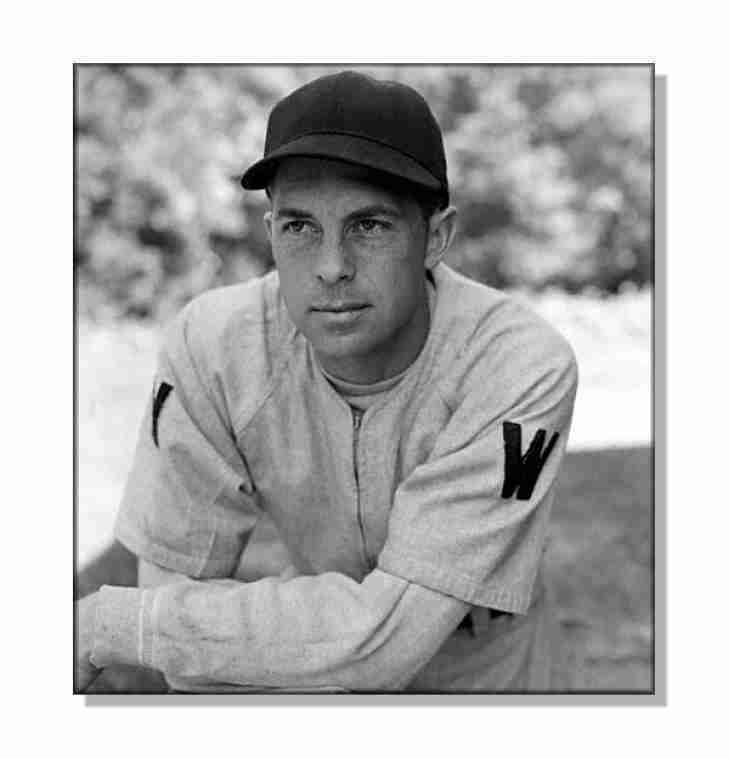
Cecil Travis first stepped onto the Griffith Stadium grass in May 1933, a nineteen-year-old left-handed-hitting shortstop whose pure contact ability suggested a trajectory toward the absolute summit of the game's greats. While he is often cited as one of the most significant "what-ifs" in baseball history because of his military service, he was a premier offensive force for the Senators throughout the 1930s.
In his 1933 debut, Travis authored a masterful introduction, recording five hits in his first game, a feat that signaled his status as an elite contact hitter. He remained a professional mainstay throughout the rest of the 1930s, proving that his specialized, spray-hitting approach was a cornerstone of the Washington offense. Between 1934 and 1940, he reached a peak of consistency, batting over .300 in six of those seven campaigns. During this peak, he showcased total command of the strike zone, famously recording more than 150 hits in five different seasons and earning his first All-Star selection in 1938.
Travis reached a new peak of individual recognition as he entered the 1941 season, authoring a masterpiece of a campaign in which he led the American League with 218 hits and a staggering .359 batting average. He finished sixth in the MVP voting and earned his third All-Star selection. He was a professional mainstay whose high-voltage production made him a giant among AL shortstops; however, the United States' entry into World War II changed everything.
While stationed in Europe during World War II, Travis suffered severe frostbite that necessitated a specialized operation to prevent the amputation of his feet. When he returned to the Senators in 1945, he reached a plateau of physical limitation; the high-velocity agility and timing that had defined his early career were gone. He fought to stay in the game as much as he could, but it was over after the 1947 campaign.
Still, his overall career saw him accumulate 1,544 hits, and he holds the distinction of having the highest career batting average among shortstops.
25. Frank Viola
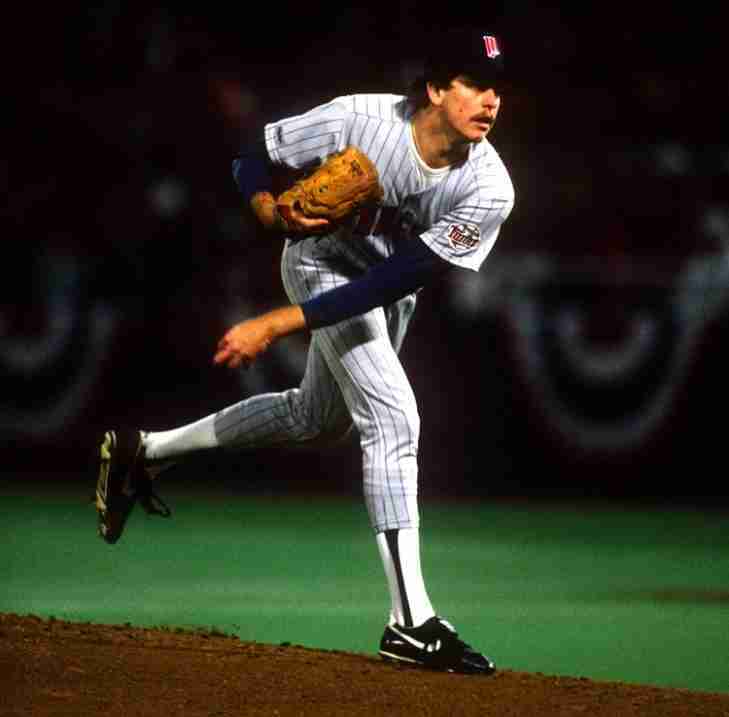
Frank Viola emerged as a left-handed powerhouse for Minnesota in the early 1980s, eventually becoming the rotation's definitive ace. While he earned the nickname "Sweet Music" for his specialized changeup and poise, he served as the high-voltage engine that powered the franchise's first championship run.
Viola achieved a historic streak of four 16-win seasons, reaching his peak in 1987 when he helped the Twins secure the division and then was named World Series MVP, cementing his postseason legend and bringing Minnesota its first title. During the 1987 World Series, Viola led with three key starts against the St. Louis Cardinals. In Game 1, he allowed one run over eight innings for a win. After a setback in Game 4, he pitched eight innings in Game 7, allowing two runs. His poise earned him the MVP trophy.
While the Twins did not make an appearance in October baseball in ’88, that year was Viola’s finest, winning the Cy Young Award with a 24-7 record. With the Twins struggling during the 1989 season, Viola was traded midway through to the New York Mets.
He would win 112 Games as a Twin and was inducted into the Twins Hall of Fame in 2005.
28. Dutch Leonard
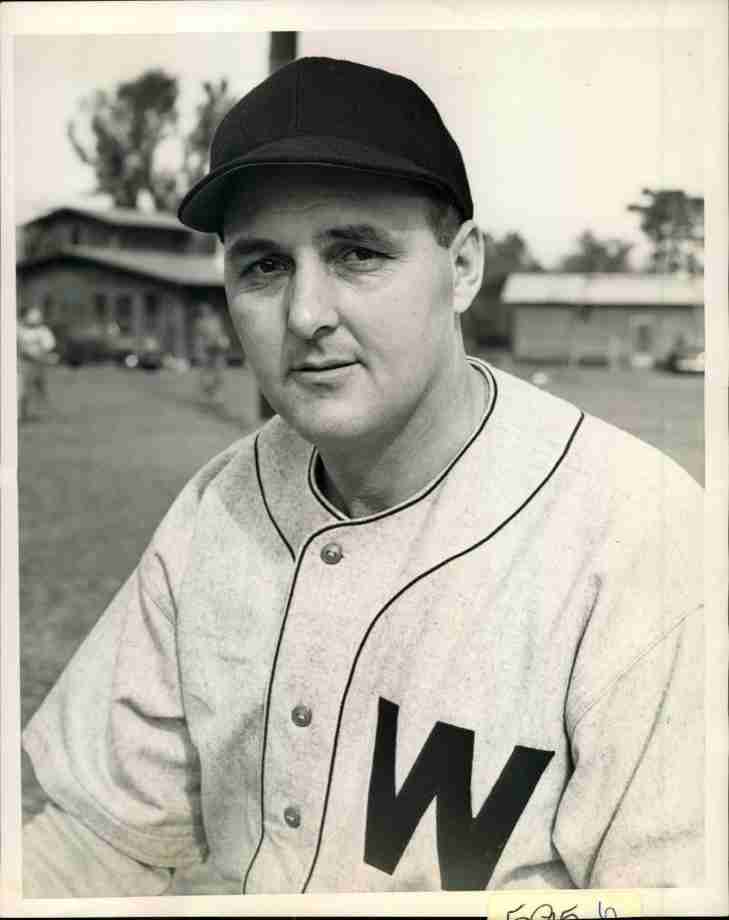
After four nondescript years in Brooklyn, Dutch Leonard arrived in the nation’s capital in 1938, bringing a fluttery, unpredictable knuckleball that haunted the nightmares of the league’s greatest hitters. While many who threw the "knuckler" struggled with its erratic nature, Leonard mastered the pitch with a surgical precision that defied the laws of physics.
Leonard’s tenure was marked by exceptional mastery of the strike zone, uncommon for a knuckleballer. He exemplified efficient pitching, leading the American League in BB/9 twice (1939, 1945). His peak was in 1944 when he led in WHIP (1.114). His restraint was best shown in 1945, when he led the AL in Strikeout-to-Walk ratio (2.41), impressive for a pitcher who rarely struck out many but refused to give free passes.
Leonard earned a reputation as a big-game craftsman, with three All-Star selections (1940, 1941, 1943) during his Washington career. Jackie Robinson praised his knuckleball as one of the most difficult pitches to handle, highlighting Leonard's ability to generate movement while pinpointing location. He was a key part of the 1945 staff that fell just one game short of a pennant.
Dutch Leonard’s tenure in Washington ended abruptly after the 1946 season. Despite being a key rotation player, a contract and role dispute led to his trade to the Phillies for infielder Merrill May in December 1946.
With the Senators, Leonard had a record of 118-101 with a 3.27 ERA.
12. Buddy Myer
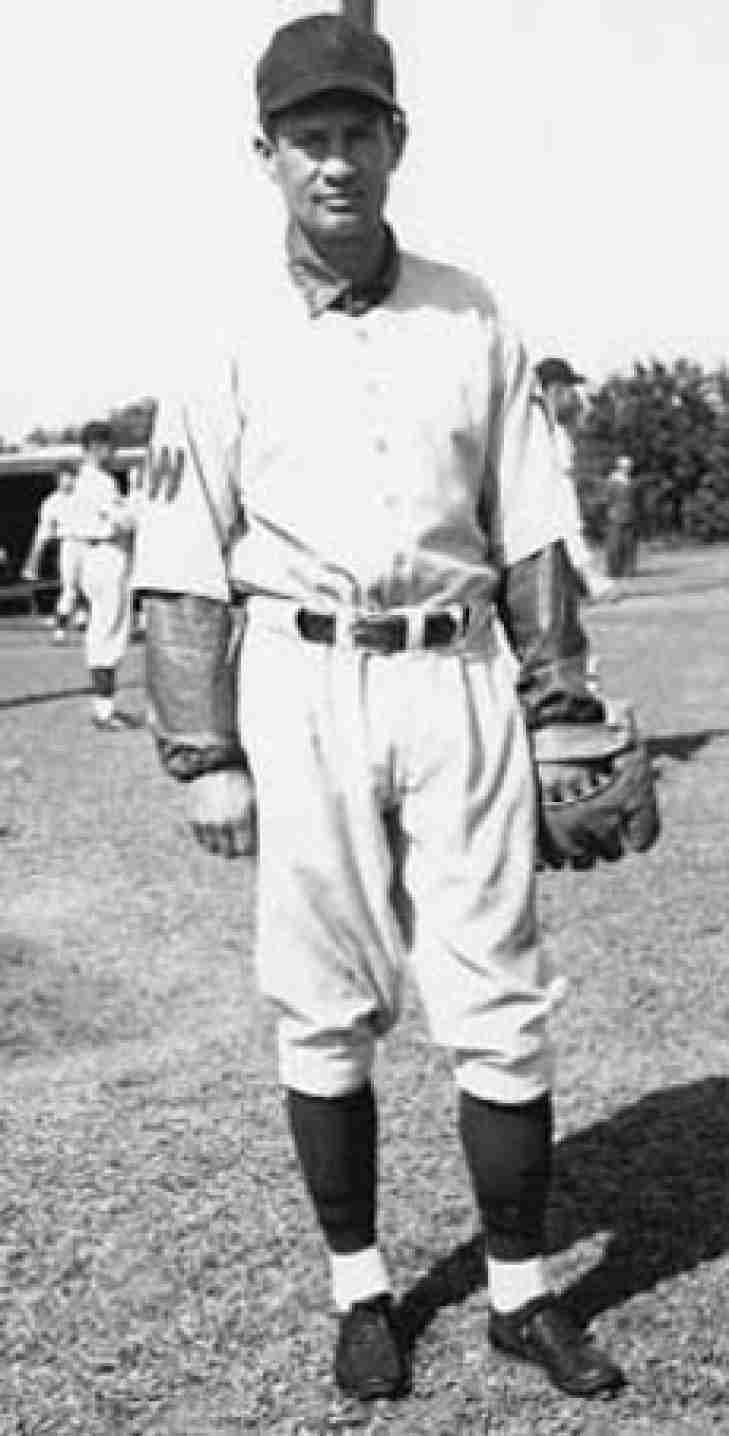
Save for a couple of productive seasons with the Boston Red Sox early in his career, Buddy Myer was a career member of the Washington Senators, the team he began and ended his career with.
The slick-fielding Myer was traded to the Boston Red Sox, and in his brief stay in Massachusetts, his stock rose so much so that the Senators traded five players to get him back before the 1929 season. Myer became more consistent, moving from shortstop to second base and dominating the middle infield. He controlled the strike zone, with a career-high 102 walks in 1934, showing that his ability to reach base was key for the Senators' offense.
Any story about Myer has to include his historic display of resilience during the 1933 season. Myer was at the center of one of baseball's most violent brawls after being spiked and subjected to antisemitic taunts by Ben Chapman of the Yankees. Despite the targeted abuse and the fact that he was raised Baptist, though he never felt it necessary to publicly correct assumptions about his heritage, Myer remained focused on the field. He helped lead the Senators to the 1933 American League Pennant, delivering a steady performance in the World Series in their loss to the New York Giants.
In the 1935 season, he produced a remarkable performance that remains one of the greatest hitting displays in team history. On the final day, he went 4-for-5, finishing with a .349 average and winning the American League Batting Title by a narrow margin over Joe Vosmik. That year, he placed fourth in MVP voting, with 215 hits, 100 RBIs, and led the league in double plays turned by a second baseman. This outstanding season earned him his first of two All-Star selections, solidifying his reputation as a top player in the Junior Circuit.
Myer played until 1941, leaving behind 1,828 hits, 735 RBIs, and a .303 batting average.
20. Joe Cronin
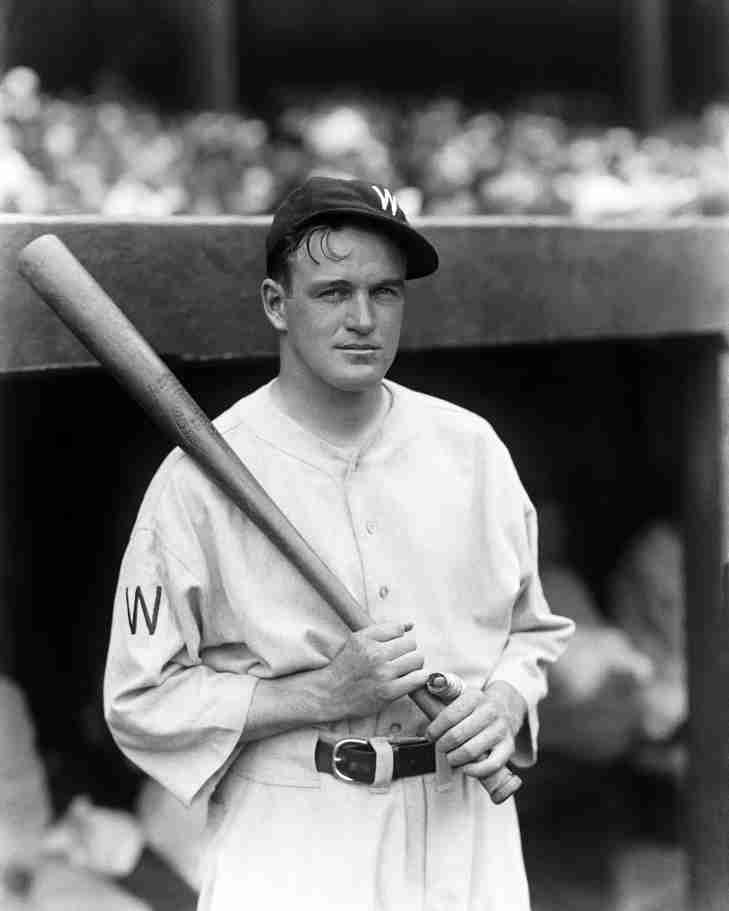
Joe Cronin did not play much for the Pittsburgh Pirates, but he was a star in waiting. So much so, the Senators paid the Pirates $7,500 to acquire his services before the 1928 season.
After becoming a regular in 1929, Cronin achieved his peak performance in 1930, hitting .346 with 126 RBIs and earning the Sporting News MVP Award. He owned the field, establishing himself as a key professional for the Senators by reaching 100 RBIs in five straight seasons. Known for his exceptional defensive skills, he led the American League in Defensive WAR three times (1930, 1931, 1933) and frequently topped the league in putouts and assists. His most notable recognition came in 1933 when he served as both player and manager, guiding the team to an AL Pennant and finishing as the MVP runner-up.
The Senators traded their star player-manager to the Boston Red Sox for $250,000 and shortstop Lyn Lary. While gaining fame in Massachusetts, he finished his Washington career with 1,090 hits and a .304 batting average. Entering the 2026 season, he's remembered as a Baseball Hall of Famer (Class of 1956) and a top shortstop of the D.C. era.
In Washington, Cronin compiled 1,090 hits, 51 home runs, and a .304 batting average
16. Jim Kaat
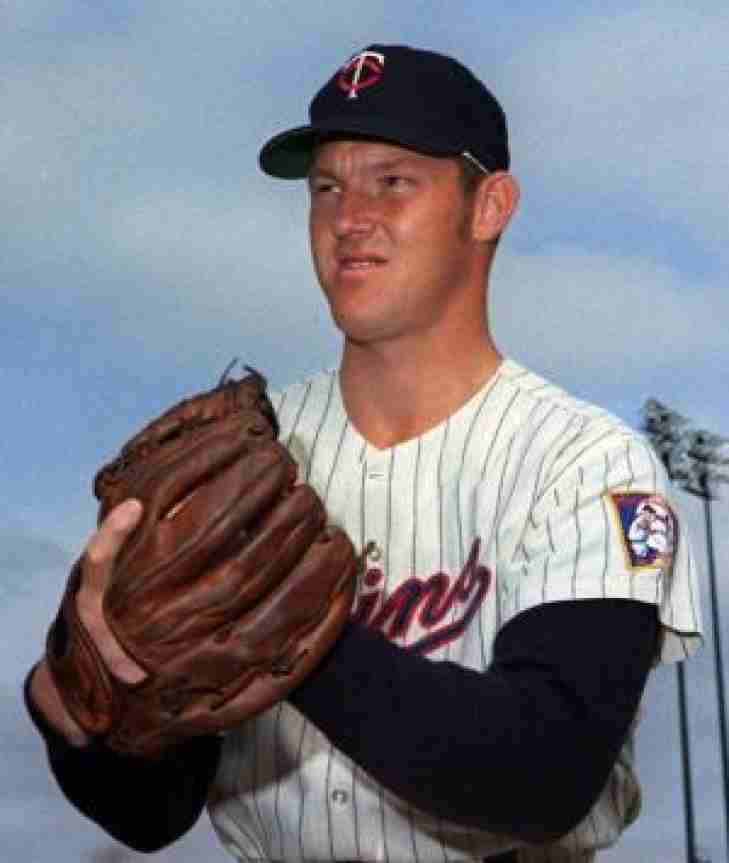
In 1959, Jim Kaat, a 20-year-old left-hander standing 6’4", arrived in the nation's capital with an efficient pitching style that would characterize his career. He was among the original group that moved the team from the Senators to the Minnesota Twins in 1961, serving as the link between the franchise’s Washington, D.C., origins and its future in the Upper Midwest.
Kaat reached the pinnacle of leatherwork, earning 12 consecutive Gold Glove Awards with the Twins, a run that eventually extended to 16. He demonstrated complete command of the mound, moving with athletic grace, making him a key asset for a pitching staff focused on ground-ball efficiency. While his glove made him a legend, his arm reached historic heights in the 1965 World Series, where he started three games against the Dodgers and outdueled Sandy Koufax in a complete-game masterpiece in Game 2.
In 1966, Kaat led the league with 25 wins, 19 complete games, and 304.2 innings. He attained control, leading BB/9 (1.6) and SO/BB (3.73), and was a top Pitcher, finishing fifth in MVP voting. This cemented his status as the mid-60s’ premier southpaw.
In August 1973, after 15 years of regional success, the organization concluded that the 34-year-old veteran was nearing the end of his effective career. Assuming his arm was no longer reliable, the Twins placed him on waivers, and he was quickly claimed by the Chicago White Sox. Against expectations, Kaat achieved a new peak in Chicago with consecutive 20-win seasons, ultimately extending his career across four decades.
Kaat compiled a 190-159 record, a 3.34 ERA, and 1,851 strikeouts for the Twins. Cooperstown finally called his name in 2022, and the Twins retired his number 36.
24. Jim Perry
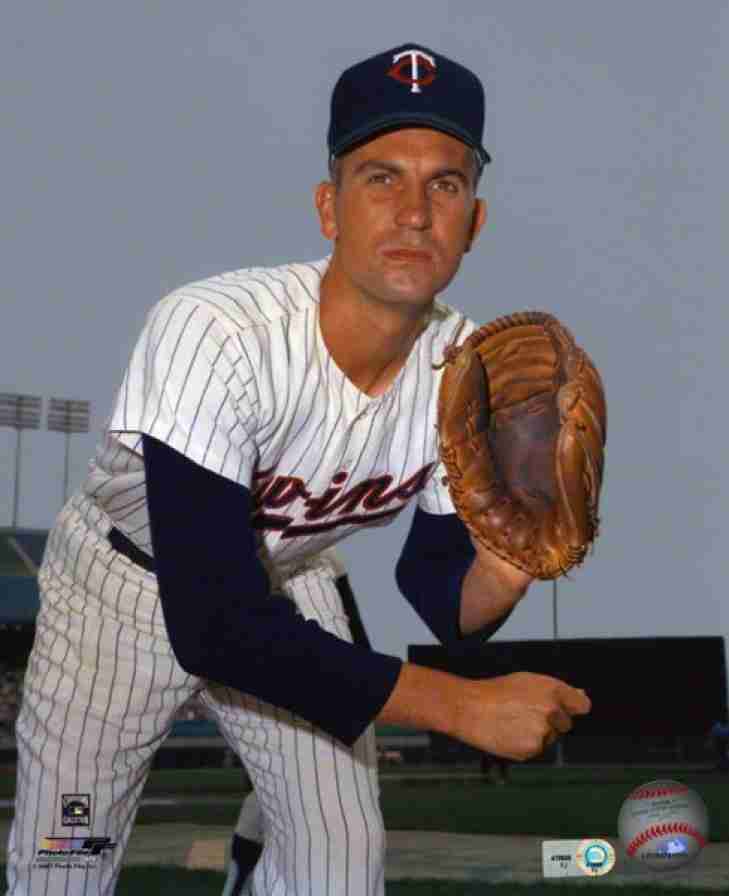
Jim Perry joined the organization in 1963, a right-handed control artist who spent a decade anchoring the Minnesota rotation with fellow stalwarts. While he started in Cleveland, he peaked statistically in the Twin Cities, where he was known for durability and pinpoint accuracy.
From 1963 through 1968, Perry served as a versatile and professional mainstay on the staff, often alternating between the rotation and the bullpen. He provided essential depth for the 1965 American League Championship team, recording 12 wins and demonstrating a specialized ability to eat innings whenever called upon. His role expanded as the decade progressed, and by 1969 he reached a historic plateau as a full-time starter, recording 20 wins and helping lead the Twins to the inaugural American League West title.
As good as his 1969, his 1970 season was even better. That year, he went 24-12 with a 3.04 ERA. He showcased total command of the strike zone that summer, earning his second All-Star selection and reaching the absolute peak of individual recognition as the American League Cy Young Award winner.
Perry had two more seasons with the Twins before he was traded to Detroit before the 1973 season. Minnesota selected Perry for their Hall of Fame in 2011.
22. Bob Allison
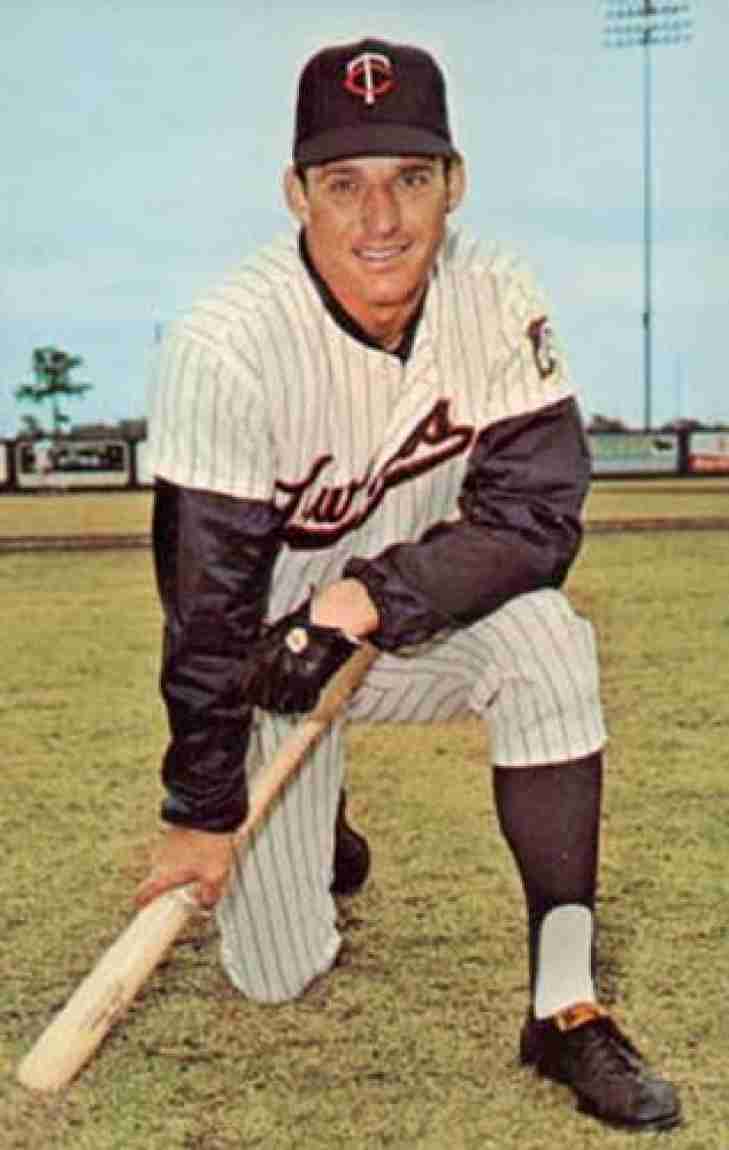
Bob Allison first broke into the American League in 1958 with the Washington Senators, a physical, 6-foot-4 athlete who would remain a fixture for the franchise through its move to Minnesota in 1961. Known for a specialized combination of "pop" and a defensive "cannon," he anchored the lineup alongside Harmon Killebrew for over a decade.
Allison quickly made an impact, reaching a rookie peak with a .261 batting average, leading the league with 9 triples, and hitting 30 home runs. He won the American League Rookie of the Year award and earned his first All-Star selection. A key player, he proved that his unique mix of speed and power was vital for the Senators before their move to the Twin Cities.
In 1963, he had a stellar season, leading the AL in runs scored (99), OPS (.911), and hitting 35 home runs. He became the first Twins player to lead the league in WAR, showing his value both offensively and defensively. In 1964, he hit 32 homers and was selected to his third All-Star team.
In 1965, despite a fractured wrist, Allison made a legendary backhand catch in the World Series against the Dodgers, celebrated as one of the franchise's greatest. He retired in 1970 with 1,281 hits and 256 home runs, all with the Senators or Twins. His legacy was finalized in 2003 when he was inducted into the Minnesota Twins Hall of Fame.
19. Mickey Vernon
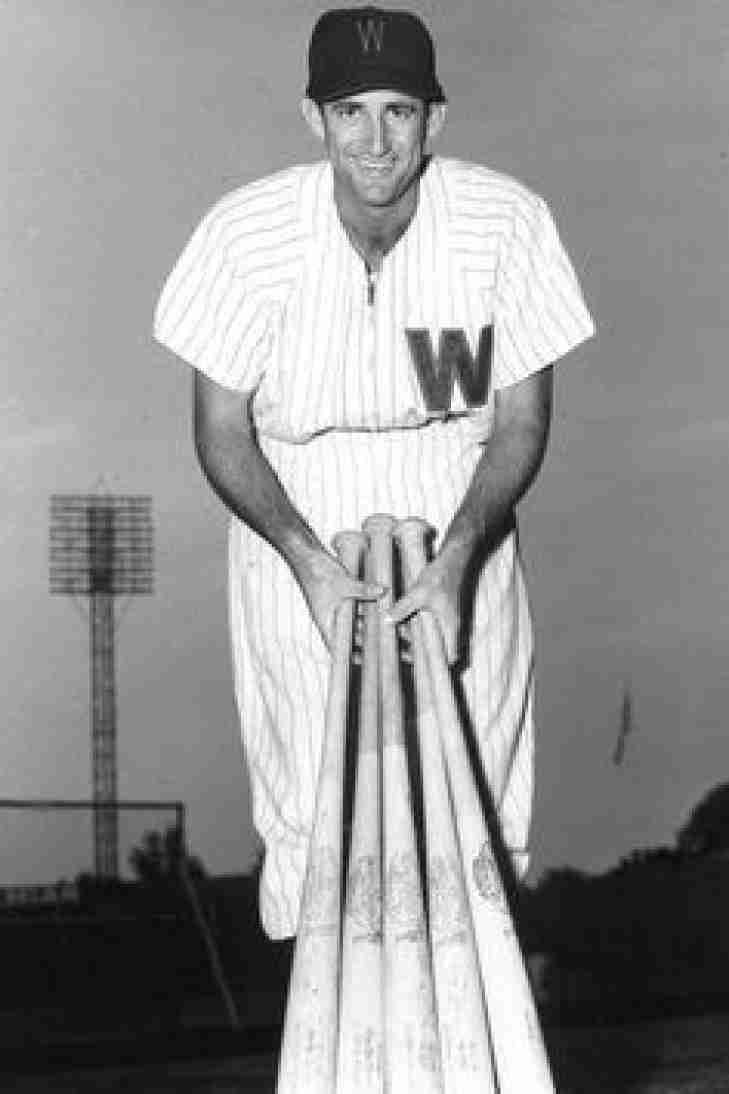
Mickey Vernon debuted in Washington in 1939 as a graceful left-handed first baseman and a key infield presence for nearly two decades. Despite a career partly interrupted by military service and trades, he was the Senators’ top pure hitter in the post-war era.
Vernon improved annually, missing two years in WWII. After returning in 1946, he made his first All-Star team and won a Batting Title. The next two years were less successful, and he was traded to Cleveland after 1948. His stay there was brief: after just over a year, the Senators traded to bring him back. In June 1950, Washington re-acquired Vernon for Dick Weik, enabling him to reach new heights in the city where he started his career.
Vernon reached his peak recognition in 1953 during his second season with the club. He achieved his second Batting Title with a .337 average, the only player in franchise history to win two. He led the league in doubles (43) and had 115 RBI, showcasing command of the strike zone and gaps. Vernon finished third in MVP voting, behind Al Rosen and Yogi Berra.
On November 14, 1955, the Senators completed a trade, sending Vernon to the Boston Red Sox along with Bob Porterfield, Johnny Schmitz, and Tom Umphlett. In return, Washington received a five-player package that included Karl Olson, Tex Clevenger, and Dick Brodowski. While he reached a historic career total of 2,495 hits, with 1,993 in a Senators uniform, his ranking often sparks high-leverage debate due to specialized defensive hurdles. He reached a plateau of frustration in the field, never recording a season with a positive Defensive bWAR as a Senator.
He left the Senators as a five-time All-Star with a nice batting average of .298.
18. Clyde Milan
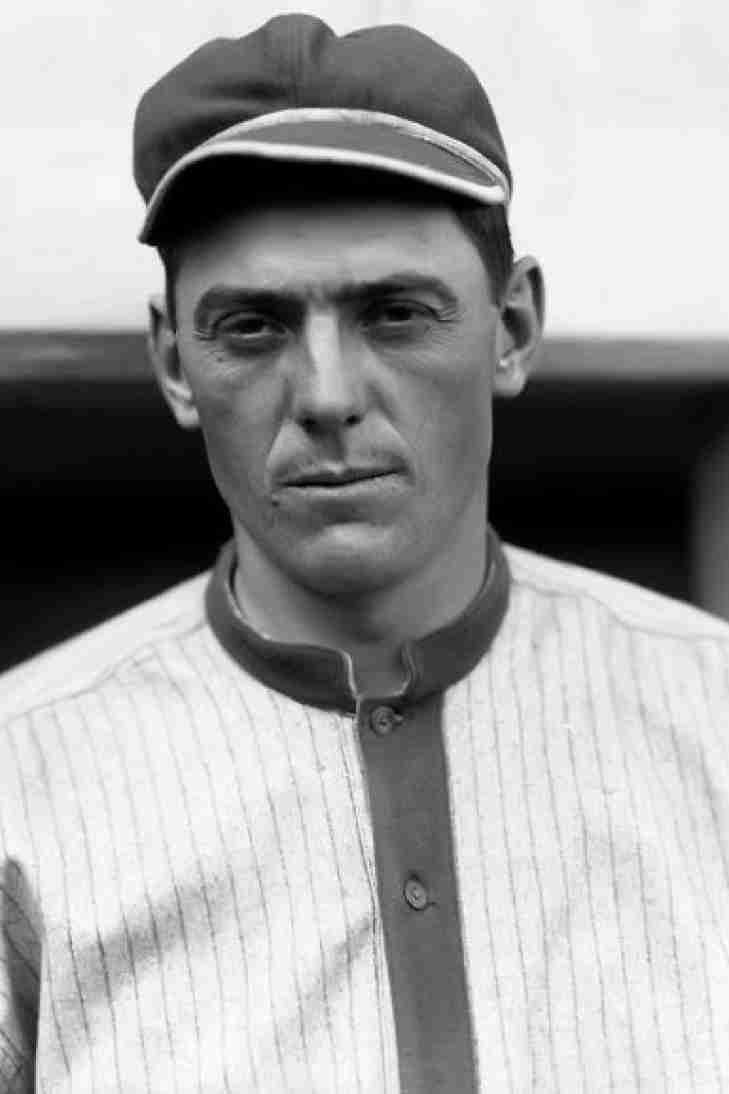
Clyde Milan made his Major League debut in Washington in 1907 as a left-handed outfielder with a quiet demeanor and quick legs, earning the nickname "Deerfoot." Sharing the clubhouse with Walter Johnson, he was the Senators’ offensive spark during the Deadball Era.
After several years of developing his rhythm, Milan attained the pinnacle of his career between 1911 and 1913. During the summer of 1912, he demonstrated comprehensive mastery of base running, amassing an impressive 88 stolen bases, an outstanding achievement that established the modern rules record at that time and cemented his reputation as the "Flying Mercury" of the field. He was a consistent professional, batting over .300 in each of those three seasons, with a career-best average of .315 in 1911. His exceptional speed and reliability reached a peak of recognition as he finished among the top ten in Most Valuable Player (MVP) voting for three consecutive years, including a fourth-place finish in 1912.
Though his impressive stolen base numbers eventually slowed down a bit, he always stayed a key player in center field. His unique style famously involved playing the position closer to the batter than most players, thanks to his incredible speed. He showed incredible durability, playing in over 1,900 games and amassing 2,100 hits, a record at the time for the franchise when he retired. Over the years, he went from being the fastest player on the field to a trusted veteran leader. He even took on roles such as player-manager and longtime coach, always remaining a dedicated part of the team he loved.
He retired after the 1922 season, and Milan compiled 2,100 hits, 495 stolen bases, and a .285 batting average.
21. Kent Hrbek
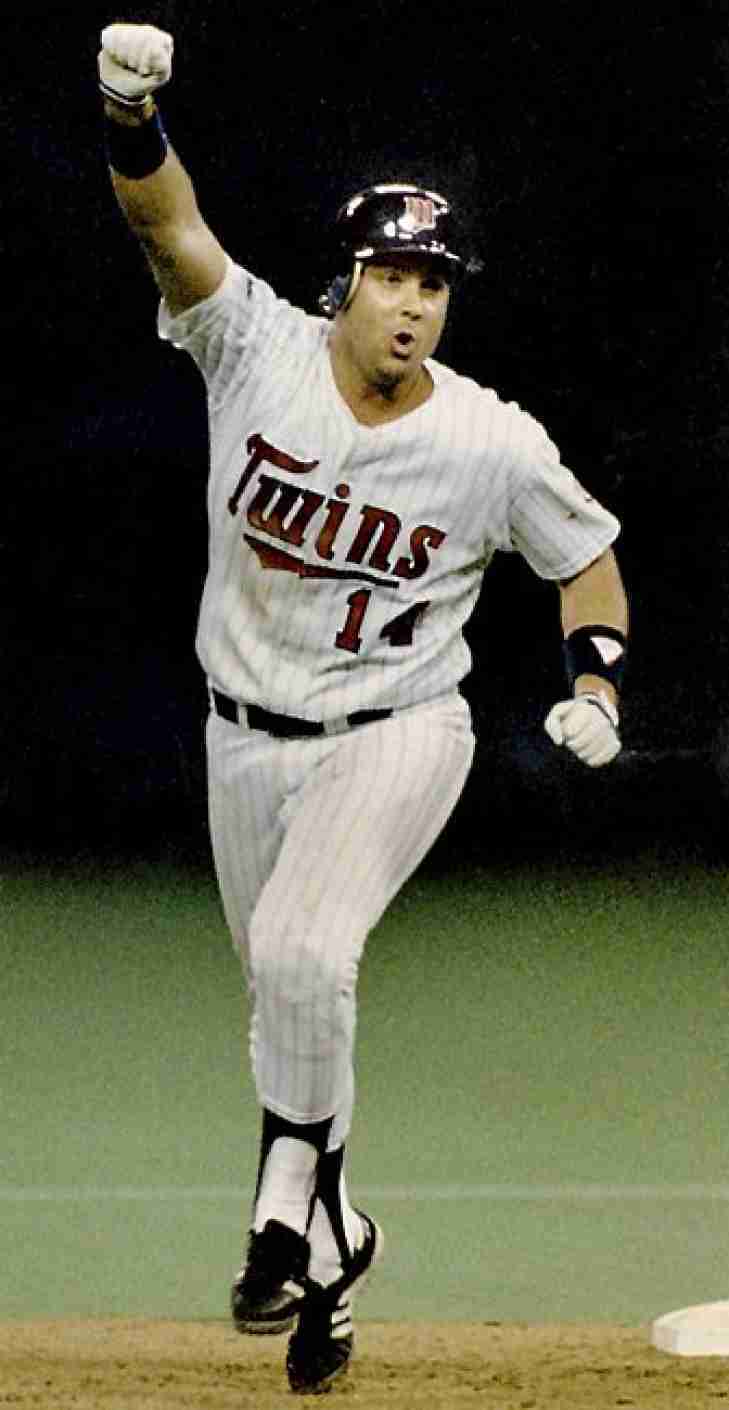
Kent Hrbek first stepped into the Met Stadium spotlight in 1981, a local product from Kennedy High School who became the quintessential "Lifer" for his hometown organization. While other stars of his era chased free-agent riches, he anchored first base for the Twins across 14 seasons,
In 1982, Hrbek was runner-up for AL Rookie of the Year, behind Cal Ripken Jr. In 1984, he hit .311 with 27 home runs and 107 RBI, finishing as MVP runner-up to Willie Hernandez.
Hrbek truly shined during the franchise's most exciting postseason moments. In the 1987 World Series, he delivered a memorable Grand Slam in Game 6, helping to build the momentum that led to Minnesota's first championship. Once again in 1991, he was a key figure, bringing veteran leadership and power that helped secure a second title. Over his career, Hrbek amassed 1,749 hits and 293 home runs, placing him at the top of the franchise's offensive records.
Hrbek retired after the 1994 season, and the Twins retired his number 14 the season after. They inducted Hrbek into their Hall of Fame in 2000, as part of their inaugural class.
11. Goose Goslin
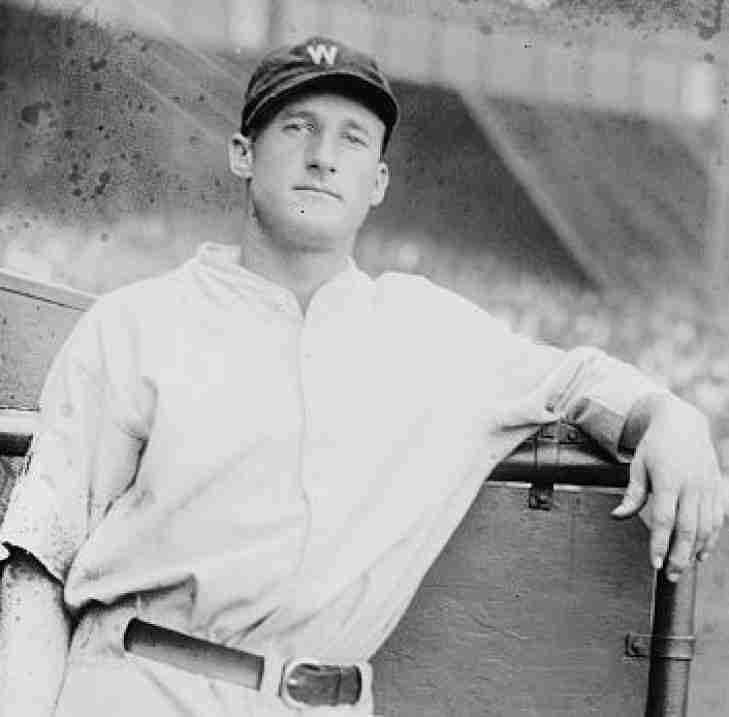
In 1921, Leon Allen "Goose" Goslin began his baseball career as a Washington Senator, a left-handed powerhouse whose stay in the nation's capital transformed the Senators from perennial also-rans into world champions.
By 1923, Goslin had become a well-respected figure in professional baseball, leading the American League in triples with 18. His career reached a new high in 1924, when he led the league with 129 RBIs and a batting average of .344. That incredible season helped the Senators win their first and only World Series title in D.C. During that Fall Classic, Goslin showed remarkable efficiency, batting .344 with three home runs and setting a then-record six consecutive hits over three games. His performance truly highlighted his special value when the pressure was at its peak.
Between 1924 and 1928, he consistently ranked in the top ten of MVP voting three times. In 1928, he created his masterpiece by winning the American League Batting Title with a career-high .379 average, narrowly surpassing Heinie Manush on the final day of the season. He demonstrated exceptional control of the strike zone during this peak, achieving five seasons with a batting average over .300 and serving as a key defensive player in left field. Despite his charming "Goose" nickname in the field, he was a true iron man of his era, amassing 201 hits in consecutive seasons (1925–1926).
In 1930, the organization traded him to the St. Louis Browns. He returned for a final season in 1933, helping the Senators win their third and last American League pennant in D.C., but his main career remains tied to his decade in Washington. Goslin compiled 1,939 hits, 127 home runs, and a .323 batting average as a Senator, and he joined the Baseball Hall of Fame in 1968.
14. Brad Radke
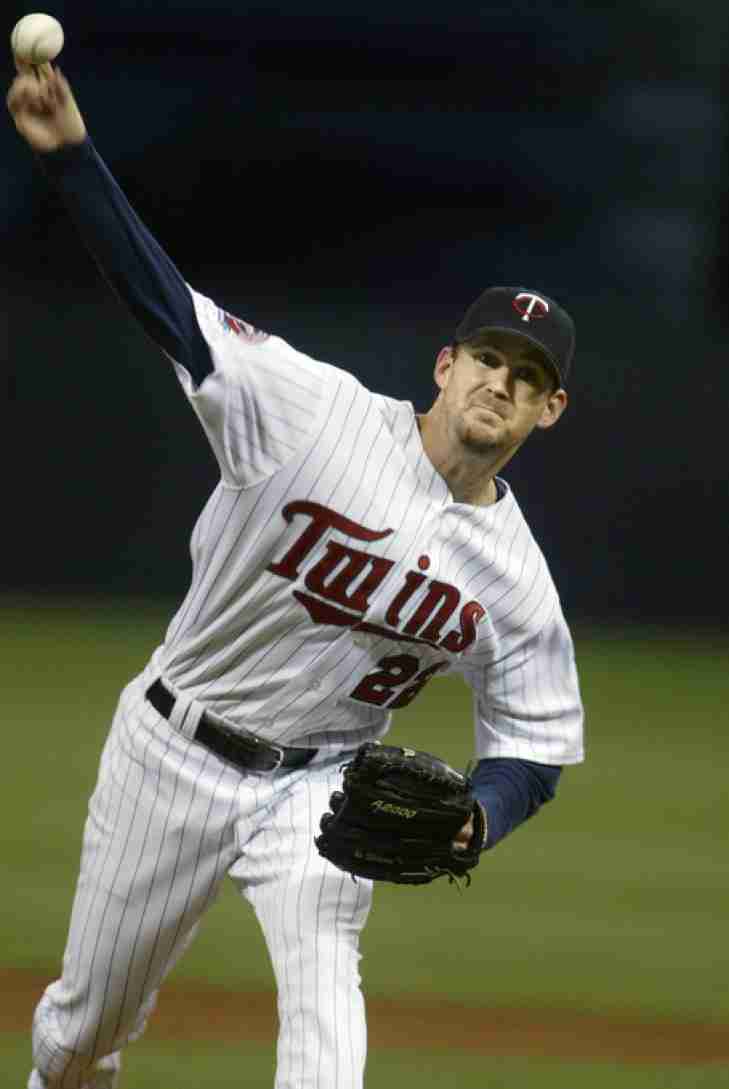
Brad Radke arrived in Minnesota in 1995, a mid-round pick from Tampa who spent 12 years as a model of the "Twin Cities" workhorse. In an era of high-velocity bullpens and rising strikeouts, he relied on pinpoint control, seeming like a throwback. In 378 games, all in a Twins uniform, he was a mainstay, providing stability from the late 90s lean years to the early 2000s division win.
In 1997, Radke achieved a career peak with 20 wins, a 3.87 ERA, and 12 consecutive starts, a rare feat. He finished third in Cy Young voting behind Clemens and Johnson, then was an All-Star in 1998, cementing his role as the staff's ace.
He was an efficiency giant, leading the American League in BB/9 (1.0) in 2001 and ranking in the top five eight more times. His specialized approach sometimes led to home runs, but his game management was shown by his frequent spots in the bWAR leaderboards, finishing in the top ten six times. He became a franchise icon by signing multiple extensions to stay in Minnesota, opting for loyalty over larger markets.
In 2006, despite battling a torn labrum and a separated shoulder, Radke achieved a historic milestone of "fighting spirit" by pitching through intense pain to help the Twins win a division title. His postseason performance marked his career's end, as he made one final start against Oakland before retiring in December.
Radke compiled a 148-139 record, a 4.22 ERA, and 1,467 strikeouts. In 2009, he was inducted into the Twins Hall of Fame.
13. Joe Judge
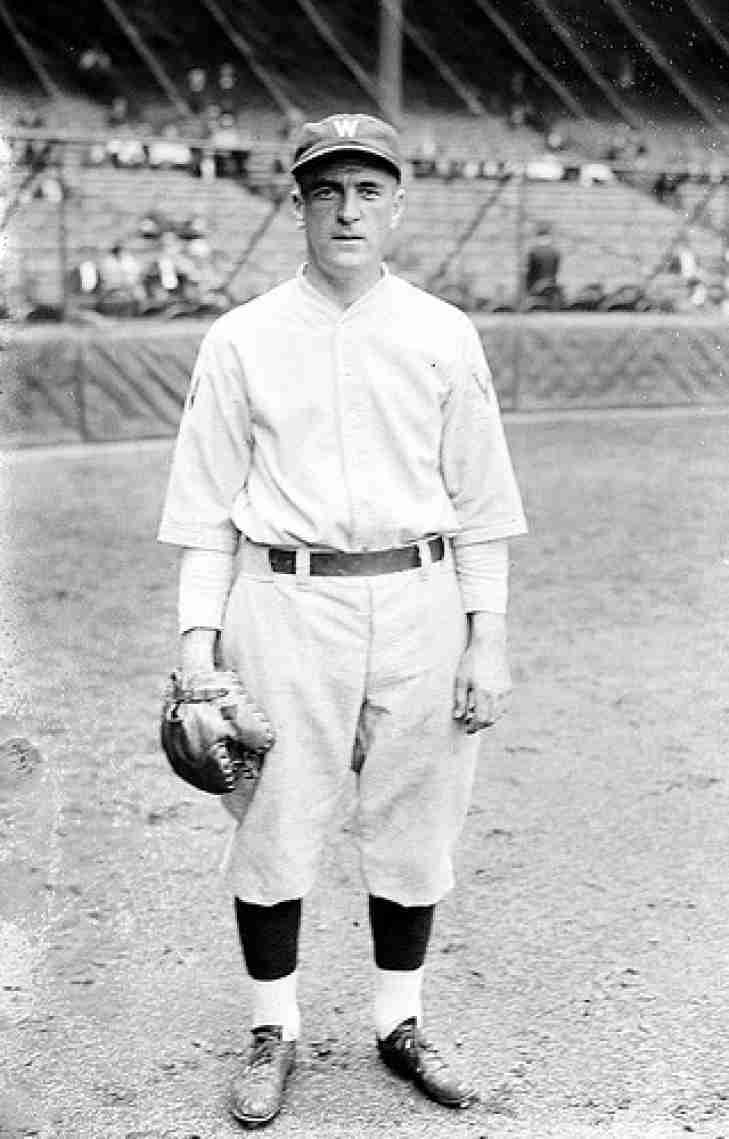
Joe Judge made his debut in Washington in 1915. A 21-year-old left-handed player from Brooklyn, he spent 18 seasons redefining the first baseman role. During a time when the position was often filled by bulky power hitters, he brought a unique mix of speed, precise batting, and defensive skill. Over more than 2,000 games with the Senators, he became a key player, delivering the "freakish consistency" that supported the team's most prosperous decade.
While Judge achieved a historic level of efficiency with nine seasons batting over .300, he was perhaps best known for his defensive skills. Standing only 5'8", he demonstrated mastery at first base, setting American League records for putouts, assists, and double plays that endured for decades. His defensive excellence peaked with five league-leading fielding percentage titles, creating a model of consistency during the "Deadball" era and the transition to the live-ball period.
Judge achieved the height of individual and team success in the 1924 World Series. Although he was a key player during the regular season, batting .324 and helping Washington narrowly beat the Yankees for the pennant, it was in the Fall Classic that his legacy was cemented. He reached a historic level of postseason performance, batting an impressive .385 against the New York Giants and scoring the winning run in the 12th inning of the final Game 7. He proved to be a giant of the series, collecting ten hits and demonstrating the "fighting spirit" that secured the Senators their only world championship.
He played for the team until he was released in 1932. Judge compiled 2,291 hits, 71 home runs, and a .297 batting average with the Senators.
15. Chuck Knoblauch
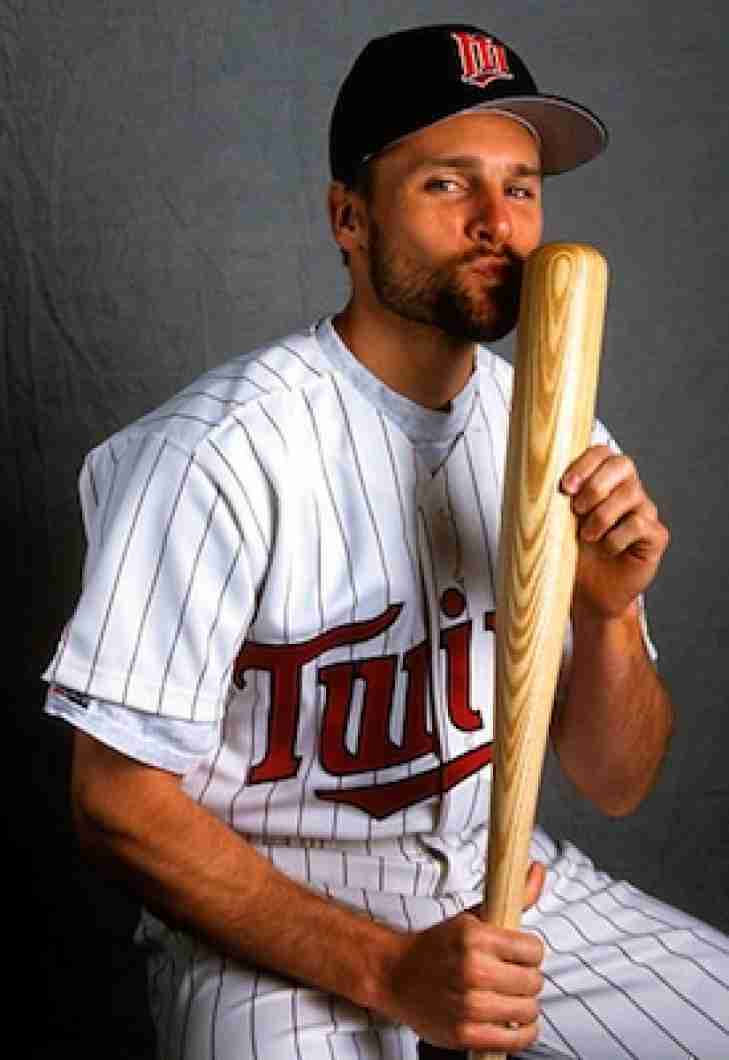
A first-round pick from Texas A&M, Chuck Knoblauch came to Minnesota in 1991, a first-round selection from Texas A&M, who stepped into the Metrodome and immediately acted as the catalyst for the most famous season in franchise history. While his later career in New York would become a case study in the "yips" and defensive decline, his residency in the Twin Cities was a masterpiece of specialized leadoff hitting and gritty, gold-glove caliber defense.
In 1991, Knoblauch achieved a peak rookie season, earning the American League Rookie of the Year Award. He was crucial to the Twins' dramatic turnaround from last place to champions, notably tagging out Lonnie Smith in Game 7 of the World Series on a controversial double-play pivot that prevented the Braves from scoring. During the postseason, he demonstrated excellent strike zone control, hitting .308 in the Fall Classic and securing a world championship in his first professional summer.
Knoblauch peaked between 1994 and 1997, with three seasons batting over .310, including a .341 average in 1996, along with career-high doubles (35) and runs scored (140). He set the Twins' record with 62 stolen bases in 1997 and was a four-time All-Star with a Gold Glove, key to the Twins’ lineup for his speed and discipline.
After expressing frustration with the team's losing record and seeking a change of scenery, the organization finalized a massive trade that sent him to the New York Yankees in exchange for a package of five players, including future All-Star shortstop Cristian Guzmán and starter Eric Milton. While he departed with 1,197 hits and a .304 batting average, his legacy reached a somber final punctuation in 2014. Despite being elected to the Twins Hall of Fame, the organization reached the difficult decision to finalize the cancellation of his induction following a series of domestic violence issues.
17. Firpo Marberry
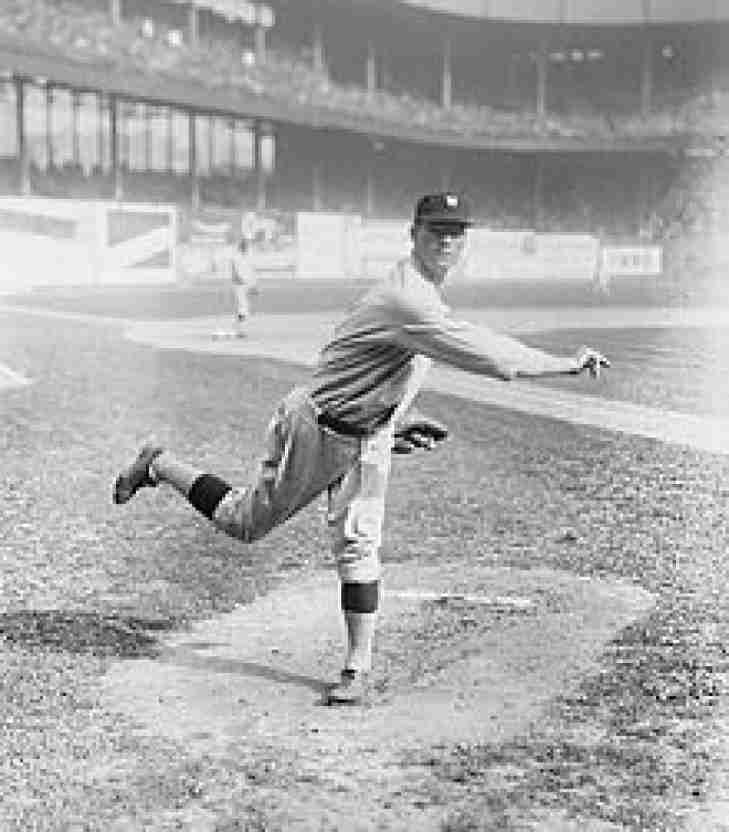
Debuting for the Senators in 1923, a big right-hander from Texas who would become the era’s most revolutionary pitcher. At a time when removing a starter was seen as failure, Marberry's specialized versatility redefined the bullpen’s role. Over ten seasons in Washington, he was the first true "closer" in spirit, offering high-leverage durability that helped the Senators win their only World Series.
In 1924, Marberry achieved a remarkable level of statistical impact that was well ahead of its time. He recorded 15 saves—a retroactive major league record, alongside 14 starts. He led in appearances (50) and games finished (31), becoming the key asset rookie manager Bucky Harris relied on for late-inning relief. His place in Senators history was cemented during the 1924 World Series, where he pitched in four games, earned two saves, and delivered a crucial performance in Game 7 that secured the championship for D.C.
Between 1926 and 1932, he reached a new peak in 1926, breaking his own record with 22 saves and a 3.00 ERA, his lowest. He showed a knack for switching roles, especially in 1929 when he had 19 wins and led the league with 11 saves. During this peak, he led the AL in pitching appearances six times and saves five times, finishing with 94 franchise saves, a record that remained a benchmark for relievers for decades. He played for Washington until he was traded to Detroit after the 1932 season.
Notably (though not recognized at the time), Firpo Marberry would lead the American League in WHIP and led the AL in Saves six times with 94 in total for the team.
8. Sam Rice
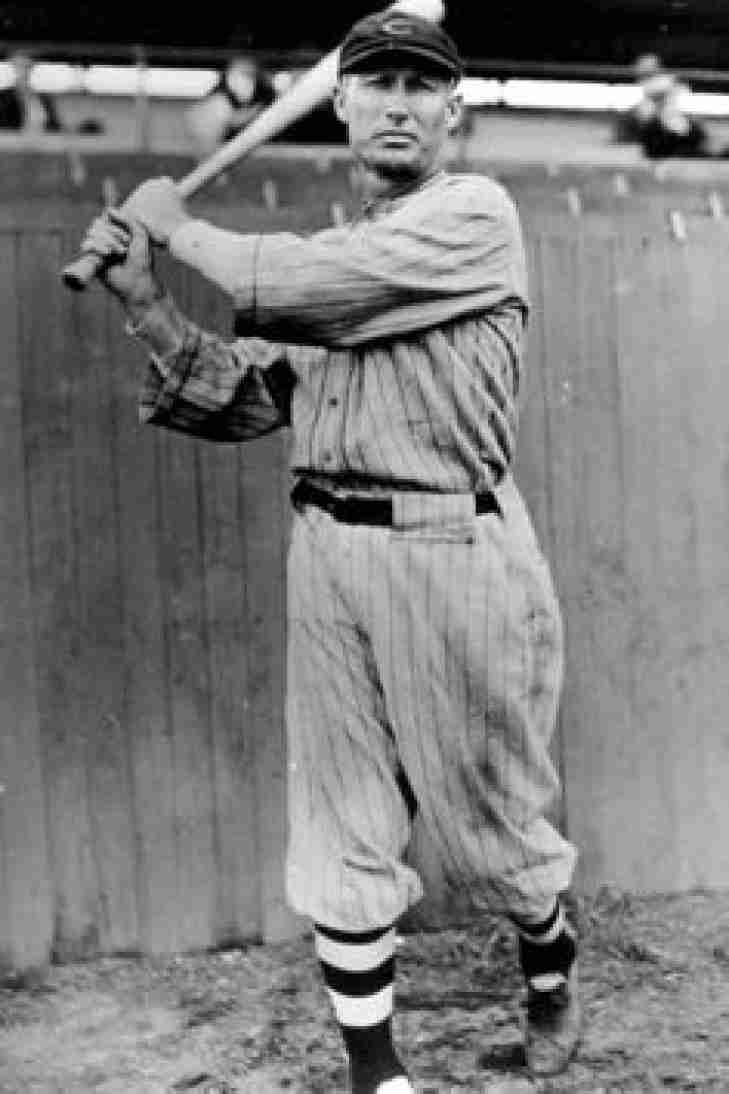
Sam Rice began his MLB career with the Washington Senators in 1915, where he would establish himself as one of the game’s premier table setters, though that took a while to transpire.
Rice started his career as a pitcher but achieved greater success as an outfielder. After serving in the Army during World War I, he demonstrated complete mastery of the leadoff role, leading the league in stolen bases in 1920 with a career-high 63 steals. Between 1924 and 1926, he was highly efficient, leading the American League in hits twice and accumulating 216 hits to help the Senators win their first World Series in 1924. At his peak, he was a strategic force at the plate, known for his difficulty in striking out and his ability to spray the ball across the expansive outfields of that era.
Rice reached a historic milestone in longevity when he entered his 40s, playing a standout season in 1930 that remains unique in baseball history. He showed hitting ability by collecting 207 hits at age 40, making him the only player in the sport's history to surpass 200 hits at that age or older. He ended that season with a .349 batting average, one of 13 seasons in which he hit over .300 for the Senators. His career was marked by his key role in all three of the franchise's World Series appearances, during which he served as the veteran leader of a lineup that frequently challenged the dominance of the New York Yankees.
The Senators released him in early 1934 to make room for younger players. He signed with the Cleveland Indians for his final season, ending just 13 hits shy of 3,000. With the Senators, Rice amassed 2,889 hits, a .323 average, and 346 stolen bases, and he received the call from Cooperstown in 1963.
9. Johan Santana
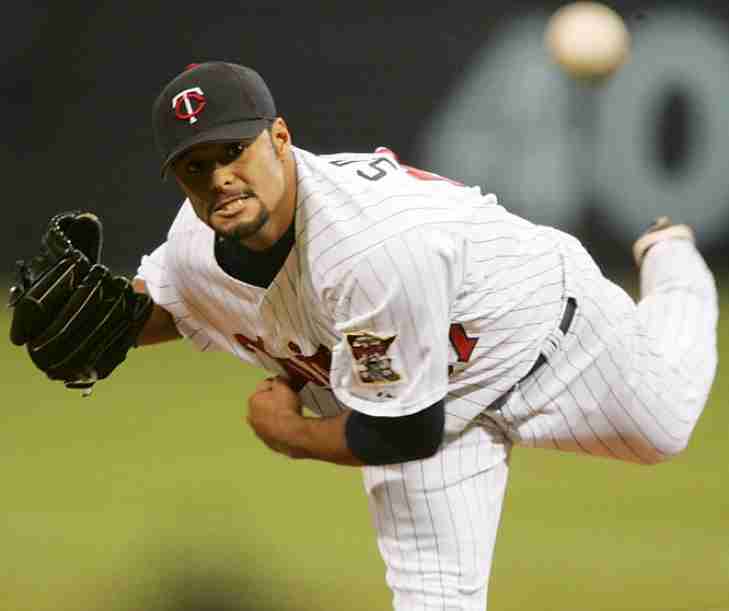
Arriving in Minnesota via the Rule 5 Draft, Johan Santana was a left-hander from Venezuela with a high-velocity fastball and a changeup that many considered the most devastating pitch of the era.
Santana spent his first three years as a mainstay in the bullpen and a spot starter, but everything changed dramatically in the second half of 2004. He delivered an incredible stretch, going 13-0 with a 1.21 ERA after the All-Star break, earning his first Cy Young Award by a unanimous vote. He mastered the league, leading the AL in strikeouts (265), ERA (2.61), and WHIP (0.92). This period proved he was an elite talent capable of shutting down baseball's most dangerous offenses, establishing himself as one of the best in the game.
Santana achieved a historic summit between 2005 and 2006, demonstrating a level of consistency that established him as the most sought-after pitcher in the league. In 2006, he attained the rare Pitching Triple Crown, leading the league in wins (19), ERA (2.77), and strikeouts (245), thus earning his second unanimous Cy Young Award. Although he "only" finished third in the 2005 voting, a result that remains subject to debate among sabermetricians, he demonstrated a relentless capacity to produce swings and misses, leading all Major League Baseball pitchers in strikeouts for three consecutive seasons. During this period of peak performance, he was a master tactician who consistently gave the Minnesota Twins a high probability of victory about every five days.
Before the 2008 season, with free agency looming and the Twins unable to meet his market value, the organization initiated a blockbuster trade, sending him to the New York Mets in exchange for a four-prospect package that included Carlos Gómez. With Minnesota, Santana compiled a 93-44 record, a 3.22 ERA, and 1,381 strikeouts, and in 2018, he took his rightful spot in the Twins Hall of Fame.
