

48. Tom Zachary
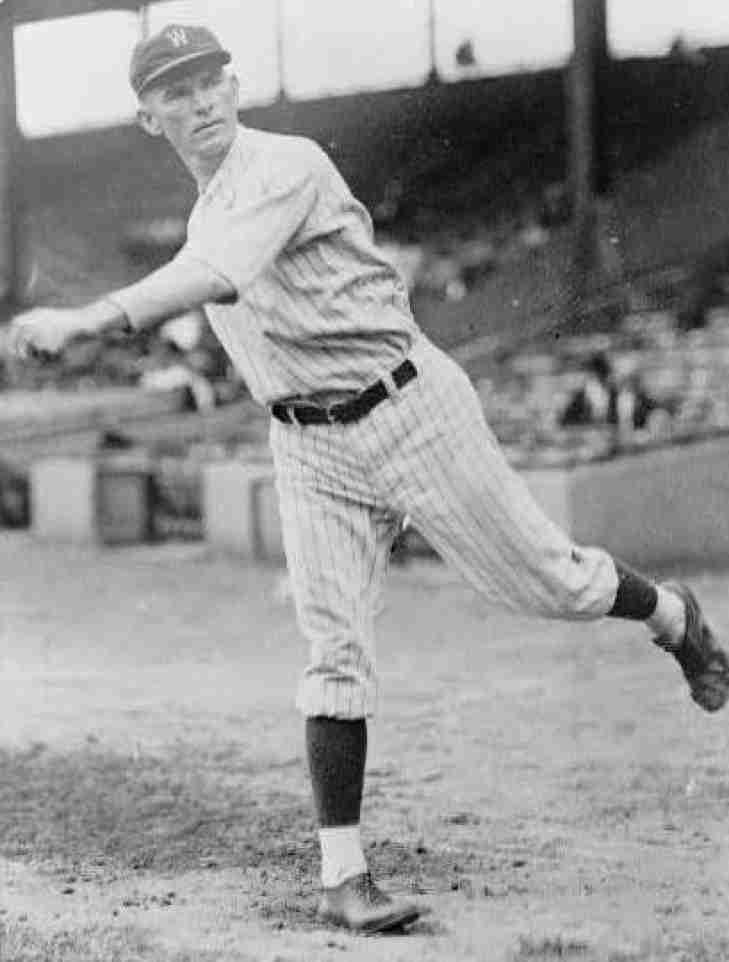
Tom Zachary joined the Washington organization in 1919 after a brief wartime debut with the Philadelphia Athletics under an assumed name to keep his amateur status. The left-handed control artist bypassed the minor leagues and joined the Senators directly. Over two stints, he became a key part of the rotation, facing top hitters with pinpoint accuracy and calm poise that outsmarted opponents.
During the early 1920s, he served as a workhorse for the rotation, posting four 15-win seasons (1920, 1921, 1922, 1924) and frequently crossing 200 innings. His control-first style peaked in the 1924 pennant race, going 15-9 and finishing second in AL ERA (2.76), behind teammate Walter Johnson, showcasing his run prevention.
Zachary cemented his place in franchise history with a stellar performance in the 1924 World Series against the New York Giants. He had a perfect 2-0 record in two Fall Classic starts, allowing just three earned runs over 17 innings. His postseason heroics helped Washington win its first World Series. Although his overall D.C. record was 96-104, often affected by poor run support, his 3.78 ERA as a Senator shows a decade of effectiveness.
47. Earl Battey
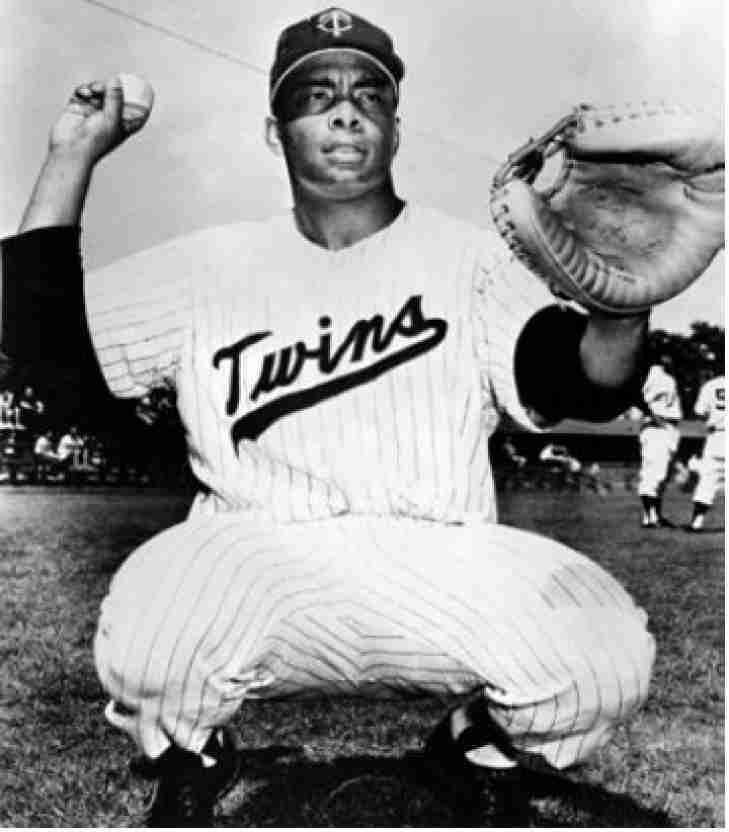
Earl Battey joined the organization in April 1960 through a pivotal, high-leverage trade that sent former home run champion Roy Sievers to the Chicago White Sox in exchange for Battey, Don Mincher, and cash. The Senators’ fans did not see much reason to celebrate Battey's arrival, but that would change soon.
Battey won three straight Gold Glove Awards from 1960 to 1962, becoming the top defensive catcher in the American League. He excelled at controlling the running game, leading catchers in runners caught stealing three times and caught stealing percentage twice, including a remarkable 58.6%. From 1960 to 1963, he led in putouts and assists, showing his durability for the pitching staff.
Battey, known for his glove, reached a historic offensive peak, making him a dual-threat. In 1963, he hit 26 home runs and drove in 84 RBIs. His steady bat and leadership earned four All-Star selections and top-ten MVP finishes in 1960, 1963, and 1965. Over eight seasons, he had 894 hits and 91 home runs, remaining a key hitter despite injuries. Battey was released after the 1967 season.
The Twins rewarded Battey for his service by inducting him into their Hall of Fame in 2004.
37. George Case
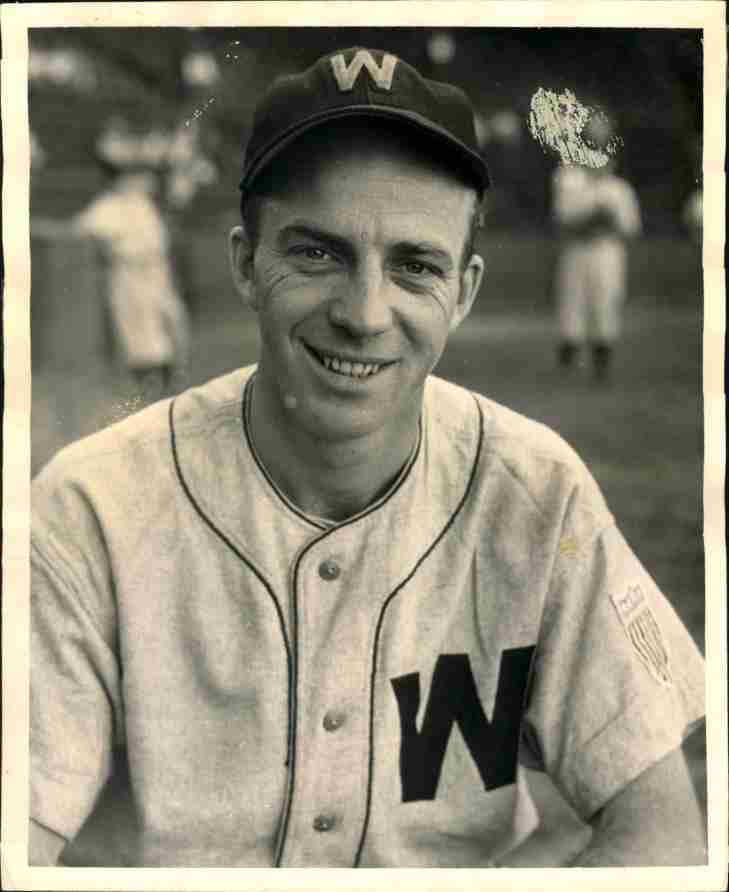
George Case burst into the Washington lineup in 1937, a fleet-footed outfielder who utilized game-breaking speed to become the most disruptive force in the American League. While the era was defined by lumbering power, Case operated as a high-velocity throwback to the "dead ball" style of play, weaponizing his legs to ignite the Senators' offense.
From 1939 to 1943, there was no doubt who the game’s best stealer was. During this high-voltage five-year stretch, Case reached a historic plateau by leading the American League in stolen bases five years in a row. Peaking at 61 in 1943, Case was a master at putting pressure on opposing batteries. He was a professional mainstay at the top of the order who authored four campaigns with over 100 runs scored,
He was selected for the All-Star team three times (1943, 1944, 1946) and recorded three seasons with a batting average over .300. In 1945, his role as a key hitter in the lineup reached a historic level, batting .294 and leading the league in stolen bases for the sixth time. That year marked the height of his MVP consideration, finishing ninth in the voting, and demonstrated how his high-energy style was crucial to a team that narrowly missed the pennant by one game. He was traded to Cleveland after the season, though he returned a year later for one final season.
Case collected 1,306 hits, 321 stolen bases, with a .288 batting average
50. Corey Koskie
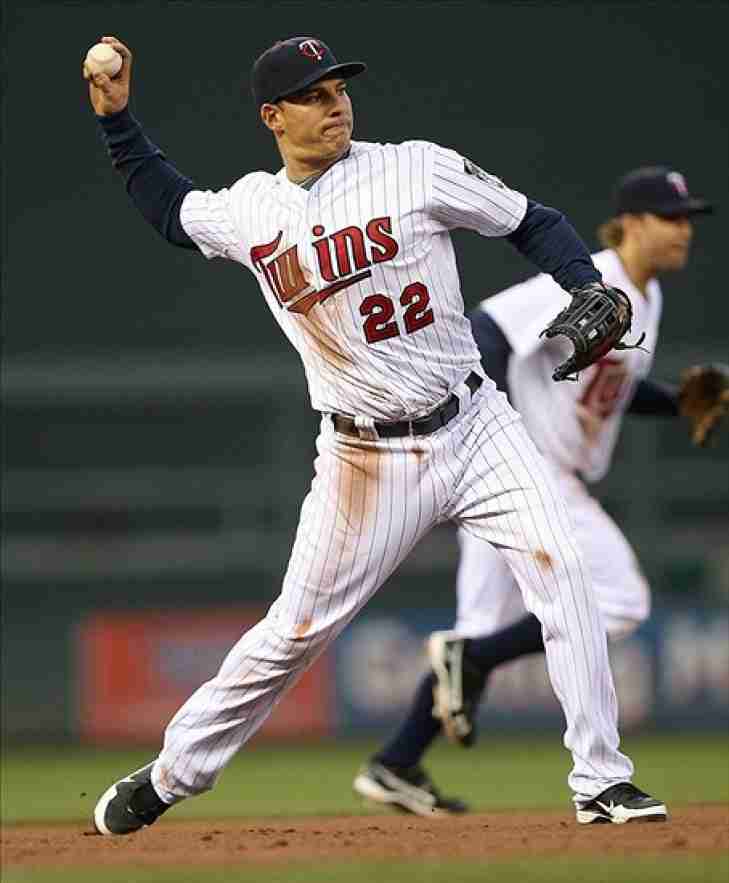
Corey Koskie first broke into the Minnesota lineup in 1998, a versatile and athletic third baseman from Manitoba who quickly established himself as a consistent presence at the hot corner.
His Minnesota tenure was marked by offensive reliability from 2000 to 2003. During this period, Koskie had four consecutive seasons with at least 130 hits, displaying command of the strike zone with a .280/.374/463 slash line. He was a key contributor, especially in 2001 with 26 homers, 103 RBI, and 100 runs scored.
Koskie was a versatile player for the Twins, blending power, speed, and solid defense. He hit 25 home runs in 2001 and 2004, stole bases four times, and consistently anchored third base with soft hands and a strong arm, helping Minnesota win three straight AL Central titles from 2002 to 2004.
After the 2024 season, Koskie signed with the Toronto Blue Jays as a free agent, and years later, he was inducted into the Canadian Baseball Hall of Fame. With Minnesota, Koskie compiled 782 hits, 101 home runs, and a .374 on-base percentage.
49. Roy Smalley
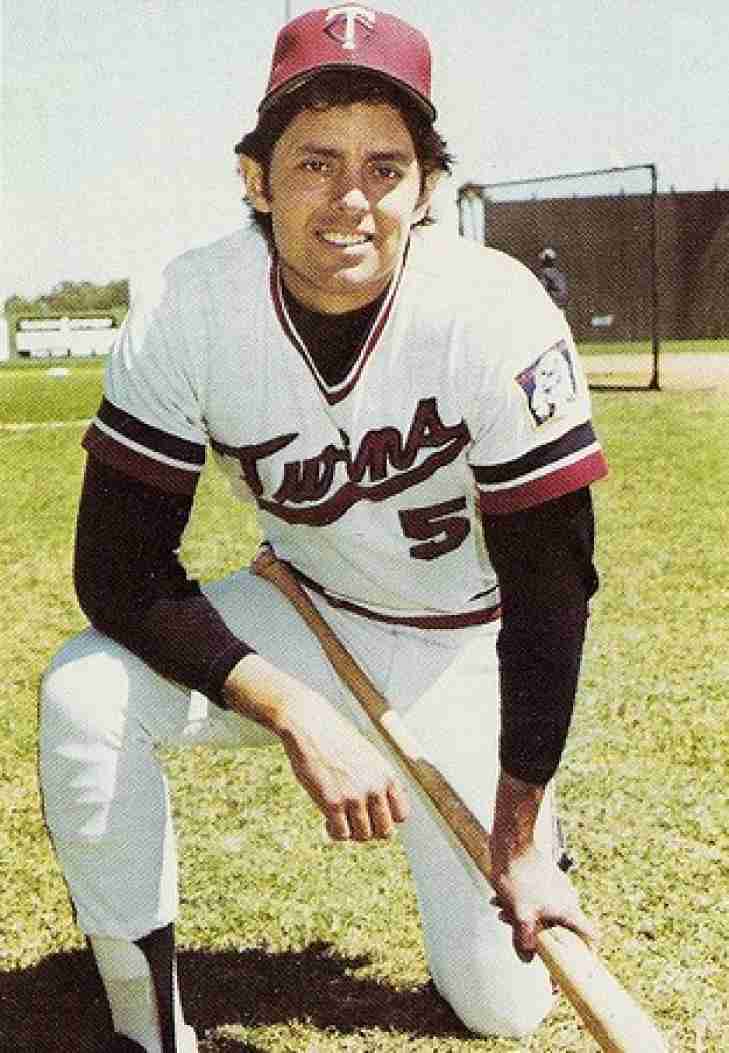
Roy Smalley joined Minnesota in June 1976 as the star signing from a major trade that sent future Hall of Famer Bert Blyleven to the Texas Rangers. The switch-hitting shortstop quickly assumed the starting position, offering a unique combination of power and patience at a role traditionally dominated by pure defenders.
During the 1979 season, he had a standout campaign, earning his first All-Star selection and becoming the top offensive shortstop in the American League. Smalley achieved career highs with 168 hits, 24 home runs, 95 RBIs, and 100 runs scored. He demonstrated excellent strike zone control, leading the league in games played and plate appearances, and finishing eleventh in AL MVP voting.
Smalley was a key player who held the shortstop role in Minnesota for six seasons, showcasing durability by logging extensive games before a 1982 trade to the Yankees. His return to the Twins in 1985 via a trade from the White Sox marked a vital second chapter, during which he served as a versatile infielder and designated hitter, providing veteran stability to a young team.
Smalley retired after the 1987 season and would overall contribute 1,046 hits, 110 home runs, while batting .262.
45. Jim Shaw
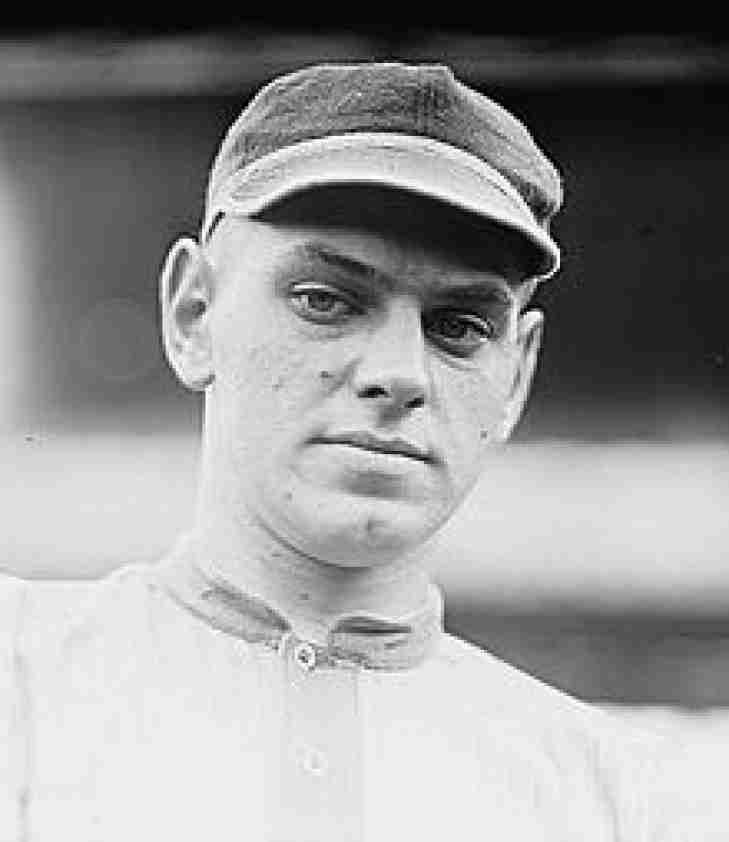
Jim Shaw debuted at National Park in 1913 as a durable right-hander who spent his entire nine-year MLB career with Washington. Playing under Walter Johnson's shadow, Shaw was a key workhorse for the Senators during the late dead-ball era. Although often under-supported, resulting in an 84-98 record, he was a highly effective frontline pitcher known for his heavy workload and intense style, earning respect across the American League.
Shaw’s tenure was marked by a max-effort style that gave him a distinctive reputation. He vocalized his exertion on the mound, earning the nickname "Grunting Jim" for groaning with each delivery. This high-intensity approach led to excellent results, with a fastball that ranked in the top ten in strikeouts in 1914, 1916, 1917, and 1919, confusing hitters with his velocity and volume.
In 1919, Shaw’s campaign was the main driver of Washington's rotation. He led the American League in innings(306.2) and starts (37), with 17 wins and a 2.64 ERA. A reliable mainstay, he provided depth, pitching over 240 innings in four seasons and proving he could handle a frontline role when needed.
Following the 1921 season, when arm fatigue began to take its toll, his nine-year run as a "Lifer" for the original franchise came to an end.
42. Roy Sievers
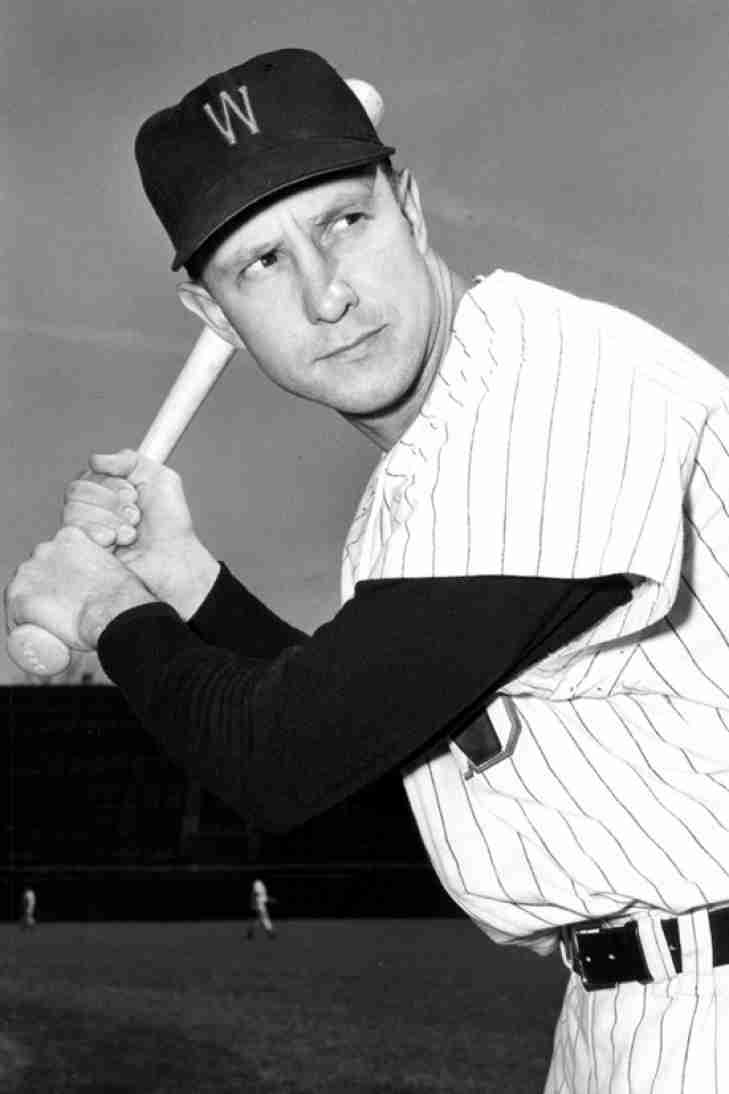
Roy Sievers arrived in Washington in February 1954 via a trade with the Baltimore Orioles, who had recently moved from St. Louis, in exchange for outfielder Gil Coan. The Orioles thought Sievers' arm was worn out after several injury-ridden seasons, but the change of environment turned out to be a pivotal moment in his career. Playing for the consistently struggling Senators during the 1950s, he became the team's main offensive weapon, competing with the league's top sluggers even though he spent half his games in the large Griffith Stadium.
Senators manager Bucky Harris inserted Sievers into the lineup despite his throwing limitations, and he responded by becoming a key power hitter in the team's middle order. He quickly established himself as a top power threat in the American League, recording five straight seasons with at least 95 RBIs and making the top five in home runs in the league three times.
In 1957, Sievers captured the American League Home Run title (42) and the RBI crown (114) while leading the league in total bases and extra-base hits. His ability to carry the Washington offense earned him a third-place finish in the AL MVP voting, trailing only Mickey Mantle and Ted Williams in one of the most competitive races of the decade. After the 1959 season, Sievers was dealt to the Chicago White Sox.
Throughout his six-season tenure with the original Senators, Sievers was named to three All-Star teams (1956, 1957, and 1959) and smashed 180 home runs alongside 823 hits.
44. Brian Dozier
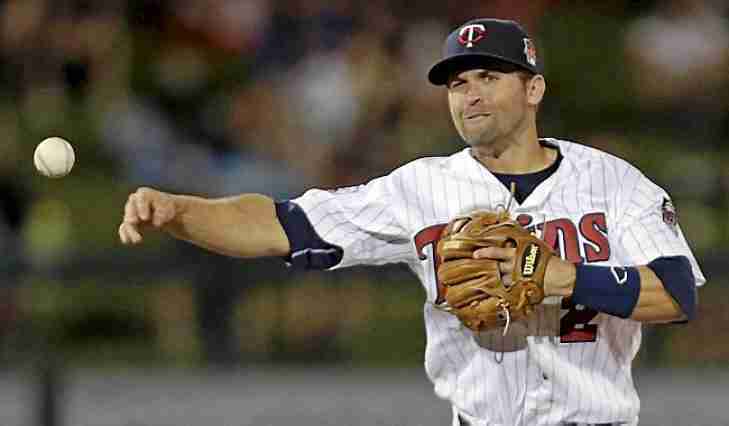
Playing his college ball at Southern Mississippi, Brian Dozier debuted in 2012 as a hard-nosed infielder who would completely redefine the power dynamic at second base for Minnesota. While historically the position was reserved for slap hitters and table-setters, Dozier operated as a true middle-of-the-order threat with an elite pull-side stroke.
Dozier broke out during his 2015 All-Star campaign, hitting 28 home runs and establishing himself as a top run-producer. In 2016, he reached a career Peak, hitting 42 home runs that set the American League record for a primary second baseman. He combined power with a sharp eye and speed, earning AL MVP votes from 2015 to 2017 and showing his ability to lead a lineup.
Dozier was a versatile athlete who impacted the game in multiple ways. He excelled on the basepaths and at the plate, finishing in the top ten in Power-Speed five times and in the top five in runs scored three times. His glove work matched his offensive value; he earned the Wilson Defensive Player award in 2013 and won an American League Gold Glove in 2017.
In July 2018, the rebuilding Twins traded Dozier to the Los Angeles Dodgers in exchange for Logan Forsythe and prospects Devin Smeltzer and Luke Raley. With Minnesota, Dozier had 928 Hits, 167 of which were Home Runs.
40. Zoilo Versalles
Zoilo Versalles first wore the Washington uniform in 1959 at age nineteen. Hailing from Havana, he was a lean, explosive talent who soon became the team's defensive cornerstone as it shifted to the Upper Midwest. Nicknamed "Zorro," he was the infield's high-energy heartbeat, leaving a statistical mark characterized by a remarkable peak that surpassed most shortstops of the 1960s.
Let’s look at that 1965 AL MVP, where Zorro might be one of the most unlikely MVPs in league history.
That year, Versalles led the American League in bWAR (7.2), runs scored (126), doubles (45), and triples (12). He showcased total command of the diamond, earning his second Gold Glove and leading the Twins to their first pennant in Minnesota. It was an incredible year for Versalles, whose claim for that year’s MVP was solid.
Versalles’ time in the Twin Cities was characterized by a notable statistical anomaly: his performance outside the 1965 peak was significantly different. Although he was a regular player from 1961 to 1967, his offensive productivity was often limited, as shown by his .296 on-base percentage in Minnesota. In 1965, he achieved a remarkable milestone that represented nearly half of his overall impact with the team, but he struggled to replicate that MVP-caliber performance in subsequent seasons. He was a dynamic player who could influence a game with his glove and speed, but his batting fluctuated.
He was traded to the Los Angeles Dodgers after the 1967 season, leaving behind 1,164 hits.
Versalles’s position may seem very low, especially for a former MVP, but the overall look at his numbers necessitates his place here.
The Twins inducted Versalles into their Hall of Fame in 2006.
39. Rick Aguilera
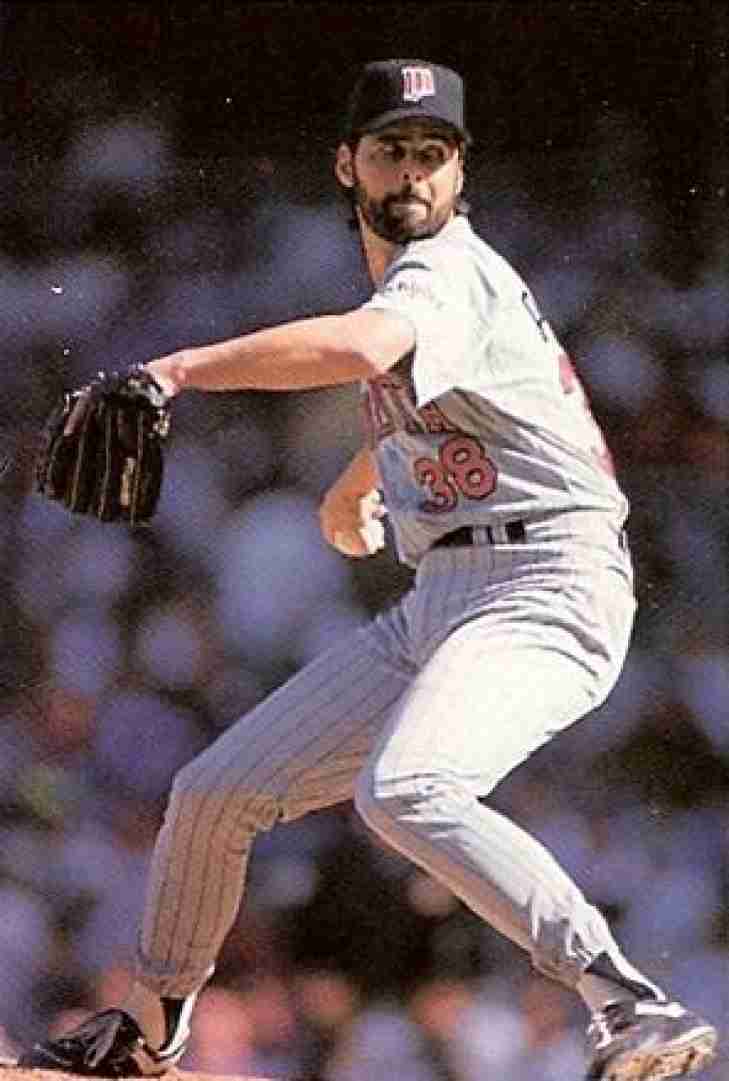
Rick Aguilera arrived in the Twin Cities in July 1989 as a primary piece of the blockbuster trade that sent Frank Viola to the New York Mets. Initially, Aguilera operated as a professional mainstay in the rotation, fulfilling his wish to remain a starter for the final 11 games of that season. However, the organization recognized a high-leverage potential in his electric stuff, transitioning him to the bullpen in 1990—a move that would fundamentally alter the franchise's trajectory and secure his place as a Minnesota legend.
After becoming the full-time closer in 1990, he demonstrated exceptional efficiency by recording 32 saves, showcasing a strategic coaching decision. His performance peaked even further in 1991, when he tied the franchise record with 42 saves and secured his first of three straight All-Star selections.
Aguilera’s legendary status peaked during the 1991 World Series. As a dominant pitcher, he recorded three saves in the ALCS and closed Game 1 of the Fall Classic. He also made history in Game 3 when, in the top of the 12th inning, he was brought in as a pinch-hitter with the bases loaded—marking the first pitcher to do so in a World Series since Don Drysdale in 1965.
In 1995, Aguila was traded to the Red Sox during the season; he returned as a free agent in 1996 and initially re-entered the rotation as a veteran starter. After one season back in the rotation, where he recorded eight wins, he returned to his hallmark closer role for his final years in the Twin Cities, continuing to pile up saves until a mid-season trade to the Chicago Cubs in 1999.
As a Twin, Aguilera posted a 40-47 record and 254 saves. He was inducted into the Twins Hall of Fame in 2008.
41. George McBride
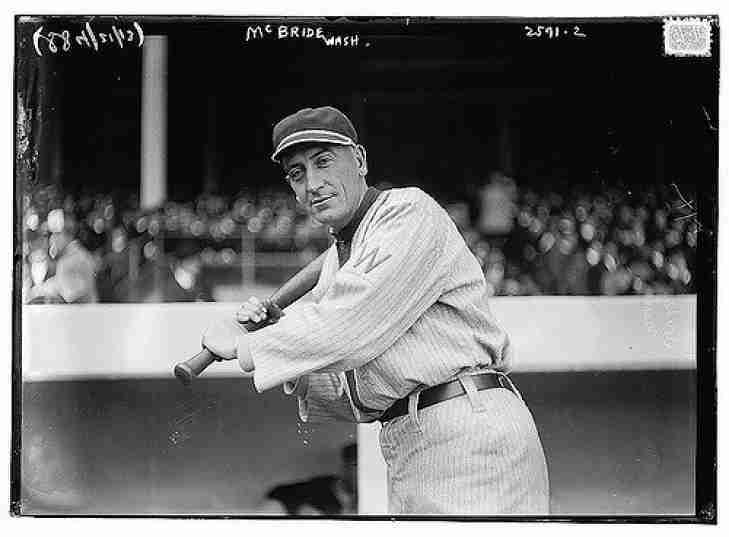
George McBride assumed the shortstop role in Washington in 1908, serving as a reliable player who spent over ten years anchoring the infield behind Walter Johnson. During an era characterized by rugged field conditions and a focus on small-ball, McBride was a top-tier defensive mainstay.
McBride's tenure was marked by a defensive run nearly historic in magnitude. Well before modern analytics could quantify it, he excelled on the field, leading the American League in Defensive bWAR four times. He recorded seven seasons with a Defensive bWAR over 2.0, including two outstanding seasons surpassing the 3.0 threshold. His positioning and range earned such respect that he remains 25th all-time in career Defensive bWAR in Major League history, a clear sign of a player who turned run prevention into an exact science.
Conversely, McBride was a non-threat at the plate. He was a textbook "good glove, no hit" player, never batting higher than .235 in any season during his entire time in Washington. Yet his defensive value was so immense that the league couldn't ignore him; he received MVP votes for four consecutive years from 1911 to 1914, peaking with a fourth-place finish in 1912.
McBride played less frequently from 1917 to 1920, playing in fewer than 20 games in the last three seasons. As a Senator, McBride compiled 1,114 hits, a .219 batting average, and an elite 23.3 Defensive bWAR.
27. Eddie Yost
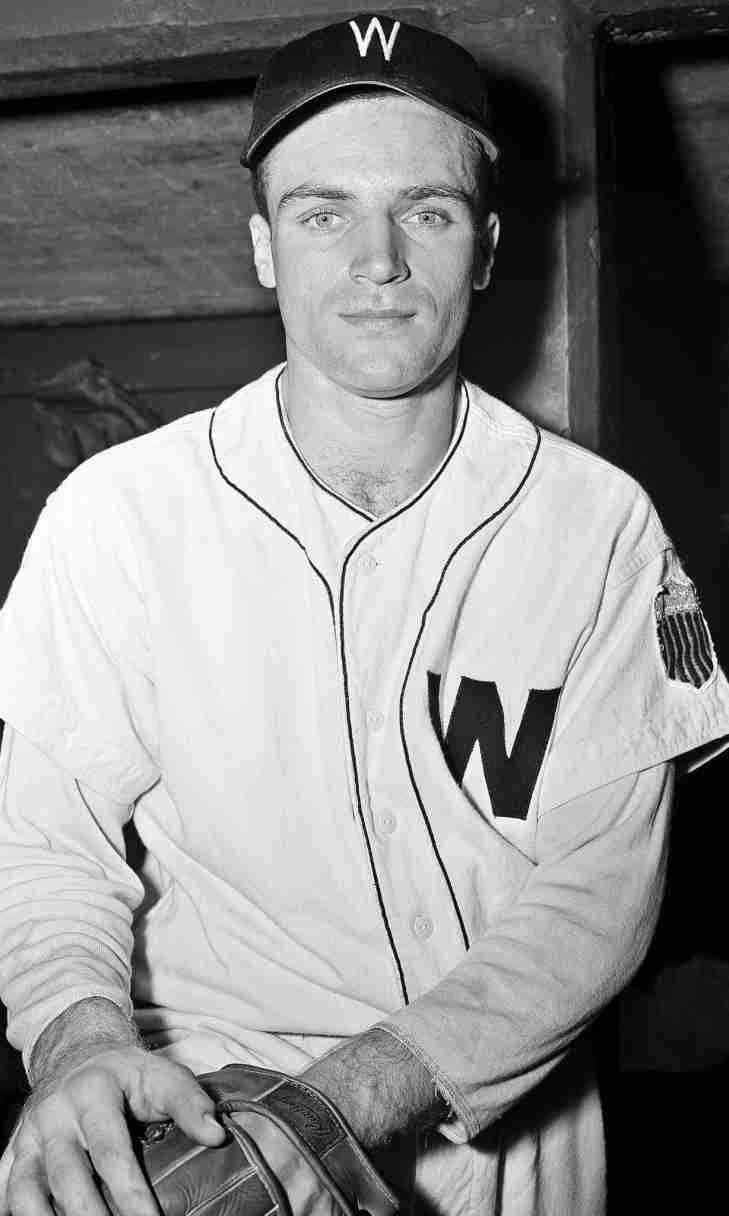
Eddie Yost first appeared in a Washington uniform in 1944 as a seventeen-year-old, a right-handed-hitting third baseman whose patient approach at the plate earned him the enduring title of "The Walking Man." While he lacked the high-voltage power of some of his contemporaries, he operated as one of the most disciplined hitters in the history of the sport.
Yost reached peak plate discipline during his Washington residency, leading the American League in walks four times (1950, 1952, 1953, 1956). He demonstrated complete strike zone control, surpassing 100 walks in eight seasons. Though he didn't win an OBP title until his Detroit tenure, he posted an OBP over .400 six times in D.C. During the 1950s, he was as reliable as it came, recording over 1,500 hits in a Senators uniform and serving as a steady-handed anchor at the hot corner.
Yost was traded to the Detroit Tigers after the 1958 season. Yost compiled 1,521 hits, 1,614 walks, 121 home runs, and a .394 on-base percentage in Washington.
43. Dave Goltz
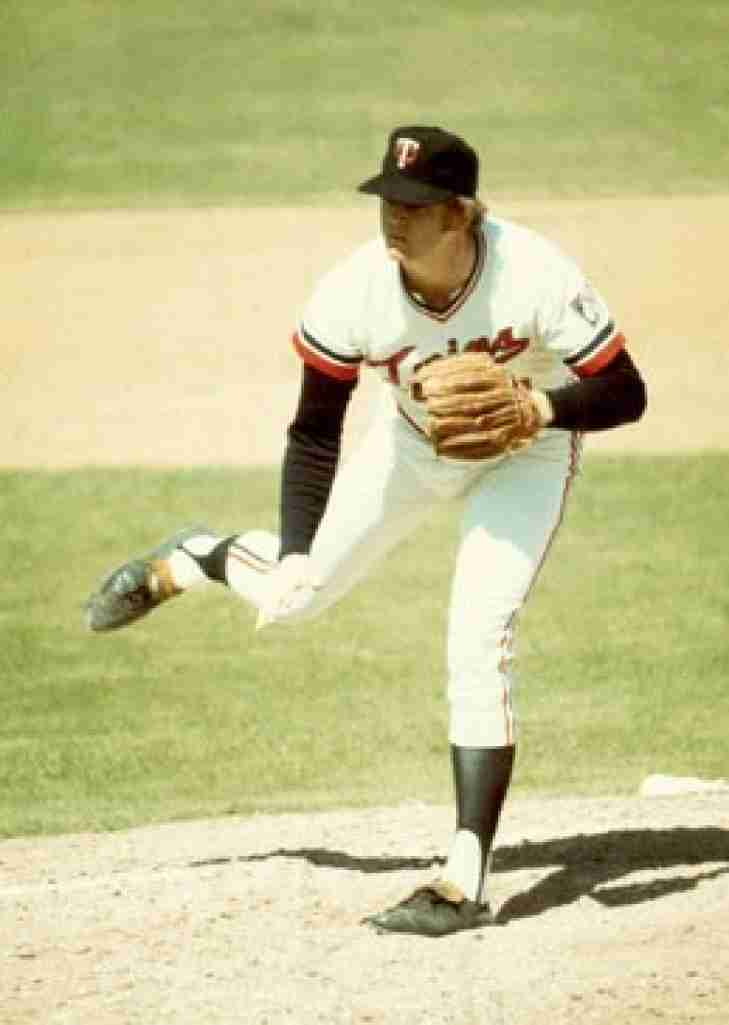
Dave Goltz first joined the Minnesota rotation in 1972, a steady and durable right-hander from Pelican Rapids, Minnesota, who achieved the rare dream of pitching for his hometown team.
His defining Minnesota moment was 1977, when Goltz debuted as a durable starter, going 39 games with a 20-11 record and 3.36 ERA. His leadership earned sixth in AL Cy Young voting. Goltz was more than a one-year wonder; his value came from consistently giving the Twins a strong chance to win. He ranked in the top five in bWAR for pitchers in 1977 and 1978, using a sinker and command to handle tough lineups. He had four straight seasons with at least 14 wins, finishing with 96 victories before testing free agency.
Goltz became a free agent after the 1979 season and elected to join the Los Angeles Dodgers. Overall, he had a Twins record of 96-79 with an ERA of 3.48.
35. Joe Nathan
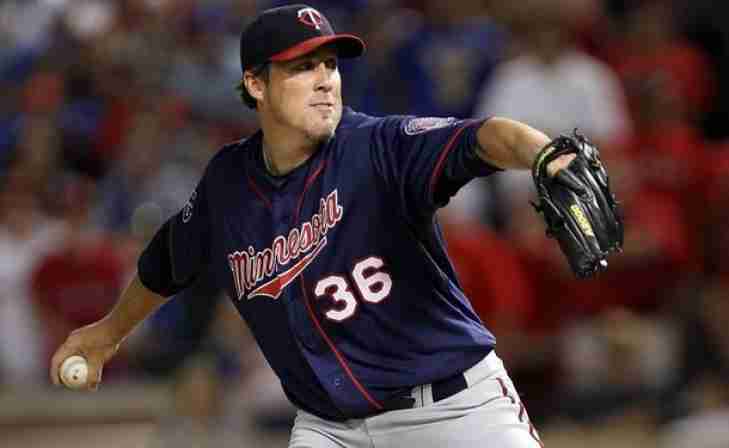
Joe Nathan came to Minnesota in 2004 through a franchise-changing trade with San Francisco, evolving from a dependable setup man into the franchise’s most dominant closer. Although he demonstrated potential in the National League, he truly maximized his abilities in the Twin Cities, where his fastball that topped the radar and sharp slider often sealed Minnesota's wins.
Nathan quickly demonstrated his capabilities during his inaugural season as a Twin in 2004, achieving 44 saves and securing a fourth-place position in the Cy Young Award voting. This accomplishment was not merely a one-time achievement; he subsequently maintained a consistent performance over six successive seasons, each with at least 35 saves. Such a sustained level of excellence established him as a mainstay in the bullpen of the Twins. Throughout this period of peak performance, he attained the highest level of individual recognition by being selected for the All-Star team four times (2004, 2005, 2008, 2009) and finishing fifth in the Cy Young Award voting in 2006.
He showed total command of the strike zone, with a 0.956 WHIP while with Minnesota. His baserunner prevention made him a key high-leverage pitcher, helping the Twins win multiple division titles. He left the team as a free agent for Texas, leaving behind 260 saves and a 2.16 ERA.
Nathan was inducted into the Twins Hall of Fame in 2019.
34. Torii Hunter
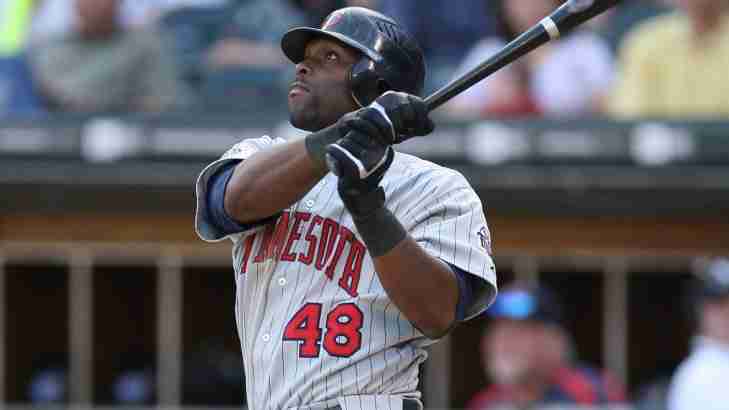
Torii Hunter arrived in the Twin Cities in the late 1990s, a charismatic and high-energy center fielder who would eventually become the face of a new era of Minnesota baseball. While he was a dual-threat player with significant "pop" in his bat, he was best known as a defensive dynamo whose acrobatic catches in the outfield gaps defined the "Soul Patrol" of the early 2000s.
He proudly earned seven consecutive Gold Glove Awards with the Minnesota Twins from 2001 to 2007, showcasing his mastery in center field. One of his most memorable moments happened during the 2002 All-Star Game, where he made a breathtaking catch by robbing Barry Bonds of a home run—a play so incredible that Bonds humorously lifted Hunter over his shoulder in mid-air. As a dependable and exceptional player, he made the spectacular look effortless and earned the nickname "Spider-Man" for his remarkable ability to scale the outfield walls.
Hunter's skills extended beyond defense, reaching an offensive peak as a key run-producer for the Twins. A two-time All-Star (2002, 2007), he was central to the lineup that won four American League Central titles in his initial tenure. He hit 20+ home runs in seven seasons with Minnesota, ending his career with 214 homers and 128 stolen bases for the team.
Hunter left the Twins for the Los Angeles Angels via free agency after the 2007 season, but returned in 2015 for one final season. The following year, he was chosen for the organization’s Hall of Fame.
26. Ossie Bluege
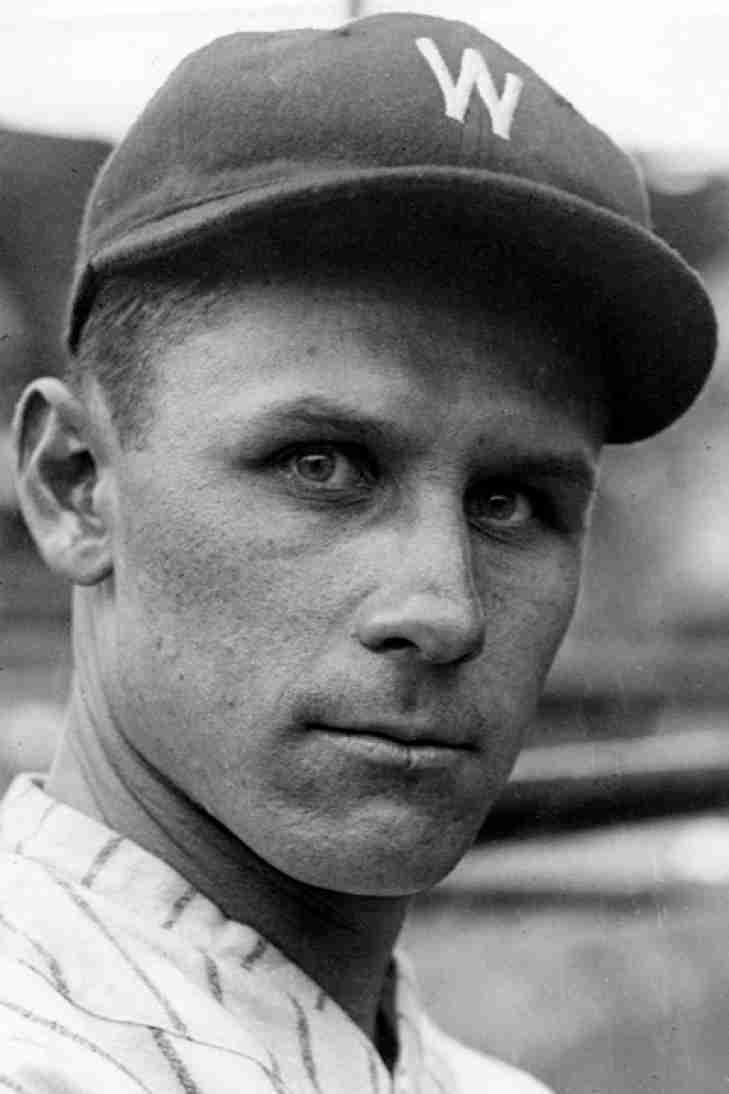
Ossie Bluege first stepped onto the Griffith Stadium diamond in 1922, a defensive wizard who would spend his entire eighteen-season playing career in the nation's capital. While he was never considered an elite offensive force, he provided steady, consistent play that resulted in 1,751 hits over nearly two decades. He was the premier defensive third baseman of his era, establishing a residency at the "hot corner" so dominant that he likely would have captured numerous Gold Gloves had the honor existed during his tenure.
Bluege was a key part of the 1924 World Series-winning team, offering strong defense and quiet leadership to secure the city’s only baseball title. He achieved durability, playing over 100 games in 13 seasons. Though valued for his defensive runs saved, he was also a consistent hitter, batting .272, showing his lineup presence was due to more than just his glove.
Bluege played with the team until 1939 before managing the Senators for five seasons, reaching a peak in 1945 with a second-place finish and an 87-67 record. His legacy also includes discovering and signing Harmon Killebrew as a scout and executive.
31. Gary Gaetti
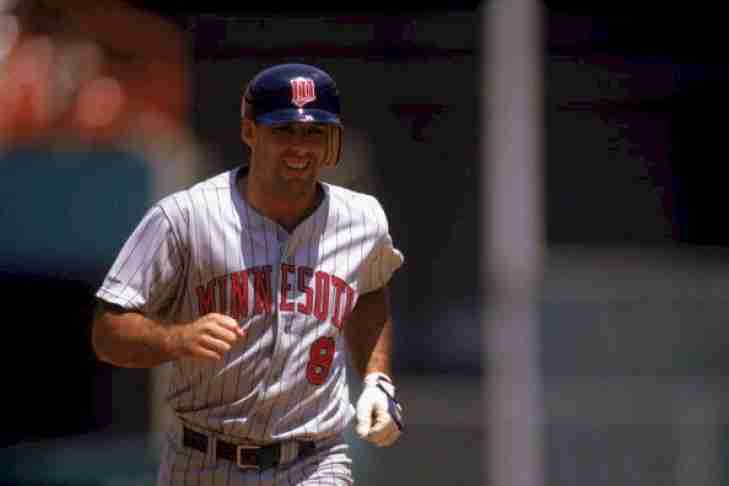
Gary Gaetti first made his mark in Minnesota in 1981, a high-intensity third baseman who became a cornerstone of the Metrodome era.
During the legendary 1987 championship run, he made a lasting impact on franchise history. In the American League Championship Series against Detroit, he hit home runs in his first two at-bats, earning him the ALCS MVP award. This electrifying start helped the Twins secure their first World Series title since relocating to Minnesota. A consistent professional, he achieved 20 home runs in six seasons for the team, demonstrating that his power at bat was as dependable as his defensive skills.
Beyond his offensive power, Gaetti reached a peak of defensive mastery in the mid-1980s. He demonstrated remarkable consistency by winning four straight Gold Glove Awards from 1986 to 1989. He displayed complete control of the infield, finishing in the top ten of MVP voting twice (1986 and 1988) and earning two All-Star selections. He left the organization with 201 home runs, a record that still stands at the top of the franchise’s all-time list for third basemen.
Gaetti played with Minnesota until he left for the Angels in free agency after the 1990 season. The Twins inducted Gaetti into their Hall of Fame in 2008.
29. Justin Morneau
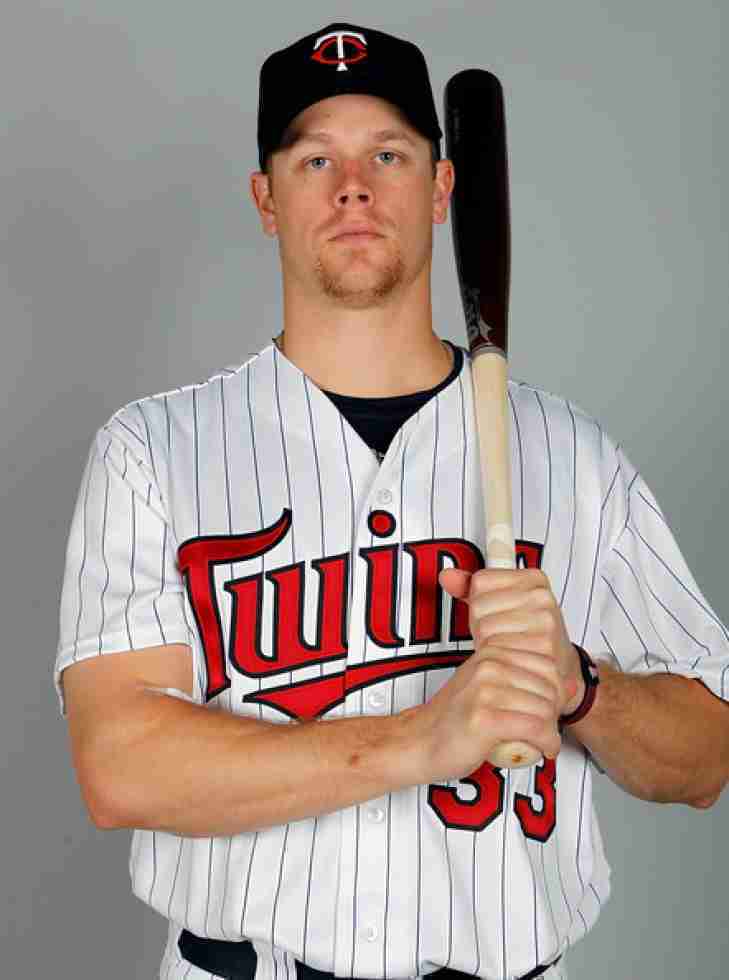
Justin Morneau took his first swings for Minnesota in 2002, a powerful left-handed first baseman from British Columbia who became a central figure in the franchise’s most successful era of the new millennium. Alongside Joe Mauer and Johan Santana, he formed a "Big Three" that kept the Twins at the summit of the American League Central for much of the 2000s.
Morneau made his debut for the Twins in 2002 and became their primary First Baseman by 2004. His career was marked by an exceptional offensive performance that peaked in 2006, a season in which he hit .321 with 34 home runs and 130 RBIs. His clutch ability to produce RBIs in critical moments earned him the American League MVP award, making him the first Twin to achieve this honor in over three decades. He continued to excel in 2008, finishing as the MVP runner-up, demonstrating that his power was a key element of a championship-quality team.
Between 2005 and 2008, Morneau was the picture of consistency, posting a four-year run in which he reached 100 RBIs every season, belted at least 23 home runs, and maintained a slugging percentage of .490 or higher. This sustained excellence earned him four consecutive All-Star selections, during which he also won the 2008 Home Run Derby.
As Morneau declined from 2011 on, he became expendable, and the then-struggling Twins traded him to Pittsburgh during the 2012 Season. With Minnesota, Morneau batted .278 with 1,318 Hits and 221 Home Runs.
Morneau entered the Twins Hall of Fame in 2020.
30. Cesar Tovar
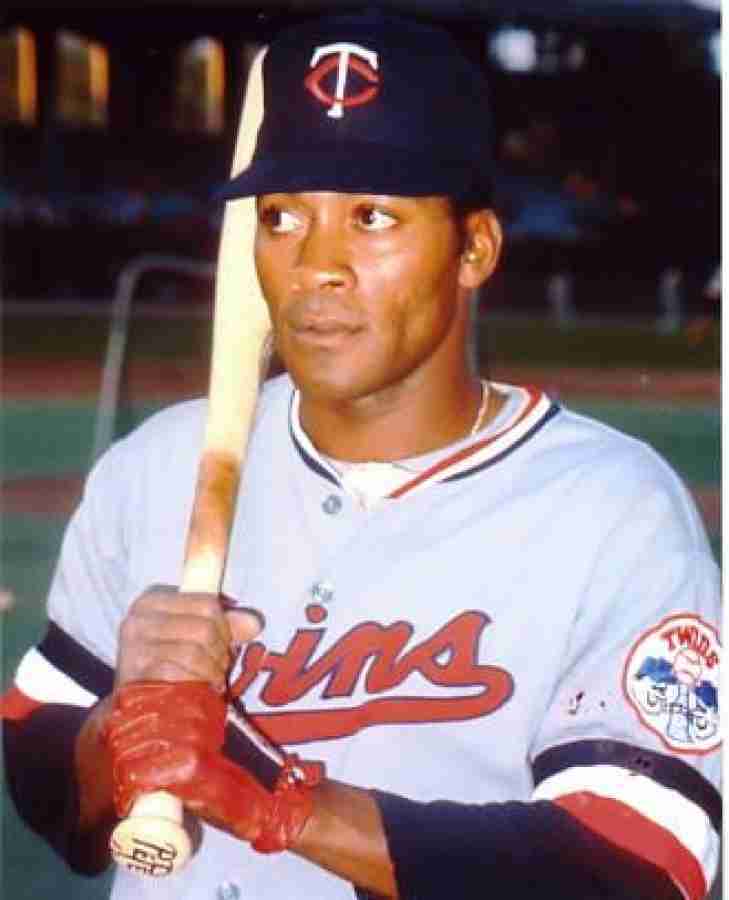
Cesar Tovar emerged as the ultimate Swiss Army knife for Minnesota in 1965, a high-energy talent from Venezuela who redefined positional flexibility. Although he lacked a single defensive home, he served as the spark plug for the great Twins teams of the late 1960s and early 1970s.
On September 22, 1968, he became only the second MLB player to play all nine positions in one game, showcasing his versatility. He contributed to the Twins’ division titles in 1969 and 1970. Tovar achieved a historic offensive streak, with at least 150 hits annually from 1967 to 1971. His peak was 1971, when he led the American League with 204 hits and in triples. Despite being a consistent lead-off hitter and receiving MVP votes for five years, he was never an All-Star, an unusual omission in franchise history.
Following the 1972 season, Tovar was traded to the Philadelphia Phillies. His legacy within the organization was finalized in 2022 when he was inducted into the Minnesota Twins Hall of Fame. With Minnesota, Tovar batted .281 with 1,164 Hits and 186 Stolen Bases,
38. Heinie Manush
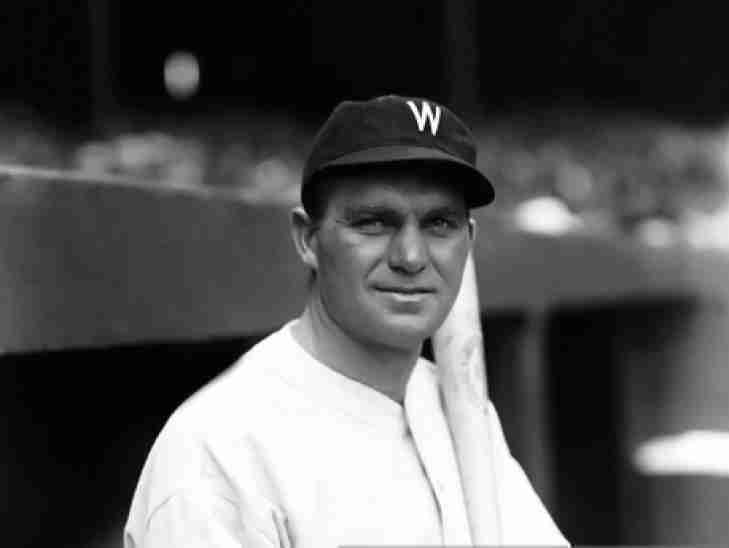
Heinie Manush joined the organization in June 1930 via a rare, high-leverage trade that saw the Senators send future Hall of Famer Goose Goslin to the St. Louis Browns in exchange for Manush and pitcher Alvin "General" Crowder. He arrived in the capital already recognized as one of the game's elite contact hitters, and he promptly occupied the peak of his fame as the offensive engine for the club.
Manush was a powerhouse player during the 1932 and 1933 seasons. He placed third in MVP voting for two consecutive years and consistently exploited gaps at Griffith Stadium, notably achieving a 33-game hitting streak in 1933. That year, he hit a historic peak by leading the American League in hits with 221 and triples with 17, delivering an outstanding season that helped Washington secure its last American League Pennant.
Although he never won a batting title while in the capital as he had in Detroit in 1026, Manush achieved a level of consistency that confirmed his status as an elite hitter. He finished in the top five of the batting race three times as a Senator, notably in 1933 when his .336 average was only behind Jimmie Foxx. He was a key part of the lineup facing the Giants in the 1933 World Series, but he became notorious in Game 4 when he was ejected for jokingly—and then forcefully—pulling on an umpire's bowtie.
His stay in D.C. ended in January 1936, when the Senators traded their star outfielder to the Red Sox in exchange for Roy Johnson and Carl Reynolds. His legacy was finalized in 1964 when he reached a new plateau of recognition as an inductee into the Baseball Hall of Fame.
Manush had 1,061 Hits with Washington with a .328 Batting Average.
