

237. Davey Lopes
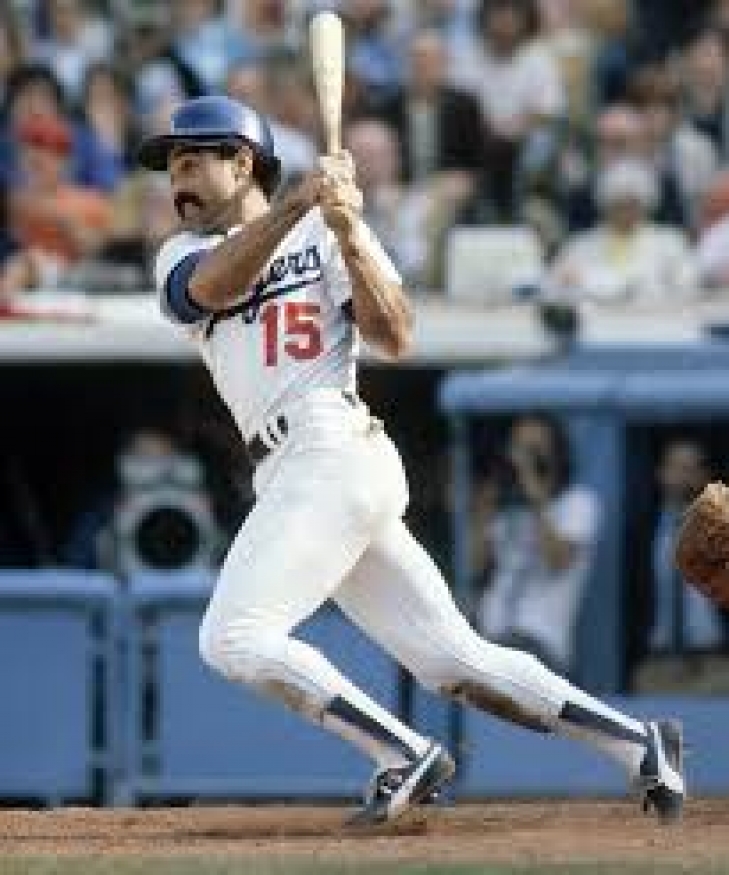
Davey Lopes made his first appearance in the Majors with the Los Angeles Dodgers in 1972, where the Second Baseman would quietly showcase himself as one of the better infielders of the decade.
Lopes and the Dodgers were a team on the rise, and he helped them reach the Fall Classic twice in the 70s. From 1973 to 1979, the speedster had at least 36 Stolen Bases, leading the National League in that statistic in '75 and '76. In 1978, Lopes was named to the All-Star Team and would be again the next three seasons. While Lopes was not considered a power hitter, he had 28 Home Runs in 1979, with seven other 10-plus-year seasons. The culmination of that four-year run of All-Stars saw Lopes help Los Angeles win the 1981 World Series.
After the '81 World Series win, he entered journeyman status, was traded to Oakland, and later played for the Cubs and Houston before retiring in 1987. Lopes left the game with 1,671 Hits, 155 Home Runs, and 557 Stolen Bases.
Lopes would later become a successful Coach, winning a World Series Ring with the Philadelphia Phillies in 2008.
240. Pedro Guerrero
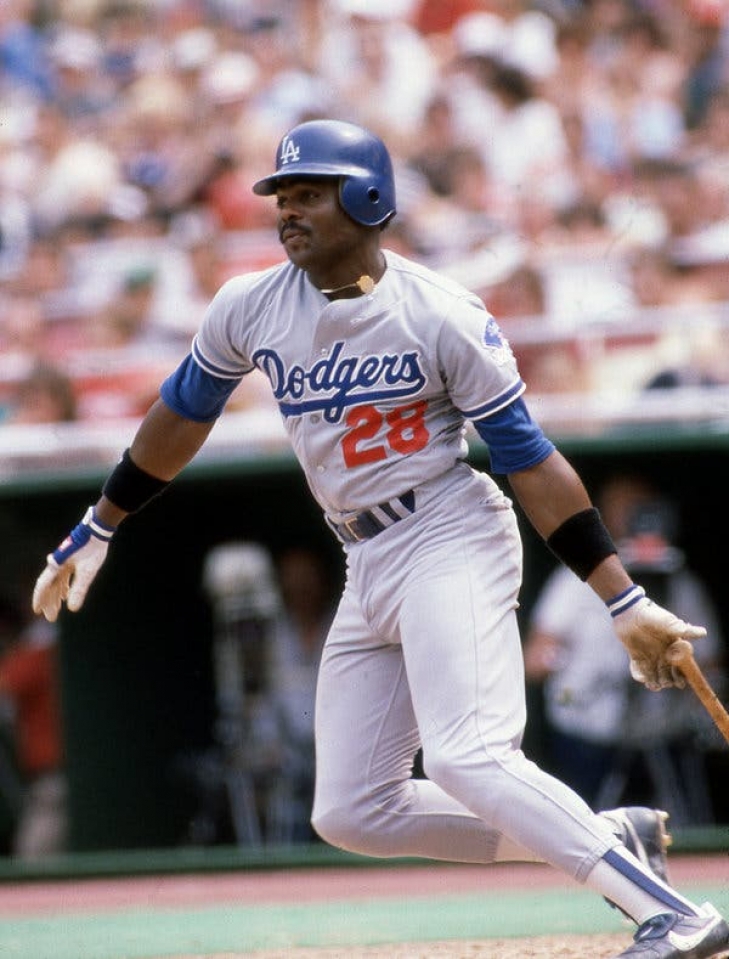
From the Dominican Republic, Pedro Guerrero brought his bat to the National League, playing mostly with the Los Angeles Dodgers.
280. Andy Messersmith
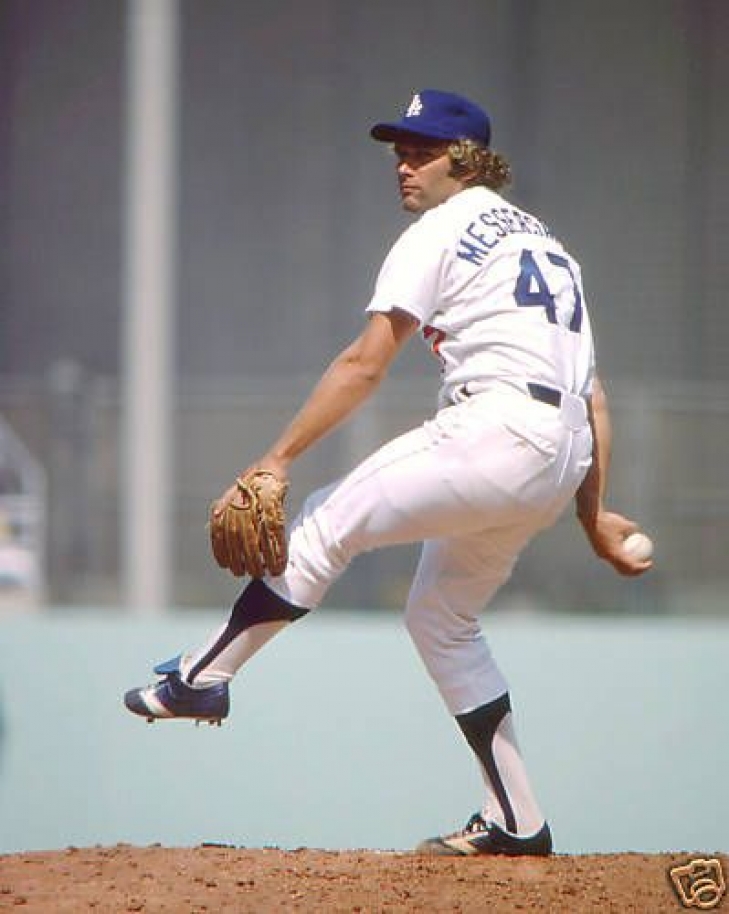
One of the better players of the 1970s who seemed to fly perpetually under the radar was Andy Messersmith, who finished in the top five in Cy Young votes three times.
168. Brett Butler
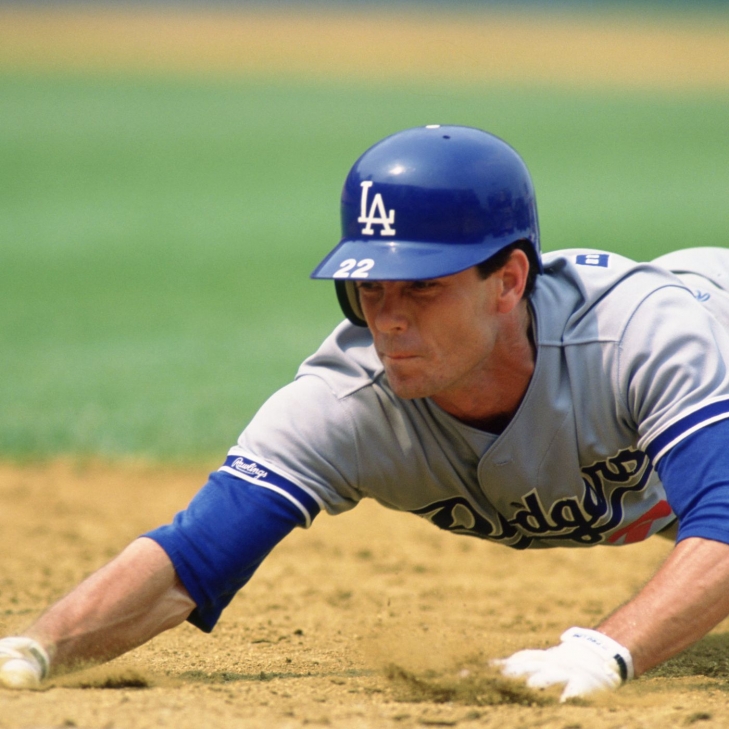
Brett Butler was only an All-Star once, but don’t let that fact mislead you into what was one hell of a baseball player.
Playing from 1981 to 1997, Butler came up through the Atlanta Braves organization and won the first of his four Triple Crowns in 1983, his last year in an Atlanta uniform. The speedy Centerfielder had 38 Stolen Bases that week, and while he never finished first in that stat, that season began a 13-year streak of at least 25 SB.
Butler was traded to the Cleveland Indians, where he again won the Triples Title (1986), but he returned to the NL with the Giants in 1988. That season, he began a five-year run of MVP votes, led the NL in Runs, and was first in Hits in 1990. After three seasons with the Gants, he moved south to the Dodgers in 1991, where he was finally an All-Star and would later have two more first-place finishes in Triples.
Butler played until 1997, where he finished his career with 2,357 Hits, 558 Stolen Bases, and a .290 Batting Average.
243. Nap Rucker
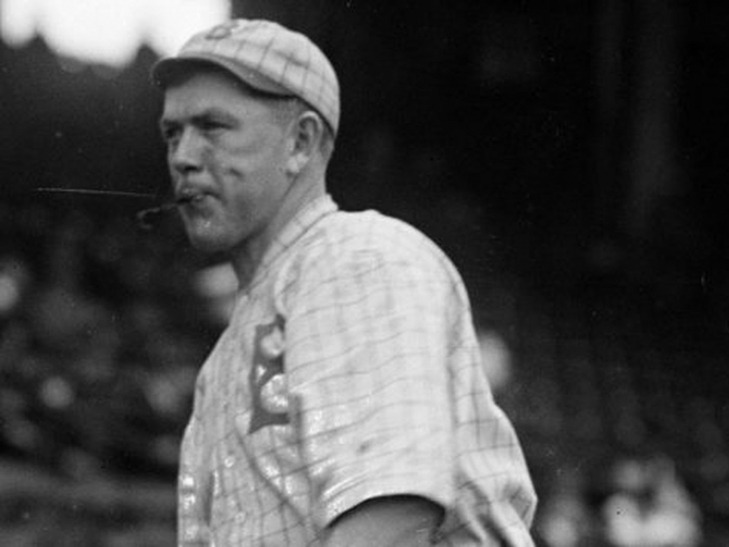
Nap Rucker played an even ten seasons with Brooklyn (1907-16), back when the franchise had intriguing team names like the Superbas and the Robins.
132. Willie Davis
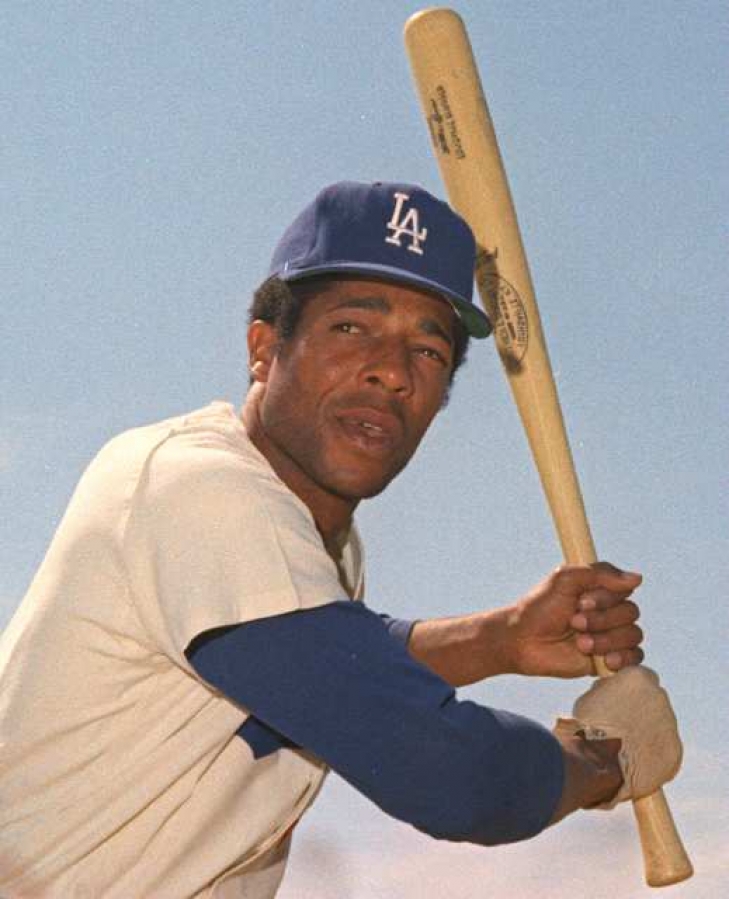
Willie Davis played most of his career with the Los Angeles Dodgers, where he did an excellent job at the top of the order and defensively in Centerfield.
Davis first made the Dodgers roster in 1960, and he would eventually replace the legendary Duke Snider in Centerfield. He was one of the fastest baseball players, who used to chase down balls in the outfield and befuddle opponents on the base paths. Early in his career, he helped the Dodgers win two World Series Championships (1963 & 1965), and in the early 70s, he won three Gold Gloves.
Davis had 13 20-plus stolen base years, with a total of 398. Twice leading the National League in Triples, he would go to two All-Star Games. He finished his career with brief stints in Montreal, Texas, St. Louis, San Diego, and California, and he retired in 1979 with 2,571 Hits and 182 Home Runs.
As for the Baseball Hall of Fame, Willie Davis never received a vote, but that was primarily because he wasn't even on the ballot! Davis had to be considered the best player in the modern era, yet never received a slot on the Hall of Fame ballot.
127. Ron Cey
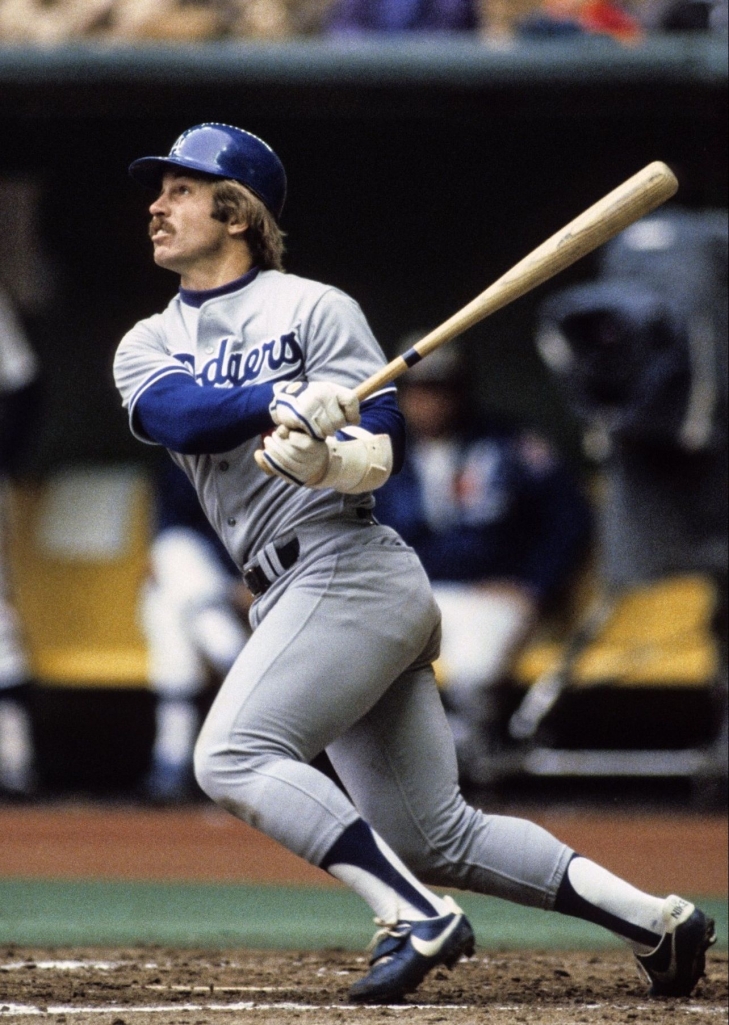
The Los Angeles Dodgers were an excellent team in the 1970s and early 80s, and Ron Cey was a part of it.
Nicknamed the "Penguin" for the way he moved, this was one non-flying bird that could play baseball. Cey played at Third, winning that job in 1973 for L.A., and in the next season, he began a six-year streak of All-Star Game appearances. From 1974 to 1980, he was a 20 plus Home Run hitter, and he probably would have extended that in 1981, had there not been a strike that year. Nevertheless, that was the season he was a large part of the Dodgers' World Series Championship, and he was a co-winner of the World Series MVP.
Cey began a new four-year 20-home-run streak in 1982, but in 1983, he was traded to the Chicago Cubs, where he helped them reach the 1984 playoffs. Cey played until 1987, retiring with 316 Home Runs.
118. Fernando Valenzuela
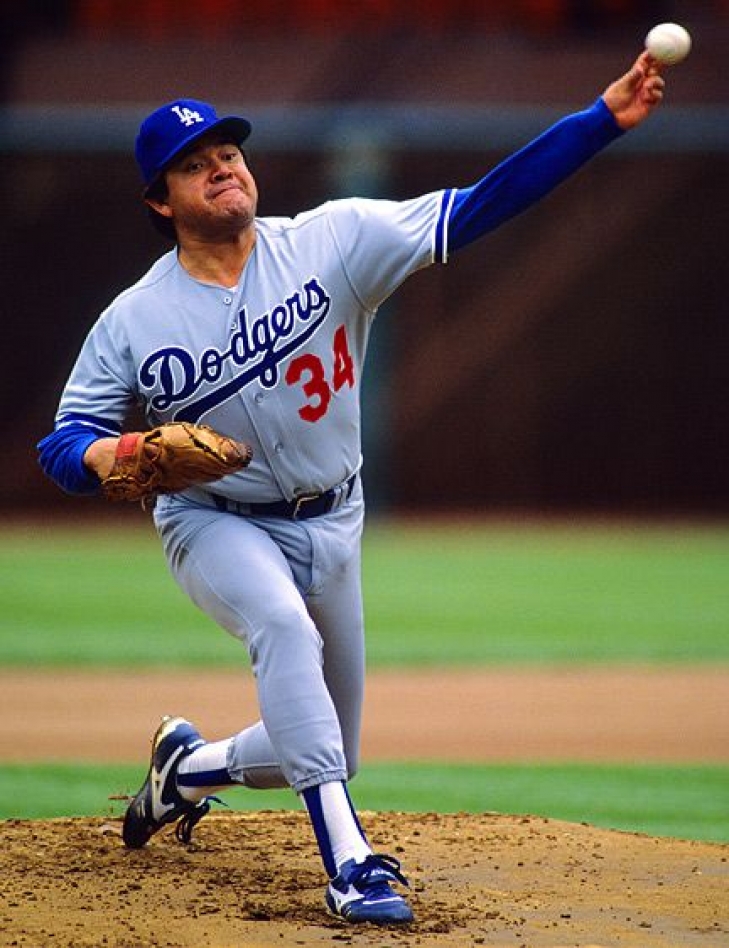
In 1981, a "mania" took over Los Angeles. Some would say it took over the entire baseball world. That was "Fernandomania" in honor of Mexican hurler, Fernando Valenzuela.
The Dodgers discovered Valenzuela by accident, as they were in Mexico scouting a Shortstop. They were dazzled by the rotund hurler and signed him, buying out his Mexican League contract in 1979. A year later, he was a September callup, and in 17.2 Innings, he never allowed a run. It didn’t take a clairvoyant to see what might happen in 1981.
Valenzuela was the opening day starter, and everyone in Los Angeles took the Mexican star. That season, he won the Rookie of the Year and Cy Young, making him the first player ever to accomplish that in the same year. "El Toro" helped the Dodgers win the 1981 World Series.
The mania surrounding Valenzuela cooled, but he was still an elite pitcher for many years. He was an All-Star each year from 1981 to 1986, and he had three more top-five finishes in Cy Young voting. Valenzuela would have three 200 Strikeout seasons, and he was also a decent batter, winning two Silver Slugger Awards.
The All-Star years were over by 1987, and he played until 1997, with stops in California, the Mexican League, Baltimore, Philadelphia, San Diego, and St. Louis. He retires with 173 Wins and 2,074 Strikeouts.
Pitchers had better careers, but many of those never captured the imagination of baseball fans like Fernando Valenzuela.
86. Don Newcombe
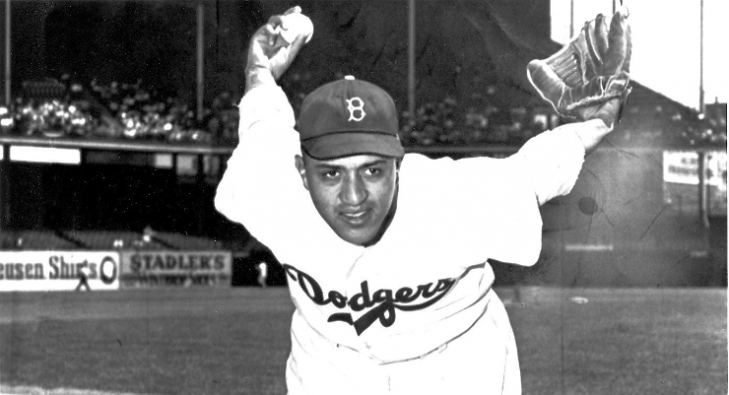
Don Newcombe was more than a great Pitcher, as he was a trailblazer in terms of African Americans in baseball.
After a brief time with Newark in the Negro Leagues, he was signed by the Los Angeles Dodgers. After a few seasons in their minor league system, Newcombe was called up for the 1949 season, making him the third black pitcher to be in the Majors. Newcombe proved his worth instantly, winning the Rookie of the Year with a 17-8 record and an All-Star Game trip. Newcombe was again an All-Star in 1950 and 1951, posting 19-11 and 20-9 seasons, respectively, but he would be forced to leave the game temporarily.
Newcombe was drafted into the U.S. military and served in Korea for 2 years. He came back in 1954 and had a mediocre year, but he came back with a vengeance. Newcombe went 20-5 in 1955, and he helped the Dodgers win their only World Series in Brooklyn. The following year, he went 27-7, leading the NL in Wins and WHIP (0.989), and he won both the Cy Young and MVP, making him the first player to do that in the same season.
That 1956 season was why he made it on the Baseball Hall of Fame ballot for 15 years. He never had anything close to an All-Star season again, and he played until 1960, finishing up with stints in Cincinnati and Cleveland. He retired with a 149-90 record.
271. Adrian Gonzalez
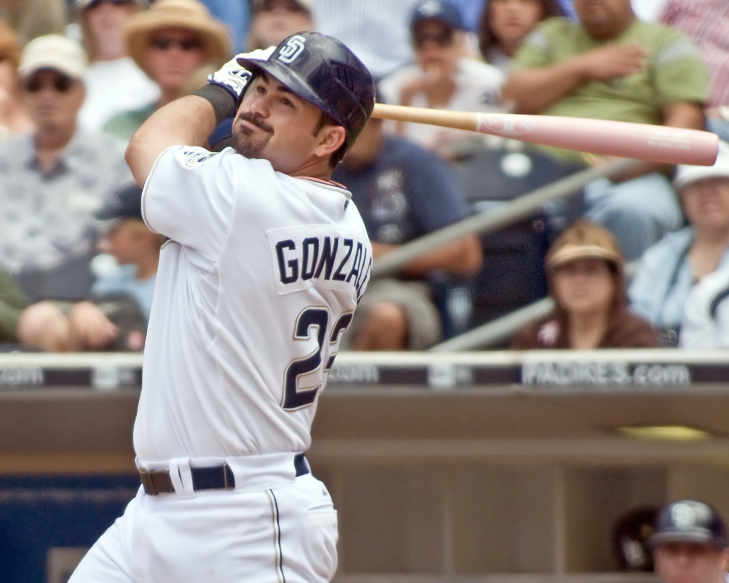
Born in the United States, but raised in Mexico, Adrian Gonzalez would have a very good career playing First Base in the Major Leagues.
Gonzalez first debuted for the Texas Rangers, but it was in San Diego where he first came into prominence. With the Padres, he was a three-time All-Star and would secure four consecutive 30 plus HR seasons, including a career-high 40 in 2009. That year, he led the National League in Walks (119).
Dodger Stadium to have a Sandy Koufax statue
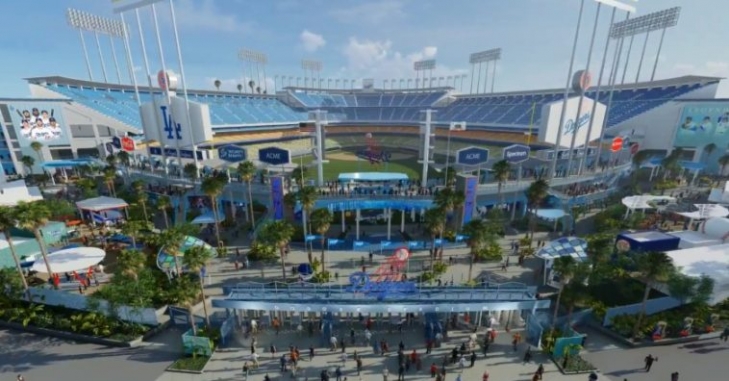
Regular visitors of Notinhalloffame.com know that we are slowly working on the top 50 of every major team in the NHL, NBA, NFL and MLB. Once that is done, we intend to look at how each team honor their past players and executive. As such it is news to us that as part of the $100 million dollar renovation project at Dodger Stadium, a statue of Hall of Fame Pitcher, Sandy Koufax, will be erected.
The statue of Koufax will be the second one outside of Dodger Stadium as there is currently one of Jackie Robinson, which is currently in the leftfield reserve, though that will be moved to the new centerfield plaza.
Dodger Stadium is the third oldest stadium in Major League Baseball after Fenway Park in Boston and Wrigley Field in Chicago.
The Dodgers hope to have everything complete ahead of hosting the 2020 All-Star Game.
We here at Notinhalloffame.com are excited about the new changes to Dodger Stadium and for Sandy Koufax who has achieved another level of baseball immortality.
62. Maury Wills
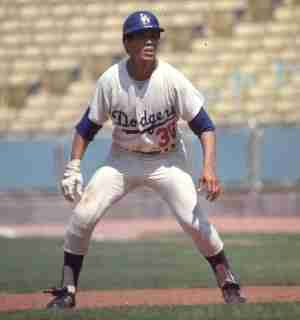
Maury Wills did not make the Major Leagues until he was 26 years old yet still managed to rack up over 2,000 hits in his career. What numbers would he have put up if he had cracked a big league roster earlier, and would it have been enough to make him a member of the Hall of Fame?
Maury Wills might be known first in any baseball reference guide as the winner of the National League MVP award in 1962, but his real contribution was how he changed the perception of how runs could be scored. Wills was not the first man to be a star on the base paths, but he did usher in the base paths' renaissance. Wills was the first to steal over 100 bases, and it wasn’t long before teams across the country looked for a Wills-type player to lead off their lineup. Wills would go on to lead the NL in steals on six occasions.
Maury Wills however was not the perfect leadoff man. Wills did not walk enough, and his overall on-base percentage was not ideal. He also suffered in the post-playing career, with his managing stint with Seattle considered the worst in baseball history, and he often rubbed baseball writers the wrong way. Maury Wills may not have been the best base stealer in history, but he did change the way the game was played for a while, and that is certainly a huge pro on his Hall of Fame ledger.
Should Maury Wills be in the Hall of Fame?
12. Tommy John
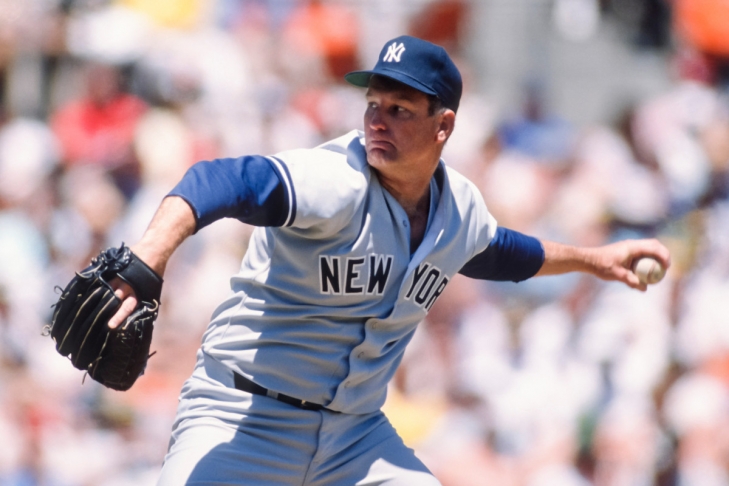
We imagine that there are younger baseball fans who are oblivious that there really was a Tommy John and that it was not just the name of a surgery. This would be unfortunate, as Tommy John has to go down as one of the most durable pitchers in baseball history.
Likely the most amazing statistic about Tommy John is that he lasted twenty-six seasons. Considering that he missed a season and a half due to arm trouble, it would have been expected that his career would not be a long one. Not only did he come back from revolutionary surgery to repair his tendon (what we become known as “Tommy John” surgery), but he would post the most productive period of his career, where he won twenty games three times in four years and was a Cy Young contender for that aforementioned four-year span
John was an effective sinkerball pitcher using his control to get batters out on the ground rather than put it past them. This isn’t to say that he couldn’t strike out batters, but he was not among the leaders in that category. Had Tommy John been more of a strikeout pitcher (which is a far sexier stat) or been part of a World Series win, he may have received more votes. As his overall career numbers are similar to those of Bert Blyleven, who finally made it to Cooperstown, a very strong case could be made by the Veterans Committee for Tommy John.
Should Tommy John be in the Hall of Fame?
22. Steve Garvey
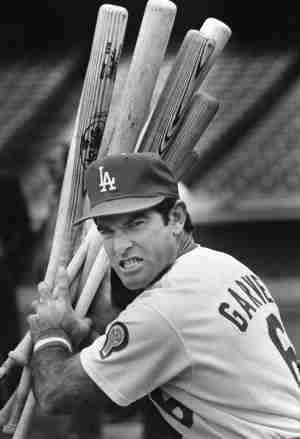
The common trend in Baseball Hall of Fame voting is for a solid candidate to get a healthy double-digit vote in his first year of eligibility and watch that number climb slowly as more and more perspective is put on their career. For Steve Garvey, the more the Hall looked at his career, the more they seemed to talk themselves out of his induction, as evidenced by the way his votes were cut in half from his first year (41.6) to (21.1) in his last year.
There is a good chance that if you were a fan of the L.A. Dodgers in the 70’s, you were a huge fan of Steve Garvey. It would be easy to see why, as his squeaky clean image and model good looks were combined with a perennial All-Star who hit for a solid average, had moderate power, was great in the clutch, and was the Iron Man of his generation. Garvey won the 1974 NL MVP, 1978 NLCS MVP, and two All-Star Game MVPs. Basically, if the camera was on Steve Garvey, he produced.
Perhaps that was the problem. Garvey was at times more concerned with looking good than playing well, and he would rather swing away than take a deserved walk, which did not play well on TV. Garvey also may have been a four-time Gold Glove recipient at first, but he was a failure at third base. Garvey may have been an Iron Man playing in a lot of consecutive games, but it may have been at the detriment of his team. Bottom line is that stories of his selfishness have emerged as frequently as stories of his infidelity did after his playing days ceased.
We like to build heroes and tear them down so that we can build them up again. Steve Garvey may have been rejected on his first go-round, but he may be built up again for consideration by the Veterans Committee. Based on what we have seen so far, it is not looking good.
Should Steve Garvey be in the Hall of Fame?
69. Orel Hershiser
What a year 1988 was for Orel Hershiser. He didn’t just win the Cy Young that year, getting better to the point of being unstoppable as the season wound down. He broke Don Drysdale’s consecutive scoreless innings record to end the regular season, then went on to win three games in the postseason (including one save) and propelled the Dodgers to a World Series win, and won the World Series MVP in the process. What a year!
Hershiser did not duplicate that year (who could), but he suffered a severe shoulder injury that threatened his career. Hershiser did come back and was an effective pitcher, but he never again dominated or reached All-Star levels. Still, with a career of 200 wins and 2,000 strikeouts, he had a record that was envied by most.
The issue for the Hall is that Hershiser was considered the best Starting Pitcher in baseball for a two-and-a-half-year period and a solid number two or three man after his shoulder surgery. If Hershiser was a dominant ace for a longer period of time, his 1988 season would have helped make him a serious contender for the Hall.
Should Orel Hershiser be in the Hall of Fame?
50. Reggie Smith
In the late 70’s, Hall of Fame pitcher Don Sutton famously noted that Steve Garvey was not the best player on the Dodgers; it was Reggie Smith. Garvey may have been the most popular, but Sutton was not alone in his assessment of Reggie Smith.
In his prime, Reggie Smith was a legitimate five-tool player. He had decent power, decent speed, and was a smart player who always knew how to get on base. In retrospect, it is hard to find a real criticism of his game, as he was above average in every aspect of his baseball acumen. In fact, should we ever look to do the most underrated players in baseball history, Reggie Smith might very well make the top (or at least top ten) of our list.
Reggie Smith failed to gain the attention of fans and writers alike, as good as he was at different baseball skills, he was not the best at any of them. He could hit homers, but many hit more. He could steal, but many swiped more. He could field, but many were better. Reggie did everything so well, but without one “great” on the baseball report card, he failed to achieve the fame he should have despite playing for high-profile squads.
Should Reggie Smith be in the Hall of Fame?
37. Kevin Brown
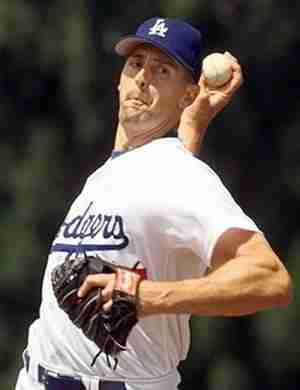
A lot of baseball players take flak for their high salaries. One of those who did was Kevin Brown, who was the first man in professional baseball to sign a contract worth $100 Million. Sadly for Brown, his deterioration made that one of the worst contracts, as in the final years of his career, he was not a player who should have been among the game’s highest-paid.
This isn’t to say that Kevin Brown didn’t have flashes of brilliance because he certainly had enough of them to warrant such a huge contract in the first place. He was regarded as one of the most intense pitchers, and as much as his temper served to fuel his unparalleled competitiveness, it also would cause his unraveling on occasion. Nevertheless, Kevin Brown was a major reason that the Florida Marlins won their surprise World Series in 1997 and the Padres’ 1998 World Series appearance. He had a brilliant fastball and forkball and rarely gave up the longball.
Unfortunately, Kevin Brown was unable to maintain his skill set, and his production dropped off during his final years with the Dodgers and during his American League return to the Yankees. Had Kevin Brown lived up to the years leading up to his nine-digit contract, he would be a serious contender for induction. As it stands now, it doesn’t look good.
