

18. Roy Campanella
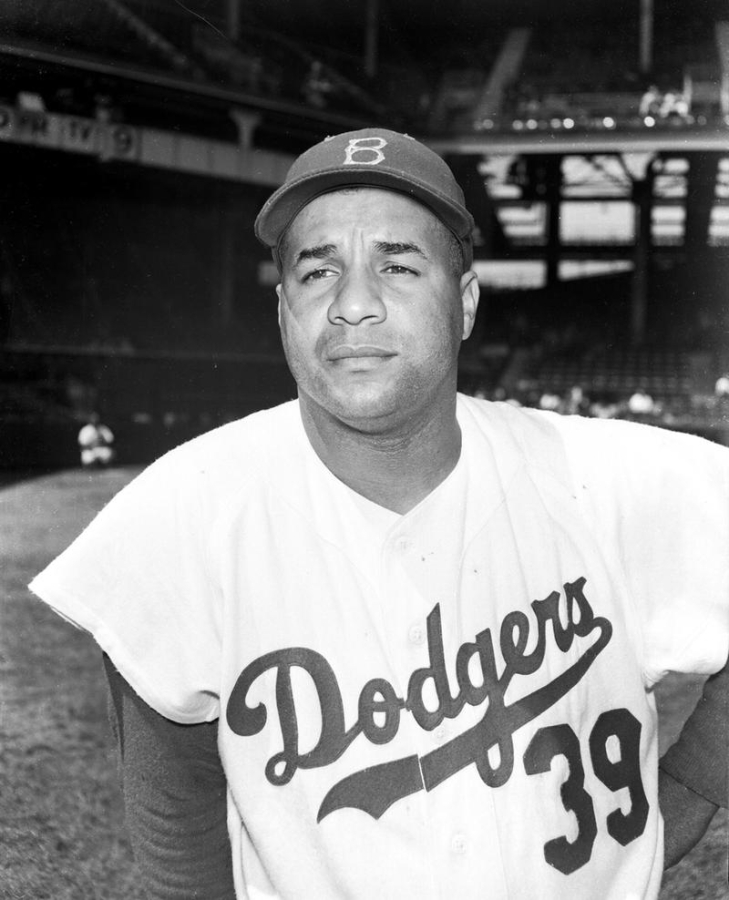
There is always one player on these top 50 lists that seems impossible to lock down. For the Dodgers, that man is Roy Campanella, a three-time MVP, but had they been judged by current metrics, he likely would not have won any.
Roy Campanella joined Brooklyn in 1948 after playing in the Negro Leagues. He was a stocky catcher with a unique combination of agility and power. Although Jackie Robinson broke the color barrier in 1947, Campanella joined him a year later to form a resilient and emotional pairing on the team, known as the "Boys of Summer.” By 1949, Campanella showed an impressive ability to control the running game, starting an incredible run of eight straight All-Star selections. He quickly became a key player, setting a high standard for catchers in baseball history.
During the early 1950s, Campanella won three National League MVP Awards in 1951, 1953, and 1955. His 1953 campaign remains a standout outlier for catchers; he belted a personal-best 41 home runs, led the league with 142 RBIs, and batted .312. He showcased total mastery of the "triple threat" for catchers: elite power, high average, and high-caliber defense. While modern metrics sometimes debate the value of those MVP votes, his specialized influence on the game’s best pitching staff was undeniable, as he led the league in caught-stealing percentage five times, once reaching a staggering 69.4% in 1951.
Campy anchored five different pennant-winning teams. In the 1955 World Series, he was a high-stakes contributor to the franchise's only title in Brooklyn, batting .318 during the regular season and outdueling teammate Duke Snider for his third MVP. It was a phenomenal run in Brooklyn, but tragedy reared its ugly head.
Just as the team was getting ready to move to Los Angeles, a devastating accident involving a flipped rental car caused a broken neck and left him permanently paralyzed. This injury abruptly ended a distinguished career, denying West Coast fans the chance to see a legend in his final years. Campanella was inducted into the Baseball Hall of Fame in 1969, in his seventh year of eligibility. His number 39 would also be retired by the team. Campanella compiled a .276 average, 242 home runs with the team.
Again, if this rank does seem a little low, remember that the Dodgers ahead of him have much longer tenures than Campanella, though not all of them were as important. Seriously, the Dodgers are the hardest to rank!
15. Orel Hershiser
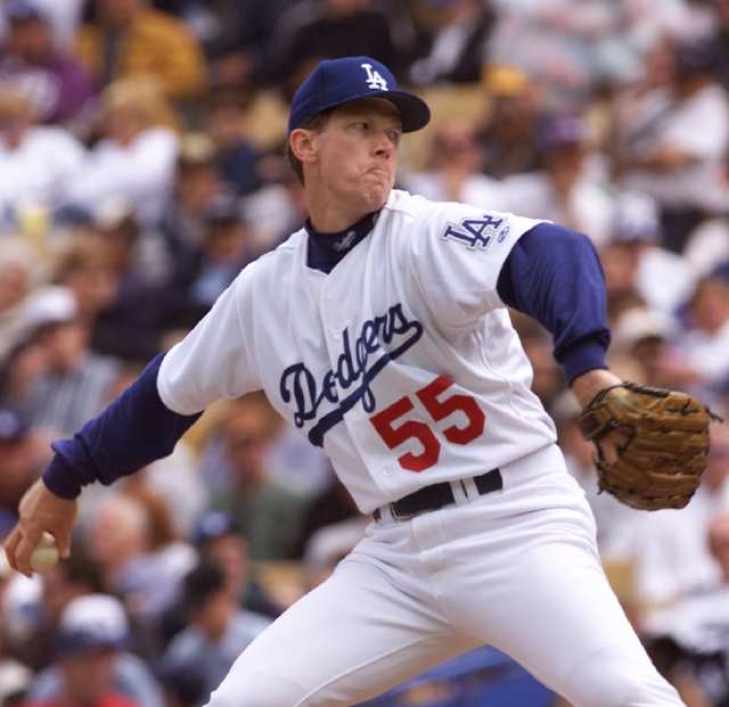
Orel Hershiser debuted in Los Angeles in 1983 as a 17th-round pick who was never supposed to be the "Bulldog" of a major league rotation. Initially viewed as a lean, cerebral pitcher with limited upside, he underwent a physical and mental transformation under the guidance of Tommy Lasorda, who demanded he pitch with a more aggressive, high-stakes intensity.
By 1985, Hershiser posted a 19-3 record, a 2.03 ERA, and finished third in Cy Young voting. He became a key player, surpassing Valenzuela as the Dodgers' go-to in high-pressure situations.
In 1988, Hershiser crafted a season that remains legendary in baseball history. He topped the league with 23 wins, pitched 267 innings, and achieved 8 shutouts. His most notable feat was setting a Major League record with 59 consecutive scoreless innings to close out the regular season. This exceptional performance made him a national star, earning him the Cy Young Award unanimously and a Gold Glove. He continued this winning streak into October, becoming the only player to win both NLCS MVP and World Series MVP in the same year, famously closing the Fall Classic with the final out to clinch the championship. It was an incredible peak, but many great careers have to overcome an injury. Hershiser was no different.
After a torn labrum and rotator cuff surgery in 1990, a radical procedure at the time, he showed the organization a specialized determination during a grueling rehabilitation. While he never quite reclaimed the high-frequency dominance he had in 1988, he remained a professional mainstay and a high-stakes veteran leader. There was one final chapter in Los Angeles, as he enjoyed a sentimental return to the Dodgers in 2000. While he mentored younger arms, his effectiveness on the mound had finally waned, leading to his release that summer.
Overall, Hershiser compiled a 135-107 record, a 3.12 ERA, and 1,455 strikeouts.
28. Burleigh Grimes
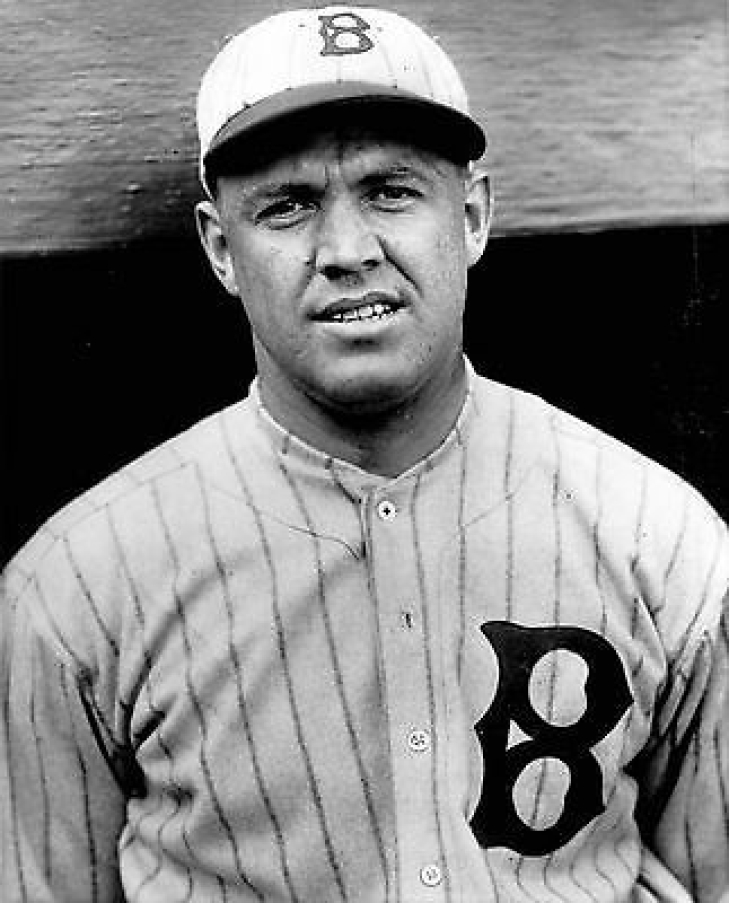
From Wisconsin, Grimes began his Major League career with Pittsburgh, where he noticeably lost 13 consecutive Games, so the Pirates fan base did not shed any tears when he was traded to Brooklyn after the 1917 Season. Perhaps, they should have.
Grimes made an immediate impact with the Robins, going 19-9 with a 2.13 ERA in his debut season, and once the spitball was outlawed in 1920, he was grandfathered in and allowed to use it throughout the rest of his career.
Between 1921 and 1924, Grimes reached his peak of durability, establishing himself as the leading "innings-eater" of his era. In 1921, he topped the National League with 22 wins and 136 strikeouts, delivering an exceptional season that included pitching over 300 innings, a milestone he achieved four times during his time with Brooklyn. Demonstrating complete control on the mound, he amassed 158 wins with the Robins and proved his prowess at the plate as well, with 227 hits and a solid .251 batting average.
In 1925 and 1926, his efficiency dipped, and his record was finalized at 12-19 and 12-13, respectively. Looking to revitalize the staff, the organization traded him to the New York Giants in 1927. While he continued to reach new summits elsewhere, including a World Series title with the Cardinals and another 25-win season in Pittsburgh, his statistical footprint remains anchored in his 158-121 mark in Brooklyn.
Grimes was chosen by the Veterans Committee in 1964 to enter the Baseball Hall of Fame.
14. Nap Rucker
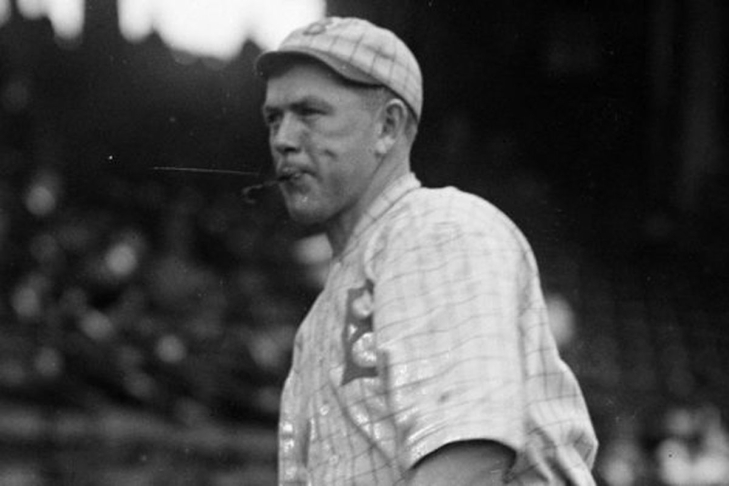
The MLB career of Nap Rucker began in 1907, a high-velocity southpaw who stepped onto the mound for a franchise still searching for its footing. Pitching for teams known as the Superbas and the Robins, Rucker operated as a specialized workhorse during the Deadball Era, frequently outclassing the struggling squads behind him. For a decade in Brooklyn, he provided a dominant arm that was often obscured by a lack of run support, standing as a high-quality pillar for a franchise that was nearly 180 games below .500 during his tenure, even when he wasn't involved in the decision.
In 1908, he displayed a masterclass in run prevention by tossing the first no-hitter in franchise history against the Boston Doves, a 14-strikeout masterpiece that recorded a 101 Game Score, a mark that went unequaled by a Dodger until Sandy Koufax’s perfect game in 1965. In 1910, he led the league in innings pitched (320.1), complete games (27), and shutouts (6). Despite this herculean effort, he finished with an 18-loss record, a testament to the specialized futility of the teams he fronted. He followed this with a career-high 22 wins in 1911, posting a season in which he led the league in bWAR among pitchers (8.7). Remarkably, despite being arguably the most valuable player in the league that year by modern metrics, he received zero votes for the inaugural Chalmers Award (the era's MVP), as the writers prioritized the bats of winning teams over a dominant lefty on a 64-win club.
Known as one of the fastest pitchers of his day, Rucker showed a specialized resilience by adopting a knuckleball later in his career after his velocity began to fade. Between 1907 and 1913, he was a tactical mainstay who consistently finished in the top ten for Pitcher bWAR, twice leading the entire league in that category.
His career was cut short by arm fatigue that led to his retirement at just 31. After pitching over 2,300 innings of intense play, his effectiveness declined, and he made his last appearance in 1916, the same year the "Robins" won the National League Pennant. He finished with a 134-134 record, but his impressive 2.42 ERA underscores his true dominance.
11. Steve Garvey
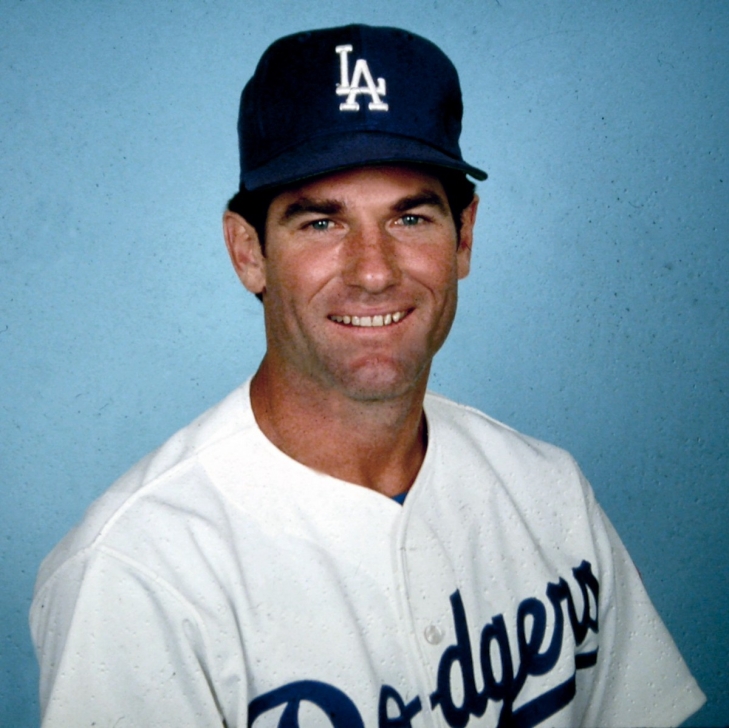
Steve Garvey first made the Los Angeles roster in 1969, a first-round draft pick with a tireless work ethic and Popeye-like forearms that seemed designed for the Southern California spotlight. While he initially spent a few years searching for his defensive home, he eventually anchored first base for over a decade.
After shifting positions on the diamond, he secured the starting role at first base in 1973, transforming it into a stronghold. Garvey maintained frequent contact at the plate, batting .304 during his first full season as a starter. His standout year came in 1974, when he achieved 200 hits and 111 RBIs, leading the Dodgers to the National League Pennant and earning the NL MVP Award. This impressive season initiated a streak of eight consecutive All-Star selections as a Dodger, during which he was a consistent presence in the middle of the lineup. He also proved to be a clutch performer in the postseason, ending his career with a .338 batting average in October across 55 games.
Between 1974 and 1980, he recorded six 200-hit seasons, twice leading the National League in hits. While he was known as a premier contact hitter, he also provided a high-caliber offensive engine with five seasons of at least 20 home runs, including a career-high 33 long balls in 1977. He was a technical master in the field, winning four consecutive Gold Gloves and setting a National League record for consecutive games played (1,207).
The postseason was his domain, especially during the 1978 NLCS, where he earned MVP honors despite a World Series loss to the Yankees. He achieved team success in 1981 with a World Series title, but left Los Angeles after 1982. As a free agent, he wanted a five-year deal, but the Dodgers hesitated at his age, leading him to sign a five-year, $6.6 million deal with the Padres, ending his prominent LA sports career.
He was formally recognized in 2019 as one of the inaugural Legends of Dodger Baseball. As a member of the Dodgers, Garvey compiled 1,968 hits and 211 home runs.
13. Willie Davis

Willie Davis was a local high school track star whose gear for speed that few in the history of the sport have ever matched. Taking over center field from the legendary Duke Snider, he stepped into a role that demanded both elite production and a massive personality to match the Hollywood backdrop.
It was a rapid ascent from raw prospect to run-scoring catalyst. Davis demonstrated a specialized ability to manufacture runs alongside Maury Wills, forming a high-caliber "table-setting" duo that helped pave the way for the Dodgers' success. By 1962, he had already established a high ceiling, recording 21 home runs, 103 runs, and 32 stolen bases. This early stretch gave the organization the high-stakes speed needed to capture World Series titles in 1963 and 1965, with Davis delivering key RBIs in the '63 clincher and a then-record three steals in a single '65 Series game.
He matured into a professional mainstay during the late 60s and early 70s. In 1969, he authored a franchise-record 31-game hitting streak, a masterpiece of offensive efficiency that still stands over 50 years later. He evolved into a technical master of the outfield, earning three consecutive Gold Glove Awards from 1971 to 1973. While he was often criticized for a "free-spirited" approach to the game, his efficiency was undeniable; he led the league in triples twice and maintained a high volume of at least 20 steals in 11 separate seasons for the Dodgers.
Despite his outstanding contributions, his legacy is occasionally overshadowed by a problematic inning in the 1966 World Series, a brief struggle that dimmed a career marked by defensive excellence. He demonstrated remarkable durability for the organization, playing over 140 games in nearly every full season with the Blue before being traded to Montreal following the 1973 season.
With the Dodgers (1960–1973), Davis compiled 2,091 hits, 154 home runs, 335 stolen bases, and a .279 batting average, but for the purposes of Notinhalloffame, he is an anomaly as he was a man with a career bWAR over 60, who was left off the Hall of Fame ballot completely.
12. Gil Hodges
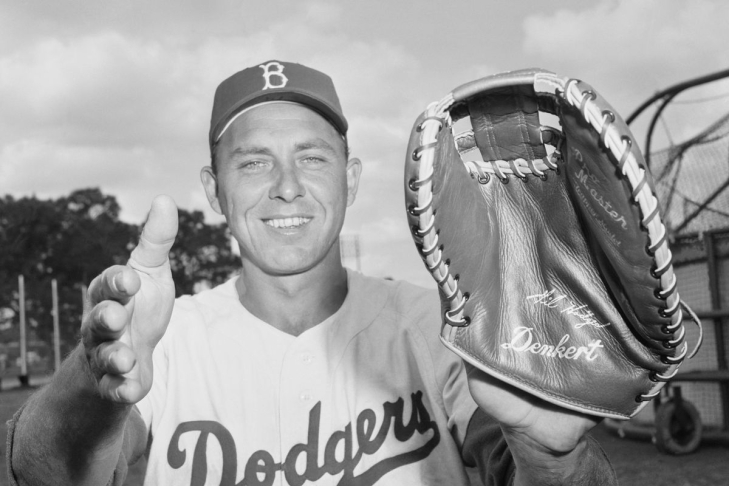
The beginning of Gil Hodges’s career was in Brooklyn in 1943 as a raw, talented catcher, but his journey was immediately interrupted by a two-year commitment to the U.S. Marine Corps during World War II. Returning in 1947, the same historic season Jackie Robinson broke the color barrier, Hodges eventually shifted from behind the plate to first base, a tactical move that solidified the "Boys of Summer" infield.
Hodges enjoyed a rapid evolution from a utility player to a premier specialized slugger. By 1949, Hodges demonstrated a high-frequency ability to drive in runs, beginning a staggering run of seven consecutive 100-RBI seasons. He was a high-stakes contributor during the most competitive era of the Brooklyn-Yankees rivalry, providing a high-quality floor of protection for Robinson and Duke Snider.
During the early 1950s, he authored two seasons with at least 40 home runs in 1951 and 1954. He showcased mastery of first base, becoming a defensive standard for his generation. When the Gold Glove was created in 1957, Hodges earned the first three ever awarded to a National League first baseman, highlighting high-quality efficiency ahead of its time. At his peak, he was a perennial All-Star and MVP contender, receiving votes in nine seasons.
In the 1955 World Series, after years of heartbreak against the Yankees, Hodges provided the specialized heroics the borough had been praying for. In the deciding Game 7, he drove in both runs of a 2-0 victory and squeezed the final out at first base to secure the only championship in Brooklyn history.
The 1958 move to Los Angeles saw Hodges remain a high-stakes veteran leader for a young, West Coast squad. He showed a specialized brand of longevity by helping the Dodgers capture the 1959 World Series title, batting a staggering .391 against the White Sox. While his power numbers began to dip in his final years, he remained a professional mainstay until he was taken by the New York Mets in the 1962 expansion draft. He left behind a statistical footprint as the Dodgers' all-time leader in several categories at the time, finishing his run in Blue with 361 home runs and 1,254 RBIs.
Hodges was finally inducted into the Baseball Hall of Fame in 2022. The Dodgers subsequently retired his number 14, a final punctuation on a legacy that had seen him receive over 50 percent of the Hall of Fame ballot for eleven different years.
8. Don Sutton
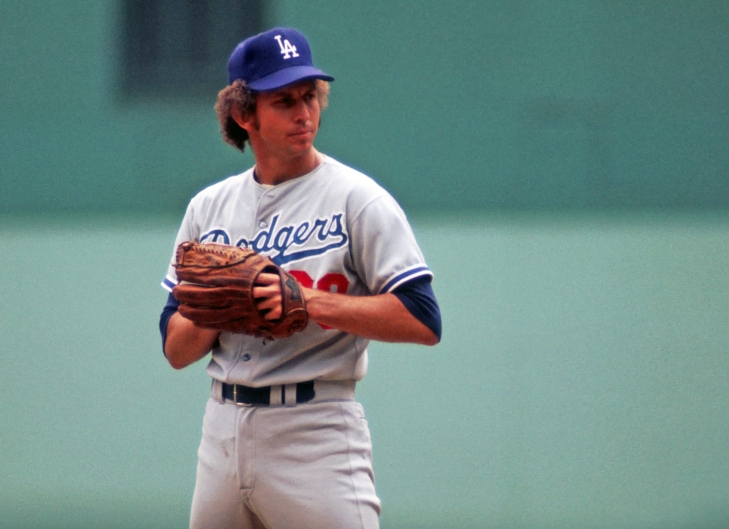
In 1966, a 21-year-old rookie named Don Sutton joined a rotation that already featured the legendary duo of Koufax and Drysdale. While he lacked the overwhelming velocity of his peers, he possessed a cerebral approach and a durable arm that would anchor the staff for a decade and a half.
Debuting just two years after signing, he secured a spot in the rotation and proved he belonged by navigating his rookie season with double-digit wins and a stellar strikeout rate. He remained a professional mainstay throughout the late sixties, beginning a remarkable streak in which he recorded at least 15 victories over eight consecutive seasons from 1969 to 1976. This steady accumulation of quality starts made him the rotation's most dependable weapon, ensuring the Dodgers remained competitive during the post-Koufax transition.
During the mid-1970s, Sutton established himself as one of the premier right-handers in the National League. Between 1972 and 1976, he was a perennial fixture in the Cy Young race, consistently finishing in the top five of the voting. He showcased a mastery of the strike zone during this peak, twice leading the league in WHIP and once in strikeout-to-walk ratio. While he was often categorized as a "steady hand" rather than a flashy superstar, his ability to suppress baserunners and provide over 250 innings a year was the engine behind the Dodgers' multiple pennant runs.
His tenure featured a late-career masterpiece in 1980, a season that served as his final punctuation mark in Los Angeles. At age 35, he demonstrated he still possessed elite efficiency by capturing his first National League ERA title with a 2.21 mark. He remained a high-quality starter until his final day with the club, providing a veteran presence for a new generation of arms before departing for Houston as a free agent. The statistical footprint he left behind remains staggering; as of this writing, he still stands as the all-time franchise leader in wins (233), innings pitched (3,816.1), strikeouts (2,696), and shutouts (52).
Sutton was enshrined in the Baseball Hall of Fame. The Dodgers followed their longstanding tradition by retiring his number 20 that same year.
9. Zack Wheat
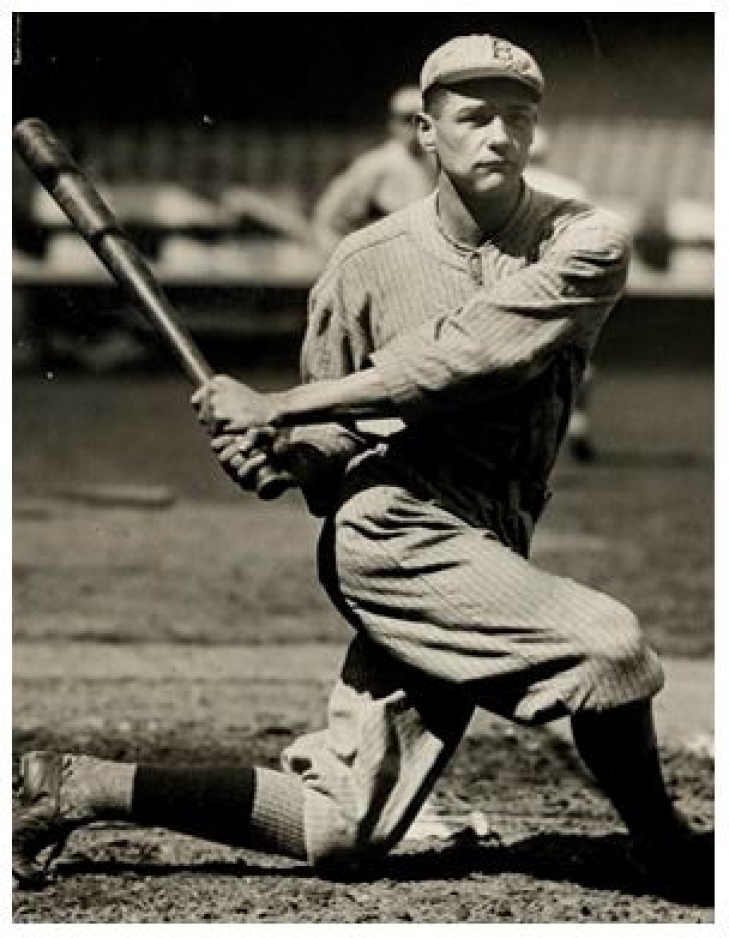
Zack Wheat arrived in Brooklyn in 1909, a graceful left-hander whose swing was described as "poetry in motion" during an era of the game that was anything but. While the franchise cycled through names like the Superbas, the Robins, and finally the Dodgers, Wheat remained the one constant, a quiet professional who anchored left field for nearly two decades.
The opening chapter of his career really showed how well he adapted to the "Small Ball" style of the Deadball Era. Wheat showed a special talent for hitting the ball into the gaps, quickly becoming a key player known for his high batting average, even when the ball was difficult to hit. By 1912, he had already set a strong performance standard, regularly ranking among the league leaders in hits and triples.
In the mid-1910s, he helped Brooklyn win the 1916 National League Pennant with standout stats, leading in Total Bases (276) and Slugging Percentage (.461), impressive for the era. In 1918, he won the National League Batting Title with a .335 average, showing he could carry a lineup. Despite a modest frame, he used a 40-ounce bat and a "corkscrew" swing to generate high bat speed, making him one of the most feared hitters of his generation.
His Brooklyn years marked a second act during the 1920s "Lively Ball’ era. While many faded, Wheat improved, maintaining a .347 average from 1920-1925, with three 200-hit seasons. He was a key left fielder, leading the NL in putouts seven times and setting franchise records in hits (2,804), doubles (464), and triples (171).
Following the 1926 season, the conclusion of a legendary tenure was marked by a period of relative quiet. At the age of 38, Wheat was released by the Dodgers and subsequently signed with the Philadelphia Athletics, where he dedicated one final outstanding year, batting .324 in a part-time capacity alongside distinguished contemporaries Ty Cobb and Eddie Collins. He concluded his career with a total of 2,884 hits and a lifetime batting average of .317.
Wheat entered the Baseball Hall of Fame via the Veterans Committee.
10. Fernando Valenzuela
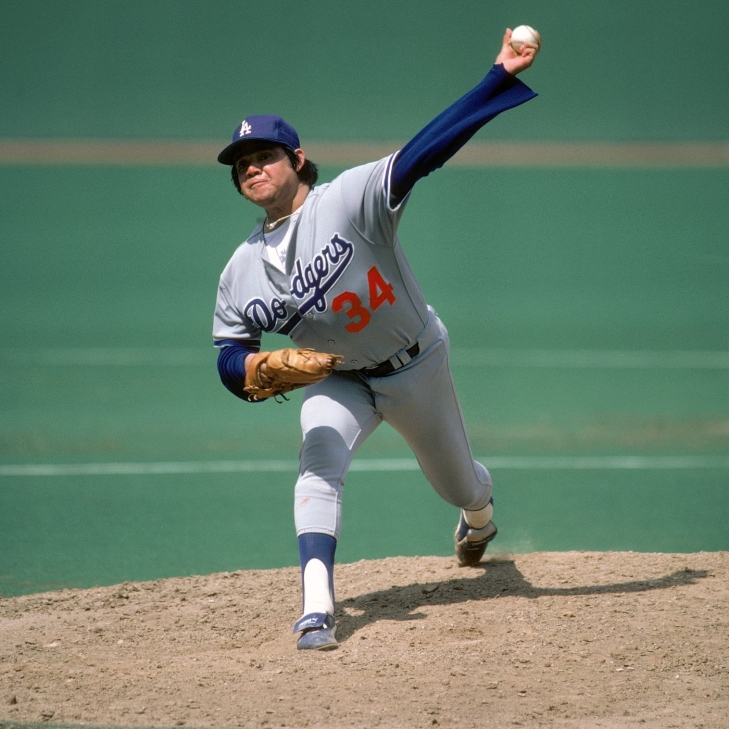
Fernando Valenzuela arrived in Los Angeles in 1980, a nineteen-year-old left-hander who spoke no English but communicated through a specialized screwball that looked like magic. Discovered by accident while scouts were looking at a shortstop, he stood as a high-voltage phenomenon who didn't just play for the Dodgers; he transformed the culture of the city.
The first chapter of his career was a rare story in baseball that probably won't happen again. After a quiet September call-up in 1980, Valenzuela was suddenly chosen to start on Opening Day in 1981 because Jerry Reuss was injured. He made a great impression by pitching a shutout and went on to win his first eight starts, five of which were shutouts. He became a hero for the Mexican-American community, earning both the Rookie of the Year and Cy Young Award in the same season—an outstanding achievement that still stands out in baseball history. He finished this remarkable debut by leading the Dodgers to the 1981 World Series title, showing that his special talent was perfect for the biggest moments in the game.
Between 1981 and 1986, he was a high-volume workhorse who consistently led the league in categories such as complete games and batters faced. He earned an All-Star selection in six consecutive seasons, highlighting a period of dominance where he remained a perennial threat for the Cy Young. While the "mania" of his rookie year eventually leveled off, he remained a professional mainstay, recording three 200-strikeout seasons and proving to be a high-quality offensive asset by winning two Silver Sluggers for his work at the plate.
In 1986, he authored his only 21-win season, finishing second in the Cy Young voting and leading the league with 20 complete games. Even as his heavy workload began to impact his efficiency, he showed the organization a specialized resilience, tossing a no-hitter in 1990 against the Cardinals. He left behind a statistical footprint that includes 141 wins as a Dodger and over 1,700 strikeouts, marks that reflect a lifetime of heavy lifting before he moved on to play for the Angels and several other clubs.
The longevity of his legacy was finalized with a heavy heart following his passing in October 2024, just as the Dodgers were beginning another championship run. The organization had already broken its long-standing rule by retiring his number 34 in 2023. Valenzuela compiled a 141-116 record, a 3.31 ERA, and 1,759 strikeouts as a Dodger.
7. Pee Wee Reese
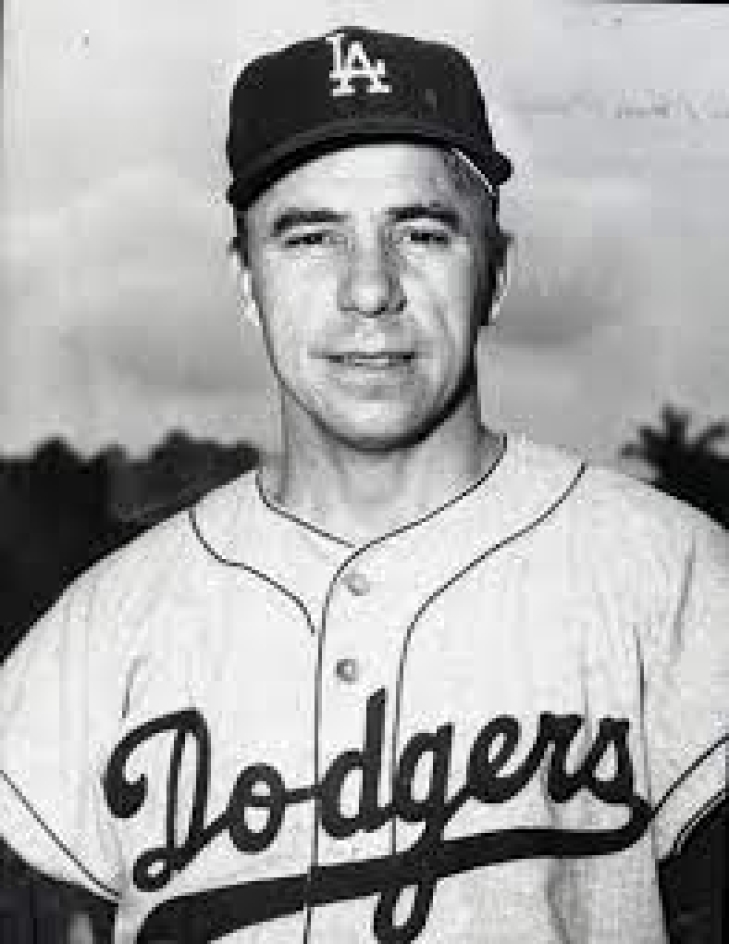
Pee Wee Reese arrived in Brooklyn in 1940 via a franchise-altering trade with the Red Sox, a transaction necessitated by a legendary logjam in Boston. Hall of Fame shortstop Joe Cronin was serving as the Red Sox player-manager at the time and, unwilling to yield his spot on the dirt to a rookie, suggested the young prospect be moved. While his moniker suggested a small stature, Reese quickly developed into a giant of the organization, providing a brand of steady, high-IQ baseball that anchored the most celebrated era in Brooklyn’s history.
The first part of his tenure was defined by a rapid ascent to defensive elite status, securing his first All-Star nod in 1942 while leading the National League in defensive bWAR. Like many of his contemporaries, he paused his playing days to serve in the military during World War II, but he returned in 1946 with a more refined approach at the plate and his range at shortstop fully intact. This return to the dirt was about more than just sport; he famously became a primary ally for Jackie Robinson, refusing to sign a petition against his teammate and publicly embracing him during a time of immense social tension. This display of humanity helped stabilize the clubhouse and set the stage for a decade of sustained excellence.
Reese began his peak during the 1949 campaign, a season in which he finished fifth in the MVP voting and led the league in runs scored (132). While he lacked the thunderous power of Duke Snider, he was a master of the "small ball" era, combining a high-frequency ability to draw walks with a specialized knack for situational hitting. He remained a perennial All-Star through 1954, batting consistently in the .260 to .270 range and proving to be a high-quality threat on the basepaths. His value was reflected in eight top-ten MVP finishes, a testament to his reputation as the glue holding the Dodgers' championship aspirations together.
His tenure featured a defensive mastery that remained the standard for shortstops of the 1940s and 50s. Between 1946 and 1956, he was a fixture in the middle of the infield, recording 232 stolen bases and proving to be one of the most durable players of his generation. The steady nature of his game allowed him to quietly amass a 68.2 bWAR with the franchise, a figure that currently stands as the highest for any position player in Dodgers history. He provided a reliable floor for a team that reached seven World Series during his stay, ensuring that the "Six" hole was a vacuum for opposing hitters.
His veteran guidance finally helped the franchise secure its elusive 1955 World Series title over the Yankees. While age began to limit his offensive volume in the subsequent years, he remained a professional mainstay through the team's move to Los Angeles in 1958. He left behind a statistical footprint that includes 2,170 hits and 1,210 walks. He remained a beloved icon long after his retirement, eventually being inducted into the Baseball Hall of Fame in 1984, the same year the Dodgers retired his number 1.
6. Dazzy Vance
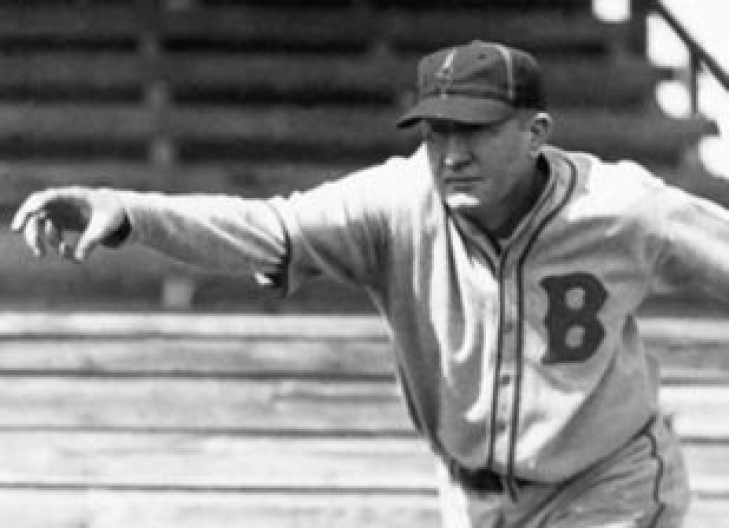
The incredible MLB career of Dazzy Vance began in Brooklyn in 1922 as a 31-year-old rookie, a veteran of the minor league grind who finally found his footing at an age when most of his contemporaries were considering retirement. Despite his late start, he immediately established himself as the premier flamethrower of his era, possessing a high-velocity fastball that looked entirely alien to hitters in the early live-ball years.
After bouncing around for nearly a decade, Vance showed the organization he was a professional mainstay by leading the National League in strikeouts during his first full season in 1922. This breakout marked the formal introduction of a period of dominance that saw him lead the league in strikeouts for seven consecutive years. His ability to blow the ball past hitters during a decade defined by high batting averages made him a unique outlier, providing a high-quality floor for a Brooklyn team that frequently struggled to stay in the pennant race.
Vance reached a remarkable ceiling of individual production during the 1924 campaign, a season that remains one of the greatest in the history of the position. That summer, he led the National League in wins (28), ERA (2.16), and strikeouts (262), capturing the elusive Pitching Triple Crown. He earned the 1924 National League MVP for his efforts, becoming the first player in franchise history to win the award. His value was further highlighted by his technical control; despite his reputation as a power pitcher, he consistently led the league in strikeout-to-walk ratio, proving he was much more than just a wild thrower.
He followed his MVP season with another league-leading 22 wins in 1925. Between 1922 and 1930, he won three ERA titles and remained the standard-bearer for strikeouts in the National League. While the Brooklyn teams of this era were often inconsistent, Vance was a steady workhorse who routinely eclipsed 250 innings pitched, using a specialized, high-leg kick and a tattered long-sleeve undershirt to further distract hitters. He remained a premier arm deep into his thirties, a feat of durability that allowed him to amass a staggering 190 wins for the organization.
In a final Brooklyn act, he led the league in ERA one last time in 1930, at the age of 39. Even as his velocity began to naturally wane, his mastery of the strike zone and veteran savvy kept him among the league's elite. Vance was traded to the St. Louis Cardinals in 1933, and he left behind 1,918 strikeouts in Brooklyn.
He was inducted into the Baseball Hall of Fame in 1955, the same year the "Boys of Summer" finally brought a title to Brooklyn.
3. Jackie Robinson
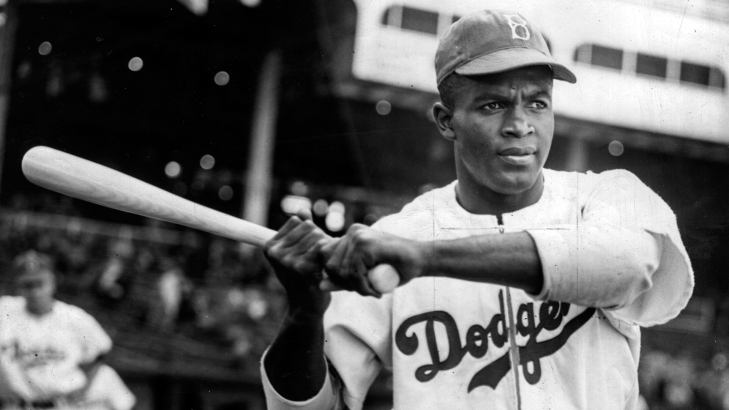
Jackie Robinson arrived in Brooklyn in 1947 as the hand-picked pioneer of Branch Rickey, a 28-year-old rookie carrying the weight of a fractured nation on his shoulders. While his arrival was a seismic social event, he quickly established that his presence was justified by elite, multi-dimensional talent. For ten seasons in a Dodger uniform, he provided a brand of high-stakes play that blended a crisp batting average with aggressive baserunning, standing as a foundational cornerstone for the most successful era in the franchise's Brooklyn history.
The initial chapter of his tenure was a masterclass in mental and physical fortitude. Debuting at an age when many players are already in their prime, Robinson navigated a barrage of racial hostility while maintaining a professional focus that secured him the inaugural Major League Baseball Rookie of the Year Award. He batted .297 and led the National League with 29 stolen bases in 1947, immediately proving that his five-tool skillset could translate to the highest level. This entry into the league served as a harbinger of a peak that would see him become one of the most versatile and feared offensive threats in the game.
Robinson reached a remarkable ceiling in individual production during the 1949 campaign, a season in which he led the National League with a .342 batting average and 37 stolen bases. He earned the National League MVP that year, becoming the first Black player to receive the honor while recording career highs in hits (203) and RBIs (124). His impact extended beyond the box score; he was a disruptive force on the paths, famously rattling pitchers with an ability to steal home that kept opponents in a constant state of unease. This brilliance anchored a lineup that reached the World Series, further solidifying his status as a premier superstar.
Between 1947 and 1953, he never finished a season with a batting average below .296, consistently recording an on-base percentage over .400. He was a defensive standout who made over 140 starts at four different positions, first base, second base, third base, and left field, providing a flexibility that allowed the Dodgers to maximize their roster depth. This steady production and reliability translated into a 61.8 bWAR, a mark that currently ranks as the third-highest in franchise history.
The later stages of his career featured a shift toward a leadership role as injuries and age began to limit his explosive speed. While his power numbers remained steady, his value became increasingly tied to his presence in a clubhouse that was hungry for a championship. Everything culminated in the 1955 season, where his veteran guidance helped lead the "Boys of Summer" to their first World Series title over the New York Yankees. Though his individual stats were in decline, his grit was on full display during Game 1 when he famously stole home, an iconic moment that ignited the Dodgers' path to a championship.
The trajectory of his playing days concluded following the 1956 season when the club attempted to trade him to the rival New York Giants. Rather than donning the uniform of his greatest enemy, Robinson opted to retire and pursue business opportunities, ensuring his entire major league journey occurred in Dodger Blue. He left behind a statistical footprint that includes 1,518 hits and a career .311 batting average, figures that reflect a Hall of Fame career condensed into just one decade. He remained a foundational figure in American history long after his final at-bat, becoming a first-ballot Hall of Famer in 1962.
The longevity of his career was limited by the era's prejudices, yet the mark he left in Brooklyn remains the most significant in the sport's history. Departing with six All-Star selections and a legacy that transcends the game, his number 42 was eventually retired across all of Major League Baseball as a permanent tribute.
5. Duke Snider
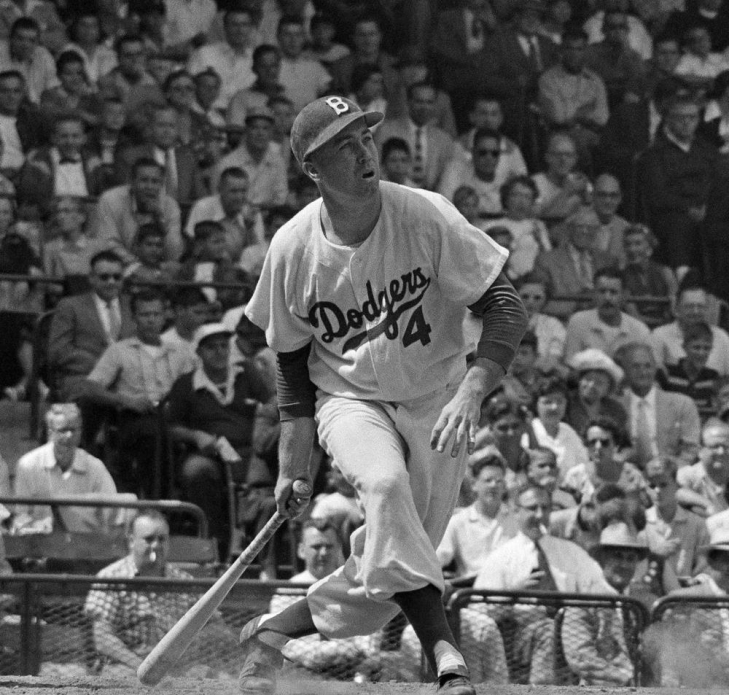
A raw, high-upside talent from Compton, Duke Snider was a local California kid who would eventually become the definitive power source for the legendary "Boys of Summer." While he navigated the immense pressure of batting third in a lineup filled with future Hall of Famers, he quickly established that his left-handed stroke was the primary engine of the franchise’s offensive output.
The initial chapter of his tenure was defined by a steady ascent alongside fellow pioneer Jackie Robinson, securing a permanent spot in the starting outfield by 1949. Though he faced early criticism for his strikeout totals and a late-season slump during the 1951 pennant race, Snider maintained a professional focus that transformed him into one of the most feared hitters of the decade. By 1953, he had harnessed his power to an elite degree, beginning a historic run of four consecutive seasons with at least 40 home runs. This steady production made him the only player in the 1950s to reach that plateau in four straight years, providing a high-quality baseline of power that few in the sport could rival.
Snider reached a remarkable ceiling of individual production between 1953 and 1956, a stretch that solidified his place in the "Willie, Mickey, and the Duke" debate of New York center fielders. During this peak, he captured the 1955 RBI title with 136 runs driven in, leading the Dodgers to their first and only World Series championship in Brooklyn. He followed that by winning the 1956 home run crown with 43 blasts while also leading the National League in walks and on-base percentage. His impact was reflected in his perennial All-Star selections and five separate top-ten finishes in the MVP voting, proving he was the central gear in the most potent offense of the era.
His tenure was further defined by a mastery of the spotlight during the Fall Classic, where he consistently raised his game. He set a specialized record by hitting four home runs in two different World Series (1952 and 1955), a feat of postseason power that anchored the middle of the order when the stakes were highest. Whether he was robbing hitters of extra bases with his athleticism in center field or driving the ball into the Bedford Avenue structures, he provided a versatility that allowed the Dodgers to dominate the National League. This reliability translated into 1,995 hits and a career .300 batting average during his time in the organization.
The later stages of his career featured a shift toward a leadership role as the franchise transitioned to Los Angeles in 1958. While the dimensions of the Los Angeles Memorial Coliseum and nagging injuries began to limit his offensive volume, his veteran presence remained a value to the clubhouse. He remained a high-quality contributor during the 1959 championship run, helping the club secure its first title on the West Coast as a respected elder statesman.
His Dodgers run ended when his contract was sold to the New York Mets in 1963. As a Dodger, he had 389 home runs and 1,271 RBIs and was finally inducted in 1980. He remained an icon of the franchise long after his retirement, seeing his number 4 raised to the rafters the same year he entered Cooperstown.
2. Sandy Koufax
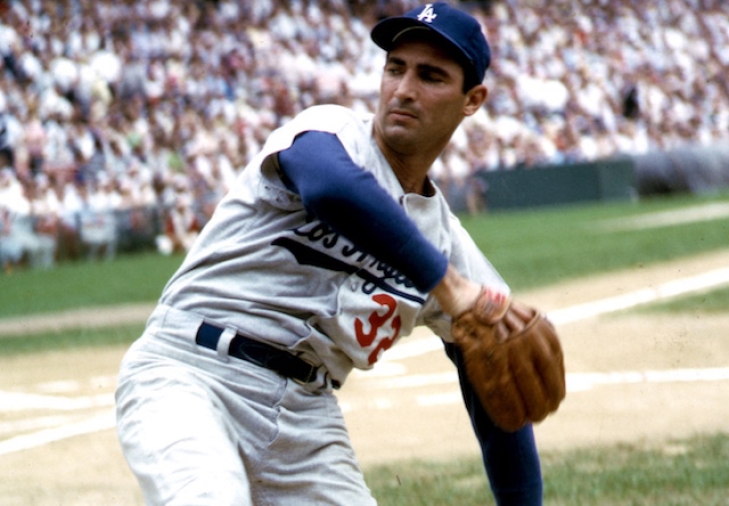
Sandy Koufax arrived in Brooklyn in late 1954 as a "Bonus Baby," a local product from the University of Cincinnati with a fastball that crackled but a compass that often failed him. Because of the rules at the time, his signing bonus forced him directly onto the major league roster, bypassing the seasoning of the minor leagues. For the first six years of his career, he delivered a brand of erratic brilliance, standing as a tantalizing talent who frequently walked as many batters as he struck out.
The early portion of his tenure was defined by a frustrating struggle with control that nearly led him to walk away from the sport. Between 1955 and 1960, he posted a 36-40 record with a 4.10 ERA, marks that reflected a pitcher who would often lose sight of the plate by rearing back too far in his delivery. He showed the organization he was a professional mainstay during the team's 1959 championship run, but it wasn't until a legendary spring training conversation with Catcher Norm Sherry in 1961 that he began to harness his power. By simply easing his effort to improve his accuracy, he transformed from a wild thrower into the most feared southpaw in baseball history.
The advice paid off. That season, Koufax had a breakout year, leading the National League with 269 strikeouts and a 3.00 FIP. He followed that performance with a 1962 season where he won the first of five consecutive ERA titles, posting a stellar 2.54 mark and his first career no-hitter. This steady ascent served as the formal introduction to a period of dominance that arguably remains the greatest four-year stretch ever produced by a pitcher. From 1963 to 1966, he operated at a level of individual recognition that saw him secure three Cy Young Awards and the 1963 National League MVP.
His postseason resume added a layer of legendary status to his career, particularly during the 1963 and 1965 World Series. He proved to be a high-caliber winner by posting a 0.95 career ERA in the Fall Classic, famously winning World Series MVP honors twice. Whether it was striking out 15 Yankees in the 1963 opener or tossing a three-hit shutout on two days' rest to clinch the 1965 title, he became the primary engine behind the franchise's golden era. His value was never more apparent than when he reached for the resin bag in October, turning the biggest stage in sports into his own personal gallery.
The trajectory of his career was tragically cut short by traumatic arthritis in his left elbow, forcing a retirement that stunned the sporting world. He walked away in 1966 following a 27-win season, opting to preserve his long-term health rather than risk permanent injury. He left behind a statistical footprint in Los Angeles that includes 165 wins and 2,396 strikeouts, figures that would have been significantly higher had his body not betrayed him at age 30. He remained a professional icon even in retirement, becoming the youngest player ever inducted into the Hall of Fame at age 36.
The longevity of his peak may have been brief, but the height of that peak left a mark in Blue Heaven that serves as a permanent benchmark for excellence. Departing with four no-hitters, including a perfect game, his status as a foundational pillar of the franchise is beyond question. He carried himself with a quiet dignity that matched his on-mound ferocity, a journey that saw his number 32 retired in 1972 as a tribute to a man who, for six years, was simply unhittable.
With the Dodgers, Koufax compiled 165 wins, 2,396 strikeouts, and three Cy Young Awards.
4. Don Drysdale
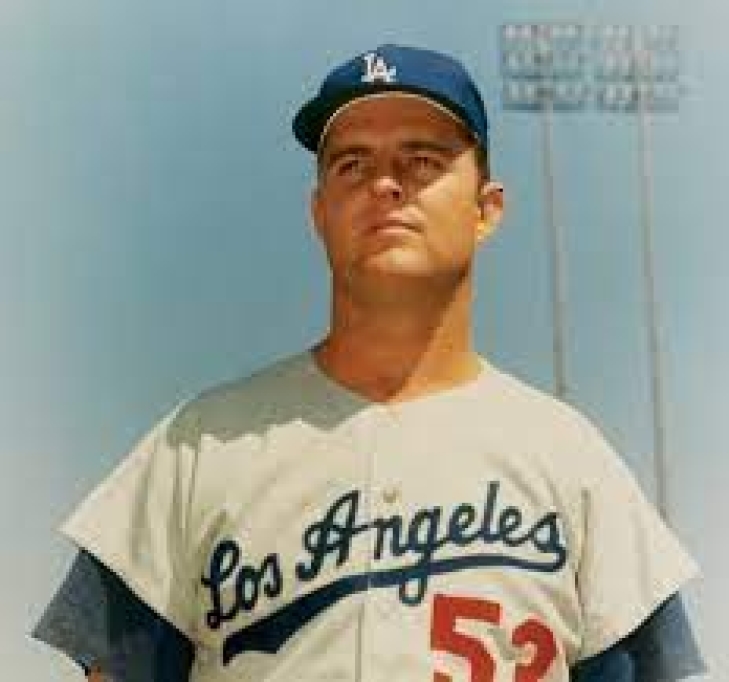
Don Drysdale arrived in Brooklyn in 1956 as a towering presence from Van Nuys, a local product who traded a promising basketball future for a seat on the Dodgers' flight to Los Angeles. While he spent much of the 1960s as a formidable counterpart to Sandy Koufax, he carved out a legacy defined by an aggressive, sidearm delivery and a refusal to yield even an inch of the inner half of the plate.
The initial chapter of his tenure saw him secure a rotation spot at just 20 years old, navigating the pressure of a championship-caliber clubhouse with veteran poise. He earned a World Series ring as a rookie in 1956 and solidified his status as a permanent fixture by the time the club moved to Southern California in 1958. By 1959, he had become a premier arm in the National League, earning his first All-Star selection and helping the Dodgers capture their first title in Los Angeles. This early success established a baseline of reliability that would allow the franchise to build a pitching-centric dynasty over the next decade.
Drysdale reached a peak of individual recognition during the 1962 campaign, a season where he emerged from the pack as the game's elite right-hander. That summer, he led the National League in wins (25), innings pitched (314.1), and strikeouts (232), a performance that earned him both the Cy Young Award and Major League Player of the Year honors. He followed this with a dominant 1963, anchoring the staff alongside Koufax to sweep the Yankees in the World Series. His ability to chew up massive amounts of innings, averaging over 300 frames a year during the early sixties, gave the Dodgers a steady floor of excellence that few rotations in history could match.
The middle of the decade featured a continued run of hardware and high-stakes success, including another World Series championship in 1965. Between 1961 and 1965, he was an annual fixture at the All-Star Game, providing a fierce competitiveness that perfectly complemented the quiet dominance of his southpaw teammate. While his strikeout totals were often overshadowed by the "Left Arm of God," his command and willingness to challenge hitters inside made him one of the most intimidating pitchers of his era. He remained a high-quality starter as the decade progressed, rarely missing a turn and consistently keeping his ERA below the league average.
Everything culminated in a historic swan song during the 1968 season, where he authored one of the most legendary streaks in baseball history. That summer, he set a then-Major League record by tossing 58.2 consecutive scoreless innings, a stretch that included six straight shutouts. It was a masterpiece of control and mental toughness that reminded the league he was still a top-tier threat even as he entered his thirties. Though he walked away from the game just a year later due to shoulder issues, that scoreless streak remains the definitive punctuation mark on a career built on stubborn excellence.
He retired with 209 wins, a 2.95 ERA, and 2,486 strikeouts, figures that represent a lifelong commitment to the same organization. He remained a professional icon long after his final pitch, eventually being inducted into the Baseball Hall of Fame in 1984, the same year the Dodgers raised his number 53 to the rafters.
1. Clayton Kershaw
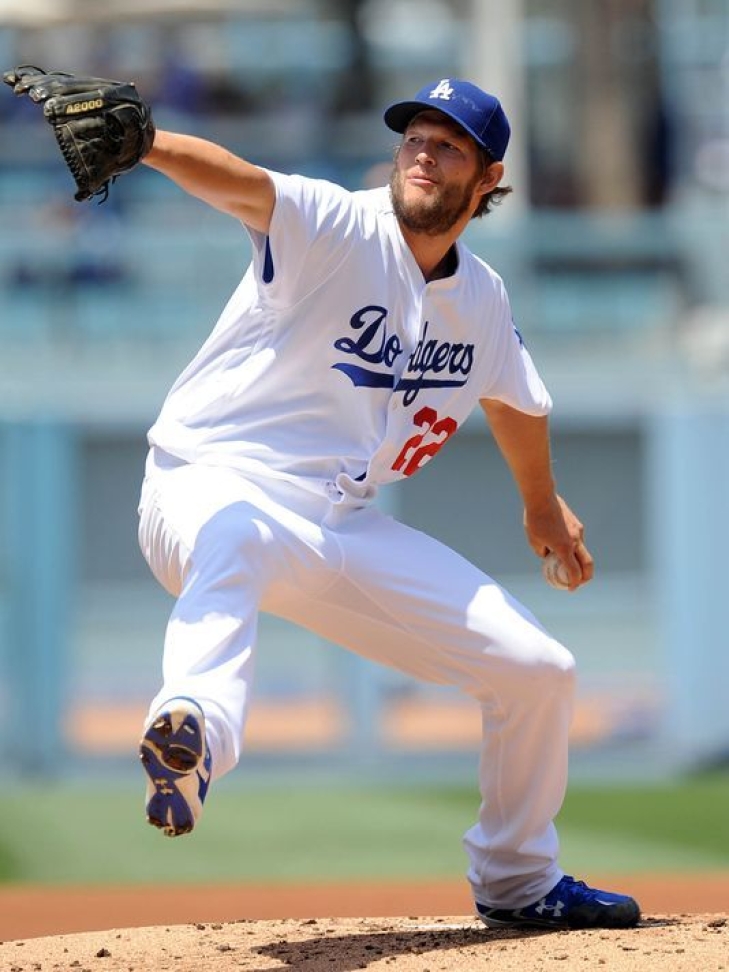
When making these lists, they are supposed to be fun and to use the proverbial number 99.9, which is the percentage they are. With the Los Angeles Dodgers, it was so hard, and there were so many people we could choose from within the top tier that choosing amongst icons was befuddling. Especially considering the man we decided at the top is not who you might think.
Clayton Kershaw arrived in Los Angeles as the seventh overall pick in the 2006 draft, a Texas high school phenom whose looping curveball and high-velocity heater immediately invited comparisons to the great Sandy Koufax. He reached the big leagues just two years later, a raw southpaw tasked with upholding a pitching lineage that defines the Dodgers’ identity. For nearly two decades in blue, he has provided a specialized brand of mound dominance, proving that a generational arm could withstand the immense pressure of the Hollywood spotlight to become a foundational icon of the franchise.
The early chapters of his tenure were defined by a methodical evolution from a high-upside prospect into a tactical workhorse. After a 2008 debut that saw him finish as the league’s youngest player, Kershaw showed the organization he was a professional mainstay by posting a stellar 2.79 ERA in 2009, his first full season in the rotation. He followed that by eclipsing the 200-inning and 200-strikeout marks for the first time in 2010, recording a specialized complete-game shutout against San Francisco that served as a harbinger of the dominance to come.
The 2011 campaign was the season that marked his breakout on the global stage. That summer, he demonstrated a technical mastery of the strike zone, winning the Pitching Triple Crown by leading the National League in wins (21), strikeouts (248), and ERA (2.28). He showed the organization he was a premier superstar by earning his first career Cy Young Award, a performance that signaled the beginning of a decade-long reign. This breakout was merely the opening act for a pitcher who would eventually make the All-Star Game a nearly annual tradition.
His tenure saw an unprecedented level of individual recognition between 2013 and 2014, a two-year stretch that established him as the gold standard in the sport. During this peak, he secured back-to-back Cy Young Awards, including a historic 2014 season where he also captured the National League MVP. He showed the organization he was a foundational outlier by posting a specialized 1.77 ERA and a 0.857 WHIP, marks that echoed the legendary numbers of the dead-ball era. His tactical value was defined by his ability to go deep into games while maintaining elite efficiency, famously tossing a no-hitter in 2014 that remains one of the greatest individual performances in Dodger Stadium history.
Between 2011 and 2017, he won five ERA titles, proving to be a foundational workhorse who consistently led the league in WHIP and strikeout-to-walk ratio. He demonstrated a specialized durability during this stretch, remaining a perennial Cy Young contender even as he navigated back and shoulder issues. His tactical mastery of the "Kershaw Curve" and a devastating slider ensured he remained a high-quality threat every time he took the ball, anchoring a rotation that reached the postseason in every season from 2013 onward.
The only thing Kershaw had left to do was win the World Series, which he did in 2020. While critics had often highlighted his postseason struggles, Kershaw demonstrated a foundational resilience during the Dodgers' title run. He showed the organization he was a high-caliber winner by securing two victories in the World Series against the Tampa Bay Rays, posting a 2.31 ERA over his two starts. This historic performance allowed him to finally lift the trophy, securing the ring that many felt was the final missing piece of a first-ballot Hall of Fame resume.
As the decade turned, the trajectory of his career shifted toward a veteran leadership role, though his efficiency remained remarkably high. He earned his 200th career win in 2023 and surpassed the milestone of 3,000 strikeouts in 2025. Despite dealing with a set of injuries that limited his availability during the team’s 2024 championship run, his presence in the dugout remained a tactical asset for a club that eventually secured its second title of the decade. He proved that true greatness is found in the ability to adapt, evolving from a power pitcher into a technical master as he entered his late thirties.
Kershaw had his farewell tour in 2025, which again resulted in a third World Series. He retired with three Cy Young Awards, an MVP, and three World Series rings, 223 wins, 3,052 strikeouts, and his status as the greatest Dodger of all time is a technical certainty. He proved that true greatness is found in the legacy of a player who carries himself with the same poise and humility regardless of the hardware in his trophy case, a journey that now heads directly to a first-ballot induction in Cooperstown.
5. Wayne Gretzky

Edmonton Oilers' owner, Peter Pocklington, had a dynasty, but he also had a problem; he was hemorrhaging money through his other failed projects. His biggest asset was Wayne Gretzky, the best player and most prominent name in the sport. He engineered a trade, sending his superstar to Los Angeles, and in the process, shifting the hockey world to Southern California.
With all due respect to all the Kings players before Gretzky, they didn't make Los Angeles a must-watch team. Gretzky did. In his first season in L.A., Gretzky won what would be his final Hart Trophy. Hockey became hugely popular in California, and arguably because of Gretzky, two more teams (Anaheim and San Jose) would enter the league.
The Kings would not reach the Stanley Cup Finals, but again, people were watching. Pittsburgh's Mario Lemieux would become the NHL's best player, but Gretzky was still the "Great One" and the game's top draw. Following that first year with the Kings, where he led the NHL in Assists for what was the tenth straight year, he did so again the following three years and again in 1993-94. Lemieux's illness allowed Gretzky to win the Art Ross as the game's leading scorer in 1989-90 and 1990-91, and he won it a final time in 1993-94. Still one of the cleanest players in hockey, Gretzky won three Lady Byngs as a King.
The Kings were struggling in the standings, and while Gretzky was still a draw, he was set to become a free agent. L.A. traded him to St. Louis, and he would leave the team to finish his career with the Rangers.
With L.A., Gretzky scored 918 Points, 672 being Assists. The Hockey Hall of Fame inducted Gretzky immediately, waiving the three-year rule when he retired in 1999. Three years later, his #99 was forever hung to the rafters in Los Angeles.
267. Jim Gilliam
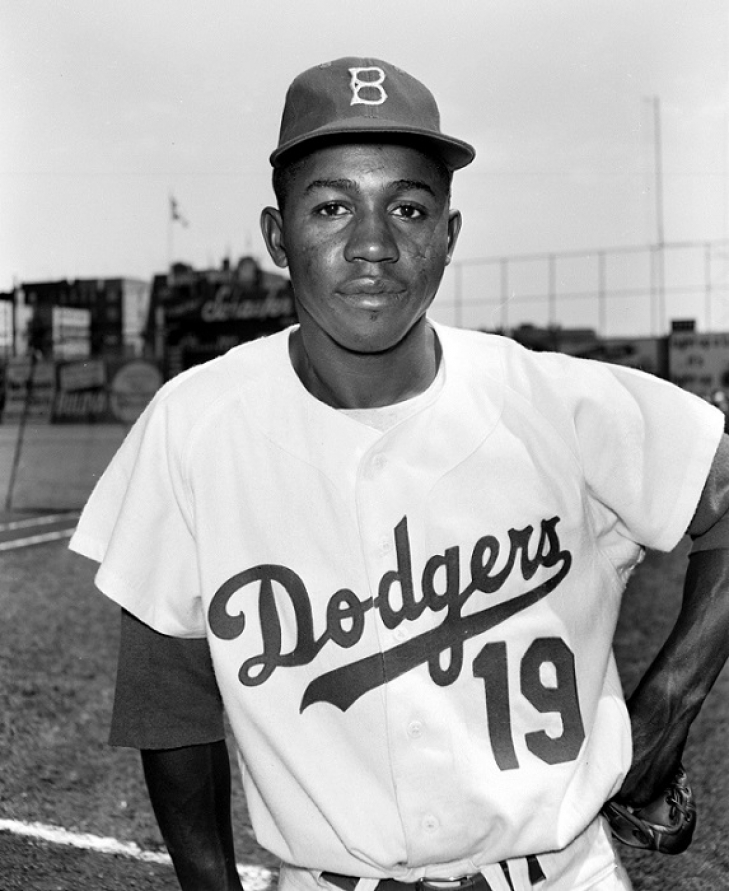
A member of the Dodgers throughout his entire career, Jim Gilliam is one of the few players who won a World Series ring in both Brooklyn and Los Angeles.
245. Bob Welch
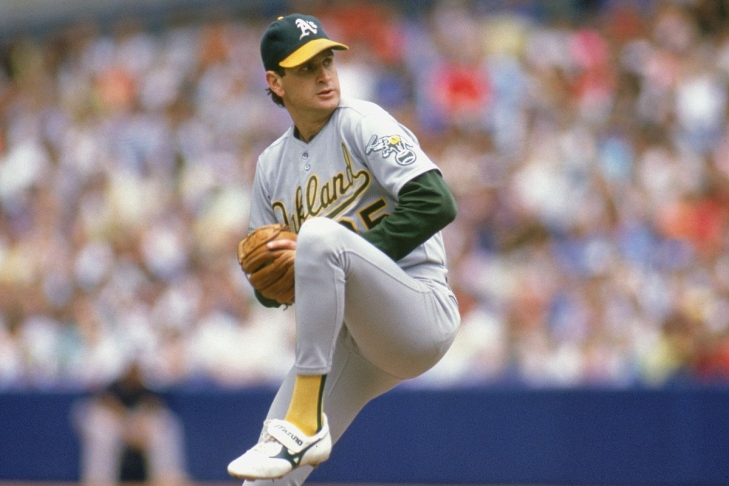
Bob Welch split his career between two California teams, the Los Angeles Dodgers and the Oakland Athletics, and he brought success to both of those squads.
