

15. Mike Sweeney
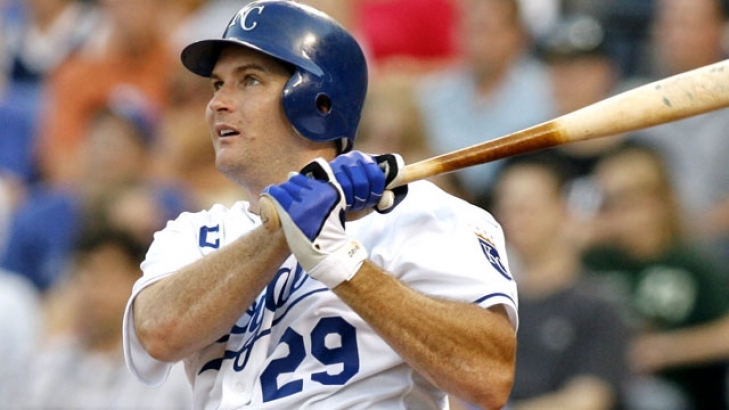
Mike Sweeney arrived in Kansas City as a 10th-round pick with a catcher's mitt and a bat that would eventually make him the heart and soul of the franchise. While he began his journey behind the plate, his path to becoming a Royals legend was paved by a transition to first base and designated hitter, where his offensive production could carry a team through a difficult era. For thirteen seasons in a Royals uniform, he was a beacon of character and consistency, a player who famously wore the captain's "C" on his jersey and served as the bridge between the glory years of the eighties and the resurgence of the 2010s.
Sweeney’s emergence in Kansas City reached a definitive breakout in 1999. After several seasons of splitting time and battling for a permanent spot, he secured the starting job and responded with a .322 batting average and 22 home runs. This performance signaled a transition from a defensive liability at catcher to one of the premier offensive threats in the American League. In 2000. That year, Sweeney set a franchise record with 144 RBIs, a mark of high-frequency production that earned him his first of four consecutive All-Star selections and solidified his status as the most dangerous bat in the lineup.
In 2002, he reached a career peak for average, batting .340, the second-highest single-season mark in Royals history, and finished second in the American League batting race. He showed the organization that he was a foundational piece of the franchise, recording five seasons with a batting average of .300 or better and six seasons with at least 20 home runs. However, his overall value declined due to defensive struggles and a series of back and knee injuries that increasingly limited him to the designated hitter role. Despite these physical hurdles, he remained a model of resilience, providing the dependable leadership the team’s first official captain was required to provide.
Everything culminated in a career that saw him rank near the top of almost every major offensive category in Royals history. He finished his tenure in Kansas City with 1,398 hits, 197 home runs, and a .299 batting average, a statistical footprint that trails only George Brett in the conversation of the team's greatest hitters. However, the toll of chronic injuries eventually led to a departure following the 2007 season. He spent his final professional years as a veteran presence in Oakland, Seattle, and Philadelphia, but he chose to retire as a Royal, signing a one-day contract in 2011 to ensure his journey ended where it began.
The story in Kansas City reached a natural conclusion in 2015 when he was inducted into the Royals Hall of Fame.
18. Lorenzo Cain
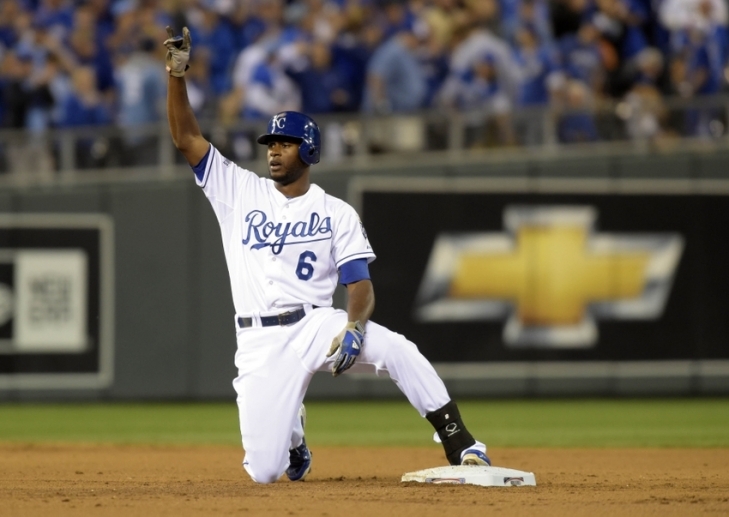
Lorenzo Cain became the defensive heartbeat of a resurgent Kansas City era, arriving via a transformative 2010 trade with the Milwaukee Brewers that completely reimagined the Royals' outfield. For seven seasons, he patrolled center field with a specialized range and a high-velocity style of play that turned potential extra-base hits into routine outs. While he joined a franchise hungry for a return to relevance, Cain provided the spark that ignited a championship window.
Cain’s impact in a Kansas City uniform reached a historic peak during the 2014 and 2015 postseason runs. After securing the starting role in center field, he transitioned into a premier American League force who specialized in taking hits away from the opposition. He showed the organization that he was a foundational piece of a championship puzzle, earning the 2014 ALCS MVP honors for a display of defensive brilliance that left the Baltimore Orioles shell-shocked. He possessed a focused intensity that allowed him to thrive on the biggest stage, anchoring a defense that famously shrank the field for every pitcher on the staff.
The bulk of his Missouri years were characterized by a unique combination of elite glovework and an increasingly dangerous offensive profile. In 2015, Cain reached a career peak for individual dominance, batting .307 with 16 home runs and 28 stolen bases. This performance earned him his first All-Star selection and a third-place finish in the American League MVP voting. He was a statistical force during the 2015 World Series run, providing the high-frequency contact and speed that wore down opposing rotations. Despite a style of play that invited a heavy physical toll, he remained a model of resilience, earning three Wilson Defensive Player of the Year awards and twice surpassing the 150-hit mark.
Following the 2017 season, the veteran outfielder chose to return to Milwaukee via free agency. With the Royals, Cain compiled 751 hits, 120 stolen bases, and the 2015 World Series championship.
6. Salvador Perez
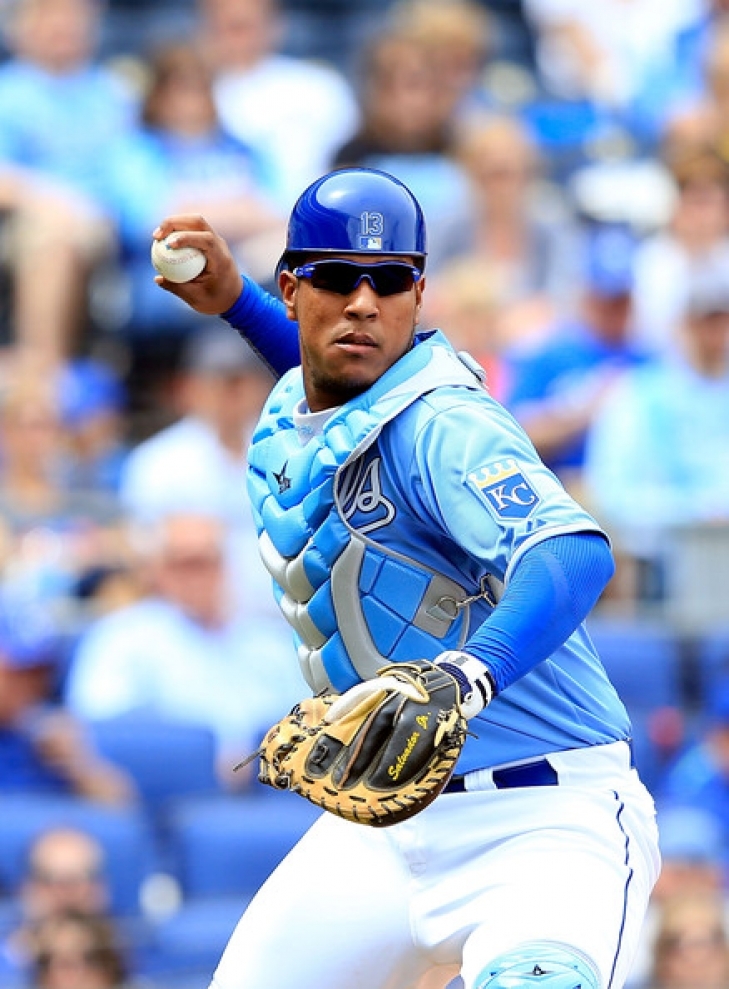
The arrival of Salvador Perez in Kansas City in 2011 didn't just provide the Royals with a catcher; it gave the franchise its emotional compass. A jovial, high-energy presence from Venezuela, "Salvy" quickly transitioned from a defensive specialist into a tactical powerhouse who could break a game open with a single swing.
Perez’s career was defined during the 2015 World Series. That October, he didn't just manage a championship pitching staff; he dictated the tempo of the Fall Classic, batting .364 and earning World Series MVP honors as the Royals secured their first title in thirty years. He was a model of specialized durability, capturing five Gold Gloves and four straight Silver Sluggers during a dominant mid-decade run. While his aggressive approach at the plate often resulted in a lower on-base percentage, his raw power and high-leverage hitting made him the primary offensive engine for a roster that prioritized grit and contact.
Perez’s character was shown following a lost 2019 season due to Tommy John surgery. Many questioned if a veteran catcher could return to peak form, but Perez answered with a statistical outlier stretch that redefined the position’s offensive ceiling. In 2021, he authored a masterpiece of power hitting, leading the major leagues with 48 home runs and 121 RBIs, setting a new single-season record for home runs by a primary catcher. He was a model of professional resilience, capturing three consecutive All-MLB First Team selections between 2020 and 2021, proving that his impact on the diamond was only growing with age.
The story in Kansas City is still being written, but Perez has already secured his place in the pantheon of Heartland legends. Entering the 2026 season with the Royals, Perez has compiled 303 home runs, 1,003 RBIs, and five Gold Gloves.
12. Zack Greinke
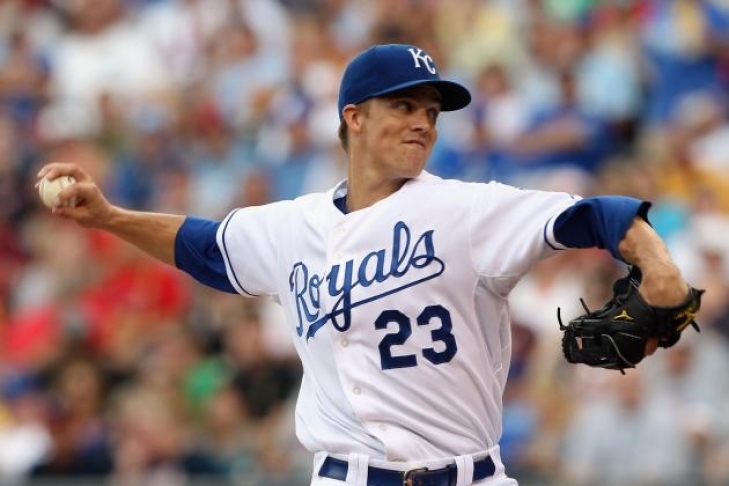
Zack Greinke’s path in Kansas City was a study in profound professional resilience. Arriving as a highly touted first-round pick in 2002, he quickly found that the weight of expectation, combined with personal battles with social anxiety and depression, nearly derailed his career before it truly began. After stepping away from the game entirely in 2006 to reset his mental health, Greinke returned with a recalibrated mindset and a tactical approach that transformed him from a struggling prospect into the most dominant arm in the American League.
Greinke’s climb back to the mound reached a major turning point in 2008. That season, he provided the Royals with a model of durability, winning 13 games and posting a 3.47 ERA, signaling his transition from a question mark to a front-line starter. He possessed a focused intensity and a diverse repertoire that allowed him to outthink hitters, culminating in a historic 2009 campaign. That summer, he reached a career peak, leading the league in ERA (2.16), WHIP (1.07), and FIP (2.33). He captured the American League Cy Young Award, a season in which he also led all pitchers in bWAR, proving he was the premier craftsman of his era.
The middle of his tenure reached a complicated plateau in 2010. While he remained a high-frequency strikeout threat, the lack of run support in Kansas City led to a frustrating win-loss record. Seeking a chance to compete for a championship, Greinke requested a trade and was dealt to Milwaukee following the season. He left behind 931 strikeouts and a Cy Young trophy, embarking on a decade-long odyssey that saw him earn elite honors across both leagues. He showed the organization that while his talent was immense, his path was uniquely his own, leaving a legacy of brilliance that many fans thought had reached its final chapter in a Royals uniform.
The story in Kansas City took a surprising turn in 2022. In a move that mirrored a veteran-like homecoming, Greinke returned to the Royals as a free agent, reclaiming his spot in the rotation to mentor a new generation of arms. While he no longer possessed the triple-digit heater of his youth, his ability to navigate lineups remained elite as he relied on guile and movement. He provided the club with two final seasons of steady-state presence, including a 2022 campaign where he posted a respectable 3.68 ERA. However, the 2023 season proved to be a difficult closing punctuation, as he struggled to a 2-15 record with an ERA over five, eventually entering free agency as one of the most respected figures in the game’s history.
He left the Royals with 66 wins and 1,101 strikeouts, having spent nearly half of his storied career in the blue and white.
9. Mark Gubicza
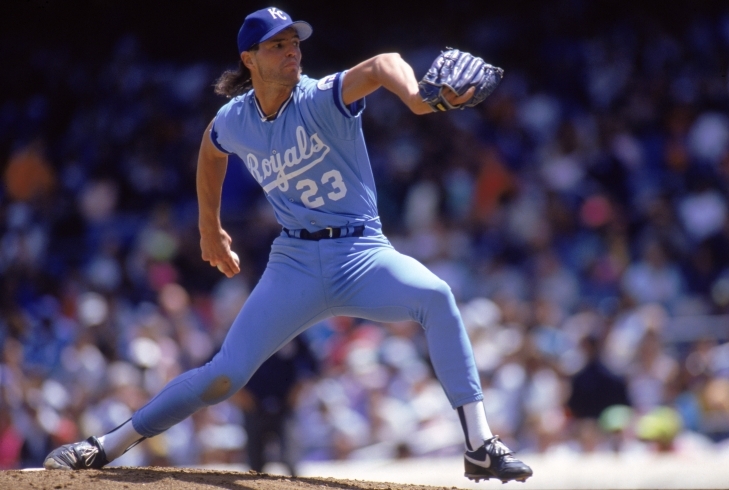
Mark Gubicza, affectionately known as "Goobie," was the definition of a workhorse for the Kansas City Royals. While he often pitched in the shadows of Cy Young winners like Bret Saberhagen, Gubicza was a high-frequency anchor who combined a fierce competitiveness with a specialized ability to keep the ball in the yard. For over a decade, he transitioned through every role in the rotation, eventually leaving the diamond as the franchise's all-time strikeout leader and a pillar of their 1980s glory.
Gubicza’s ascent in Kansas City began as a 21-year-old in 1984, but during the 1985 championship run. As a sophomore, he provided the specialized durability the Royals needed, winning 14 games and pitching 177 innings to help secure the AL West. His most iconic moment of that run came in the ALCS against Toronto; with the Royals facing elimination in Game 6, Gubicza delivered a gutsy start to earn the win and force a Game 7. While he didn't appear in the World Series as the team moved to a shorter rotation, his regular-season volume was a primary engine in getting them there.
The center of his residency was defined by a two-year stretch of elite dominance in the late 1980s. In 1988, Gubicza became a 20-game winner and finished third in the AL Cy Young voting. He was a model of efficiency that season, leading the league in pitching bWAR (8.0) while pitching a massive 269.2 innings. He followed this with another All-Star campaign in 1989, proving his craftsmanship by leading the league in starts (36). During this peak, he joined the legendary Walter Johnson as one of the few pitchers to lead the league in HR/9 three times, a testament to his specialized ability to suppress power hitters.
The final chapters of his story in Kansas City showcased a remarkable professional resilience. Following a series of arm injuries and a brief move to the bullpen in 1993, Gubicza refused to settle into a declining plateau. He successfully transitioned back into the starting rotation, even leading the American League in starts again in 1995. By the time he was traded to the Angels in 1997, he had amassed 132 wins and 1,366 strikeouts in a Royals uniform, setting a franchise record for punchouts that would stand for years.
The story in Kansas City reached its final punctuation in 2006 when the Royals inducted him into their Hall of Fame.
7. Frank White
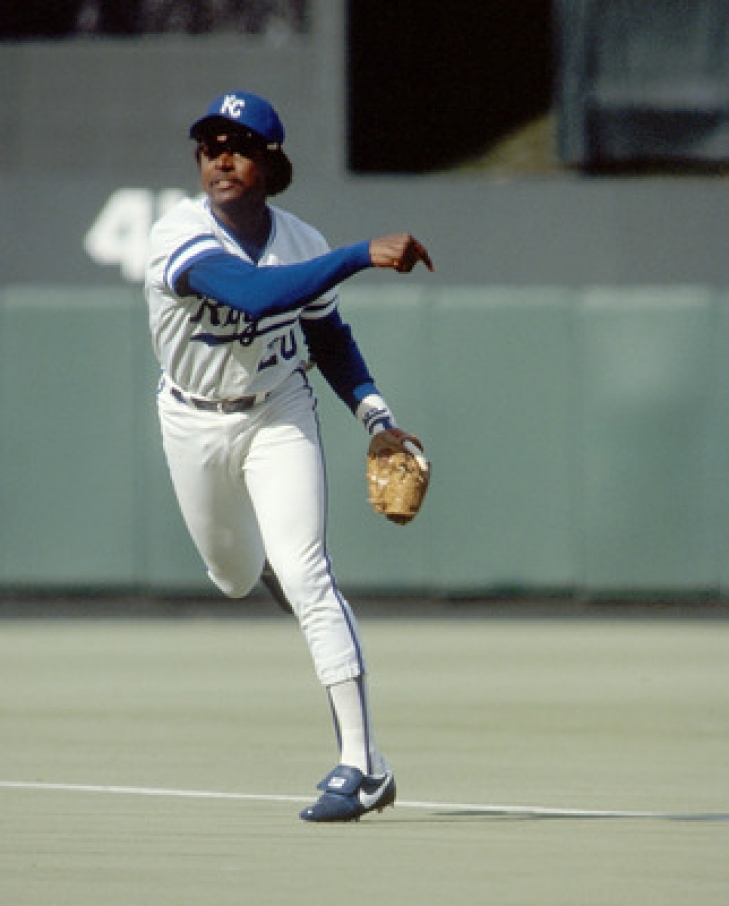
While George Brett was the thunder of the Kansas City dynasty, Frank White was the lightning-quick glove that held the infield together. A local product who literally helped build the stadium where he eventually became a star, White spent eighteen seasons as the gold standard for defensive excellence at second base.
White’s tenure in the Midwest was defined by a surgical, high-frequency brilliance in the field. His defensive command was on full display by capturing eight Gold Gloves, a total that solidified his reputation as the premier vacuum of the American League. Nicknamed "Hoover" for his specialized ability to inhale anything hit in his direction, he was a model of technical craftsmanship, consistently ranking among the league leaders in double plays turned and total zone runs. He possessed a rare, explosive athleticism that allowed him to turn routine grounders into spectacular outs, providing the steady-state reliability that anchored the Royals' championship rotations.
Offensively, White reached an unexpected surge of power during the mid-1980s. While he struggled with a career on-base percentage that dipped below the .300 mark—a specialized limitation that restricted his overall statistical value—he found his stroke during the club's most critical runs. He produced back-to-back 20-home run seasons in 1985 and 1986, proving he could provide the high-leverage pop needed to support a championship lineup. His professional resilience was never more evident than in the 1980 ALCS, where he hit .545 and earned MVP honors to help Kansas City finally slay the Yankees and reach the World Series for the first time.
His presence in the organization was defined by an unwavering loyalty and a workmanlike approach that endeared him to the Kansas City faithful. Whether he was famously using his elite range to preserve a lead or providing the veteran-like poise needed to guide the club through the 1985 "I-70 Series" triumph, he competed with an energy that was woven into the fabric of the city.
As a Royal, White compiled 2,006 hits and 160 home runs while securing eight Gold Gloves and a World Series ring, and in 1995, he was bestowed a spot in the Royals Hall of Fame.
8. Dan Quisenberry
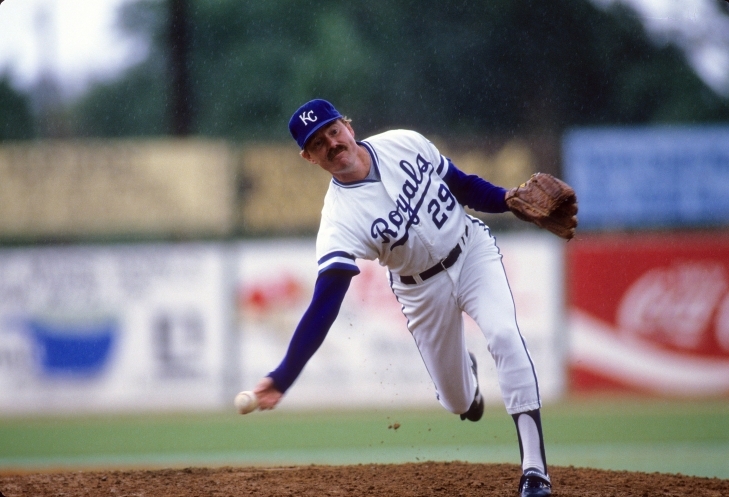
Dan Quisenberry was a machine in an era of flame-throwing closers. While his peers were busy trying to blow the ball past hitters, "Quiz" was busy making them look foolish with a submarine delivery and a sinking fastball he famously nicknamed "Peggy Lee”, because the first time a hitter saw it, they’d ask, "Is that all there is?" For the first half of the 1980s, his pinpoint control and unconventional style turned the late innings at Royals Stadium into a graveyard for American League rallies.
Quisenberry’s ascent in Kansas City began with a definitive tactical shift in 1980. After a solid debut the year prior, his signature submarine style immediately propelled him to a league-leading 33 saves and a fifth-place finish in the Cy Young voting. He was the high-frequency engine that powered the Royals to their first-ever American League pennant, providing a specialized level of efficiency that defied the "fireballer" archetype. He proved that a reliever could become a franchise pillar not by overpowering hitters, but by inducing a relentless stream of ground balls and refusing to grant free passes.
The middle of his career was defined by a four-year run of high-leverage dominance that remains an outlier in relief history. Between 1982 and 1985, Quisenberry led the American League in saves each season and won four consecutive Rolaids Relief Man awards. In 1983 alone, he set a then-MLB record with 45 saves while maintaining a microscopic 1.94 ERA across 139 innings, a workload that would be unthinkable for a modern closer. He was a model of steady-state reliability, finishing as the runner-up for the Cy Young in both 1983 and 1984, proving that his specialized craftsmanship was respected as much as any starter’s volume.
The final chapters of his story in Kansas City culminated in the 1985 "I-70 Series." Quisenberry was a model of veteran poise throughout the postseason, eventually earning the win in the legendary Game 6 that sparked the Royals' comeback to win their first World Series title. However, the heavy workloads of his peak years led to a rapid decline; his effectiveness eroded to the point where the club released him midway through the 1988 season. He departed with 238 saves in a Royals uniform, a total that served as the franchise gold standard for decades.
The story in Kansas City reached its final punctuation in 1998 when the Royals inducted him into their Hall of Fame. It was a bittersweet celebration, as Quisenberry passed away later that year, but his legacy as a witty, eccentric, and utterly dominant tactician remains etched into the team's identity.
With the Royals, Quisenberry compiled 238 saves, five Rolaids Relief Man awards, and a World Series ring (1985).
10. Hal McRae
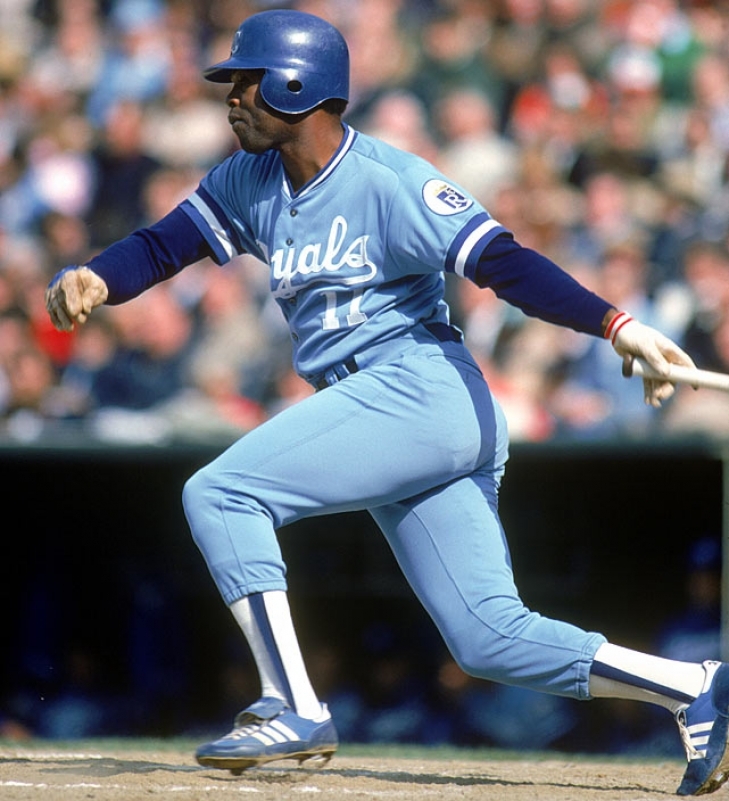
Hal McRae was the definitive prototype for the modern designated hitter, a man who transformed a newly created rule into a specialized art form. When he arrived in Kansas City in 1973 via a trade with the Reds, the Royals weren't just acquiring a bat; they were securing the competitive heartbeat of their franchise for the next fifteen seasons. McRae didn't let his defensive limitations define him; instead, he focused his intensity entirely on the batter's box, proving that a player could become a franchise pillar by mastering the psychological and tactical demands of the DH role.
McRae’s ascent in Kansas City began with an immediate high-frequency impact, hitting over .300 in his first two full seasons with the club. He reached an unrivaled gear in 1976, a season that served as a career-defining peak for his efficiency at the plate. That summer, he battled teammate George Brett for the batting title until the final day, finishing with a .332 average and leading the American League in both on-base percentage (.407) and OPS (.868). He finished fourth in the MVP voting, signaling a transition from a productive hitter to one of the most feared outliers in the game. He wasn't just a "solid contributor"; he was a model of focused aggression, specializing in the "hard slide" and the RBI knock.
The middle of his tenure was marked by a relentless, steady-state excellence as the Royals emerged as a perennial powerhouse. Between 1974 and 1982, McRae exceeded the .300 mark six times, earning three All-Star nods and becoming the first player to win the Designated Hitter of the Year award three times. He reached a new level of run production in 1982, at age 36. That season, he led the American League with 133 RBIs and secured his first Silver Slugger Award, again finishing fourth in the MVP race. He showed the organization that a veteran-like poise and a violent, line-drive swing could defy the standard aging curve, providing the middle-order muscle that fueled multiple postseason runs.
Everything culminated in the 1985 championship season, where McRae served as the elder statesman of the clubhouse. While his playing time had reached a natural plateau, his presence was a deterrent that helped steady a young Royals squad during their comeback in the "I-70 Series." He finished his Kansas City story with 1,924 hits and 1,012 RBIs, leaving the diamond as the gold standard for every designated hitter who followed.
In 1989, the Royals inducted him into their Hall of Fame.
11. Alex Gordon
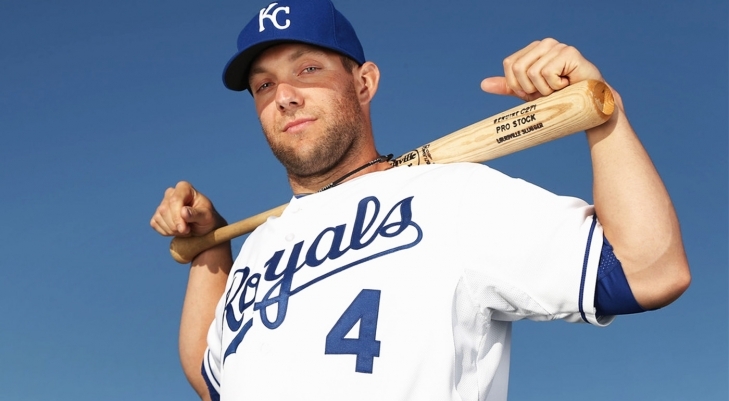
Alex Gordon arrived in Kansas City with the immense weight of being the second overall pick and the consensus best amateur player in the country. While the early chapters of his career were defined by a difficult search for an identity at third base, his transition to the outfield transformed him into the defensive heartbeat of the franchise. For fourteen seasons, Gordon embodied a blue-collar resilience that resonated in the Heartland.
After a few inconsistent seasons in the infield, he reached a career-defining pivot in 2011. Moving permanently to left field, he combined a newfound defensive comfort with a violent, gap-to-gap swing, batting a career-high .303 and launching 23 home runs. He followed this with a relentless run of production in 2012, leading the American League with 51 doubles. He wasn't just a solid contributor anymore; he was a model of two-way efficiency who provided the steady-state reliability the Royals needed to climb out of the division basement.
The middle of his tenure saw him reach an unrivaled gear of defensive dominance. Between 2011 and 2014, Gordon captured four consecutive Gold Gloves, proving that his range and arm strength were the gold standard of the league. He reached a professional high point during the 2014 and 2015 postseason runs, where his focused intensity and a flair for the dramatic, highlighted by his game-tying home run in the 9th inning of Game 1 of the 2015 World Series, anchored the Royals' first championship in thirty years. He showed the organization that a player could become a franchise pillar through sheer grit and a refusal to let a ball drop in the gap, eventually earning a Platinum Glove as the league’s best overall defender.
The final chapters of his story were marked by a veteran-like poise as he mentored a younger generation of Royals. While his offensive numbers reached a natural plateau in his mid-30s, his craftsmanship in the field never wavered, as he added three more Gold Gloves to his trophy case between 2017 and 2020. He remained the emotional anchor of the clubhouse through the rebuilding years, choosing to stay in Kansas City as a lifer rather than chasing a ring elsewhere. He eventually retired after the 2020 season, leaving the diamond with 1,643 hits and 190 home runs.
1. George Brett
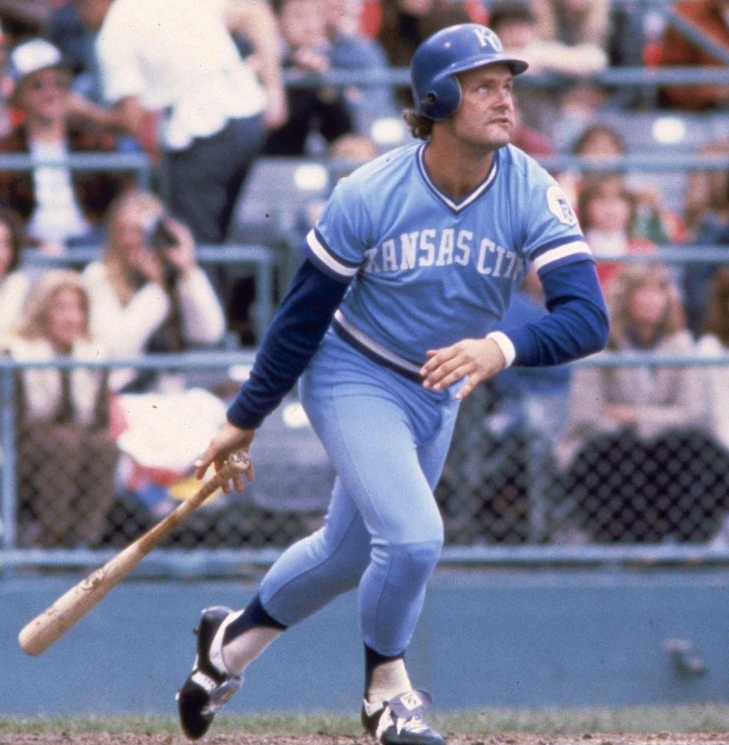
To speak of the Kansas City Royals is to speak of George Brett; the two are functionally inseparable. Arriving in the mid-1970s as a high-intensity third baseman with a violent, beautiful swing, Brett didn't just play for the franchise—he authored its soul. For 21 seasons, he served as the undisputed heartbeat of the organization, evolving from a contact-oriented spark plug into a psychological titan who could dismantle an entire pitching staff through sheer, unadulterated willpower.
Brett’s tenure in Kansas City was defined by a pursuit of offensive perfection that reached a historic crescendo during the summer of 1980. That year, he flirted with the mythical .400 mark deep into September, eventually finishing with a staggering .390 average—the highest by any player since Ted Williams. He was a model of specialized efficiency, capturing the American League MVP while leading the circuit in On-Base Percentage, Slugging, and OPS. It was a season of such profound outlier status that it remains the gold standard for modern hitting, a masterclass in professional resilience and technical command.
While his 1980 campaign was his masterpiece, Brett remained a high-frequency producer for over two decades. He possessed a rare, versatile power that saw him blast 317 home runs, but his true craftsmanship lay in his ability to spray line drives into every corner of the park. He captured three batting titles across three decades (1976, 1980, 1990), a feat of sustained excellence that remains unmatched. He was the primary engine for the Royals' golden era, a 13-time All-Star who provided the veteran-like poise required to lead the club to seven postseason appearances.
The hallmark of his game was a big-game temperament that famously peaked in the 1985 World Series. After helping the Royals navigate a grueling seven-game ALCS where he earned MVP honors, Brett hit .370 in the Fall Classic to secure Kansas City's first world title. He proved that a player could become a franchise lifer by mastering the high-leverage moments, eventually joining an elite fraternity as one of only four players in major league history to amass 3,000 hits, 300 home runs, and a career batting average over .300.
Beyond the box score, his presence was defined by a fierce, focused intensity—famously immortalized by his explosive reaction during the 1983 "Pine Tar Game." Whether he was charging out of the dugout to defend his integrity or providing the tactical mentorship needed for a young roster, he competed with an energy that made him the face of the city. He showed the organization that a superstar could be both a technician and a warrior, eventually amassing 3,154 hits while playing every single game of his legendary career in a Royals uniform.
His story in Kansas City reached its final punctuation in 1994, when the team retired his number 5 and inducted him into the franchise Hall of Fame. The baseball world followed suit in 1999, ushering him into Cooperstown with a staggering 98.2% of the vote, a near-unanimous validation of a career built on grit and greatness.
5. Amos Otis
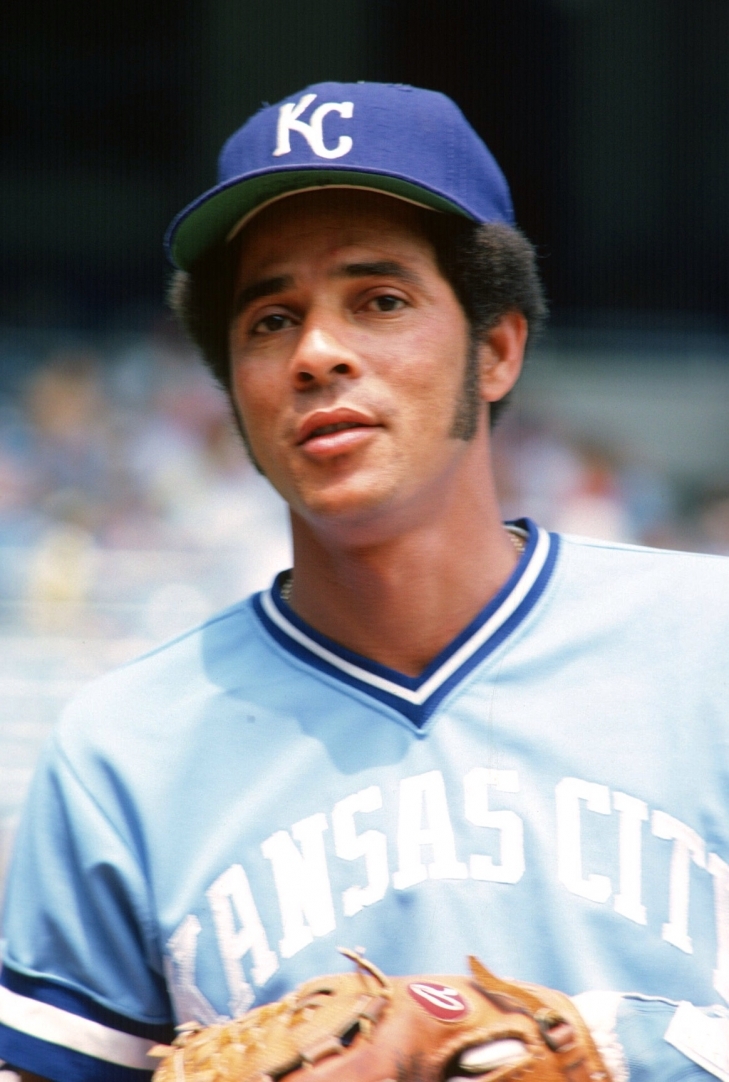
The New York Mets’ decision to part with Amos Otis in 1969 remains one of the most lopsided clerical errors in baseball history. While the Mets saw a player who didn't quite fit their mold, the expansion Kansas City Royals recognized a foundational catalyst. Arriving in the Midwest just as the franchise was finding its pulse, "A.O." didn't just occupy center field; he patrolled it with a predatory grace that defined the "Royal Way" for more than a decade. He was the prototype for the organization’s identity, a high-speed athlete who turned the cavernous gaps of Royals Stadium into his personal playground.
Otis’s tenure in Kansas City served as a definitive study in the "small ball" revolution. In 1971, a season in which he led the American League with 52 stolen bases. This wasn't merely track-star velocity; it was a weapon that pressured opposing rotations from the moment he reached first. He twice led the circuit in doubles and has amassed five seasons with at least 30 steals. His ability to manufacture runs in a park that swallowed home runs made him the primary engine of the Kansas City offense long before the arrival of the club's later icons.
Another tool he had was his defensive range that felt nearly limitless. Otis possessed a specialized athleticism that earned him three Gold Gloves in center field, utilizing his sprinter's kick to erase extra-base hits before they could find the turf. He reached a historic outlier status during the 1980 World Series, a stage where he transformed from a steady contributor into a postseason supernova. Despite the Royals falling to the Phillies, Otis authored a masterpiece in the Fall Classic, batting a staggering .478 with three home runs and seven RBIs. It was a performance of such high-leverage brilliance that it remains etched in the franchise's early playoff lore.
The 1983 season, which should have been a celebration of his veteran-like poise, instead became a high-stakes crossroads. Following the legal proceedings, Commissioner Bowie Kuhn issued a suspension that sidelined Otis for the beginning of the 1984 campaign. It was a moment of intense public scrutiny that threatened to obscure over a decade of elite production.
As for ’84, that was with Pittsburgh, as he was a Free Agent, and he finished his career at Three Rivers.
With the Royals, Otis compiled 1,977 hits and 340 stolen bases while securing three Gold Gloves. He entered the Royals Hall of Fame in 1986 as part of the first class.
2. Bret Saberhagen
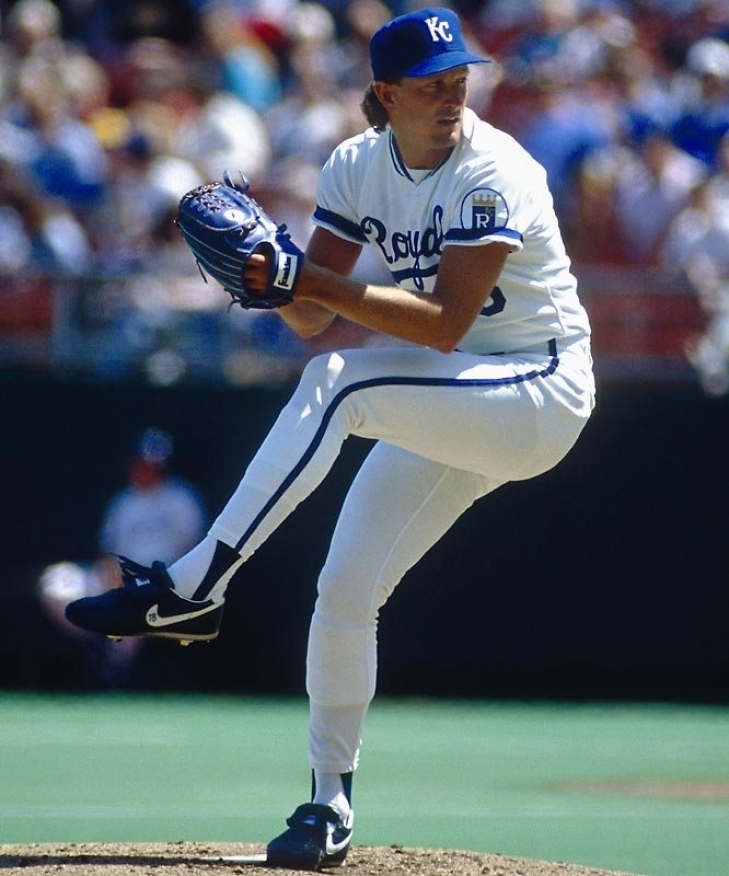
For a decade in Kansas City, following the "Saberhagen Cycle" was the most reliable way to predict the American League pennant race. A slender right-hander with a repeatable, athletic delivery, Bret Saberhagen possessed a specialized command that made him the tactical focal point of the Royals' rotation. While his career was famously defined by an "odd-year" phenomenon, in which he alternated between human fallibility and untouchable dominance, his peaks were so high that they reshaped the franchise's history.
In 1985, at just 21 years old, he displayed a professional resilience far beyond his years, capturing his first Cy Young Award with 20 wins and a 2.87 ERA. However, it was in the postseason that he achieved legendary outlier status. During the "I-70 Series" against St. Louis, Saberhagen authored a masterpiece of high-leverage efficiency, pitching two complete games—including a shutout in the decisive Game 7- to secure the World Series MVP and the Royals' first world title. He proved that a young pitcher could anchor a championship staff by prioritizing location and veteran-like poise over raw velocity.
The hallmark of his craftsmanship returned with a vengeance in 1989, a season that remains a statistical monument in Kansas City lore. After navigating the expected "even-year" dip, Saberhagen had another phenomenal year, going 23-6 and leading the American League in wins, ERA (2.16), WHIP (0.961), and FIP. He captured his second Cy Young Award by mastering the subtle art of the strike zone, leading the circuit in strikeout-to-walk ratio while providing the steady-state reliability of 262 innings. He was a model of specialized control, a pitcher who didn't just throw strikes but dictated exactly where the hitter would make contact.
In 1991, Saberhagen was traded to the New York Mets. With the Royals, Saberhagen compiled 110 wins, 1,093 strikeouts, and two Cy Young Awards, and in 2005, he was inducted into the Royals Hall of Fame.
3. Kevin Appier
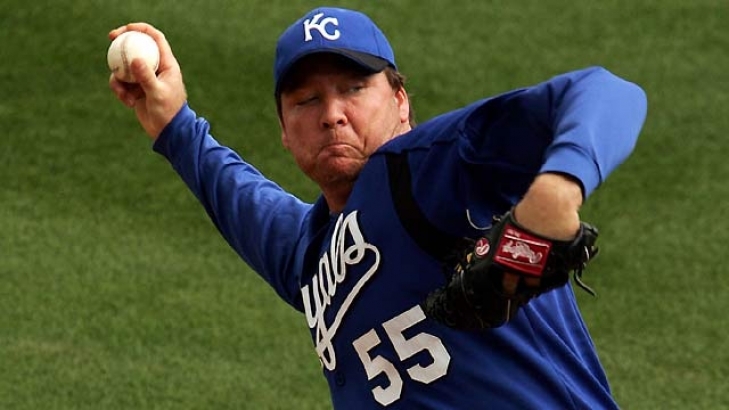
The story of Kevin Appier in Kansas City is a testament to the quiet, analytical brilliance that often goes unrecognized in real-time. While he never commanded the national spotlight with 20-win seasons or a shelf full of Cy Young trophies, "Ape" was a statistical marvel who spent the 1990s dismantling American League lineups with a deceptive, high-intensity delivery. He served as a solitary lighthouse for a franchise navigating a difficult transitional era, proving that an elite arm could maintain world-class efficiency even without the support of a powerhouse roster.
Appier’s tenure in the Heartland was defined by a surgical, high-frequency dominance that modern analytics has only recently begun to fully appreciate. His best year by far was 1993, a season where he led the American League with a 2.56 ERA and paced all pitchers in bWAR. Despite finishing third in the Cy Young voting, he was the primary engine of the league's pitching ranks, leading the circuit in FIP and Win Probability Added. He was a model of specialized control, utilizing a signature "funky" motion to disrupt hitters' timing and providing the steady-state reliability of 238 innings for a team that desperately needed an anchor.
Appier showed year-over-year consistency, finishing in the top 10 in pitcher bWAR on 7 occasions as a Royal. He possessed a specialized durability that allowed him to navigate the high-leverage demands of the AL Central, ranking in the top five for ERA four times and in the top ten for WHIP six times. He proved that a player could become a franchise pillar by mastering the technical nuances of run prevention, eventually amassing 1,458 strikeouts in a Kansas City uniform, a total that currently ranks second in the club’s long history.
His primary chapter in Kansas City closed in 1999 when he was traded to Oakland, though he would eventually return for a second stint to bookend his career. He departed as one of the most statistically significant players to ever wear the blue and white, a man who arrived as a first-round pick and left as a permanent part of the franchise's foundation.
With Kansas City, Appier compiled 115 wins and 1,458 strikeouts and was inducted into the Royals Hall of Fame in 2011.
4. Willie Wilson
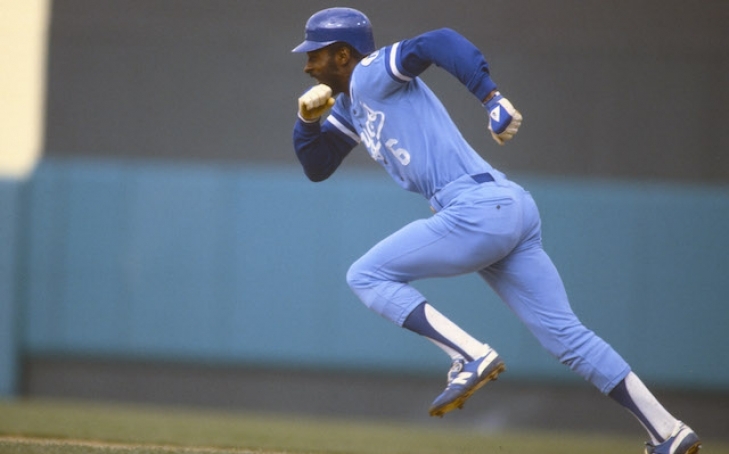
If George Brett was the foundation of the Kansas City Royals, Willie Wilson was the high-octane fuel that made the machine run. A first-round draft pick with world-class speed, Wilson transformed the leadoff spot into a theater of the frantic, forcing opposing pitchers into a state of permanent anxiety the moment he stepped into the box. While his career is occasionally shadowed by a difficult chapter in 1983, his legacy in the Heartland is defined by a decade and a half of pure, unadulterated athleticism that helped propel the franchise to the peak of the baseball world.
Wilson’s tenure in Kansas City served as a definitive study in utilizing speed as a primary offensive weapon. He had a special campaign in 1980, where he became only the second player in history to record 100 hits from each side of the plate. That summer, he led the American League in hits (230), runs (133), and triples (15) while setting a then-major league record with 705 at-bats. He was a model of specialized efficiency, capturing a Gold Glove and a Silver Slugger while finishing fourth in the MVP race. It was a performance that proved he was more than just a sprinter; he was a complete, high-frequency contributor who could dominate a game without ever leaving the infield.
Wilson was a perennial fixture on the triples leaderboard, leading the American League in that category five separate times as a Royal, including a career-high 21 triples during the 1985 championship season. He possessed a professional resilience that allowed him to bounce back from a disappointing 1980 World Series to become a postseason hero five years later. During the 1985 Fall Classic against St. Louis, Wilson hit a blistering .367, providing the high-leverage spark needed to fuel the Royals' historic comeback from a 3-1 series deficit.
While his on-base percentage fluctuated, his ability to put the ball in play and pressure defenses was unrivaled; he eclipsed the 30-stolen-base mark in 11 consecutive seasons for Kansas City, eventually amassing a franchise-record 612 steals. He proved that a player could become a franchise pillar by mastering the specialized "small ball" game,
In 1990, Wilson departed for Oakland, but he left as the organization's all-time king of the basepaths. He finished his Royals journey with 1,968 hits and a reputation as the fastest man to ever wear the uniform. His work was immortalized in 2000, when the Royals inducted Wilson into their Hall of Fame.
33. David Cone
David Cone may not be best remembered for winning a Cy Young Award. He may be best known as a true hired gun that baseball teams coveted in their stretch drives.
Cone had the coveted label as a big game pitcher. Cone was at his best during high-pressure situations and showcased his abilities as a member of five World Series-winning teams. He was a very smart pitcher who used a variety of skills to defeat opposing batters. Cone was the subject of various sex scandals, yet was able to shut out those distractions and often had his best outings while the target of public ridicule. As such, he shook off those labels and kept only one: winner.
What prevented David Cone from making a serious run at the Hall of Fame was a few bad seasons that really brought down his overall career numbers. He failed to make the 200-win milestone, though had he had more offensive run support, he could have made it. His “hired gun” status also gave him a label that was unsatisfactory to some, though he was one of many to receive it. Flat out, David Cone was one of the top pitchers of the ’90s, and that should not be denied.
Should David Cone be in the Hall of Fame?
98. Dan Quisenberry
Generally, the mold of the Relief Pitcher is a blazing fastball and a powerful delivery. Dan Quisenberry did not fit that mold… or any other one, for that matter.
The “Quiz” was a control pitcher who rarely struck anyone out. He used a submarine delivery, which features his primary weapon: the sinking fastball. Quisenberry looked to get batters out with weak grounders, and it often worked. He claimed he found “a delivery in his flaw” and for years he kept batters off balance with his style. For a six-year period, there was no closer that was more effective than Dan Quisenberry, and he was a constant threat to win the Cy Young Award.
Strangely, Dan Quisenberry did not make it past the first ballot for the Hall of Fame. Considering he has similar numbers and came from the same era as Bruce Sutter (who just got in), the low vote tally is even more puzzling. After 1986, his numbers sharply dropped, and this could be the principal reason he has been omitted as he went from All-Star to liability in a very quick time frame. Still, when you are the best at your position for multiple years, like Dan Quisenberry, you deserve better than a “one and done” for HOF enshrinement.
Should Dan Quisenberry be in the Hall of Fame?
53. Bret Saberhagen
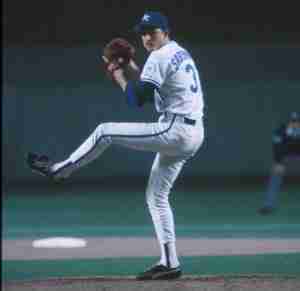
Baseball Players are notorious for being superstitious. We really don’t know if Bret Saberhagen consulted the Psychic Friends Network, but it always seemed curious that he performed significantly better in years that ended in odd numbers than he did in even ones.
Saberhagen is one of the rare pitchers in Major League history to win two Cy Young Awards. When he was on, Saberhagen exercised pinpoint control and often performed well in pressure situations, as evidenced by his 1985 World Series performance. The problem with Saberhagen, though, is that despite his two Cy Young Awards, the rest of his campaigns were basically average. He was an All-Star only three times, which is a little surprising considering the two dominant campaigns that he had. Basically, you would think that he was capable of having at least a few “Very Good” seasons, but he didn’t exactly accomplish that.
It isn’t likely that the Veterans Committee will be calling, but given the individual and team accolades Bret Saberhagen achieved, he likely retired feeling his career goals were accomplished.
Should Bret Saberhagen be in the Hall of Fame?
136. Johnny Damon
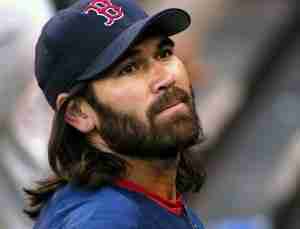
Johnny Damon came close to getting to the 3,000 Hit mark in his career (2,769) and did have other decent career numbers with 235 Home Runs, 1,139 Runs Batted in, and 408 Stolen Bases. Damon was also a very popular figure who won two World Series (one in Boston and one in New York), but a look at his individual campaigns shows that of a statistical compiler, as he never had a top ten MVP season, only made two All-Stars, and only was in the top ten in WAR for Position Players once. Throw in his sub .800 career OPS and sub-par defense, do we have a more popular Vada Pinson on our hands? His vote tally of 1.9% in his first year of eligibility was interesting and told the tale of his Hall of Fame chance.
