


Committee Chairman
41. Yuli Gurriel

Yuli Gurriel arrived in the Houston organization in 2016 following a high-profile defection that concluded a decade of dominance in the Cuban National Series. Having already established himself as a legendary figure internationally, he chose to leave the Cuban national team while in the Dominican Republic and eventually signed a five-year deal with the Astros at the age of 32.
Gurriel first demonstrated his ability to impact a championship roster during his 2017 rookie campaign. That summer, he recorded 18 home runs and a .299 average, finishing fourth in the American League Rookie of the Year voting and dominating the hitting safely throughout the 2017 playoffs, helping secure the franchise's first World Series title.
During the 2017 World Series, Gurriel's campaign was marked by a significant controversy following a home run off Dodgers pitcher Yu Darvish in Game 3. Gurriel was captured on camera making a racially insensitive gesture in the dugout, an action that drew immediate backlash and a five-game suspension to be served at the start of the 2018 season. He issued a public apology and met with Darvish to express his regret, a moment that became a localized point of growth and reflection amidst the team's pursuit of a title.
Despite the tension surrounding the incident, he remained a focal point of the offense throughout the playoffs, helping secure the franchise's first World Series trophy. While the event remained a part of his narrative, his offensive reliability on the field continued as he recorded three consecutive seasons batting over .290.
At age 37, he evolved into the oldest player since Ted Williams to win an American League Batting Title, finishing the year with a .319 average. He showed the organization he was a foundational star by pairing that hitting crown with his first career Gold Glove Award at first base, proving he could remain an elite defender well into his late thirties. Though his regular-season production dipped significantly in 2022, he demonstrated a specialized ability to deliver in October, batting .347 during the postseason to help Houston capture their second World Series championship.
Following the 2022 Season, the Astros chose not to re-sign Gurriel. As an Astro, Gurriel compiled 866 hits, a .319 batting title (2021), and two World Series championships.
RIP: Mike Nesmith
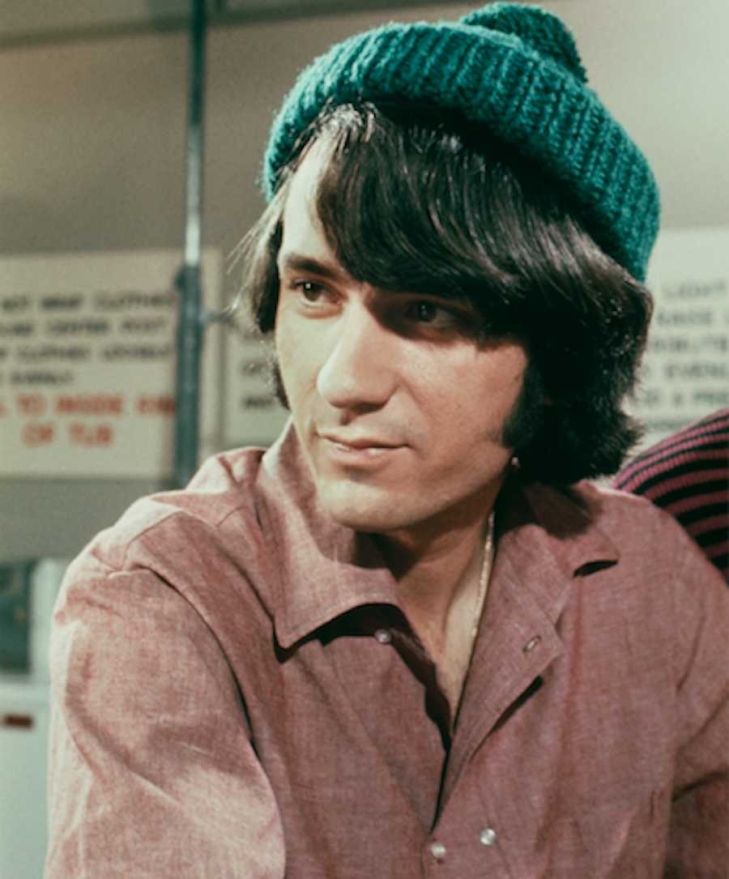
Mike Nesmith, one of the members of the Monkees, has passed away today. He was 78 Years Old.
Nesmith was cast as one of the members of the Monkees, a show on NBC, designed to capitalize of Beatlemania, specifically a weekly variation of Hard Day’s Night. It was a monster smash, with the group churning out hits, but behind the scenes, Nesmith and other members of the group wanted musical freedom, which they would eventually obtain.
Nesmith, who played bass in the group, was a visionary and drove the group to write and perform their own music, and most notably, he wrote “Mary Mary” for the group. He also wrote “Different Drum”, a song that was rejected by the rest of the group, and would be given to Linda Ronstadt and her group, the Stone Ponies.
The Monkees broke up, and Nesmith embarked on a solo career, but it did not generate many sales. Where he was successful, was in the video medium, as shown by one of his early music videos when the idea was still novel. He would later put together a program called “Pop Clips” of music videos for Nickelodeon, which would be the impetus for MTV.
Nesmith would also become a movie producer, having funded films such as “Repo Man” and “Tapeheads”.
We here at Notinhalloffame.com would like to extend our condolences to the fans, friends and family of Mike Nesmith.
RIP: Demaryius Thomas
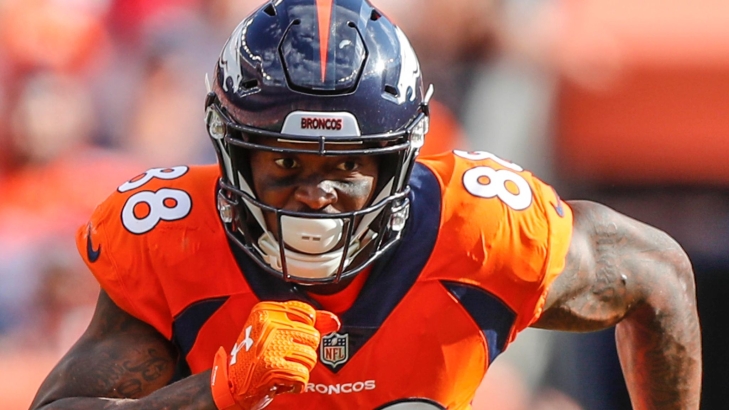
Last night, former Denver Broncos Wide Receiver, Demaryius Thomas, was found dead in his home in Georgia. He was only 33 years old.
It is not known at this time how he passed, only that according to the police, it might have resulted from a medical issue.
A First Team All-ACC Selection from Georgia Tech, the Broncos selected him in the First Round (22nd Overall) in the 2010 Draft. Thomas would become Denver’s top Wide Receiver, exceeding 1,000 Yards five years in a row (2012-16) and was chosen for four Pro Bowls. He also helped the Broncos win Super Bowl 50, and set a then record 13 Receptions in Super Bowl XLVIII. He retired after brief stops in Houston and the New York Jets, and left the game with 9,763 Yards and 63 Touchdowns. He is currently second all-time in Receiving Yards for the Broncos.
We here at Notinhalloffame.com would like to extend our condolences to the fans, family and friends of Demaryius Thomas.
A Guide to Choosing a Reliable Online Betting Platform

The betting business has been around for years, with many individuals visiting land-based betting zones within their localities to place their bets. But lately, the betting industry has evolved, and now several businesses are located over the internet. There are countless online betting portals on the market, and each varies in terms of the perk.
It is not easy to select a reliable betting platform when overwhelmed with odds and offers. Due to this, it is best if you research and find the right online betting platform like the Latest fun88 entrance (ทางเข้า fun88 ล่าสุด) to place your bets. Keep reading to make sure you make the right choice.
Do Your Homework
The primary thing you need to factor in when looking for the right betting site like fun88 is to make sure that it is trustworthy. The betting process entails depositing and withdrawing money, so you want to ensure that all your details and funds are kept safe. If you want to figure out if a specific betting platform can be trusted, it is best to make sure that you conduct a thorough research about their operations.
The site will need to have a gaming license in place to operate legally, and the betting site needs to have details of the license on its site like Latest fun88 entrance (ทางเข้า fun88 ล่าสุด). Besides, it will help to determine the kind of deposits and withdrawals they provide you with. You don’t want to sign up on a betting site that makes withdrawals of the winnings difficult.
Go Through the Online Reviews
Another thing that you need to look for before you settle on a betting portal is to read the online reviews. Many individuals out there write these reviews intending to help other punters who are looking to join the sites. You might find one or two negative opinions, but with many positive reviews, you should go ahead and sign up on the site.
Maybe the individuals with negative thoughts about a particular betting site were unlucky to have a bad experience. Therefore, it is best to pinpoint the genuine reviews from the disgruntled punters. However, this is a very crucial thing to keep in mind. It will help ensure that you go through the reviews and that you are completely informed before you join the site.
Customer Support
Normally for those who want to bet online, should make sure that they settle on a site with excellent customer service. With exemplary customer support in place, you will be able to get assistance instantly when you need it. You will not be waiting for an answer for days.
Betting sites offer a wide range of games and services. Some offer slot games, while others offer sports games, among other games. Therefore, you can inquire about the kind of games your prospective betting site specializes in with good customer service.
It is perfect to pick the right sports betting portal like fun88 if you take the time to conduct in-depth research. Also, you need to go through online reviews and check out how the betting platforms treat their punters. Once you know that you have made the right choice of a betting site, you can start wagering and focusing on winning big.
