


Committee Chairman
The unlikely hero in a FIFA World Cup playoff
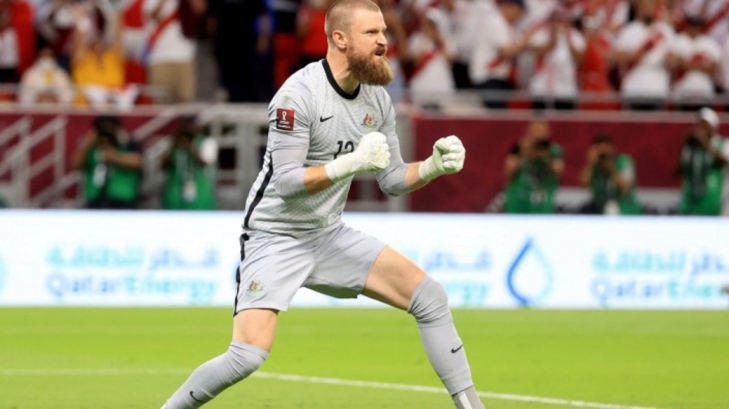
The 13th of June 2022 is a date that probably no Peruvian or Australian football fans will ever forget. On that day, their respective national teams played against each other in the play-offs for the 2022 FIFA World Cup. On these amazing matches, you can make a bet and win on 1xbet.com/en, which has unbeatable odds.
Both teams knew that the match was going to be very difficult. Australia wanted to prove why it was one of the most successful football teams in the Asian zone. On the other hand, the Peruvians were dreaming of a historic second consecutive FIFA World Cup participation. Punters can make a bet and win on the 1xBet website, which also features contests played by the Australian and Peruvian teams.
An extremely tight match
Honestly speaking, this match wasn’t one that delighted fans due to great plays or incredible moments. In fact, it was quite a tight contest. Both teams prioritized not conceding a goal rather than trying to get one of their own. Whenever matches of this kind are being played anywhere in the world, the http://1xbet.com/en/live can be used to wager on them.
The 90 minutes ended 0-0. The extra time began, and things didn’t change too much. It quickly became apparent that both Australians and Peruvians were comfortable in deciding things through the penalty shootout. Whenever those shootouts take place, make sure to visit the 1xBet website and wager on them live.
A surprising substitution
Australian coach Graham Arnold had decided to start the match with Mathew Ryan on goal. He was also the captain of the team, which made what happened next even more unexpected. The 120 minutes came, and Arnold took an idea directly from Louis van Gaal’s handbook. While waiting for such unexpected occurrences, you can visit the website 1xBet - play best online slots and win with them.
A substitution was announced, and Ryan was replaced by substitute goalkeeper Andrew Redmayne. Funnily enough, due to a typo in his shirt, his surname was spelled as “REDMA YNE” with a space in between.
In this shootout, three players failed their shots, who were:
- Martin Boyle;
- Luis Advíncula;
- and Alex Valera.
Redmayne’s impact was immediate. In fact, he became quite a celebrity due to the crazy moves and dances he made prior to a Peruvian team shooting. He successfully deflected the shot from Alex Valera, which qualified Australia for the 2022 FIFA World Cup.
Graham Arnold’s decision was quite a good one. In fact, Redmayne was key in helping his domestic teams win many Australian competitions after penalty shootouts. It was a gamble that worked out perfectly. You can play the best online slots on the 1xBet website while waiting for the next crazy moves from Andrew Redmayne.
The Pro Football Hall of Fame names the Senior Finalists
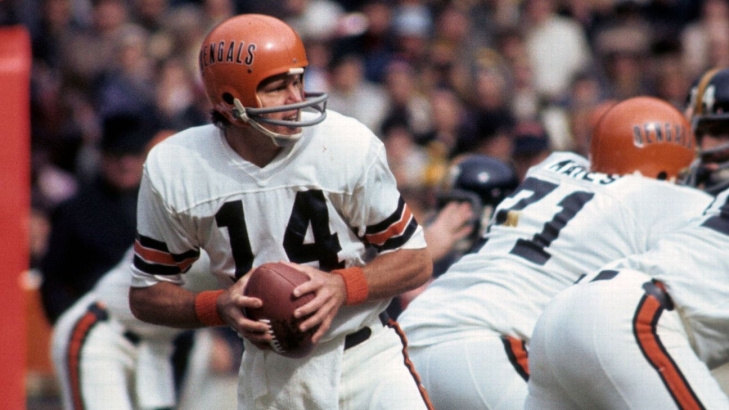
It is a great day for us at Notinhalloffame.com, as the Pro Football Hall of Fame has announced the 12 Senior Finalists for the Pro Football Hall of Fame. This was pared down from 25.
Here are the 12 Finalists:
Ken Anderson (Quarterback, 1971-1986): Playing his entire career with Cincinnati, Anderson led them to their first Super Bowl appearance and individually was a four-time Pro Bowl. Anderson was a Finalist in 1996 and 1998.
Maxie Baughan (Linebacker, 1960-1970, 1974): Chosen for nine Pro Bowls, Baughan played for Philadelphia, Los Angeles and Washington. A member of the 1960 Eagles NFL Championship team as a rookie, Baughan has never been a Finalist for the Hall.
Randy Gradishar (Linebacker, 1974-1983): The heart of the “Orange Crush Defense,” Gradishar played all 10 seasons with the Denver Broncos, seven of which earned him a Pro Bowl nod. He won the 1978 AP Defensive Player of the Year and he was a Finalist three times.
Chuck Howley (Linebacker, 1958-59, 1961-1973): Howley is the only player to win a Super Bowl MVP on a losing team (Super Bowl VI), and he was a six-time Pro Bowler who played most of his career with Dallas. He has never been a Finalist.
Cecil Isbell (Tailback/Defensive Back/Halfback, 1938-1942): Isbell played all of his career with Green Bay, where he was a one-time NFL Champion and four-time Pro Bowl selection. He was a Finalist in 2020.
Joe Klecko (Defensive End/Defensive Tackle/Nose Tackle, 1977-1988): A member of the famed “New York Sack Exchange,” Klecko played all of his career with the New York Jets. Klecko went to four Pro Bowls, and was the 1981 UPI Defensive Player of the Year. He has never been a Finalist.
Bob Kuechenberg (Guard/Tackle/Center, 1970-1983): Kuechenberg spent the entirety of his 14-year career as a member of the Dolphins, where he went to six Pro Bowls. He was a Finalist eight times.
Eddie Meador (Cornerback, 1959-1970): Meador played his entire career with the Los Angeles Rams, where he earned six Pro Bowls. Meador’s 48 Interceptions remain a franchise record, but he has never been a Hall of Fame Finalist.
Tommy Nobis (Linebacker, 1966-1976): Atlanta’s first ever Draft Pick, Nobis won the NFL Rookie of the Year and went to five Pro Bowls. He was a Finalist in 2020.
Ken Riley (Cornerback, 1969-1983): Riley played his entire career with the Cincinnati Bengals and recorded 65 career interceptions, more than any other player not already in the Hall of Fame. He has yet to be a Finalist.
Sterling Sharpe (Wide Receiver, 1988-1994): Sharpe made five Pro Bowls and his Hall of Fame ring was likely delayed by severe injuries. He has never been a Finalist.
Everson Walls (Cornerback, 1981-1993): Walls played most of his career with the Dallas Cowboys, where he went to four Pro Bowls and led the NFL in interceptions three times while in Dallas. He finished his career with the New York Giants and Cleveland Browns and helped New York to victory in Super Bowl XXV. He was a Finalist in 2018.
Those that did not make it were:
Mark Clayton (Wide Receiver, 1983-1993): Clayton played all but his final year with the Miami Dolphins, and he went to five Pro Bowls. He has never been a Finalist.
Roger Craig (Running Back, 1983-1993): Craig made history as the first NFL player to total 1,000 yards rushing and receiving in the same season and he won three Super Bowls with the San Francisco 49ers. Craig went to four Pro Bowls, won the 1988 Offensive Player of the Year, and is a two-time Finalist.
LaVern Dilweg (End, 1926-1934): Dilweg was named first-team All-Pro for his first five seasons with the Green Bay Packers, and he helped lead them to three NFL Championships. He was a Finalist in 2020.
Lester Hayes (Cornerback, 1977-1986): Hayes was a five-time Pro Bowler for the Oakland/Los Angeles Raiders, spending his entire 10-year career with the squad. He was a Finalist four times previously.
Chris Hinton (Guard/Tackle, 1983-1995): A seven-time Pro Bowl selection, Hinton played for Baltimore/Indianapolis Colts, Atlanta Falcons and the Minnesota Vikings. He has never been a Finalist.
Joe Jacoby (Tackle, 1981-1993): During his 13-year tenure with the Washington Redskins (1981-1993), Jacoby won three Super Bowls and was named to the Pro Bowl for four consecutive years (1983-86). He was a Finalist three times.
Billie “White Shoes” Johnson (Wide Receiver/Kick Returner/Punt Returner, 1974-1980, 1982-88): A prolific returner over his 14 season, Johnson went to three Pro Bowls and is a Finalist for the first time.
Mike Kenn (Tackle, 1978-1994): Kenn played all 17 seasons with the Atlanta Falcons, and he is a six-time Pro Bowler. He has never been a Finalist.
George Kunz (Tackle, 1969-1978, 1980): Kunz was named to the Pro Bowl seven times splitting his career between Atlanta and Baltimore. He has yet to be a Finalist.
Jim Marshall (Defensive End, 1960-1979): A Minnesota Viking for most of his career, Marshall’s 282 consecutive games played are the most by a defensive player, and his streak is 58 games longer than the next closest defensive lineman. A member of the Vikings famed “Purple People Eaters” Marshall went to two Pro Bowls. He was a Finalist once before.
Clay Matthews Jr. (Linebacker, 1978-1996): Matthews played most of his career with the Cleveland Browns and was a four-time Pro Bowl Selection. He was a Finalist once in 2021.
Stanley Morgan (Wide Receiver, 1977-1990): Morgan went to four Pro Bowls and is still the all-time Patriots leader in Receiving Yards. He has never been a Finalist.
Otis Taylor (Wide Receiver, 1965-1975): Taylor won a Super Bowl IV ring with the Kansas City Chiefs, and earned two Pro Bowl selections, an AFL All-Star selection and two AFL Championships during his 10-year career. He has never been a Finalist.
The Coach/Contributor category was also brought down to 12.
The Finalists are:
Roone Arledge: Arledge was a powerful television industry executive and producer whose creativity, leadership and technical innovations revolutionized the presentation of both news and sports. He was the brainchild behind Monday Night Football, and has never been a Finalist.
Don Coryell: Known for his innovative “Air Coryell” offense was the prototype for today’s modern offense. He has been a Finalist six times.
Mike Holmgren: The Head coach of the Green Bay Packers from 1992-98 and the Seattle Seahawks from 1999-2008, Holmgren was a Finalist in 2020.
Frank “Bucko” Kilroy: Kilroy worked in player personnel and scouting for the Philadelphia Eagles, Washington Redskins and Dallas Cowboys. He was the Patriots’ general manager from 1979 to 1982 and vice president from 1983 to 1993. An outstanding player in his own right, Kilroy has a Finalist in 2020.
Robert Kraft: Kraft is the current Owner, Chairman and CEO of the New England Patriots since 1994. His teams have won six Super Bowls. Kraft has never been a Finalist.
Art Modell: Modell was the Owner of the Cleveland Browns from 1961-1995 and Baltimore Ravens from 1996-2011. He has been a Finalist twice.
Buddy Parker: Parker was the Head Coach of the Chicago Cardinals (1949), Detroit Lions (1951-56) and the Pittsburgh Steelers (1957-1964), and a Finalist in 2020.
Dan Reeves: Reeves was the Head Coach of the Denver Broncos (1981-1992), New York Giants (1993-96) and the Atlanta Falcons (1997-2003), and was a Finalist in 2020.
Art Rooney Jr.: Employed with the Steelers since 1961, from 1964 through 1986, worked in the Steelers’ Scouting Department, Rooney is currently a Steelers Vice President and member of the Board of Directors. He has never been a Finalist.
Mike Shanahan: Shanahan was the Head coach of the Los Angeles Raiders (1988-89), Denver Broncos (1995-2008) and the Washington Redskins (2010-13). He has never been a Finalist.
Clark Shaughnessy: The former Head coach of the Los Angeles Rams from 1948-49 and longtime assistant coach for the Washington Redskins from 1944-47 and Chicago Bears from 1951-1962. He was a three-time Finalist.
John Wooten: A former nine-year Guard, Wooten was one of the first African-American executives in the NFL, working for the Philadelphia Eagles and Baltimore Ravens.
Those that did not make it were:
Bud Adams: In his 54 years as Founder, Owner, Chairman of the Board, President and CEO of the Titans/Oilers franchise, Adams was an enduring figure in the NFL, and a Finalist in 2020.
C.O. Brocato: A former scout for 40 years with the Houston Oilers/Tennessee Oilers/Tennessee Titans, Brocato has never been a Finalist.
Otho Davis: Davis served as associate athletic trainer for the Baltimore Colts in 1971 and the head athletic trainer for the Philadelphia Eagles from 1973 to 1995. He has never been a Finalist.
Ralph Hay: Hay was the Owner of the Canton Bulldogs from 1918-1922 and hosted the NFL’s formational meeting in his automobile dealership in downtown Canton. He was a Finalist in 2020.
Eddie Kotal: A former Scout for the Los Angeles Rams from 1947-1961, Kotal was one of the first to scout Historically Black Colleges and Universities. He has never been a Finalist.
Rich McKay: McKay was the General Manager for Tampa Bay Buccaneers (1994-2003) and the Atlanta Falcons (2003-08) and is still their President and CEO. He has never been a Finalist.
John McVay: McVay joined the 49ers in 1979 as the team's director of player personnel and spent 21 seasons with the Club, ultimately presiding over five Super Bowl-winning seasons as vice president/director of football operations. He has never been a Finalist.
Clint Murchison: Murchison was the founder of the Dallas Cowboys (1960) and owner through 1983. He has never been a Finalist.
Carl Peterson: Peterson was the President, General Manager and CEO of the Kansas City Chiefs from 1989-2008. He has never been a Finalist.
Lee Remmel: Remmel was a sportswriter and columnist for the Green Bay Press-Gazette for 29 years, Green Bay Packers director of public relations from 1974 to 2004 and Packers historian from 2004-07. He has never been a Finalist.
Marty Schottenheimer: The former Head coach of the Cleveland Browns (1984-88), Kansas City Chiefs (1989-1998), Washington Redskins (2001) and the San Diego Chargers (2002-06), Schottenheimer has never been a Finalist.
Jerry Seeman: Seeman was a Line Judge, Head Linesman, Referee and Director of Officiating from 1975-2000. He has never been a Finalist.
Seymour Siwoff: Siwoff was the Owner and President of Elias Sports Bureau, the official statisticians of the NFL, from 1952 until his death in 2019. He was a Finalist in 2020.
Amy Trask: Trask was the CEO of the Oakland Raiders from 1997-2013, becoming the first woman in that capacity.
Jim Tunney: An NFL official from 1960-1991, he worked as a Field Judge from 1960-67 and a Referee from 1968-1991.
Jack Vainisi: Vaisini was a Scout for the Green Bay Packers from 1950-1960 as well as their Business Manager from 1959-1960.
Lloyd Wells: Wells was a Scout for the Kansas City Chiefs from 1963-1974 and was the first full-time African American scout in the NFL.
We here at Notinhalloffame.com would like to congratulate those who have made it this far.
239. Dustin Byfuglien
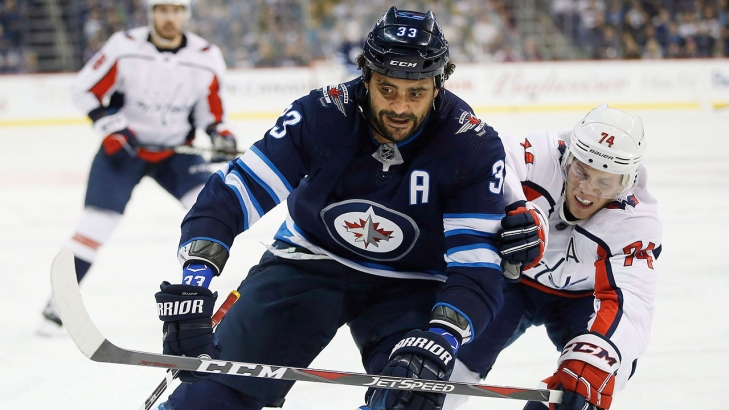
Already a Stanley Cup Champion (with Chicago) when Dustin Byfuglien was traded to the Thrashers in what would be their last year in Atlanta, he was moved back to his natural blueline position and essentially became a more valuable hockey player.
In that lone year in Atlanta, Byfuglien scored 53 Points and was an All-Star. As the team relocated to Winnipeg, the blueliner was cemented as their defensive star, reaching the 50 Point mark three times and cracked 40 another two. Byfuglien was seventh in Norris voting in 2010-11, and he received Norris votes five more times. A three-time All-Star as a Jet, Byfuglien is easily the best Defenseman in the young franchise's existence.
Sadly, it was an acrimonious end for Byfuglien in Winnipeg as he had personal problems in 2019, and requested a leave of absence, which led to a suspension. He was released in 2020, but his 525 career Points is an impressive tally.
Our All-Time Top 50 Indianapolis Colts have been revised to reflect the 2021 Season.
Yes, we know that this is taking a while!
As many of you know, we here at Notinhalloffame.com are slowly generating the 50 of each major North American sports team. That being said, we have existing Top 50 lists out and we always consistently look to update them when we can and based on necessity. As such, we are very happy to present our post-2021 revision of our top 50 Indianapolis Colts.
As for all of our top 50 players in football we look at the following:
1. Advanced Statistics.
2. Traditional statistics and how they finished in the National Football League.
3. Playoff accomplishments.
4. Their overall impact on the team and other intangibles not reflected in a stat sheet.
Last year, the Colts went 9-8 but did not make the playoffs. No new players made the top 50, but two players elevated their ranking.
As always, we present our top five, though there were no changes in this elite group:
You can find the entire list here.
Linebacker, Darius Leonard, advanced ten spots to #39.
One spot below, Offensive Guard, Quentin Nelson also rocketed up multiple spots to #40.
We welcome your input and comments and as always, we thank you for your support.
