Site Admin
42. Tim Burke
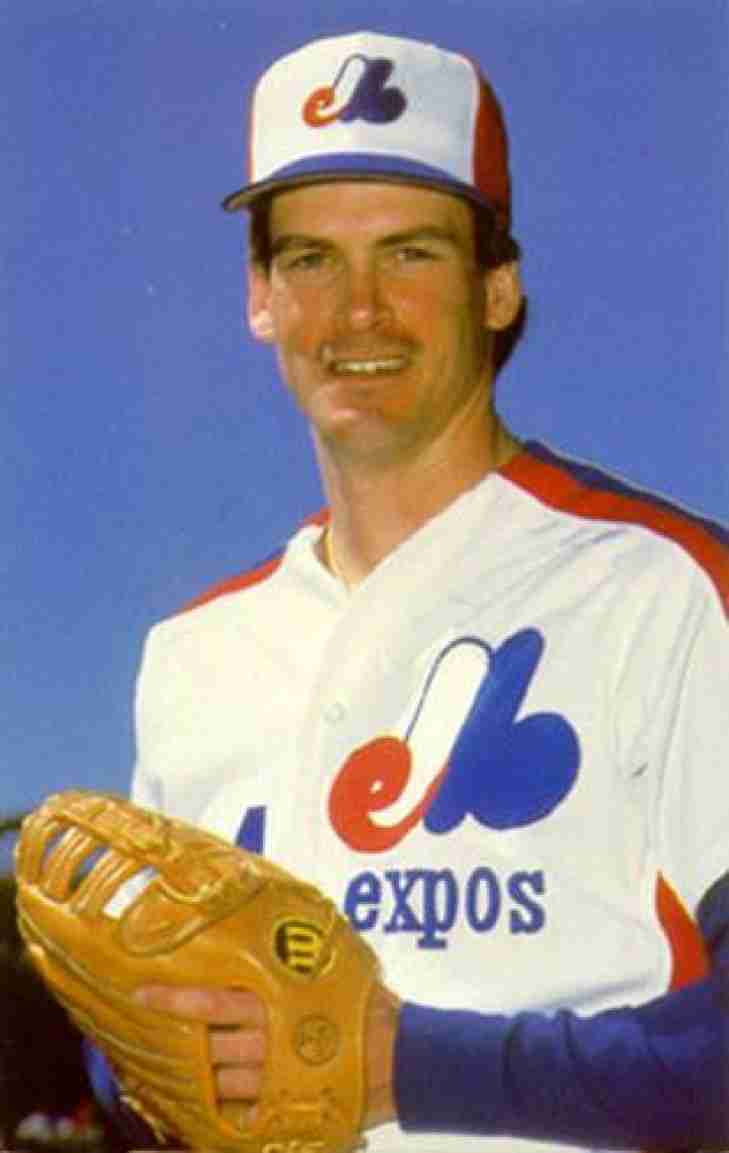
Before the rise of highly specialized, one-inning bullpen specialists, relief pitchers in Major League Baseball needed a rare combination of durability and versatility. In Montreal, Tim Burke exemplified that adaptability. Acquired from the Texas Rangers organization in late 1982, this right-hander spent seven seasons as a key figure in the Expos’ bullpen. With a strong sinking fastball and remarkable lateral movement, Burke was capable of calming fires in the sixth inning or closing out games in the ninth with equal effectiveness.
Burke's 1985 debut showcased remarkable rookie quick adaptation. Instead of being sheltered in low-pressure roles, he was instantly activated as the team's top multi-inning reliever. His performance overwhelmed National League hitters, leading the Senior Circuit with 78 appearances and pitching an impressive 120.1 innings in relief. He finished with a 9–4 record, a tight 2.39 ERA, and eight saves, making him one of the most successful and heavily utilized rookies in the majors that summer.
Although Burke’s rookie workload was heavy enough to challenge anyone less durable, he stayed remarkably resilient, acting as the key setup man for closer Jeff Reardon. After Reardon's departure, Burke smoothly took over as the main closer, delivering an outstanding season in 1989. That year, he excelled with a career-best 28 saves, a 2.55 ERA, and a 1.063 WHIP across 84.1 innings. His performance earned him his first and only All-Star selection while helping a competitive Expos team.
By the early 1990s, the heavy mileage from his relentless use began to catch up to him. Seeking to capitalize on his value before his efficiency dipped further, Montreal traded the veteran closer to the New York Mets in mid-1991. Although he would finish his career with brief stints in New York and with the Yankees, his peak as an elite late-innings weapon was undeniably achieved in the tri-color cap of the Expos.
With Montreal, Burke played in 425 relief games, posting a 32–31 record with a 2.71 ERA, 1.15 WHIP, 101 saves, and 343 strikeouts over 600.2 innings, achieving a 137 ERA+.
34. Bill Gullickson
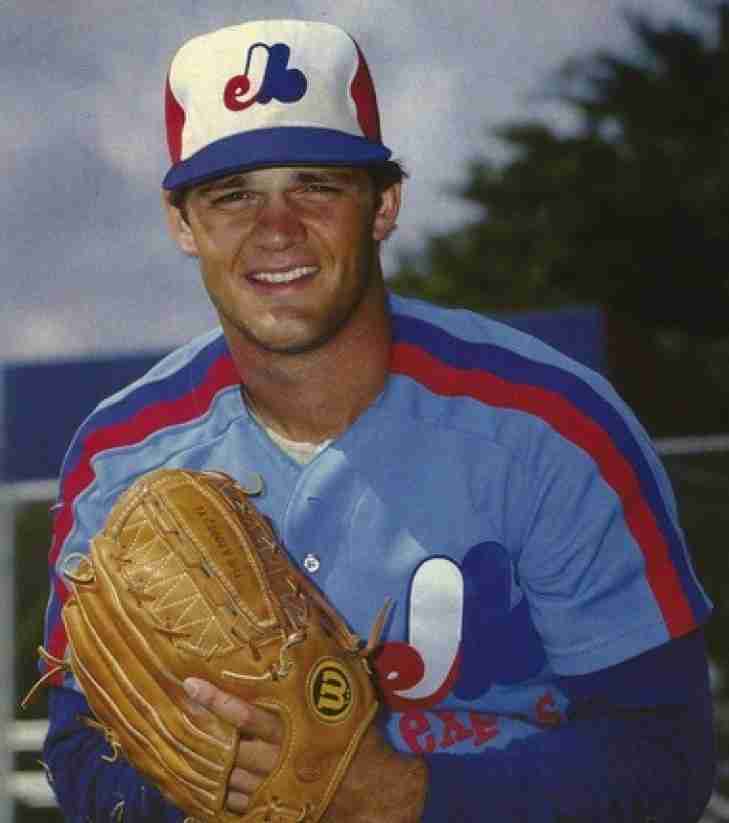
In the early 1980s, the Montreal Expos featured a young, powerful starting rotation that was among the best in the National League. Central to that group was Bill Gullickson. Picked second overall in the 1977 draft, the tall right-hander arrived in French Canada with high expectations. Unlike many top prospects of his time, Gullickson not only met these expectations but also became known for his durability and aggressive pitching, making him one of the most underrated pitchers of his era.
His debut in the major leagues in 1980 was an exceptional example of rookie performance. Gullickson completely overwhelmed National League hitters, finishing with a 10–5 record and an impressive 3.00 ERA. The most memorable moment of his rookie season occurred on September 10, when he set a rookie record by striking out 18 Chicago Cubs at Stade Olympique—a remarkable display of skill that contributed to his second-place finish behind Steve Howe for the National League Rookie of the Year Award.
While old-school baseball card collectors focused mainly on Gullickson’s wins and losses, modern analytics show that his underlying efficiency was even more impressive than previously recognized. In the strike-shortened 1981 season, he was possibly the most effective pitcher in the Senior Circuit, with a 2.80 ERA. Although the official box scores credited him with seven wins, he quietly led the National League with a remarkably low 2.11 FIP (Fielding Independent Pitching)—demonstrating how he truly mastered the game independent of defensive support.
He then became a key, high-volume pitcher, recording over 220 innings in back-to-back seasons. In 1984, Gullickson demonstrated exceptional control, issuing only 39 walks in 225.2 innings, leading the National League with a mere 1.5 walks per nine innings.
Heavy workloads reduced his strikeout rates, leading the small-market Expos to trade him to the Reds in December 1985 as part of a multi-player deal. Gullickson then had a productive journeyman career, including a stint in Japan and a 20-win season with the Tigers. Gullickson appeared in 195 games (186 starts), with a 72–61 record, a 3.44 ERA, and a 1.20 WHIP. He pitched 1,273.1 innings, with 33 complete games, nine shutouts, and 654 strikeouts.
260. Torah Bright

259. Linn Jorum Sulland