


Site Admin
50. Francisco Cordero
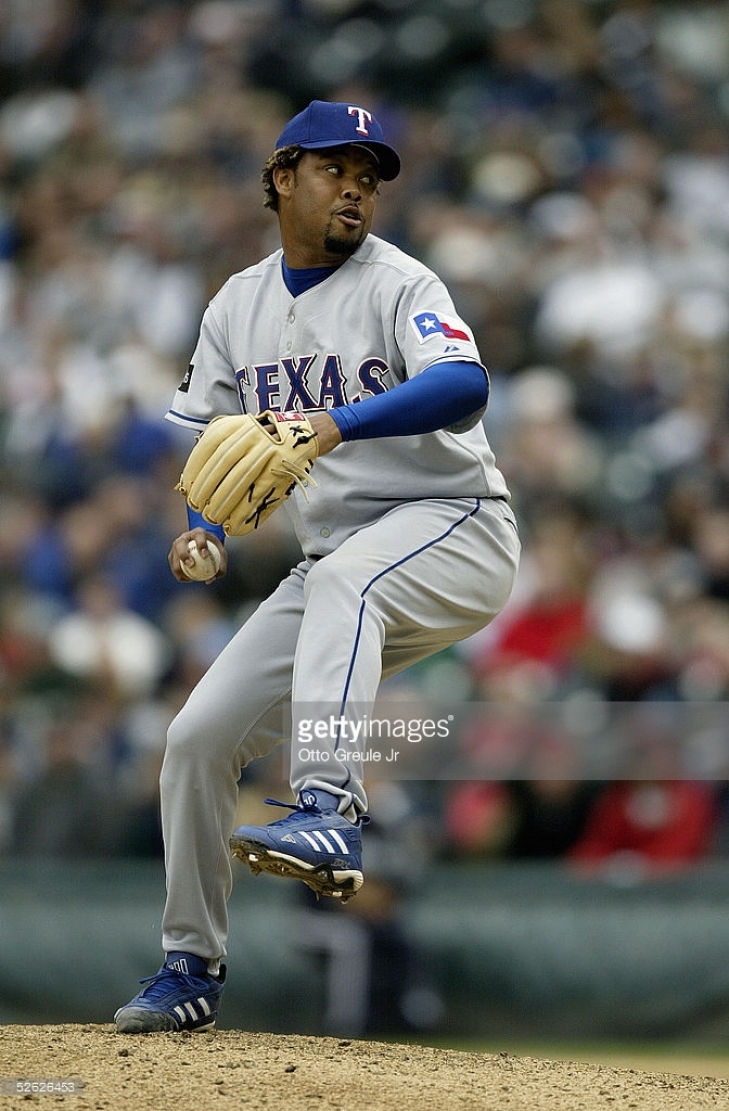
The Rangers acquired Francisco Cordero from the Detroit Tigers as a key part of the massive nine-player trade that sent MVP slugger Juan González to Detroit in November 1999. Cordero, a hard-throwing right-hander, had an electric fastball in the mid-90s and a devastating slider, making him a tough late-inning reliever. Over nearly seven seasons with Texas, Cordero overcame early career volatility and injuries to become one of the most valuable anchors in the team's bullpen history.
Cordero’s early campaigns involved challenging developmental changes and injury setbacks. After an inconsistent start with a 5.35 ERA out of the bullpen in 2000 and missing most of 2001 due to shoulder issues, he delivered a stellar second half of 2002. He lowered his ERA to a remarkable 1.79 over 45.1 innings, proving himself as the team’s leading high-pressure reliever. By summer 2003, following the trade of veteran closer Ugueth Urbina, Cordero confidently took over closing duties, securing 15 saves and achieving a career-high 90 strikeouts.
That consistent upward trend reached a historic high during an outstanding 2004 season. Cordero overwhelmed American League hitters, delivering one of the most dominant single-season closing performances in franchise history. He appeared in 67 games, posted a 2.13 ERA, and recorded 49 saves—just shy of Mariano Rivera’s Major League record. His tireless effectiveness fueled an unexpected 89-win Rangers team, earning his first All-Star selection and a spot in the AL MVP voting. He demonstrated this was not a one-time achievement by following with a resilient 37-save season in 2005.
In early 2006, the volatility typical of modern closers caught up with him. After a difficult April that led management to replace him with Akinori Otsuka, he was working to lower his ERA in less-pressure situations. Meanwhile, the front office recognized his market value and included him in a major trade in July 2006, sending him to the Milwaukee Brewers for Carlos Lee. This deal also brought Nelson Cruz, a relatively unknown young outfielder, into the mix. In the National League, Cordero quickly regained his top form, earning two more All-Star selections and surpassing 300 career saves while playing for Cincinnati.
With Texas, Cordero played 356 relief games, going 16–23 with a 3.45 ERA, 1.35 WHIP, 117 saves, and 397 strikeouts over 349.1 innings, with a 136 ERA+.
43. Dick Bosman
46. Ed Brinkman
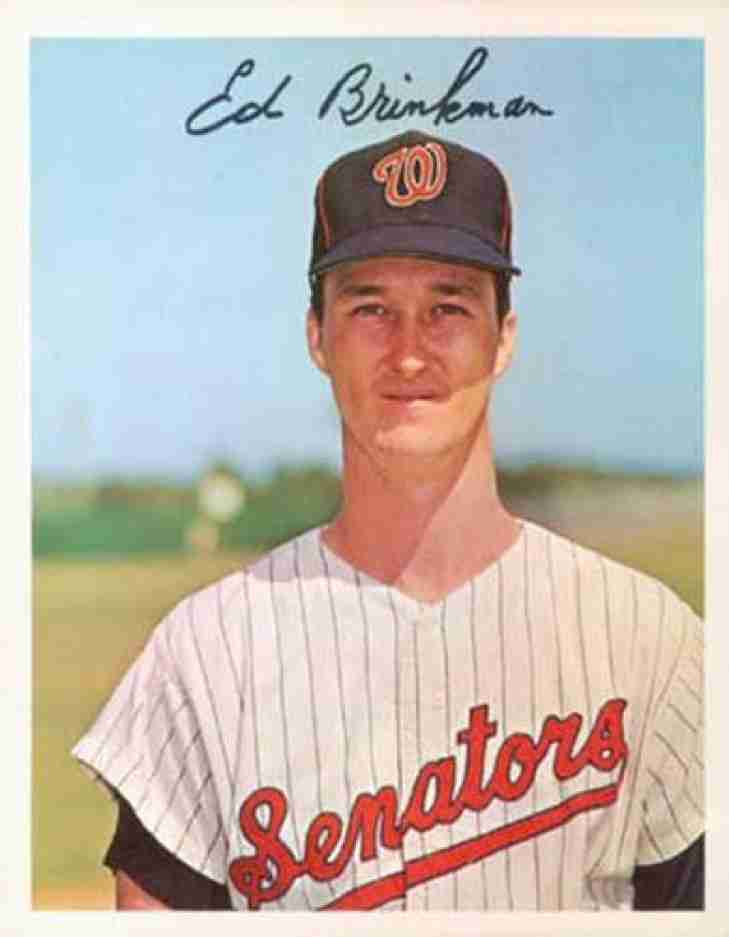
Long before modern analytics revealed the significant, hidden value of preventing runs, Ed Brinkman mastered defensive geometry at shortstop. Signed as an amateur free agent in 1961 by the expansion Washington Senators, this agile and reliable infielder became the team's defensive cornerstone as it struggled to establish itself in the American League, consistently demonstrating defensive skills that amazed opposing managers.
Brinkman’s offensive profile was modest, mainly serving as a bottom-of-the-order hitter focused on contact and advancing runners. However, once on the field, he dramatically changed how he played. With outstanding lateral range, swift reflexes, and excellent instincts, "Brink" transformed the six-hole into a no-hit zone for opponents.
His outstanding defensive skills reached an elite level under manager Ted Williams. Brinkman excelled in the junior circuit's advanced metrics, leading the American League in Defensive bWAR twice while with Washington—recording a top 2.8 dWAR in 1969 and a strong 2.7 dWAR in 1970. His on-field technique was impeccable; in 1970, he led all AL shortstops in games, assists, and double plays, demonstrating he was a vital part of the Senators' pitching success.
That decade-long residence in the nation's capital ended just before the franchise headed to Texas. In December 1970, Washington traded Brinkman to the Detroit Tigers as a key part of a blockbuster deal for ex-Cy Young winner Denny McLain. Ironically, Brinkman achieved his greatest team success, along with his only All-Star and Gold Glove awards, while playing for Detroit. He famously set a major league record by playing 72 consecutive errorless games at shortstop in 1972.
Because he was traded exactly one year before the Senators moved to Arlington to become the Rangers, Brinkman never wore the Texas uniform. Still, as a ten-year veteran with a significant place in the franchise's history from the Washington era, his legendary defensive skills remain a key part of the organization's roots.
