


Committee Chairman
5. Clint Black

Clint Black is another artist who got his start singing in a band with his brothers as a child. Eventually, he went solo and got a record contract with RCA. His first single was released in 1989, placing him in country music’s legendary “Class Of ‘89” which also included Garth Brooks (2012 Hall Of Fame inductee), Alan Jackson (2017 inductee), Travis Tritt, and Mary Chapin Carpenter. Clint went pretty traditional with his music throughout his career, so he was never going to have the crossover success of Garth Brooks or Shania Twain. But even without being a crossover star, Clint ended up being one of the big country stars of the 1990s. He wrote all of his own songs, played guitar on all of his tracks, 11 Grammy nominations, won 2 CMA awards, won 5 ACM awards, didn’t miss the top ten for an entire decade, and sold over 20 million albums. By the year 2000, he was ready to get out of the tough cycle of the Nashville industry, essentially ending his run at radio. But by that point he already built up an impressive resume. Today, his songs may not have held up as much as other ’90s hit-makers but he still was able to make an important legacy with country music.
8. Larry Gatlin and the Gatlin Brothers
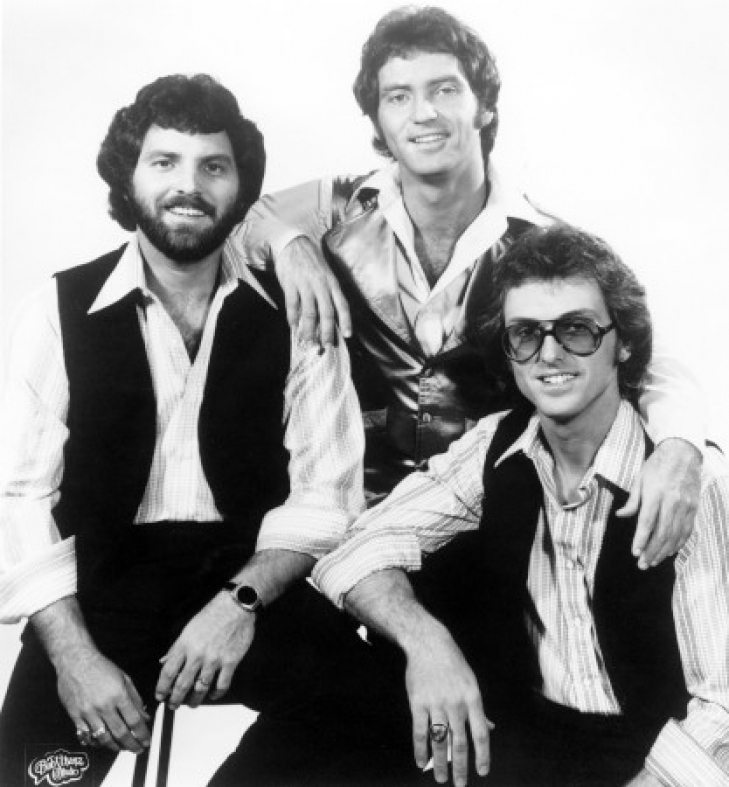
As children, Larry and his brothers (Steve and Rudy) performed for local radio stations and their church. Once he finished school, he joined a gospel group until being spotted by 2018 Hall Of Fame inductee Dottie West. She helped him push his career forward, and he eventually ended up as a background singer for 2004 Hall of Fame inductee Kris Kristofferson. In 1973, Larry was offered a solo recording contract. Larry was beginning to get country hits in 1974 with a song called “Delta Dirt”, which also became his only entry on the Billboard pop chart. Then over the next few years, he collected up some hits and even won a Grammy award before deciding to get his brothers in on the act. Starting in 1979, they became Larry Gatlin and The Gatlin Brothers. They kicked off this new group with one of their biggest hits “All The Gold In California”. From there, the brothers used their popularity and their gospel-like harmonies to get more hit songs for another decade or so. With that combination of awards, hits, and career length, adds up to a musical act that would be a respected addition to the Hall Of Fame.
10. Travis Tritt
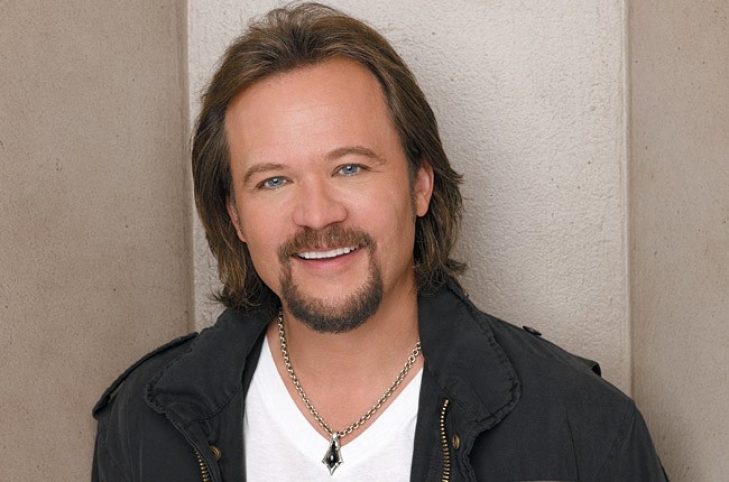
With the Hall having already added Garth Brooks and Alan Jackson, Travis Tritt is another member of the legendary “Class Of ‘89” in country music, having released his debut single in 1989. 1989 was an important year in country music where a brand new class of artists debuted, which while they faded out some of the older singers, this was also a turning point for bringing in new music and some new audiences. Signing with Warner Bros Records, Travis’ original contract was only for 6 songs. They would not release an album unless one of those songs became a hit. Luckily he was a hit right out of the gate. Bringing some southern rock influences into his songs, Travis was able to inject energy into mainstream country music that wasn’t being brought in by his fellow peers. His radio career ended up being kind of up and down and it faded out quicker than some of the other stars of that era, but his personality and great catalogue of songs keep people coming back to him. Having 9 Grammy award nominations and 15 CMA award nominations, Travis should probably be making his way into the Hall Of Fame in the years to come.
1. Shania Twain

Being raised in a small Canadian town doesn’t give off the idea that someone will become a worldwide country music star, but that is exactly what happened. Not only one of the biggest country stars of all time, but one of the biggest stars of any genre, Shania helped change the game for country music in the 1990s. Her album “Come On Over” sold more copies by itself than most artists sell in their entire careers (over 40 million copies, and it remains the best selling country album of all time, the best selling album by a Canadian of all time, and the best selling studio album by a female artist of any genre). Traditional country audiences might not be huge fans of hers because of the large number of pop sounds she brought into her songs, but her sales and influence on the genre as a whole cannot be denied. Her first album in 1993 was a failure, but once she connected up with rock producer Mutt Lange, they were unstoppable. Over the course of her career, she truly only has 3 albums that hold all of her success. But those 3 albums alone make her one of the best-selling artists of all time in any genre, and forever a legend in the music world.
