

Why Consistency Matters More Than Peak Performance

Every sports fan remembers brilliance. A record-setting season, a run to the championship, a player unstoppable for what feels like an instant in time. These peaks of greatness tend to take over headlines and highlight... But when the discussion turns from thrill to legacy — when arguments arise about who really deserves acclaim — that narrative rarely holds.
Because in the end, it is not the mountaintop that defines greatness. It is consistent.
The athlete who performs time and again, game after game, often has a better case for accolades than one who dazzles but briefly. It raises a critical question: what matters more in sports — short-term dominance or long-term excellence?
Distinguishing Between Peak Performance And Consistency
Peak performance is easy to identify. It’s the MVP season, the scoring title, the magical playoff run. It is the highest point to which an athlete can ascend — but usually for a finite time.
Reflections, however, is quieter. It doesn’t always dominate headlines. Instead, it manifests itself in solid stats, steadfast shows and long careers. It is the capacity to keep doing things well over a period of time, come what may.
Both are valuable. But they serve different purposes. Peak performance excites; consistency endures.
Why Longevity Matters In Legacy Building
Sports history isn’t written in moments; it’s written across seasons, sometimes decades. These were easy to Larocque, but longevity gives athletes a body of work that will always speak louder than any single achievement.
Someone who generates results consistently over a 10–15 year career must possess more than mere talent. They demonstrate persistence, agility, and resilience. They show they can still adapt and remain in shape as the game transforms, and be a player even when other athletes are youthful challengers.
Availability also matters. Show up — season after season, game after game — and it opens the door for an opportunity to impact outcomes, build records and carve a permanent mark on the sport.
Reliability vs One-Time Brilliance
From a statistical standpoint, consistency = reliability. Players on whom coaches and analysts can rely are among the most valued. A player with organized expectation for how they will perform and teams can confidently build strategies around such a player.
Peak performers who show up erratically bring in uncertainty. A player who is dominant one season — and disappears the next — may find it harder to build trust inside a team framework.
Over the years, reliable athletes rack up numbers — points, assists, games played — that underpin discussions about their legacy. There’s a story of durable contribution in these numbers, not just one big success.
The Psychology of Recognition
Human memory is selective. We don’t remember extraordinary moments, we respect patterns. A good performance can attract attention, but successive excellence builds reputation.
Consistency reinforces identity. When a performer remains at the top of their game season after season, they become the face of reliability. Their reputation rests not on one success, but a history of performance.
This is one reason why many athletes with steady careers feel more deserving of long-term acknowledgement. They may not always capture the headlines, but they earn respect with their stubbornness.”
Why Teams Value Consistency
Let alone because consistency is priceless from a team perspective. Football coaches build systems that thrive on predictability. They need players to perform their roles effectively, no matter the circumstances.
Consistent players contribute to:
- Team stability
- Strategic planning
- Locker room confidence
But the unpredictable, high-performing player can also ruin team chemistry. Their unpredictability makes it more difficult to create cohesive strategies.
In competitive environments, consistency often trumps flashes of brilliance.
Consistency in Competitive Structures
Sports exist within systems — leagues, tournaments, seasons. These systems encourage ongoing participation and long-term performance.
These systems become better the more athletes sho w up and perform, so they tend to deliver a given reward (including resources) if you are regularly contributing. They all help establish the tempo of competition. They become identifiable people, in time not just for what they didn’t do — but how reliably they showed up to compete.
Even at the event level, participation itself becomes a form of recognition. Systems are often designed to track and manage this continuity—whether through statistics, records, or even simple identification methods that distinguish who belongs within a given competition.
In many organized sporting environments, tools like 4inlanyards are used to provide cloth wristbands that help identify participants, manage access, and distinguish roles within events. While simple, these systems reflect a deeper idea: structured participation matters. Showing up repeatedly, being recognized within a system, and maintaining presence over time are all part of what builds identity in sports.
And identity, ultimately, is what consistency creates.
Sustainability and Adaptation
High performance often comes with a price tag. Pushing high-intensity output can result in fatigue, injury or burnout. Peak ability can become a limiting factor; athletes who rely only on that may not be able to sustain peak performance consistently.
Consistency, however, requires balance. It involves:
- Smart training
- Injury prevention
- Adaptation to physical changes
Athletes who can consistently perform know how to manage themselves. They know when to exert and when to relax. This sustainability enables them to stretch their careers and keep on giving back.”
Case Studies: The Ways Athletes Are Remembered
There is a pattern that emerges when people compare athletes. Careers that are virtuous tend to be remembered differently than short peaks.
The dependable player is a figure of reliability. His/Her career is seen as a seamless narrative, filled with chapters of growth, adaptation and contribution.
A peak performer, while impressive, runs the risk of being remembered only as a snapshot, a still life: "It doesn't tell you if someone ever learned anything from this business.”
This distinction is crucial in discussions about recognition.
Identity and Ongoing Participation
Consistency also shapes identity. Athletes who stick around over time, staying active and visible, enter into the culture of the sport. Fans become familiar with them, analysts talk about them, they have a presence.
As they participate time and again their bond with the sport grows stronger. It’s more than performance—it’s presence.
The identity in sports is over the course of years, not one season.
Why Recognition Systems Favor Consistency
For long-term recognition — whether awards, honors or Hall of Fame discussions — consistency tends to be a big thing.
Selection processes typically consider:
- Career totals
- Longevity
- Sustained impact
One great season is seldom sufficient. Recognizing people is about honoring not simply what an athlete achieved, but how consistently they were right.
This is part of a larger comprehension of greatness — not as a moment but as an ongoing standard.
Lessons Beyond Sports
The rule of consistency is not limited to athletes. Long-term success in fitness, careers and personal growth seldom comes from short bursts of effort.
Consistency strengthens habits, solidifies progress and fosters permanent change. Peak moments are things that motivate people, but results come from consistent human action.
It is a lesson for us all — for anybody, really — and well beyond the world of sport.
Final Thoughts
It’s wonderful to achieve peak performance, but consistency establishes your legacy. It’s the difference between being remembered for a moment and respected for a career.
In sports, as in life, we are not judged on how high we soar on the first flight but rather how frequently and how well we show up to work day after day.
Because, at the end of it all, history doesn’t just remember brilliance — it venerates endurance.
Complete Step-by-Step Guide to Online Crypto Betting Success

Cryptocurrency bettors who implement systematic research protocols achieve consistent profitability by analyzing a minimum of 50 historical bets before adjusting strategies. Online crypto betting success requires seven sequential setup phases: platform research, account creation, security implementation, fund management setup, strategy development, performance tracking, and quarterly reviews. By following structured procedures for odds analysis and disciplined wagering, bettors minimize exposure to market volatility while identifying value opportunities. The recommended single bet size ranges from 3-5% of total bankroll, with 90-day minimum strategy testing periods preventing premature abandonment during normal losing streaks of 20-30% frequency.
Conducting Platform Due Diligence and Account Security Setup
Platform credibility verification requires examining licensing jurisdiction documentation, reviewing operational history spanning at least three years, and checking independent audit reports verifying financial solvency. By selecting platforms licensed in Malta or Curacao, like Sportium apuestas deportivas, for regulatory oversight, we inevitably sacrifice some anonymity compared to unregulated alternatives. The main compromise of pursuing maximum security assurance is that in order to achieve robust fund protection and dispute resolution mechanisms, one has to put up with comprehensive identity verification requirements and transaction monitoring. Fairspin and similar platforms display license numbers prominently with transparent insurance coverage protecting user deposits against platform insolvency. Advanced account security protocols require implementing multi-factor authentication through hardware security keys rather than SMS-based verification. Withdrawal address whitelisting prevents unauthorized fund transfers by requiring manual approval before withdrawing to new wallet addresses. Ten to fifteen platform comparison criteria guide evaluation decisions, including deposit speed, withdrawal timelines, bonus structures, and customer support availability across 24-hour periods.
Essential Security Implementation Steps for Your Betting Account
Protecting your cryptocurrency betting account requires implementing multiple security layers before depositing funds:
- Enable multi-factor authentication using hardware security keys or authenticator applications
- Create unique passwords containing 16+ characters with uppercase, lowercase, numbers, and symbols
- Whitelist primary withdrawal addresses before initiating any transactions
- Configure IP address whitelisting restricting account access to your primary location
- Set withdrawal limits preventing unauthorized large transfers exceeding daily thresholds
- Review login history weekly identifying suspicious access attempts or unfamiliar locations
- Store recovery backup codes in secure offline locations away from your primary residence
- Update passwords every 90 days and immediately after successful betting sessions
Building Your Research Framework and Odds Analysis System
Successful crypto betting requires dedicating 2-4 hours per betting decision to analyze relevant statistics, historical data, and odds movements across multiple platforms. Creating detailed betting spreadsheets tracking bet details, odds, outcomes, stakes, and ROI metrics enables performance analysis identifying profitable strategies. By implementing comprehensive data tracking systems, we inevitably sacrifice betting spontaneity compared to casual approaches. The main compromise of systematic analysis is that in order to identify genuine betting edges and profitable opportunities, one has to put up with time-consuming research and continuous position monitoring. Statistical value identification involves calculating expected value by comparing your probability estimates against implied probabilities embedded in offered odds. Odds movement analysis reveals market sentiment shifts indicating sharp bettors identifying mispriced opportunities before odds adjust. Key performance indicators tracked include win percentage, average odds, return on investment, and profit factor measuring total wins divided by total losses.
Platform Comparison and Value Identification Metrics
Comparing multiple crypto betting platforms reveals exploitable inefficiencies and identifies which operators consistently misprice specific markets:
Evaluation Criteria | High Quality Platforms | Medium Quality Platforms | Avoid Entirely |
Licensing Jurisdiction | Malta, Curacao | Offshore unverified | No license |
Deposit Speed | 5-15 minutes | 30-60 minutes | 2+ hours |
Withdrawal Timeline | 24 hours maximum | 48 hours typical | 5+ days |
Audit History | Recent third-party | Self-reported only | None available |
Customer Support | 24/7 live chat | Email only | No support |
Implementing Position Sizing and Stablecoin Strategy
Position sizing formulas calculate optimal bet amounts based on perceived edge, bankroll variance, and individual risk tolerance levels. Mastering stablecoin usage eliminates currency fluctuation concerns during active positions by converting Bitcoin or Ethereum holdings into USDT or USDC before wagering. By choosing stablecoins for betting, we inevitably sacrifice potential upside appreciation compared to holding volatile cryptocurrencies. The main compromise of using stablecoins is that in order to eliminate price volatility impact on your betting outcomes, one has to put up with foregone gains during bullish market periods. Bankroll percentage allocation determines how much capital to risk on individual bets, with conservative approaches allocating 1-2% per wager and aggressive strategies betting 5-10%. The Kelly Criterion formula optimizes position sizing by balancing win probability against potential losses, preventing bankroll depletion during extended losing streaks. Converting between cryptocurrencies and stablecoins typically incurs 0.5-1.5% fees through exchange transactions, making frequent conversions cost-prohibitive for small betting accounts.
Systematic Performance Tracking and Quarterly Strategy Reviews
Establishing quarterly performance reviews enables strategy refinement based on historical data and evolving market conditions. Five to seven key performance indicators track profitability including win percentage, average decimal odds, return on investment, profit factor, Sharpe ratio measuring risk-adjusted returns, and consecutive losing streak duration. Automated betting tools through API integrations enable consistent execution preventing emotional decision-making during market swings. Building community support networks connects you with experienced bettors sharing insights and avoiding isolation bias affecting individual decision-making. The 1-2% average edge threshold represents the minimum profitable expectation justifying continued betting on specific markets. A 90-day minimum strategy testing period provides sufficient historical data for reliable edge assessment before adjustment decisions.
Maximize Your Profits Betting on 2026 Football Events

Profit maximization in 2026 football betting requires treating seasonal fixtures as systematic revenue streams rather than isolated wagering opportunities. The 2026 football calendar spans 52+ weeks of continuous betting across pre-season friendlies, 8-12 major tournaments, league competitions with 200+ monthly fixtures during peak seasons, and 18+ international match windows. Professional bettors generate sustained income by diversifying across multiple event types while maintaining strict position sizing of 1-3% unit allocation per individual bet. Without structured portfolio-level thinking that emphasizes seasonal revenue generation over single-match profits, even skilled bettors struggle to achieve the 5-8% monthly profit targets required for sustainable income from football betting.
Building Seasonal Betting Calendars and Event Prioritization
Converting seasonal fixtures into consistent revenue streams demands identifying when specific football events offer outsized profit potential relative to risk exposure. Profitable betting strategies require timing wagers strategically to capture early-market value before sharp money adjusts opening lines during the initial 4-6 hours after odds release. Early-season positioning during August-September generates measurable advantages because sportsbooks like Speedybet adjust lines slowly when evaluating unfamiliar team compositions and pre-season performance data. By creating early-season positioning strategies that lock in value before market adjustments, you accumulate positions during inefficient pricing windows that gradually close as betting volume increases.
The 2026 football calendar creates recurring opportunity phases where specific event types generate superior expected value compared to baseline betting conditions. Here are the seasonal revenue opportunities available throughout the extended football calendar:
- Pre-season friendlies (July-August) show 18-22% market inefficiency due to limited betting volume and squad experimentation
- Early qualifying rounds (August-September) feature 15-18% pricing errors as sportsbooks undervalue emerging nations
- League opening months (August-September) generate 12-15% edge through squad adjustment undervaluation
- International match windows (September-November) offer 8-12% value through limited analytical coverage and sharp money concentration
- Mid-season tournaments (December-January) create 10-14% opportunities through fixture congestion effects
- Spring championship phases (March-May) generate 6-10% edges through form cycle recognition before market adjusts
These seasonal patterns persist because sportsbooks allocate limited analytical resources to lower-profile events and earlier tournament phases. By concentrating betting volume during these high-efficiency windows and reducing position sizes during efficient betting periods, you generate 5-8% monthly returns that compound throughout the calendar year.
Implementing Tiered Profit Targets and Risk Allocation
Sustainable betting income requires implementing tiered profit targets with corresponding risk percentages based on tournament importance and expected value concentration. Here is how professional bettors structure risk allocation across seasonal betting opportunities:
Event Type | Expected Profit Target | Maximum Daily Position Limit | Position Sizing |
Pre-Season Friendlies | 8-12% monthly | 15% bankroll | 2-3% per bet |
Early Qualifying Rounds | 6-10% monthly | 12% bankroll | 1.5-2.5% per bet |
League Matches | 4-6% monthly | 10% bankroll | 1-2% per bet |
International Windows | 5-8% monthly | 12% bankroll | 1.5-2.5% per bet |
Major Tournaments | 7-10% monthly | 15% bankroll | 2-3% per bet |
This tiered approach prevents over-concentration in specific seasons while allocating capital dynamically based on available edge. The main compromise of implementing tiered profit targets is that you must accept lower returns during efficient betting periods when edge availability decreases. In order to achieve sustained monthly profitability, one has to put up with months where expected returns drop to 3-4% as sportsbook pricing tightens and analytical competition increases. Professional bettors accept these seasonal variations as mathematical certainty rather than performance failure.
Identifying Market Inefficiencies Across Event Types
Market inefficiency detection requires comparing sharp versus soft sportsbook pricing to optimize bet placement timing across your entire betting portfolio. Sharp sportsbooks adjust lines within 2-4 hours after release, while soft sportsbooks maintain mispriced opening odds for 8-12 hours. By monitoring 3+ competing sportsbooks simultaneously, you identify which platforms offer edge opportunities for specific match types. European league matches with 60+ competing teams weekly show 3-5% persistent mispricings when betting against public perception on undervalued teams. International qualifying matches where 90+ nations compete biannually show 8-15% pricing errors due to limited sharp money participation in lower-profile events.
Betting exchanges provide access to improved odds compared to traditional sportsbooks during high-volume events. The 2026 football calendar features predictable high-volume periods where exchange liquidity generates 2-4% better odds than traditional sportsbook closing prices. By developing fixture scheduling arbitrage strategies that exploit timing differences in line movements, you capture additional value without accepting directional risk. Teams priced at 2.50 on traditional sportsbooks often trade at 2.65-2.75 on betting exchanges during peak betting volume, creating measurable arbitrage opportunities that generate risk-free returns.
Measuring Edge Through Closing Line Value Tracking
Rigorous edge measurement requires tracking closing line value across 10+ year backtesting periods to establish baseline profitability. Here are the essential metrics for measuring personal betting edge and validating consistent performance:
- Closing line value edge of 2-3% indicates genuine predictive skill rather than random variance
- 25-30% winning bet percentage threshold with positive closing line value demonstrates consistent edge
- Sample size of 100+ bets minimum required before confidence in measured edge validity
- Seasonal tracking showing consistent profit generation across multiple calendar periods validates strategy robustness
- Variance analysis measuring maximum consecutive losing streak compared to expected variance
Professional bettors calculate closing line value by comparing their bet odds against final market prices before matches begin. If you achieve 2-3% consistent closing line value edge across 100+ seasonal bets, mathematical expectation guarantees long-term profitability of 15-25% annually when combined with compound returns through position sizing. This closing line value methodology separates skilled bettors demonstrating genuine edge from lucky participants experiencing temporary variance.
Managing Bankroll Through Position Scaling and Recovery Protocols
Consecutive losing streaks create psychological pressure that destroys unprepared bettors through revenge betting and position overextension. The main compromise of maintaining strict position sizing during downswings is that you must accept slower capital growth during positive variance periods. In order to achieve sustainable long-term returns, one has to put up with scaling down positions by 25-30% during consecutive losses, reducing monthly returns during recovery phases to 2-3%. Professional bettors implement pre-determined recovery protocols that automatically reduce position sizes after 3-5 consecutive losing days, preventing emotional trading from amplifying downswing damage.
Premium Selection of Mobile Compatible Casino Games Worldwide

Mobile casino gaming now accounts for 60-70% of total online gambling activity across regulated markets, with smartphone and tablet optimization becoming mandatory rather than optional for operators. iOS and Android platforms require distinct optimization approaches due to different operating system architectures and performance characteristics. Responsive design enables seamless gameplay across device screen sizes ranging from 5-inch phones to 12-inch tablets without requiring separate game development. Full feature parity between mobile and desktop versions means players access identical games with equivalent bonus mechanics and payout structures regardless of device selection. This mobile-first evolution reflects fundamental shift in player behavior, with convenience and accessibility driving platform adoption more than any other factor.
Mobile Platform Optimization and Device Compatibility
iOS and Android platforms require platform-specific optimization despite shared gameplay mechanics, with Apple and Google implementing different technical requirements and approval processes. Sportium ES maintains separate iOS and Android applications optimized for each platform’s performance characteristics and user interface conventions. iOS optimization focuses on integration with Apple payment systems, Face ID authentication, and App Store compliance requirements. Android optimization addresses the broader range of device manufacturers, screen sizes, and processing capabilities requiring more flexible architecture. Native app development typically outperforms mobile browser access through optimized code and direct device feature integration. Most premium operators now maintain parallel native applications alongside web-based alternatives, providing players choice between installation convenience and universal accessibility.
Mobile platform requirements and optimization considerations differ substantially across iOS and Android environments:
- iOS optimization targeting Apple payment integration and App Store guidelines compliance
- Android optimization accommodating diverse device manufacturers and screen configurations
- Native app development providing superior performance through platform-specific code
- Mobile browser access offering universal compatibility without installation requirements
- Device storage requirements varying based on native app size and game library scope
- Processing capability adaptation for older devices with limited computational resources
- Screen orientation support including portrait and landscape gameplay modes
- Gesture control optimization for touch-based input replacing traditional mouse interaction
By choosing native app development for superior performance, operators inevitably sacrifice universal accessibility provided by mobile browser alternatives. The main compromise of native applications is that requiring separate iOS and Android versions doubles development costs while fragmenting player bases across platforms. Data shows that native apps outperform mobile browser gaming by 30-40% in load times and 15-25% in stability metrics, justifying the increased development investment for premium operators targeting high-value players.
Responsive Design and Screen Size Adaptation
Responsive design automatically adjusts user interface, button sizes, and game layouts based on device screen dimensions, enabling single codebase serving devices from 5-inch phones through 12-inch tablets. Breakpoint technology triggers interface redesigns at specific screen sizes, typically implementing distinct layouts for phones under 7 inches, tablets between 7-10 inches, and larger tablets exceeding 10 inches. Touch target sizing requires larger buttons and clickable elements compared to mouse-based interfaces, typically increasing button sizes 20-30% compared to desktop versions. Game scaling preserves visual quality across resolution variations from 720p to 1080p displays without creating blurry or pixelated appearance. Testing across hundreds of device combinations ensures functionality across the diverse Android ecosystem and various iPhone models.
Geolocation Compliance and Market Accessibility
Geolocation technology automatically restricts game access based on player location, enabling compliance with jurisdiction-specific regulations preventing play in restricted territories. Legal gambling restrictions vary substantially across jurisdictions, with certain US states, European countries, and Asian markets prohibiting or limiting online casino access. Geolocation systems verify player location through IP address analysis, GPS data, and cellular network triangulation, blocking access when players connect from restricted regions. Mobile devices provide more precise geolocation than desktop connections due to native GPS capabilities, enabling accurate location verification. Operators balancing market expansion with regulatory compliance implement geolocation as essential compliance infrastructure rather than optional feature. Non-compliance with geolocation restrictions creates significant legal liability and license revocation risk for operators.
Geolocation implementation approaches vary in precision and compliance certainty across different technologies:
Geolocation Method | Accuracy Level | Technology Requirements | Compliance Reliability | Player Impact |
IP Address Verification | City-level accuracy | Minimal device requirements | Medium reliability | Minimal disruption |
GPS Triangulation | 5-50 meter accuracy | Device GPS chipset required | High reliability | Battery drain and permission requests |
Cellular Network Triangulation | 100-300 meter accuracy | Network operator data access | High reliability | Minimal player impact |
WiFi Network Mapping | 10-100 meter accuracy | WiFi chipset and network data | Medium-high reliability | Network dependent accuracy |
By implementing GPS-based geolocation for maximum accuracy, operators inevitably reduce battery life and create user permission requests potentially annoying players. The main compromise is balancing compliance certainty against player experience degradation, with most operators implementing layered approaches combining multiple geolocation methods. Hybrid implementations typically begin with rapid IP verification before confirming location through more precise GPS or cellular triangulation when necessary for compliance verification.
Payment Processing Localization and Currency Support
Global payment processing requires supporting dozens of regional payment methods and currencies, with mobile optimization enabling seamless integration of geographically appropriate options. European players prefer bank transfers, e-wallets, and card payments while Asian markets emphasize mobile payment systems including WeChat and Alipay. Payment gateway localization automatically displays currency-appropriate options based on detected player location, simplifying checkout processes. Multi-currency support enables account maintenance in primary currencies without conversion friction, appealing to internationally mobile players. Mobile payment integration including Apple Pay, Google Pay, and regional wallets creates friction-free deposit experiences unavailable through traditional methods. Supporting numerous payment methods increases operational complexity but proves essential for market across diverse regions.
Language Support and Cultural Localization
Premium mobile gaming platforms support 20-50+ languages with full localization extending beyond translation to cultural adaptation of themes, payment methods, and regulatory compliance. Interface translation requires not only word-for-word translation but cultural adaptation ensuring gameplay language matches regional conventions. Customer support availability in local languages becomes critical for mobile users accustomed to instant assistance expectations. Marketing materials and promotional terms require legal review in each jurisdiction, preventing unintended compliance violations. Cultural sensitivity in game themes and imagery affects market acceptance, with operators removing culturally inappropriate content for specific regions. This comprehensive localization investment enables truly global gaming experiences rather than English-centric platforms with superficial translation.
Mobile game localization extends beyond simple translation to cultural and regulatory adaptation across multiple dimensions:
- Interface translation into player native languages with cultural appropriateness review
- Customer support availability in regional languages matching player expectations
- Payment method localization displaying region-appropriate funding options
- Currency support in primary player economic units without conversion friction
- Regulatory compliance verification ensuring adherence to regional gambling laws
- Cultural theme adaptation removing sensitive content for specific markets
- Holiday and seasonal content reflecting regional celebration calendars
- Promotional messaging compliance with jurisdiction-specific advertising regulations
By pursuing comprehensive localization for genuine global market, operators inevitably increase development costs 25-40% compared to English-only platforms. The main compromise is balancing localization investment against addressable market size, with operators typically localizing for top 10-15 markets generating majority of revenue before expanding further.
Mobile casino gaming accessibility worldwide requires sophisticated technical infrastructure, regulatory compliance, and cultural sensitivity extending far beyond simple game optimization across device types.
How Fans Are Keeping Esports History Alive Online
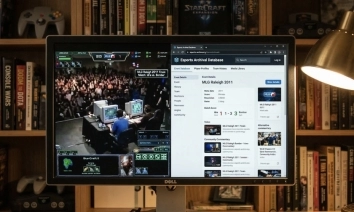
Traditional sports have dedicated halls of fame, extensive archival systems, and institutional memory preserved through decades of professional journalism. Esports, despite generating billions in revenue and attracting hundreds of millions of fans globally, lack comparable institutional infrastructure. Instead, passionate fan communities have stepped into this void, creating grassroots archival projects that document legendary matches, preserve commentary recordings, and maintain statistical databases that would otherwise disappear.
The urgency became apparent when several major esports organizations shut down, taking years of competitive history with them. Tournament VODs disappeared from defunct streaming platforms, team websites went offline, and player statistics vanished. These losses galvanized fan archivists, who recognized that without deliberate preservation efforts, esports history would evaporate far faster than traditional sports records.
The Volunteer Archivists
Dedicated fan communities have built impressive archival projects with zero institutional support. Liquipedia, the collaboratively edited esports encyclopedia, contains exhaustive documentation for dozens of competitive games. Volunteers meticulously record tournament results, player transfers, and match statistics going back to esports' earliest professional competitions.
These volunteer archivists operate with remarkable sophistication, developing standardized templates for documenting tournaments, establishing verification protocols, and creating comprehensive player profiles. The level of detail rivals professional sports databases.
The motivation extends beyond simple fandom. Many view esports history preservation as cultural work – documenting a significant entertainment form before it disappears.
Economic Stakes and Historical Documentation
The commercial side of esports has accelerated documentation efforts in unexpected ways. For example, when you place a bet on esports matches at Thunderpick, comprehensive historical data becomes valuable for understanding competitive trends, team performance trajectories, and player form. Thunderpick's esports betting markets cover major titles like Dota 2, CS2, League of Legends, and Valorant, requiring extensive historical match data, head-to-head records, and performance analytics to set accurate odds and provide users with informed decision-making context.
The platform's need for reliable historical statistics has created symbiotic relationships with fan archival projects – commercial entities benefit from volunteer-maintained databases, while archivists gain recognition and sometimes financial support that helps sustain preservation work. Betting platforms need trustworthy data about past performance to project future outcomes, inadvertently becoming stakeholders in esports historical preservation.
Traditional sports solved this through institutional infrastructure – major leagues employ statisticians and maintain official archives. Esports operates with fragmented ownership: hundreds of tournament organizers, multiple competing leagues per game, and constantly shifting corporate ownership. This structural instability makes fan-driven preservation essential.
View this post on Instagram
Technical Challenges of Digital Preservation
Preserving esports history presents unique technical challenges. Unlike baseball games filmed on stable video formats, esports matches exist as digital files dependent on specific software versions, streaming protocols, and platform infrastructure. When a streaming platform shuts down, years of archived matches can become inaccessible overnight.
Fan archivists have developed creative solutions. Some maintain redundant backups across multiple cloud storage providers. Others use peer-to-peer distribution networks to ensure no single point of failure. The most sophisticated projects employ version control systems originally designed for software development.
Fan archival projects face ongoing battles against link rot, platform migrations, and format obsolescence. Videos uploaded to YouTube in 2010 might play in degraded quality or fail entirely due to codec changes.
Community-Driven Documentation Standards
Different esports communities have developed distinct documentation approaches reflecting their games' unique characteristics. Counter-Strike archivists obsessively track individual round statistics, recognizing that clutch moments often matter more than overall match scores. League of Legends historians maintain detailed champion pick-and-ban data across patches.
These specialized approaches create rich historical records, capturing not just outcomes, but context. A future researcher could reconstruct entire competitive eras through preserved patch notes, tournament rule changes, and meta evolution documentation.
The collaborative nature builds community bonds. Contributors develop relationships spanning years, united by shared preservation missions. This distributed collaboration mirrors the global nature of esports itself.
Institutional Recognition and Support
Recently, some esports organizations have begun recognizing fan archivists' value. Riot Games has granted Liquipedia contributors API access for automated data collection. Valve occasionally consults community historians when documenting Dota 2 competitive history.
Museums and academic institutions are slowly entering esports preservation. The Esports Hall of Fame represents the first sustained institutional effort. However, it relies heavily on fan-maintained databases, demonstrating how volunteer archivists have become essential infrastructure.
The Future of Esports History
Fan-driven preservation and institutional archiving will likely resolve through hybrid models. Commercial entities will maintain official records for recent competitions, while fan communities preserve the long tail of historical data.
The preservation work happening today will determine how future generations understand esports' formative years. Without these volunteer archivists, legendary plays and dominant eras would exist only in fading memory, rather than accessible record.
Traditional sports had physical artifacts and institutional backing. Esports emerged in a digital era where everything seems permanent but proves terrifyingly ephemeral. The fans keeping esports history alive online are fighting digital entropy, ensuring future competitions build on documented legacy. Their work transforms esports from fleeting entertainment into preserved cultural heritage worthy of serious historical study.
Best Cryptocurrency for Online Casinos: BTC vs ETH vs USDT

Introduction
Crypto casinos are reshaping how people play online. Picking the right cryptocurrency can make a huge difference in your experience. The coin you choose affects transaction speed, fees, and whether your bankroll stays stable or fluctuates wildly while you're mid-game.
Dozens of cryptocurrencies exist, but three dominate the online casino space: Bitcoin (BTC), Ethereum (ETH), and Tether (USDT). Each has unique strengths and trade-offs. This guide compares them head-to-head across the factors that matter most: cost, speed, volatility, platform support, and ease of use. By the end, you'll know exactly which crypto fits your playing style.
Let's break it down.
Bitcoin (BTC) - The Industry Standard
Bitcoin is the most widely accepted cryptocurrency at online casinos. Walk into any crypto casino site, and you'll find BTC support front and center. Casinos like JB.com, BiggerZ.com and nearly every other operator accept Bitcoin deposits and withdrawals, making it the default choice for millions of players worldwide.
Why does Bitcoin hold this position? Simple. It was first, it's trusted, and it's everywhere.
Pros
- Universal acceptance - Supported by nearly 100% of crypto casinos. If a platform takes crypto, it takes Bitcoin.
- High liquidity - Easy to buy, sell, and convert on any exchange. You can move in and out of BTC quickly.
- Security - The most established and battle-tested blockchain network. Bitcoin's network has operated without a major breach since 2009.
- Largest bonuses - Many casinos tie their biggest welcome offers to BTC deposits. Bonuses up to 5 BTC are common at top-tier sites.
- Lightning Network option - Some casinos now support Lightning for near-instant, low-fee BTC transactions. This solves Bitcoin's speed and cost issues for players who want the best of both worlds.
Cons
- Slower confirmations - Standard on-chain transactions average around 10 minutes per block. Casinos may require 1 to 3 confirmations before crediting your account.
- Higher fees - Average on-chain fees sit around $1 to $5 per transaction. During network congestion, fees can spike past $30, making small deposits expensive.
- Price volatility - A deposit of 0.01 BTC could lose 5% to 10% in value before you even place a bet. Price swings can eat into your bankroll or boost it unexpectedly.
Best For
Players who prioritize platform compatibility, want access to the largest bonuses, and are comfortable with price fluctuations.
Ethereum (ETH) - Speed and Smart Contract Power
Ethereum brings more to the table than just payment processing. Its smart contract functionality powers decentralized casinos, provably fair games, and NFT-based reward systems. ETH is the second most accepted crypto at online casinos, and its technical capabilities open doors that Bitcoin can't.
If you're interested in playing on decentralized platforms or want faster transaction times than Bitcoin, Ethereum deserves your attention.
Pros
- Faster than BTC - Block times average around 12 seconds, compared to Bitcoin's 10 minutes. Your deposits appear in your casino account much quicker.
- Smart contract support - Enables provably fair games, automated payouts, and decentralized casino platforms (dApps). You can verify game fairness directly on the blockchain.
- Growing Layer 2 ecosystem - Networks like Arbitrum and Base are reducing fees and increasing transaction speed. These solutions make Ethereum more affordable and scalable for everyday use.
- Wide acceptance - Supported by most major crypto casinos alongside BTC. You won't struggle to find a platform that takes ETH.
Cons
- Variable gas fees - Fees on the Ethereum mainnet can spike unpredictably during network congestion. Historically, gas fees have hit $28 or higher during peak periods. Mid-2025 averages sat under $0.50, but spikes still happen.
- Still volatile - ETH price swings can impact your bankroll value between deposit and withdrawal. Like Bitcoin, Ethereum's price moves fast.
- ERC-20 confusion - Players must ensure they select the correct network (ERC-20 vs. other chains) when depositing. Sending ETH on the wrong network can result in permanently lost funds.
Best For
Players who value faster transactions, want access to decentralized casino platforms, or plan to use Ethereum-based dApps and provably fair games.
Tether (USDT) - The Stable Bankroll Option
Tether (USDT) is a stablecoin pegged 1:1 to the US dollar. Your $100 deposit stays worth $100 when you're ready to withdraw, no matter what happens in the crypto market. This stability makes USDT the go-to choice for players who want predictability.
If you've ever deposited Bitcoin, watched the price drop 8% during your session, and then cashed out less than you started with (despite winning), you understand the appeal of stablecoins.
Pros
- Price stability - Pegged to USD. Eliminates the volatility risk that affects BTC and ETH. A dollar is a dollar, today and tomorrow.
- Predictable bankroll - Players can manage funds in familiar dollar terms without doing conversion math every time they check their balance.
- Multiple network options - Available on TRC-20 (Tron), ERC-20 (Ethereum), and other chains. TRC-20 offers near-zero fees and near-instant confirmations, making it the cheapest and fastest USDT option.
- Growing casino adoption - Increasingly supported at crypto casinos, with some offering USDT-specific bonuses. Welcome packages up to 20,000 USDT are available at select platforms.
Cons
- Centralized issuer - Tether Ltd. controls the supply, which raises trust and regulatory questions for some users. Critics point to concerns about transparency and reserves backing the stablecoin.
- No investment upside - Unlike BTC or ETH, USDT won't increase in value. Players looking for potential price appreciation should look elsewhere.
- Network selection matters - Depositing USDT on the wrong network (sending ERC-20 USDT to a TRC-20 address) can result in permanently lost funds. Always double-check the network before every transaction.
Best For
Players who want a stable, dollar-equivalent bankroll with low fees (especially on TRC-20) and prefer to keep gambling and investing as separate activities.
BTC vs ETH vs USDT - Side-by-Side Comparison
Here's the breakdown in table form:
Factor | BTC | ETH | USDT |
Casino Acceptance | Highest (near-universal) | Very high | High and growing |
Transaction Speed | ~10 min (on-chain) | ~12 sec (L1) | Near-instant (TRC-20) |
Average Fees | $1–$5 | Variable ($0.50–$5+) | Near-zero (TRC-20) |
Price Volatility | High | High | None (pegged to USD) |
Bonus Availability | Largest offers | Moderate | Growing USDT bonuses |
Smart Contracts | Limited | Yes (dApps, provably fair) | No |
Best For | Maximum compatibility | dApps & speed | Bankroll stability |
The "best" coin depends entirely on what matters most to you. No single answer fits every player.
How to Choose the Right Crypto for Your Casino Experience
Making the right choice comes down to your priorities. Here's a quick decision guide:
- If you want maximum platform compatibility and the biggest bonuses → choose BTC. You'll have access to every crypto casino and the most generous welcome offers.
- If you want faster transactions and access to decentralized casino games → choose ETH. The speed and smart contract features open up new types of gaming experiences.
- If you want bankroll stability and the lowest fees → choose USDT (TRC-20). Your balance stays stable, and transaction costs are nearly zero.
Pro tip: Many experienced players use a combination. USDT for day-to-day play (stable value, low fees) and BTC or ETH for platforms that offer better bonuses on those coins. You can switch between them based on the situation.
Whichever coin you pick, verify the casino supports it, check network and fee details, and never send funds on the wrong network. One wrong click can mean lost money with no way to recover it.
FAQ Section
Q: Can I use more than one cryptocurrency at the same casino?
A: Yes, most crypto casinos support multiple coins. You can deposit in one and withdraw in another if the platform allows it.
Q: Which crypto has the lowest fees for casino deposits?
A: USDT on the TRC-20 (Tron) network typically has near-zero transaction fees, making it the cheapest option.
Q: Will my Bitcoin deposit lose value while I play?
A: It can. BTC is volatile, so your deposit may increase or decrease in value during your session. Use USDT if you want to avoid this risk.
A: Crypto transactions are secure, but always choose licensed, audited casinos and enable two-factor authentication. Research the platform before depositing.
How Chicago Cubs Lines Are Taking Shape Ahead of Opening Day

As Opening Day approaches, attention around Major League Baseball shifts toward roster construction, positional battles, and how teams are shaping up for the long season ahead.
Few teams are drawing as much discussion as the Chicago Cubs, who enter the year with an intriguing blend of established stars, emerging talent, and high-upside newcomers.
For sports fans across the United States, spring training offers the first clear glimpse of how a team’s lineup and pitching staff will look once the regular season begins. Decisions made during this period can influence everything from clubhouse chemistry to expectations surrounding the upcoming campaign.
The Cubs have much of their roster settled already, particularly on the infield and in the starting lineup. Still, a handful of key questions remain, and those answers will help determine how Chicago approaches Opening Day.
The Infield: Locked, Loaded, and Gold Glove-Caliber
The Cubs’ infield stands out as one of the most stable and talented units in the National League. With multiple players coming off strong seasons and a major offseason addition, this group forms the backbone of Chicago’s lineup entering Opening Day.
Nico Hoerner continues to anchor the middle of the infield after delivering his most complete season yet. His defensive excellence and all-around contributions make him one of the most reliable players on the roster. Meanwhile, Michael Busch’s breakout offensive production provides serious power potential from the corner infield.
The biggest offseason move was the addition of Alex Bregman, whose championship experience and consistent two-way play bring another level of stability to third base.
With those pieces firmly in place, the Cubs enter the season with an infield that appears set. This group not only strengthens the lineup but also contributes significantly to the team’s defensive identity.
Pete Crow-Armstrong and the Outfield Picture
The Cubs’ outfield features both star power and intriguing depth questions. At the center of the conversation is Pete Crow-Armstrong, whose dynamic performance last season firmly established him as one of the team’s most exciting young players.
Crow-Armstrong’s combination of power, speed, and elite defense gives Chicago a true difference-maker in center field. His ability to impact the game in multiple ways makes him a cornerstone of the lineup.
Alongside him, Ian Happ and Seiya Suzuki provide veteran consistency and offensive balance. Together, the trio forms a strong starting outfield capable of contributing across every aspect of the game.
However, the picture behind them remains less settled. Several non-roster invitees continue to compete for the final outfield spot on the bench, creating one of the more intriguing competitions as Opening Day approaches.
Moisés Ballesteros: The Wildcard in the Lineup
Few players generate more intrigue this spring than Moisés Ballesteros. The young prospect enters camp with a legitimate chance to carve out a meaningful role on the Opening Day roster.
Ballesteros impressed during his limited major league appearances last season, demonstrating strong contact skills and an advanced approach at the plate. Those traits have led some analysts to project him as a potential designated hitter option once the regular season begins.
His path to playing time, however, may depend on defensive development. While Ballesteros has experience behind the plate, questions remain about his consistency in controlling the running game and limiting passed balls.
If he proves capable of contributing both offensively and defensively, the Cubs could gain additional lineup flexibility. That versatility could allow the coaching staff to rotate players more effectively across multiple positions.
The Rotation: Strength at the Top, Questions in the Middle
Chicago’s starting rotation enters the season with a blend of proven ability and emerging uncertainty. At the top of the staff, several pitchers provide the foundation for what the Cubs hope will be a competitive pitching unit.
Matthew Boyd and Shōta Imanaga headline the rotation alongside veterans who bring valuable experience to the group. Their presence helps establish stability as the season begins.
However, the middle portion of the rotation presents more questions. Young arms and newer additions must demonstrate consistency against major league lineups over an extended schedule.
Complicating matters further is the anticipated absence of Justin Steele early in the season as he continues to recover from injury.
These pitching dynamics play an important role in shaping expectations around the team. Observers following early-season projections often note how Chicago Cubs lines reflect both the rotation’s top-end talent and the uncertainty surrounding the remaining spots.
The Bullpen Battle: One Spot Remains Up for Grabs
While much of the Cubs’ roster appears settled, the bullpen still features one of the final competitions of spring training. Only a single relief spot remains undecided, creating an intense battle among several candidates.
Pitchers such as Ryan Rolison, Luke Little, Ben Brown, and Javier Assad all enter camp with legitimate cases for inclusion. Each brings a different skill set to the bullpen mix, from power arms to pitchers capable of multiple innings.
MLB narratives point out that performance during spring games will certainly matter, but roster flexibility also plays a role in the decision-making process. Minor-league option status and long-term development plans can influence which pitcher ultimately secures the final spot.
Despite this remaining uncertainty, the Cubs’ core bullpen structure appears largely intact. That stability allows the coaching staff to focus on refining roles rather than rebuilding the entire relief corps.
A Roster Taking Shape for Opening Day
As the regular season approaches, the Chicago Cubs appear closer to finalizing a roster capable of competing across a demanding schedule. The infield provides a strong defensive and offensive core, while the outfield combines established veterans with emerging talent.
Young players such as Moisés Ballesteros add unpredictability, potentially enhancing the lineup’s versatility. Meanwhile, the starting rotation continues to develop its identity as pitchers settle into defined roles.
Even the remaining roster competitions highlight the organization’s growing depth. From bullpen battles to bench positions, the Cubs possess multiple players capable of contributing throughout the season.
For fans following the team closely, the picture coming into focus suggests a club with both stability and upside as Opening Day draws near.
*Content reflects information available as of 2026/03/09; subject to change.*
From Stock to Stunning: Upgrading Your Dirt Ride’s Appearance

There’s something exciting about riding a dirt bike that looks just as good as it performs. It's also a very personal and gratifying experience. Many bikes come from the factory with a clean but simple design. While that stock look works fine, people tend to enjoy giving their bike a little personality. Upgrading the appearance of your dirt ride is one of the easiest and most satisfying ways to make it feel like it's truly yours.
One of the most popular ways riders customize their bikes is by installing Yamaha dirt bike graphics or other brand-specific aftermarket graphics kits. Graphics kits are colorful vinyl decals designed to fit the body panels of your bike. They can instantly transform a plain-looking bike into something bold, stylish, and eye-catching. Many riders choose graphics with bright colors, race-inspired designs, or even custom numbers to create an entirely new look.
Why Appearance Matters
For many riders, their dirt bike is more than just a machine; it’s a hobby and a passion. Personalizing the look of your bike helps reflect your personality and riding style. Some riders want a sleek and aggressive design while others prefer bright colors that stand out on the track or trail.
Upgrading your bike’s appearance can also make it easier to recognize in a crowded pit area or while you're riding. When everyone has similar models, unique graphics or colors make your ride easier to spot in a crowd. Another benefit is the pride you get when your bike makes people take notice. When your bike looks great, you may feel more motivated to take care of it. Cleaning, maintaining, and protecting it become part of the fun rather than extra chores.
Graphics Kits: A Simple But Effective Transformation
Graphics kits are usually the first upgrade riders choose because they're affordable and simple to install. Most kits include decals for the fenders, shrouds, swingarm, and number plates. Once applied, they instantly give your bike a fresh, custom appearance.
Modern graphics are made from durable vinyl that's designed to handle mud, dust, water, and sunlight. They also help protect the plastic panels underneath from scratches and fading. In other words, they don’t just look good; they also help preserve your bike.
Small Details That Make a Big Difference
Beyond graphics, several smaller upgrades can improve your dirt bike’s appearance. These changes may seem minor, but together, they can create a big visual impact. Colored parts are one of the easiest options. Items like grips, levers, valve caps, and brake line covers come in many colors. Matching these pieces to your graphics can create a coordinated, professional look.
Seat covers are another popular upgrade. Many riders replace their stock seat cover with one that has textured material, bright colors, or stitched patterns. Those covers not only look better but can also improve your grip on the seat while you're riding. Even simple things like fresh plastics can make an older bike look brand new. Over time, dirt bike plastics can become faded, scratched, or stained. Replacing them with a new set instantly refreshes the entire bike.
Keeping Your Bike Looking Great
Once you’ve upgraded your bike’s appearance, keeping it clean will help maintain that fresh look. After a ride, washing off mud, debris, fuel, and oil prevents stains and protects decals. Using gentle cleaners and soft brushes can keep plastics and graphics looking new for longer. It’s also a good idea to check graphics for peeling or bubbles. Pressing them down early can help them stay attached and last longer.
Adding Style and Personality to Your Ride
Upgrading your dirt bike’s appearance doesn’t have to require expensive parts or complicated work. Simple changes like graphics, colored accessories, or new plastics can completely transform how your bike looks. Best of all, customization lets you create a bike that feels uniquely yours. Whether you prefer bold racing graphics or a clean, minimal style, the right upgrades can take your dirt bike from stock to stunning.
The Role of International Gambling Licences in Non GamStop Casinos
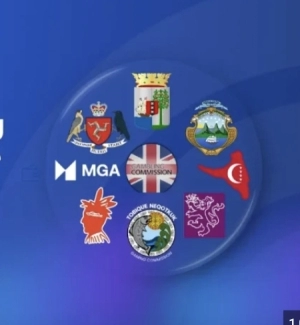
Licensing of gambling in the international arena plays a vital role in regulating online casinos to ensure they operate within the legal and safe confines of the law. They are especially important for casinos that are outside the UK's self-exclusion scheme. Different jurisdictions issue these licences. Each body has unique rules for fair play, player protection, and financial security. This article will focus on the significance of international gambling licences in offshore casinos.
What Are Non GamStop Casinos?
Non-GamStop gambling platforms are sites offering casino access without GamStop limits that do not participate in GamStop, the self-exclusion program in the United Kingdom. This means that such casinos ignore UK guidelines that limit access to online gambling platforms for players.
These casinos attract UK players seeking a wider selection of games. Many of these players also desire higher bonuses and gaming options not available on UKGC-registered sites. They attract foreign gamblers.
Nevertheless, these platforms face challenges because they are not under UK regulatory oversight. Consequently, there is a risk to players. One such risk includes limited consumer protection and fewer responsible gambling measures.
The Role of International Gambling Licences
Multinational iGaming licences are legal approvals that enable casinos to operate legally. These licences provide a legal framework for casinos to meet the set standards. Important licensing bodies are:
- Curacao EGaming
- The Malta Gaming Authority, among others.
Key Features of International Gambling Licences
International gambling licences are critical to the fairness and safety of non-GamStop casinos. As highlighted in the honest lets jackpot casino review, these licences play an important role in delivering benefits to both casinos and players, as indicated by the following key features.
Legitimacy and Trust
An international gambling license shows that the online casino operates legally. It means it has been tested and approved by a reputable regulatory body. Thus, it operates in line with all the rules governing gambling.
Player Protection
Licences require casinos to implement strong security measures. This will involve aspects of security, such as the encryption of player data in online casinos. They will also ensure the presence of a dispute-resolution mechanism and checks for casino fairness.
Fairness & Transparency: Licenses require casinos to use RNGs and conduct fairness tests to ensure their games are fair.
Compliance with Local Laws
Even foreign casinos have rules to follow in the country where they are licensed. It offers some protection to players, even if they are not within the UK's self-exclusion system.
Types of Licences Non GamStop Casinos Hold
There are Multiple International regulators of these casinos. The licences help ensure they operate legally and fairly. Some of the most important types of licences these casinos usually hold are listed below.
Curacao eGaming: This is the most widely available and readily available licence for non-UK casinos. It is fast to get approved and has low operational expenses. It may, however, offer fewer consumer protection benefits than other licences.
Malta Gaming Authority: The level of consumer protection is high, and the auditing is vigorous. It is reputable, transparent and quite legitimate in the business world. However, its strict processes are more costly for operators.
Gibraltar and the Isle of Man: Both are known for clear laws and strong player protection.
Other Authorities: They include Kahnawake and Panama. These also offer licences of similar reliability but with varying levels of protection for players.
How International Gambling Licences Protect Players
International gambling licences are important for protecting players. They set strict conditions that ensure players' security and encourage safe gaming. These licences require casinos to undertake several steps to protect their customers.
Security measures are one of them. All licensed casinos must have robust encryption. This prevents players' data from being compromised.
Besides security, responsible gambling tools are essential. These applications help gamblers control their habits. They may include
- Self-exclusion options
- Deposit limits
- Gaming timer
- Access to external resources
Gambling licences require casinos to have well-established dispute management systems. Thus, all players' complaints are handled openly and fairly.
Benefits and Risks of Playing at Non GamStop Casinos
Non GamStop casinos have both positive and negative effects on players.
Benefits:
- Greater variety of games
- Lax rules lead to improved bonuses
- Availability worldwide
Risks:
- Absence of GamStop protection
- Different operational standards across regulators
Conclusion
Global iGaming licences enable non-GamStop sites to operate within safe measures. Even those sites regulated outside the UKGC are under reputable authorities. To the UK players, foreign casinos may be attractive due to the number of games and bonuses they provide. Nevertheless, players must never ignore the licensing agency or the quality of the licence to ensure safe and secure gambling.
Mahomes vs. McDavid vs. Ohtani: Fantasy Hall of Fame Stats

Three superstars, three sports; one question for all the fantasy managers who have ever had a beer in hand and argued about: Who has produced the most fantasy winning production in their careers?
Patrick Mahomes provided historically great quarterback performances at an elite level. Connor McDavid has provided a decade of league leading scoring numbers. Shohei Ohtani is, depending on how you fill out your roster with your fantasy platform, literally two fantasy players that are included in a single roster spot.
We were able to determine this by developing a cross-sport "Fantasy Hall of Fame Index" (FHFI) that allows us to normalize production from different time frames, different methods of scoring and different roster construction. The FHFI will evaluate each player based on four equally weighted factors: the level of dominance they have shown above baseline (40%), the amount of leverage they have in their best season (30%), the number of games they play (20%) and their ability to be placed in multiple rosters (10%). Here is what the actual numbers show.
How We Normalized Three Different Sports
The core challenge in cross-sport fantasy comparisons is that a "great" quarterback week looks nothing like a "great" center iceman week. To handle this, we mapped each player's per-game fantasy output onto a Normalized Fantasy Value (NFV) scale of 0 to 100, anchored between two poles: the "last comfortably startable" output for the position (baseline) and a practical upper bound observed across modern elite seasons (ceiling).
Formally: NFV = 100 x clamp((FPPG minus Baseline) / (Ceiling minus Baseline), 0, 1)
To account for availability across sports with very different schedule lengths, we then computed a Dominance-Adjusted Season Share (DASS) for each season:
DASS = NFV x (Games Played / Scheduled Season Length)
Summing DASS across a career produces something WAR-like in spirit: how many peak-equivalent seasons above the startable baseline did this player actually deliver, weighted for how often they were on the field or ice?
For scoring style, we used points-league formats for each sport, since those translate more cleanly across sports than multi-category roto does. Mahomes' season lines draw from FantasyPros' historical passing and rushing tables (2018 to 2025). McDavid's year-by-year scoring comes from ESPN's career stats table (2015 to 2026). Ohtani's hitting and pitching lines are anchored by MLB.com player records and confirmed by Reuters reporting on his 2024 pitching absence.
Patrick Mahomes: Two All-Time Peaks and a Position Economics Problem
Mahomes' fantasy Hall case is largely based upon only two seasons, 2018 and 2022. In 2018, Mahomes scored 5,097 passing yards and 50 touchdown passes in his first full year as a starter. Per game Mahomes averaged 26.1 points in standard QB scoring. Our model calculates that is a normal fantasy value (NFV) of approximately 95 out of 100, the highest single season NFV for any player in this evaluation. His 2022 season, with 5,250 passing yards and 41 touchdown passes plus additional running back production, generated a NFV of 76.0 and demonstrates that this was not a one-year anomaly.
However, the challenge facing Mahomes is the band of mediocre to poor seasons bookending these two peaks. In 2020, Mahomes' NFV was 81.9, good but much lower than his 2018 peak. However, his numbers in 2023 and 2024 were also down, and the 2025 season was limited to 14 games. Therefore, the three best seasons by Mahomes averaged 25.2 fantasy points per game, which is elite, however the drop-off in Mahomes' production from his peak to his floor is greater than for either of the other two players.
Some of this drop off is likely a function of the positional environment and not necessarily the actual decline of Mahomes. The larger structural drag on Mahomes' FHFI score is what I will call "position economics". As stated earlier, in standard one-quarterback league formats, the replacement level at QB is significantly higher than at any other premium position. This means that even a mere "good" quarterback can generate startable weekly numbers. Therefore, while Mahomes' career DASS accumulation is important, it is systematically compressed by the baseline compression in the league at the QB position. Therefore, in superflex or two-QB formats, Mahomes' relative scarcity premium increases substantially and his FHFI case moves closer to 76 or 77 out of 100. In standard formats, the model assigns a FHFI score of 70.6.
It is worth noting that this structural cap on Mahomes shows up in real-world fantasy ranking ecosystems too. Independent draft-value systems, including FPTrack’s football player rankings, reflect how quarterbacks are typically slotted behind other positions despite elite raw production. Meanwhile, their most recent fantasy hockey board ranked McDavid at No. 2 for the 2025-26 season. The result: Mahomes ranks below McDavid in their respective sports' fantasy ranking hierarchies, a gap this index corroborates with actual career data.
Connor McDavid: The Cleanest Fantasy Resume of the Three
While Mahomes' case is based upon peaks, McDavid's is based upon something even more rare: consistent elite production over a decade without a bad season. As shown in ESPN's year-by-year table, McDavid's development into a top player began in his first season in the NHL in 2015-16, as he produced 48 points in 45 games as a rookie. Thus, he already possessed better per game production than many of the top forwards in the league. From that point onward, McDavid's trajectory continued upward. He surpassed 100 real points in several seasons, and in 2022-23, he posted the most impressive individual scoring season in the modern era with 153 points. The normalized value in this model for McDavid's 2022-23 season is 96.6, which would be the highest in the dataset, with the exception of Mahomes' 2018 season. To put that in perspective, the next-highest NFL season in this dataset produces a normalized value of approximately 82.
What sets McDavid apart from the others is not simply the 2022-23 peak, but the floors that exist around it. For example, McDavid's shortened 2020-21 season still graded as a normalized 82.6, while his 2019-20 pandemic season graded as a normalized 61.1. In years where McDavid's numbers were lower, he never fell below startable levels. His top-three seasons average 6.11 fantasy points per game in a skater-points model, and his 712 career games played is a strong durability measure in the NHL.
For the purposes of points-based fantasy hockey, goals and assists are the currencies. McDavid's high volume of assists creates a very high floor in fantasy points. Even if McDavid has a poor shooting week, he is unlikely to lose production due to the fact that his ability to make plays for teammates is so consistent. NHL.com ranked McDavid as the #2 player among fantasy forwards in February 2026, even though he was entering his 11th season in the league. This is consistent with what the DASS calculation shows: multiple high plateau seasons, rather than one peak followed by a decline. McDavid's FHFI composite score of 81.7 is far and away the best among the three players, and it is the most stable of the three scores across sensitivity testing.
Shohei Ohtani: The Two-Way Rules Engine
Unlike the other two players, Ohtani's fantasy case is structured differently, and examining it without referencing platform-specific roster construction is effectively impossible. Not only does Ohtani generate elite-level value in one fantasy market (hitting), but in his best seasons, he simultaneously generates elite value in a different fantasy market (pitching).
Ohtani's hitting resume is incredible. In addition to documenting a 2023 season of 44 home runs and a 1.066 OPS, Ohtani also went 10-5 as a pitcher with a 3.14 ERA and 167 strikeouts in 132 innings. Ohtani did not pitch in 2024, and according to Reuters, it was a result of recovering from elbow surgery. However, in 2024, he hit .310/.390/.646 with 54 home runs and 130 RBIs, along with 59 stolen bases. His 2025 return to two way action saw Ohtani produce 55 home runs as a hitter and a 2.87 ERA in 14 starts. That type of performance is the kind of thing that changes the lens through which we view the potential of a single roster slot.
In the model's main scenario, which considers Ohtani as a single two-way player who occupies one roster slot and produces both hitting and pitching points, Ohtani's greatest seasons create a compositional advantage that is very difficult to replicate. His 2023 season graded as a normalized 100 out of 100, which is the model's ceiling, since no other player has been able to generate the unique combination of elite hitter and front line starter in a single slot. Ohtani's top three seasons average 6.91 fantasy points per game in the combined model. Ohtani's composite FHFI score of 78.7 places him in second.
However, the key issue with Ohtani's FHFI score is the availability issues with respect to his pitching. Ohtani did not pitch in 2024. Ohtani also did not pitch for part of the 2019 season, and suffered from injuries that affected his pitching in other seasons. If you evaluate his pitching production as a separate roster entry instead of a bonus from a single slot, Ohtani's pitching DASS drops substantially, and in a "split player" interpretation of Ohtani, the model rates Ohtani as being below Mahomes, at approximately 68.0. The order of McDavid and Ohtani above Mahomes is stable in unified formats, while Ohtani falls to third in split player formats. That format sensitivity is the most critical factor in this analysis.
The Numbers: Index Scores, Trajectory, and Sensitivity
Here is the primary scenario output under unified Ohtani, points-league scoring, and standard weighting:
Rank | Player | FHFI Score | Key Driver |
1 | Connor McDavid | 81.7 | Decade of sustained elite production, multiple peak seasons, strong availability |
2 | Shohei Ohtani | 78.7 | Unmatched two-way ceiling in unified formats, historic hitter floor |
3 | Patrick Mahomes | 70.6 | Two all-time QB peaks but compressed by position economics and lower recent output |
The normalized career trajectories illustrate each player's shape well. Mahomes is front loaded: his 2018 season, with an NFV of 94.9, is the highest single season NFV in the dataset, and Mahomes' numbers have trended downward to the low-mid 20s normalized value for every season since his 2018 peak. Ohtani spikes sharply in two-way seasons and then drops down to the 40s in years where he does not pitch at all, reflecting the zero normalized value of Ohtani's 2018-2020 seasons, where he had little-to-no MLB playing time. McDavid's line is the flattest of the three in terms of its variance: Once McDavid established himself in 2019-20, he never fell below the 50s normalized, and his 2022-23 season, with an NFV of 96.6, is only 3.4 points from Mahomes' all-time peak.
The sensitivity analysis shows a few things worth flagging. First, changing to a peak-heavy weighting (50% peak leverage, 20% career dominance) causes Mahomes to jump to second, and causes the difference between Mahomes and McDavid to narrow considerably, as Mahomes' 2018 season is the best single season in the dataset. If "Fantasy Hall of Fame" means "the best single season", Mahomes has a case. If "Fantasy Hall of Fame" means "the best career long asset", the current weighting is more suitable. Second, in hockey formats that emphasize hits, blocked shots, and penalty minutes, McDavid's lead over the competition shrinks, although major fantasy platforms continue to rank McDavid as one of the top values at forward. Finally, in Superflex formats, Mahomes' score moves to the high 70s, and may surpass Ohtani in split player formats.
Final Ranking and What Could Change It
The Fantasy Hall of Fame ordering from this analysis, in primary scenario form:
1. Connor McDavid (81.7) -- The cleanest combination of ceiling, repetition, and position dominance. A decade of elite fantasy hockey production that has never had a genuinely bad season is an extraordinarily rare profile.
2. Shohei Ohtani (78.7) -- The most format-dependent case of the three, but in unified two-way formats the ceiling is genuinely unmatched. His hitter-only resume, even stripped of pitching, is still an elite fantasy career.
3. Patrick Mahomes (70.6) -- Two of the best individual QB fantasy seasons ever recorded, surrounded by a position structure that compresses their relative value against the rest of the field. In Superflex leagues, revisit this ranking.
The clearest path to changing this ordering: move to a peak-first weighting in a Superflex league with split Ohtani, and Mahomes rises to first. Move to a unified Ohtani interpretation with heavy career-dominance weighting, and McDavid leads comfortably with Ohtani second. The Mahomes-to-first scenario requires a very specific set of format conditions. The McDavid-at-first outcome is the most robust finding in this analysis, holding across nearly every tested combination of weights and scoring assumptions.