What Separates a Great Induction Ceremony From a Long Night

Every hall of fame eventually faces the same problem. The selection process gets years of attention and the ceremony gets six weeks.
That imbalance shows. Inductees who waited decades for the honor sit through a program running ninety minutes over, in a room where half the audience cannot see the stage, listening to speeches nobody helped them shape.
Read any induction ceremony coverage and the pattern is obvious. What gets written up is the moment, the pairing, the unexpected duet, the speech somebody actually prepared. Nobody reports the running order, and nobody forgets a ceremony that fell apart.
The induction is the only part of the process most people ever witness. It deserves the same rigor as the ballot.
The ceremony is the argument
Here is the thing organizations miss.
An induction ceremony is not a party attached to a decision. It is the public case for why the decision was right, delivered to the people who will repeat it.
A ceremony that makes the case well produces coverage, footage that circulates, and inductees who become advocates for the institution. One that runs long and looks cheap produces polite applause and a photograph nobody uses.
The selection debate is where the credibility is built. The ceremony is where it becomes visible.
Room shape decides more than you think
Before catering, before the program, before anything: the room.
Sightlines are the whole thing. A column between a table and the stage means eight people spend the evening watching a screen. Column-free space costs more and it is the single highest-value spend in the entire budget.
Ceiling height affects sound and the sense of occasion. Low ceilings make a large room feel like a conference. High ceilings make a medium room feel like an event.
Direct vehicle access matters more than it sounds. Trophies, display cases, staging, AV. Every item that has to be carried through a lobby is an item that gets damaged or delays setup.
Pre-function space is not optional. Arrivals, registration, sponsor displays and the reception before dinner all need somewhere to happen. Without it, guests queue in a corridor.
Built-in stage and LED capability saves both money and setup time against bringing everything in.
Venues offering this combination are rarer than the brochures suggest. A large event space Hong Kong organizers use for exactly this kind of program illustrates the specification worth looking for.
Hopewell Hotel in Wan Chai publishes over 6,500 square meters of column-free facilities, including the largest hotel ballroom on Hong Kong Island, handling events from 10 to 1,800 people.
Its Grand Ballroom accommodates up to 1,800 with column-free design, high ceilings, division into two halls, direct vehicle access, and built-in stage and LED. Crystal Court takes 750 on the 19th floor with an expansive pre-function area and natural light. Summit View 58 seats 140 on the 58th floor with 270-degree views of Victoria Harbour, and the Salons complex offers five adaptable column-free rooms for smaller sessions.
That range matters for a reason specific to halls of fame: the induction dinner, the press conference, the sponsor reception and the committee meeting are four different events with four different room requirements, usually across two days.
Program length is where ceremonies fail
The most common induction failure has nothing to do with the venue.
Speeches run long because nobody told the inductee otherwise. Give time, in writing, well in advance, and give it as a number rather than a suggestion. Five minutes means five minutes.
Too many inductees in one night. Beyond about eight, the audience stops distinguishing between them and the honor dilutes. Two smaller ceremonies beat one exhausting one.
Video packages that duplicate the speech. Pick one. A three-minute film followed by a five-minute speech covering the same ground is eight minutes of the same content.
No hard stop. Publish an end time and hold it. Guests who know when the evening ends stay engaged. Guests who do not start checking phones at hour two.
A structure that works
Reception with a defined end. Seated dinner service completed before the program begins, not during it. Program running no more than ninety minutes. Then the room reopens for the part people actually remember, which is inductees talking to guests rather than at them.
The details that get noticed
Table assignment is political. Inductee families, sponsors, media and board members all have expectations. Do this deliberately and early, because fixing it on the night is impossible.
Accessibility is not an afterthought. Older inductees, wheelchair users, guests with hearing loss. Stage access, step-free routes and assistive listening all need confirming with the venue rather than assuming.
AV rehearsal is non-negotiable. Every video, every microphone, every transition, run in the actual room with the actual equipment. Ceremonies fail in the first ten minutes and it is almost always AV.
Photography needs a plan. Where inductees stand, what the backdrop says, who directs it. The photographs are what circulate afterward and they are usually left to chance.
Someone owns the clock. One person, visible to the stage, empowered to move things along. Without that role the program runs long every single time.
Two days rather than one
Larger halls of fame increasingly split the program, and it works.
Day one handles the press conference, the sponsor reception and any committee business, in smaller rooms with different setups.
Day two is the ceremony itself, with the room dedicated to that alone rather than reset three times.
This costs more in venue time and saves more in stress. It also means the induction dinner is not competing with four other functions for the same staff and the same space.
Venues with genuine range make this practical. Somewhere offering a 1,800-capacity ballroom alongside a five-room meeting complex handles both days without moving buildings.
Budget where it shows
Spend on the room. Column-free, good ceiling height, working sightlines. Nothing else recovers a bad room.
Spend on AV. The sound that fails during a speech is the one failure everybody remembers.
Spend on photography. It outlasts the evening by years.
Save on centerpieces. Nobody has ever discussed an induction ceremony's floral arrangements afterward.
Save on printed programs. Beyond a simple running order, they end up on the floor.
Save on the gift bag. Inductees want the honor. Guests want dinner.
What the best ceremonies have in common
They are shorter than the organizers wanted.
They happen in rooms where everyone can see. They start on time and finish when they said they would. They give inductees a real moment rather than a slot in a schedule. And they leave enough unstructured time afterward for the conversations that make people feel part of something.
The debate over who belongs is the interesting part, and it is where these institutions earn their standing. But the ceremony is where that standing becomes visible to everyone who was not in the room when the vote happened.
Get the room right, keep the program tight, and let the inductees be the reason people came.
Before you book
Ask the venue five things.
Is the space genuinely column-free, or column-free in the section they photograph?
What is the vehicle access for load-in, and what time can you start?
What AV is built in versus what you bring?
How much pre-function space comes with the room?
What is the realistic capacity for your format, since theater, banquet and cocktail numbers differ substantially for the same room?
Get those five answers in writing and most of what goes wrong on the night has already been prevented.
Why Second Looks Matter: Reconsidering The Betting Bans In A Sport That Sells Betting

Pete Rose died in 2024. On May 13, 2025, Commissioner Rob Manfred ruled that permanent ineligibility ends at a person's death and removed 17 deceased people from baseball's ineligible list. Rose was one of them. Shoeless Joe Jackson was another.
Neither record moved. Rose still finished with 4,256 hits, Jackson with a .356 lifetime average, and those numbers sat unchanged under the ban for decades. What moved was the sport holding the file. The league that expelled its hit leader for betting on games now sells sportsbook partnerships and co-branded casino games to the same people who argue about him every winter.
This site's chairman has already written that the league profits from what it threw Rose out for. The Classic Baseball Era Committee that can put him and Jackson on a ballot meets in December 2027, roughly 15 months from now, so the argument has time to sharpen. Sharpening it means knowing what the sport actually sells, not just that it sells something.
Baseball Wrote Its Betting Rule To End The Argument
Rule 21 makes betting on a game in which a person has a duty to perform grounds for permanent ineligibility. The wording leaves a commissioner almost no room once a finding lands, which was the point of drafting it that way after 1919.
Rose accepted that status in a 1989 settlement with Commissioner A. Bartlett Giamatti, after investigator John Dowd concluded he had bet on baseball while managing the Cincinnati Reds. Dowd's report recorded wagers of $2,000 on his own team.
Jackson had less recourse than that. A Chicago jury acquitted him in the Black Sox case in 1921, Commissioner Kenesaw Mountain Landis expelled him anyway, and he died in 1951 with no route back.
Then the Hall of Fame shut its own door. Its board barred anyone on the ineligible list from appearing on a ballot in 1991, which handed the decision to a list instead of to voters. For 34 years the Hall never had to say what it thought about Rose, because the rule spoke first.
Other Leagues Lifted Their Bans Faster And Their Players Reached The Halls
Football ran the same offense on a much shorter clock. The NFL suspended Green Bay halfback Paul Hornung and Detroit defensive tackle Alex Karras for a year in 1963 for violating league gambling policy. Both came back the following season and both built careers that selectors could later weigh whole.
Hockey went the other way. In 1948 the NHL banned Billy Taylor of the New York Rangers for life and suspended Don Gallinger of the Boston Bruins indefinitely over gambling allegations, as ESPN's timeline of league gambling scandals sets out. The league reinstated both in 1970 and neither man played again.
Taylor had set the single-game assist record with seven in 1947. Wayne Gretzky later matched that mark without passing it, so the record outlived the ban by decades. The career did not.
|
Player |
Ban |
Reinstated |
Hall outcome |
|
Paul Hornung |
NFL, 1963 |
Within a year |
Pro Football Hall of Fame, 1986 |
|
Alex Karras |
NFL, 1963 |
Within a year |
Pro Football Hall of Fame, 2020 |
|
Billy Taylor |
NHL, 1948 |
1970, after 22 years |
Not inducted |
|
Don Gallinger |
NHL, 1948 |
1970, after 22 years |
Not inducted |
|
Pete Rose |
MLB, 1989 |
2025, after his death |
Eligible for the 2027 committee |
|
Joe Jackson |
MLB, 1921 |
2025, after his death |
Eligible for the 2027 committee |
What separates those rows is elapsed time rather than severity. Hornung and Karras served a year, returned and finished, so voters eventually held a complete resume. Taylor and Gallinger waited 22 years and had nothing left to add to theirs.
A Room Of 16 Will Decide What No Ballot Ever Did
The 2025 ruling did not put Rose in Cooperstown. It removed the bar in front of him. The Hall said a screening committee could place him and Jackson on the Classic Baseball Era Committee ballot, and that panel next sits in 2027.
Era committees run on arithmetic unlike a writers' ballot. Sixteen people sit in the room, a candidate needs 12 of them, and one vote is therefore worth 6.25% of the total. More than 400 writers vote on the annual ballot, where a single vote shifts a candidate by a fraction of a percentage point.
Small rooms move quickly in both directions. Four people changing their minds can settle a case a large electorate would have argued over for a decade, and a candidate whom several panelists knew personally starts nearer 12 than his record alone would put him.
Readers here have already voted on the question. Rose sits third in this site's ranking of baseball players outside Cooperstown, and 69.6% of those who answered the poll on his page chose to put him in.
The Sport They Come Back To Sells The Bet
MGM Resorts International and BetMGM announced a renewal of their MLB partnerships on June 23, 2026. That release dated the relationship to 2018, when the two became the league's first Official Gaming and Sports Betting Partners, and said BetMGM would keep developing co-branded MLB-themed casino games and marketing them across MLB Network, MLB.com and the league's digital properties.
MLB added a second kind of market this year. It named Polymarket its exclusive prediction market partner on March 19, 2026, and CNBC's report on the agreement recorded that both sides would work to "restrict markets that present an integrity risk to MLB, such as individual pitches, manager decisions, and umpire performance, among others."
Read those two announcements together and the league's position looks consistent rather than two-faced. It sells the spectator side of betting and fences off the parts a participant could move. Rose stood on the wrong side of that fence as a manager, not as a customer.
The spectator side is the one a reader of this site meets. A game carrying a club's name gets marketed on league platforms to people who follow the league, and the usual way in is a sign-up offer.
A No-Deposit Offer Is A Contract With Four Numbers In It
The no-deposit form is the one built for first contact, because it posts a credit to a new account before any money goes in. That is what attaches it to a sponsorship push: the account opens first and the terms arrive with it.
The figure printed on the front of it is the least binding part. Four separate terms decide what that credit can turn into, and none of them sit in the headline.
First comes the playthrough multiple, the total staking required before any resulting balance can leave. A multiple of ten means ten times the credit has to pass through as stakes. Turnover satisfies it rather than winning, so a player who is down can still clear it.
Second comes game weighting. Titles do not all count at the same rate, and one that credits a stake at a fraction of its value stretches the turnover needed without touching the number on the front.
Third comes the win cap, a ceiling on how much of the balance can be withdrawn at all. Fourth comes expiry, the date after which the credit and whatever was built on it disappears.
Two offers can advertise the same figure and diverge on all four terms, which is why the figure is not the comparison. Bonus.com's no-deposit offer analysis lays those terms out offer by offer. Each set belongs to the operator that wrote it rather than to any common standard, and operators revise them.
The Rule That Caught Rose Still Catches Players
MLB placed Tucupita Marcano on the permanently ineligible list in 2024 after finding he had placed 387 baseball bets totaling more than $150,000. That made him the first active player banned for life over gambling in roughly a century.
Federal prosecutors charged Cleveland pitchers Emmanuel Clase and Luis Ortiz in November 2025 over an alleged scheme to rig pitches for bettors. Both men pleaded not guilty in Brooklyn federal court in February 2026 to a rewritten indictment, as did a third person charged as a middleman.
Prosecutors allege the pitchers took several thousand dollars in payoffs to help two gamblers win at least $460,000 through more than 100 in-game prop bets and parlays on pitch speed and pitch outcomes. The charges remain allegations and neither man has been convicted.
MLB and its authorized sportsbooks capped wagers on pitch-level markets at $200 and shut those markets out of parlays. The Polymarket agreement fences the same ground from the prediction-market side. Both limits land on the market the indictment describes, a wager on one pitch rather than on a game.
Operators rewrite markets and promotion terms while cases like these run, and the Bonus.com feed on Facebook is one place those revisions get posted.
A Second Look Can Land After The Subject Is Gone
Rose died about seven months before the ruling that made him eligible, and he is not the first name on that list. The delay is structural rather than unlucky.
Dick Allen missed election by one vote on the 2014 Golden Era ballot, died in 2020, missed by one vote again in 2021 and was finally chosen in 2024. Dave Parker won election in that same 2024 vote with 14 of 16 and died 29 days before his induction in July 2025.
The calendar does most of that damage. Era committees convene once every three years, so a candidate who falls short waits out a full cycle before the same panel reconvenes. Under a rule adopted in 2025, a candidate drawing fewer than five votes sits out the next cycle, and a second such result ends the candidacy outright.
That is the machinery Rose's case enters in December 2027. Nobody will ask the panel whether the sport changed around him, but it will be voting inside the changed sport, which is not the same as judging the record alone. Jackson's case reaches the same room 108 years after the World Series that ended his career.
How to Create the Perfect Football Game Day
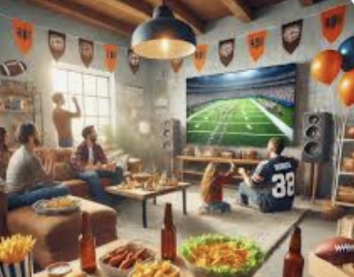
For NFL fans, game day offers much more than three hours of football, but provides a chance to embrace much-loved traditions, spend quality time with loved ones, and soak up all the sporting drama.
If you’re excited the NFL season is back and want to enjoy every single second, here are some top tips on how to create the perfect football game day.
Decorate Your Home
Prove your NFL allegiance by prepping your home on game day in your team’s signature colors. Hang banners and don your favorite jersey to set the tone for the day ahead while highlighting your passion and loyalty.
Your enthusiasm for the game will feel infectious, ensuring your family and/or friends feel excited and enthusiastic for an upcoming game.
Create Extra Thrills with a Sports Bet
As dramatic as an NFL game can be, there are plenty of pauses throughout that can detract from some of the excitement. However, you can choose from Ontario betting sites on danny.bet to keep the game lively when it comes to a sudden halt.
When the game stops, you’ll have an opportunity to review your bet and analyze odds, and you could potentially enjoy the thrill of winning once it resumes.
Embrace Game Day Traditions and Rituals
Make game day more fun and enjoyable by following the fun traditions or rituals you’ve enjoyed over the years, or make new ones.
For example, many NFL fans often wear their team’s jersey from the moment they wake and switch on pre-game analysis TV shows at the start of the day.
You may even feel more comfortable throughout the game by wearing a specific jersey, sitting in a lucky chair, or requesting silence during a game-changing moment.
Like many fans, you might have specific foods you enjoy during the game, meaning you might want to stock up on wings, nachos, chili, or regional foods before game day.
Host a Tailgate Party
Turn an average NFL game into an exciting event by hosting a tailgate party for your family and friends.
It combines the fun of sports with delicious food, an exciting atmosphere, and great company, ensuring you enjoy the day, regardless of whether your team wins or loses.
It’s a great option if you couldn’t get tickets to the game, and all you need is a canopy tent, some camping chairs, and foldable tables.
Keep a tailgate party as simple and enjoyable as possible by powering up a portable gas grill to serve burgers, hot dogs, or brats.
Also, provide plenty of finger food to make it easy for guests to grab a bite to eat. Think skewers, chips and dip, sliders, and pre-cut veggies.
Wind Down Before Bed
It doesn’t matter if you’re hosting a tailgate party or watching the game alone or with loved ones at home; you must find ways to wind down from all the excitement.
For instance, watching the highlights or sports before bed can help you relax after a busy day and answer any questions you have before you go to sleep.
It may also help to chat about the day with your family, take a warm shower, or read in bed to relax your mind and body.
The Digital Plaque: How Social Media Presence Is Reshaping Modern Athlete Legacies

For many years, the way people saw an athlete was based on the number of titles, stats, records, and big plays in games. What someone did on the field shaped how we remember them. People counted wins, losses, awards, and how often a team made the playoffs. What a player did for their team showed how important they were. Now, these things still matter. But how athletes are seen now also depends on their online profiles.
Social media has made a new way for athletes to connect with their fans. Media platforms help people follow what athletes do as it happens. Before, it was only possible to read about them in old newspapers or watch highlight clips. For those who want to reach more people, services made to get more attention can help. These include chances to buy TikTok views at https://stormlikes.com/buy-instagram-likes.
It is important to know that what happens online is there to add to the talks about an athlete’s work. It does not take the place of what they did on the field or court.
From Statistics to Stories
Hall of Fame talks have usually been about things that can be measured. There are batting averages, championships, scoring records, career wins, numbers about how players stop the other team, and personal awards. All these help people compare how players did each time.
Yet numbers rarely tell the entire story.
Some athletes stand out because of a key moment, a certain attitude, a big rivalry, a comeback, or how they change things in the world. Social media helps people hold onto these stories and share them with others. A great game years ago can get talked about again when a short video goes viral with a whole new group of fans.
This changes how long people remember sports moments. A moment does not have to stop getting attention just because the season is over.
Myth: Social Media Replaces Sport Success
There is a widely held belief that becoming popular on social media is replacing the need for an athlete to be successful in the sport they play. However, this myth is overly simplistic and fails to capture the essence of the situation.
A lot of followers is not proof that a person is talented in the sport they practice. It may happen that videos of their posts go viral, but it means nothing when it comes to achievements and accomplishments. Social media followers are not a measurement of performance statistics in the actual sport.
On the contrary, digital engagement enriches a known history.
It is possible for a famous athlete to share their past achievements on social media. So, social media works like another place to keep memories, not a new Hall of Fame section.
Why Fans Remember More Than Numbers
Sports fandom is full of feelings. People remember where they were when a team won. They remember the party after a big goal. You might feel a certain way when someone breaks a record. There are those stars who are hard to miss because of how they act.
This is where psychology plays a very crucial role. When you revise information, feel emotions for it, or get the same information from a storytelling perspective, you tend to retain the same.
Social platforms allow individuals to do that. A big moment from history can be made into a short video. It can be shared with talk from others and sent out many times. Younger fans who did not see the real event can find it years after it happened.
This creates a bridge between generations.
A retired athlete's impact can keep growing. New groups of people often get to know old achievements online. The digital media helps more people see what he or she did in the past. This lets their story live on.
The Athlete as a Cultural Figure
Modern athletes are not just people who play sports. They are often business owners, talk on TV, make things, stand up for causes, become entertainers, or be well-known even away from the game.
That wider sense of self can change how people look back at them.
Think about how it is when you know an athlete just from their numbers and stats. That does not involve viewing them through interviews, getting behind-the-scenes stories of their journey, hearing their views about their own career, and watching their interactions with their fanbase. That is when one gets a complete picture of them.
Social media lets athletes talk with others in their own words. This helps their stories feel closer and true to who they are.
For sports websites and fan groups, this gives people more things to talk about. A player's story is not just about what happens during the game. It is also about how their career still shapes the world of sports.
Digital Influence Is a Signal, Not a Trophy
The rise in social media is not a reason enough for considering all engagement metrics to be treated equally.
Numbers such as views, likes, comments, shares, and followers can help us understand that the content is being viewed. However, numbers will not tell us why they come to view.
Digital metrics are best seen as signs.
A jump in views can show that people feel excited again about something that happened before. A lot of likes and comments on an interview can tell you that fans still want to hear what the athlete thinks. A famous highlight that gets shared by many can help people discover a moment from the past, even if they were not there when it took place.
The numbers make sense only when you have some background about them.
What the Digital Plaque Might Look Like
Picture a sports archive in the future. Here, an athlete's numbers stay next to the impact they have made on people and culture during their career.
There might be career records, championship wins, famous photos, big interviews, fan talks, being in a documentary, and online chats that kept going well after retirement.
This would not take the place of the usual Hall of Fame way. Instead, it would give a fuller history.
The idea of a "digital plaque" shows how things have changed. A real plaque is good to list what an athlete has done. A digital version does more. It can show how people still feel about the athlete’s success.
That distinction is important.
Legacy is not just to be remembered by people. It is also to get why someone stays in their mind.
The Future of Athlete Legacy
As social platforms keep changing, the link between sports history and digital culture will get stronger.
Future fans may get to know famous athletes by watching short videos. People might see a big moment from the past on a social post first. A celebration from years ago could come back in style because someone found it and shared it again after many years.
For people who love sports, this makes things exciting. The collection of sports history is not just in books, newspapers, TV recordings, or places where stats are kept. Now, it is becoming more interactive.
Athletes can take part in saving their own stories. Fans can help choose which moments get more focus and be seen again.
The biggest wins still come from how well you play, how you compete, how steady you are, and what you give to the sport. But digital platforms are changing how these wins move through time.
Conclusion
The impact of today’s athletes is growing. It is not just about new things. Championships, records, awards, and the big moments are still at the heart of what people say about a player. At the same time, social media helps them stay close to their audience all the time.
The best digital presence does not try to fake greatness. It lets real wins stay easy to see, easy to find, and fresh for new fans.
For athletes, creators, and sports fans who want to know how athletes can build TikTok engagement without losing authenticity, the main thing to know is that balance is key. Being seen online should help tell a real story about them. It should not be the whole story on its own.
The future of sports history will not be still like a plaque. Instead, it will be like a growing archive. In this new way, numbers show who is great, stories tell why, and web groups help people keep talking about it.
5 Best Online Betting Platforms That Pay Out Fast (Tested & Ranked)

Introduction
Speed and trust are the key things in today’s online gaming. You do not want to wait for days when you win big money on slots, sportsbooks, or table games. It is not fun to wait for your money. Fast payout platforms work to cut down on any problems when you cash out. They use safe methods and quick payment tools so your winnings go to you right away.
To get smooth and fast withdrawals and to enjoy the best casino gaming, people use the Latest JOKER123 link (JOKER123 ลิงก์ล่าสุด). This link helps you get a steady and direct connection. When you go through trusted sites, you know that your financial details stay safe. You also get to see your balance right away.
In this guide, we look at and list the best five online betting platforms. These platforms stand out for fast payouts, a good mix of games, following the rules, and being steady with payments.
What Makes a Fast Payout Betting Platform?
Not every online betting site lets you take out your money quickly. The top platforms set up their systems so you can get your cash fast. They focus on four main things:
- Automated Withdrawal Processing: The best sites use smart checking tools instead of having people review all normal cash-outs by hand.
- Flexible Payment Networks: You can use crypto money, connect your bank, or use fast online wallets, so your money goes out right away once it's okayed.
- Transparent KYC Protocols: These sites ask for your ID checks at sign up. This stops any sudden holds or wait time later when youask for your cash.
- Low Transaction Fees: Good sites pay most or all money movement costs. This lets you keep most of your winnings.
Top 5 Fast Payout Online Betting Platforms Ranked
|
Platform |
Avg. Payout Time |
Minimum Withdrawal |
Top Payment Option |
Payout Reliability Score |
|
JOKER123 |
1 - 5 Minutes |
Low / Variable |
Instant Local Bank / E-Wallet |
9.9 / 10 |
|
BetOnline |
15 - 30 Minutes |
$20 |
Bitcoin / Crypto |
9.7 / 10 |
|
Bovada |
15 - 45 Minutes |
$10 |
USDT / Crypto |
9.5 / 10 |
|
Ignition Casino |
Under 1 Hour |
$20 |
Bitcoin Cash |
9.4 / 10 |
|
Wild Casino |
1 - 2 Hours |
$50 |
Ethereum / Altcoins |
9.2 / 10 |
1. JOKER123 – Fast Instant Withdrawals & Feature-Rich Gaming
JOKER123 is at the top of our list because it lets you take out your money very quickly and offers a wide range of slots. The site is made to work well on your phone. It handles your payments and withdrawals right away, with an automatic banking system that works with local e-wallets and bank transfers almost at once.
Key Platform Highlights
- Execution Speed: The automated payout system takes care of cashout requests in just a few minutes.
- Game Variety: You get to pick from hundreds of high-RTP slot games, fishing games, and live dealer games played in real time.
- Cross-Platform Availability: There are native mobile apps for both Android and iOS. You will get all features on your mobile device.
2. BetOnline – Fast Crypto Cashouts & Extensive Sportsbook
BetOnline is a well-known name in online betting. It is liked for having many sports to bet on. The site is also known for how fast it sends out cryptocurrency winnings.
Key Platform Highlights
- Payout Speed: Crypto payments are often done in 15 to 30 minutes.
- Betting Options: There is a wide range of sports you can pick. You also have live odds, places to play poker, and lots of online casino slots.
- Payment Options: You can use Bitcoin, Ethereum, Solana, and several stablecoins.
3. Bovada – Top Choice for Seamless Crypto Withdrawals
Bovada gives players a simple way to get paid, especially those who like to use cryptocurrency with low fees, like Tether (USDT) and Litecoin.
Key Platform Highlights
- Payout Speed: You can get your crypto money out in 15 to 45 minutes. This time is steady most of the time.
- User Interface: The site has a clear and easy look. It is made so you can move around it fast.
- Promotional Value: New users get big hello bonuses. The rules you need to follow to use these are easy to meet.
4. Ignition Casino – Elite Poker Rooms & Fast Cashout Infrastructure
Ignition Casino gives people many table games and busy poker rooms. The multiplayer software works well and fast. You get your money out quickly, too.
Key Platform Highlights
- Payout Speed: You usually get your money in about an hour when you use altcoins that are supported.
- Poker Ecosystem: There are always cash games, big tournaments with high prizes, and zone poker tables that you can join.
- Verification: The KYC process is simple and you can get your account checked fast.
5. Wild Casino – Broad Range of Altcoin Withdrawal Options
Wild Casino has a new casino gaming platform. It supports sixteen ways for you to get your money using cryptocurrency.
Key Platform Highlights
- Payout Speed: You will get your crypto after you make a withdrawal in 1 to 2 hours.
- Game Suite: The site has many games like 3D slot games, table games, and live game studios.
- Security Standards: The site uses SSL to keep data safe and follows strict rules to keep your info safe.
Step-by-Step: How to Claim Your Winnings Quickly
To cut down on how long you have to wait to take money out on any platform, do these steps in order:
- Get your identity proved right away: Upload your ID and something that shows your address soon after you make your account.
- Use the same way to put money in and take it out: Choose one payment way for both steps. This helps you stay away from extra steps that look for fake activity.
- Pick crypto or e-wallets: Do not use old credit cards or paper checks. They take more time because someone has to read over them by hand.
- Look at wallet addresses again: Before you say yes to getting your money, make sure your wallet or bank get details are right.
Frequently Asked Questions (FAQ)
What is the fastest payment method for online betting cashouts?
Cryptocurrencies like Bitcoin, USDT, and Litecoin can give you very fast processing times. Direct e-wallets that use an API also move money quickly. Most of the time, your payments will clear in just a few minutes.
Why do some withdrawals take longer than expected?
Delays usually happen because there are accounts that are not checked yet (waiting for KYC), people still have betting rules to follow, or cashouts are made by using slow old ways like bank wire transfers.
Are there extra fees associated with rapid withdrawals?
Most leading platforms let you take out money from digital wallets and cryptocurrencies without any extra fees. But there may be gas fees for crypto or regular bank processing charges. These can depend on who you use.
Conclusion
Choosing a good platform that puts speed first helps you keep your money safe and gives a smooth way to play games. The best companies like JOKER123, BetOnline, and Bovada make sure you get your money fast with little trouble. They use quick payment ways and easy-to-use screens. If you want to play now on your phone with no wait, just Access JOKER123 via mobile phone (เข้า JOKER123 ผ่านโทรศัพท์มือถือ). You will get easy payouts each time you win.
NFL 2026: Can Anyone Stop the LA Rams?

The good news and good feelings keep rolling into the LA Rams’ camp on the eve of the new NFL season. After a summer of rumors, one of the all-time great NFL defenders, Aaron Donald, has decided to come out of retirement to rejoin the franchise. Donald is expected to earn $20 million, which could rise to $30 million with bonuses. It means that the Rams boast the current NFL MVP in Matthew Stafford and the current Defensive Player of the Year in Myles Garrett. Donald’s return feels like the cherry on top of an incredible offseason.
In truth, the return of the former three-time DPOY and 10-time Pro Bowler did not move the NFL betting markets a huge amount. The Rams were clear Super Bowl favorites before the announcement, and nothing has really changed all that much. It was the trade for Garrett earlier in the offseason that really moved the dial.
Can anyone stop them? Well, the short answer is yes, of course. The list of favorites for a Super Bowl at the start of the season that failed to go all the way is a lot longer than those who ended up with rings. In fact, since 1977, the preseason Super Bowl favorite has had something in the region of a 12% success rate. It’s a pretty brutal record when you think about it.
The Rams have everything going for them
That said, it would be foolish to dismiss the Rams just because they have been tagged as favorites. That’s not the way it works. And just because sportsbooks have gotten it wrong in the past does not mean they are wrong this time. This looks like a well-balanced team, one for whom the experience of the postseason earlier this year, including the disappointment of losing the NFC Championship Game to the Seahawks, should help them.
For fans, the interesting thing is that we could learn a lot about the Rams pretty quickly. The early part of the season looks like quite the test. The Rams are favored in the NFL Week 1 betting lines to get the win over the 49ers in Australia, but they will also have tests against the Broncos, Bills and Eagles within the first five games. Only the home game against the Giants in Week 2 looks straightforward.
It's not absolutely crucial that the Rams hit the ground running in these games, as plenty of championship-caliber teams have taken a bit of time to find their groove in the past, but it does serve to give us some indication of how they can match up. Indeed, playing four postseason-level teams – the 49ers, Eagles, Bills and Broncos – in the first five weeks is as tough as it gets.
A tough-as-it-gets NFC West
We are sure that Sean McVay also has one eye on the two games with the Seattle Seahawks within the final 3 games of the schedule. They could go a long way to deciding the NFC West, about which the Broncos could also have a say. That division looks really tough, so if McVay is hoping for his team to be battle-tested en route to the postseason, he’s got his wish.
For now, all of this is speculative. We saw last season, with two long shots, the Seahawks and Patriots, making the Super Bowl, that predictions can be way off the mark. But the Rams are in a very, very good place right now. Nobody doubts that this stacked roster doesn’t deserve to be the Super Bowl favorite. Delivering on that promise is another matter.
The Digital Trends Changing the Way People Experience Online Gaming

Online gaming has changed as mobile devices, browser technology, animation, interface tools, and faster digital systems have developed. People now expect games to work smoothly across different screens, respond clearly to their actions, and offer simple navigation without making the interface feel crowded.
These changes are shaping how gaming platforms and individual titles are built. From mobile-friendly layouts to interactive features and clearer account tools, digital trends are helping online gaming fit more naturally into everyday entertainment habits.
Mobile-First Development Is Changing Game Access
Smartphones have become one of the main devices used for online entertainment. Gaming platforms have responded by creating layouts that work well on smaller screens without losing important functions.
Responsive Screens Adjust to Different Devices
A desktop monitor and a smartphone offer very different amounts of space. Responsive technology allows game interfaces to resize and reorganize automatically.
Modern สล็อต titles may keep the same symbols, themes, and main controls while adjusting their position according to screen size.
Mobile layouts often focus on:
- Larger touch areas
- Readable text
- Clear icons
- Compact menus
- Well-spaced controls
- Visible game information
This allows users to recognize the same game across phones, tablets, laptops, and desktop computers.
Browser Technology Is Supporting Easier Access
Modern web browsers can handle graphics, sound, animation, and interactive content directly. This has changed how many online games are delivered.
Games Can Run Across Different Platforms
Browser-based gaming allows users to access content without relying entirely on separate desktop software.
The same central game structure can be adapted to multiple screen types while keeping important functions consistent.
Browser technology can support:
- Digital reels
- Interactive menus
- Animation
- Audio effects
- Responsive layouts
- Account tools
Platforms linked with สล็อตเว็บตรง may use browser-based systems to organize game libraries, settings, search tools, and account areas within one online environment.
This creates a more connected structure between individual games and the wider platform.
Animation Is Playing a Bigger Role in Communication
Animation is no longer used only to make games look more active. It can also provide useful visual information.
Movement Helps Explain What Is Happening
A symbol may glow when a feature becomes active. A reel area may expand through movement rather than changing instantly. A button may react when selected.
These visual responses can make screen activity easier to understand.
Animation may appear during:
- Symbol changes
- Bonus activation
- Reel movement
- Menu transitions
- Character actions
- Screen changes
When movement is connected to specific actions, users can understand events without relying on long written instructions.
Interfaces Are Becoming Cleaner and More Organized
Online gaming platforms often contain game categories, search functions, account tools, settings, and transaction areas. Clear interface structure helps keep these sections easy to navigate.
Familiar Icons Reduce Confusion
Many gaming platforms now use interface ideas that are common across other digital services.
Search icons, profile symbols, sound controls, menu buttons, and settings icons usually have familiar meanings.
This helps users move through the platform quickly.
Clear organization can also make large game libraries easier to browse. Titles may be grouped by theme, format, visual style, or feature type rather than appearing in one long list.
Interactive Features Are Creating More Screen Activity
Modern online games can respond immediately to user actions through visual changes, sound, animation, or feature transitions.
Feedback Makes Controls Easier to Follow
When users select an option, the interface can provide a visible response.
A button may change appearance, a menu may slide open, or an icon may become highlighted.
This type of feedback is especially useful on mobile devices, where users interact through touch rather than physical controls.
Interactive features can also include changing reel areas, feature screens, symbol transformations, and other visual events.
The goal is to keep these changes clear so users can follow what is happening without unnecessary complexity.
Cross-Device Consistency Is Becoming More Important
People often switch between devices during the day. A game may be accessed from a smartphone at one time and a laptop later.
Core Features Stay Familiar
The exact layout may change, but important elements can remain consistent across supported devices.
These can include:
- Symbols
- Main controls
- Audio cues
- Feature structure
- Game themes
- Navigation patterns
This consistency helps users recognize the same title even when the screen size changes.
Developers can adapt the interface to each device without changing the central structure of the game.
Account and Wallet Tools Are Becoming Clearer
The wider platform experience includes more than individual games. Account settings, transaction areas, preferences, and support tools also need clear organization.
Wallet Sections Follow Modern Interface Patterns
Terms such as สล็อตวอเลท are often connected with wallet-related areas on online gaming platforms.
These sections may use simple labels, recognizable icons, expandable menus, and responsive layouts to present account information.
On desktop screens, several options may appear side by side. On mobile screens, those same functions may be grouped inside smaller menus.
The aim is to keep account tools separate from the main game area while still making them easy to locate.
Sound Is Becoming More Connected to Visual Events
Audio can now work closely with animation and interface activity.
Sound Cues Support Important Actions
Short sounds may accompany button selections, reel movement, feature starts, or screen changes.
Background music may also shift when a different game section becomes active.
Audio can support:
- Menu actions
- Symbol reactions
- Feature transitions
- Reel activity
- Character movement
- Screen changes
When sound and visuals respond together, users receive clearer feedback about what is happening.
Personal Choice Is Influencing Platform Structure
Modern digital entertainment gives users more control over what they access. Online gaming platforms are following the same direction.
Search and Categories Support Different Interests
Game libraries can be organized into clear sections based on themes, formats, or visual styles.
Search tools can also help users locate specific titles without moving through many pages.
This creates a more flexible browsing structure and allows people to move between different types of content according to their own preferences.
Conclusion
Digital trends are changing online gaming through mobile-first layouts, browser technology, cleaner interfaces, animation, interactive features, audio feedback, and cross-device access.
The biggest shift is the way these elements now work together. Games can adapt to screen size, controls can respond visually, sound can support on-screen events, and account tools can remain accessible without crowding the main interface.
Missed Dialogue Can Ruin a Live Event Just as Fast as a Bad Performance

When attendees leave a live event, they rarely remember every song played or every slide shown. Instead, they carry away impressions formed by moments of genuine human connection, and often these moments hinge on what was said between the planned segments. A speaker who forgets to acknowledge the audience, an emcee who skips crucial transitions, or a panelist who fails to respond meaningfully to a question can deflate the energy in a room faster than a technical failure. The dialogue that happens during a live event is not filler material to be rushed through or overlooked. It is, in many ways, the glue that holds the entire experience together.
How Dialogue Shapes Audience Perception
The unscripted moments in live events carry enormous weight in how audiences perceive success or failure. When a speaker engages directly with the crowd, asks rhetorical questions, or acknowledges shared experiences, attendees feel seen and valued. Conversely, when these conversational elements are missing or poorly executed, the event feels hollow regardless of how polished the presentation might be otherwise. A performer could deliver flawless technical content while maintaining complete emotional distance from the room, and the audience will sense that disconnect. The absence of genuine dialogue transforms what should be a shared experience into something that feels transactional. This dynamic applies equally to corporate conferences, academic seminars, community gatherings, and entertainment venues.
The Cost of Poor Transitions and Missed Cues
Live events depend on smooth transitions between segments, and these transitions almost always involve spoken dialogue. When an emcee fails to properly introduce a speaker, the incoming performer must work harder to establish credibility and connection. When a moderator misses a cue to acknowledge a question from the audience, that questioner and those near them feel dismissed. These gaps create awkward silences that ripple outward, making other attendees uneasy and less likely to participate later. A single poorly handled handoff between presenters can undermine the momentum an event has built over hours. The cumulative effect of multiple missed dialogue moments can turn a potentially memorable experience into one that attendees actively forget or remember negatively.
Building Genuine Connection Through Prepared Flexibility
Successful live events require a paradoxical balance: speakers and facilitators must prepare their dialogue while remaining flexible enough to respond authentically to the room's energy. This means having a script or outline for key talking points, but not delivering every line in a robotic manner. For example, a conference speaker might prepare remarks about a new industry trend, but the most memorable moment may come when they pause to ask the audience how that trend has affected their specific work. This prepared flexibility also means training all event personnel to handle unexpected questions, technical delays, or audience reactions with grace and appropriate humor. When team members are empowered to improvise dialogue that maintains the event's tone and purpose, the experience feels natural rather than manufactured. The goal is to create space for genuine human interaction within a structured framework.
Why Silent Moments Feel Longer in Live Settings
Psychological research on human perception shows that silence or communication gaps create discomfort in shared spaces. During a live event, a ten-second pause while waiting for the next speaker feels substantially longer than ten seconds in a recorded video. When this silence occurs because of a missed dialogue cue, the discomfort multiplies because attendees sense something has gone wrong. The mind fills these gaps with self-doubt about whether they should applaud, whether the event is running on schedule, or whether something technical has failed. A seasoned event host knows that a brief, relevant comment, joke, or acknowledgment keeps the audience oriented and engaged during transitions. Even a simple statement such as "While we're getting our next speaker set up, I want to take a quick look at our earlier poll results" fills the void with purposeful content. This proactive dialogue prevents the mental friction that arises when attendees are left wondering what happens next.
Planning Dialogue as Carefully as You Plan Performance
Professional event planners recognize that the words spoken between main segments deserve as much attention as the featured performances or presentations themselves. This means creating a detailed runbook that outlines not just what happens, but what will be said and by whom at each transition point. It means rehearsing with emcees and hosts to ensure they understand the event's flow and can speak about it confidently. It means training speakers on how to handle audience questions even if those questions were not anticipated in advance. Providing accessible realtime captions for live events is one practical method organizers use to ensure that no spoken dialogue is lost on attendees with hearing differences or those seated far from the sound system. When dialogue is planned deliberately rather than left to chance, the event maintains its intended pacing and emotional arc, and that preparation creates a foundation from which genuine, responsive interaction can flourish.
Conclusion
The quality of dialogue in a live event carries as much weight as the quality of the performances and presentations. Audiences disconnect when speakers fail to engage them through meaningful communication, when transitions lack proper introduction or acknowledgment, or when the space between planned segments feels empty and uncertain. By recognizing dialogue as a critical component of event design rather than an afterthought, organizers can significantly improve the overall experience. This requires preparing key talking points for transitions, training team members to handle the unexpected with poise, and remaining flexible enough to respond authentically to audience energy. The most successful live events are not necessarily those with the flashiest production values, but rather those where every participant on stage and in the audience feels connected through thoughtful, purposeful dialogue. When this element is done well, attendees leave with memories that endure far longer than any single performance moment.
An Athlete's Most Valuable Asset Isn't a Contract. It's Their Ability to Compete

When a professional athlete signs a major contract, fans and media often treat it as the pinnacle of success. The financial security, the validation, and the endorsement opportunities that follow all feel like the ultimate payoff for years of hard work. Yet experienced athletes and sports professionals know a deeper truth: that piece of paper means nothing if the athlete cannot step onto the field, court, or track and perform at the highest level. The real asset that matters is the ability to compete, show up, and execute when it counts. This quality shapes not only an athlete's immediate career trajectory but also determines long-term sustainability, marketability, and legacy.
1. Physical and Mental Durability Define Competitive Edge
The foundation of any athlete's competitive ability rests on two interconnected pillars: physical capacity and mental resilience. Physical durability means staying healthy enough to train consistently, recover properly, and perform without chronic pain or recurring injuries. Athletes who can maintain this level of physical readiness gain a significant advantage over competitors who struggle with injuries or inconsistent training cycles. Mental durability is equally critical, encompassing the psychological toughness to handle pressure, bounce back from setbacks, and maintain focus during high-stakes moments when outcomes matter most. An athlete with both forms of durability can compete effectively regardless of external circumstances, making them far more valuable to their team and organization than someone with raw talent alone.
Consider how athletes manage injuries during competitive seasons. Some athletes miss games or matches and lose months of development time, while others find ways to maintain their competitive edge despite physical challenges. This difference in durability often stems from training philosophy, injury prevention strategies, and mental approach to adversity. The athlete who can stay healthy and mentally sharp becomes a reliable performer, and reliability is something no contract can guarantee. Teams and coaches recognize this, which is why durability often influences contract negotiations and playing time more than raw statistics from a single season. When protecting that durability becomes a financial priority, many professionals rely on athlete insurance to safeguard their income and career continuity in the event of an injury that sidelines them from competition.
2. Consistency Transforms Potential Into Performance
Raw talent alone does not make an athlete valuable. The sports world is full of naturally gifted individuals who never reach their potential because they cannot consistently translate that talent into measurable performance. Consistency is the discipline to perform at a high level repeatedly, not just on good days or in favorable conditions. It means showing similar effort in practice as in games, maintaining preparation standards even when no one is watching, and delivering results across different opponents and circumstances. Consistency separates athletes who have brief flashes of excellence from those who build sustainable careers and become team cornerstones.
Athletes who demonstrate consistency become predictable in the best possible way. Coaches can rely on them, teammates trust them, and organizations can build strategic plans around their contributions. A basketball player who scores 15 points on strong shooting in one game but manages only 5 points on poor efficiency in the next is less valuable than a player who consistently contributes 12 points on solid shooting percentages night after night. The second player is more reliable, and ultimately more valuable to team chemistry and strategic execution. This is why consistent performers often command respect and playing time even when more talented teammates may be available.
3. Adaptability Determines Longevity in Changing Competition
Sports evolve. Rules change, playing styles shift, and competitors innovate strategies that require athletes to adjust their approach. The athletes who thrive across decades are those who adapt their game to match the current competitive environment rather than insisting on the same methods that worked in the past. Adaptability means staying open to coaching, learning new skills, adjusting physical conditioning as the body changes with age, and finding new ways to compete even when previous advantages diminish. An athlete with this quality can extend their career and remain competitive well beyond their peak physical years.
Athletes who struggle to adapt often find themselves suddenly obsolete despite past success. A defensive strategy that dominated five years ago may no longer work against modern offensive tactics. A training regimen that built strength in youth may need modification to prevent overuse injuries in the later career stages. Champions who maintain competitive relevance are those who recognize these changes, embrace new methods, and continuously refine their approach. This adaptability is what separates athletes who have one great era from those who remain competitive across multiple phases of their careers.
4. Preparation Creates the Opportunity for Competition
Behind every moment of competition lies countless hours of preparation that rarely gets highlighted. The ability to compete at the highest level requires meticulous attention to training, nutrition, sleep, film study, and tactical planning. Athletes who prepare thoroughly enter competition with confidence and knowledge that gives them an edge, understanding their opponents' tendencies and having trained specifically for the challenges they will face. This preparation transforms competition from a gamble into a performance built on solid fundamentals and strategic thinking.
Preparation distinguishes athletes who succeed in pressure moments from those who crumble when stakes are highest. A runner preparing for a championship race will have completed specific workouts, practiced racing strategies, and visualized success hundreds of times before the actual event. An athlete who simply shows up without this preparation foundation puts themselves at a severe disadvantage against opponents who have done the detailed work. Organizations invest heavily in preparation infrastructure because they understand that competition outcomes are often determined long before the actual game or match begins. The athlete who commits to rigorous preparation signals a willingness to do the work necessary to excel at the highest level.
5. Accountability and Professionalism Sustain Competitive Value
What athletes do off the field often determines what they can accomplish on it. Maintaining professionalism means honoring commitments to the team, following organizational policies, staying in required physical condition, and conducting oneself in ways that reflect positively on the organization. Athletes who lack this accountability sometimes possess great talent but underperform due to off-field issues that distract from their competitive focus. Conversely, professional athletes without elite physical gifts often outperform more talented peers because they maximize every advantage through consistent, disciplined behavior.
Accountability also means accepting responsibility for poor performances and learning from mistakes rather than deflecting blame. An athlete who performs poorly but attributes failure to external factors will struggle to improve because they are not addressing their own controllable variables. An athlete who examines their own role in failure, identifies specific areas for improvement, and works methodically to make changes demonstrates the accountability that drives sustained competitive excellence. Organizations value this quality because it indicates an athlete will continually work to improve rather than plateau after initial success. This accountability, combined with professionalism, creates the stable foundation upon which all competitive performance is built.
Conclusion
The signing bonus and guaranteed money in an athlete's contract mean something only to the extent that the athlete can actually compete at the level the contract promises. A contract for an injured athlete who cannot perform is essentially worthless to the organization and damaging to the athlete's career and reputation. The real, lasting value comes from the ability to show up, prepare thoroughly, execute effectively, and deliver results consistently. Athletes who prioritize this competitive capability build sustainable careers, earn the respect of teammates and coaches, and create genuine legacies that extend far beyond their playing years. Whether in professional sports or amateur competition, the competitor who can reliably bring their best self to moments that matter is the one who truly succeeds, because that ability to compete is an asset that no contract can buy and no amount of money can guarantee.
New Jersey Started It in 2013 and the US Online Casino Map Is Still Filling In

Halls of fame are chronology arguments with plaques attached. Who did it first, who did it best, who kept doing it long enough that leaving them out became embarrassing. Anyone who has spent an evening arguing over a ballot knows the opening question is rarely "was this the greatest?" It's "when did this happen, and what came before it?" Order settles credit. It also settles blame. That's why founding dates get checked and re-checked while the adjectives around them drift, and why a committee will forgive a bad argument about greatness long before it forgives a wrong year.
The regulated online casino sector in the United States has a founding date, and unlike most induction debates, this one has a paper trail. New Jersey authorized internet casino play and went live in November 2013. Every state that followed did it with New Jersey's rulebook, tax structure and technical standards somewhere on the desk. If you want the current roster rather than the origin story, PlayUSA keeps a running account of which states are open and which are still arguing about it. The roster is the interesting part, because it's far shorter than most people assume, and it has stayed short for a long time.
The Founding Date Is the Part Nobody Argues About
New Jersey didn't drift into this. The state legislated for it, stood up a regulatory apparatus around it, and tied every online brand to a licensed Atlantic City casino property, which gave the market a physical address and a license to revoke from the first day. Oversight sits with New Jersey's Division of Gaming Enforcement, and that licensing-through-a-land-based-partner structure is the single most copied feature of the whole thing. Later states changed the tax rate, the number of skins per license and the certification process. Almost none of them abandoned the basic idea that an online operator has to be attached to something a regulator can walk into.
Now the honest counterweight, because a hall-of-fame crowd will spot it anyway. Primacy claims in this sector depend entirely on how you write the eligibility criteria. Count online poker separately from casino games and the ordering shifts. Count a small state-run platform the same as a competitive commercial market and it shifts again. Delaware is on the live list and its own timeline overlaps New Jersey's closely. What New Jersey unambiguously owns is the model: a licensed, taxed, competitive multi-operator market that other legislatures could point at and copy. That's a different claim from "nobody took a bet online before us," and it's the one that survives scrutiny.
Seven States Are Live, and the Number Surprises People
Nearly thirteen years on from November 2013, seven states have legal real-money online casino play: New Jersey, Pennsylvania, Michigan, West Virginia, Connecticut, Delaware and Rhode Island. That's it. Not seventeen, not thirty. Seven.
The list splits into two very different groups. New Jersey, Pennsylvania and Michigan are large states running competitive markets with many operators and real tax receipts. West Virginia, Connecticut, Delaware and Rhode Island are small, and in some cases the market is effectively a short list of brands rather than an open field. Lumping them together as "seven legal states" flattens a genuine difference in scale, the way a career-length record flattens the difference between a decade of dominance and a decade of showing up.
|
Jurisdiction |
Online casino status, 28 August 2026 |
|---|---|
|
New Jersey |
Live since November 2013 |
|
Pennsylvania, Michigan, West Virginia, Connecticut, Delaware, Rhode Island |
Live, all following New Jersey's model |
|
Maine |
Legalized in 2026, not yet operating |
|
The other 42 states |
No regulated online casino |
|
Ontario |
Private operators since 4 April 2022 |
|
Alberta |
Private operators since 13 July 2026 |
|
British Columbia |
Provincial platform only |
One thing the list hides is that these are seven separate markets rather than one national one. Accounts are ring-fenced by state, every session runs a geolocation check, and crossing a state line mid-session ends it. A player who moves house generally starts again at the registration screen with a new account. The map isn't one country with holes in it. It's a set of unconnected jurisdictions that happen to share borders.
Sports betting spread across most of the country in a few years after 2018. Online casino did not follow it. The two are routinely discussed as one subject and they have behaved nothing alike, which is the most useful thing to know about the map.
Maine Passed a Law and Still Has Nothing to Play
Maine legalized online casino play in 2026. As of 28 August 2026 it isn't running. That gap between a statute and a live product is where most public confusion lives, and it's the part news coverage tends to skip.
Legalisation is a vote. Launch is a construction project. Between the two sit written regulations, a licensing round, background checks on operators and suppliers, technical certification of every game, geolocation testing at the state border, tax and reporting plumbing, and a responsible gambling framework somebody has to approve. Any one of those can add months. In the sector's history, the distance from signature to first legal wager has usually been measured in quarters, occasionally in years.
It's the difference between being elected to a hall of fame and standing at the podium in the summer. The vote is real, the plaque isn't cast yet, and anyone who books travel on the vote alone has misread the calendar. PlayUSA on Facebook posts state changes as they clear, which is more useful than reading a legalisation headline and assuming a market exists.
The Holdouts Aren't Waiting on Public Opinion
It's tempting to read a 42-state gap as squeamishness about gambling. Mostly it isn't. Where online casino bills have stalled, the loudest opposition has usually come from inside the gambling business rather than from outside it. Commercial casino owners argue that a phone in every pocket cannibalizes the floor, and they employ people in districts whose representatives have to vote. In states with substantial tribal gaming, an online bill can mean reopening compacts that took years to negotiate and exclusivity terms worth a great deal of money. Lottery retailers have their own lobby and their own view about where a customer's spend ends up. Add a governor who would rather not own the subject in an election year, and a bill dies quietly, without anyone ever having to stand up and argue that gambling is immoral.
Two Canadian Provinces Filled Their Map in a Single Move
The American map fills in state by state and slowly. Canada's has moved in whole jurisdictions at a time, and the contrast is instructive.
Ontario opened to private operators on 4 April 2022, replacing a gray market with a licensed one almost overnight. The regulator is the AGCO, iGaming Ontario conducts and manages the market, and the minimum age is 19. iGaming Ontario reported C$82.7bn wagered and C$3.2bn in gaming revenue for the 2024-25 financial year. That's one province producing numbers comparable to a large American state, in a market that didn't formally exist four years earlier.
Alberta followed on 13 July 2026 under the iGaming Alberta Act. Twenty-two platforms went live at launch and more than 27 were operating by mid-August 2026, with the provincial PlayAlberta site continuing alongside the private brands. The minimum age is 18. British Columbia has not moved: BCLC's PlayNow remains the only legal option there, with a minimum age of 19.
So the switch can be thrown quickly when a government decides to run it as a single project. The American structure makes that harder rather than impossible, because fifty legislatures each set their own timetable, tax rate and appetite for the fight. Ontario also shows what the alternative to a licensed market looks like, since the players it licensed in 2022 were largely already playing somewhere. The choice was never between a market and no market. It was between a supervised one and an unsupervised one.
Sweepstakes Sites Are the Eligibility Fight
Every hall of fame has a category of candidate whose eligibility is the actual dispute. Here it's the sweepstakes casinos, which operate in states with no regulated online casino at all and look, to a casual visitor, close enough to the real thing.
The mechanism uses two currencies. Gold Coins have no cash value and are for play only. Sweeps Coins can be redeemed for roughly a dollar each once a playthrough requirement is met. An alternative method of entry, typically a mail-in request or a daily free claim, is a legal requirement of the model rather than a courtesy. Operators frame the arrangement as promotional rather than gambling, on the basis that no stake is placed. That's their framing, and several state authorities have rejected it.
The last year has been rough for the category. Florida's Attorney General sued sweepstakes operators and, notably, their payment processors in August 2026, which threatens the money rails rather than just the websites. California's AB 831 was signed on 11 October 2025 and took effect on 1 January 2026, extending liability to vendors and suppliers rather than stopping at the operator. Connecticut, New Jersey and Montana have also acted. The result is a patchwork: legality varies by state, it's genuinely contested, and a site being reachable from your sofa says nothing about its standing where you live. Note the distinction that gets blurred constantly. An operator geo-blocking a state is a business decision. A state prohibiting the product is a legal one. They are not the same thing and they don't always point the same direction.
Regulation Decides Whether You Get Paid, Not Whether You Win
This is the part worth being blunt about. A license is a promise about process. It means the games have been certified, the random number generator has been tested, the operator's cash is segregated, complaints go somewhere with authority behind it, and a withdrawal request is enforceable rather than a hope. Those are real protections and they're the entire practical argument for playing inside a regulated market.
What a license does not do is change the arithmetic. The house edge is built into every product on the site, in every one of those seven states, and a regulator's approval is confirmation that the edge is disclosed and honestly implemented, not that it's absent. Regulated play is safer play. It isn't winning play, and any coverage that lets those two ideas blur is doing the reader a disservice. If gambling has stopped being entertainment, the US national helpline is 1-800-GAMBLER.
What This Leaves You to Decide
The founding entry on this map is settled and dated. The rest of it is an open ballot, and it has moved more slowly than almost anyone predicted in 2013.
For a reader, that turns into one question, and it isn't about New Jersey. It's whether your own state is on the live list, on the legalized-but-waiting list like Maine, or on the long list of 42 that have done nothing. The answer determines whether the thing in front of you is a licensed operator with an enforceable payout, a sweepstakes site with a contested legal position, or an offshore book with neither. Check the status where you live before you assume it, because "legal in America" and "legal here" have been two different statements ever since November 2013.
Figures and legal status current to 28 August 2026.