

11. Roberto Alomar
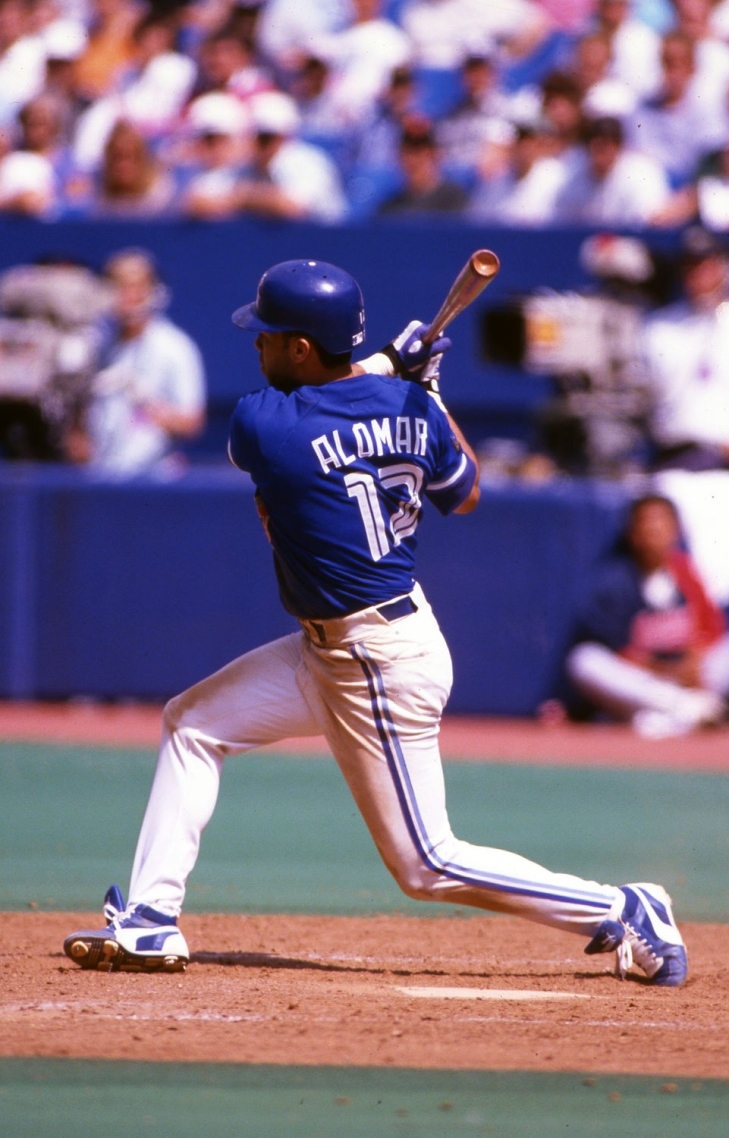
The December 1990 blockbuster trade with San Diego is famously known for bringing Joe Carter, who hit the most iconic home run in Canadian baseball history. However, it was the second player in that deal who truly transformed the franchise's competitive spirit. Roberto Alomar arrived at Toronto alongside Carter, in exchange for Fred McGriff and Tony Fernández, giving the Blue Jays a dynamic, top-tier presence. Over a focused five-year period, he not only strengthened the middle of the infield but also cemented his status as the leading second baseman in the league.
His 1991 summer debut north of the border set a high energetic tone. He stole 53 bases, hit 41 doubles, and achieved 11 triples while leading off the lineup. His vibrant presence drove the Blue Jays to win the AL East and placed him sixth in the AL MVP voting. In 1992, he improved further, batting .310, drawing a career-best 87 walks to boost his on-base percentage to an impressive .405, and scoring 105 runs. He placed sixth in MVP again that fall, but his real highlight was in October. Alomar was named ALCS MVP after a historic, game-tying ninth-inning home run off Oakland's Dennis Eckersley—then scored the series-winning run in the 11th inning of Game 6 of the World Series, leading Canada to its first championship.
The momentum carried directly into a spectacular 1993 masterpiece, marking the absolute apex of his offensive peak. Alomar battered junior-circuit arms all summer, batting a career-high .326 while showing improved power to slug 17 home runs and drive in 93 runs. He added 55 stolen bases to his tally and finished a close third in the AL MVP voting, behind teammate Paul Molitor and winner Frank Thomas.
Alomar earned an All-Star selection and a Gold Glove in every season he played in Ontario, defending the right side of the field with exceptional agility and acrobatic skills that made remarkable plays seem effortless. However, the team's golden era came to a sudden end as the roster aged and the front office shifted toward rebuilding. Frustrated with the team's decline, Alomar, eager to remain competitive, entered free agency after the 1995 season and signed a lucrative contract with the Baltimore Orioles, marking the end of his notable tenure in Toronto.
As a Blue Jay, Alomar secured 832 hits, 55 home runs, 342 RBIs, and 206 stolen bases while authoring a spectacular .307/.382/.454 slash line (123 OPS+),
His accomplishments paved the way for his first-ballot election into the National Baseball Hall of Fame in 2011, as well as his induction into the Canadian Baseball Hall of Fame.
His relationship with the organization changed after an independent investigation into sexual misconduct allegations from his post-playing career, leading MLB to permanently ban him in 2021. The Blue Jays then severed all ties, removing his name from the Level of Excellence, taking down his banner, and un-retiring his number 12 for active use.
40. Roberto Alomar
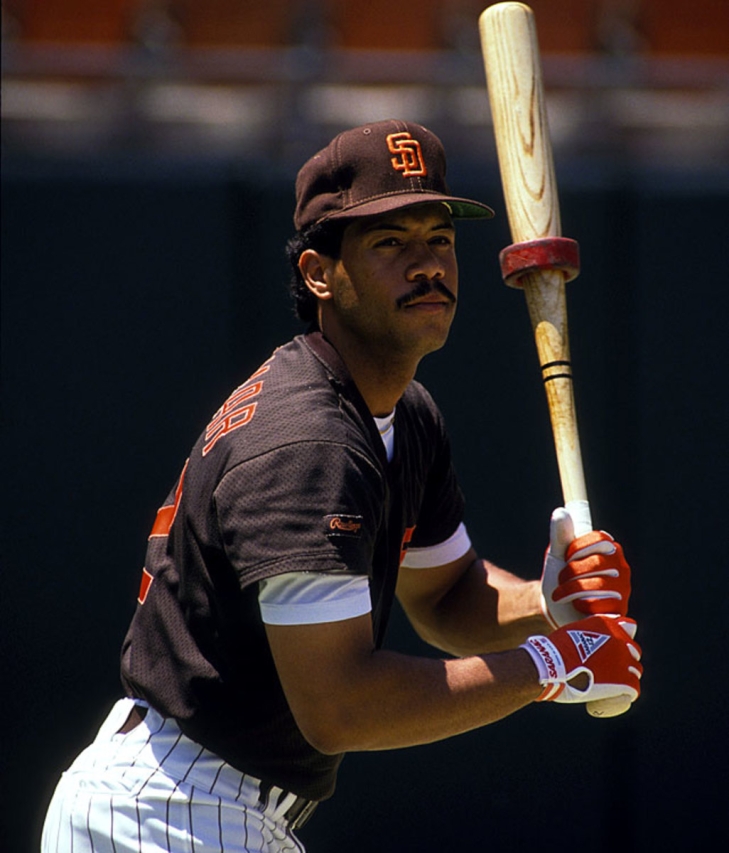
It’s tempting to judge Roberto Alomar’s legacy solely by his legendary postseason moments, ten Gold Gloves, and his induction to Cooperstown with a Blue Jays cap on his plaque. However, before he became an international baseball icon, Alomar was a highly regarded 20-year-old prodigy challenging expectations in Southern California. When he debuted in the majors in April 1988, his exceptionally smooth switch-hitting style meant he didn't need a long development period; he seamlessly filled the second baseman role and immediately brought a vibrant mix of aggressive baserunning, precise hitting, and innate style, indicating a future baseball superstar.
His 1988 intro showed his advanced baseline as he swiftly bypassed early challenges. Alomar made collecting line drives and playing infield his routine. He systematically dismantled NL pitching, earning 145 hits, 24 doubles, and 24 stolen bases, finishing fifth in NL Rookie of the Year voting.
He really shone that year, making a remarkable breakthrough in 1989 and demonstrating excellent skill at the top of the order. That summer, Alomar worked on his batting, hitting a team-high 184 times, maintaining a strong .295 average, and stealing a career-high 42 bases, leading the local offense and establishing himself as a key player. Beyond his hitting, his great range and sharp instincts impressed fans and teammates alike. Though he didn’t officially win a Gold Glove during his brief three seasons in San Diego, an award he would later earn many times, advanced stats now show that his quickness and awareness on the field were truly deserving of recognition.
He earned his very first career All-Star selection in 1990, hitting a steady .287 with 168 hits, 27 doubles, and 60 runs batted in, proving to be the highly coveted engine of a rising team.
It’s easy to mistakenly remember him staying on through the following campaign, but in reality, the front office made its most famous blockbuster move before the 1991 season even started. Eager to add a powerful, middle-of-the-order hitter under general manager Joe McIlvaine, the Padres teamed up with Toronto for an exciting four-player trade in December 1990. They sent their promising young second baseman and outfielder Joe Carter to the Blue Jays in exchange for Fred McGriff and Tony Fernandez. This was a remarkable, high-stakes swap that truly benefited both teams; McGriff brought impressive power to San Diego, while Alomar's arrival in Canada helped lead the Blue Jays to two consecutive World Series titles in 1992 and 1993.
In San Diego, he accumulated exactly 497 hits, 78 doubles, and 90 stolen bases, entirely validated by a sharp .283 batting average. His Cooperstown call came on his first ballot in 2011.
Roberto Alomar banned from baseball

Roberto Alomar has been placed on Major League Baseball’s ineligible list following an investigation of a sexual misconduct incident in 2014.
Alomar, who had been working as a consultant with MLB and was also a special assistant with the Toronto Blue Jays was immediately terminated from both roles. The Jays, whom he won two World Series Titles with, announced that they will sever all ties with their former Second Baseman. This includes removing a banner that honors his retired #12, and also his name from their ring of honor.
The Baseball Hall of Fame, who inducted Alomar in 2011, will not be removing him. He also will not be expelled by the Canadian Baseball Hall of Fame, but they did state that they would not be inviting him to future events, nor will they do any work with his foundation.
Alomar played 17 seasons in a career spent with San Diego, Toronto, Baltimore, Cleveland, New York (NL), Chicago (AL) and Arizona.
Awards = HOF? Part Twenty-Five: Gold Glove Second Base
Needless to say, different awards in different sports yield hall of fame potential. In basketball, the team sport with the least amount of players on a roster, the dividend for greatness much higher. In baseball, it is not as much as a great individual season does not have the same impact.
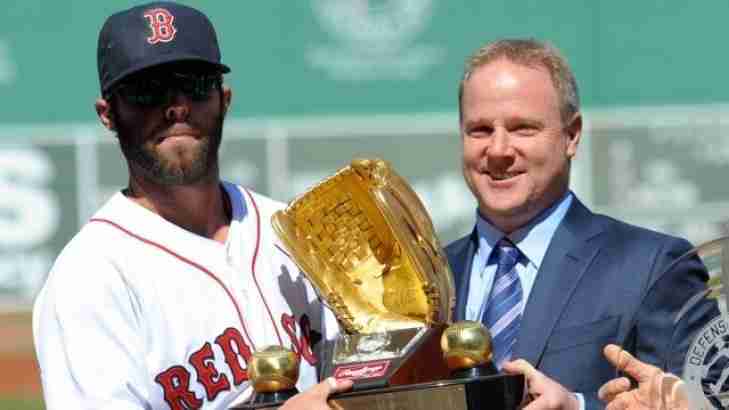
We are now taking a look at the Gold Glove Award, given annually to the best defensive player in MLB in each respective position.
Awards = HOF? Part Seven: The Silver Slugger (Second Base) (MLB)
Needless to say, different awards in different sports yield hall of fame potential. In basketball, the team sport with the least amount of players on a roster, the dividend for greatness much higher. In baseball, it is not as much as a great individual season does not have the same impact.
