


Site Admin
2. Jim Palmer
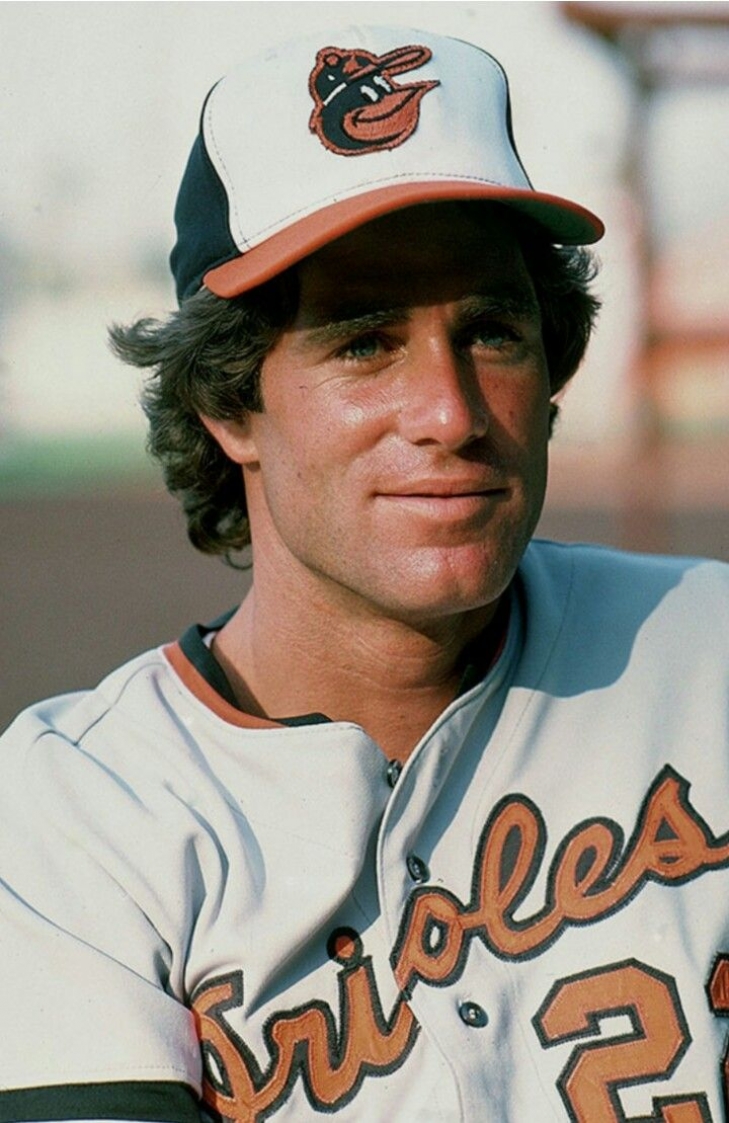
Playing his entire Major League career with the Baltimore Orioles, Jim Palmer overcame a lot of early arm trouble to become one of the best hurlers in the 1970s.
Palmer made his debut in 1965, and he threw for 92 Innings in 27 Games. The year after, he was put in the starting rotation, and he went 15-10 and helped Baltimore win its first-ever World Series. Arm trouble kept him out of most of 1967, and in 1968, he was in rehab for the entire year. It was expected that he would never regain his form, but he returned in 1969, and it was clear that the righthander was healthy. Palmer went 16-4 and threw a no-hitter, and he would become the ace for the decade to come.
From 1970 to 1973, Palmer would win at least 20 Games and be in the top four in ERA in each of them. He would go to the All-Star Game in the first three seasons of those four years, and in the one he didn't, he won the ERA title and his first Cy Young Award. The Orioles also won the 1970 World Series.
Palmer suffered from elbow and nerve issues for much of 1974, but in 1975, he embarked on another four-year run that placed him among the elite of the American League Pitchers. From 1975 to 1978, he again was a perpetual 20 Game winner, with '75 to '77 offering league-leading totals. In 1975, he won his second ERA title and his second Cy Young, with his third Cy Young coming the year after. He was second and third in Cy Young voting the two seasons after, and in those four years, he was not in the top ten in ERA, WHIP, and bWAR. Palmer also began to be recognized for his defense, winning four straight Gold Gloves (1976-79).
He would decline after, though, had a one-year return to glory in 1982, where he was 15-5, third in ERA, and was second in Cy Young voting. In a much-reduced role, he helped the Orioles win their third World Series in 1983.
Palmer was released in 1984 after a 0-3 start, and while it was an unceremonious exit from the team, his legend was secured. He retired with a 268-152 record with a 2.86 ERA, 2,212 Strikeouts, six All-Stars, three Cy Youngs, and three World Series Rings. He also had a history of 8-3 in the playoffs with a 2.61 ERA over 124.1 Innings.
Palmer’s number 22 would be retired in 1985, and he was inducted into the Baseball Hall of Fame in 1990. The Orioles also inducted the Pitcher into their Hall of Fame in 1986.
1. Cal Ripken Jr.
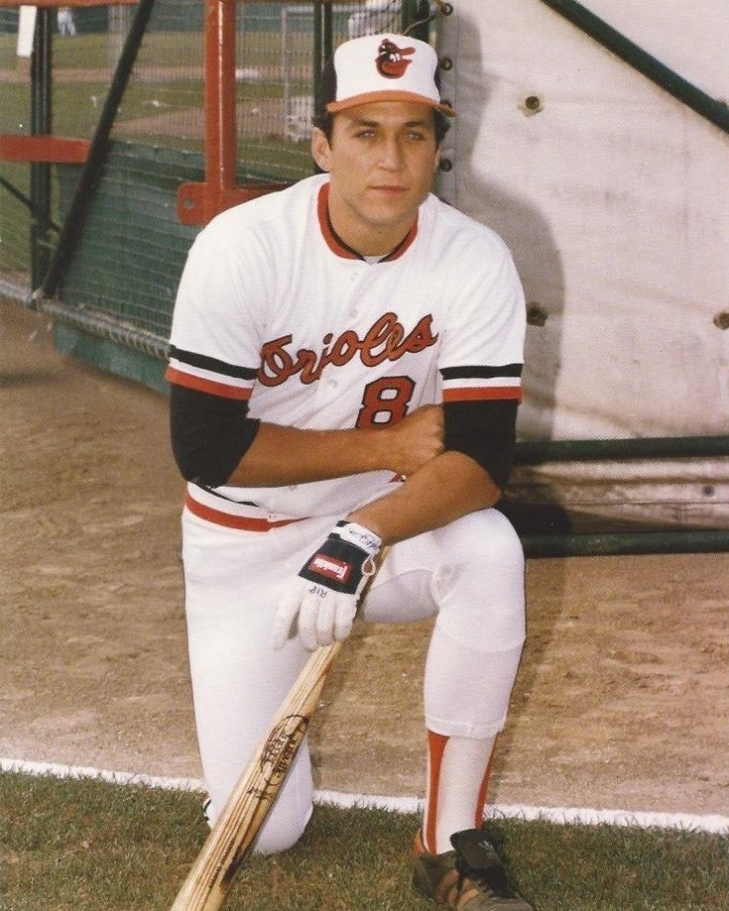
The selection of Cal Ropken Jr. at the top was straightforward.
Cal Ripken Jr. is, without question, the greatest Baltimore Oriole ever, and also one of the best baseball players who ever existed.
Playing his entire pro career with Baltimore, Ripken appeared in only 23 Games in 1981 and was still eligible to be a rookie in 1982. Why do we mention this? Because he would become the American League Rookie of the Year in '82! This was not just a ROY year, as it was the beginning of the greatest iron man streaks of sports. Ripken Jr. would play 2,632 consecutive games, which would shatter the 2,130 mark that was set by Lou Gehrig.
Like Gehrig, Ripken did not just play in those games, and he excelled in them. From 1983 to 2001, he was named to the All-Star team, and the Shortstop established himself as an elite player regardless of position. Ripken was named the MVP in 1983 and 1991, and throughout his career, he showed off his power and batting skills. The Shortstop would have 12 20 Home Run Seasons (10 in a row) and 4 100-RBI campaigns. Ripken also had four .300 seasons, and his leadership led the Orioles to the 1983 World Series Title and two other postseason appearances.
We also want to mention that, as celebrated as Ripken was, this was one of the greatest defensive infielders ever. He may have only won two Gold Gloves, but he was first in the American League among all fielders in Defensive bWAR five times and was second three other times. Seriously, how did Ripken only win two Gold Gloves? This is the biggest baseball travesty that is not discussed.
Ripken retired with 3,184 Hits, 431 Home Runs, and 1,695 RBIs, all of which led the franchise. He is also first all-time in bWAR (95.9), Games Played (3,001), Runs (1,647), and Doubles (603). He was inducted into the Baseball Hall of Fame in 2007, his first year of eligibility.
His number 8 was retired by the team after he retired, and two years later, he was inducted into the Orioles Hall of Fame.
137. Luol Deng
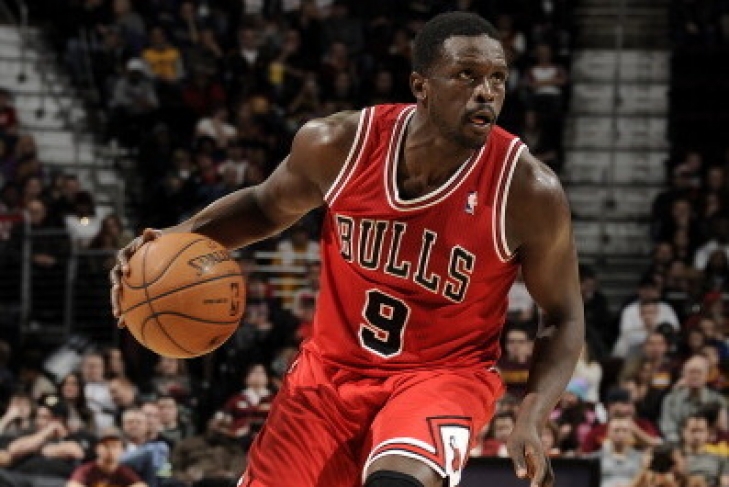
A two-time All-Star with the Chicago Bulls, Luol Deng was born in Sudan, moved to England as a child, and immigrated to the United States as a teen. It was the latter move that allowed him to hone in skills in the game of basketball, and become the best player to come out of what is now South Sudan.
110. Zach Randolph
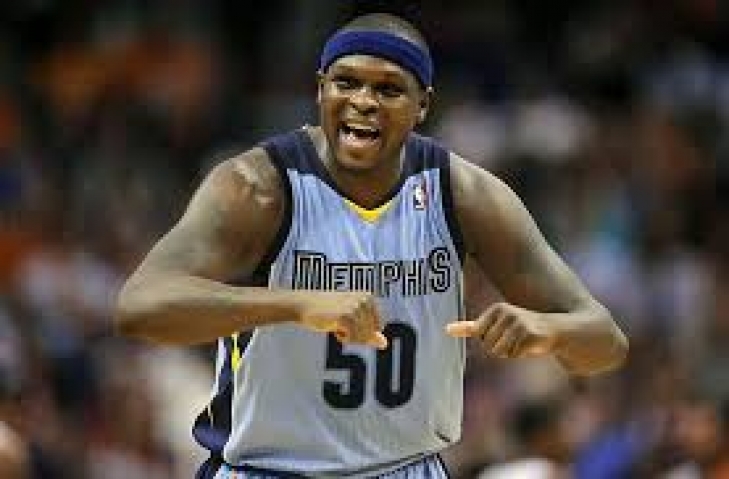
With the phenomenal nickname of "Z-Bo," Zach Randolph played one year at Michigan State before declaring for the NBA Draft. It was the Portland Trail Blazers who would take him 19th overall, and he became the starting Power Forward two years later. That season, Randolph won the Most Improved Player of the Year Award and had his first 20/10 year. He would accomplish the 20/10 feat again in 2006-07.
