


Site Admin
288. Camilla Herrem

287. Melissa Breen

286. Sarah Hendrickson

11. Jim Sundberg
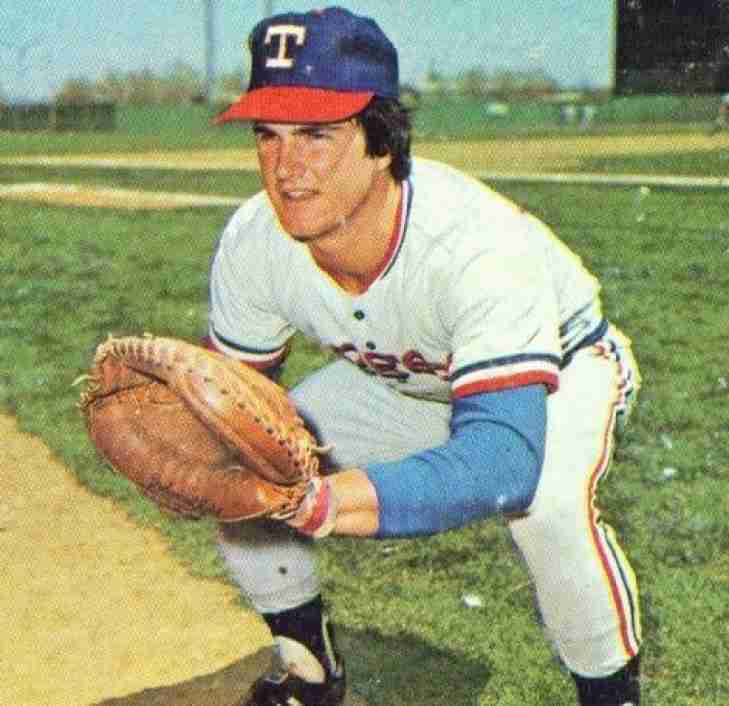
Long before the Texas Rangers became known for their explosive offense, the young franchise's identity was rooted in exceptional run prevention behind the plate. Jim Sundberg didn't just play catcher; he dominated it, establishing himself as the top defensive backstop of the late 1970s. Remarkably jumping from Class-A to the majors as a 22-year-old rookie in 1974, the intelligent right-hander instantly improved manager Billy Martin’s defense, earning an unexpected All-Star nod in his first summer and stabilizing the pitching staff with remarkable maturity.
Sundberg was renowned for his relentless defensive presence and exceptional durability. During a time when catching 100 games was notable, he regarded the position as a regular task, setting an American League record with 155 games caught in 1975. His swift lateral moves and powerful throwing arm allowed him to frequently neutralize opposing base runners, earning him six straight Gold Glove Awards from 1976 to 1981—the first for a Texas Rangers player. Modern defensive metrics confirm his dominance, as Sundberg led all American League catchers in Total Zone Runs seven times in his first decade in Arlington, consistently executing flawless pitch-blocking and game-calling to create a top-tier defensive foundation.
Although his defensive skills often stole the spotlight, Sundberg was a consistently reliable presence at the bottom of the batting order. Not an elite power hitter, he still demonstrated excellent plate discipline, consistently working tough at-bats and ranking high in sacrifice hits to move runners along. His best offensive season was in 1977, when he hit .291, with 132 hits and 65 RBIs, finishing 15th in the American League MVP voting.
By the early 1980s, a shift in front office philosophy and an effort to reduce payroll friction signaled the end of his initial tenure. His first departure from Arlington was prolonged; a major winter 1982 trade aimed to send him to the Los Angeles Dodgers with prospects like Orel Hershiser and Dave Stewart, but it collapsed at the last moment when Sundberg invoked his no-trade clause over contract issues. The inevitable trade finally happened in December 1983, when the Rangers sent their legendary catcher to the Milwaukee Brewers in exchange for Ned Yost and Dan Scarpetta.
After a highly successful mid-career journey away from Texas—which included an All-Star nod in Milwaukee and a starring role in the Kansas City Royals' 1985 World Series championship—Sundberg returned home to Arlington in the summer of 1988 to conclude his 16-year career where it all began, officially retiring after the 1989 season.
Sundberg completed his Texas residency, playing 1,512 games as a Ranger with 1,180 hits, 200 doubles, and 480 RBIs. In 2003, he was named to the Rangers' inaugural Hall of Fame class.
