


Site Admin
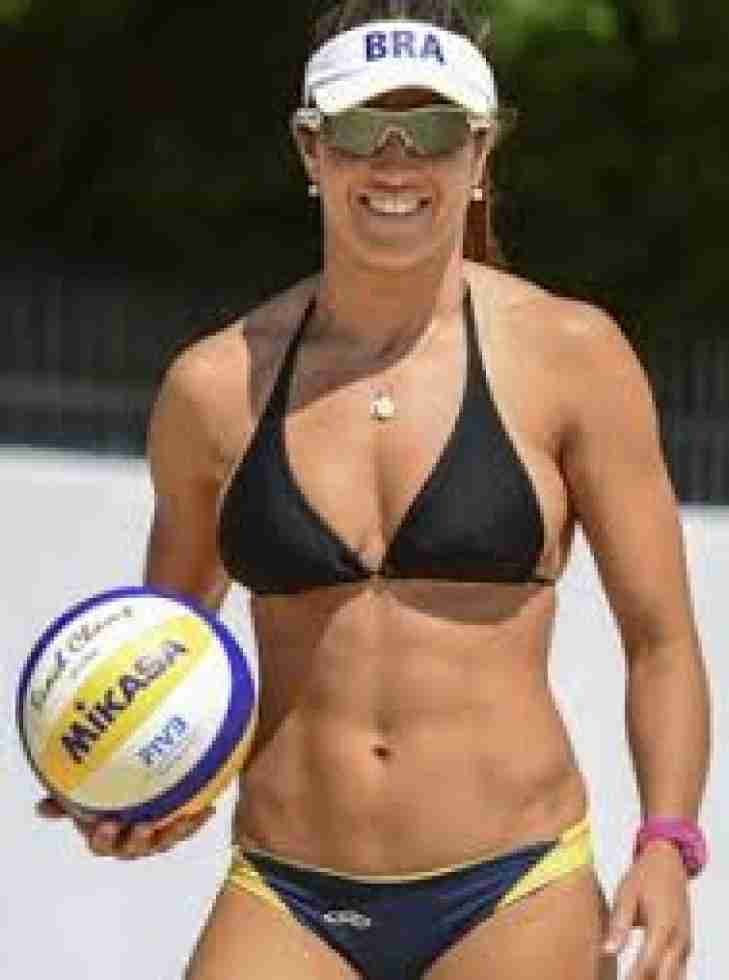
422. Maria Elisa Antonelli
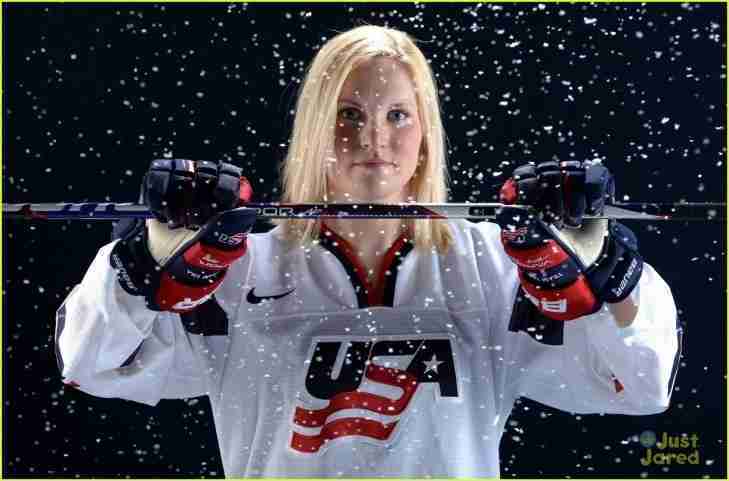
421. Jocelyne Lamoreaux
35. Donald Driver
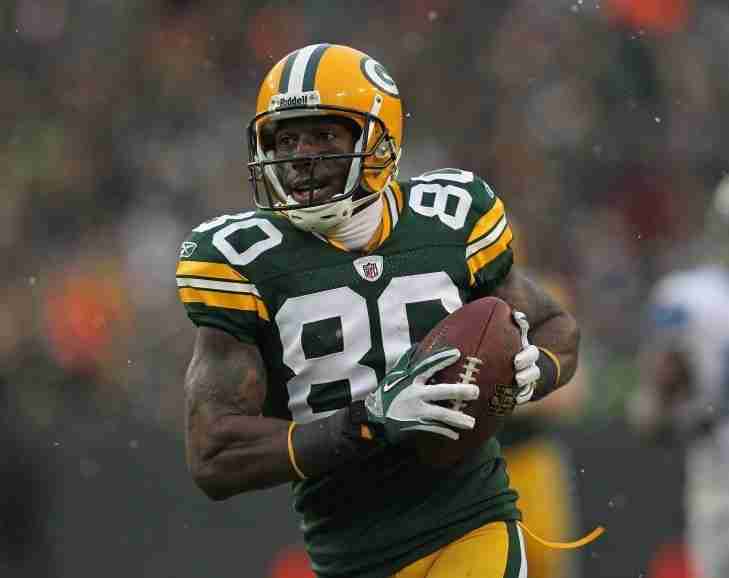
Plucked in the seventh round (213th overall) of the 1999 NFL Draft out of Alcorn State, Donald Driver overcame extraordinary childhood hardship and stayed in homeless shelters to craft one of the most remarkable rags-to-riches stories in professional football. Arriving in Green Bay as an unheralded long shot, the wide receiver clawed his way up the depth chart through sheer determination, transitioning from a core special-teamer into the emotional heartbeat and preferred target of two Hall of Fame quarterbacks.
Driver’s ascent into NFL stardom took off in 2002 when he posted his first 1,000-yard season and earned his inaugural Pro Bowl nod. Known for his fearless willingness to go over the middle, explosive run-after-catch ability, and iconic megawatt smile, he reeled off seven 1,000-yard receiving campaigns over an eight-year stretch. His remarkable durability and elite hands made him a bedrock constant through Brett Favre’s final years in Green Bay and Aaron Rodgers’ rise to superstar status.
Across his 14-year career, spent entirely in Titletown, Driver was selected to three Pro Bowls (2002, 2006, and 2007) and delivered numerous memorable performances. The most notable was his career-long 90-yard touchdown catch-and-run against San Francisco in 2010. That remarkable season culminated in victory at Super Bowl XLV, where Driver earned a Super Bowl ring as Green Bay defeated the Pittsburgh Steelers, 31–25.
Beyond his record-breaking statistics, Driver’s character and community work made him one of the most beloved figures in Wisconsin sports history. Green Bay recognized his off-field leadership and philanthropy by nominating him for both the Ed Block Courage Award and the prestigious Walter Payton Man of the Year Award.
Driver retired in February 2013 as Green Bay's all-time leader in receptions (743) and receiving yards (10,137). In 2017, the Packers inducted him into their Hall of Fame at Lambeau Field.
33. Boyd Dowler
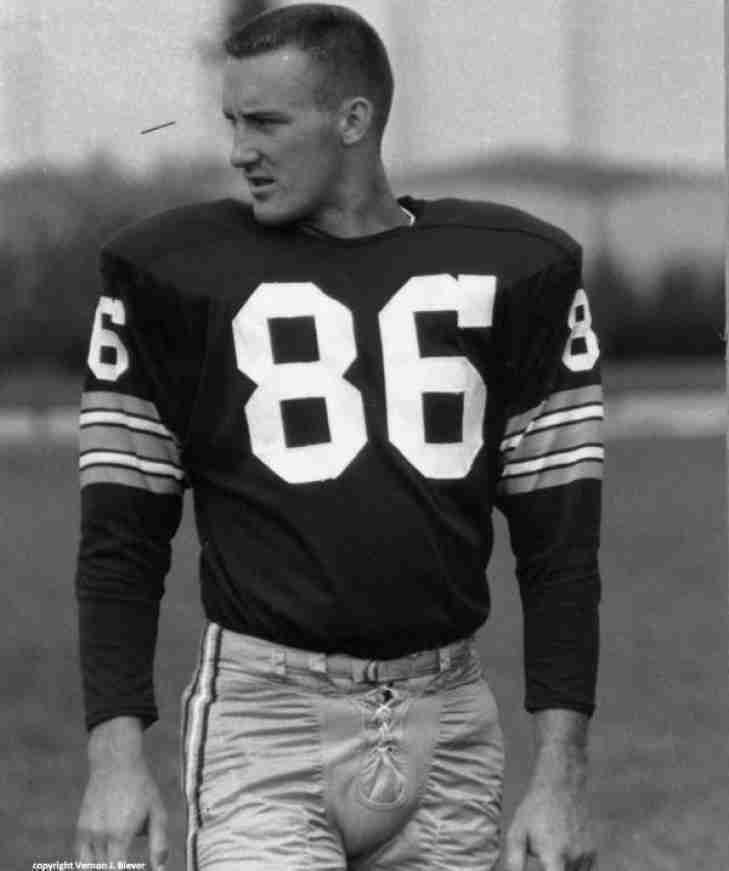
Before he became the aerial cornerstone of Titletown's greatest dynasty, Boyd Dowler was Vince Lombardi’s first major draft payoff in Green Bay. Plucked in the third round out of Colorado in 1959—Lombardi's debut autumn at the helm—the towering 6-foot-5 split end wasted zero time reshaping the Packers' offense, grabbing 28 passes for 549 yards and four touchdowns to run away with UPI NFL Rookie of the Year honors.
Alongside flanker Carroll Dale and tight end Ron Kramer, Dowler was Bart Starr’s most trusted target on key third downs throughout the 1960s. His height and precise route-running made him a matchup nightmare for smaller defensive backs, allowing him to lead Green Bay in receptions in seven different seasons. He earned two Pro Bowl selections (1965, 1967) and was a crucial offensive engine for all five of Lombardi’s NFL championship teams (1961, 1962, 1965, 1966, 1967).
Dowler’s poise in high-stakes postseason moments cemented his legendary status in Titletown. In Super Bowl II against the Oakland Raiders, he caught a signature 62-yard touchdown pass from Starr to open the game. That performance came just two weeks after he scored two crucial first-half touchdowns against the Dallas Cowboys in the frigid 1967 NFL Championship Game, famously known as the "Ice Bowl.”
After 11 seasons in Green Bay, Dowler closed out his career playing two final seasons under George Allen with the Washington Redskins (1971–1972) before transitioning into a long coaching career. His sustained impact during pro football's golden decade earned him a spot on the NFL 1960s All-Decade Team.
In 1978, the Packers inducted him into their Hall of Fame, honoring his 11-season tenure and role in the era’s greatest dynasty. With Green Bay, Dowler caught 448 passes for 6,918 yards and 40 touchdowns.
