


Site Admin
21. Ray Schalk
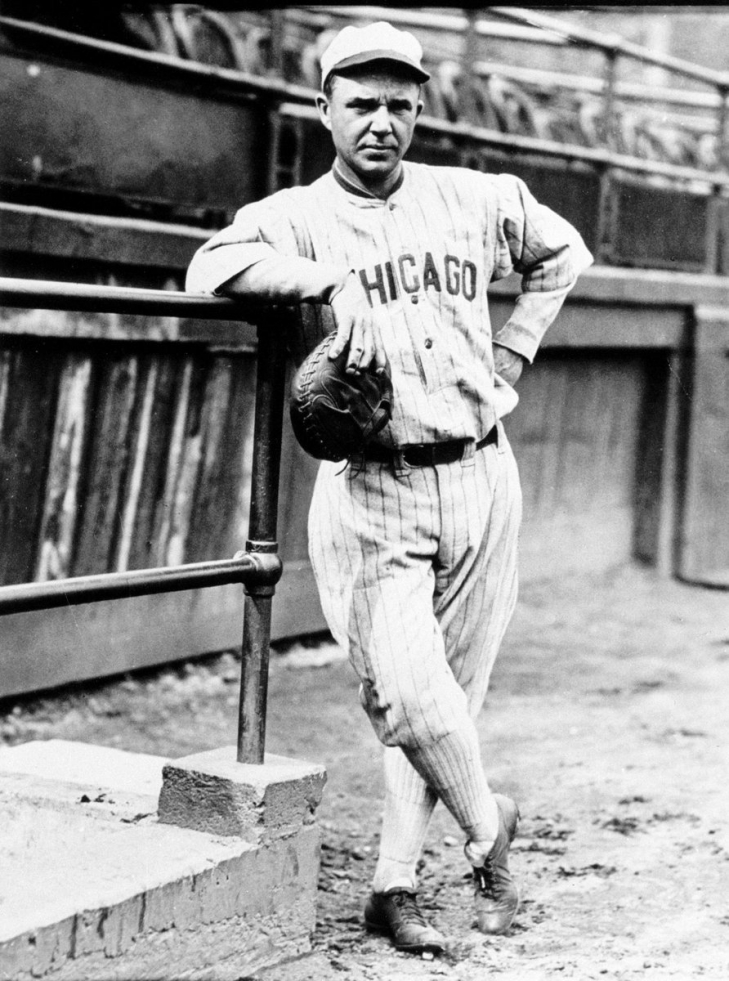
When Ray Schalk arrived in Chicago in 1912, the catcher's position was largely viewed as a stationary, grueling task of endurance. Schalk changed that narrative almost immediately. By 1913, he had secured the starting job, beginning a fifteen-season residency as the undisputed general of the White Sox infield. He didn't arrive with a thunderous bat, but he brought a level of defensive innovation that caught the league off guard. He was a pioneer of "active catching," famously becoming the first at his position to back up plays at first base and even third base, an athletic hustle that was revolutionary for the Deadball Era.
The peak of his career showcased skills that the box score alone struggles to capture. Schalk was a defensive titan who led the American League in Putouts nine times and Runners Caught Stealing on three occasions. His statistical outlier value reached its zenith in 1925 when he led the entire American League in defensive bWAR, not just among catchers, but across every position on the field. He was a five-time leader in fielding percentage, serving as the anchor for a pitching staff that relied on his cerebral game-calling and his lightning-quick release.
A defining chapter of his careerwas written during the darkest period in Chicago baseball history. During the 1919 "Black Sox" scandal, Schalk was one of the few players considered absolutely above reproach. His dedication to winning was so well-known that the conspirators didn't even dare approach him. He was the clean heart of a tainted era, a player who had already tasted championship glory in 1917 and refused to let the integrity of the game slip through his fingers. While his career average in Chicago sat at a quiet .254, his value was measured in the runs he prevented and the trust he inspired.
The final walk toward the exit for Schalk came after the 1928 season, following a tenure as a player-manager for the club. He left the South Side as a defensive legend, having caught more than 100 games in twelve different seasons, a staggering feat of durability for that era. His legacy was officially set in stone in 1955 when the Veterans Committee ushered him into Cooperstown, recognizing that his glove and his mind had influenced the game as much as any legendary slugger.
ittee.
18. Shoeless Joe Jackson
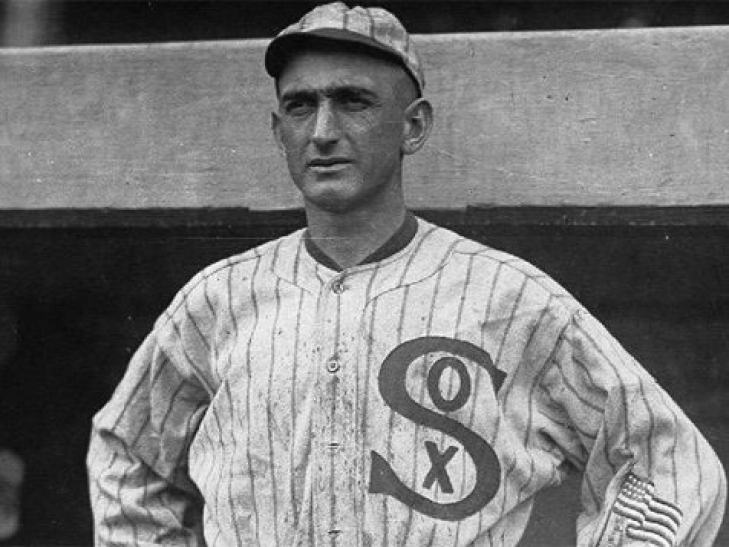
When Joe Jackson arrived in Chicago via a trade with Cleveland in 1915, he was already a certified legend of the diamond. A simple man from the South Carolina mills who never learned to read or write, he spoke through his legendary bat, "Black Betsy." His residency on the South Side began with the same relentless production that had defined his early years; he was a metronome of contact, never finishing a season with the White Sox with a batting average below .300. He arrived as the premier offensive force in the American League, a man whose .356 career average remains one of the highest in the history of the sport.
The peak of his Chicago tenure was marked by the 1917 championship. Jackson was a massive factor in the White Sox’s World Series victory over the Giants, batting .304 during the Fall Classic and providing the consistent, line-drive threat that anchored the heart of the lineup. By 1920, at the age of 32, he was arguably playing the best baseball of his life, leading the league in triples for the second time and setting career highs in home runs and RBIs. He was a superstar at the height of his craft, seemingly destined for a stroll into Cooperstown.
However, the narrative took a dark and permanent turn due to the infamous "Black Sox" scandal of 1919. While Jackson’s performance in the World Series against the Reds was statistically brilliant, he batted .375, collected a then-record 12 hits, and hit the Series' only home run, the cloud of the conspiracy hung over every play. Though he maintained his innocence and a jury eventually acquitted him, the damage to his reputation was irreparable. In 1921, Commissioner Kenesaw Mountain Landis issued the decree that would define Jackson's legacy: a lifetime ban from organized baseball for his alleged role in the fix.
The final walk toward the exit was not a voluntary retirement, but a forced exile. Jackson left the White Sox with 829 hits and a staggering slash line of .340/.407/.499, numbers that would be the envy of any Hall of Famer. For decades, he remained a ghost of the game, his name a shorthand for the loss of innocence in American sports. However, the story took a historic turn in 2025, when Commissioner Rob Manfred finally removed Jackson from the permanently ineligible list, making the legendary outfielder eligible for the Hall of Fame once again.
Joe Jackson arrived in Chicago as a "Natural" with a swing that sounded different from everyone else's and left as a cautionary tale of an era's corruption. He proved that while a ban can take a man off the field, it can never truly erase the brilliance of his numbers or the enduring mystery of his participation in the game's greatest scandal.
24. Gary Peters
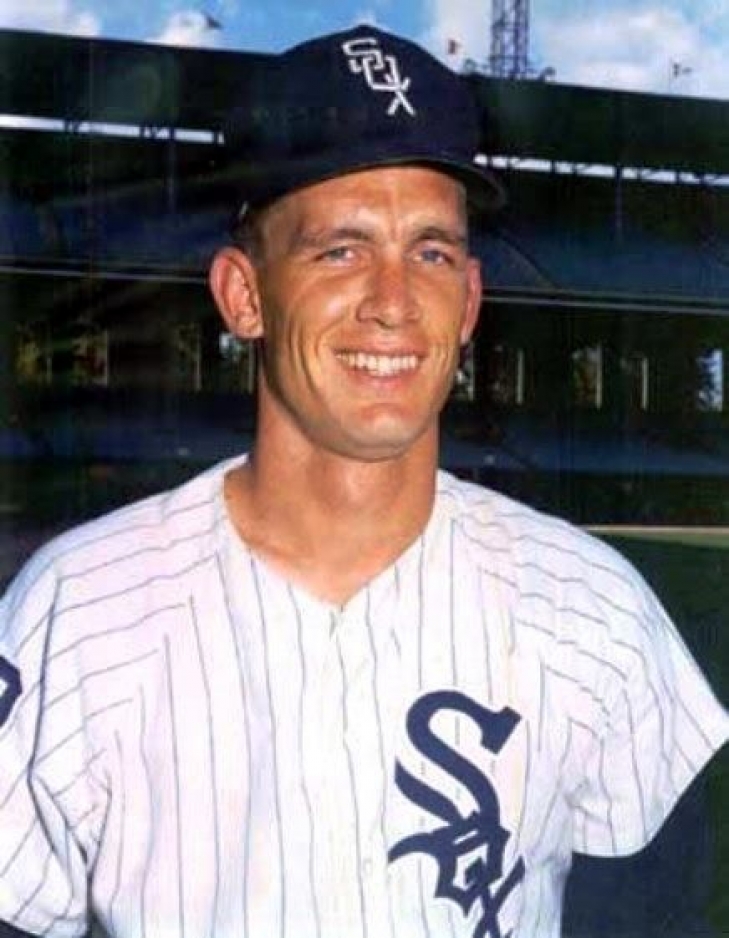
When Gary Peters finally secured a permanent spot in the White Sox rotation in 1963, he was already 26 years old and had spent four seasons tasting the big leagues in small, frustrating sips. He arrived at the "Go-Go" Sox era as a seasoned rookie with a live arm and an even sharper competitive edge. In that 1963 campaign, he went 19-8 and led the American League with a 2.33 ERA and an equally impressive 2.34 FIP. He was the runaway choice for Rookie of the Year and signaled the arrival of a new tactical anchor for the Chicago staff.
The peak of his tenure was defined by a blend of efficiency and volume that made him a perennial threat to any lineup. In 1964, he followed his rookie breakout by joining the elite 20-win club and earning his first All-Star nod. In 1966, Peters captured his second ERA title with an anemic 1.98 mark, proving that his ability to suppress runs was among the best in the sport. He was a two-time All-Star who thrived in the pitching-rich environment of the mid-60s, serving as a pillar for a staff that prided itself on surgical precision.
While the wins didn't always reflect the quality of his stuff due to the low-scoring era, his 1,098 strikeouts as a member of the White Sox tell the story of a pitcher who could miss bats when the stakes were high. He was the quintessential professional who turned years of minor-league frustration into a residency marked by hardware and league-leading metrics. Whether it was leading the league in wins or ERA, Peters was the left-handed hammer that the South Side relied on to keep them in contention.
The end came for Peters in Chicago after the 1969 season, when he was traded to the Boston Red Sox. He left Chicago with 91 wins and a legacy as one of the most efficient pitchers of his generation.
19. Robin Ventura
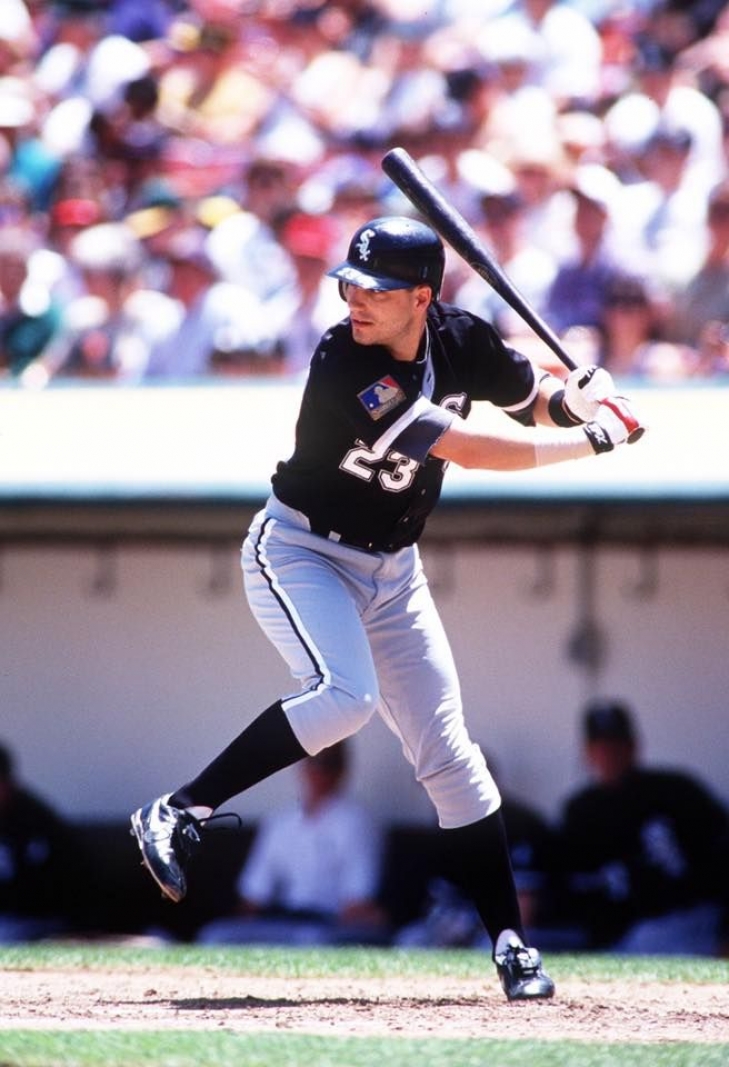
When Robin Ventura arrived on the South Side in 1989, he was the crown jewel of the White Sox farm system, a first-round pedigree with a legendary collegiate resume. While he initially struggled to adjust to big-league pitching, he soon found his rhythm, evolving into a surgical, left-handed threat who provided a perfect counterweight to Frank Thomas in the lineup. He arrived as a high-potential prospect and matured into a defensive institution at third base, but his tenure would ultimately be defined by a single, scorching August afternoon in Texas.
Ventura was a defensive vacuum who captured five Gold Gloves during his ten-year stay in Chicago. He led the league in Total Zone Runs at his position, making the most difficult backhand stabs at the hot corner look routine. Offensively, he was just as reliable; beginning in 1991, he rattled off four seasons of at least 20 home runs, twice eclipsing the 100-RBI plateau. He was the quiet, cerebral professional of the 1993 division-winning squad until the third inning of a game against the Rangers on August 4th.
The signature moment of his stint, for better or worse, occurred when Ventura was plunked by a 46-year-old Nolan Ryan. In a rare display of youthful rage, the 26-year-old Ventura threw down his bat and charged the mound. What followed became the most iconic snapshot in baseball history: the veteran Ryan met him halfway, caught him in a headlock, and delivered a flurry of punches to the top of Ventura's head. While Ventura later famously dismissed the blows as "a couple of noogies," the image of the young star being handled by the "Old Express" became a permanent part of his legacy. It was a moment where the "Franchise Identity" of the gritty White Sox met the immovable force of a living legend.
Despite that viral moment, Ventura’s skills remained undeniable. He was a two-time All-Star in Chicago and maintained a level of poise that helped the team navigate the high-leverage years of the early 90s. He wasn't just the guy in the headlock; he was the guy who provided 1,244 hits and 171 home runs while playing some of the most elite defense the South Side had ever seen. His walk toward the exit came after the 1998 season, when he signed with the New York Mets, leaving a void at third base that the organization struggled to fill for years.
