


Committee Chairman
RIP: Don Maynard
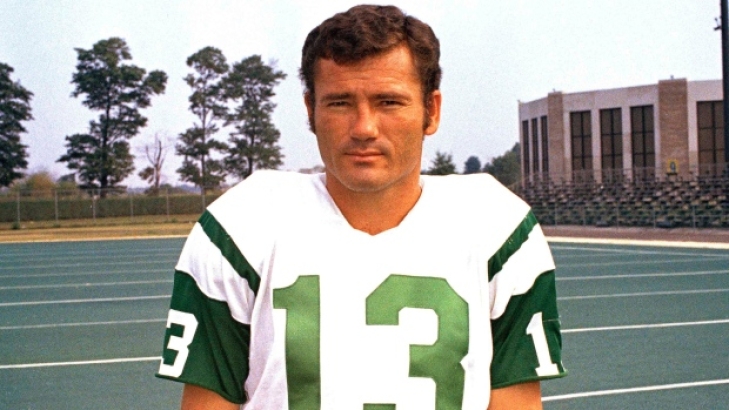
We have lost another football legend today.
Former New York Jets Wide Receiver, Don Maynard, passed away today at the age of 86.
A college star at Texas Western (the future UTEP), Maynard was taken by the New York Giants in the draft, playing for them sparingly as a rookie, to the point where he left the team for Hamilton of the Canadian Football League the season after. In his third professional year, Maynard returned to New York City, but this time with the Titans of the upstart American Football League.
Maynard would become the team’s top Wide Receiver, exceeding 1,000 Yards five times, and winning the AFL Receiving Title in 1967. A four-time Pro Bowl and All-AFL Team Selection, Maynard helped lead the Jets to win at Super Bowl III, as the primary target for Joe Namath.
Retiring after a final season with the St. Louis Cardinals, Maynard left the game with an exceptional 11,834 Receiving Yards (a record at the time) and 88 Touchdowns.
We here at Notinhalloffame.com would like to offer our condolences to the fans, friends and family of Don Maynard.
32. Pablo Lopez
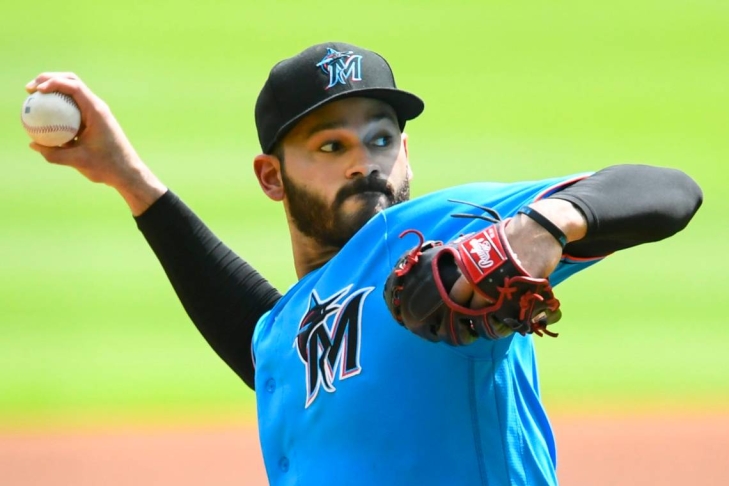
Pablo López joined Miami in 2017 as a minor league signing from the Seattle Mariners. Over time, he became one of the most technically proficient starters in the franchise’s recent history. Renowned for his composure and an exceptional changeup, the Venezuelan right-hander served as a dependable part of the rotation during a time of organizational change.
After making his debut in 2018, López spent several seasons refining his repertoire while navigating shoulder issues that limited his availability. He truly arrived during the shortened 2020 campaign, authoring a 3.61 ERA and providing the stability that helped the Marlins secure a rare postseason berth. By 2021, he proved that his command was a foundational asset, most notably on July 11 when he reached a historic milestone by striking out the first nine batters of a game against the Braves, setting a new Major League record.
In 2022, his first full, healthy campaign, he showcased command of the mound with 32 starts, 180 innings, 10 wins, a career-high 174 strikeouts, and a 3.75 ERA. He was efficient early in the season, leading the league in ERA at one point and emerging as a co-ace with Sandy Alcántara.
With the organization in need of offensive impact, the Marlins finalized a high-profile trade in January 2023, sending López to the Minnesota Twins in exchange for reigning batting champion Luis Arráez. He had a 28-31 record, a 3.94 ERA, and 439 strikeouts for the Marlins.
50. Josh Willingham
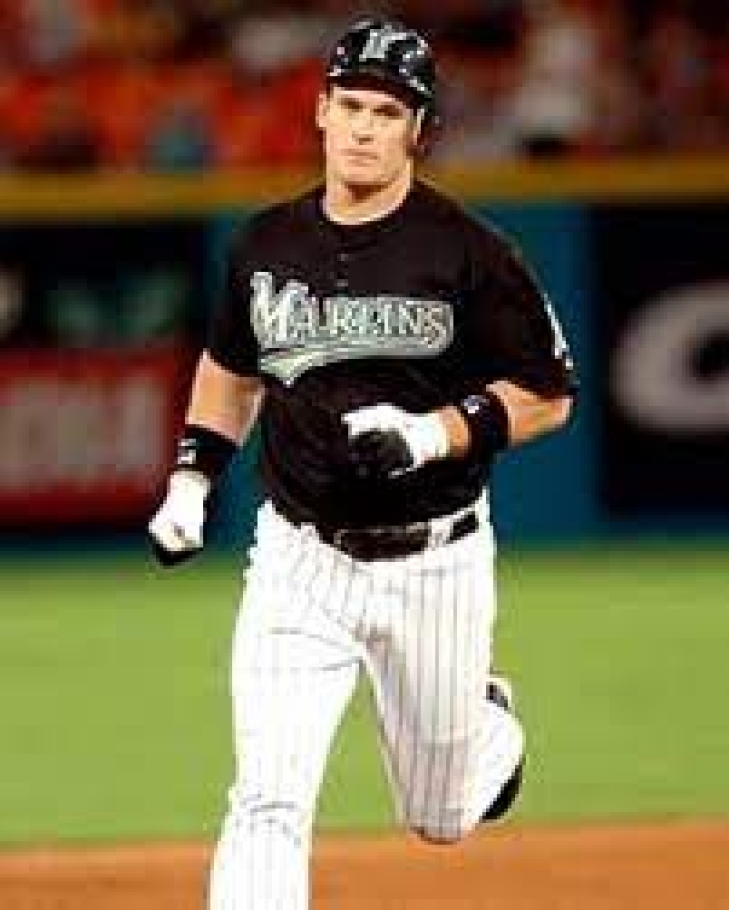
Josh Willingham, an unnoticed 17th-round pick, initially played as a middle infielder before switching to catcher to speed up his journey to the majors. He later established himself with the Marlins as a power-hitting outfielder.
Following a brief debut in 2004 and a localized setback due to a forearm fracture in 2005, Willingham attained the pinnacle of individual recognition during the 2006 season. Elevated to the starting left field position amidst a significant roster overhaul of the team, he authored an impressive rookie campaign, recording 26 home runs and 74 RBIs. He demonstrated complete command of the strike zone, finishing ninth in the National League Rookie of the Year voting, thereby establishing himself as a pivotal presence in the middle of the lineup.
In 2007, Willingham demonstrated that his rookie year was not a fluke. He embarked on another high-impact campaign, hitting 21 home runs and achieving a career-high 89 RBIs. He was a consistent professional whose value was rooted in a specialized "throwback" work ethic and a concise, powerful swing that performed well in the humid Florida climate. However, his progression in the 305 faced a critical juncture in 2008. A localized shoulder injury and knee problems restricted him to only 102 games, resulting in a decline in his home run tally to 15.
Miami dealt him to Washington after the 2008 Season, and Willingham collected 378 Hits with a .266 Batting Average as a Marlin.
49. Pat Rapp
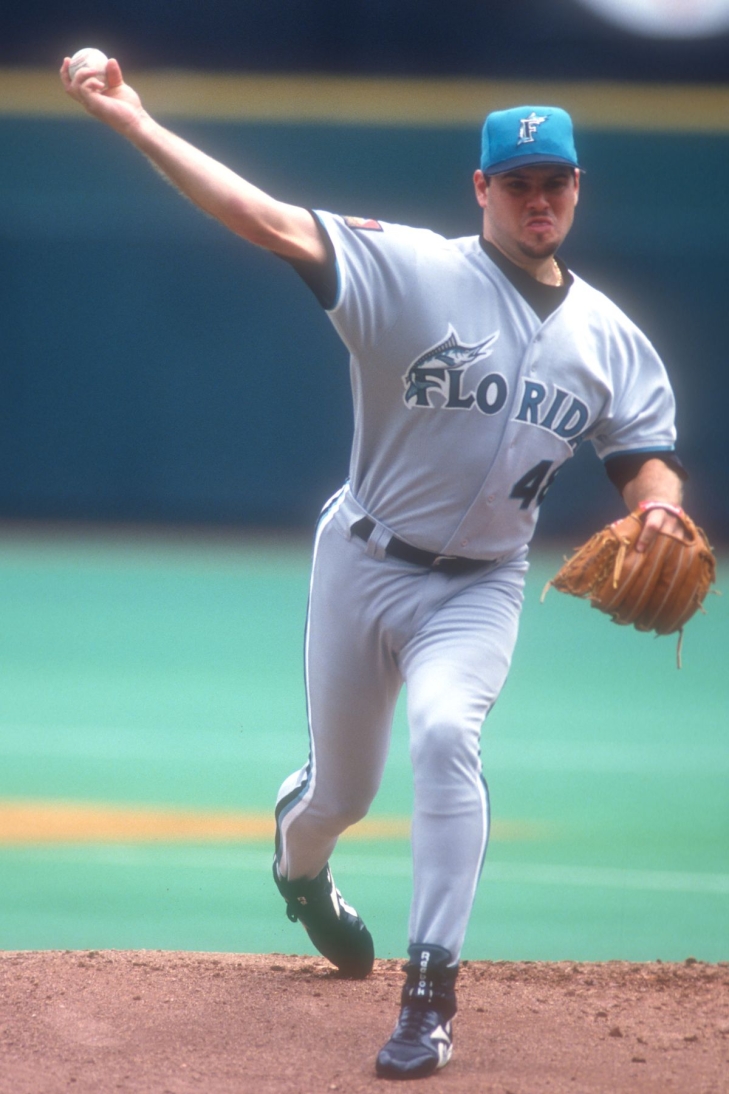
Pat Rapp arrived in South Florida in 1993, a right-handed starter from the Giants in the expansion draft to help build the Marlins’ rotation. Though he later became a journeyman across leagues, he demonstrated durability during the franchise’s early years, providing essential support for a growing expansion team.
Rapp had his best season in 1995, posting a 14-7 record and an excellent 3.44 ERA. He demonstrated complete control of the mound on September 18, 1995, when he authored a one-hit shutout against the Rockies at Coors Field, a rare achievement that remains one of the most dominant pitching performances in the ballpark’s high-altitude history.
Following a poor 1996 season, he was traded back to San Francisco during the 1997 Season, with Rapp going 37-43 with the Marlins.
