


Committee Chairman
Which Team Has The Best Odds of Winning March Madness 2023?
It's that time of year again. The NCAA Men's Basketball Tournament is right around the corner, and fans everywhere are wondering which team has the best shot at winning it all. We've got the latest March Madness odds, so read on to see who the experts pick to take home the title in 2023.
Houston
Houston basketball has had a strong season, and all eyes are on them to win the coveted March Madness 2023. With the best odds of victory at +600, it's clear why they are favored to win the tournament. While other teams certainly have excellent players and valuable experience, Houston has demonstrated impressive tenacity and unparalleled skills, which give them an edge in this competition—especially considering their deep understanding of team play.
Their strong defense makes them formidable to any opponent. So as Houston prepares for the big game and against the toughest competition, many experts agree that they have what it takes to take home another championship title for the city.
Kansas
The Kansas basketball team looks like one of the strongest contenders for the championship title this year, with superior odds currently standing at +750. Led by experienced veterans and emerging stars, the team has far exceeded expectations and boasts a roster that gives other teams plenty to worry about.
Team chemistry is clearly on display in every game, and the Kansas statistical powerhouses have consistently outperformed opponents. With such strong form, it's no surprise that fans already anticipate a victory for their beloved team. The stakes are high, and we can only wait in anticipation to see if the championship title will end up coming home to Kansas this season.
Purdue
The Purdue Boilermakers have had some impressive performances so far this season and are quickly emerging as potential contenders to watch. Despite being one of the longest shots on the betting boards with +1200 odds, they boast a solid roster and have already upset several top-tier opponents within the Big Ten Conference.
As they gain confidence and sharpen their skills throughout the remainder of regular season play, don’t be surprised if you start hearing more about the Purdue Boilermakers closer to tip-off!
Arizona
The Arizona Wildcats are certainly making some waves this season, and with their impressive record so far, they’re right up there amongst the top contenders. With odds of +1300 to win the championship this season, they come in at fourth place - a testament to the team’s competitiveness and determination across all positions.
While the competition is tough, this squad has already gone up against some of the nation's most formidable opponents and emerged victorious, so it wouldn’t be too surprising if they continue to make a splash in conference play. Time will tell if these hard-working Cats have what it takes to make a serious run for the title.
Connecticut
Connecticut has a real chance to go all the way at this year’s competition, with odds of +1400 for them to take home the title. Considering its track record, Connecticut stands out as one of the most promising contenders for this championship.
Famous for its impressive lineup of experienced players, a strong coaching staff, and an emphasis on both skill development and team spirit, it's not hard to see why they are in the running. While they will undoubtedly face stiff competition in 2023, Connecticut is certainly one squad you should watch closely throughout their journey.
30. Johnny Podres
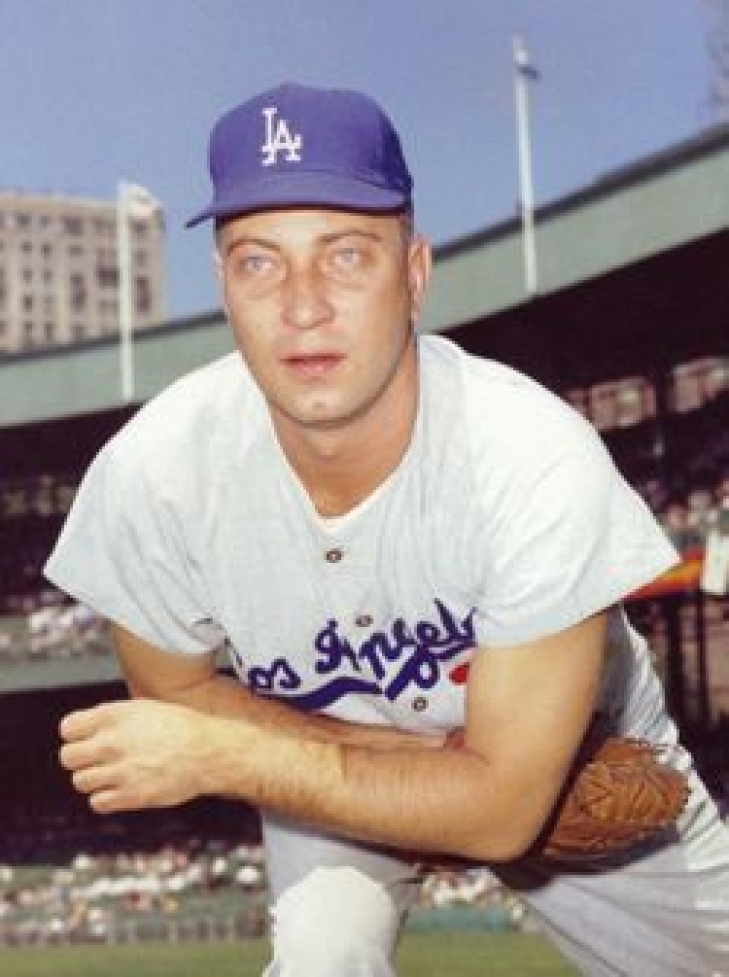
Johnny Podres was one of the most successful southpaws in Dodgers history, especially when you look at the postseason.
Debuting for Brooklyn in 1953, Podres became a forever Dodgers star during the 1955 World Series. After a modest regular season, he won both of his starts against the Yankees. His most historic moment came in Game 7, where he pitched a 2-0 shutout at Yankee Stadium, securing Brooklyn's first and only world championship. This performance earned him the inaugural World Series MVP Award.
In 1957, following a one-year period of military service, he returned to lead the National League in several efficiency categories. He recorded a 2.66 ERA and six shutouts, concluding the season with a league-best 1.082 WHIP. As the franchise transitioned to Los Angeles, he continued to be a key member of the pitching staff, earning three consecutive All-Star selections (1958, 1960, 1962). His role in the rotation was instrumental during the team’s relocation to the West Coast. In 1961, he achieved a significant milestone in his career by securing 18 wins, the highest in the league, with a .783 winning percentage.
Sandy Koufax had become the undisputed ace of the Dodgers staff, but Podres was still a valuable commodity, with solid contributions in L.A.’s 1959 and 1965 Championships. Podres was traded to Detroit during the 1966 Season, but by then, he was no longer the pitcher he had been.
With the Dodgers, Podres had a record of 136-104 with 1,331 Strikeouts.
29. Dolph Camilli
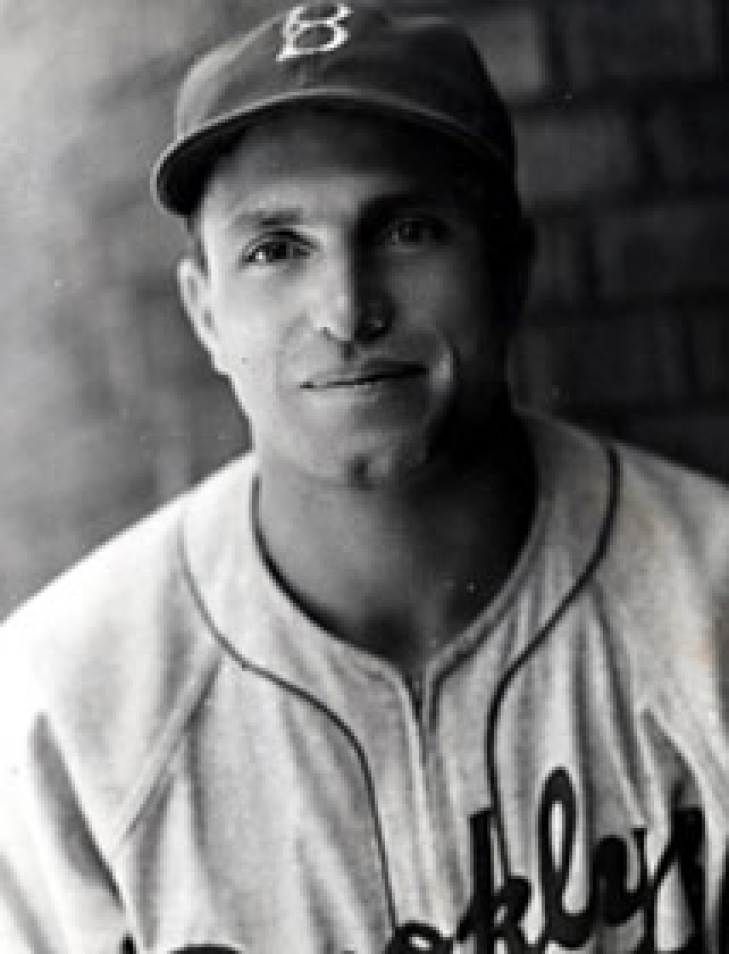
Dolph Camilli began his Major League career with the Chicago Cubs, but it was with his second team, the Philadelphia Phillies, that he proved he was an everyday player. The Dodgers took notice and traded for him, feeling that he had another level within him. They were right, as across six seasons in Brooklyn, he served as the premier run-producer for Leo Durocher’s squad.
In his 1938 debut, Camilli reached a plateau of efficiency by leading the National League in walks (119) while belting 24 home runs. He quickly established himself as a professional mainstay, earning his first All-Star selection in 1939 and finishing 12th in the MVP voting in back-to-back years.
Camilli truly shined during the unforgettable 1941 season. He put together an impressive display of offensive skill, leading the National League with 34 home runs and 120 RBIs, and inspiring the Dodgers to their first pennant in more than twenty years. His achievements reached new heights when he was named the National League MVP, showing he was the spark that brought a lively championship spirit back to Ebbets Field. Even in the 1941 World Series against the Yankees, he stood tall as a key player in the middle of the lineup, embodying both the heart and soul of the team. The end of his stay in Brooklyn would not be as pretty.
Believing he was beginning to age out of his prime, the organization finalized a trade that sent him to the rival New York Giants. In a legendary display of loyalty, or perhaps spite, Camilli reached a plateau of defiance and refused to report, choosing instead to go home and manage a team in the Pacific Coast League.
With the Dodgers, Camilli batted .270 with 139 Home Runs and 809 Hits.
RIP: Jeff Beck
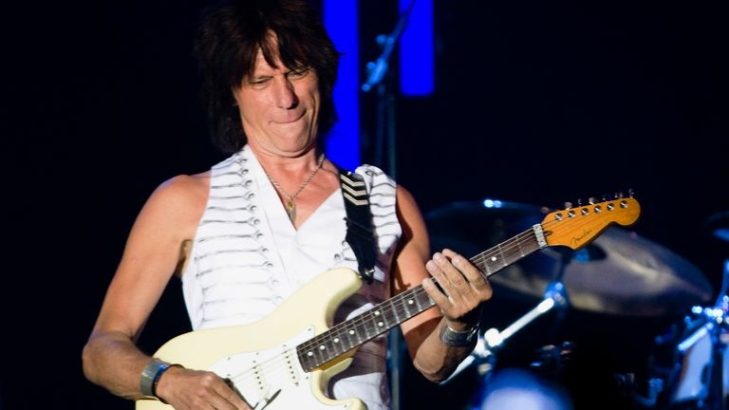
We are losing too many legends already in this short year.
Rock and Roll superstar, Jeff Beck passed away today at the age of 78. He first gained international attention as a member of the Yardbirds, and his blues-infused style made him one of the most admired guitarists of his era. The Yardbirds also featured Jimmy Page and Eric Clapton (before Beck joined), and generated the hits, “Heart Full of Soul”, “For Your Love”, and “Shapes of Things”, but like Clapton, Beck left the band in 1966 and formed his own group.
As a solo, or leading the Jeff Beck Group, Beck remained amongst the apex of rock guitarists. There were no styles he couldn’t blend, and his pioneering work of feedback and distortion are legendary. Beck did not have the hits, or even the album sales, but the respect was there, and it is no accident that he won eight Grammys and was inducted into the Rock and Roll Hall of Fame twice; one with the Yardbirds and one as a solo.
We here at Notinhalloffame.com would like to extend our condolences to the fans, friends and family of Jeff Beck.
