

Future Hall of Famers You Can Bet on Today

In sports betting, certainty is rare—but a few legendary athletes offer exactly that. You’re not betting on potential. You’re betting on proven greatness, already worthy of Canton, Cooperstown, or Springfield.
In sports betting terms, these athletes represent the rare “sure things.” Futures markets for MVPs and championships constantly shift, but when the subject is a generational player, prices often move like blue-chip stocks. For reference, a line of +1400 means a $100 bet returns $1,400 profit if successful, while -10000 means risking $10,000 to win just $100.
Whether it’s Patrick Mahomes, LeBron James, or Shohei Ohtani, these superstars have already secured their Hall of Fame legacies. The smart play? Finding current markets where you can still capitalize—before oddsmakers catch up.
Mahomes Sets the Quarterback Standard
Patrick Mahomes has secured his Canton spot several times over. He's already collected two NFL MVP trophies and three Super Bowl MVP awards. His baseline level of play secures his position in all discussions about the greatest quarterbacks ever.
But the current season has been a challenge for the Chiefs, who sit at 2-2 as of Week 5. After a Week 4 blowout win, his MVP odds shortened significantly. You're seeing prices ranging from +560 to a pretty high +2000 (per BetMGM and FanDuel odds as of October 3, 2025). This spread reflects market indecision. His Super Bowl LX odds remain a strong +850 across major books (according to DraftKings and Caesars Sportsbook futures lines). His capacity to deliver a rebound MVP season makes the current +2500 price a solid value play.
LeBron James' Age Defying Value
LeBron James entered the 2025-26 season at 40 years old. The market must reckon with the fact that he's priced as a major factor in the NBA Finals futures. His sustained excellence makes his Hall of Fame induction a simple formality as his statistical outputs remain astonishing (per NBA.com player stats, 2024–25 season). James averaged 24.4 points, 8.2 assists, and 7.8 rebounds per game last season, as he jokingly looks into a new fitness routine. Betting the Lakers to win the Western Conference at +800 is a calculated investment (FanDuel odds, October 3, 2025).
The Lakers' odds to win the NBA Finals currently stand at +1400. That's a high-risk, high-reward scenario, betting on the King defying age for one more ring. As with any futures bet, timing and bonus selection matter just as much as the odds themselves. If you’re backing today’s stars who are on track for Canton or Cooperstown, check out the latest sportsbook promos at this link. According to expert analysis from Covers, sportsbook promos change often. You have to pay attention to terms and conditions, claim new bonuses, and compare deals across brands.
Michael Duchesne, Managing Editor, explains, "Doing so ensures our sportsbook bonus recommendations are fresh. In October, BetMGM holds serve atop our list with its $1,500 sports betting promo that carries an additional $50 bonus bet, win or lose."
Ohtani and The Certainty Wager
The case for Shohei Ohtani’s Hall of Fame spot closed the moment he simultaneously proved his value as an elite hitter and an elite starting pitcher. The uniqueness of his career translates directly into the lowest-risk betting opportunity available.
But his market reflects this certainty aggressively. Ohtani’s closing odds for the 2025 NL MVP award were an astronomical -10000 on BetMGM. That's a price reflecting a 99.01% implied probability of him winning the award. You must risk a massive amount just to win a small profit.
Better payouts were available away from the MVP market. Ohtani’s odds for the NL Home Run Title were +1000 late in the season. He finished with 55 home runs, just one shy of taking the title (according to MLB.com 2025 season statistics). His return to the mound was spectacular.
Market Dynamics and Price Volatility
A betting market narrates a specific story about risk and certainty. The prices on Mahomes, James, and Ohtani illustrate the wildly different forces governing their respective sports. Ohtani’s negative odds show the static certainty of a finished MLB individual award.
Mahomes’s widely ranging odds illustrate mid-season NFL chaos. His MVP viability is tied directly to the team’s current 2-2 record. This volatility presents the best chance to find value. You should invest when the team's down, trusting the elite track record for the rebound.
LeBron’s +1400 is based on a longer-term, more complex calculation. It's a bet on his ability to perform at a historical level through the NBA playoffs. You have to assess the league's timing against the player's track record.
The Hall of Fame certainty surrounding James just got official confirmation on a new front. The entire 2008 Olympic "Redeem Team," which included James, is being inducted into the Class of 2025. It's official recognition of one of the most dominant periods of his career. That squad's 8-0 record, with a massive 27.8-point average victory margin, further solidifies his legacy.
The Risk to Reward Spectrum
These three markets create a distinct spectrum of risk and reward for bettors. Ohtani’s MVP award sits at the lowest-risk position. You trade significant capital for minimal profit. It's a statistical confirmation bet.
Mahomes’s MVP odds provide the moderate middle ground. He's a high-floor player who consistently finishes top three in voting. His current +2500 price offers a strong payout if he wins MVP. (Like this, it's a pretty low risk for a potential high reward.)
LeBron’s +1400 Championship odds represent the highest risk but offer the largest reward. A Finals win for a 41-year-old requires near-perfect execution. How can you weigh a 99% probability against a 6.7% probability? That comparison highlights the bettor’s eternal trade-off: certainty limits profit, while volatility invites both value and risk. That's what makes staying up-to-date on the latest sportsbooks' odds important.
Statistics Always Justify the Price
The betting markets don't operate on sentiment. They adjust constantly to recent, hard data. Mahomes's three Super Bowl MVPs and two 5,000-yard seasons justify his relatively short MVP number. Why would the market suddenly discount the player who has surpassed 5,000 passing yards in two of his MVP seasons?
But LeBron’s 24.4 points, 8.2 assists, and 7.8 rebounds per game last season aren't the numbers of a player in decline. These are the figures of an elite distributor and scorer. This sustained excellence justifies the Lakers holding those +1400 title odds.
Ohtani’s final 2025 stats confirm his value. He's, by many metrics, the single most valuable player in baseball. His nearly insurmountable MVP odds reflect the market acknowledging that unparalleled production.
Future Hall of Famers
You're not just waiting for some Hall of Fame committee to give its verdict. You're betting on a game that wrapped up yesterday or a championship kicking off today. These athletes really shake things up in the betting scene. Their proven track record gives you a solid foundation while the odds might bounce around. By checking out the current odds for Mahomes, James, and Ohtani, you’re spotting some mispriced bets. Basically, you're grabbing a piece of something reliable in sports with a chance to win big future bets.
Betting on proven greatness isn’t about chasing hype—it’s about timing. When the market doubts legends like Mahomes, LeBron, or Ohtani, value appears. The key is recognizing when odds temporarily misprice inevitability—and acting before they correct.
How Retired Sports Figures Build Personal Brands and Reach the Hall of Fame
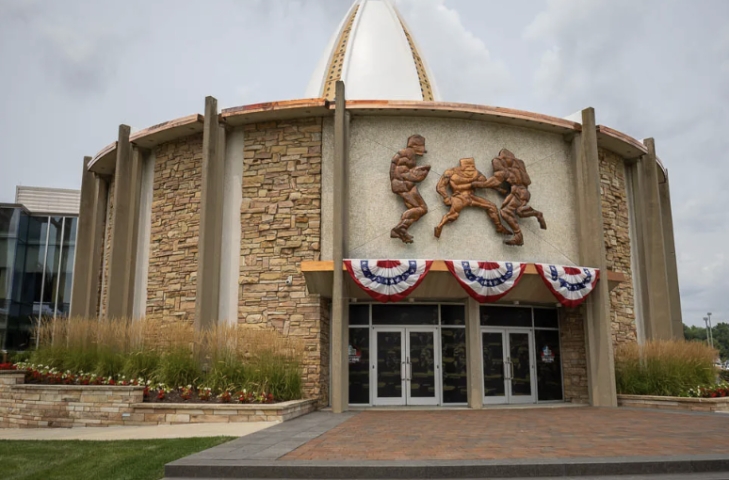
Many athletes shine during their prime. Their on-field feats draw crowds and media attention. Yet, not everyone enters the hall of fame on the first ballot. Some must wait. In that waiting period, personal branding often becomes a hidden factor. By building a strong image after retirement, they remain visible and influential. This can lead to reconsideration and, in some cases, eventual induction into senior or historical categories.
A survey from 2020 showed that 34% of fans name “off-field legacy” as an important part of judging an athlete’s overall greatness. That statistic hints at why personal branding matters, even years after the final game. It shapes how the public, media, and even hall-of-fame voters view the individual’s total career.
Why Personal Branding Matters After Retirement
Retirement sometimes causes athletes to fade from public view. The daily highlights vanish. People focus on younger stars. But some ex-players remain active in the spotlight. They run charities. They mentor youth. They appear on TV as analysts or ambassadors. This sustained presence keeps them relevant. It also builds goodwill among fans and voters who decide hall-of-fame honors.
Example: Coaching and Broadcasting Roles
Several hall-of-fame members first made their mark as players. Later, they coached or commentated. That second career gave them new audiences to impress. One well-known baseball figure said, “I gained more respect for my playing style once people heard me explain the game on broadcasts.” This exposure can tilt opinions. It reminds watchers of their depth of knowledge and past achievements.
Earning the Trust of the Public and Media
Media can influence how the public views older athletes. Positive coverage boosts reputations. Negative stories can stain them. Once the playing days end, controlling the narrative becomes crucial. Some retired players hire firms to manage interviews or social posts. They may also join a negative review removal service if controversy arises. They want a consistent, respectable image that resonates with fans and hall-of-fame voters.
Social Media Connections
Social channels let retired pros speak directly to fans. They share training tips, personal thoughts, or memories of legendary games. This opens a window into their personality. Fans might see them in a friendlier light. That good will can help push borderline candidates over the line for hall-of-fame consideration. Hall-of-fame committees notice broad public support.
Building a Community Presence
Local involvement can cement a legacy. An ex-football linebacker might host free clinics for kids in his hometown. A retired soccer forward might sponsor a local youth league. Reporters pick up these stories, painting a positive picture of community service. One hall-of-fame board member commented, “We look at a candidate’s total impact on the game, on and off the field.” That phrase “on and off the field” sums up how personal branding can shape the final vote.
Charitable Foundations
Some retired athletes start or support foundations. These groups might fund scholarships or disease research. This philanthropy ties back to the athlete’s name. People remember them not just for stats, but also for generosity. One official stated, “A big philanthropic profile reminds us that they have a lasting impact. That resonates when we weigh their contributions to the sport.” Good deeds often linger in voters’ minds.
Owners, Contributors, and Coaches
Not just players benefit from personal branding. Owners, general managers, and coaches can face the same hall-of-fame hurdles. If they left under a cloud or never got recognized, building a strong persona later can reopen doors. They might pen books about leadership. They might appear at conferences. They might mentor younger executives or coaches. Over time, that presence can shift how committees view their overall career.
Example: A Front-Office Legend
Some sports executives remain behind the scenes during their active years. After retirement, they share stories or strategies through interviews or public speaking. This transparency helps fans appreciate their role in winning championships or rebuilding franchises. The momentum can push them toward hall-of-fame induction in the “contributor” category.
Statistics on Senior Inductions
A 2019 study of major sports halls of fame revealed that 15% of new inductees enter through senior or special committees. These committees often focus on overlooked or older candidates. They weigh intangible factors like leadership, influence on the sport’s culture, or post-career achievements. That means personal branding efforts can have real payoff. Public appreciation and favorable media can sway these later votes.
Late-Career Recognition
Voters sometimes revisit borderline candidates decades after retirement. A once-controversial figure might appear more admirable with the passage of time. Positive branding and community contributions can erase old doubts. One example is a coach who missed out early due to off-field issues. Later, a strong reputation as a mentor turned the tide in a senior committee vote.
Actionable Tips for Building a Post-Retirement Brand
- Stay Visible
Appear at charity events, signings, or sports shows. Remind fans and media you exist. - Share Expertise
Contribute to coaching clinics or write columns. Show your deep knowledge of the game. - Engage Online
Use social media to connect. Post stories or advice. Let your personality shine through. - Collaborate
Partner with businesses or nonprofit organizations. Lend your name to causes that matter. - Address Past Controversies
If needed, use professional help to manage your reputation. Aim for a consistent, positive image.
Long-Term Impact of a Strong Brand
A robust personal brand can create benefits beyond hall-of-fame recognition. It can lead to sponsor deals or TV opportunities. It can also enhance your legacy in the eyes of the public. Fans might celebrate your achievements more fully if they see you as a respected figure who stands for the sport’s ideals. One marketing consultant said, “A strong brand doesn’t happen by accident. It’s an ongoing effort to stay relevant.”
Influence on Younger Players
Retired icons with solid brands can mentor current athletes. They share wisdom on balancing performance and image. They might advise them on navigating controversies. This teaching role further cements the older athlete’s standing as a legend. Younger players look up to them, strengthening their post-career legacy.
Conclusion
Personal branding doesn’t end with the final whistle or last pitch. Many retired athletes and sports figures continue building their image. This keeps them front of mind for fans, media, and hall-of-fame voters. Whether through charity, commentary, social media, or coaching, they stay active in shaping how people view their contributions. Eventually, that can tip the scales for an induction vote in a senior or historical category.
If you’re an ex-player, coach, owner, or contributor who feels overshadowed by time, consider these post-retirement branding methods. Improve your public image, connect with the community, and manage old controversies. Over time, those efforts can help rewrite your story. You might find yourself inducted, celebrated, or re-discovered, long after you hung up your uniform. The hall of fame might stand just within reach, waiting for your renewed impact on the sport.
Sports Halls of Fame Collaborations with Betting Companies: A New Era of Fan Engagement

The rise of sports betting is reshaping how fans engage with the games, teams and athletes they love. And that, in turn, is ushering in a new era of sports halls of fame. Formerly hallowed halls meant to celebrate athletic excellence, sports industry halls of fame are increasingly partnering with betting companies as they attempt to drive visitor and viewership traffic — relishing in the endless possibilities generated by a new generation of fans who value digital experience over legacy brand appeals. What kind of opportunities might it create, such as literally strolling through milestone events in history, unlocking memorabilia previously not available to public viewing or potentially even probability-based events focusing on Hall of Fame Achievements? In addition to that, platforms like Sportscasting. com does a great job of connecting sports fans to these fresh experiences and maintaining the extension between sports betting and legacy.
1. Bridging the Gap: Honoring History Through Interactive Experiences
Halls of fame from Cooperstown to Canton have traditionally served the purpose of preserving and showcasing the legacies of elite athletes. Now, with sports betting in a period of rapid growth, these institutions are reimagining fan engagement through a new generation of history brought to life by interactive betting partnerships. This would involve being able to see those eternal sports moments in another dimension, such as betting on a simulation or replay of famous games or getting the results of virtual leagues based on Hall of Fame moments. A gambling site would feature "odds," for example, on virtual matches between historic players or predict outcomes based on famous plays. It is this combination of tradition and modernity, really, that appeals to the traditional sports fan and to the modernist betting enthusiasts a little of the best of both worlds.
2. Sportscasting.com and the Role of Comprehensive Sports Analysis
Sites like Sportscasting.com flex the muscles of data analytics in sports, connecting fans with a major development that bridges the gap from yesteryear to modern times. By deeply analyzing players' statistics, the outcome of games, and even the odds of betting on a game, Sportscasting.com, which can be found here https://www.sportscasting.com/betting-sites/california/, equips the fans with valuable tidbits on everything from football and basketball to less-covered sports. For instance, readers may find articles comparing Hall of Fame statistics with current sports odds to consider how the performances of Hall of Famers would play out in today's sports betting environment. This deep analysis will resonate with a dedicated audience seeking to appreciate how historical performances might link up with contemporary betting opportunities.
3. Betting Companies and Their Role in Expanding Hall of Fame Narratives
With halls of fame, sports betting companies find a different kind of brand-building opportunity. Betting companies reach into the rich histories of Hall of Fame athletes to further their own credibility and create marketing campaigns focused on nostalgia. Such promotions can be made on the anniversaries of famous Hall of Fame inductions or major milestones; and provide special odds on historic athletes. This strategy would entertain the die-hard fans who idolize the athletes but even more so grab the attention of younger audiences, likely feeling closer to these legendary players through these designed experiences. The promotions may come in bets associated with the anniversaries of Hall of Famers or challenges motivated by famous moments within the sport. This rejuvenates those memories while actively involving the betting crowd.
4. Virtual Experiences and Augmented Reality (AR) Tours
AR has taken that possibility to the next level for interactive experiences within halls of fame. Along with a gambling partner, AR could let fans experience moments of legends from angles previously unimaginable. Picture this: you are walking down the Cooperstown halls and seeing before your eyes the materialization of Babe Ruth's legendary 60th home run, with augmented options to place bets on things like, "Would Babe Ruth hit this home run today? or "What would be the final score in a game featuring Ruth and another Hall of Fame slugger?" These hands-on exhibits ingeniously weave history with prop betting for a truly immersive journey through sports history. Websites such as Sportscasting.com report current stories as they happen to keep the fans updated on these kinds of digital developments. The websites also run articles on field current trends and technological advances so that fans are updated on what innovative experiences and partnerships treat a bet as a part of sports history.
5. Exclusive Betting Markets and Memorabilia Access
Some halls of fame give special access to memorabilia or create special experiences for fans who utilize their betting partners. In conjunction with Hall of Fame events, such as all-star games, reunion games, or special Hall of Fame induction games, betting companies will often introduce limited markets or speciality bets surrounding these events. Examples of such bets, which engage fans, include Hall of Fame reunion game bets, such as which veteran player will score first, and team bets concerning famous rivalries.
This gives more money to both halls of fame and betting companies in this way increasing fan interaction as well. We felt this form of VIP access would help fans interact on a more substantial level with Hall of Fame moments and provide some camaraderie around these historic moments perhaps not otherwise seen even outside of the wager.
What Does it Mean to be in the Hall of Fame?
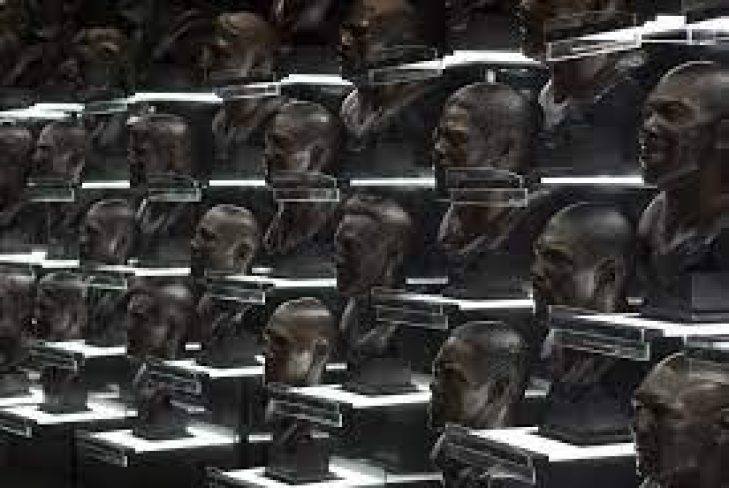
Being inducted into a Hall of Fame is one of the greatest honors that can be bestowed upon an athlete. It’s a sign that their career was extraordinary, and that they were among the best in their respective sport. Indeed, you might have noticed that many of the individuals in the modern era to have been recognized will have been people that some may have wagered on, with the bet365 bonus code nz quite possibly being used on them as it has allowed bettors to enhance their overall experiences when participating in sports betting.
But does being inducted into the Hall of Fame truly define a person’s career? Let’s explore this question further.
Why a Hall of Fame is considered a positive
Hall of Fames are often seen as monuments to greatness, but there’s more to them than just recognition. The criteria for entry into a Hall of Fame vary from sport to sport, but they typically take into account both on-field success and off-field accomplishments. This means that being inducted isn’t just about being an excellent player; it also takes into consideration things like sportsmanship, character, and professionalism. In other words, it takes more than just talent to make it into the Hall; you also need to have made an impact on the game beyond your performance on the field.
More Than Just An Honor
Being inducted into the Hall of Fame is certainly an honor, but it also has practical implications for those who are chosen. It means that they will be remembered by fans and sports historians for years to come. It also opens doors to new opportunities, such as coaching positions and endorsements. Many former athletes have gone on to become successful coaches and television personalities after being recognized with induction into the Hall of Fame.
The Induction Ceremony
The induction ceremony itself is often seen as a defining moment in the career of an athlete or team. Those chosen for induction get to experience a once-in-a-lifetime event that celebrates their accomplishments and recognizes their hard work and dedication over the course of their career. The ceremony is attended by family, friends, teammates, and fans alike, all gathered together to recognize the greatness achieved by those being inducted.
Why some believe a Hall of Fame should not be used as a yardstick
That said, not everyone agrees that Halls of Fame should serve as a measure of greatness. Some argue that not every great athlete gets inducted due to subjective criteria or outdated standards. Others point out that even those who make it in may not necessarily belong there based on their achievements alone; some may have been selected because of their off-field contributions or because they were popular figures during their playing days. So while Halls of Fame can be seen as markers for greatness, they can also be seen as reflections of who has been successful at gaining favor with those who determine membership – something which doesn't always reflect true achievement or skill level.
Final Thoughts
At the end of the day, whether or not being in the Hall of Fame defines a person's career is up for debate. For some athletes, making it into a Hall is symbolic proof that they had an incredible career and achieved excellence in their sport; for others, it may be nothing more than recognition by a select few whose opinions don't necessarily align with those held by most people in their respective fields. No matter how you look at it though, there's no denying that Halls of Fame are important institutions that honor some truly remarkable athletes – and all deserve our respect regardless if we agree with all their selections or not!
