


Committee Chairman
The Rock and Roll Hall of Fame will announce the 2025 Class on American Idol
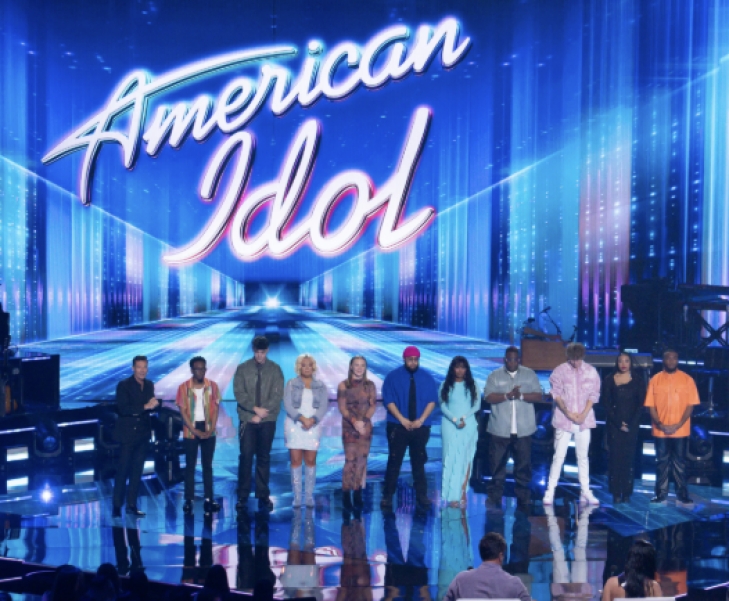
We know when the Rock and Roll Hall of Fame will announce the Class of 2025. Like last year, it will be on American Idol, which will air on the April 27 broadcast.
Nothing says Rock and Roll like American Idol.
The nominees are Bad Company, the Black Crowes, Joe Cocker, Billy Idol, Chubby Checker, Mana, Phish, Mariah Carey, Oasis, Joy Division/New Order, Soundgarden, Cyndi Lauper, and the White Stripes.
For what it is worth (which is not much), Phish led the fan vote.
The Rock and Roll Hall of Fame ceremony will take place in Los Angeles at a date yet to be determined.
Top WWE Wrestlers Featured in Branded Slot Machines
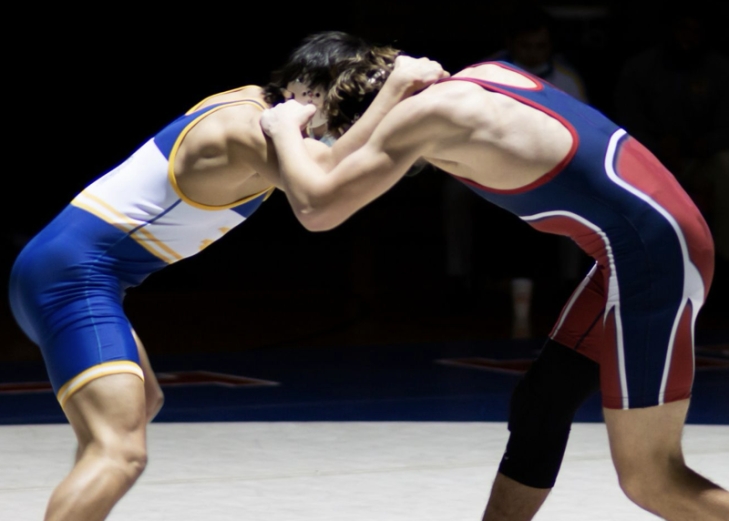
WWE ring aesthetics, consisting of loud theme music combined with dramatic spotlight effects and grand WWE personalities, now appear on modern casino slot games. Through their alliance with gambling entertainment, professional wrestling has established an innovative commercial venture which lets fans encounter their match favorites in fresh ways. Branded gambling machines are now recognized in gambling establishments across the globe, which let fans interact with their beloved wrestling heroes outside of standard broadcast and in-person shows.
The Rise of WWE-Themed Slot Machines
The evolution of slot machines through WWE superstar incorporation has led to an exciting development that combines gaming entertainment with wrestling elements. Wrestler slots at casinos use entire wrestling signature packages by presenting faces alongside key moves and music elements in addition to playable video content reflecting WWE sports entertainment. Modern casino floors feature themed games such as fishin frenzy that share no connection to wrestling yet players will encounter Stone Cold Steve Austin's entrance theme "You can't see me" and the shattering sound effect he used when entering the ring while passing through these themed area along with many other flashing lights and roaring reels.
Most machines operated by creative teams possess a deep understanding of maintaining authentic WWE presentations. WWE-branded machines achieve success by embracing wrestlers' popularity through a strategy similar to fishin' frenzy slot machines that target fishing aficionados. Through this link, traditional slot gamers develop an immediate sense of recognition that leads them to play WWE-themed slots instead of standard slot machines. These games become successful at slot gaming because their developers manage to convert the vigorous wrestling performance into thrilling machine gameplay.
The Undertaker: Gaming's Deadman
The Undertaker stands as the WWE superstar who has brought the longest spell of influence to branded slot machines. The dramatic essence of his personality, together with his supernatural qualities, matches perfectly with the slot machine themes dedicated to him. The Undertaker's slot machines use his distinctive sound effects and purple lighting against a background that typically presents bonus rounds based on his signature finishing move, "Tombstone Piledriver", alongside his historic WrestleMania streaks.
Several generations of WWE fans can play slot machines because The Undertaker maintained an extensive career that extended across WWE's various programming periods. These casino devices deliver steady performance beyond many years since their production date because Deadman fans remain dedicated, and the developers crafted effective gameplay which respects his historic significance.
John Cena: The Face That Runs the Place
When John Cena transitioned from wrestling superstar to the movie industry substantially enhanced his casino gaming business appeal. The slot machine devices showcase Cena's "Hustle Loyalty Respect" saying prominently while playing his famous "Attitude Adjustment" motion. The prime audience segments for Cena and The Undertaker distinguished their intellectual properties as Cena utilized bright colors while The Undertaker maintained dark tones.
The specific attribute of Cena's machines lies in offering easy access to ordinary fans. The familiarity of John Cena among even casual sports fans enables his branded slot machines to entice beginners who have no interest in wrestling. The wider accessibility of these casino devices leads operators to place them at entrances along with conspicuous high-traffic locations.
The Attitude Era Legends: Stone Cold and The Rock
Throughout the Attitude Era, WWE reached both their strategic and creative maximal points in the eyes of their fan base. The casino slots showcasing Stone Cold Steve Austin together with The Rock Dwayne Johnson act as direct windows into the beloved Attitude Era period. The machines feature interactive features which showcase Stone Cold's historic beer parties and The Rock's memorable dialogues.
Due to The Rock's Hollywood success, along with the Attitude Era's ongoing fandom, these slot machines remain notable even though WWE does not showcase these characters anymore. These casino video games create a successful connection between the past of professional wrestling and present-day entertainment, thus enabling casinos to serve both core wrestling fans and casual gamblers attracted by recognizable celebrities.
In the End
The combination of WWE entertainment and casino gaming shows that robust brands can move past their basic platforms. The slot machine licenses contain more than standard branding agreements since creators meticulously develop them to match what originally made wrestlers so engaging to fans during their ring performances.
Expect future WWE-themed casino machines will benefit from future technological progress because they will merge sports entertainment features with traditional gambling functions. These branded slots give WWE fans unique opportunities to connect with their wrestlers even outside wrestling events since they demonstrate the positive results that occur when entertainment ventures beyond traditional boundaries.
Injury Updates in the Age of Social Media: Speed, Hype, and Ethics
Social media has changed how we do things, and the sports arena hasn’t been left behind. One of the biggest impacts on the industry is how information is spread, whether it’s true or not. With injury updates being on top of sports and MLB news in particular, a lot has changed over the years, from misinformation to taking power from traditional media.
In this guide, we’ll look at some of the ways social media has changed how we watch sports and get injury updates.
From Newsrooms to Newsfeeds
In the past, sports fans received player injury news through team press releases, journalists, and television reports. However, this process has changed entirely, with all updates now just a few clicks away.
Long before you get injury updates on television, they’ve already been delivered on social media. In some cases, the players themselves deliver or confirm the news, showing the influence and power that these platforms now have.
Instant News and Fan Reactions
Sports aficionados are always looking for updates as the game unfolds, and social media platforms like X and Facebook ensure they get each detail on time. Player injury news spread quickly, even before the official announcement.
This promptness creates a buzz among fans, who immediately start speculating about the player’s future. Discussion will then go further to a team’s next lineup and chances for the season, especially if it’s a long-term injury to a key player.
Speed and Spread
One of the most impressive and key features of social media is the speed at which news and injury updates are spread. It only takes a single person to share “inside information” on one social platform, and it will be shared by many others and reach millions in a few minutes. It will even cross social media platforms and become mainstream.
When any news is shared, it immediately sparks fan reactions, discussions, and follow-ups. This also happens when a player goes during a game, with instant speculations on the type and length of injury starting.
This speed of sharing helps keep fans informed, and fantasy managers can make quick decisions before prices change.
Accuracy vs. Hype
While social helps fans get news updates instantly, the information often lacks proper verification. Most social media account owners rush to be the first to share updates, and this often makes them share not-so-accurate reports.
This is quite a concern as, just like any other news, fake news spreads quickly. It misleads fans, and sometimes, it can even place undue stress on players. The impact spreads even further and affects other sports-related activities, such as betting markets.
This means that when consuming information released on social media, it’s important to check the sources. Some fan pages can often post inaccurate information, so confirm with reliable personalities.
The Athlete’s Voice
A great plus for social media is that it gives players control over their narratives. Injured players can share updates via these platforms, thank followers for their support, and share their recovery journey. This openness builds better relationships with fans and humanizes players beyond the statistics.
However, it’s crucial to note that the openness also invites scrutiny. Viral reactions pressure athletes, especially when they return after a long time.
Clubs and Control
Social media is a double-edged sword for sports organizations. On one end, it gives fans a direct communication line and allows them to feel like a part of the organization.
However, it also requires constant monitoring and strategic PR management, as a poorly worded tweet or premature post can stir up attention. It’s important for clubs to engage journalists and then release timely official injury updates.
NIHOF MLB 2025 Cup Standings: Week 3, APR 20
It is with great pleasure that we are bringing back the Notinhalloffame MLB Regular Cup, and let us explain how this works:
For every regular-season game, we anointed the best five players with descending points, 5-4-3-2-1.
We know the following:
- The top players for the MLB NIHOF Cup are not always the best in the league, as injuries keep players out of games, and a premium on staying healthy can help pile up points. It also does not hurt to be a top player on an average or mediocre team, as they can amass Cup points more easily than elite players on loaded squads.
- In Baseball, it is more common than in Basketball and Hockey for a player to accrue points with a single Home Run in a game, which favors position players. Starting Pitchers have a hard time with approximately 30-35 Starts and throwing fewer innings than previous generations. This is also true for closers not made for this process.
- Please remember that this is NOT necessarily who we think were the best players this year and does not reflect overall consistency. Treat this the way we did: as a fun process and more of a compilation of temporary statistical domination.
Here is the current top ten after games concluded on April 20.
1. Pete Alonso, New York Mets: 46 Cup Points in 15 Games. (#1 Last Week). 1.8 bWAR, 13 Runs, 27 Hits, 6 Home Runs, 24 Runs Batted In, .346/.453/.718 Slash Line, 1.171 OPS & 232 OPS+.
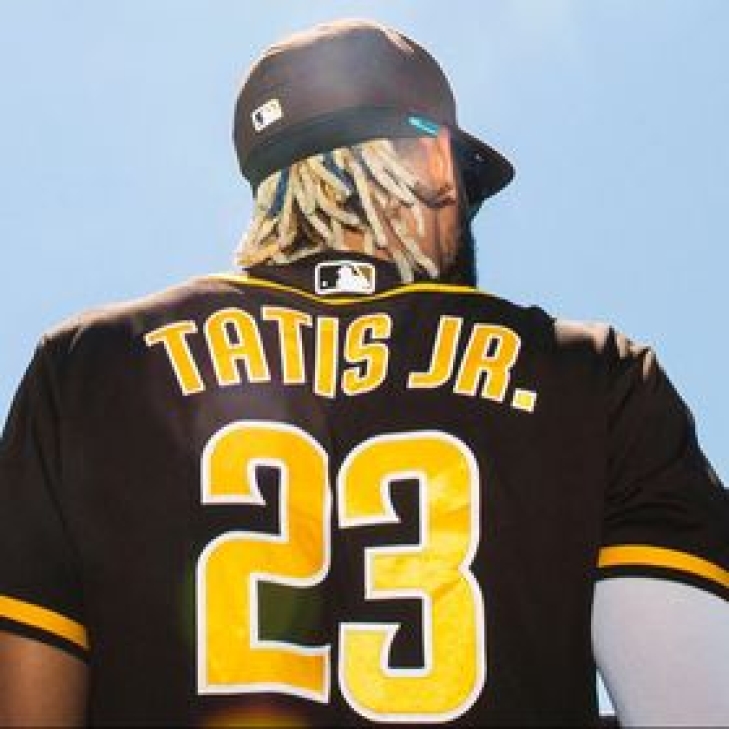
2. Fernando Tatis Jr., San Diego Padres: 40 Cup Points in 21 Games. (#6 Last Week). 2.1 bWAR, 22 Runs, 29 Hits, 8 Home Runs, 16 Runs Batted In, .358/.436/.691 Slash Line, 1.128 OPS & 214 OPS+.
3. Corbin Carroll, Arizona Diamondbacks: 33 Cup Points in 22 Games. (#4 Last Week). 1.4 bWAR, 19 Runs, 30 Hits, 7 Home Runs, 19 Runs Batted In, .323/.394/.645 Slash Line, 1.039 OPS & 186 OPS+.
4. Aaron Judge, New York Yankees: 31 Cup Points in 22 Games. (#9 Last Week). 1.7 bWAR, 21 Runs, 32 Hits, 7 Home Runs, 25 Runs Batted In, .390/.495/.707 Slash Line, 1.202 OPS & 245 OPS+.
5. Spencer Torkelson, Detroit Tigers: 30 Cup Points in 22 Games. (Not in the Top Ten last week). 1.2 bWAR, 17 Runs, 23 Hits, 7 Home Runs, 21 Runs Batted In, .288/.392/.638 Slash Line, 1.029 OPS & 195 OPS+.
6. Josh Naylor, Arizona Diamondbacks: 29 Cup Points in 22 Games. (Not in the Top Ten last week). 0.9 bWAR, 14 Runs, 28 Hits, 4 Home Runs, 15 Runs Batted In, .333/.406/.548 Slash Line, .954 OPS & 165 OPS+.
7. (TIE) Kyle Tucker, Chicago Cubs: 27 Cup Points in 24 Games. (#8 Last Week). 1.1 bWAR, 22 Runs, 29 Hits, 6 Home Runs, 23 Runs Batted In, .302/.404/.614 Slash Line, 1.018 OPS & 188 OPS+.
7. (TIE) Bobby Witt Jr., Kansas City Royals: 27 Cup Points in 23 Games. (Not in the Top Ten last week). 1.1 bWAR, 15 Runs, 27 Hits, 2 Home Runs, 9 Runs Batted In, .307/.370/.477 Slash Line, .847 OPS & 142 OPS+.
7. (TIE) Bryce Harper, Philadelphia Phillies: 27 Cup Points in 22 Games. Not in the Top Ten last week). 0.9 bWAR, 16 Runs, 22 Hits, 5 Home Runs, 14 Runs Batted In, .272/.404/.506 Slash Line, .910 OPS & 155 OPS+.
7. (TIE) Matt Chapman, San Francisco Giants: 27 Cup Points in 22 Games. Not in the Top Ten last week). 1.2 bWAR, 12 Runs, 18 Hits, 4 Home Runs, 14 Runs Batted In, .240/.406/.440 Slash Line, 0.846 OPS & 148 OPS+.
7. (TIE) Cal Raleigh, Seattle Mariners: 27 Cup Points in 22 Games. Not in the Top Ten last week). 1.2 bWAR, 14 Runs, 20 Hits, 9 Home Runs, 15 Runs Batted In, .233/.333/.593 Slash Line, .926 OPS & 175 OPS+.
Los Angeles (AL)’s Kyren Paris, Los Angeles (NL)’s Teoscar Hernandez, Miami’s Kyle Stowers, Milwaukee’s Jackson Chourio, Philadelphia’s Kyle Schwarber, and San Francisco’s Wilmer Flores fell off the top ten.
Of note, 627 baseball players have obtained at least 1 point. This is up from 529 last week.
