
If I Had a Vote in the 2023 Baseball Hall of Fame Election
Days from the January 24, 2023, announcement by the National Baseball Hall of Fame of candidates who may have been elected by the Baseball Writers' Association of America (BBWAA), the burning question is not who those candidates, if any, will be. Instead, the burning question is: What morality are BBWAA voters going to legislate for the Hall of Saints this year?
For more than a decade, the controversy over performance-enhancing drugs (PED) has consumed discussion about who should or should not be elected to the Hall, capped by the late Hall of Famer Joe Morgan's now-infamous 2017 missive to voters about keeping the PED Penitents out of Cooperstown. But although the PED predicament remains—among the returning candidates on the 2023 BBWAA ballot are Manny Ramirez and Álex Rodriguez—voters are now finding other performance flaws in candidates to deny them entrance to the Hallowed Hall.
40. Matt Cain
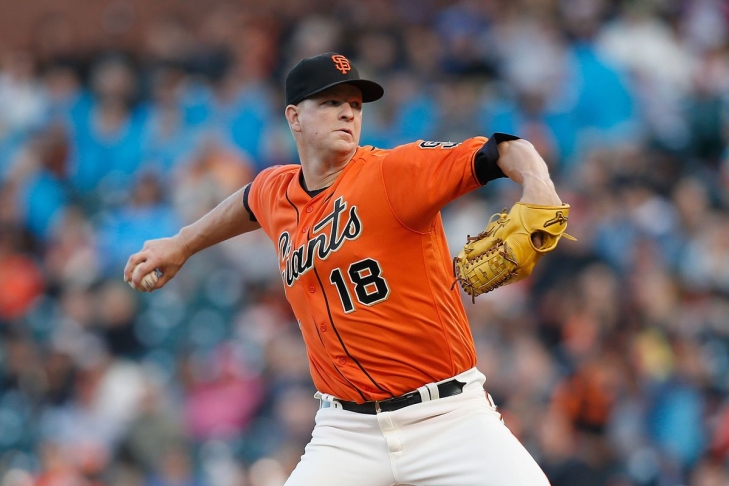
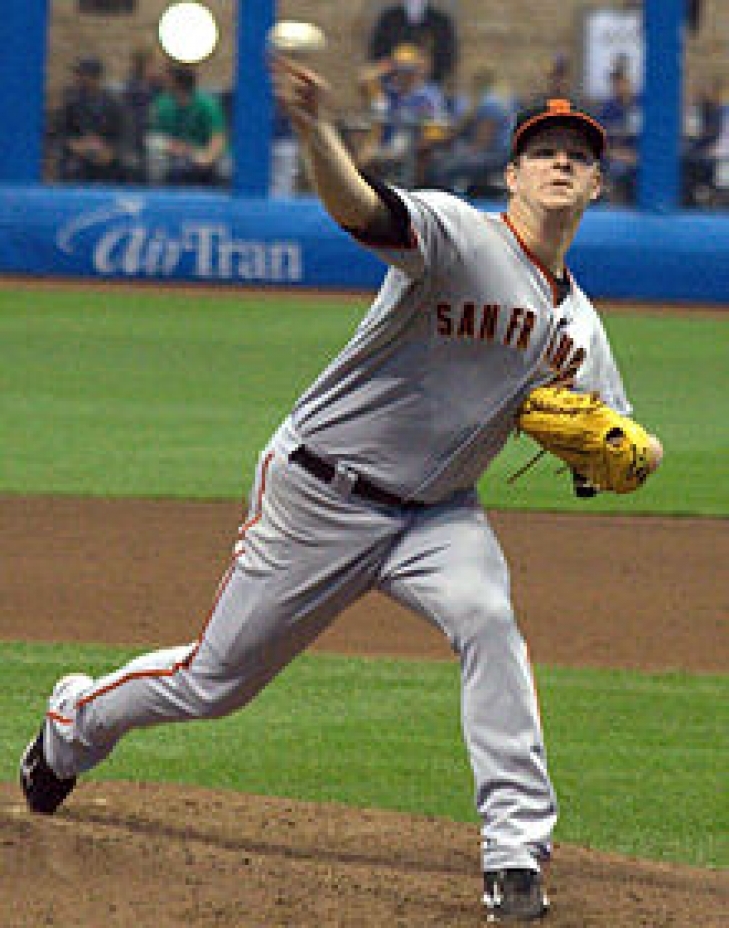
Matt Cain's story exemplifies why a pitcher’s worth isn't solely reflected in their win-loss record. Drafted in the first round by the San Francisco Giants in 2002, he reached the majors quickly, debuting by August 2005. He became a staple in the starting rotation, known for his broad shoulders and a fastball that could explode past hitters. Early in his career, Cain endured notably poor run support—so much so that his teammates affectionately called him "The Horse" because he would often pitch seven scoreless innings but still receive a tough 1-0 loss, highlighting the unfairness of relying only on wins to gauge a pitcher's skill.
His early individual development helped keep the rebuilding Giants afloat in the late 2000s. After an impressive 2006 season, where he finished with a 13–12 record and a 4.15 ERA, earning fifth place in the National League Rookie of the Year voting, Cain’s record worsened to a combined 15–30 over the next two winters, despite lowering his ERA. He remained unaffected by the lack of offensive support, demonstrating his durability by pitching at least 200 innings for six straight seasons.
As the front office built a strong roster around him, Cain’s outstanding skills finally earned him national recognition. In 2009, he received his first All-Star selection with an impressive 2.89 ERA. He then became a key part of the renowned 2010 "Giants Baseball: Torture" rotation that secured San Francisco's first World Series title. During that postseason, Cain was dominant, pitching 21⅓ straight innings without giving up an earned run, setting a formidable example for the franchise in big moments.
His career reached its peak in an exceptional 2012, when he performed at a top-tier superstar level. On June 13, 2012, Cain delivered a remarkable performance at AT&T Park, striking out 14 Houston Astros to pitch the 22nd perfect game in major league history—and the first in the Giants' storied history. That summer, he also started the All-Star Game for the National League, finished sixth in Cy Young Award voting with a career-high 16 wins, and secured two important postseason wins, helping him earn his second World Series ring.
The intense physical demands of managing the rotation for ten years eventually wore him down, with bone chips in his right elbow and recurring hamstring injuries leading to a sudden end to his peak performance after the 2012 victory. In his last five seasons, Cain became a lower-tier starter, battling pain and decreasing velocity. Despite this, his importance to the team remained strong; he stayed the respected, calm spiritual leader of a clubhouse that won a third World Series in 2014, serving as a key confidant for younger pitchers like Madison Bumgarner.
Cain ended his 13-year Giants career on his terms in 2017, pitching five scoreless innings versus San Diego before a packed home crowd. He achieved 104 wins, a 3.68 ERA, and 1,694 strikeouts in 342 starts. The Giants honored him by adding him to the Wall of Fame in 2018.
Matt Cain