
Joel Berry II Expands His Influence in North Carolina Sports

Former North Carolina star Joel Berry II has become a defining figure in the state’s evolving athletic culture. After leading the Tar Heels to an NCAA Championship and earning Final Four Most Outstanding Player honors, Berry has transitioned into a respected analyst and mentor shaping North Carolina’s sports conversation.
His insight bridges the gap between athlete preparation and leadership across sports, particularly basketball and football, showing how discipline, study, and game awareness transcend individual competition.
Berry’s growing involvement in North Carolina’s athletic scene has made him a trusted analyst whose insights go beyond highlight reels. When he breaks down player development, like emphasizing how consistent guard play and shot selection shape a team’s tempo, his observations help fans see the game through a more strategic lens.
Many use that understanding to sharpen their own reading of matchups and odds through NC sportsbooks, where knowledge of form and rhythm can make following each contest more informed and engaging.
From Tar Heel Champion to Cultural Voice
Joel Berry II’s identity as a leader traces back to his North Carolina years, when he averaged 14.7 points 3.6 assists, 3.1 rebounds and 1 steals per game during the 2016-17 season that culminated in a national title. His 22 points and six assists in the championship game against Gonzaga became emblematic of his composure under pressure.
Berry’s drive and consistency now fuel his message to young athletes about maintaining high standards and personal accountability long after the final buzzer.
Transition From Player to Analyst
After retiring from professional play, Berry found a new rhythm in front of the camera. His commentary on ACC Network and local North Carolina outlets demonstrates an analytical precision built on first-hand experience. He discusses decision-making, court spacing, and player psychology with clarity that resonates both with fans and current athletes learning to think the game differently.
Mentorship and Athlete Development in North Carolina
Berry’s mentorship of younger athletes reflects his belief that mental preparation is just as vital as skill work. Through community clinics and mentorship programs across the state, he teaches young guards the importance of ball control, conditioning, and emotional composure. His voice carries weight among coaches who see him as a model for integrating athletic discipline into leadership growth.
Expanding His Influence Into Football Commentary
Though his legacy began on the basketball court, Berry’s analysis now includes football, where he examines quarterback decision-making and locker room leadership. He draws parallels between point guard responsibilities and quarterback vision, emphasizing anticipation, adaptability, and tempo control as shared elements that define elite play in both games.
The Broader Role of Former Athletes in Media
Berry’s career represents a growing trend of former athletes entering sports commentary to educate rather than simply entertain. His calm tone and technical vocabulary elevate the level of discussion among fans who crave deeper insight. This shift underscores a cultural change in North Carolina, where sports media increasingly values thoughtful breakdowns over hot takes.
Building a Legacy in North Carolina Sports Media
Berry’s regular appearances on state broadcasts and podcasts have made him a trusted figure among audiences who value his measured takes on team chemistry and game flow. His credibility comes from both his playing background and his ability to translate complex strategies into accessible lessons. That dual perspective cements his role as a leading voice in North Carolina sports analysis.
Supporting Local Sports Growth and Education
Berry contributes to local basketball development programs, speaking at high school events and training camps where he stresses teamwork and study habits. Coaches highlight his emphasis on maintaining focus under fatigue and using film study to improve situational awareness. His influence strengthens North Carolina’s sports ecosystem by promoting structure, mentorship, and personal growth.
Lessons in Leadership and Preparation
Berry often reminds athletes that leadership begins with preparation. He recounts how film sessions and self-assessment shaped his mindset as a player, now using those same habits to analyze professional games. His message reinforces that discipline and emotional control remain the foundation of consistent performance, whether in practice or public broadcasting.
Modern Athlete-Analysts and North Carolina’s Sports Culture
Berry’s journey mirrors a statewide movement where retired athletes use their platforms to nurture the next generation. Alongside peers who have turned to coaching or media work, he helps define what it means to give back through expertise. This contribution strengthens North Carolina’s reputation as a state where sports knowledge passes forward rather than fading away.
Joel Berry II’s Lasting Impact on State Sports Identity
Joel Berry II’s influence stretches beyond the boundaries of the game he once played. Through analytical commentary, mentorship, and visible leadership, he represents a modern model of athlete legacy. His steady presence on broadcasts and within communities affirms that North Carolina’s sports future is being shaped by those who once defined its past.
Roy Williams Retires
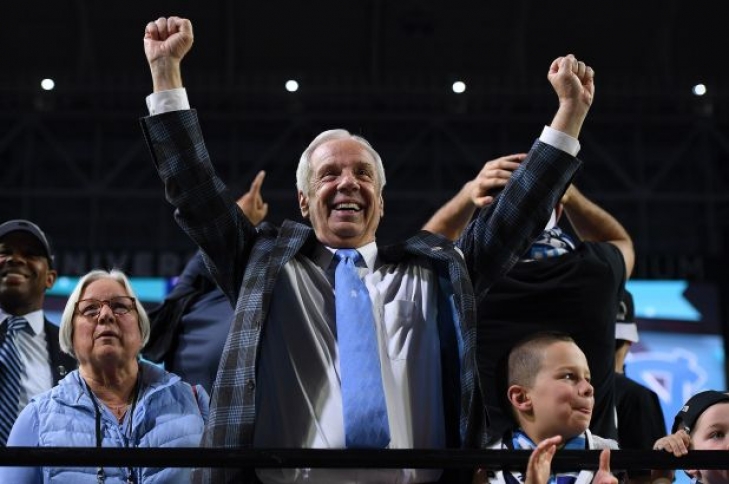
An era has come to an end in North Carolina.
At age 70, Roy Williams is announcing that he is retiring after an 18-year run as the Head Basketball Coach at UNC. Williams brought the Tar Heels to three NCAA Championships (2005, 2009 & 2017), and won 903 Games over his 33 years as a Head Coach.
Williams was also the Head Coach at Kansas for 15 years, where he brought the Jayhawks to four Final Fours and two National Title Games.
Williams, who was inducted both the Naismith Basketball, and College Basketball Hall of Fame, is also a nominee for our first-ever class for our United States Athletic Hall of Fame, which you can all vote on.
We here at Notinhalloffame.com would like to wish Roy Williams the best in his post-coaching life.
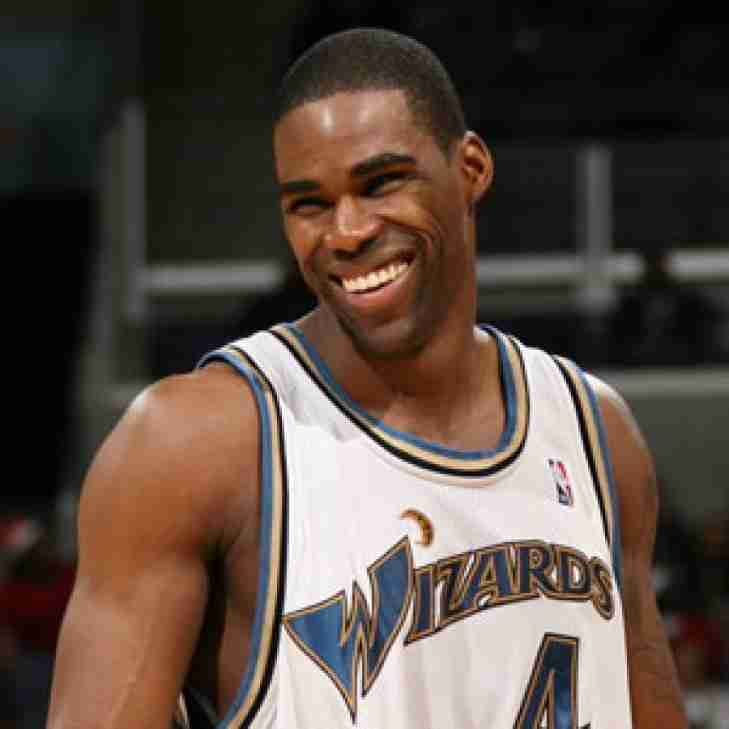
72. Antawn Jamison
29. Rasheed Wallace
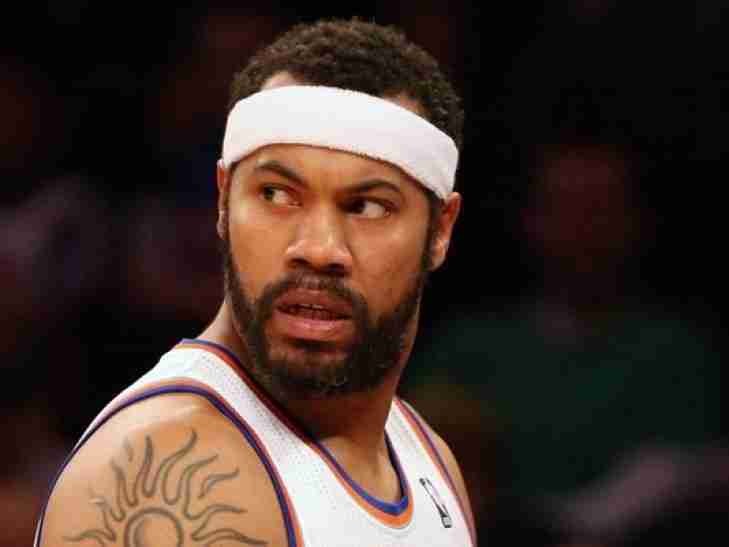
51. Brad Daugherty
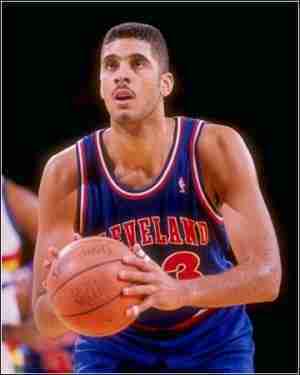
78. Jeff Saturday
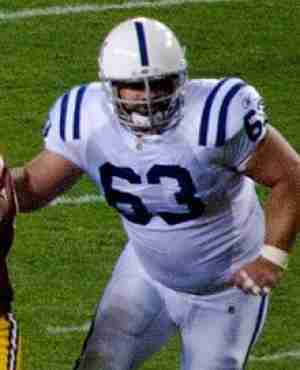
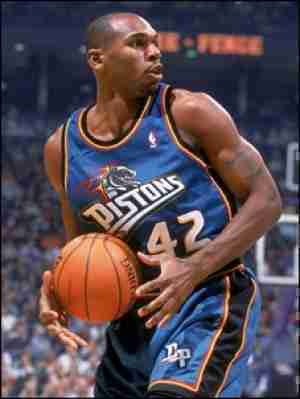
84. Jerry Stackhouse