


Committee Chairman
12. Darin Erstad
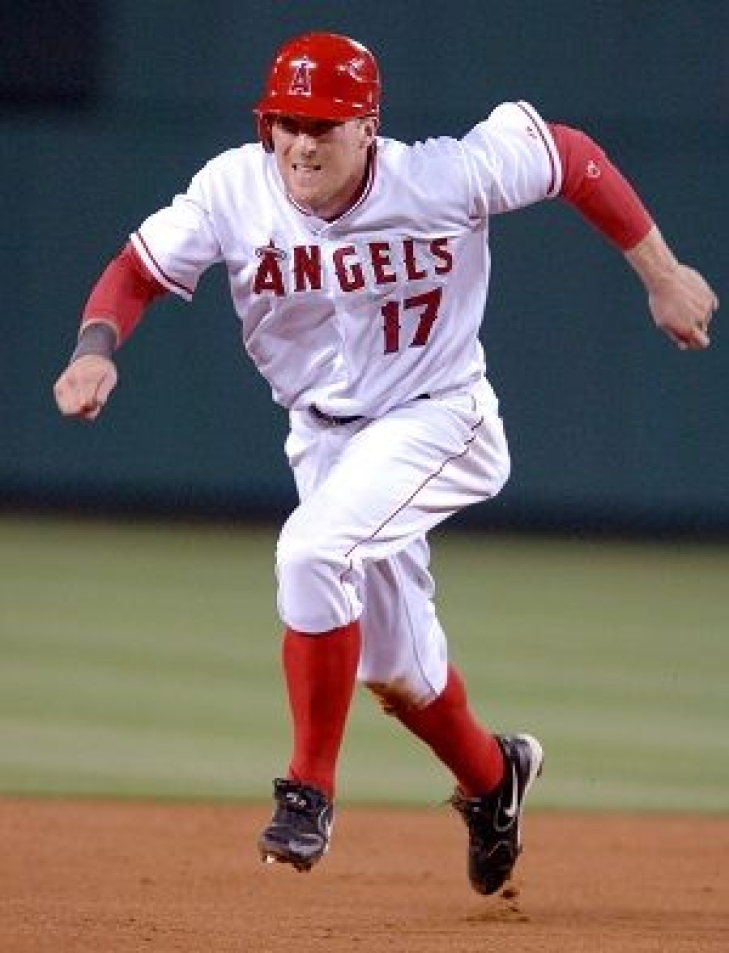
Darin Erstad joined the Anaheim organization as the first overall pick in 1995, a decorated athlete from Nebraska. Debuting just a year later, he functioned as the initial building block for a culture that would eventually define the team's greatest era. For eleven seasons, he covered the grass at Angel Stadium with a high-velocity, reckless style of play that made him the heartbeat of the roster.
Erstad’s impact in a California uniform reached a historic peak during the 2000 campaign, following an early taste of stardom with his first All-Star selection in 1998. That summer, he transitioned into a premier American League force by recording a staggering 240 hits, a franchise record and the highest total in the league that season. He demonstrated a specialized ability to handle any pitch, finishing with a .355 average, 25 home runs, and 100 RBIs. He showed the organization that he was a foundational piece of the lineup, earning his second All-Star nod and finishing eighth in the MVP voting by providing the production required of a modern leadoff threat.
The bulk of his Anaheim years were characterized by elite defensive versatility and a reputation for big-game production. Between 2000 and 2004, Erstad was a statistical force of reliability, becoming the first player in history to win Gold Gloves as both an outfielder and a first baseman. He reached a career peak for high-stakes value during the 2002 postseason, where he recorded 25 hits, including a crucial home run in Game 7 of the World Series, to help secure the first championship in team history. Despite the physical toll of his aggressive, dirt-stained style of play, he remained a model of resilience, recording 170 stolen bases and over 1,500 hits in a Halo uniform after departing for the Chicago White Sox in 2007.
11. Vladimir Guerrero
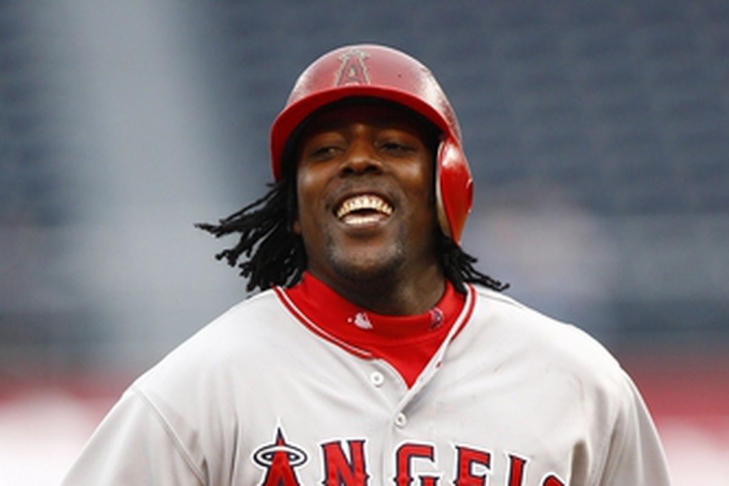
Vladimir Guerrero brought a rare, unbridled energy to Anaheim, joining the Angels in 2004 as the most coveted free agent in the game. His arrival was the result of a somber reality in Montreal, where a cash-strapped Expos franchise was tragically forced to watch its greatest superstar walk away because it simply could not afford to keep him. After establishing a Hall of Fame trajectory in Canada, the Dominican-born outfielder provided the Halos with a high-velocity offensive engine that redefined the organization's ceiling. For six seasons, he patrolled right field with a specialized ability to drive any pitch into the gaps of Angel Stadium, proving that a single superstar could transform a competitive roster into a perennial powerhouse.
Guerrero’s impact was immediate in his debut 2004 campaign. He secured the American League MVP award by batting .337 with 39 home runs and 126 RBIs, a high-frequency display of power and contact that carried the team to a division title. This initial splash signaled a transition from a National League star to the definitive face of the Angels' organization. He showed the front office that he was the foundational piece they had lacked, providing the veteran-like poise and game-breaking talent required to anchor the heart of the order.
The bulk of his Anaheim years were characterized by elite efficiency and a reputation for statistical dominance. Between 2004 and 2007, Guerrero was a statistical force of nature, earning four consecutive All-Star selections and finishing in the top ten of the MVP voting each year. He reached a career peak for reliability during this stretch, never falling below 27 home runs or 108 RBIs in a single season. Despite a free-swinging approach that defied traditional coaching, he remained a model of offensive precision, maintaining a .319 batting average in a Halo uniform. He possessed a focused intensity that made him a nightmare for opposing pitching staffs, famously hitting home runs on pitches that nearly bounced in the dirt.
Guerrero eventually signed with the Texas Rangers following the 2009 season. In 2017, when he was inducted into the Angels Hall of Fame, he was soon followed by his induction into the National Baseball Hall of Fame as the first player to represent the franchise.
9. Bobby Grich
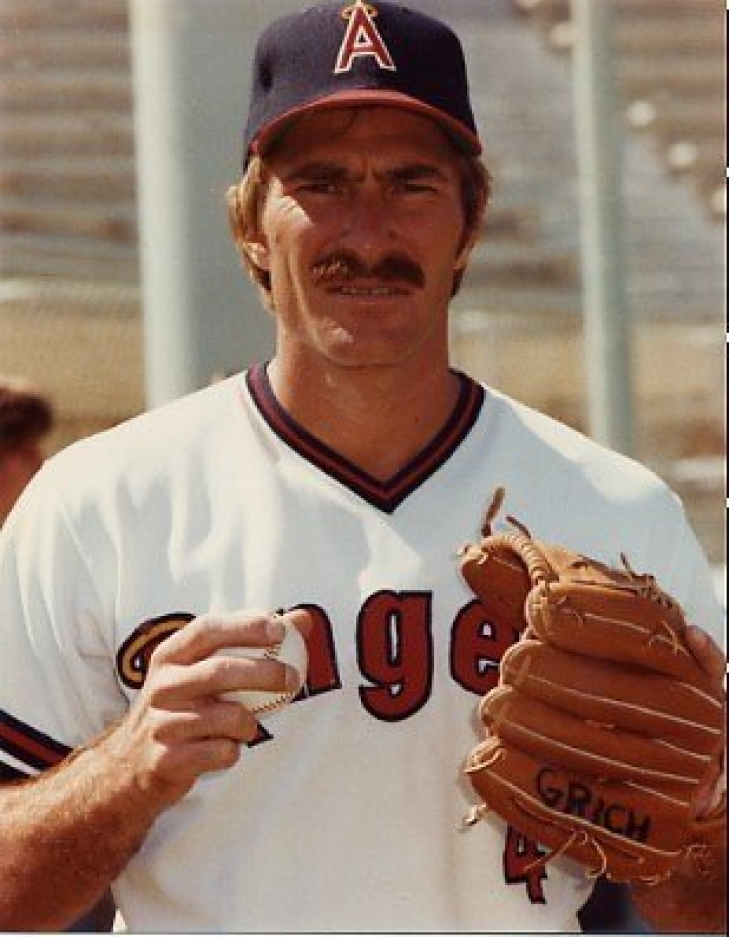
Bobby Grich redefined the expectations for a second baseman in Anaheim, joining the California Angels as a marquee free agent following the 1976 season. For ten years, he anchored the infield with a specialized blend of elite defensive range and a disciplined, high-impact approach at the plate. While he had already established himself as a premier American League force in Baltimore, Grich provided the Angels with a weapon that helped transform the expansion-era club into a perennial contender in the AL West.
Grich’s journey in a California uniform reached a historic peak during the 1979 and 1981 campaigns. After several seasons of steady production, he transitioned into a premier power threat, launching 30 home runs and driving in 101 runs to help lead the Angels to their first-ever division title in 1979. This performance signaled his transition from a defensive specialist to a foundational piece of the team’s core, earning him an eighth-place finish in the MVP voting. He showed the organization that a middle infielder could be a primary source of run production, a rarity in an era that prioritized small-ball at the position.
The bulk of his Anaheim years were characterized by elite efficiency and a reputation for statistical outliers. In the strike-shortened 1981 season, Grich reached a career peak for individual dominance, leading the American League in home runs, slugging percentage, and OPS+. He possessed a focused intensity that allowed him to thrive in high-leverage situations, earning his first Silver Slugger and his sixth career All-Star selection. Despite the physical toll of his aggressive style of play, he remained a model of offensive efficiency, recording 1,103 hits and 154 home runs in a California uniform. He provided the steady-state leadership and veteran-like poise that stabilized the roster through multiple postseason runs.
In 1988, he became the inaugural inductee into the Angels Hall of Fame.
8. Tim Salmon
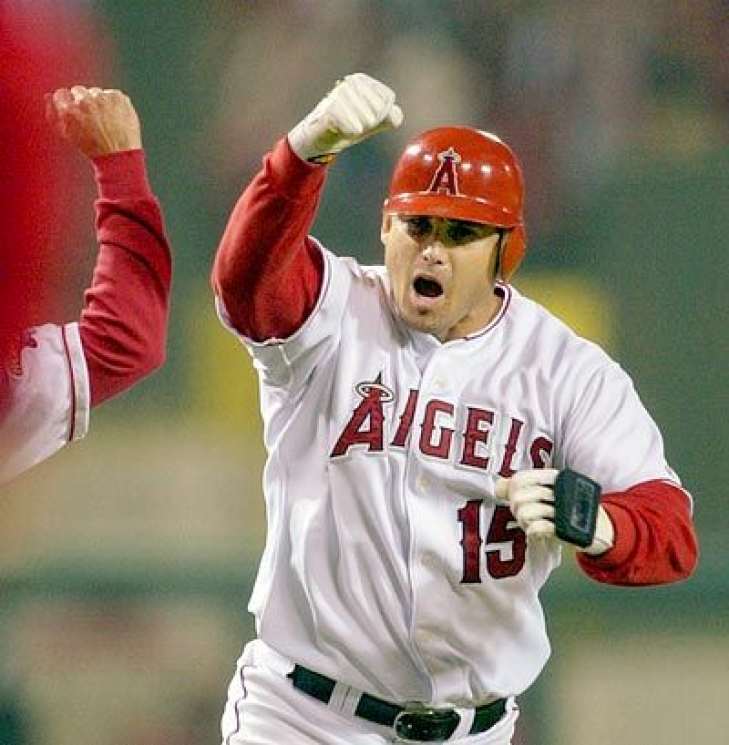
Tim Salmon arrived in Anaheim as a third-round pick who quickly proved he belonged in the heart of the order. For fourteen seasons, he anchored right field with a specialized blend of patience and power, becoming the most productive homegrown hitter in the first half-century of the franchise. While he often flew under the national radar, Salmon provided the Halo with dependability that made him the cornerstone of the lineup during the transition from the California to the Anaheim era.
Salmon’s emergence in Anaheim began with a historic 1993 campaign that set the standard for his entire career. After a brief look the previous September, he took over the starting role and responded with 31 home runs and 95 RBIs, earning the American League Rookie of the Year award in a unanimous vote. This performance signaled a transition from a promising prospect to a premier offensive threat, a style defined by his ability to pair a .283 batting average with a disciplined eye. He showed the organization that he was a foundational piece of the roster, providing a focused intensity that would define his decade-long peak as the most dangerous bat in the clubhouse.
In 1995, he reached a career peak for all-around production, batting .330 with 34 home runs and winning a Silver Slugger. He followed this with a run of consistency that saw him reach the 30-homer milestone five times and drive in at least 100 runs in two separate seasons. Even as the team cycled through different managers and rosters, Salmon remained a statistical force, finishing his career with eight seasons of a .500 slugging percentage or better. He possessed a specialized ability to drive the ball to all fields, maintaining a career on-base percentage of .385 that reflected his mastery of the strike zone.
Everything culminated in the historic 2002 postseason, where Salmon served as the emotional lead-off for the franchise’s first World Series title. In the twilight of his journey, he provided the veteran-like poise required for a championship run, famously hitting two home runs in a crucial Game 2 victory against San Francisco. He continued to contribute until his retirement following the 2006 season, leaving the game as a rare lifer who spent his entire professional life in one uniform. He exited with 299 home runs and 1,016 RBIs, a statistical footprint that made him the club's all-time leader in nearly every major offensive category at the time of his departure.
In 2015, he was inducted into the Angels Hall of Fame.