
Baseball
Established in 1936, and currently based in Cooperstown, New York, the Baseball Hall of Fame may be the most prestigious of any Sports Hall of Fame. Although Baseball may have taken a backseat to Football in recent years, there is no doubt that Baseball’s version of the Hall of Fame is by far the most relevant and the most difficult to get enshrined in. At present, a player has to receive seventy five percent of the votes from the Baseball Writers Association of America, which has proven to be no easy task. Failing that, a player could be inducted by the Veterans committee, though few have been inducted this way. Our list will focus on the players only, and although we could easily do a tally focusing on mangers, broadcasters or other vital personnel, as always it is far more enjoyable to discuss the merits of those on the field as oppose to those off of it.Until Then, Let’s get some peanuts and cracker jacks and cast some votes of our own!
Sincerely,
The Not in Hall of Committee.
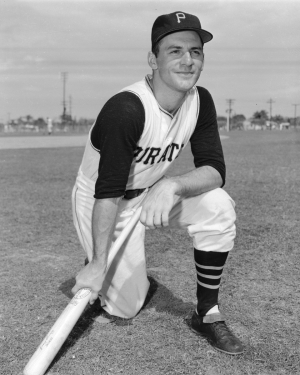
Dick Groat was one of the greatest college athletes ever at Duke University, where he was so good at both basketball and baseball that he is in both sports’ collegiate Halls of Fame. Professionally, Groat opted to play baseball…well, at first anyway. Groat signed with the Pirates after his stint with the Blue Devils, and he went straight to the parent club rather than the minors. Groat was the second runner-up for the National League Rookie of the Year in 1952, but he missed all of 1953 and 1954 as he was in the military. The Shortstop returned in 1955, and he proved…
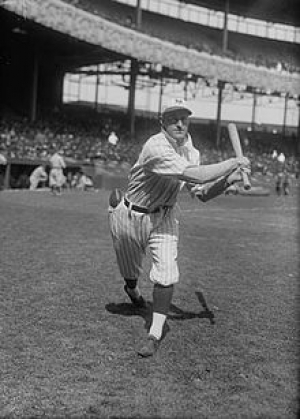
Art Fletcher made his way to the Major Leagues in 1909, where the Shortstop landed with the New York Giants. Two years later, he was their starter, and he would be one of the best defensive players of the 1910s.
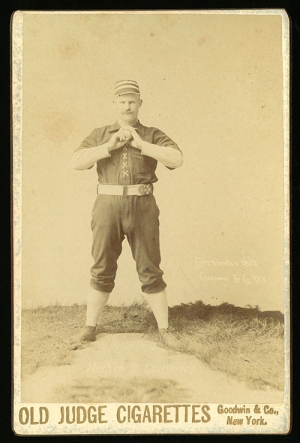
Guy Hecker was one of the best-hitting pitchers in baseball history, but because he played in the 1880s, he is one of the game's better-forgotten hurlers. Hecker debuted for the Louisville Colonels of the American Association in 1882, and from 1883 to 1886, he won at least 25 Games, including a 52 Win season in 1884. That was the season where he also led the AA in ERA (1.80), Games Pitched (75), Innings Pitched (670.2), ERA+ (171), and WHIP (0.868). This was the best season of Hecker's life, and as you can imagine, with that kind of workload, his arm would suffer…
Eddie Rommel played his entire 13-year playing career with the Philadelphia Athletics (1920-32), where he became one of the first masters of the knuckleball. After Rommel’s rookie year, he would become a workhorse for the Athletics, leading the American League in Wins twice (1922 & 1925) and Games Pitched (1922 & 1923). His best year was in 1922, when he went 27-13 with a 3.28 ERA and a second-place finish in MVP voting. Philadelphia became an AL power by the end of the decade, but by that time, Rommel was no longer the same Pitcher. He would, however, come out of relief to…
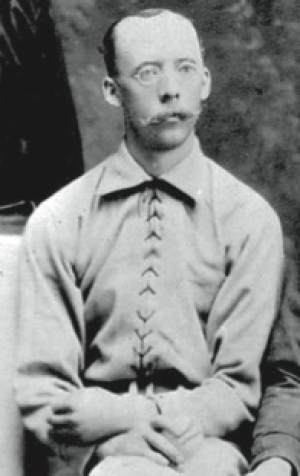
We are going to need a history lesson to start this one. Will White was a member of the original Cincinnati Reds in the National League and played there for three seasons before the team was expelled from the NL after its owner refused to stop selling beer. White would sign with the Detroit Wolverines for a year but returned to Cincinnati when they got a team in the American Association in 1881 (Cincinnati Red Stockings). That team evolved into the Reds, and the original Reds are not part of the canon that is recognized by Major League Baseball, which is pretty…
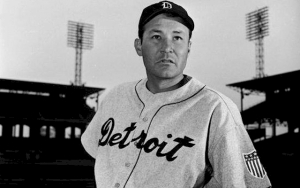
Rudy York was best known for his time with the Detroit Tigers, where he had his greatest success. York had a cup of coffee with Detroit in 1934, and he returned to stay in 1937, with a 35-home-run year, which would be a career high. Eighteen of those taters took place in a month, breaking Babe Ruth’s record. York continued to blast homers, winning the Home Run Title with 34 in 1943, while also leading the American League in Runs Batted In (118). York finished third in MVP voting that year, and he had eight other seasons where he received an MVP vote. …
TOURS: TRUIST PARK
Oct 05, 2026
Buy your Tickets to see Tours: Truist Park HERE!
NEW YORK YANKEES AT TAMPA BAY RAYS: ALDS (HOME GAME 2)
Oct 06, 2026
Buy your Tickets to see New York Yankees at Tampa Bay Rays: ALDS (Home Game 2) HERE!
CLASSIC TOUR AT YANKEE STADIUM
Jan 01, 1970
Buy your Tickets to see Classic Tour at Yankee Stadium HERE!
TOURS: TRUIST PARK
Oct 06, 2026
Buy your Tickets to see Tours: Truist Park HERE!
From rural Oklahoma, Harry Brecheen took a while to make his mark in the Majors. At age 25, Brecheen had a cup of coffee with the St. Louis Cardinals in 1940m, but he wasn't able to make his mark with that opportunity. The southpaw would, however, emerge in 1943, and while the Majors were depleted due to World War II, he made the most of this circumstance. Brecheen came of age in 1944, winning 16 Games against 5 Losses, and helping the Redbirds win the National League Pennant. The Oklahoman won a Game in that year’s World Series, which would see St.…
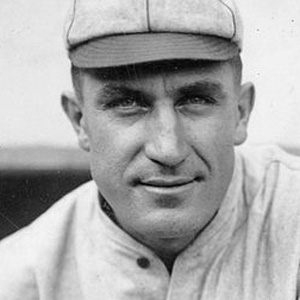
Ed Konetchy’s Major League career began in St. Louis in 1907, and the First Baseman would show remarkable consistency in the National League. Konetchy played for the Cardinals from 1907 to 1913, had two .300 seasons, and led the NL in Doubles in 1911 (38). He was traded to the Pittsburgh Pirates in 1914, but that stay was only one year, as he was one of the many players to bolt for the short-lived Federal League, playing one season for the Pittsburgh Rebels. Konetchy came back to the NL, playing for Brooklyn, again providing plenty of Hits and above-average defense at…
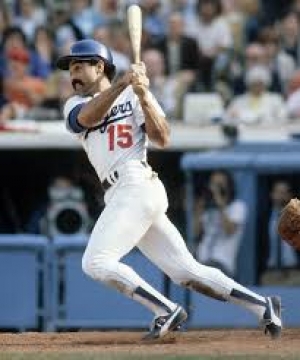
Davey Lopes made his first appearance in the Majors with the Los Angeles Dodgers in 1972, where the Second Baseman would quietly showcase himself as one of the better infielders of the decade. Lopes and the Dodgers were a team on the rise, and he helped them reach the Fall Classic twice in the 70s. From 1973 to 1979, the speedster had at least 36 Stolen Bases, leading the National League in that statistic in '75 and '76. In 1978, Lopes was named to the All-Star Team and would be again the next three seasons. While Lopes was not considered a power hitter,…
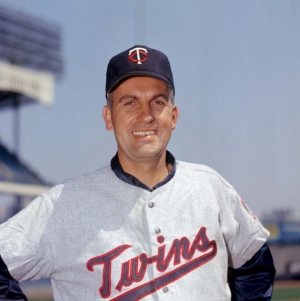
The older brother of Hall of Famer Gaylord Perry, Jim Perry, was an outstanding hurler worthy of consideration in his own right. Perry first appeared in the Majors in 1959 with the Cleveland Indians, where, after a 12-10 and 2.65 ERA year, he was the runner-up for the American League Rookie of the Year. Perry led the AL in Wins in 1960 (18) and was an All-Star the season after, but he slumped afterward and was traded to the Minnesota Twins during the 1963 Season. The elder Perry did better in Minnesota, helping the Twins win the Pennant in 1965, and…
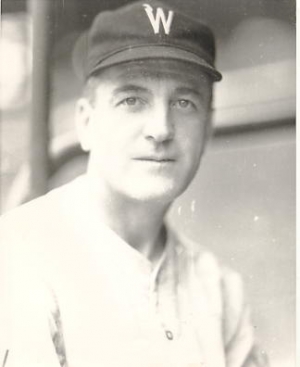
Joe Judge played the vast majority of his career with the Washington Senators, where he was one of the best First Baseman of the American League during his era. Judge debuted for the Washington Senators in 1915, and two years later, he was cemented as the starter at First for the Sens. Judge would regularly collect Hits, and as a Senator, he had nine .300-plus seasons. The First Baseman helped lead Washington to their first World Series win in franchise history, and he would amass 2,352 Hits and a .298 Batting Average over his career.
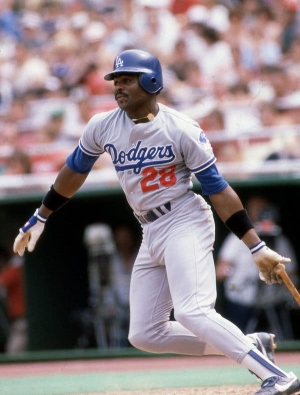
From the Dominican Republic, Pedro Guerrero brought his bat to the National League, playing mostly with the Los Angeles Dodgers.
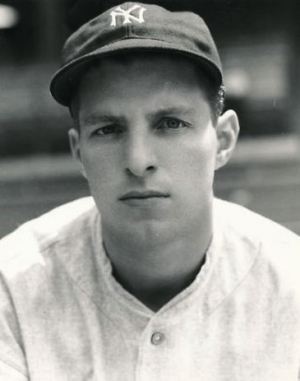
Tommy Henrich is a part of the folklore of the New York Yankees, but with the legends that the Bronx Bombers have had, sometimes “Old Reliable” gets lost in the shuffle. Henrich played his entire career in New York, first debuting in 1937, and helping them in the 1938 World Series win. His breakout year was in 1941 when he had 31 Home Runs and won another World Series Championship. Henrich was one of the many who lost time in baseball due to his participation in World War II, and he lost three years, but he came back to have the best…
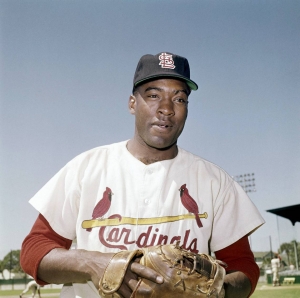
Bill White began his career with the New York Giants in 1956m, but it was not until he made it to St. Louis in 1959 where his career began to take off.
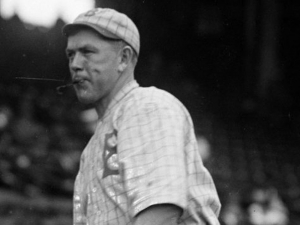
Nap Rucker played an even ten seasons with Brooklyn (1907-16), back when the franchise had intriguing team names like the Superbas and the Robins.
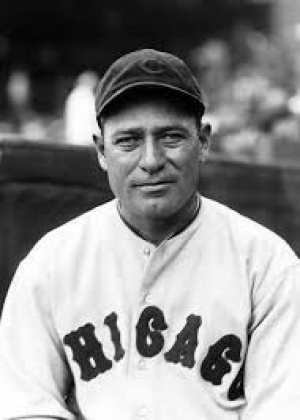
Charlie Root played 27 Games for the St. Louis Brown in 1923, but it was not impressive, as he had a record of 0-4 with a 5.70 ERA. It was three seasons later before Root made the Majors again, but when he did, he made it count.
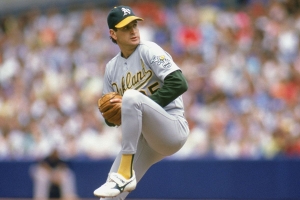
Bob Welch split his career between two California teams, the Los Angeles Dodgers and the Oakland Athletics, and he brought success to both of those squads.
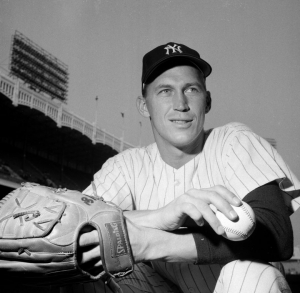
Mel Stottlemyre is known more for his work as a Pitching Coach for the New York Yankees, where he won four World Series Rings, after winning one with the Mets. This was impressive, but it should not overshadow what he was as a player.
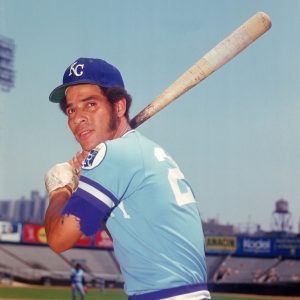
Amos Otis had his share of drug problems that likely held his career back, but this should not overshadow a very successful Major League career.
