

RIP: Dick Groat
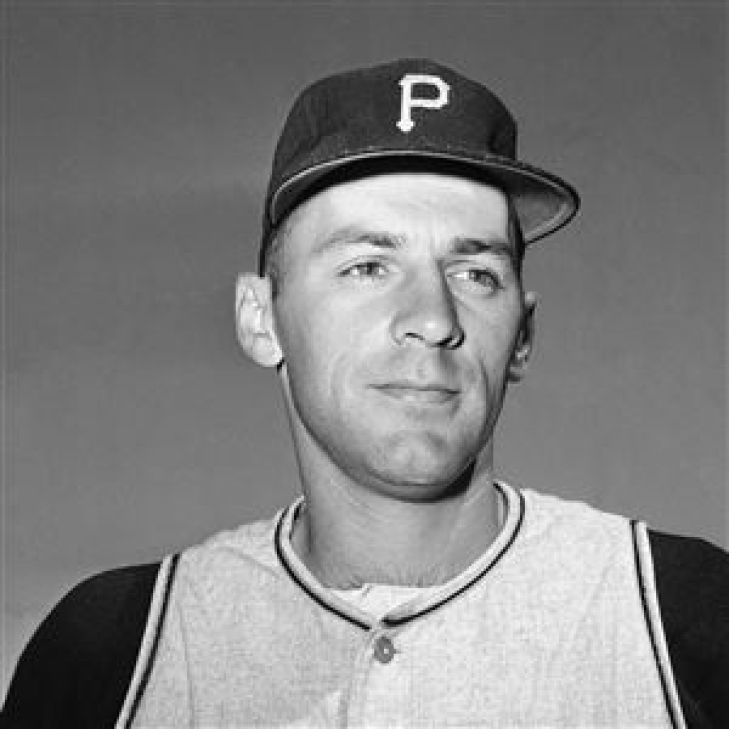
Days after the Pittsburgh Pirates announced him as a member of their 2023 Hall of Fame Class, former Shortstop, Dick Groat, passed away at the age of 92.
Groat was one of the greatest college athletes ever at Duke University, where he was so good at both basketball and baseball that he is in both of those sports colligate Halls of Fame. Professionally, Groat opted to play baseball…well at first anyway.
Groat signed with the Pirates after his stint with the Blue Devils, and he went straight to the parent club as opposed to going to the minors. Groat was the second runner-up for the National League Rookie of the Year in 1952, but he missed all sports as he was in the military for the next two seasons. The Shortstop returned in 1955, and he proved to be one of the best defensive infielders in the National League, finishing in the top ten in Defensive bWAR seven times. Groat was a decent enough hitter, batting at least .300 three times with the Pirates, including a .325 season in 1960 where he won the Batting Title, but that would not be all he captured that season.
1960 was a dream season for Groat, who also was named the National League MVP, and had career-highs not only in Batting Average but in On Base Percentage (.371). The Shortstop helped lead the Pirates to win the World Series that year, capping off Groat's ultimate year.
After the 1962 Season, Groat was traded to the St. Louis Cardinals, and in his first year there, he had a personal best of 201 Hits with 43 Doubles, which led the NL. He batted .319 that year and was second in MVP voting. After two more good years in St. Louis, he was traded to Philadelphia and would close his career in 1967 with a brief stint with the San Francisco Giants.
Groat would accumulate 2,138 Hits with a .286 lifetime Batting Average, and was an All-Star in five of his seasons, three with Pittsburgh and two with St. Louis.
We here at Notinhalloffame.com would like to extend our condolences to the fans, family and friends of Dick Groat.
The Pittsburgh Pirates announce four members for the 2023 Class
Regular visitors of Notinhalloffame.com know that we are slowly working on the top 50 of every major team in the NHL, NBA, NFL and MLB. Once that is done, we intend to look at how each team honor their past players, coaches and executives. As such, it is important to us that the Pittsburgh Pirates have announced the second class for their franchise Hall of Fame.
Last year, the Pirates enshrined 19 former greats into their inaugural class, and we now have four former players; Dick Groat, Bob Friend, Elroy Face and Kent Tekulve will be joining them.
Groat played for Pittsburgh for nine years (1952 & 1955-62), and the Shortstop won the 1960 National League MVP in a year he anchored them to a World Series while individually winning a Batting Title. An All-Star six times with Pittsburgh, he batted .290 with 1,435 Hits for the team.
Face played for the Pirates for 15 seasons (1953 & 1955-68), where the pitcher’s career was instrumental in discussing the evolution of relief Pitching. A member of Pittsburgh’s 1960 World Series Champions, Face led the NL in Saves three times, Games Finished four times and was a six-time All-Star. He compiled 186 Saves with a 100-93 Record for the Pirates.
Friend was also a key member of Pittsburgh’s 1960 World Series squad. The Starting Pitcher went to four All-Star Games, won the 1955 ERA Title, and played 15 of his 16 Years with the Pirates. He has a record of 191-128 and 1,682 Strikeouts with Pittsburgh.
Tekulve was Pittsburgh’s closer during their 1979 World Series win. The bespectacled hurler had 158 Saves and 470 Games Finished for the Pirates.
The four players will be officially inducted in a pre-game ceremony on August 26 before their game against the Chicago Cubs.
We here at Notinhalloffame.com would like to congratulate the newest members of the Pittsburgh Pirates for earning this impending honor.
35. Dick Groat
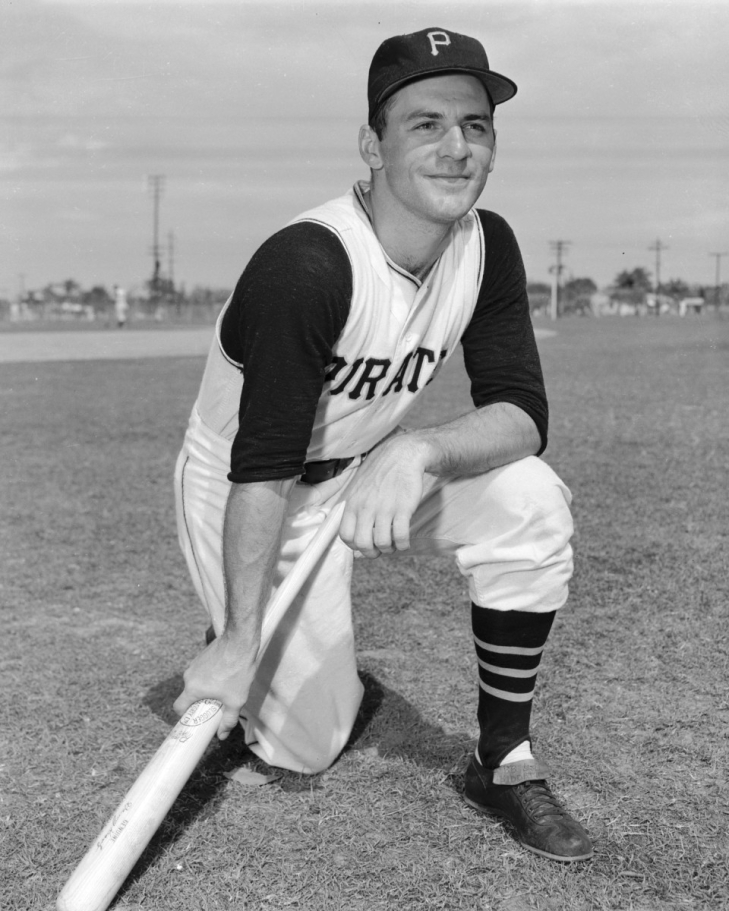
Achieving excellence at the top level of a single sport is rare, but excelling in two vastly different athletic fields requires a unique kind of talent. Richard Morrow Groat exemplified this multi-sport mastery. At Duke University, this talented athlete excelled in both basketball and baseball for several years, setting scoring records in basketball and dominating opposing pitchers in baseball. His exceptional talent led him to become the first athlete inducted into both the College Basketball and College Baseball Halls of Fame. Although he briefly played a season in the NBA with the Fort Wayne Pistons, he ultimately focused on baseball, a choice that significantly impacted Pittsburgh's baseball scene.
He made his major league debut before the 1952 season, quickly demonstrating his top-tier talent and finishing third in the National League Rookie of the Year voting. However, as his career started to gain momentum, Groat had to pause for two years to serve in the military. He returned to the club full-time for the 1955 campaign, instantly anchoring the shortstop position and turning middle-infield stability into an absolute regular-season routine.
While he lacked explosive, over-the-fence power, Groat weaponized an incredibly short, right-handed contact stroke and peerless internal clock, developing into the ultimate table-setter and clubhouse leader for manager Danny Murtaugh. The peak of his national fame and extraordinary efficiency came together during the unforgettable 1960 world championship run. Groat delivered a remarkable display of skill in clutch situations, winning the National League batting title with a superb .325 average that energized the entire offense.
Focusing only on Groat’s offensive stats ignores a significant part of his contributions; he was a defensive genius, leading the entire Senior Circuit with a top-tier 2.6 defensive bWAR. He achieved this by masterfully positioning himself and utilizing keen spatial awareness to shut down opponents’ running threats. His versatile mastery earned him the National League Most Valuable Player award, culminating in his remarkable season where he helped the Bucs secure a memorable seven-game World Series victory against the formidable New York Yankees.
A five-time All-Star, Groat was traded to St. Louis after the 1962 campaign, where he would later win another World Series Championship. With Pittsburgh, Groat batted .290 with 1,435 hits.
229. Dick Groat
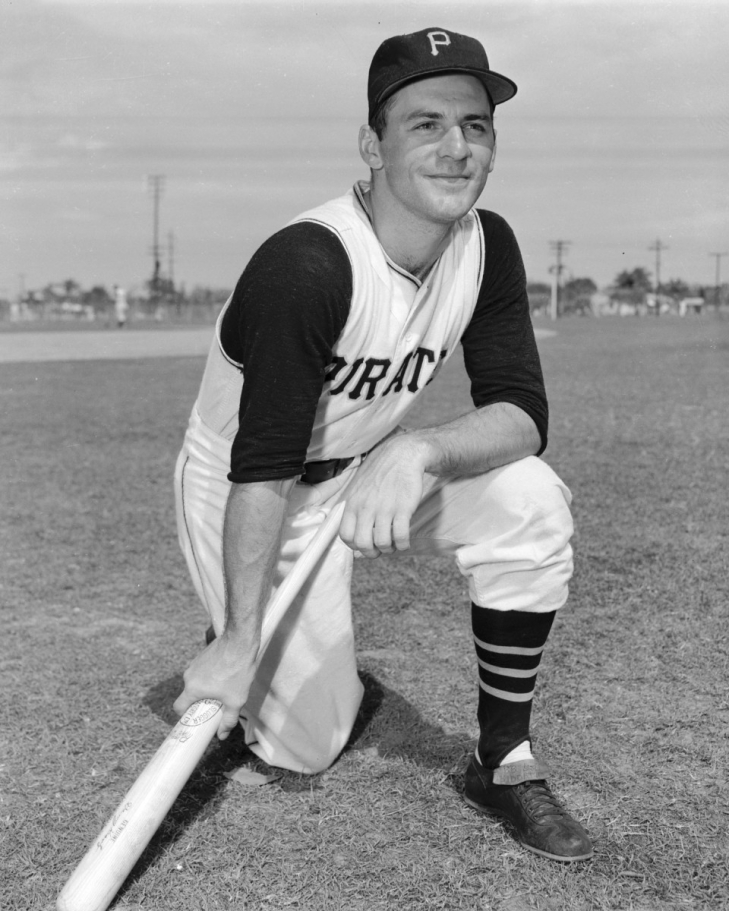
Dick Groat was one of the greatest college athletes ever at Duke University, where he was so good at both basketball and baseball that he is in both sports’ collegiate Halls of Fame. Professionally, Groat opted to play baseball…well, at first anyway.
Groat signed with the Pirates after his stint with the Blue Devils, and he went straight to the parent club rather than the minors. Groat was the second runner-up for the National League Rookie of the Year in 1952, but he missed all of 1953 and 1954 as he was in the military. The Shortstop returned in 1955, and he proved to be one of the best defensive infielders in the National League, finishing in the top ten in Defensive bWAR seven times. Groat was a decent enough hitter, batting at least .300 three times with the Pirates, including a .325 season in 1960, where he won the Batting Title, but that would not be all he captured that season.
1960 was a dream season for Groat, who was also named the National League MVP, and had career-highs not only in Batting Average but in On Base Percentage (.371). The Shortstop helped lead the Pirates to win the World Series that year, capping off Groat's ultimate year.
After the 1962 Season, Groat was traded to the St. Louis Cardinals, and in his first year there, he set a personal best with 201 Hits and 43 Doubles, which led the NL. He batted .319 that year and was second in MVP voting. After two more good years in St. Louis, he was traded to Philadelphia and would close his career in 1967 with a brief stint with the San Francisco Giants.
Groat would accumulate 2,138 Hits with a .286 lifetime Batting Average, and was an All-Star in five of his seasons, three with Pittsburgh and two with St. Louis.
