


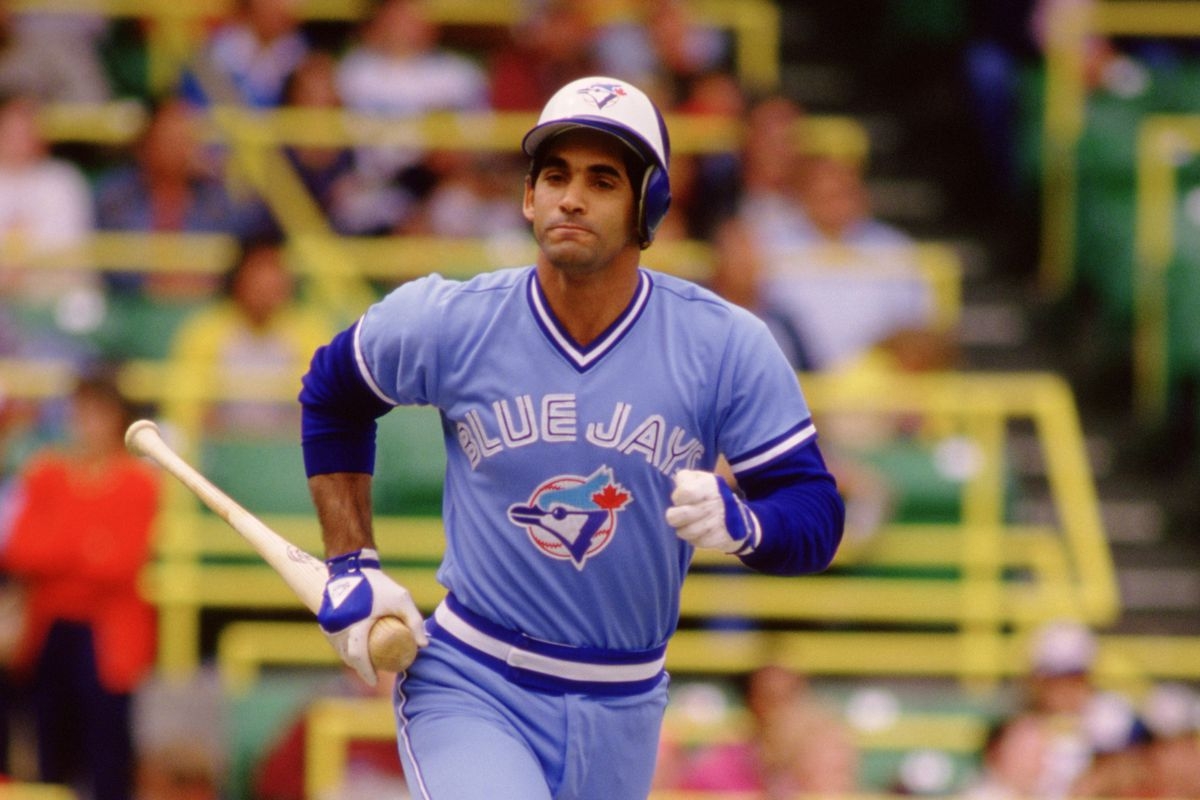




For a generation of Toronto baseball fans navigating the early, expansion-era struggles of the franchise, Dámaso García represented the first real spark of excitement in the middle infield. Acquired from the New York Yankees in November 1979 alongside Alfredo Griffin, García brought a dynamic energy to Exhibition Stadium. While the team was still trying to find its footing in the American League East, his quick hands and baseline speed gave the Toronto faithful an immediate fan favorite to rally behind.
His debut 1980 campaign as a full-time player showcased rookie efficiency. Skipping lengthy adjustment phases, García amassed 151 hits, hit 30 doubles, and posted a solid .278 average, finishing fourth in the AL Rookie of the Year vote.
That early showcase brilliantly laid the groundwork for an outstanding peak in 1982 under manager Bobby Cox. Moving to the leadoff position, García overwhelmed opposing pitchers with a smooth, level right-handed swing, achieving a career-best .310 batting average. He utilized his exceptional athletic instincts to intimidate catchers, stealing an impressive 54 bases—second in the league only after Rickey Henderson—and set franchise records for hits (185) and runs scored (89), earning the American League Silver Slugger Award. He continued this strong performance in 1983, maintaining his clutch hitting with a .307 average and 31 steals, solidifying the top of Toronto's rising lineup.
As the Blue Jays became serious AL contenders, García’s consistent performance in the regular season earned him consecutive All-Star selections in 1984 and 1985. Although his season-ending batting averages were slightly below .300 (.284 and .282), he continued to be a top-tier table-setter, contributing an impressive 46 stolen bases in 1984. His efforts played a key role in Toronto's milestone, making their first-ever postseason appearance in 1985.
The good times quickly unraveled during a disastrous 1986 season. García struggled significantly and became deeply frustrated with his diminished role under new manager Jimy Williams, who moved him to the ninth spot in the batting order. In a moment of intense emotion, García notoriously burned his own uniform in a clubhouse trash can to try to break an unlucky streak. This reckless act provoked Williams’s immediate and harsh reprimand, with the manager publicly lambasting him. Unable to recover from his slump or repair their strained relationship, García made an abrupt exit by getting traded to the Atlanta Braves that winter.
With the Blue Jays, García tabulated 1,028 hits, 180 doubles, 32 home runs, and 296 RBIs while swiping 194 bases and scoring 483 runs. He generated a .283/.312/.378 slash line for the squad.

Comments powered by CComment