

Our All Time Top 50 Texas Rangers have been revised to reflect the 2025 season

Yes, we know that this is taking a while!
As many of you know, we at Notinhalloffame.com are slowly generating the top 50 of each major North American sports team. That being said, we maintain and update our existing Top 50 lists annually. As such, we are delighted to present our pre-2025/26 revision of our top 50 Texas Rangers.
As for all of our top 50 players in baseball, we look at the following:
1. Advanced Statistics.
2. Traditional statistics and how they finished in Major League Baseball.
3. Playoff accomplishments.
4. Their overall impact on the team and other intangibles that are not reflected in a stat sheet.
Last year, the Rangers finished third in the American League West with an even 81-81 record, which was not good enough for a playoff spot. There were no new entrants, but three players were elevated among the active players.
As always, we present our top five, which saw changes due to the new algorithm.
1. Ivan Rodriguez
2. Rafael Palmeiro
3. Juan González
4. Adrian Beltre
5. Michael Young
You can find the entire list here.
Within the top five, the new algorithm saw Juan González and Adrián Beltre flip the #3 and #4 spots. Michael Young also jumped into the top five. He was previously ranked at #7.
Shortstop Corey Seager moved from #23 to #16.
Infielder Marcus Semien, now a New York Met, climbed from #25 to #21.
Adolis Garcia jumped up ten spots to #25.
Greg Vaughn and Steven Souza Jr. fell off the list.
We thank you for your continued support of our lists on Notinhalloffame.com.
Our All Time Top 50 Texas Rangers have been revised to reflect the 2024 Season.
Yes, we know that this is taking a while!
As many of you know, we at Notinhalloffame.com are slowly generating the top 50 of each major North American sports team. That being said, we have existing Top 50 lists and consistently look to update them when necessary and based on necessity. As such, we are delighted to present our post-2024 revision of our top 50 Texas Rangers.
As for all of our top 50 players in baseball, we look at the following:
1. Advanced Statistics.
2. Traditional statistics and how they finished in the American League.
3. Playoff accomplishments.
4. Their overall impact on the team and other intangibles that are not reflected in a stat sheet.
Please note that our algorithm has changed, which yielded minor changes throughout the baseball lists.
Last year, the Rangers went 78-84, and failed to build on their previous World Series win. There were no new additions, but two significant elevations.
As always, we present our top five, which saw one change based on the new algorithm.
5. Buddy Bell
You can find the entire list here.
Within the top five, Beltre went past Gonzalez for #3 and Bell reached this elite group from #7. Both changes were based on the new calculations.
Corey Seager advanced to #23 from #28.
Marcus Semien climbed to #25 from #36.
Notably, Adolis Garcia did not advance from #35.
We thank you for your continued support of our lists on Notinhalloffame.com.
Our All-Time Top 50 Texas Rangers have been updated to reflect the 2023 Season
Yes, we know that this is taking a while!
As many of you know, we here at Notinhalloffame.com are slowly generating the top 50 of each major North American sports team. That being said, we have existing Top 50 lists out, and we always consistently look to update them when we can and based on necessity. As such, we are very happy to present our post-2022/23 revision of our top 50 Texas Rangers.
As for all of our top 50 players in baseball, we look at the following:
1. Advanced Statistics.
2. Traditional statistics and how they finished in Major League Baseball.
3. Playoff accomplishments.
4. Their overall impact on the team and other intangibles that are not reflected in a stat sheet.
Last year, very few expected the Rangers to make the playoffs, let alone win the World Series, but they shocked the world and won it all. This led to three new entrants and one elevation.
As always, we present our top five, which saw no changes.
5. Frank Howard
You can find the entire list here.
The first of the three new entrants is Shortstop Corey Seager, who was the World Series MVP and an All-MLB 1 Selection in 2023.
Outfielder and two-time All-Star Adolis Garcia makes his first appearance at #35.
Second Baseman Marcus Semien is the last new entry, debuting at #36. Like Seager, He was also an All-MLB 1 Selection in 2023.
The only elevation was Pitcher Martin Perez, who advanced two spots to #43.
As always, we thank you for your support, and look for more revisions in the future.
Our All-Time Top 50 Texas Rangers have been revised to reflect the 2022 Season
Yes, we know that this is taking a while!
As many of you know, we here at Notinhalloffame.com are slowly generating the 50 of each major North American sports team. That being said, we have existing Top 50 lists out and we always consistently look to update them when we can and based on necessity. As such, we are very happy to present our post 2021 revision of our top Texas Rangers.
As for all of our top 50 players in basketball we look at the following:
1. Advanced Statistics.
2. Traditional statistics and how they finished in the American League.
3. Playoff accomplishments.
4. Their overall impact on the team and other intangibles not reflected in a stat sheet.
Last year, Texas signed some talent, but was not able to do much in regards to the standings and were basement dwellers. There was a returnee, that allowed a new entrant to the Top 50, but that did not impact the upper tier.
As always, we present our top five, which was not impacted by last season:
5. Frank Howard
You can find the entire list here.
The only new entrant on the list is All-Star and Starting Pitcher, Martin Perez, who debuts at #45.
We welcome your input and comments and as always, we thank you for your support.
Our Top 50 All-Time Texas Rangers has been revised
Yes, we know that this is taking a while!
As many of you know, we here at Notinhalloffame.com are slowly generating the 50 of each major North American sports team. That being said, we have existing Top 50 lists out and we always consistently look to update them when we can and based on necessity. As such, we are very happy to present the first revision of our top 50 Texas Rangers of all-time.
As for all of our top 50 players in baseball we look at the following:
- Advanced Statistics.
- Traditional statistics and how they finished in the American League.
- Playoff accomplishments.
- Their overall impact on the team and other intangibles not reflected in a stat sheet.
Remember, this is ONLY based on what a player does on that particular team and not what he accomplished elsewhere and also note that we have placed an increased importance on the first two categories, which has altered the rankings considerably.
This list is updated up until the end of the 2018 Season.
The complete list can be found here, but as always we announce our top five in this article. They are:
There is a significant shift in many of the players and a few new ones based on shuffling of the metrics we have used for our Top 50s.
As always we thank you for your support.Baseball HOF Weekend!
Perhaps it is because the induction of Jeff Bagwell after seven years was finally was chosen, likely forced to wait for the Hall due to PED suspicion.
Maybe it is more due to Ivan Rodriguez getting in on his first ballot. While I-Rod never tested positive for Performance Enhancing Drugs, Jose Canseco named him as someone who he injected personally. Regardless of whether that is true or not, Pudge is regarded by many as the greatest Catcher of all time by many pundits and the admission of both Bagwell and Rodriguez to the Baseball Hall of Fame suggests a sway in popular opinion as to how the PED era is looked upon, which should open the door for names such as...well…you know the names.
Maybe the satisfaction is that on his final year of eligibility Tim Raines got in after it looked like he may have to wait for a Veterans Committee Selection that are rarely doled out.
This year just feels right.
As expected, the speeches from this trio were emotional and focused on family and teammates.
Rodriguez was particularly teary eyed when he looked at his father and exclaimed “If I’m a Hall of Famer, you’re a Hall of Famer – double.” Pudge’s speech went back forth in Spanish and English much to the delight of the many Puerto Rican fans who made the trip. Only Johnny Bench made the Hall in his first try as a Catcher and fittingly he was on the dais as Rodriguez was enshrined.
The very humble Jeff Bagwell also thanked his family and in typical fashion talked about how he “wanted to score for my team and for (his) other players”. There were a slew of Astros fans present to welcome Bagwell to the Hall to join his teammate, Craig Biggio. Bagwell is sixth overall in JAWS amongst all First Basemen.
The long awaited induction of Tim Raines saw busloads of fans from Canada who are likely witnessing the last player to go in as a Montreal Expo. Raines thanked three Hall of Famers for being a positive influence on his career, Andre Dawson, George Brett and Rickey Henderson.
Not to be forgotten is that former Baseball Commissioner Bud Selig also took his place amongst the immortals. Ironically Selig presided over the PED era thus convincing some Hall of Fame voters to overlook the Suspected and confirmed PED users.
We here at Notinhalloffame.com would like to congratulate this year’s class. Our Baseball list for the next class is already up.
Frank Thomas softening his HOF stance towards the PED users
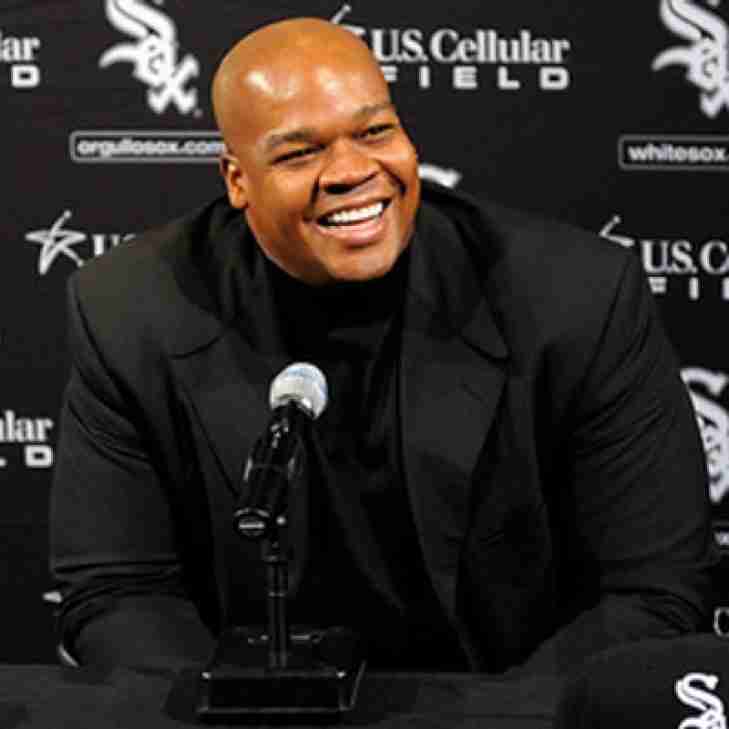
Ivan Rodriguez, Jeff Bagwell and Tim Raines were selected for Cooperstown this year, and Thomas is not overly thrilled with two of them anyway:
“We have two great players going in (this year) and they know. It's no secret. If they didn't do it they would be stomping and kicking on interviews, 'I didn't do it.'
If you didn't, you come to the forefront, 'Let's take a lie detector test," and these guys won't do it. Some of these guys were great players, but they wouldn't have been great players without drugs."
Thomas did not use Rodriguez and Bagwell by name, but it was clear that these were the two players he was speaking of.
Rodriguez, who enter the Hall on his first year of eligibility was named in Jose Canseco’s book, “Juiced” as someone who he personally injected with PEDs has been someone who many have speculated (though never proven) to be a PED user. Bagwell has also been accused by some, but again, never proven.
While Frank Thomas is “not happy” that Bagwell and Rodriguez are inducted, he now has developed an “all or nothing” attitude in regards to higher profile PED suspected users:
“Now some guys are getting passes and some guys are not. It's wrong. If you're going to punish Barry Bonds and Sammy Sosa and Roger Clemens, how can you let the rest of these guys get in?
Either you let all those guys in and put them in a special wing or you clean it up and keep everybody out."
Based on hard line stance that Frank Thomas has taken in the past towards PED users in the Baseball Hall, this is practically a 180, or at least an acknowledgement of the era itself.
This coincides with many writers relaxing their stance on the PED users, especially with Bud Selig selected as a Today’s Game inductee. Those writers claim that the PED rise and subsequent ignoring of it for years happened under Bud Selig’s watch.
For what it is worth, Thomas doe support the induction of Pete Rose to the Hall and was excited with the selection of Tim Raines to Cooperstown.
Who will be the next Baseball Hall of Famer to come out in support, or against these former players? We know it won’t take long to find out!
The Texas Rangers to retire Ivan Rodriguez' number
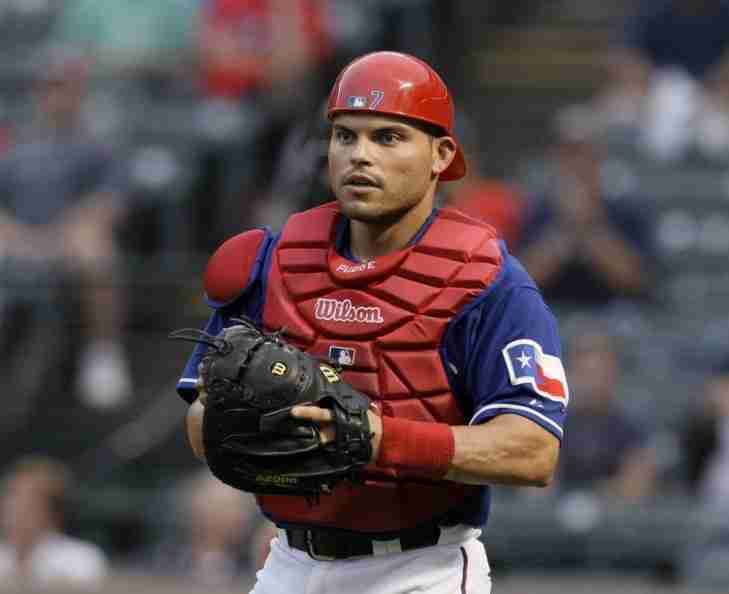
As such, it is of news to us that the Texas Rangers will be retiring the number of former Catcher, and now Hall of Famer, Ivan “Pudge” Rodriguez. This announcement follows Rodriguez’ selection to the Baseball Hall of Fame.
The Rangers have retired three numbers in the past, the #26 of former Manager, Johnny Oates, the #34 of Pitcher, Nolan Ryan and the mandatory retired #42 of Jackie Robinson. I-Rod’s #9 will make the fourth.
Rodriguez, who will be wearing the Texas Rangers cap on his plaque for the Hall, was selected on his first year of eligibility. Rodriguez played 1,507 of his 2,543 Games for Texas and was a ten time All Star while playing for the Rangers. He was named the American League MVP in 1999 and he won 10 Gold Gloves and 6 Silver Sluggers as a Texas Ranger.
His overall numbers as a Texas Ranger include 1,747 Hits, 217 Home Runs, a .304 Batting Average with a bWAR of 49.9.
We here at Notinhalloffame.com would like to congratulate Ivan Rodriguez for his latest accomplishment.
The Baseball HOF will induct Jeff Bagwell, Tim Raines and Ivan Rodriguez
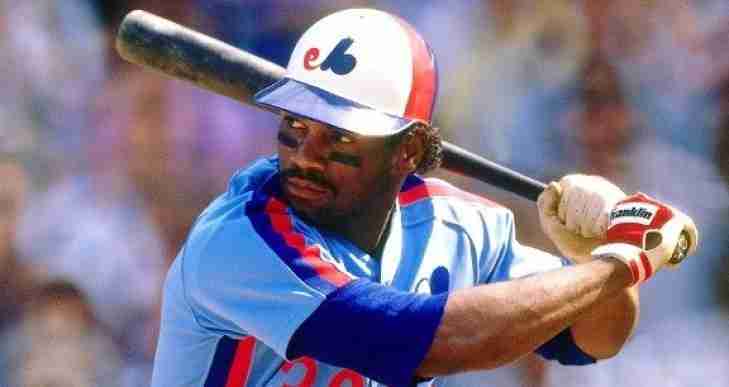
That second day is here.
The Baseball Hall of Fame Class of 2017 has been announced and let’s get right to it as we have three new Baseball Hall of Famers
The highest vote getter this year is Jeff Bagwell who is selected on his 7th year of eligibility. Bagwell received 86.2% of the vote, well up from his 71.6% last year. It has been believed that his delay into getting into the Baseball Hall has been due to PED suspicion, but that is all there was in his case.
Finishing second on the ballot is Tim Raines, who was on his last year of eligibility. “Rock” had 86.0% and like Bagwell received a more than 15% jump. For many Baseball fans, this is long overdue and many are thrilled to see him get his due.
Perhaps a bit of a surprise is that Ivan Rodriguez entered on his first ballot with 76.0%. Statistically, I-Rod is Cooperstown worthy but he has a direct PED accusation from Jose Canseco though was never named in the Mitchell Report.
Overall, the PED users/suspected players have seen a rise in the totals, a lot of which can be attributed with the elimination of older and inactive baseball writers from the process and the induction of Bud Selig, who presided over the time that PED use arose in the game.
Let’s look at those who didn’t make the cut:
Trevor Hoffman: 2nd Year on the ballot, 74.0%
The prolific reliever did not make this year, but he was only a handful of votes away. He finished with 67.3% last year and should get in next year.
Vladimir Guerrero: 1st Year on the ballot, 71.7%
“Vlad the Impaler” was pegged by some as a first ballot inductee but it won’t take him long to get in. He should be a lock next year.
Edgar Martinez: 8th Year on the ballot, 58.6%
Edgar has only two years left but this was a huge jump from the 43.4% he had last year. Martinez was a Designated Hitter, a position that has hurt him in the past and the fact that three people got in to help thin the ballot somewhat does not hurt his cause.
Roger Clemens: 5th Year on the ballot, 54.1%
This was a huge jump for Clemens and the first time he eclipsed 50 percent. This is up 8.9% from last year and perhaps for the first time we have a strong reason to think that the Rocket could get in.
Barry Bonds: 5th Year on the ballot, 53.8%
See above. Could we see in the future a year where both Barry Bonds and Roger Clemens enters Cooperstown together? A few years ago we wouldn’t have thought so, but now that seems like a possibility.
Mike Mussina: 4th Year on the ballot, 51.8%
Mussina doesn’t get a lot of attention as he is not a controversial choice, nor is he one that plays to the media. He did however jump up past the 50% mark for the first time and is going in the right direction.
Curt Schilling: 5th Year on the ballot, 45.0%
Schilling dropped 7 percent, and we all know why don’t we? He angered the media with his comments toward them and is this backlash was long expected.
Lee Smith: 15th Year on the ballot, 34.2 %
This is the end for Smith, who at one point was the all-time Saves leader. Based on how he was trending, he was lucky to make it this far.
Manny Ramirez: 1st Year on the ballot, 23.8 %
This could be the biggest surprise. The suspected PED users went up, but Ramirez was caught and suspended twice. Maybe the writers thought “Manny being Manny” was not enough explanation.
Larry Walker: 7th Year on the ballot, 21.9%
While it doesn’t look like Walker will get in, he did jump up from his 15.5% from last year.
Fred McGriff: 7th Year on the ballot, 21.7%.
McGriff barely budged from his 20.9% from last year. It isn’t looking good for the “Crime Dog.”
Jeff Kent: 3rd Year on the ballot, 16.7%
The former National League MVP moved up…0.1%. Is there a Survivor Hall of Fame?
Gary Sheffield: 3rd Year on the ballot, 13.3%
Sheffield mildly improved but he on such a crowded ballot, he still has time to jump up considering his career stats.
Billy Wagner: 2nd Year on the ballot, 10.2%
Wagner actually went down from his 10.5% from the year before. Realistically, just staying on the ballot is a win for him.
Sammy Sosa: 5th Year on the ballot, 8.6%
Sosa is still alive, so we are stuck debating him another year.
The notable player who did not make the 5% to stay on the ballot was former New York Yankee Catcher, Jorge Posada, received 3.8%.
Others who received votes were Magglio Ordonez (0.7%), Edgar Renteria (0.5%), Jason Varitek (0.5%) and Tim Wakefield (0.2%).
The others on the ballot who did not receive any votes were Corey Blake, Pat Burrell, Orlando Cabrera, Mike Cameron, J.D. Drew, Carlos Guillen, Derrek Lee, Melvin Mora, Arthur Rhodes, Freddy Sanchez and Matt Stairs.
We here at Notinhalloffame.com would like to congratulate the latest Baseball Hall of Fame Class and we will be unveiling our next list in a month’s time.
The Baseball HOF has announced their Nominees for 2017.
Awards = HOF? Part Twenty-Three: Gold Glove Catcher
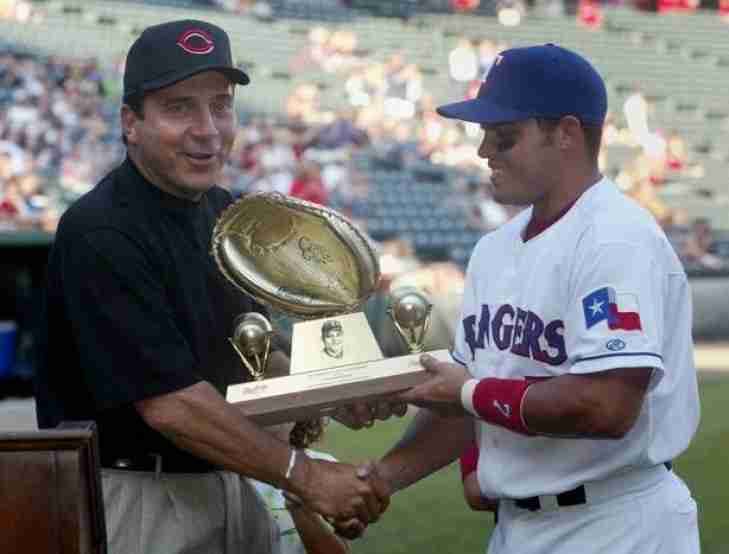
Needless to say, different awards in different sports yield hall of fame potential. In basketball, the team sport with the least amount of players on a roster, the dividend for greatness much higher. In baseball, it is not as much as a great individual season does not have the same impact.
The Top 50 Texas Rangers of All-Time are up
We think so too!
The next North American franchise, that we will look at in regards to the Top 50 of All-Time are the Texas Rangers. The Rangers have yet to win the World Series but they have been very competitive as of late and are a solid contender to win the big one in upcoming years.
You can click here to get the entire list here but here is a sneak preview of the top five:
1. Ivan Rodriguez
2. Rafael Palmeiro
3. Juan Gonzalez
4. Buddy Bell
5. Jim Sundberg
Up next are the Green Bay Packers, one of the most celebrated sports teams of any discipline.
Look for that soon and as always we thank you for your support!
1. Ivan Rodriguez
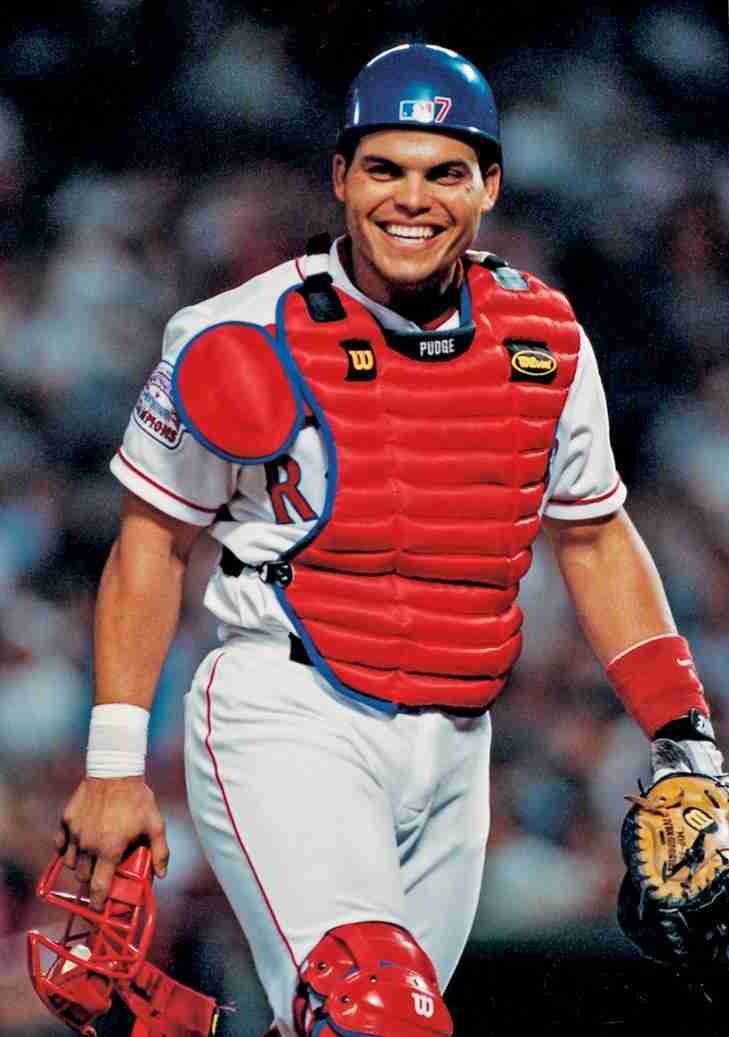
When examining the most comprehensive and physically formidable forces to have ever directed the game from behind the plate, there exists an unparalleled, gold-standard benchmark that exceeds the scope of modern archives within the junior circuit. Signed out of Puerto Rico as a teenager, Iván “Pudge” Rodríguez did not merely occupy a premium defensive position for the Texas Rangers; he fundamentally redefined it as a platform for innovative athletic excellence. Making his highly anticipated Major League debut in June 1991 at the age of 19, the compact and swift catcher rapidly established himself as the definitive face of the franchise. During an illustrious initial twelve-season tenure in Arlington, "I-Rod" combined a lethal, high-velocity arm that effectively neutralized opposing running games with a potent, free-swinging bat, thereby cementing his reputation as the premier catcher of his generation and the undisputed greatest Texas Ranger of all time.
His introductory period in the American League immediately transformed the manner in which opposing managers devised their offensive strategies. Equipped with a predatory release and exceptional footwork, Rodríguez made erasing baserunners a personal discipline. He secured ten consecutive American League Gold Glove Awards from 1992 to 2001, consistently throwing out over fifty percent of potential base stealers, thereby instilling considerable apprehension among baseline tacticians.
Nonetheless, while his extraterrestrial defensive presence redefined the position, his rapid offensive development is what truly propelled him into the highest echelons of baseball immortality. He systematically dismantled Major League Baseball pitching staffs to achieve eight individual seasons with a batting average significantly exceeding the .300 threshold for Texas, demonstrating an uncommon combination of exceptional contact proficiency and sustained power that earned him six Silver Slugger Awards and five seasons with at least 20 home runs.
Rodríguez's 1999 season was truly remarkable, marking the peak of his career. He delivered an outstanding offensive performance that set new standards for modern catchers. Throughout the season, he consistently outdid other American League pitchers, achieving career highs with 35 home runs and 113 RBIs. He also contributed 199 hits, scored 116 runs, and stole 25 bases in 144 games. His efficiency was outstanding, with a impressive .332/.356/558 slash line and a bWAR of 6.4, earning him the 1999 American League Most Valuable Player Award and helping Texas secure a division title.
By the end of the 2002 campaign, injuries like a broken thumb, knee tendonitis, and herniated disc limited the franchise catcher to an average of 103 games over three years. With the team in a rebuilding phase and burdened by hefty payrolls elsewhere, management hesitated to commit long-term to a catcher with durability issues. After a public, tense salary dispute over his market value, they let him go into free agency, marking their first significant departure that winter. Rodríguez used this move to rebound, signing a one-year deal with the Florida Marlins and helping them win the 2003 World Series.
Following subsequent, highly productive years that included a stellar run in Detroit and a brief, deeply nostalgic 28-game return to Arlington in 2009, he left behind a volume-dense statistical fortress that dominates the bedrock of local history.
Across his 1,507 games strictly representing the Rangers, Rodríguez accumulated exactly 1,747 hits, 352 doubles, 217 home runs, 842 runs batted in, and 866 runs scored, entirely validated by a stellar .304 career average with the club. Advanced analytical filters heavily reinforce the sheer density of his peak on the Texas turf, anchoring his magnificent localized footprint with an exceptional, franchise-best 50.0 position bWAR.
For a solid decade, if you asked any fan, coach, or executive in the sport which catcher they would choose to build a franchise around, his name was the only acceptable answer.
The definitive, final punctuations on his immortal life on the diamond arrived exactly as deserved for an inner-circle legend: the BBWAA officially righted the historical ledger by electing Rodríguez into the National Baseball Hall of Fame in 2017 on his very first year of eligibility, followed immediately by the organization beautifully hanging his iconic number 7 in the stadium rafters—punctuating a legendary journey that began with a 2013 induction into the Texas Rangers Hall of Fame
Our Baseball List has been revised!
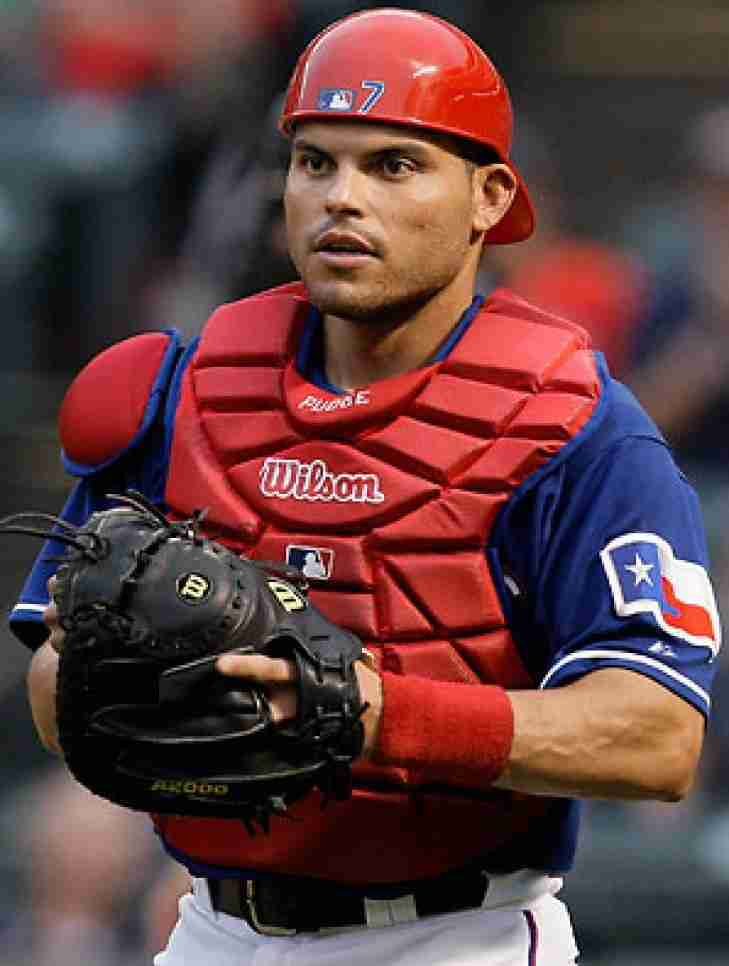
The 2016 vote saw Ken Griffey Jr. and Mike Piazza selected for Cooperstown, both of who were in our top five. Obviously, they will be taken out of our Baseball 100, but there will be three new eligible former baseball players who will join them.
Let’s take a look at our new Notinhalloffame.com Baseball Top Ten.
