


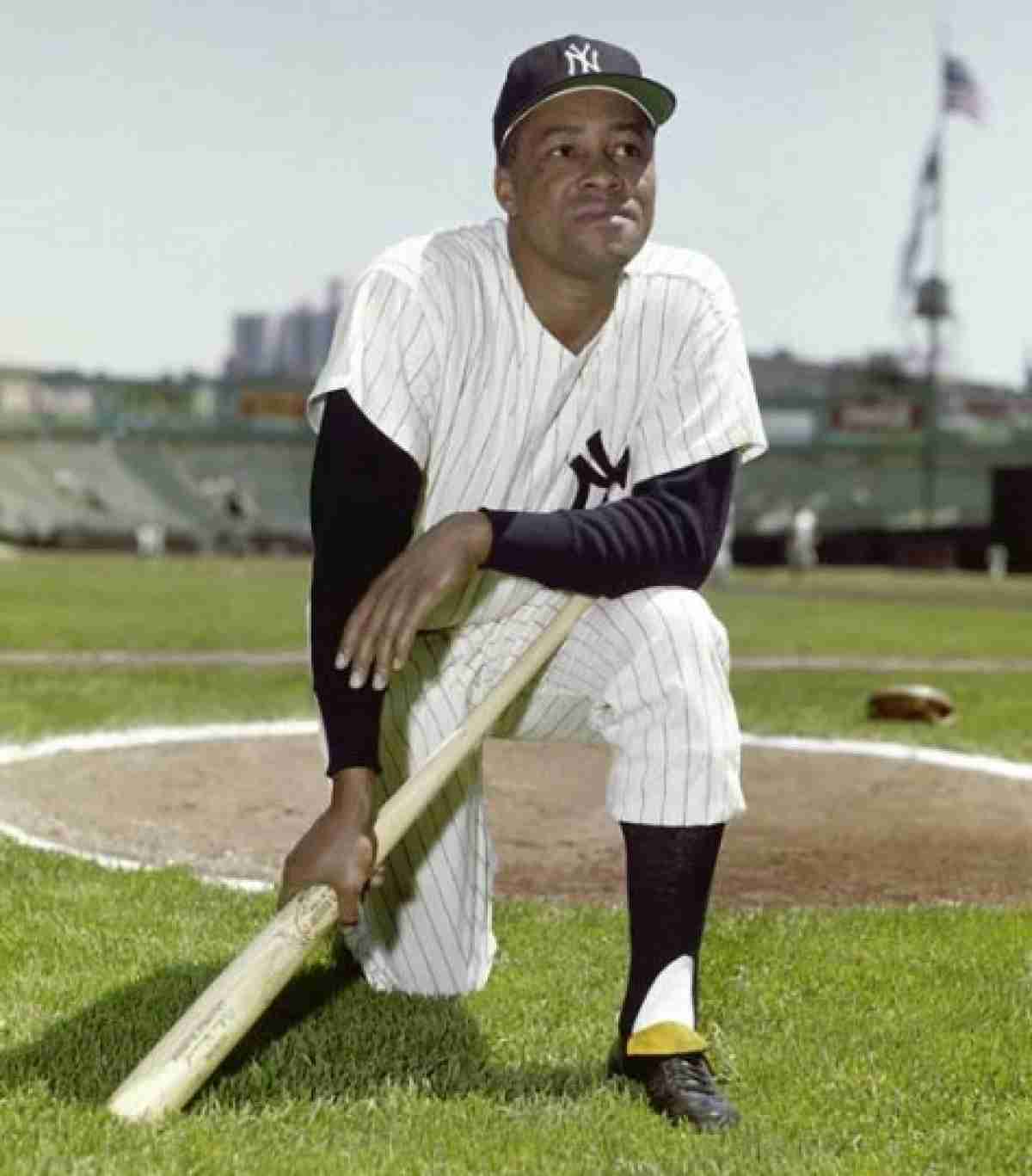

When Elston Howard finally made his major league debut in April 1955, he carried a historic weight that extended far beyond the white lines of the diamond. As the first African-American player to break the color barrier for the sport's most successful franchise, Howard faced immense, high-pressure scrutiny with quiet dignity and resilience. A former standout for the Kansas City Monarchs in the Negro Leagues, the St. Louis native was intentionally converted into a catcher by the New York front office during his minor league journey, a strategic move that would eventually transform the backstop position for a new generation in pinstripes.
Securing regular playing time early on demanded a lot of patience with team structure. Howard joined the Bronx during a period when the legendary Yogi Berra was still performing at an MVP-level behind the plate. Instead of leaving his defensive skills unused on the bench, manager Casey Stengel utilized Howard's athleticism by making him a versatile player capable of handling multiple positions. Throughout the late 1950s, he fluidly played left field, right field, and first base while serving as Berra's main backup. Despite the constant changes in defensive roles, Howard's exceptional performance gained national recognition, earning him his first of nine straight All-Star selections in 1957.
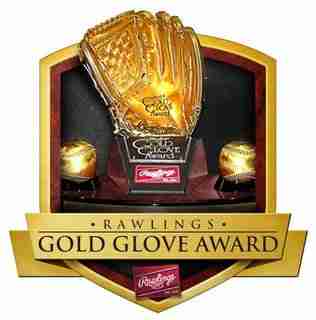
When Ralph Houk assumed the managerial role in 1961, Howard was finally appointed as the team's full-time catcher, beginning a legendary era of individual achievement and team excellence. He provided stability to the pitching staff with his calm demeanor, using exceptional game-calling skills and a rapid release that earned him two Gold Glove Awards. Complementing his defensive mastery with significant power hitting, he smashed 21 home runs and led the historic 1961 "M&M Boys" team to a world championship.
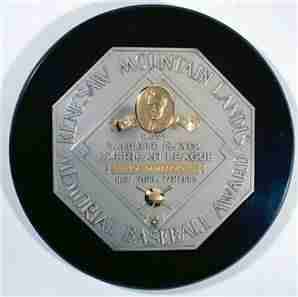
In 1963, his exceptional two-way skills reached their peak during a historic season. Howard dominated the junior circuit, hitting a career-high 28 home runs, driving in 85 RBIs, and posting a strong line of .287/.342/528, all while providing perfect defensive security behind the plate. His consistent performance earned him the 1963 American League Most Valuable Player award, the first time an African-American player received this honor in American League history, as he single-handedly led an injury-ravaged Yankees team to another pennant.
In October, Howard was a consistently reliable figure, appearing in an impressive ten World Series throughout his career. He played a key role in leading the Yankees to four championships (1956, 1958, 1961, and 1962). Known for his expert postseason performance, he managed high-pressure pitching staffs with complete composure. After a late-career trade to the Boston Red Sox in 1967, during which he contributed to the famous "Impossible Dream" pennant run, he officially retired after the 1968 season.
Howard quickly returned to the Bronx dugout, becoming a highly respected and level-headed first base coach for more than ten years. He shared his extensive operational expertise with the next generation of stars, including Thurman Munson, contributing to the team's consecutive World Championships in 1977 and 1978, and earning six rings in total. Sadly, his life was abruptly ended when he died of sudden heart issues in December 1980 at age 51.
On July 21, 1984, the franchise retired Howard’s iconic number 32 jersey and dedicated a bronze plaque in his honor inside Monument Park.

Comments powered by CComment